
Field guide · common
Osprey
Fish hawk of the world — diving feet-first with reversible outer toes and spiny soles.
Least Concern
Pandion haliaetus
Overview
Ospreys are fish-specialist raptors found on every continent except Antarctica. They dive feet-first into open water, then shake and stream off with a catch held head-forward for flight.
For United Kingdom and United States collectors, an osprey nest on a lakeside platform is a familiar recovery success — fish, flight, and wetland comeback.
- Scientific namePandion haliaetus
- Length50–66 cm
- HeightWingspan 150–180 cm
- Weight1.2–2 kg
- LifespanAround 15–20 years in the wild
- DietAlmost exclusively fish…
- ConservationLeast Concern
- RegionCoasts & Lakes
Where to see them
Habitat
- Lakes
- Coastal estuaries
- Rivers
Coasts, lakes, rivers, and reservoirs with clear water for hunting and tall trees, cliffs, or platforms for nesting — nearly cosmopolitan outside polar regions.
Field notes
Field scale for the Osprey: length around 50-66 cm; height Wingspan 150-180 cm; weight 1.2-2 kg. Typical lifespan: Around 15-20 years in the wild.
When you are scanning habitat, prioritise lakes, coastal estuaries, and rivers. Those settings are where a clean look and a usable photo are most likely.
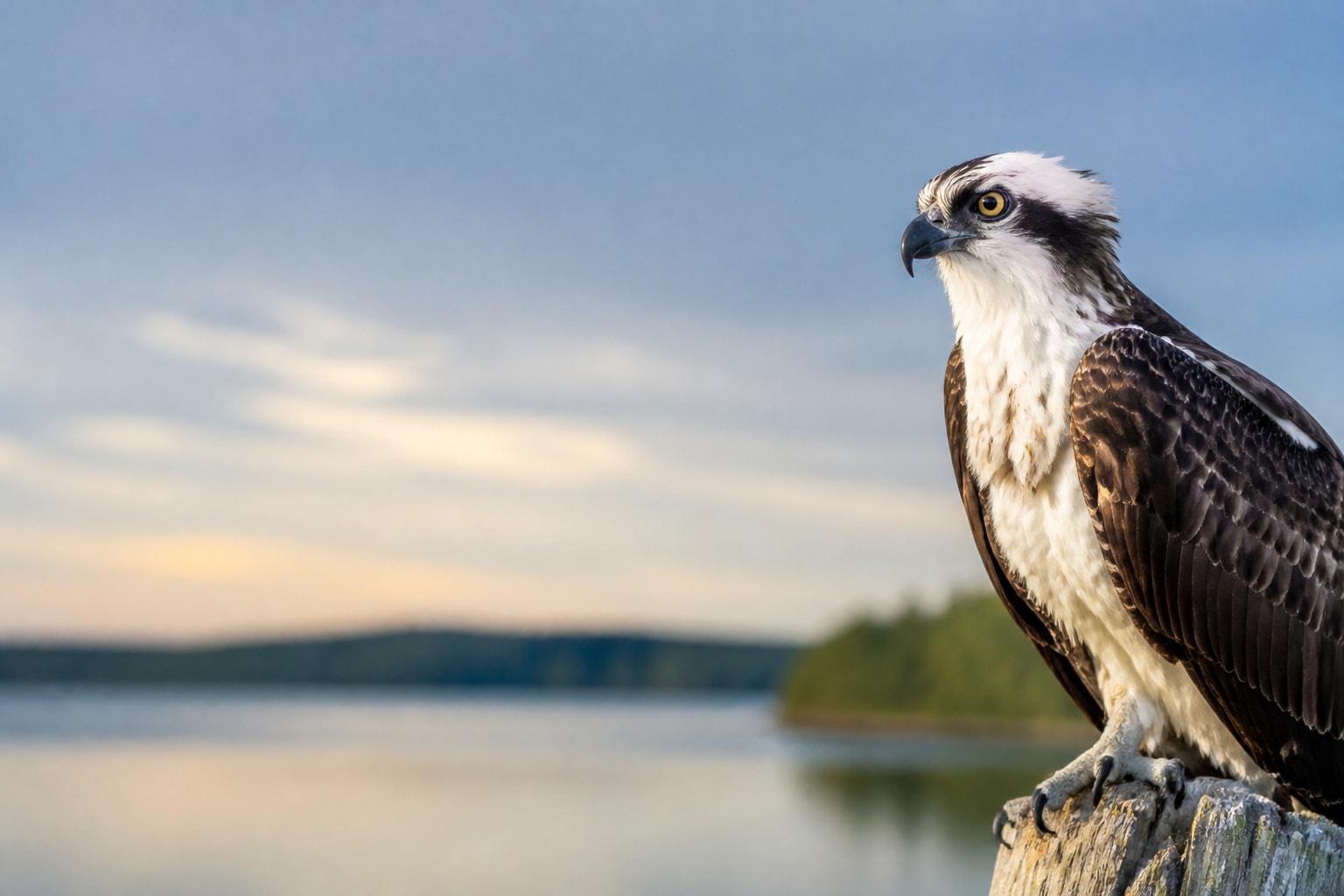
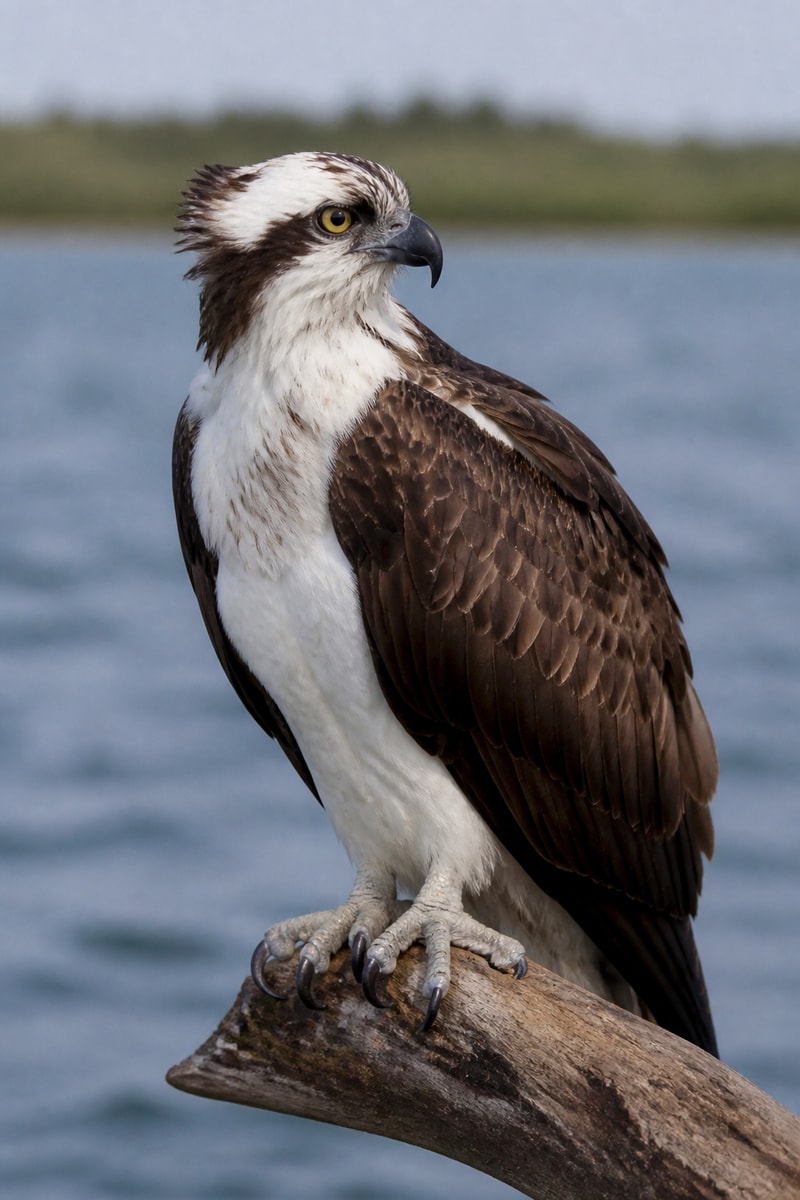
Quick ID anchor: Brown above, white below, with a dark eye stripe and crooked wings in flight. Confirm with behaviour and habitat before you log the discovery.
Diet
Almost exclusively fish seized in shallow dives from flight or a hover.
Carry prey head-first to reduce drag on the way to the nest.
Behaviour
Often hover before plunging; shake water from plumage after a miss or catch.
Monogamous pairs return to traditional nest sites each breeding season.
How to identify
Brown above, white below, with a dark eye stripe and crooked wings in flight.
Small head, long wings, and fish clutched in talons are classic field marks.
Interesting facts
- 01
Diet is almost entirely fish.
- 02
Outer toe can reverse for a two-front, two-back grip on slippery prey.
- 03
Soles of the feet are spiny for holding fish.
- 04
Close nostrils when plunging into water.
- 05
Build huge stick nests reused for years.
- 06
Recovered strongly in the UK and US after pesticide bans.
Conservation status
Ospreys are Least Concern globally after rebounding from mid-20th-century pesticide crashes. Nest platforms and clean fisheries help UK and US populations stay strong.
Sources: IUCN Red List
Related discoveries
Keep exploring
Where it lives
Related discoveries
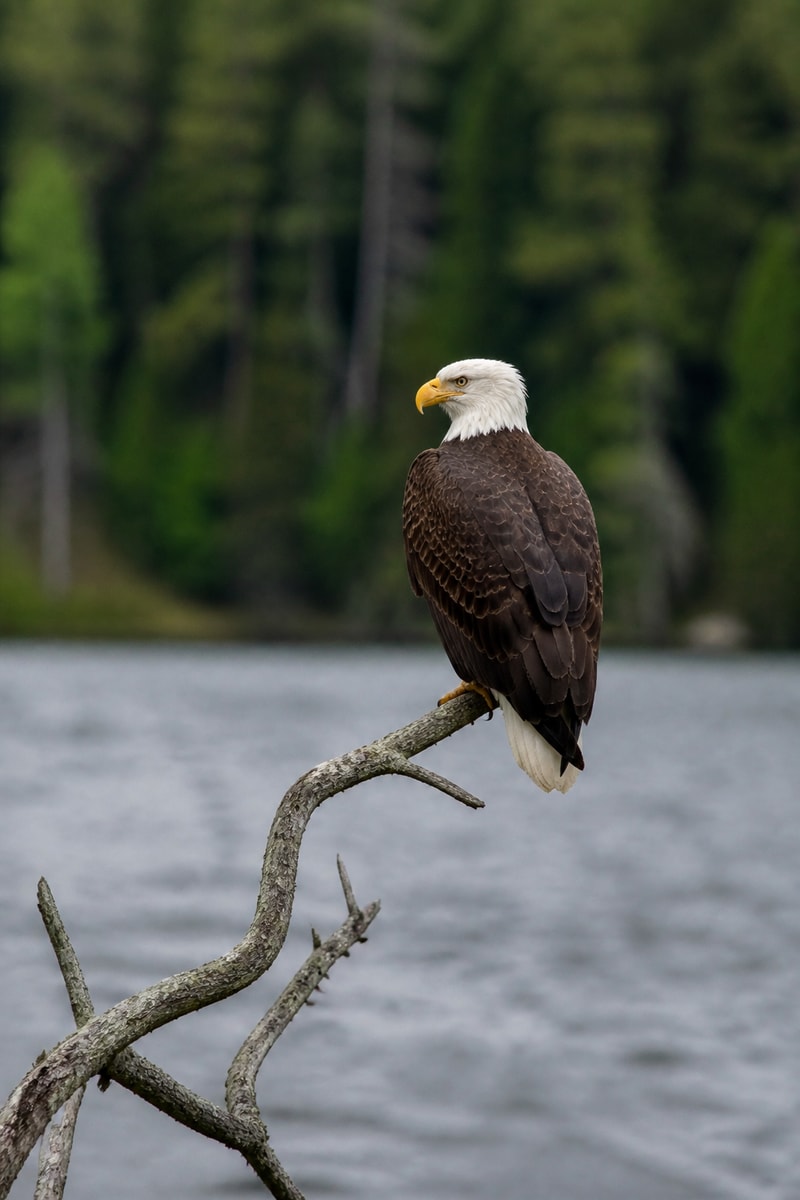
- Bald Eaglelegendary • Lakes & Coasts
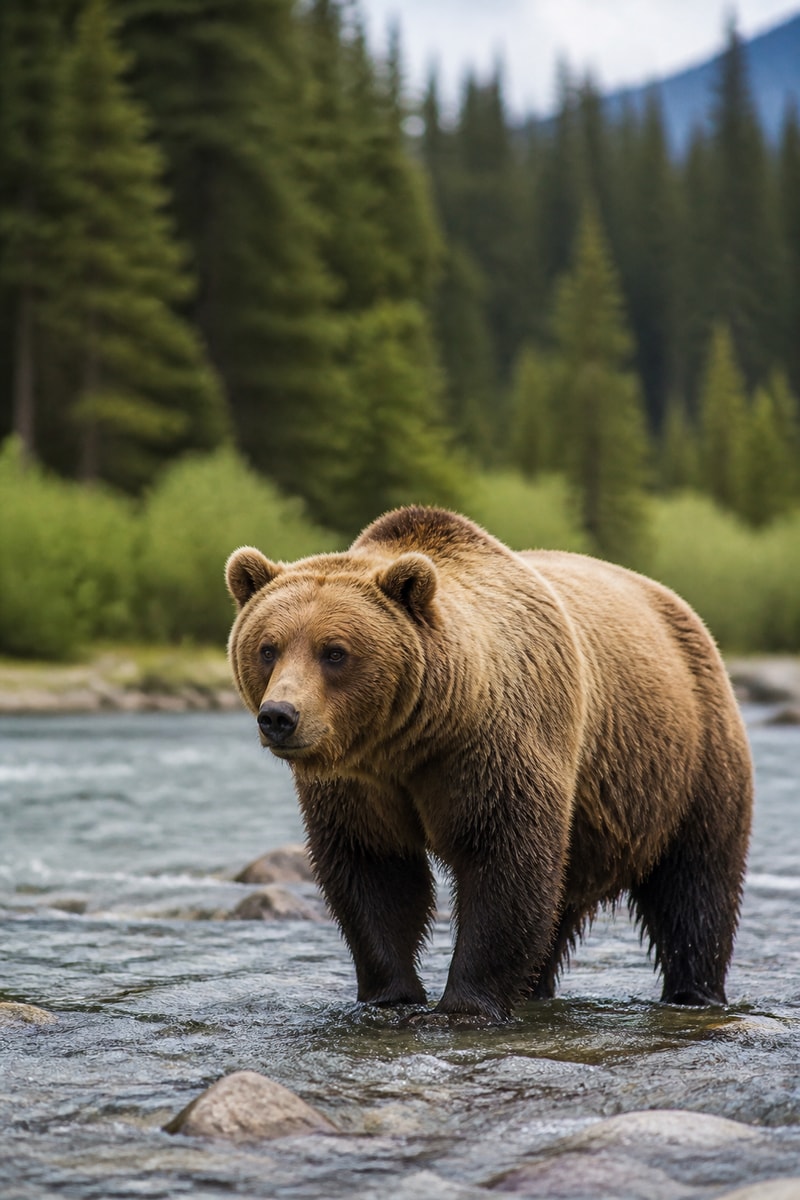
- Grizzly Bearlegendary • Mountains & Rivers
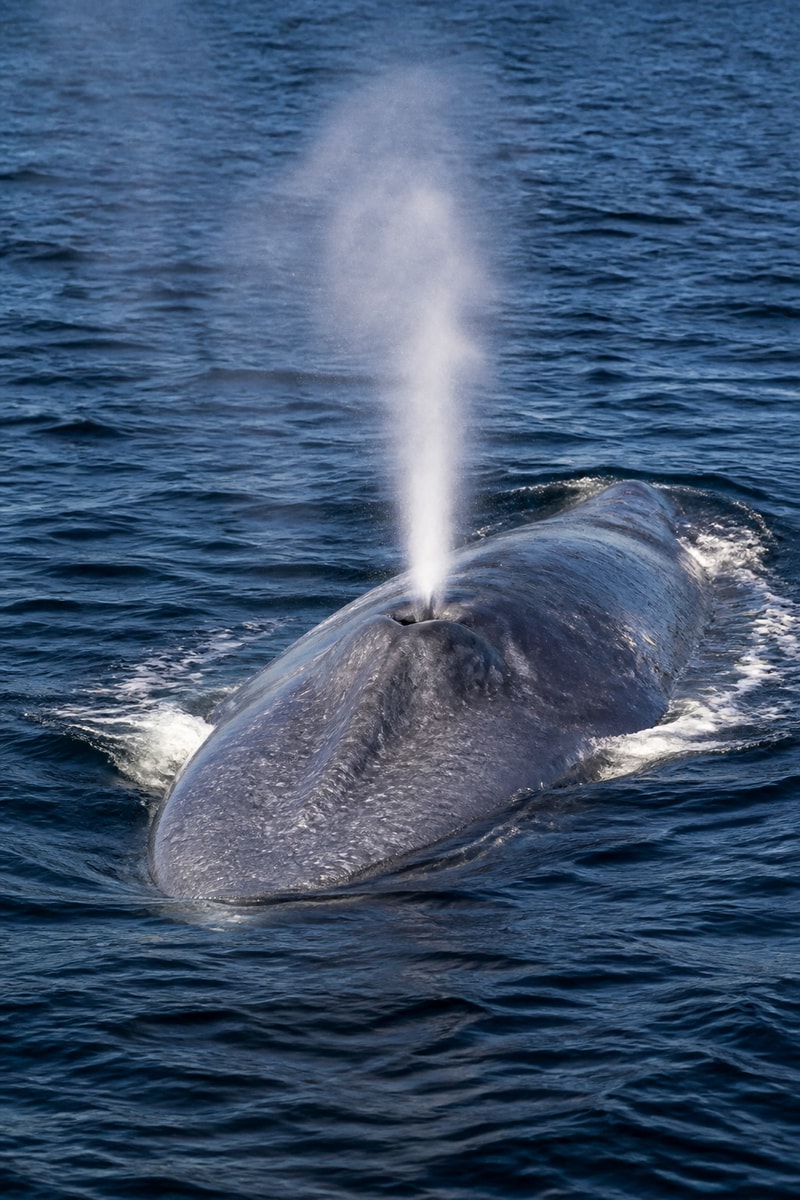
- Blue Whalelegendary • Open Ocean
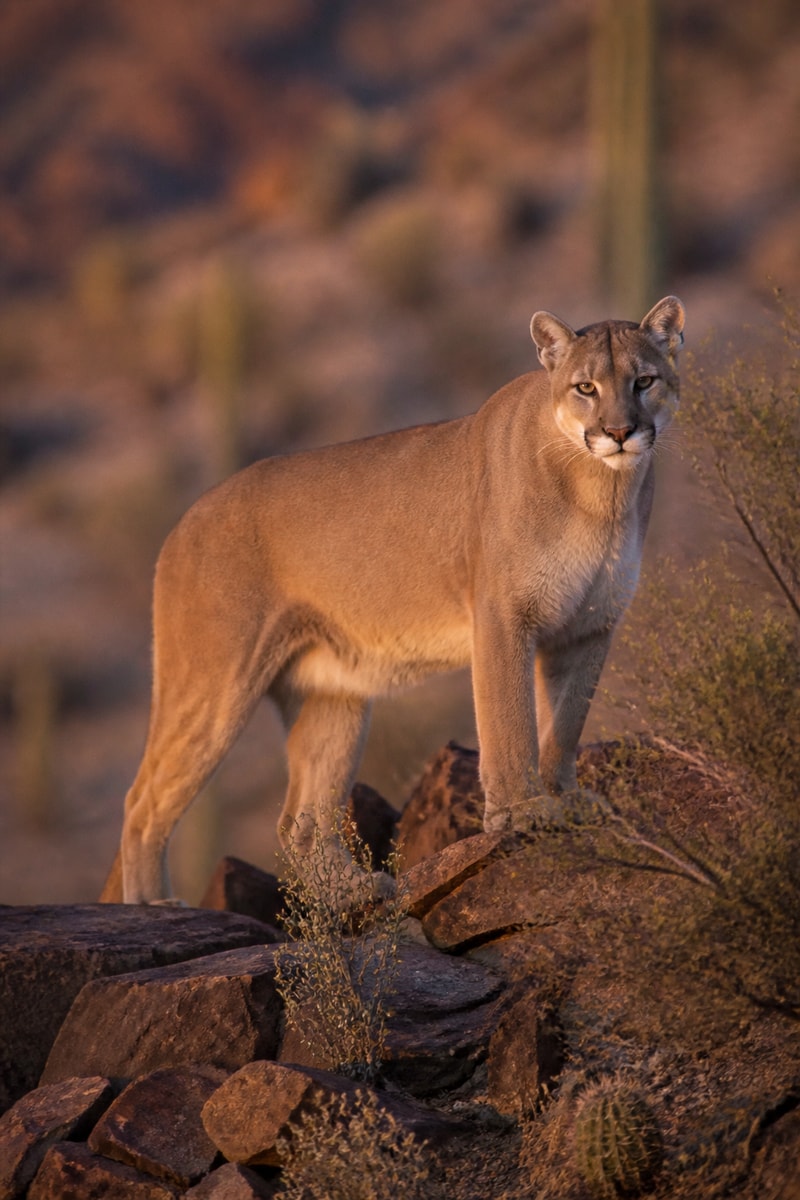
- Mountain Lionlegendary • Mountains & Desert
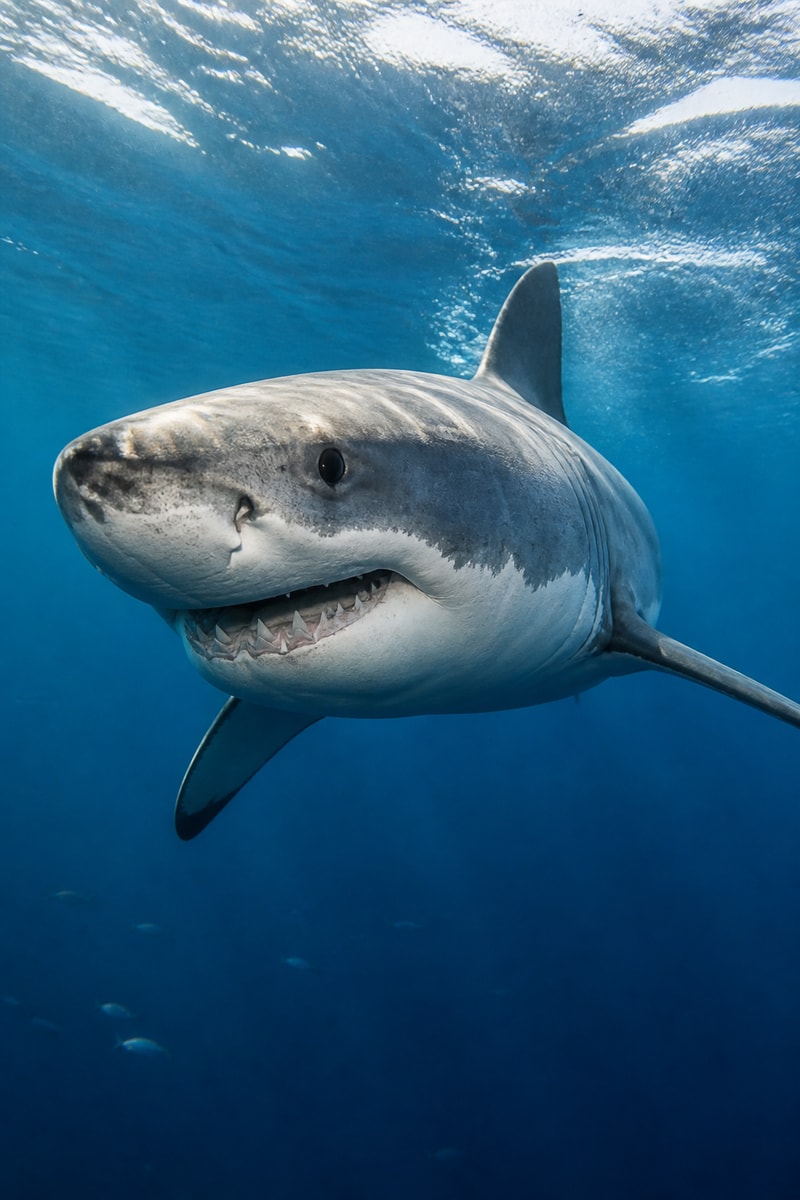
- Great White Sharklegendary • Coastal Ocean
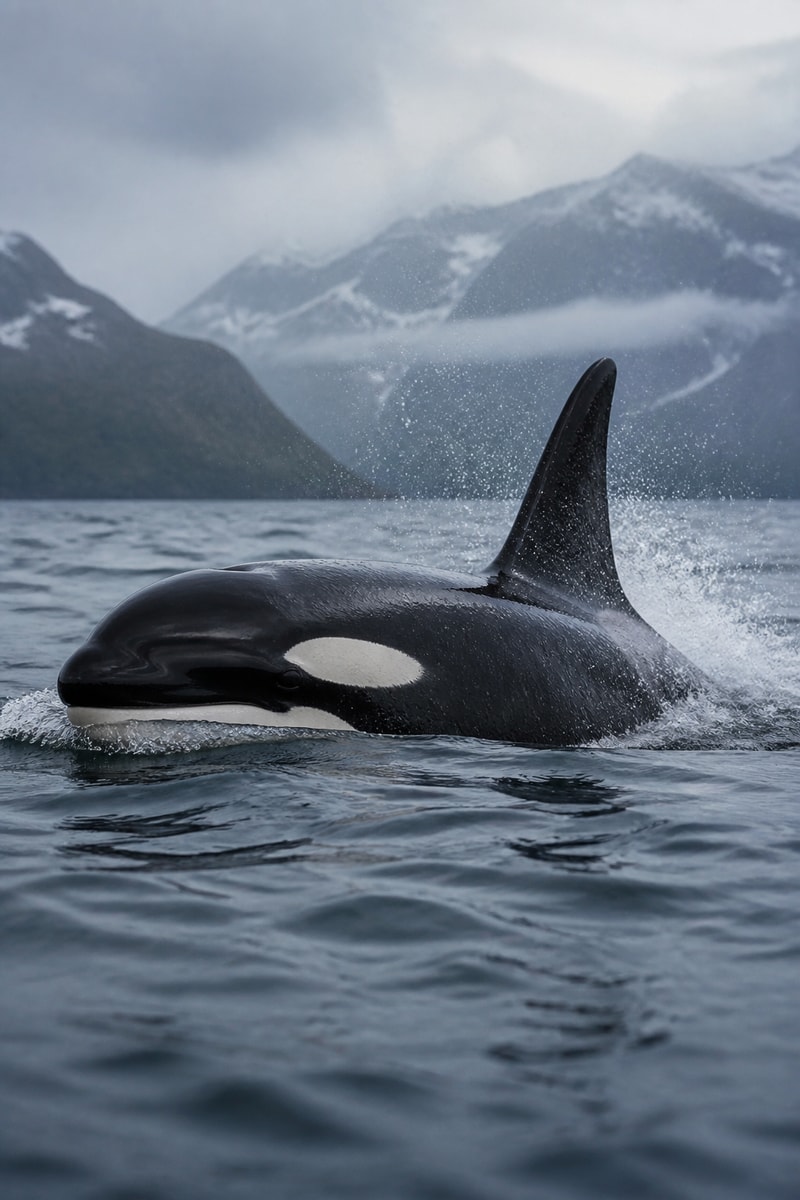
- Orcalegendary • Coastal Ocean
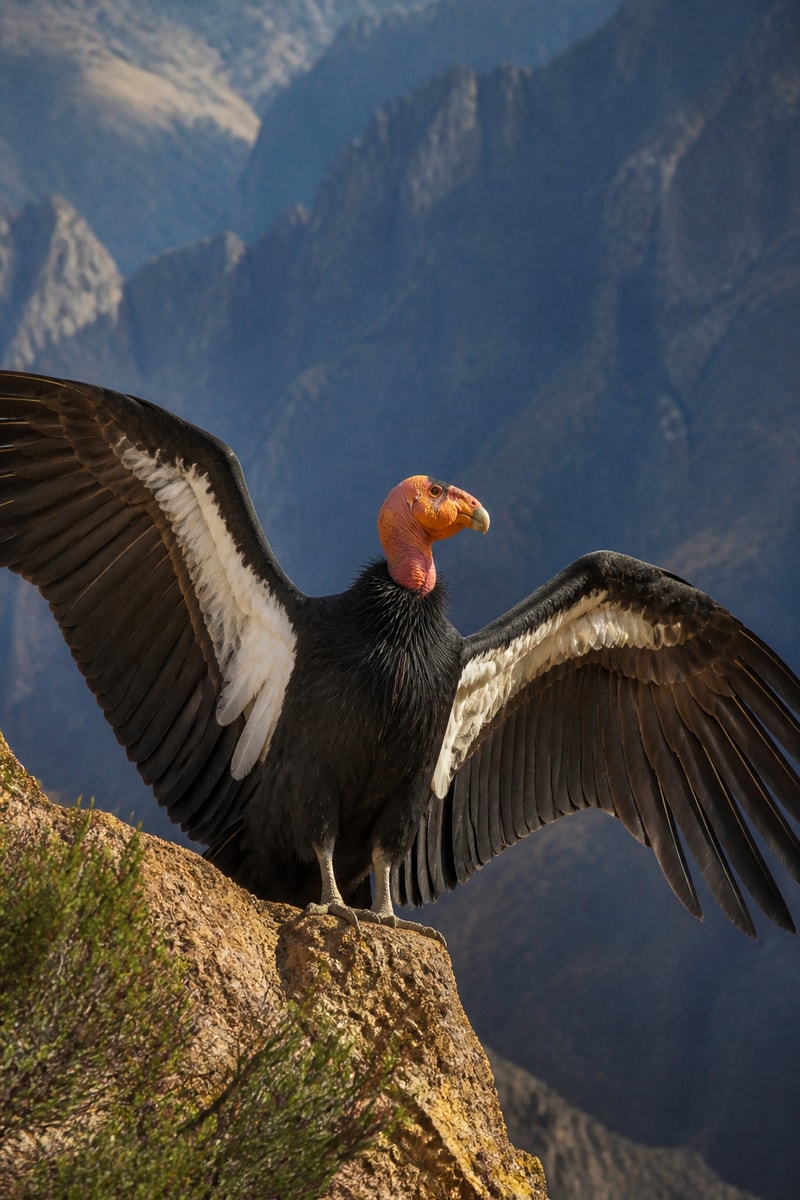
- California Condorlegendary • Canyons & Cliffs
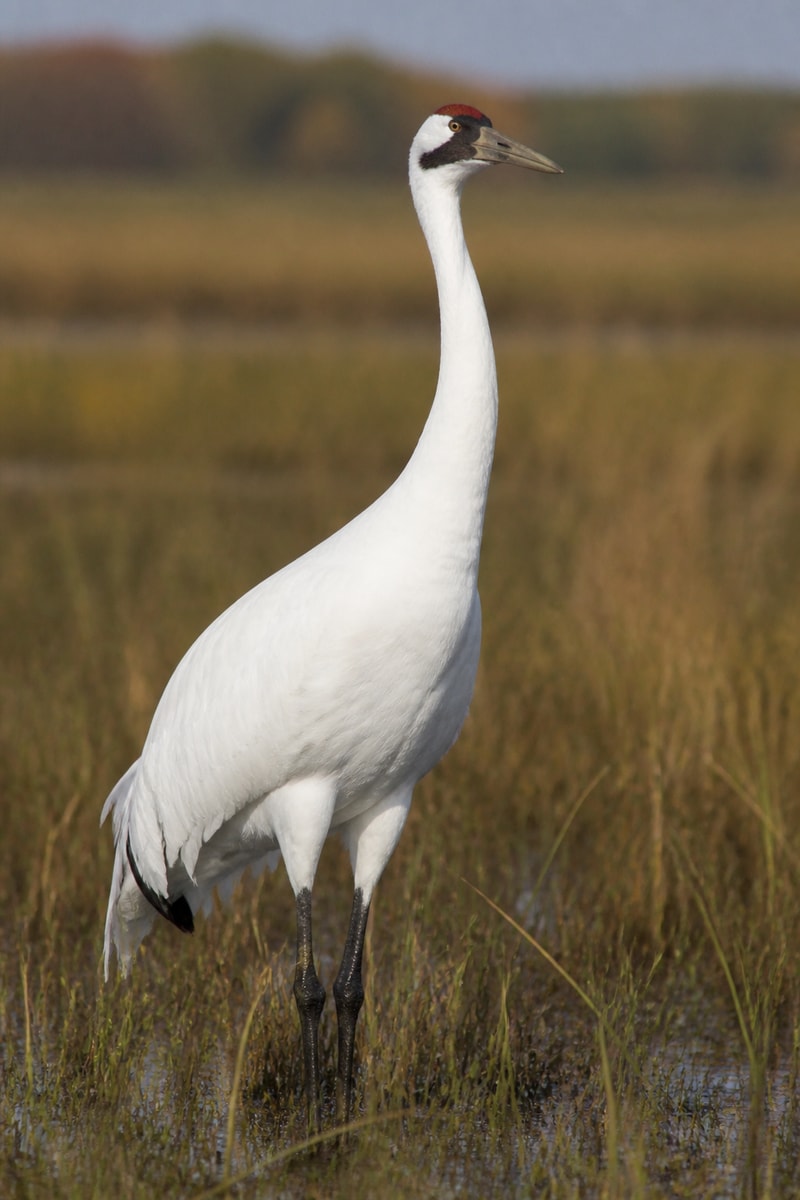
- Whooping Cranelegendary • North American Wetlands
Free on iOS
Catch the Osprey
Spot one in the wild, then scan it in Catch'Um to log your common discovery.