
Field guide · common
Opossum
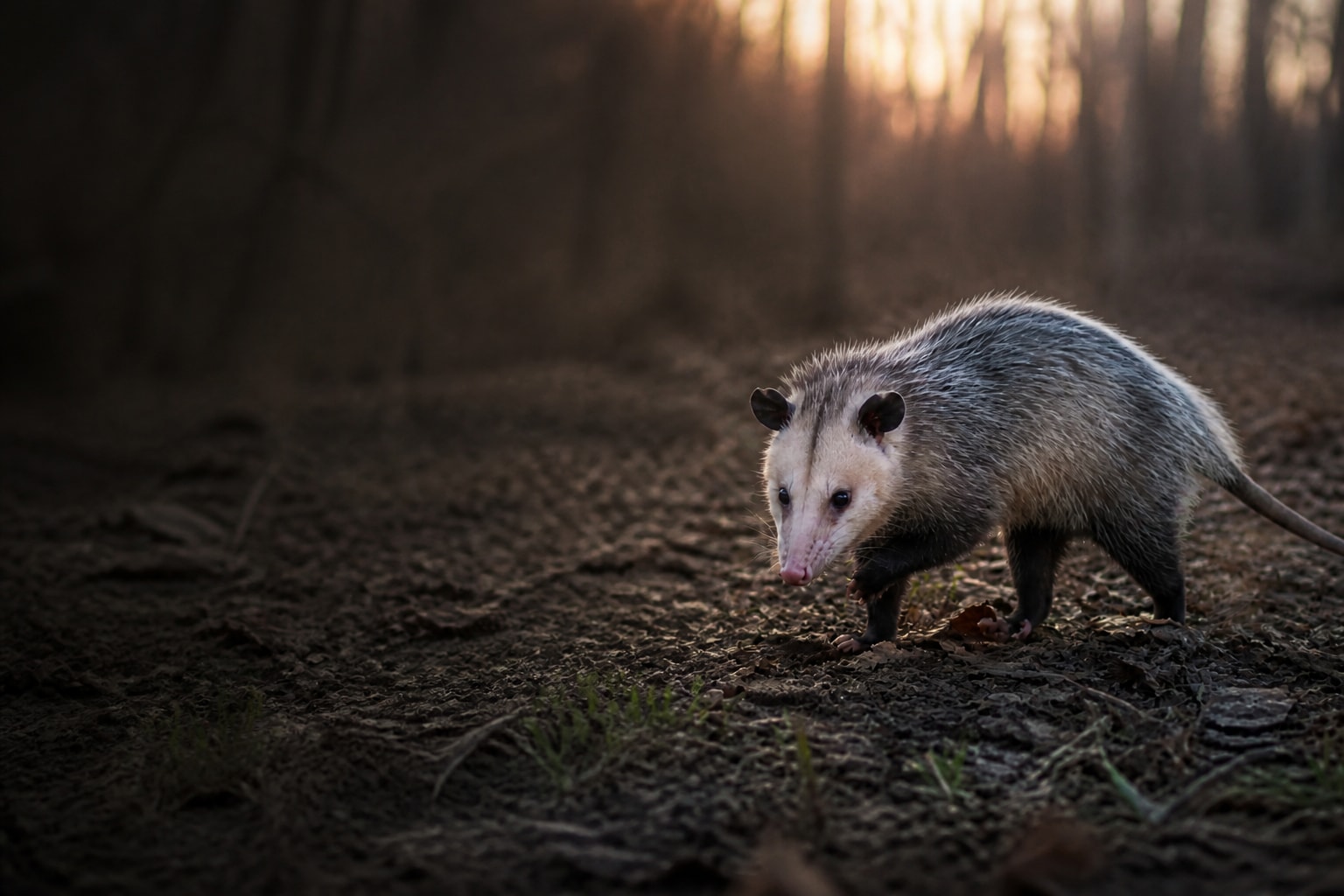
North America's only marsupial, a slow-moving night wanderer that plays dead, eats ticks, and thrives quietly in suburban backyards.
Least Concern
Didelphis virginiana
Overview
The Virginia opossum is a primitive-looking marsupial that has spread across the eastern and central United States, turning attics, woodpiles, and alleyways into nightly foraging routes. With a hairless prehensile tail, pointed snout, and fifty sharp teeth, it looks ancient, and in evolutionary terms, it is.
When threatened, opossums may hiss and bare teeth, but their famous defence is thanatosis: collapsing into a stiff, unconscious state that convinces many predators the animal is already dead. They recover within minutes once the danger passes.
- Scientific nameDidelphis virginiana
- Length35–55 cm body; tail 25–50 cm
- Weight2–5.5 kg
- Lifespan1–3 years in the wild
- DietOmnivore
- ConservationLeast Concern
- RegionSuburbs & Woodland
Habitat
- Woodland
- Farmland
- Suburbs
- Riparian thickets
Opossums are generalists of temperate woodland, farmland edges, and urban neighbourhoods. They den in hollow logs, crawl spaces, and brush piles, emerging at night to eat fruit, insects, carrion, and pet food left outdoors.
Countries found
Field notes
Field scale for the Opossum: length around 35-55 cm body; tail 25-50 cm; weight 2-5.5 kg. Typical lifespan: 1-3 years in the wild.
When you are scanning habitat, prioritise woodland, farmland, suburbs, and riparian thickets. Those settings are where a clean look and a usable photo are most likely.
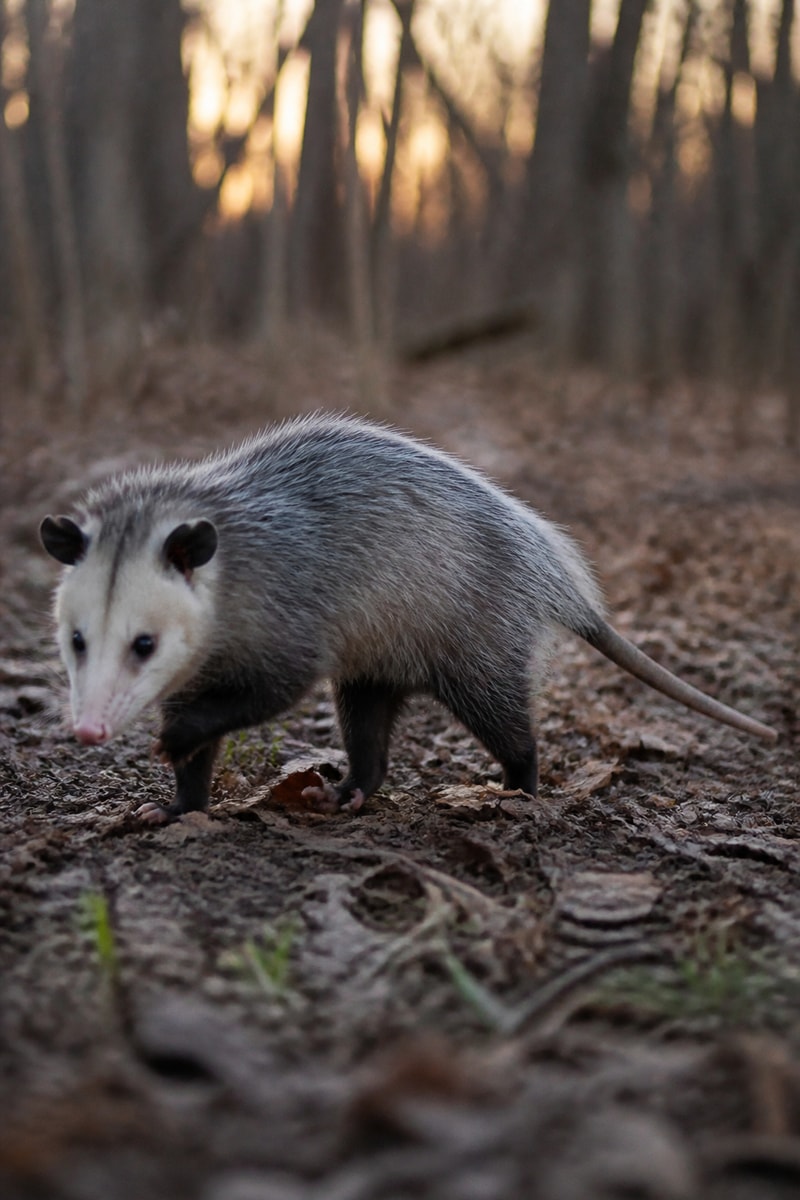
Quick ID anchor: Grey-white face, pink nose, pointed snout, and a mostly naked scaly prehensile tail. North America’s only marsupial; adults often show a pale face contrasting with darker body fur. Confirm with behaviour and habitat before you log the discovery.
Diet
Opportunistic omnivore: insects, fruit, carrion, small vertebrates, eggs, and pet food or refuse near people. Often forages along woodland edges and suburban streets at night.
Behaviour
Nocturnal and usually solitary; an excellent climber with a prehensile tail. When extreme danger threatens it may enter tonic immobility—'playing dead'—with open mouth and foul scent.
How to identify
Grey-white face, pink nose, pointed snout, and a mostly naked scaly prehensile tail. North America’s only marsupial; adults often show a pale face contrasting with darker body fur.
Interesting facts
- 01
Opossums eat thousands of ticks each season, nature's pest control.
- 02
They are immune to most snake venom found in their range.
- 03
Females carry tiny newborn joeys in a pouch, like kangaroos.
Conservation status
Virginia opossums are Least Concern and expanding northward as winters warm. They are frequently killed by cars but reproduce quickly enough that populations remain stable.
Sources: IUCN Red List
Related discoveries

Keep exploring
Related discoveries
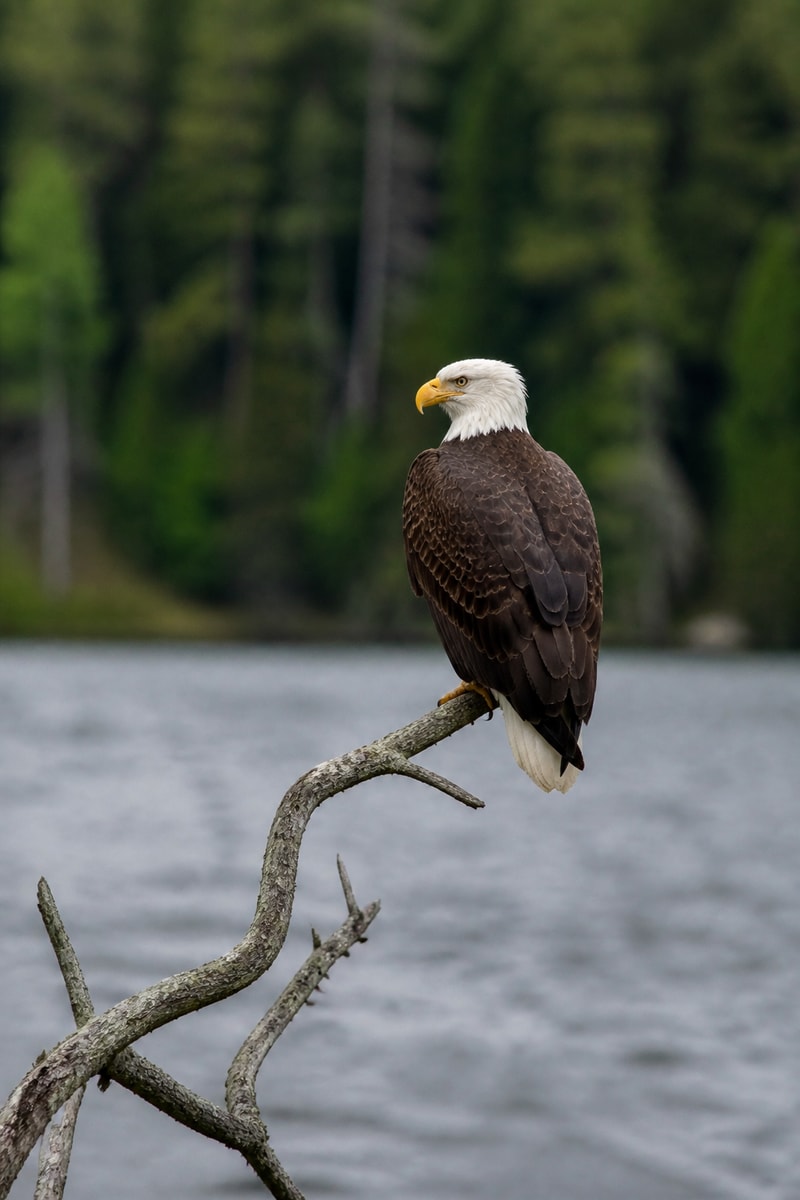
- Bald Eaglelegendary • Lakes & Coasts
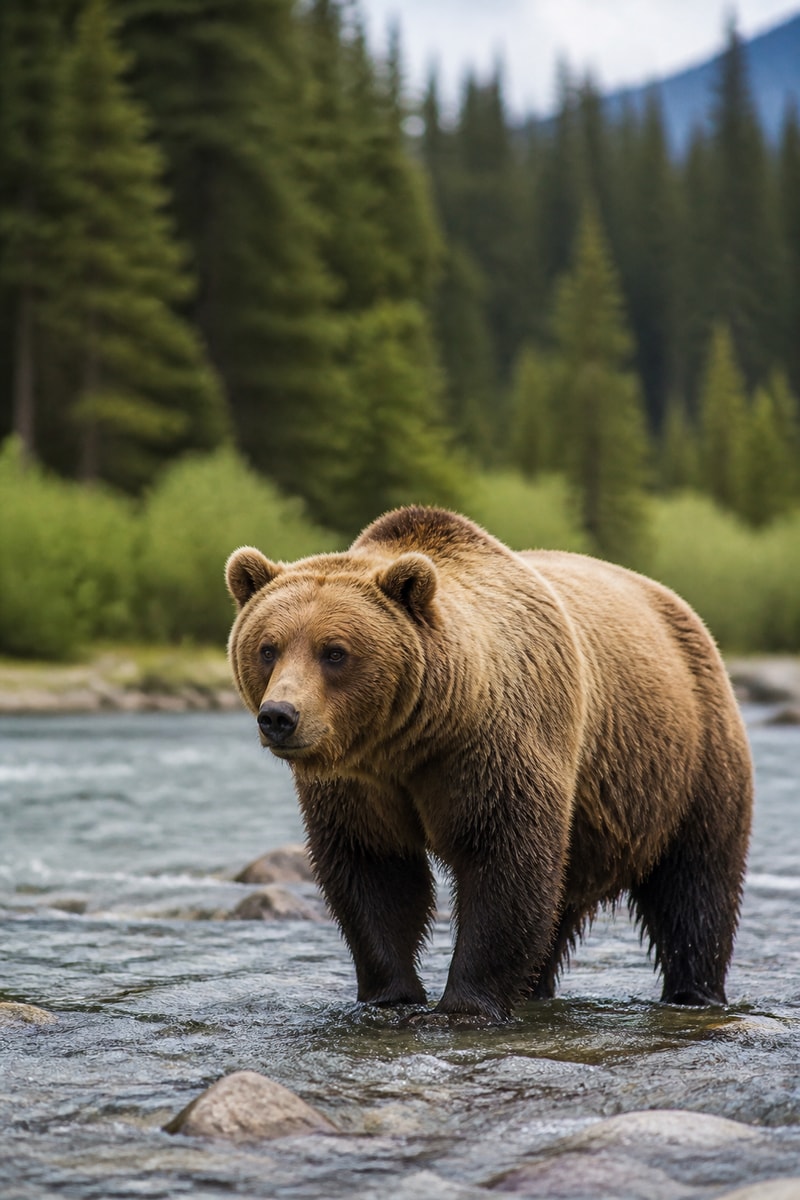
- Grizzly Bearlegendary • Mountains & Rivers
- Blue Whalelegendary • Open Ocean
- Mountain Lionlegendary • Mountains & Desert
- Great White Sharklegendary • Coastal Ocean
- Orcalegendary • Coastal Ocean
- California Condorlegendary • Canyons & Cliffs
- Whooping Cranelegendary • North American Wetlands
Free on iOS
Catch the Opossum
Spot one in the wild, then scan it in Catch'Um to log your common discovery.