
Field guide · common
North American Beaver
Nature's engineer — the dam-building rodent that reshapes rivers into wetlands.
Least Concern
Castor canadensis
Overview
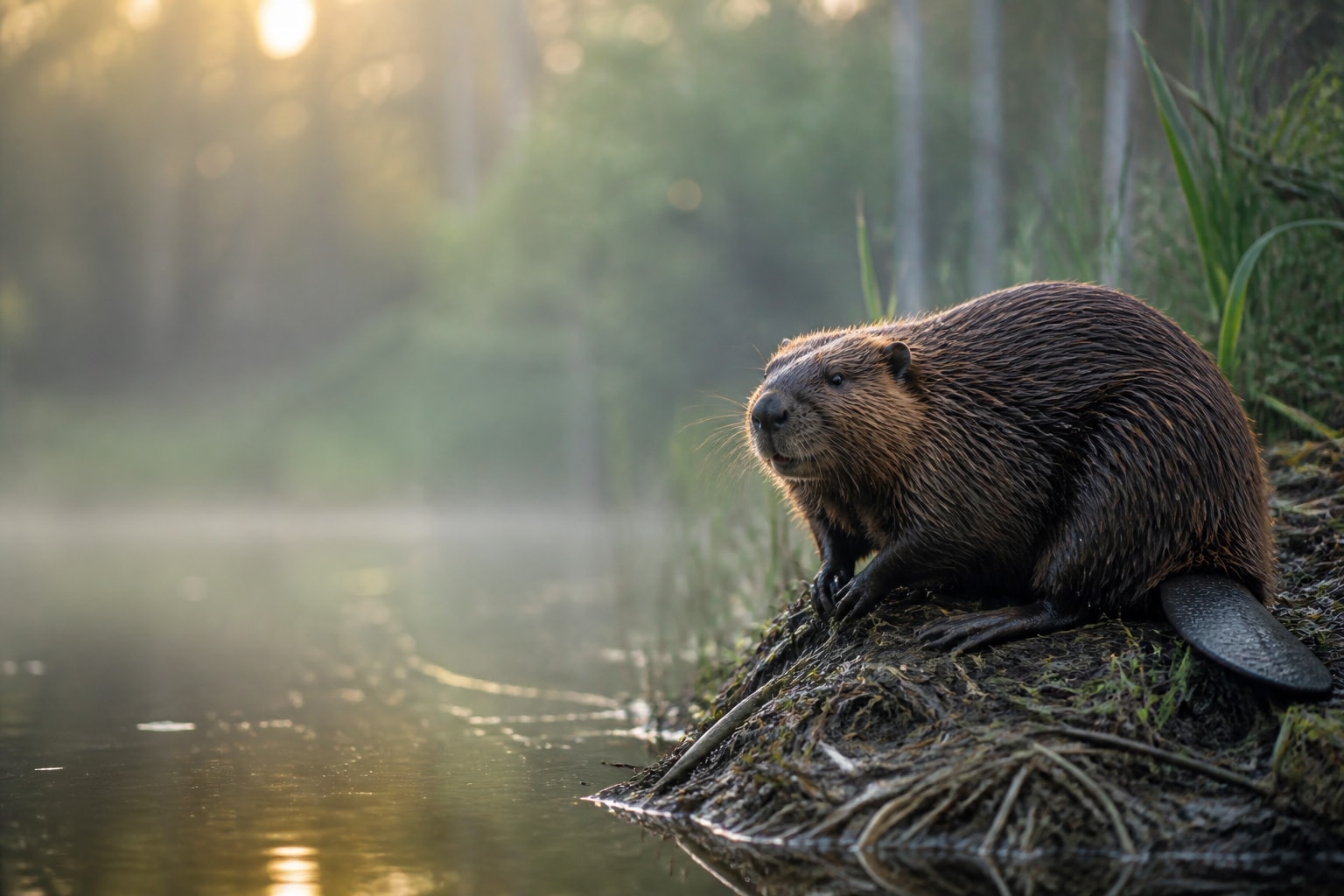
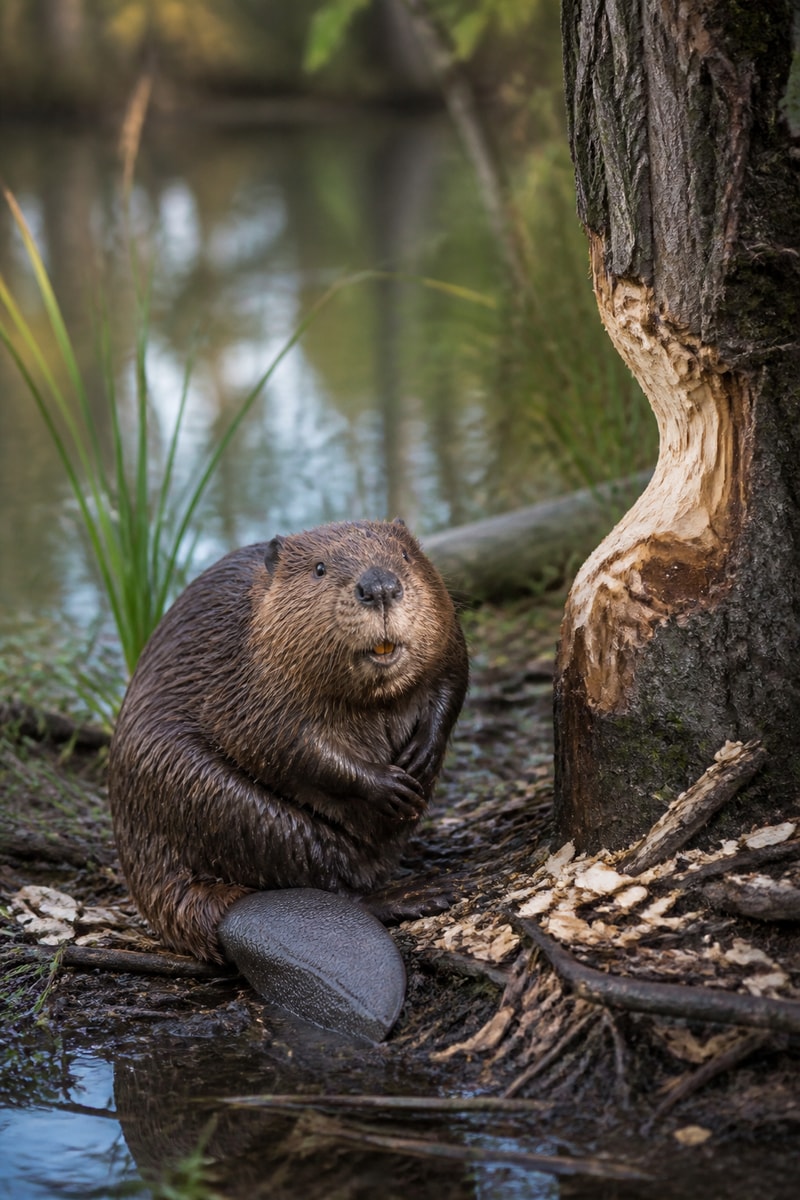
North American beavers are legendary ecosystem engineers. With chisel teeth and a flat paddle tail, they fell trees, build lodges, and create ponds that support fish, frogs, and waterbirds.
For US and Canada collectors, a beaver lodge or freshly chewed aspen stem is proof that one of North America's most influential mammals is on the job.
- Scientific nameCastor canadensis
- Length80–120 cm including tail
- Weight11–32 kg
- LifespanAround 10–20 years in the wild
- DietBark
- ConservationLeast Concern
- RegionRivers & Wetlands
Habitat
- Rivers
- Streams
- Lakes
- Wetlands
Beavers live along rivers, streams, lakes, and wetlands across much of North America wherever woody plants and water combine. Their dams create the ponds they need for safety and food storage.
Field notes
Field scale for the North American Beaver: length around 80-120 cm including tail; weight 11-32 kg. Typical lifespan: Around 10-20 years in the wild.
When you are scanning habitat, prioritise rivers, streams, lakes, and wetlands. Those settings are where a clean look and a usable photo are most likely.
Quick ID anchor: Large brown rodent with a flat paddle tail, small ears, and prominent orange incisors. Confirm with behaviour and habitat before you log the discovery.
Diet
Bark, leaves, and twigs of aspen, willow, birch, and other woody plants; also aquatic vegetation.
Store branches underwater near lodges for winter food.
Behaviour
Mostly nocturnal and crepuscular; live in family colonies.
Build dams and lodges; scent-mark territories with castoreum mounds.
How to identify
Large brown rodent with a flat paddle tail, small ears, and prominent orange incisors.
Webbed hind feet; streams of bubbles often give away a diving beaver.
Interesting facts
- 01
Beavers are the second-largest rodents in the world after capybaras.
- 02
Their dams can create wetlands that benefit dozens of other species.
- 03
Orange enamel on the teeth is strengthened with iron.
- 04
A flat, scaly tail stores fat and steers when swimming.
- 05
They slap the water with the tail as an alarm signal.
- 06
Lodges have underwater entrances for protection from predators.
Conservation status
North American beavers are Least Concern after recovering from historical fur-trade declines. They are increasingly welcomed as natural allies for wetland restoration, though dams can conflict with roads and farmland.
Sources: IUCN Red List
Keep exploring
Where it lives
Related discoveries
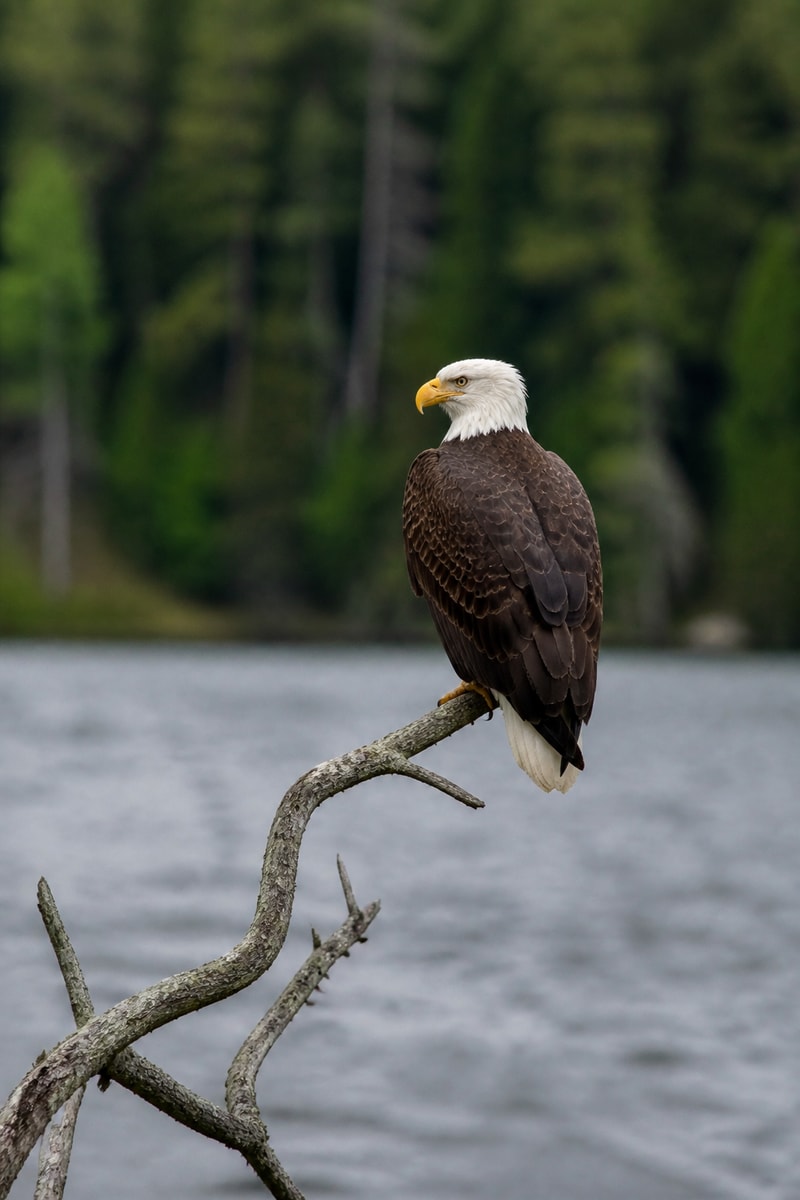
- Bald Eaglelegendary • Lakes & Coasts
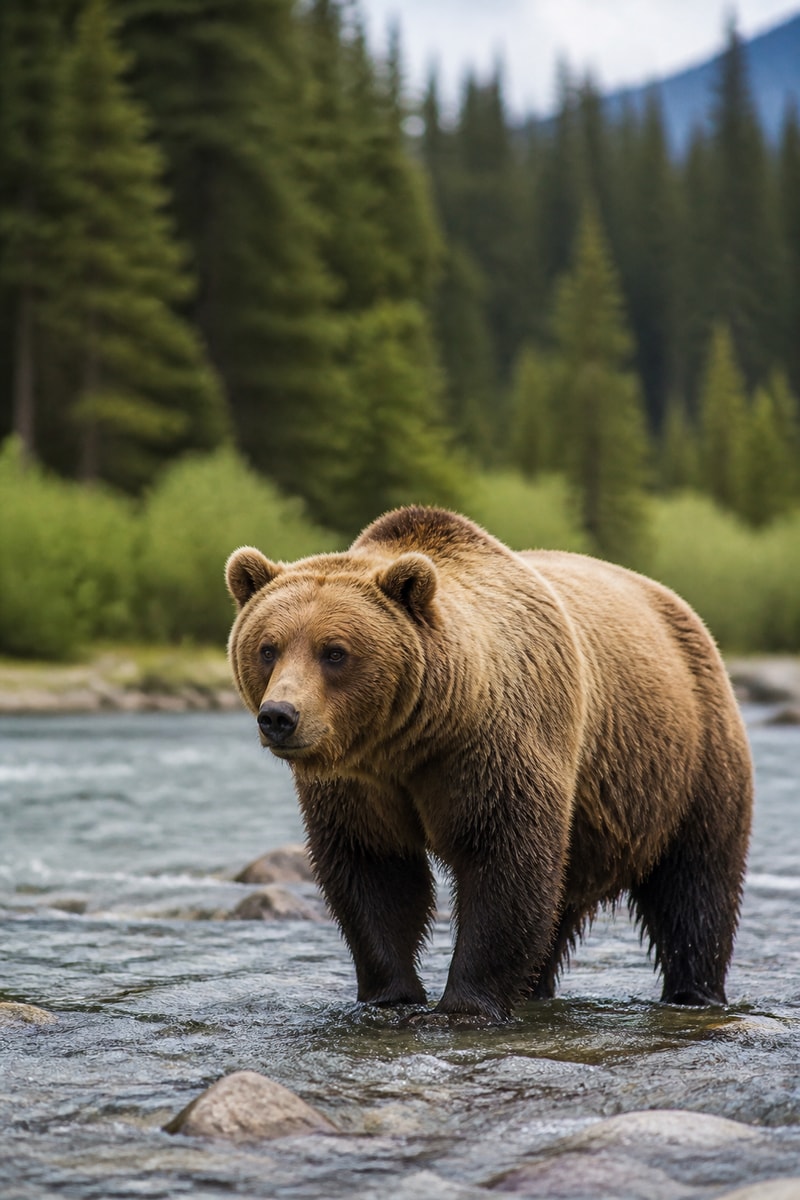
- Grizzly Bearlegendary • Mountains & Rivers
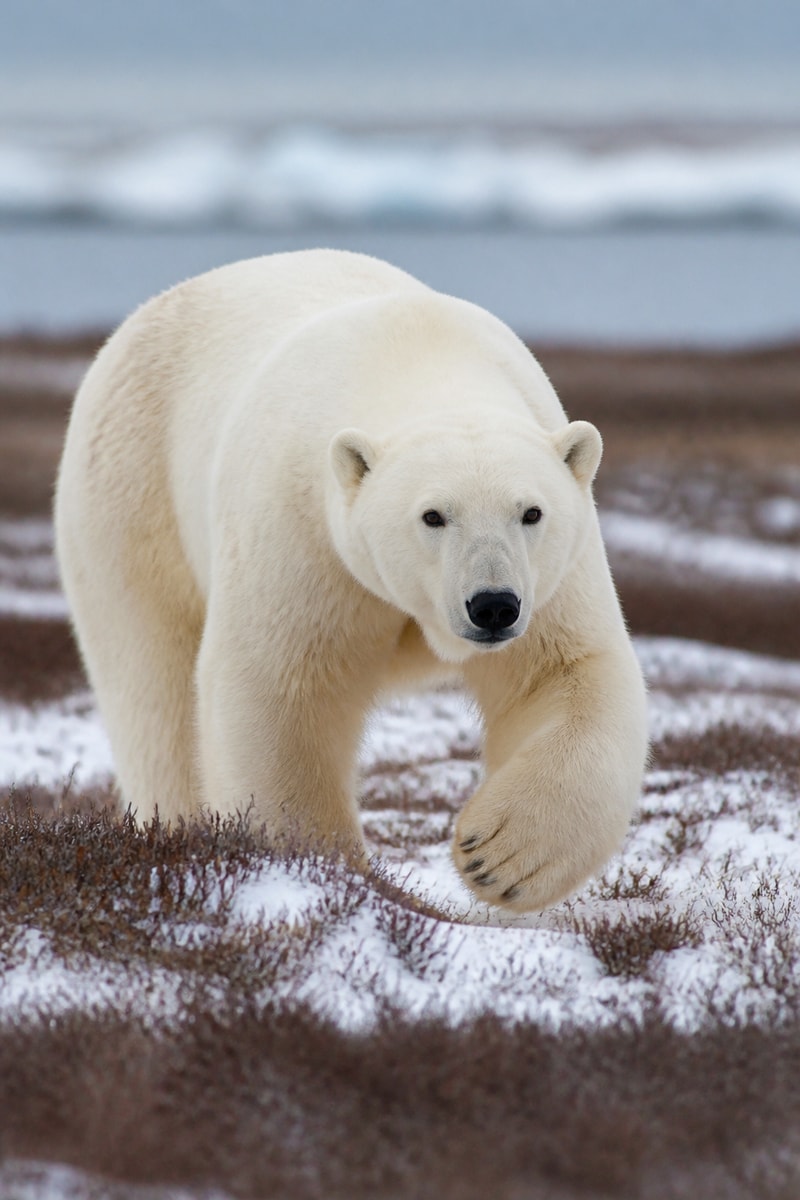
- Polar Bearlegendary • Arctic Ice
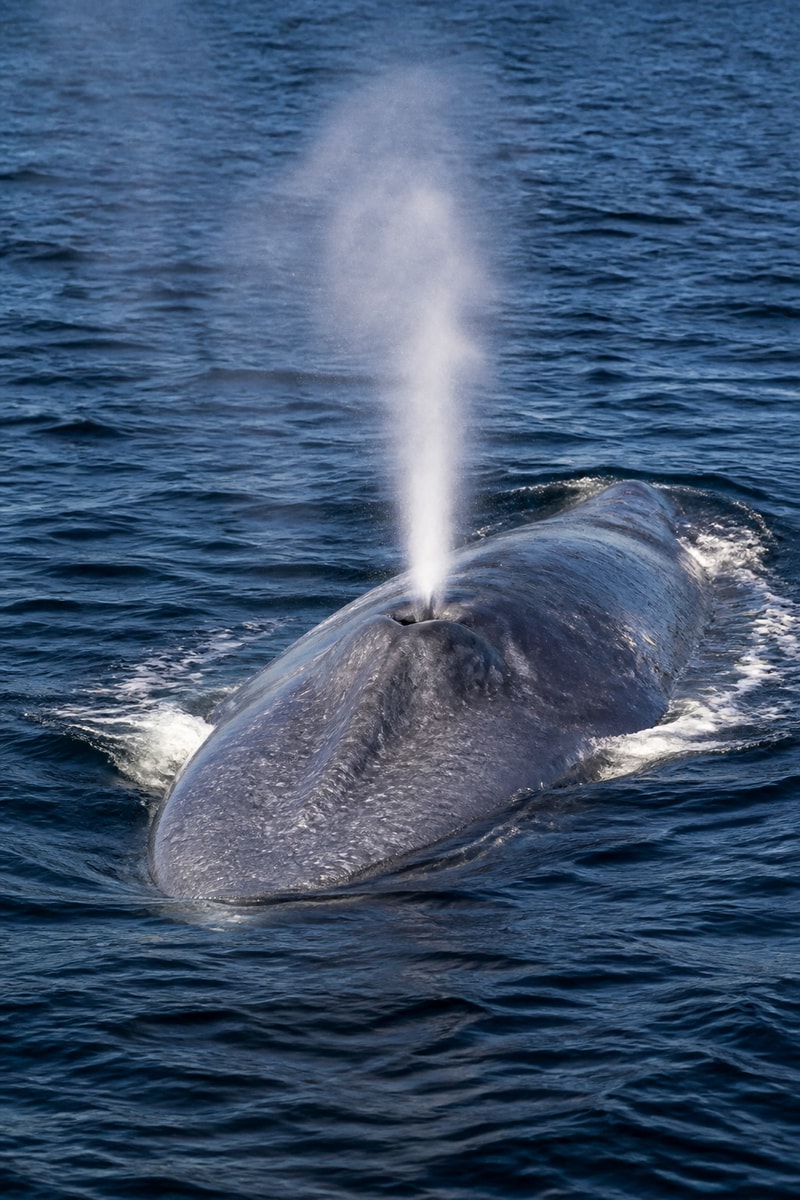
- Blue Whalelegendary • Open Ocean
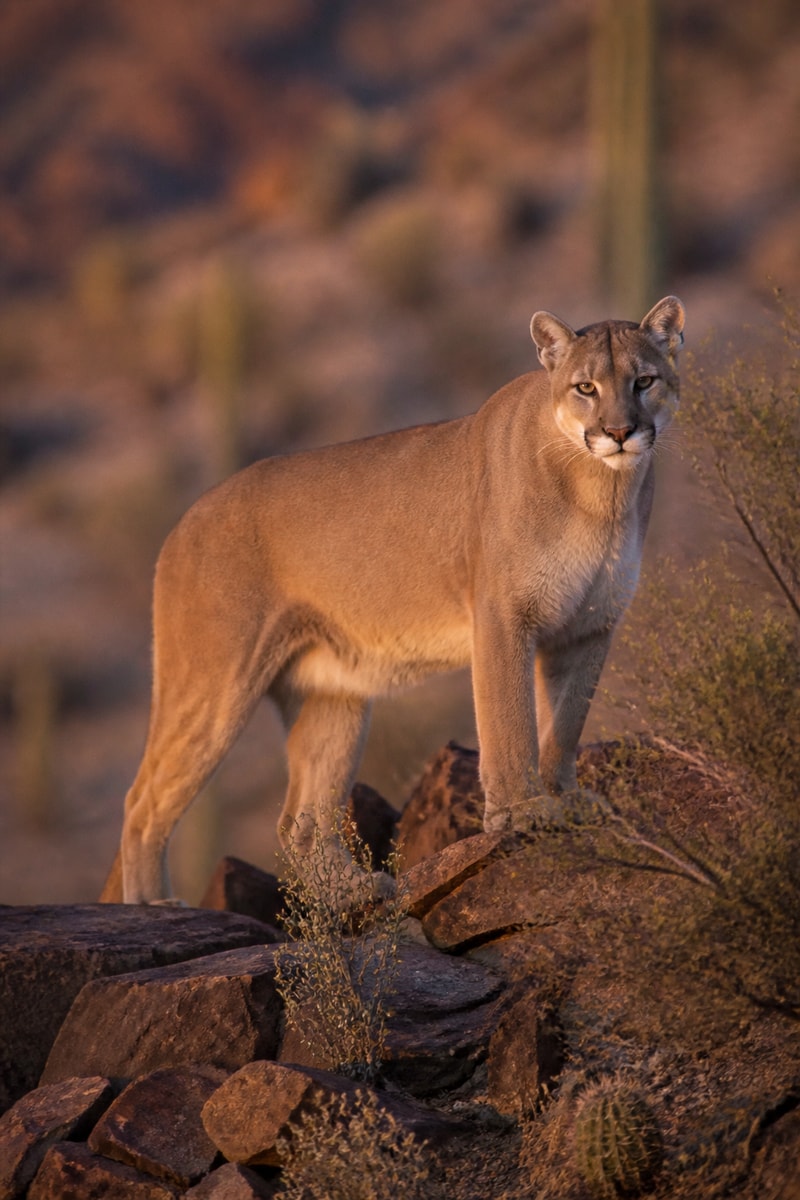
- Mountain Lionlegendary • Mountains & Desert
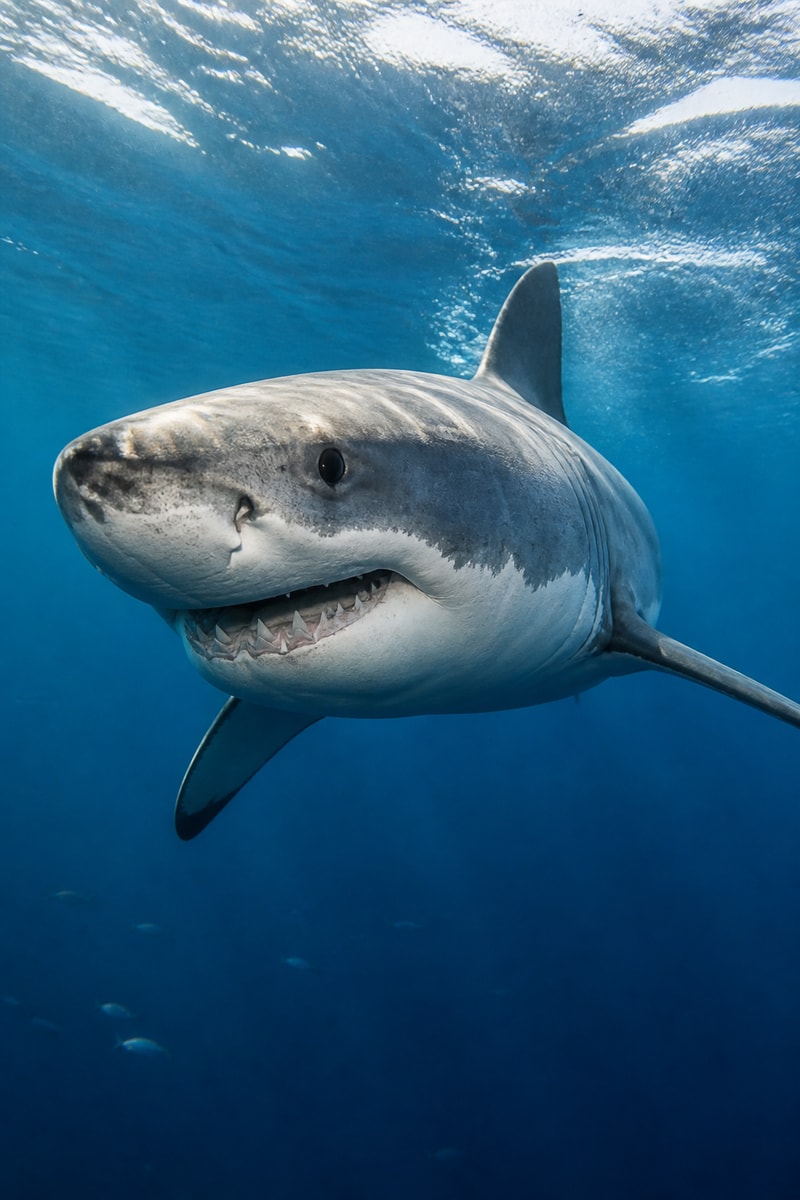
- Great White Sharklegendary • Coastal Ocean
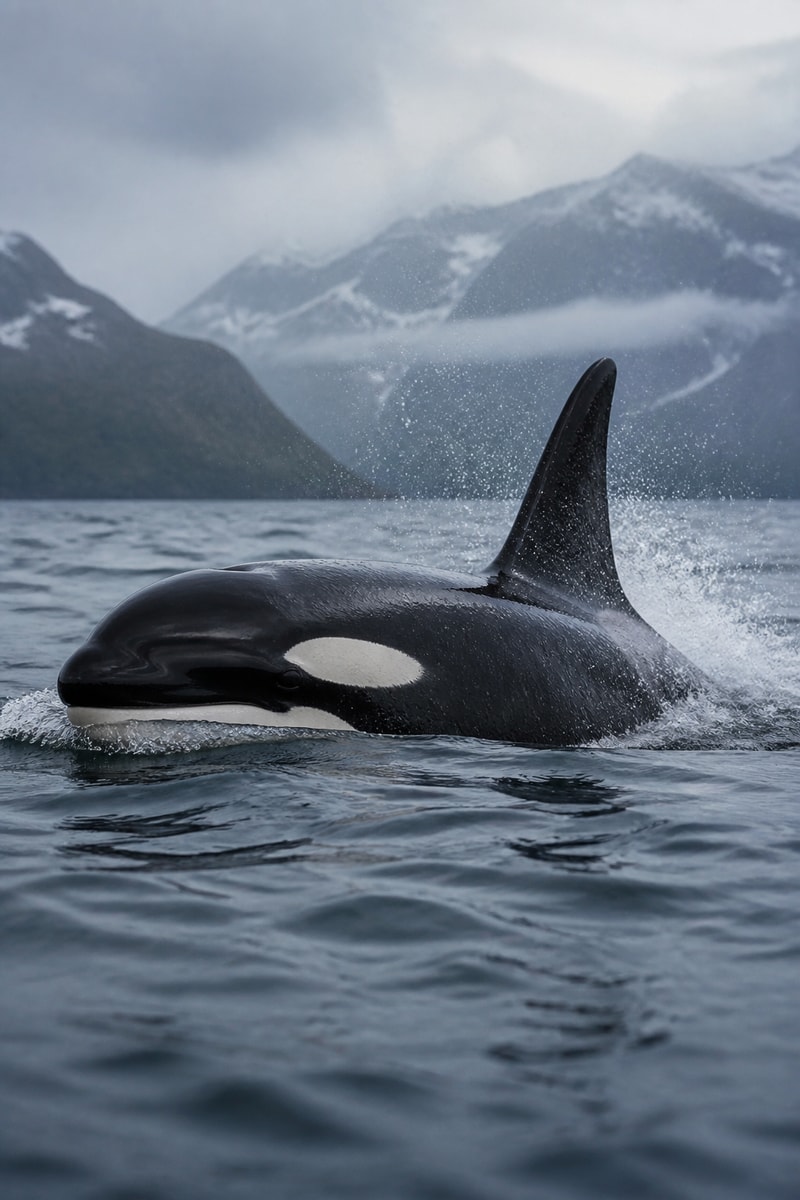
- Orcalegendary • Coastal Ocean
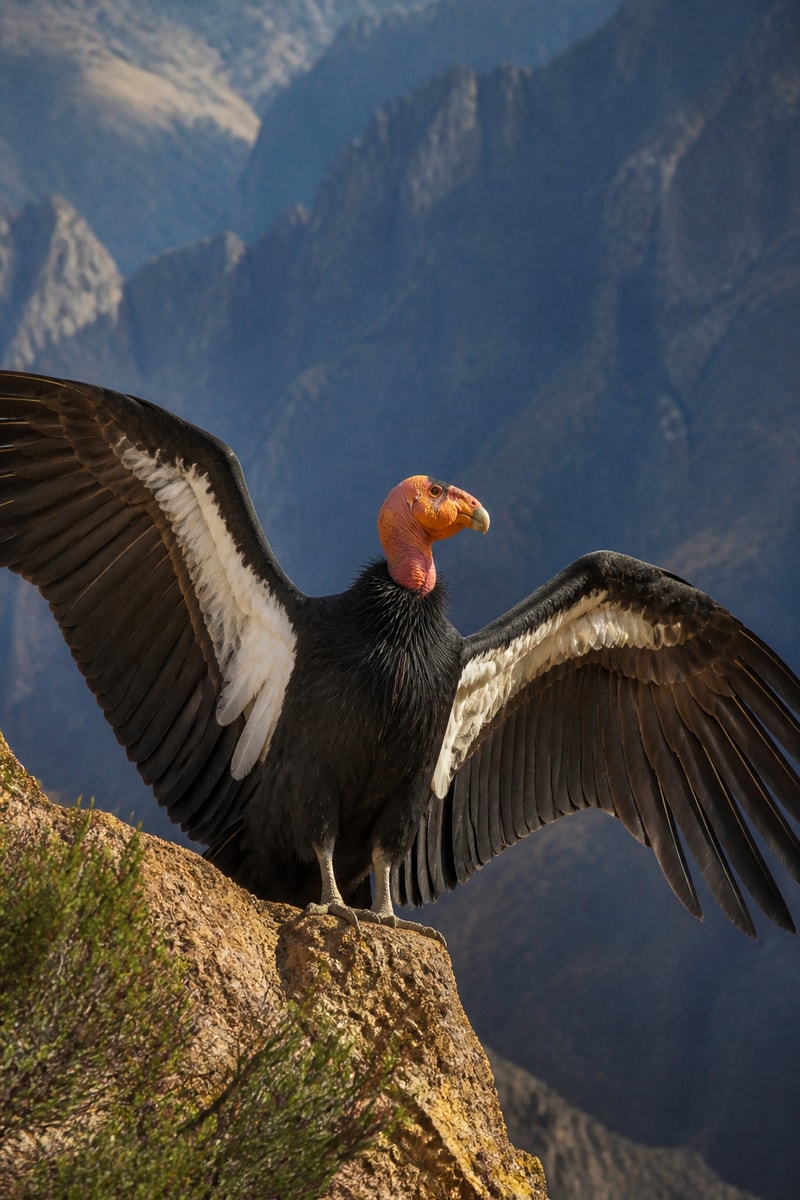
- California Condorlegendary • Canyons & Cliffs
Free on iOS
Catch the North American Beaver
Spot one in the wild, then scan it in Catch'Um to log your common discovery.