
Field guide · common
Mourning Dove
The soft coo of suburbia, a slender grey dove that drinks without lifting its head.
Least Concern
Zenaida macroura
Overview
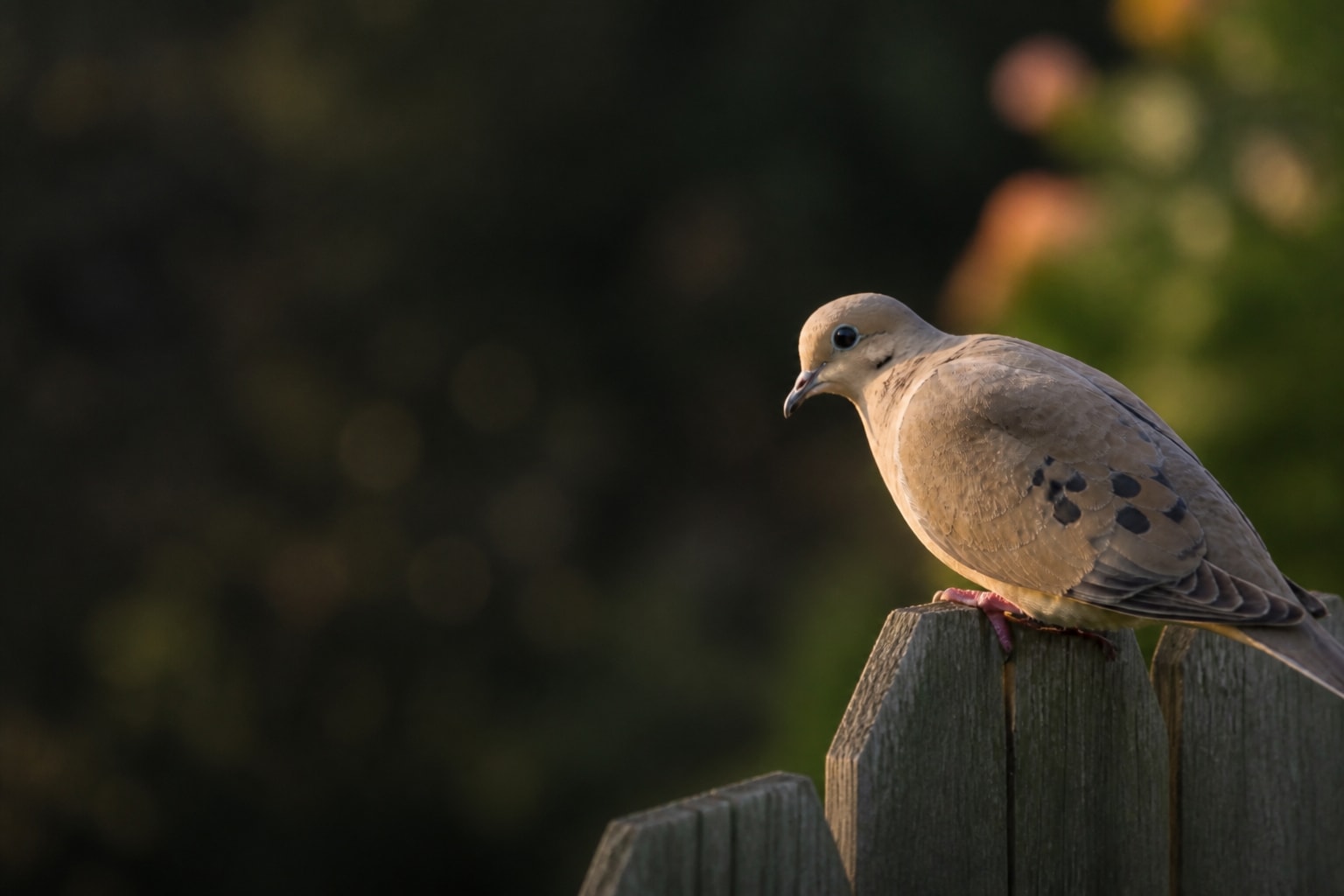
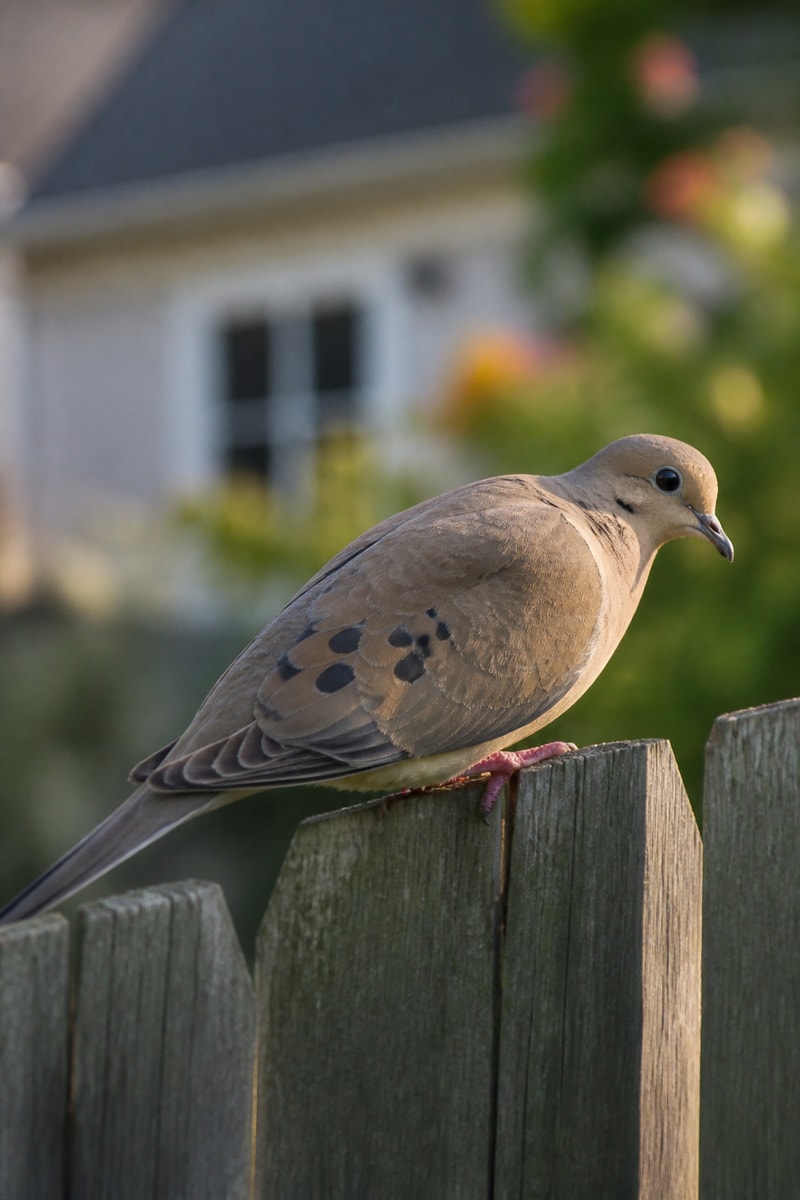
The mourning dove is one of North America's most abundant birds, slim, soft grey-brown, with a sorrowful coo that gives it its name and a whistling wingbeat on take-off. They're at feeders, on telephone wires, and picking grain in fields across the continent.
Gentle and unobtrusive, mourning doves are the kind of common discovery that's easy to overlook, until you listen for that five-note song on a summer morning and realise they're everywhere.
- Scientific nameZenaida macroura
- Length28–33 cm
- Weight100–170 g
- Lifespan1–3 years in the wild typical; some reach 10+ years
- DietAlmost entirely seeds
- ConservationLeast Concern
- RegionGardens & Fields
Habitat
- Farmland
- Suburbs
- Grassland
- Open woodland
Mourning doves live across the entire United States in open country, farmland, suburbs, and woodland edge. They nest in trees, shrubs, and on building ledges, often producing multiple broods per year in warm climates.
Countries found
Field notes
Field scale for the Mourning Dove: length around 28-33 cm; weight 100-170 g. Typical lifespan: 1-3 years in the wild typical; some reach 10+ years.
When you are scanning habitat, prioritise farmland, suburbs, grassland, and open woodland. Those settings are where a clean look and a usable photo are most likely.
Quick ID anchor: Slender grey-brown dove with a long pointed tail edged in white, black wing spots, and a small head. Pinkish wash on the breast; black crescent below the eye on close views. Confirm with behaviour and habitat before you log the discovery.
Where to see one
United States
In United States, start at Central Park (New York City). Urban ponds for mallards, pigeons on the paths, and sparrows in every shrub. A compact starter loop in Manhattan.
More context on this destination lives on the United States expedition page.
Diet
Almost entirely seeds—grasses, cropland grain, and weed seeds—swallowed and stored in the crop. Nestlings receive crop milk from both parents.
Behaviour
Fast, direct fliers with whistling wings on takeoff. Nest on flimsy stick platforms in trees or on ledges; soft mournful cooing gives the species its name.
How to identify
Slender grey-brown dove with a long pointed tail edged in white, black wing spots, and a small head. Pinkish wash on the breast; black crescent below the eye on close views.
Interesting facts
- 01
Mourning doves can drink without lifting their head. They suck water like a straw.
- 02
Their wings whistle on take-off, air through special feathers creates the sound.
- 03
They are one of the most hunted game birds in North America, over 20 million taken annually.
- 04
Pairs preen each other and stay together through the breeding season.
- 05
They feed their young 'crop milk', a protein-rich secretion from both parents.
- 06
Their mournful coo is often mistaken for an owl by newcomers to birdwatching.
Conservation status
Mourning doves are Least Concern with an estimated population of over 350 million in North America, one of the continent's most successful bird species.
Sources: IUCN Red List
Related discoveries



Keep exploring
Related discoveries
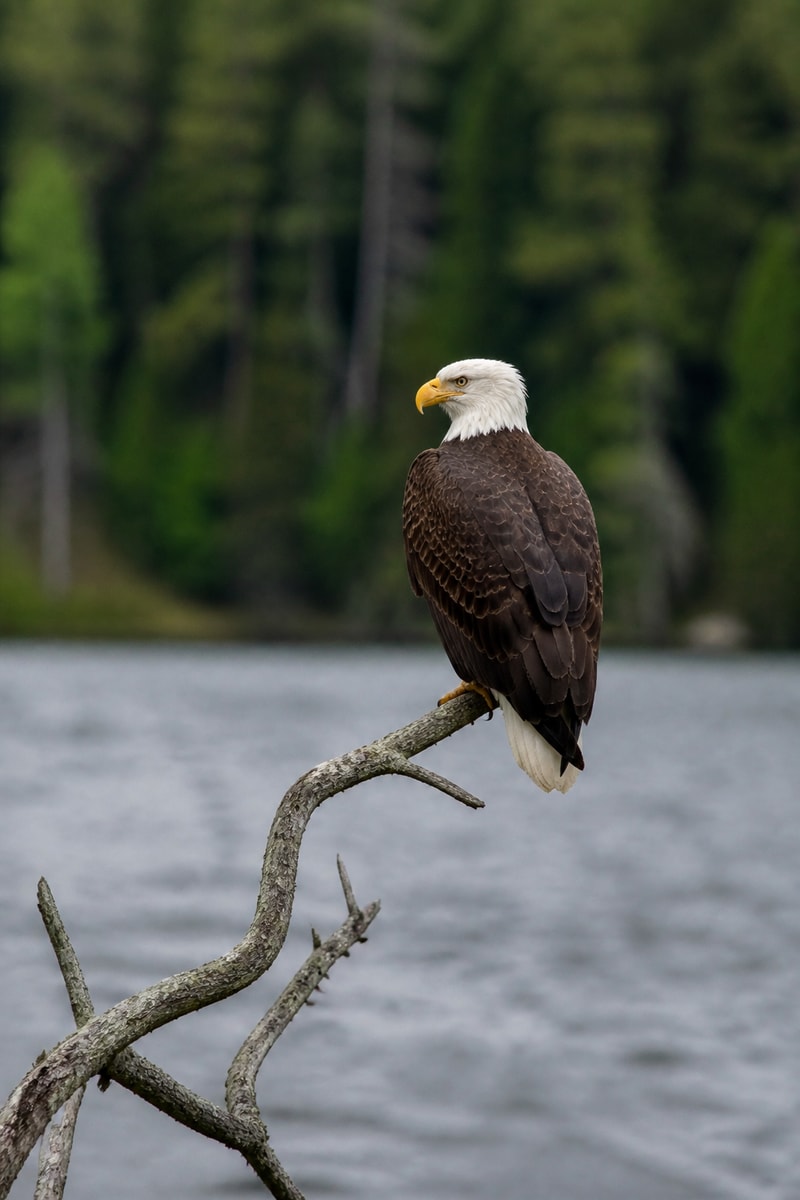
- Bald Eaglelegendary • Lakes & Coasts
- Grizzly Bearlegendary • Mountains & Rivers
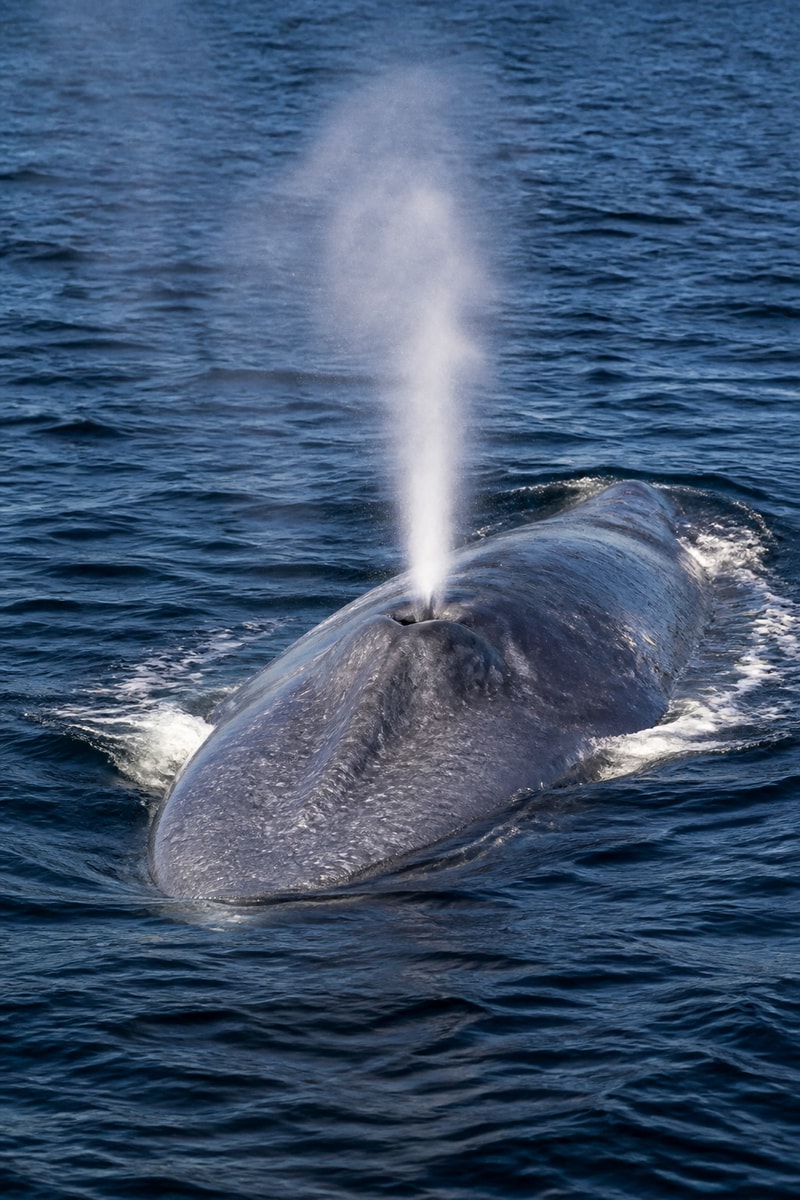
- Blue Whalelegendary • Open Ocean
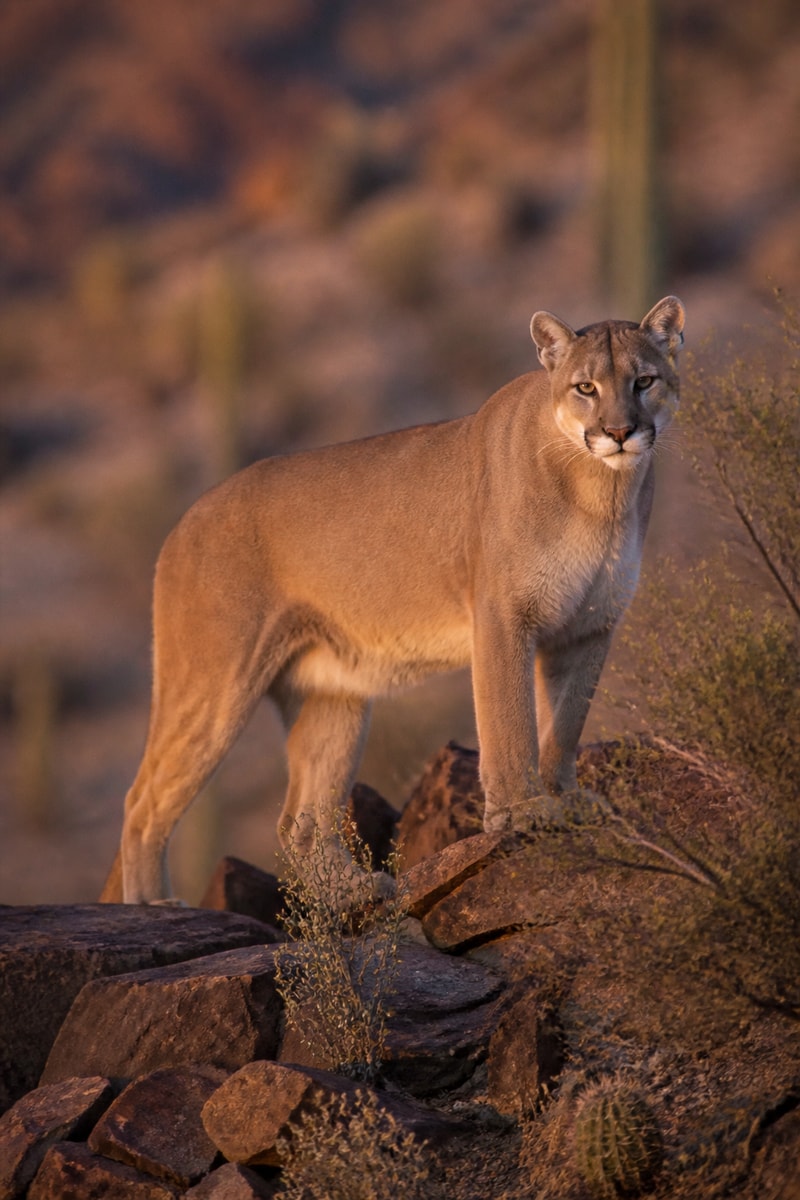
- Mountain Lionlegendary • Mountains & Desert
- Great White Sharklegendary • Coastal Ocean
- Orcalegendary • Coastal Ocean
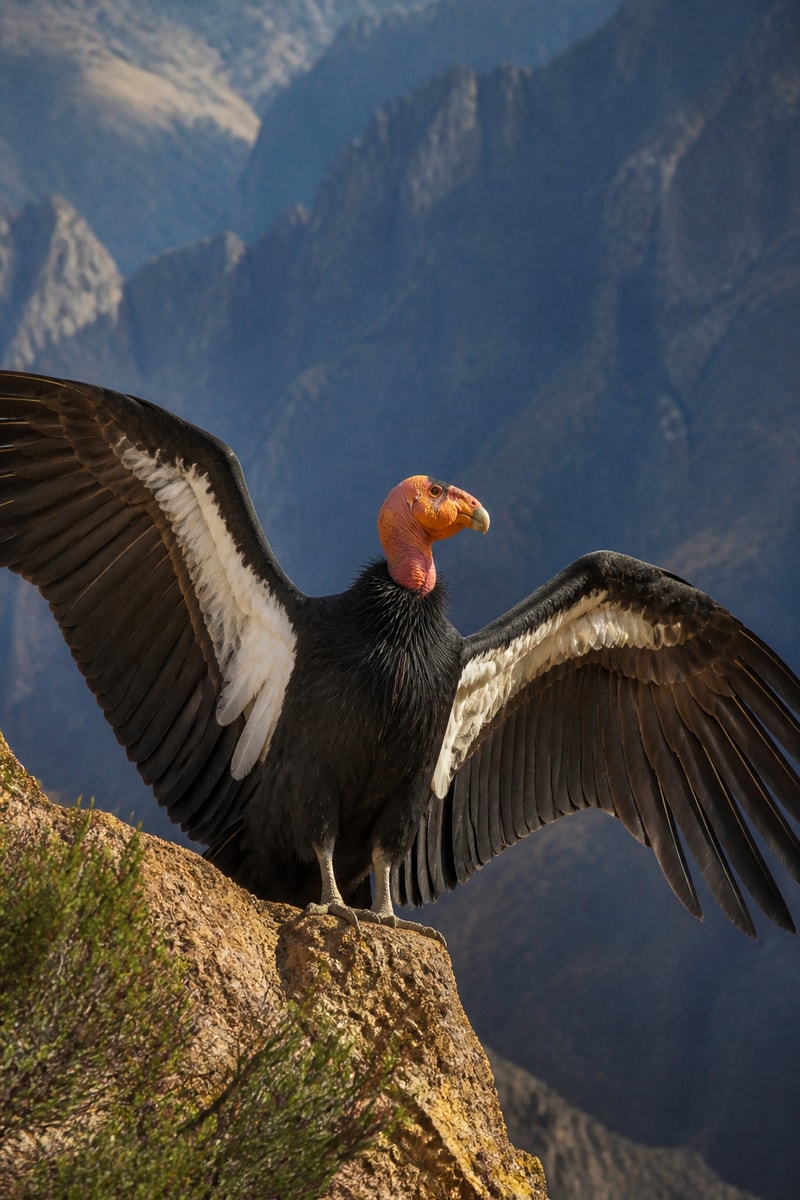
- California Condorlegendary • Canyons & Cliffs
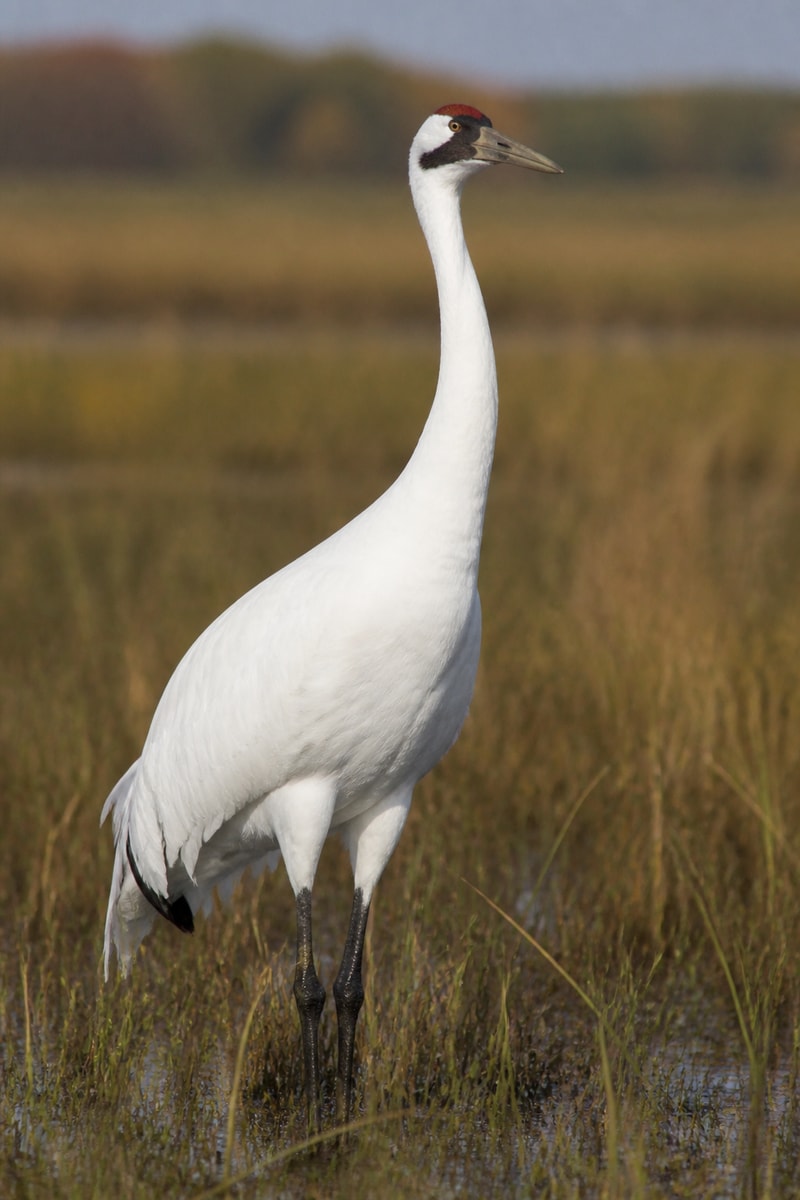
- Whooping Cranelegendary • North American Wetlands
Free on iOS
Catch the Mourning Dove
Spot one in the wild, then scan it in Catch'Um to log your common discovery.