
Field guide · common
Monarch Butterfly
The orange wanderer, a stained-glass butterfly whose multi-generation migration is one of the greatest journeys in the insect world.
Endangered
Danaus plexippus
Overview
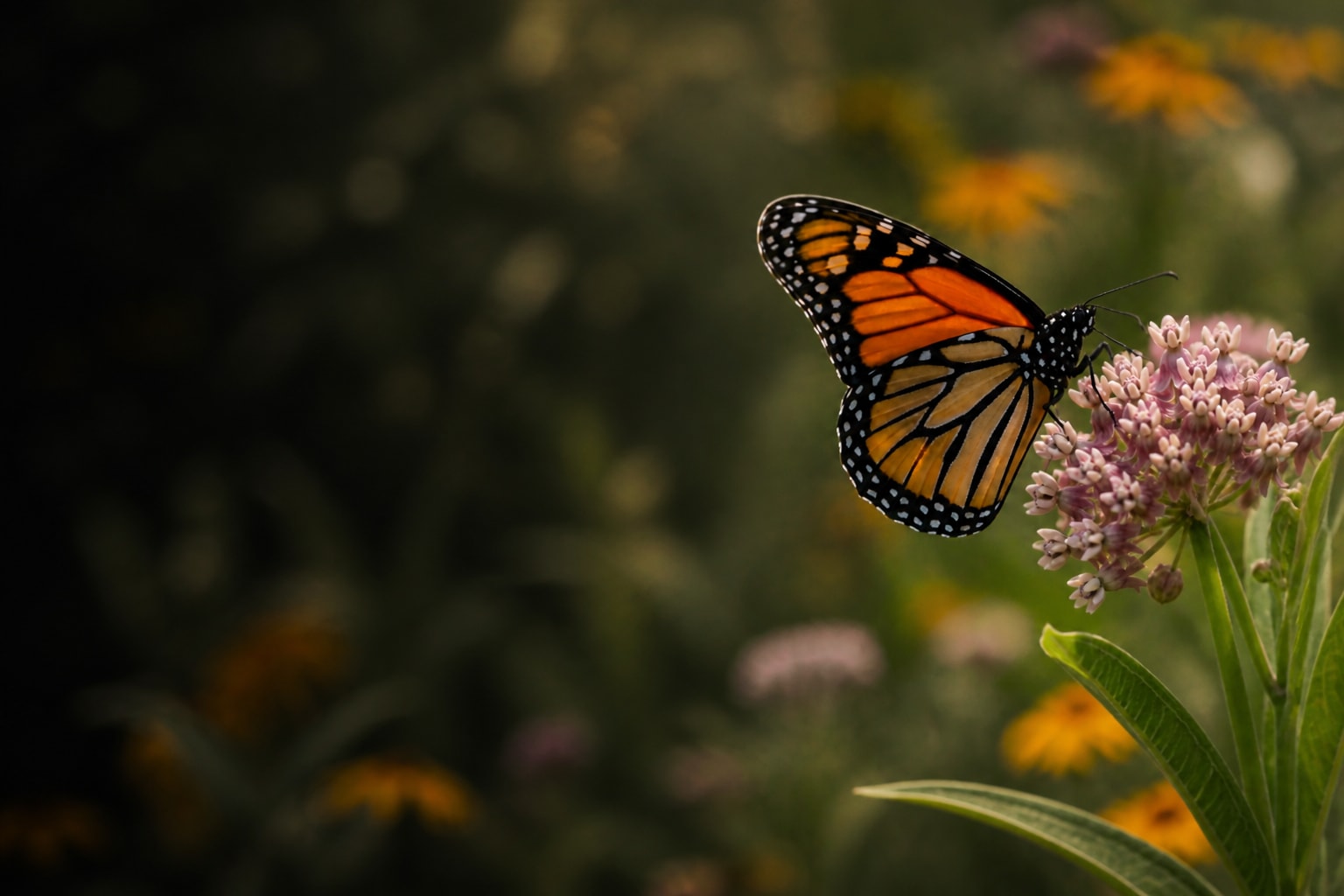
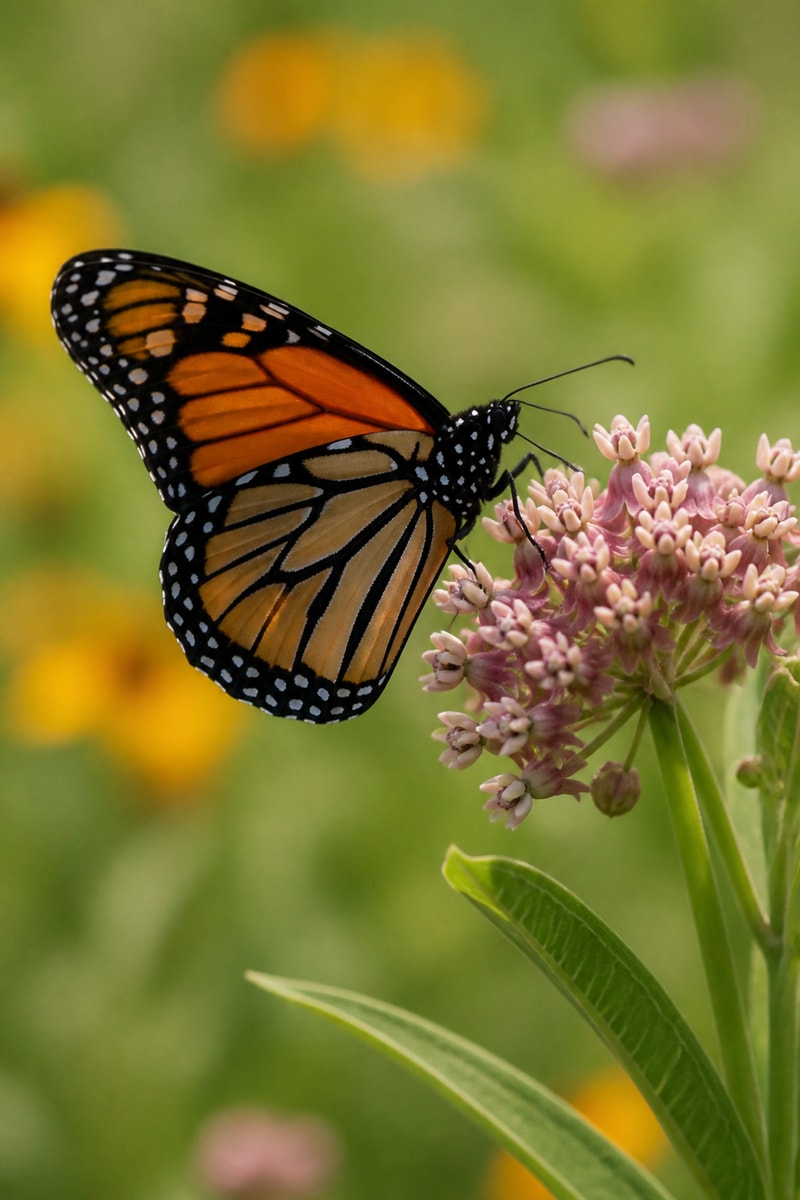
The monarch butterfly is instantly recognisable: bright orange wings veined in black, dotted with white spots. In North America, eastern populations migrate up to 4,800 kilometres south to Mexico each autumn, a journey spanning several generations, as no single butterfly completes the round trip.
Monarch caterpillars feed exclusively on milkweed, storing toxic compounds that make adults unpalatable to birds. Garden milkweed plantings have become a popular way to support declining populations.
- Scientific nameDanaus plexippus
- LengthWingspan 8.9–10.2 cm
- LifespanMost adults 2–6 weeks; migratory generation up to ~8–9 months
- DietCaterpillars feed…
- ConservationEndangered
- RegionMeadows & Gardens
Habitat
- Meadows
- Fields
- Roadsides
- Milkweed stands
Meadows, roadsides, and gardens with milkweed and nectar flowers support monarchs across North America. They also occur in gardens and coastal areas in the UK as occasional migrants, though they cannot survive British winters.
Field notes
Field scale for the Monarch Butterfly: length around Wingspan 8.9-10.2 cm. Typical lifespan: Most adults 2-6 weeks; migratory generation up to ~8-9 months.
When you are scanning habitat, prioritise meadows, fields, roadsides, and milkweed stands. Those settings are where a clean look and a usable photo are most likely.
Quick ID anchor: Bright orange wings laced with black veins and edged in black with white spots. Males show small black scent patches on the hindwings; the similar viceroy has an extra black hindwing line. Confirm with behaviour and habitat before you log the discovery.
Diet
Caterpillars feed exclusively on milkweed (Asclepias), sequestering cardenolides that make them distasteful. Adults take nectar from a wide range of wildflowers and garden blooms.
Behaviour
Famous multi-generational north–south migration; the late-season generation can live for months and overwinters in dense tree roosts. Strong, sailing flight with distinctive wingbeats.
How to identify
Bright orange wings laced with black veins and edged in black with white spots. Males show small black scent patches on the hindwings; the similar viceroy has an extra black hindwing line.
Interesting facts
- 01
Monarchs migrate up to 4,800 km, one of the longest insect migrations on Earth.
- 02
Caterpillars feed only on milkweed plants.
- 03
Their orange colour warns predators that they taste bad.
Conservation status
Monarch butterflies are Endangered, with eastern migratory populations declining sharply due to habitat loss, pesticides, and climate change. Milkweed restoration and reduced pesticide use are key to recovery.
Sources: IUCN Red List
Related discoveries




Keep exploring
Where it lives
Related discoveries
- Bald Eaglelegendary • Lakes & Coasts
- Grizzly Bearlegendary • Mountains & Rivers
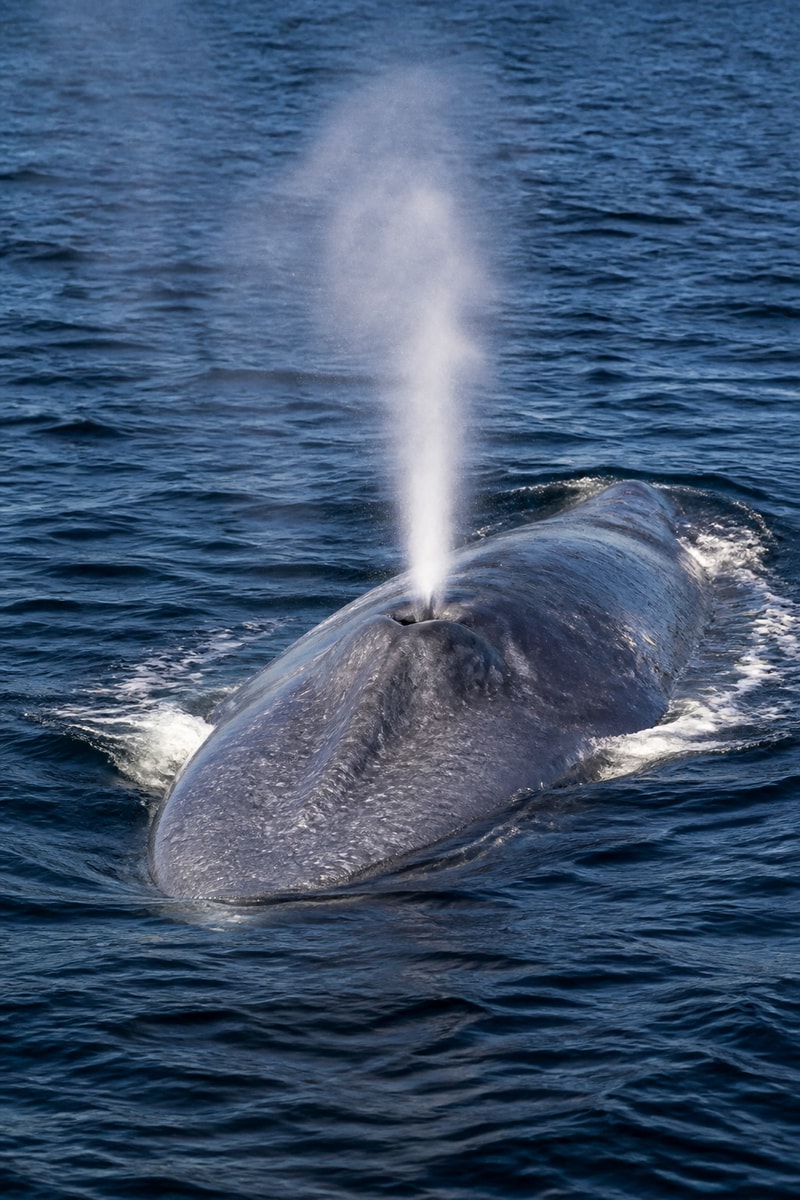
- Blue Whalelegendary • Open Ocean
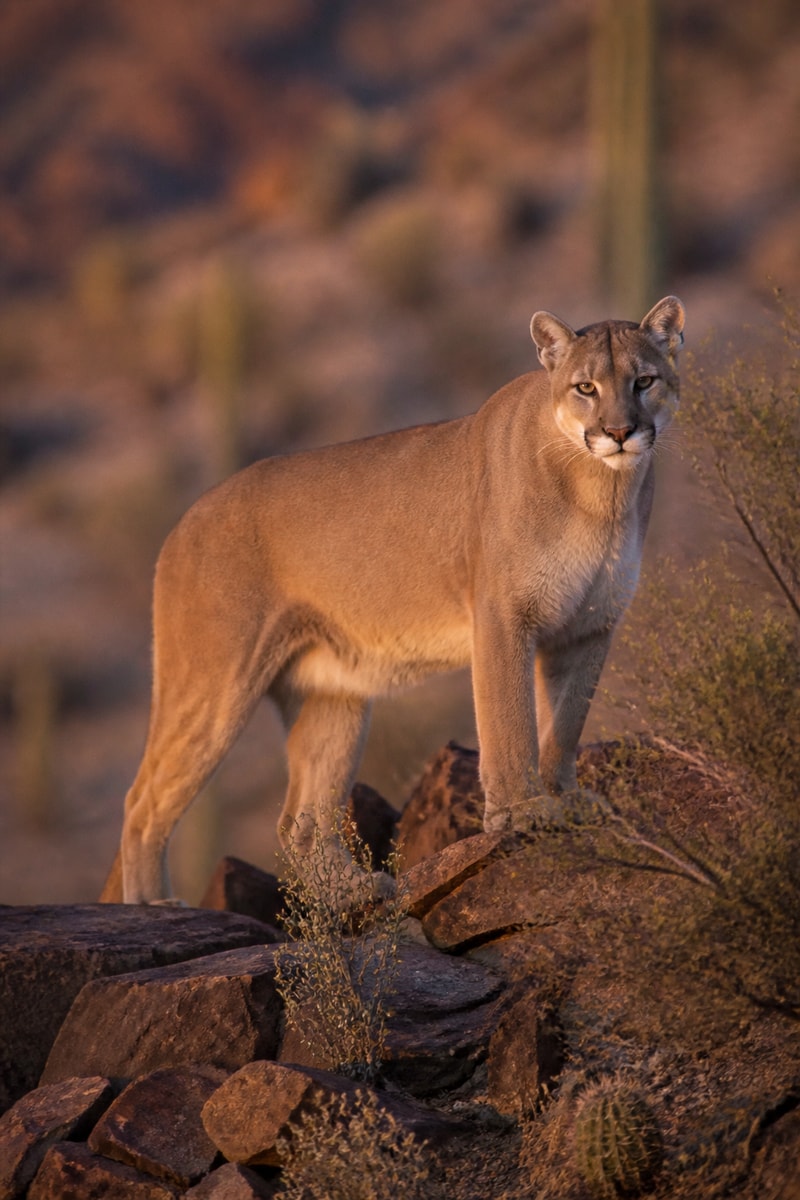
- Mountain Lionlegendary • Mountains & Desert
- Great White Sharklegendary • Coastal Ocean
- Orcalegendary • Coastal Ocean
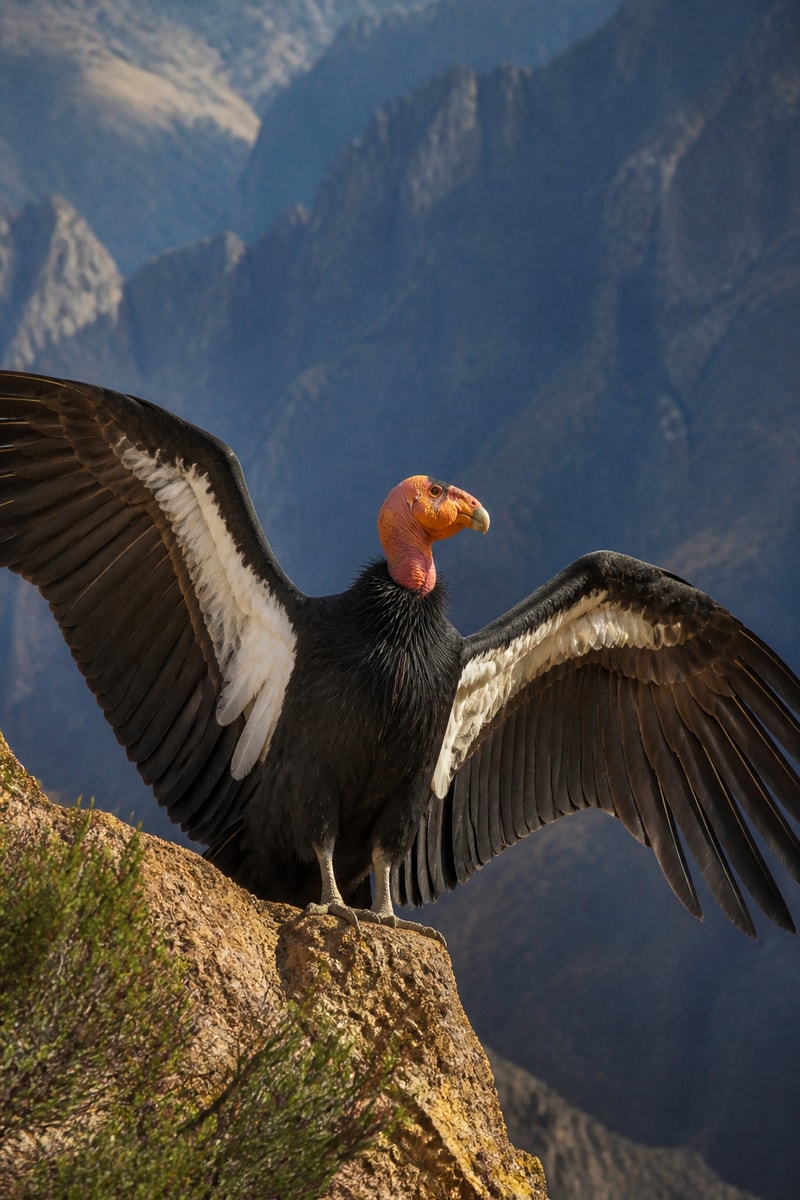
- California Condorlegendary • Canyons & Cliffs
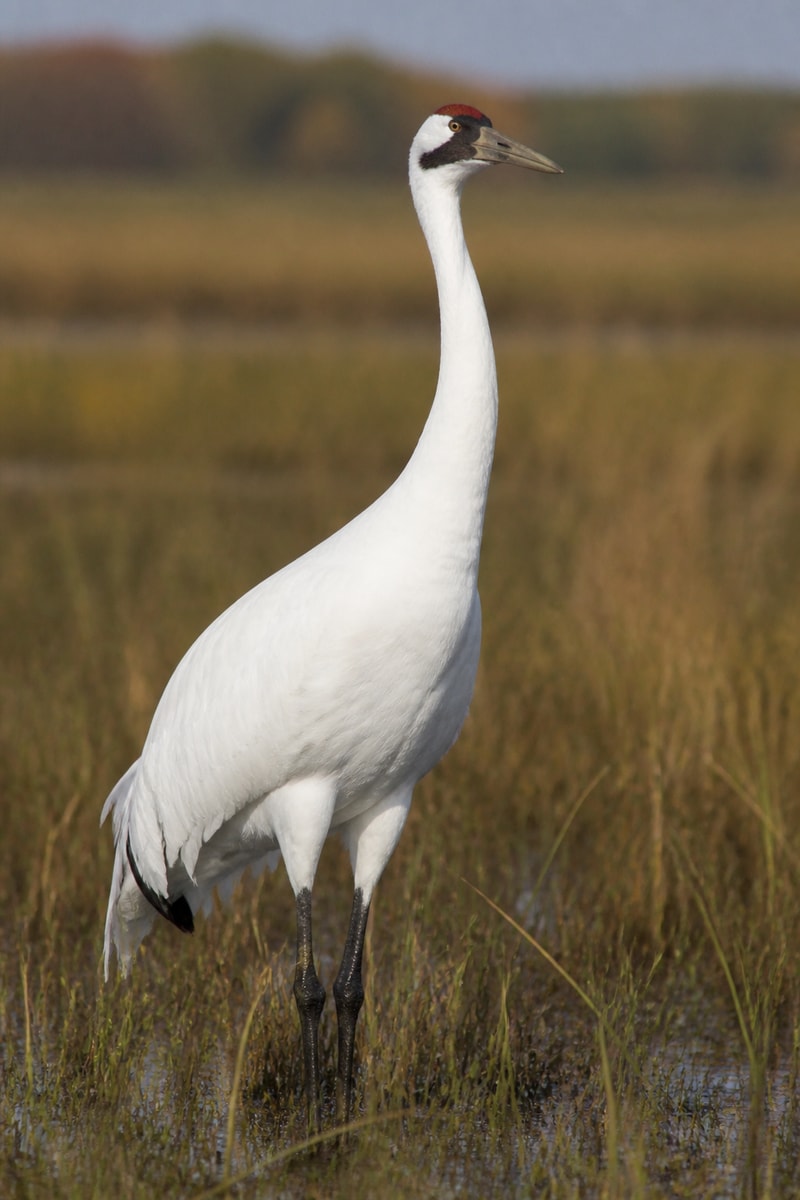
- Whooping Cranelegendary • North American Wetlands
Free on iOS
Catch the Monarch Butterfly
Spot one in the wild, then scan it in Catch'Um to log your common discovery.