
Field guide · rare
Manatee
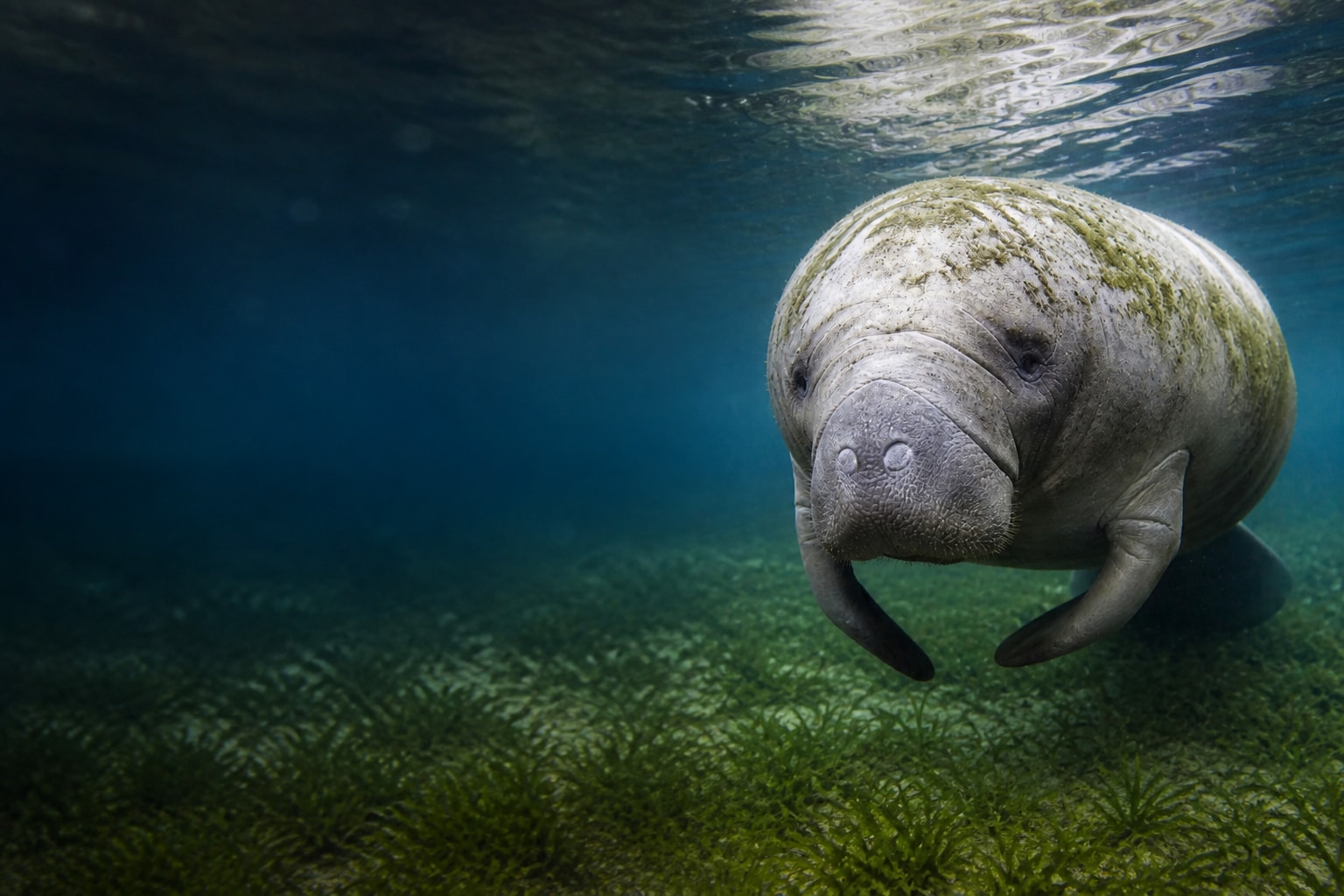
The gentle sea cow, a slow-moving marine mammal that grazes seagrass meadows and gathers in warm Florida springs each winter.
Vulnerable
Trichechus manatus
Overview
The West Indian manatee is a gentle giant of warm coastal waters: grey, wrinkled, and propelling itself with a paddle-shaped tail through seagrass beds and spring-fed rivers. Adults can weigh over 500 kilograms but move with unhurried grace, surfacing to breathe with a whistling exhalation.
In winter, manatees congregate in Florida's warm spring runs (Crystal River and Blue Spring are famous), where snorkellers can observe them in clear water. They spend up to eight hours a day grazing, consuming a tenth of their body weight in vegetation.
- Scientific nameTrichechus manatus
- Length2.5–4 m
- Weight200–600 kg
- LifespanAround 40–60 years in the wild
- DietHerbivore
- ConservationVulnerable
- RegionCoastal Springs
Habitat
- Seagrass bed
- Estuary
- Warm spring run
Shallow coastal waters, estuaries, and warm spring systems in Florida and the Caribbean hold manatees. They need water above 20°C and abundant seagrass or freshwater vegetation, and migrate to warm refuges when temperatures drop.
Countries found
Field notes
Field scale for the Manatee: length around 2.5-4 m; weight 200-600 kg. Typical lifespan: Around 40-60 years in the wild.
When you are scanning habitat, prioritise seagrass bed, estuary, and warm spring run. Those settings are where a clean look and a usable photo are most likely.
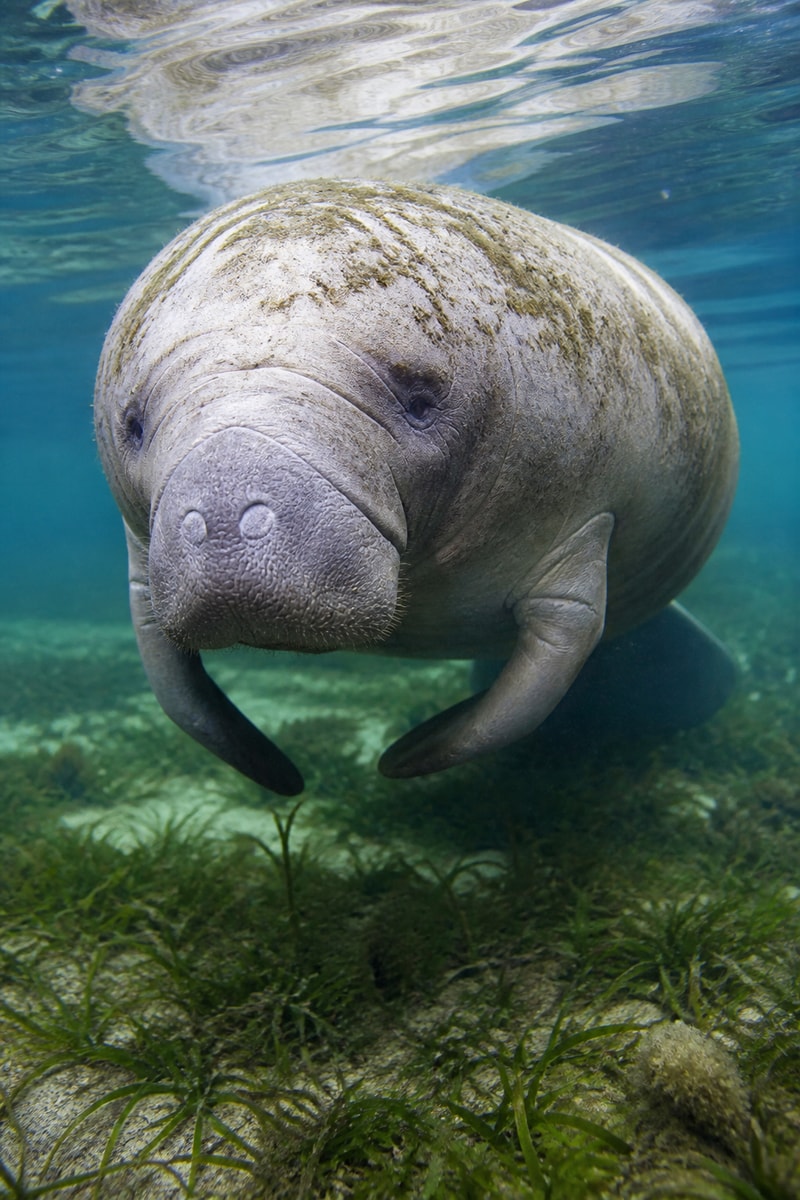
Quick ID anchor: Large grey wrinkled marine mammal with a rounded paddle tail (not fluked like a dugong), small eyes, and a bristly prehensile upper lip. Flippers often show nail-like tips. Confirm with behaviour and habitat before you log the discovery.
Diet
Herbivorous 'sea cows' grazing seagrass, aquatic plants, and shoreline vegetation for many hours a day. May consume roughly a tenth of body weight in plant matter daily.
Behaviour
Slow-moving and generally solitary or in loose aggregations, especially at warm winter refuges. Surface regularly to breathe; mothers nurse calves for one to two years.
How to identify
Large grey wrinkled marine mammal with a rounded paddle tail (not fluked like a dugong), small eyes, and a bristly prehensile upper lip. Flippers often show nail-like tips.
Interesting facts
- 01
Manatees graze on seagrass for up to 8 hours a day.
- 02
They have no natural predators as adults, boats are their main threat.
- 03
Manatees replace worn teeth throughout their lives, new ones grow at the back.
Conservation status
West Indian manatees are Vulnerable, with Florida's population recovering after decades of protection but still threatened by boat strikes, red tide, and habitat loss. They remain one of the most beloved conservation symbols in the US.
Sources: IUCN Red List
Related discoveries
Keep exploring
Related discoveries
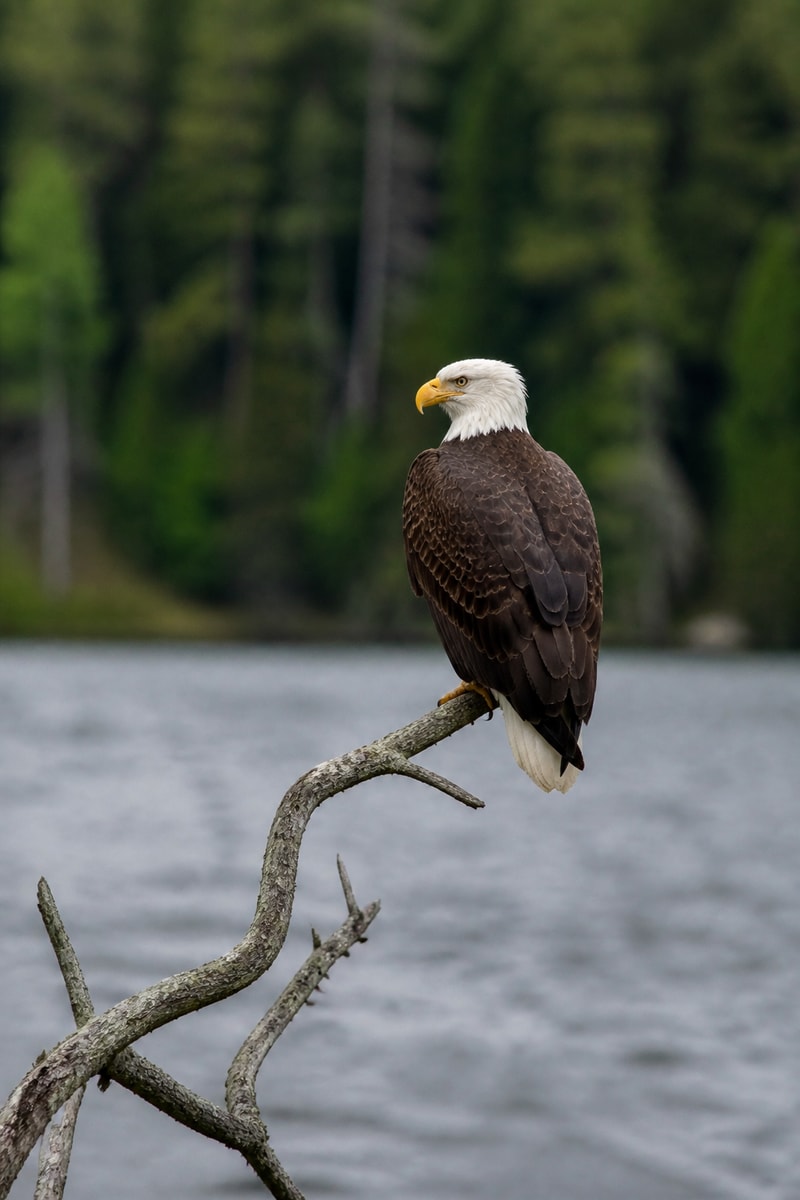
- Bald Eaglelegendary • Lakes & Coasts
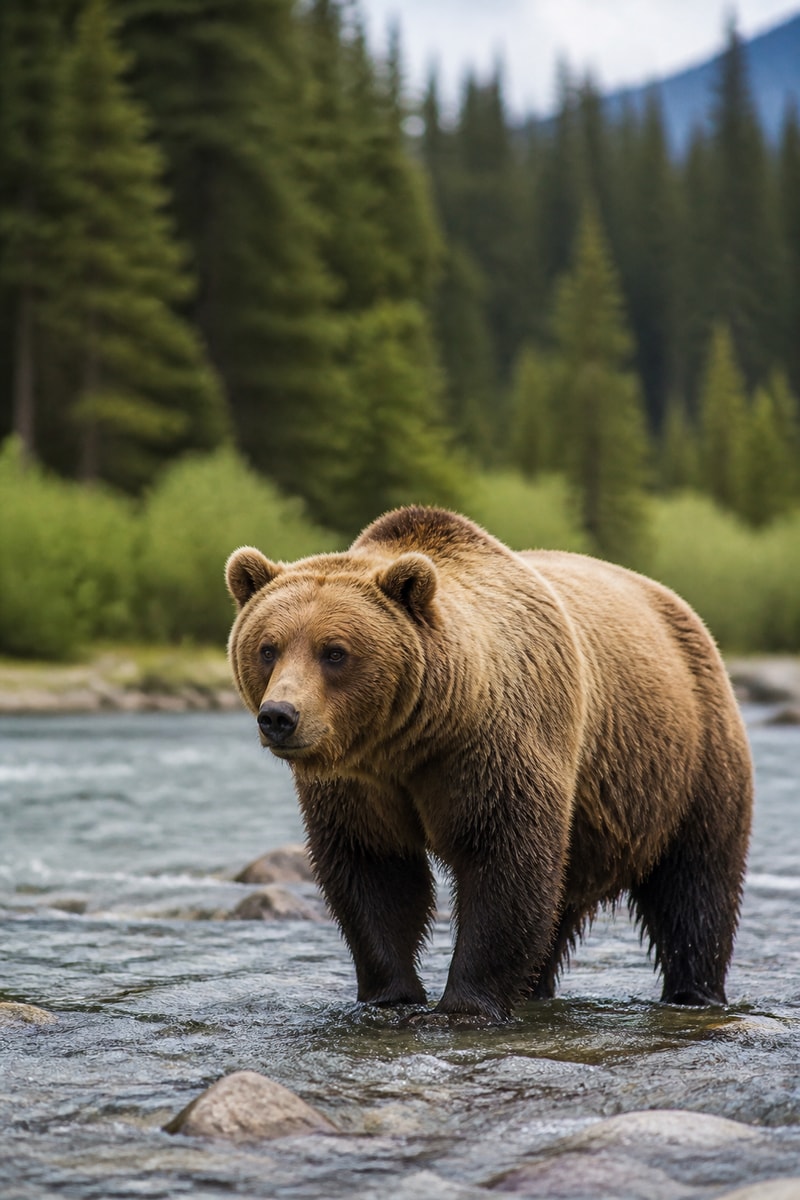
- Grizzly Bearlegendary • Mountains & Rivers
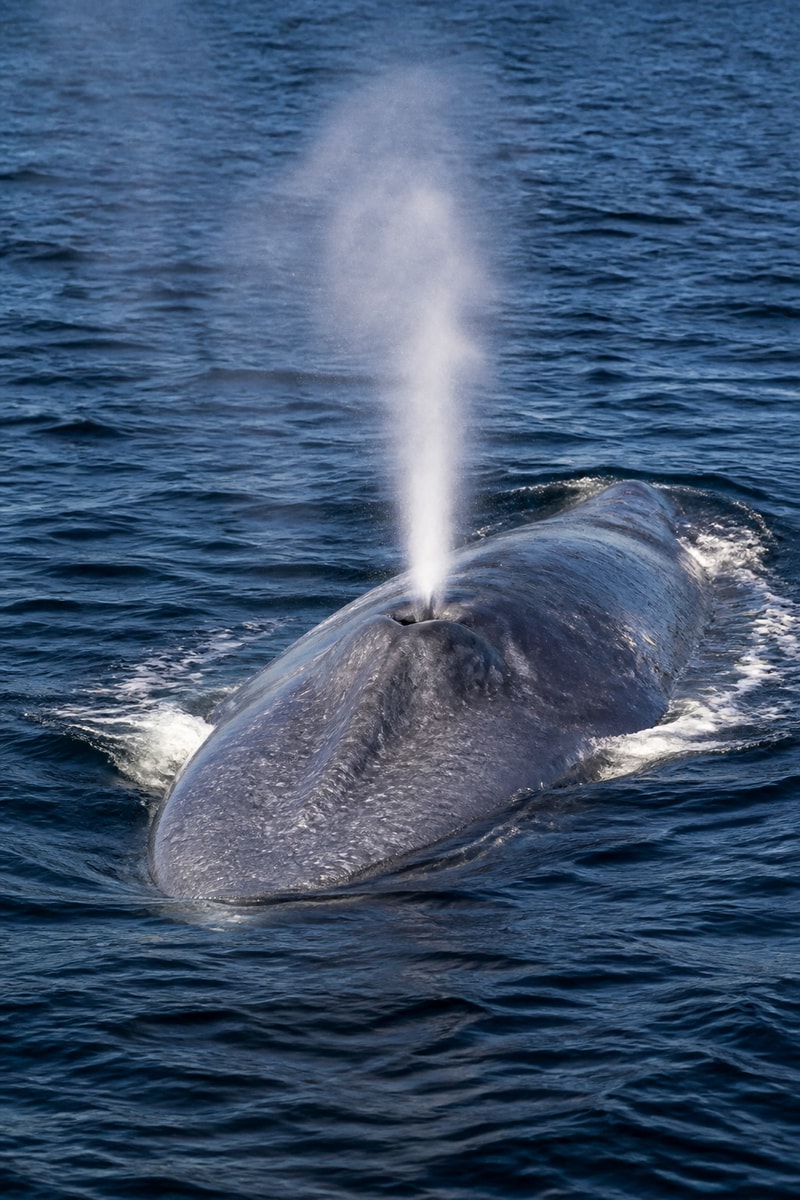
- Blue Whalelegendary • Open Ocean
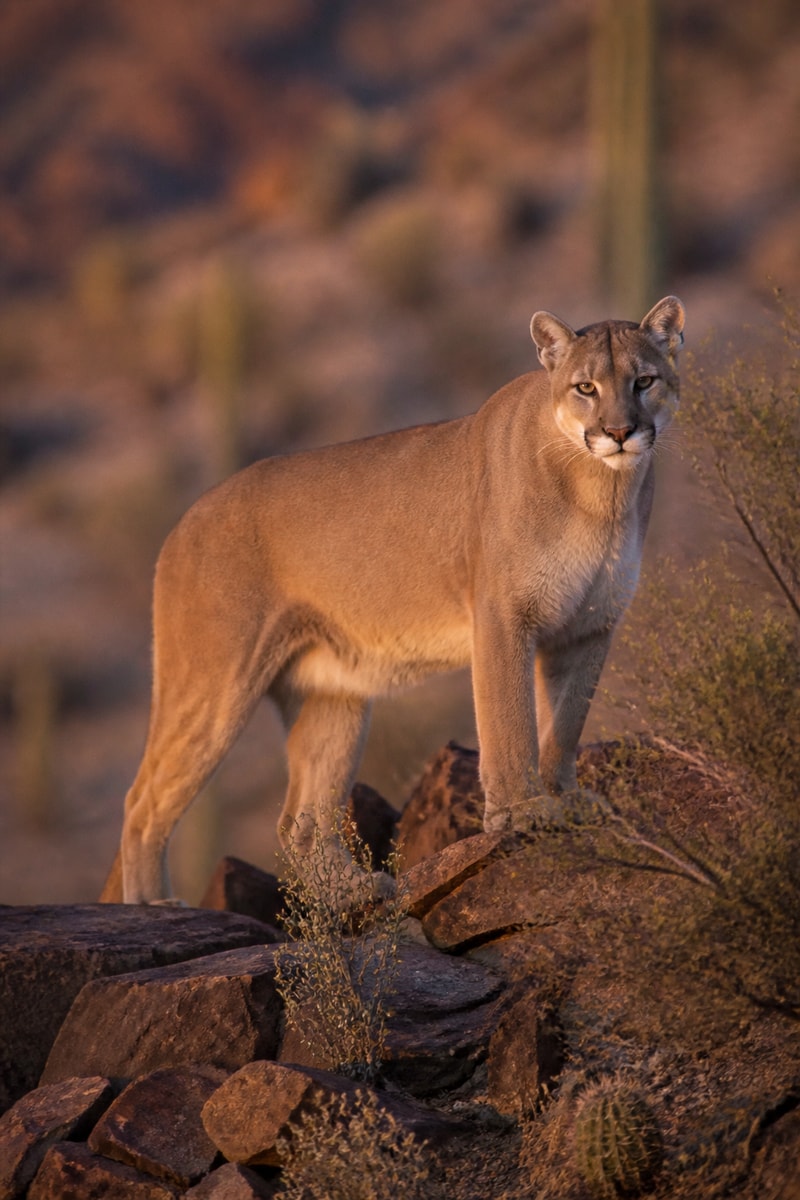
- Mountain Lionlegendary • Mountains & Desert
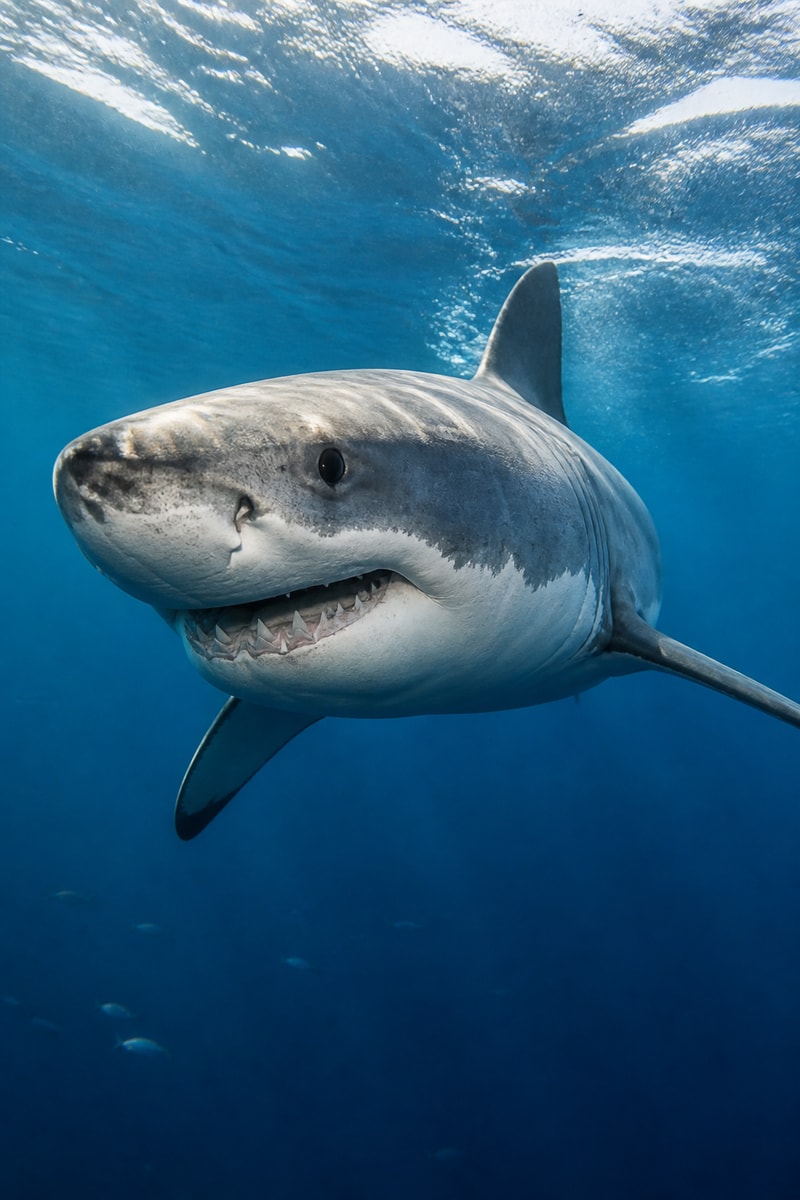
- Great White Sharklegendary • Coastal Ocean
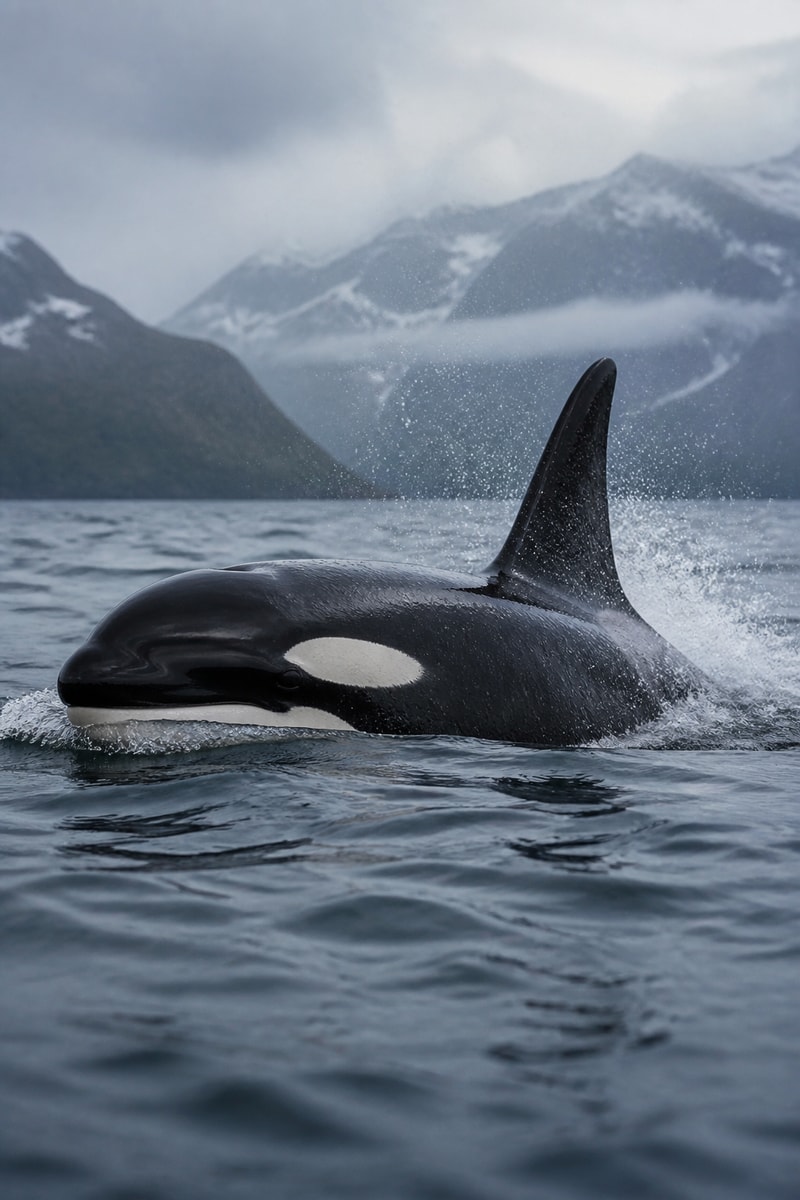
- Orcalegendary • Coastal Ocean
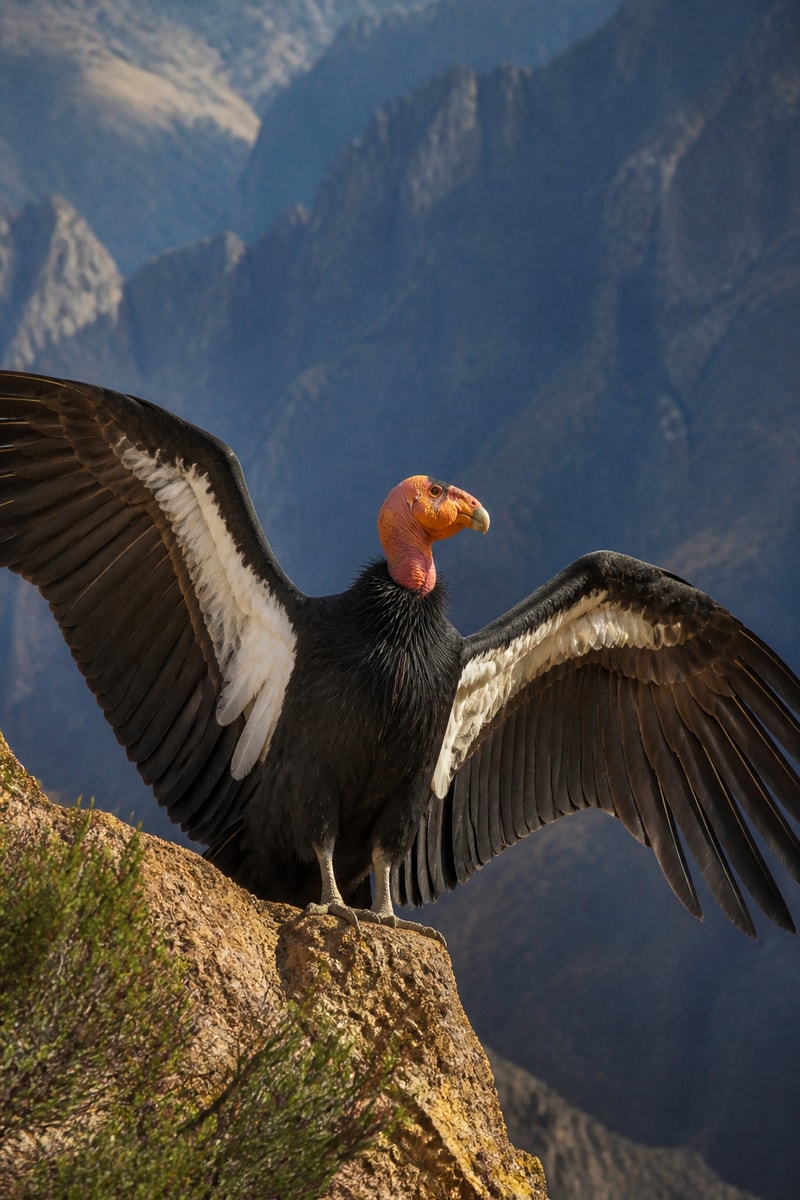
- California Condorlegendary • Canyons & Cliffs
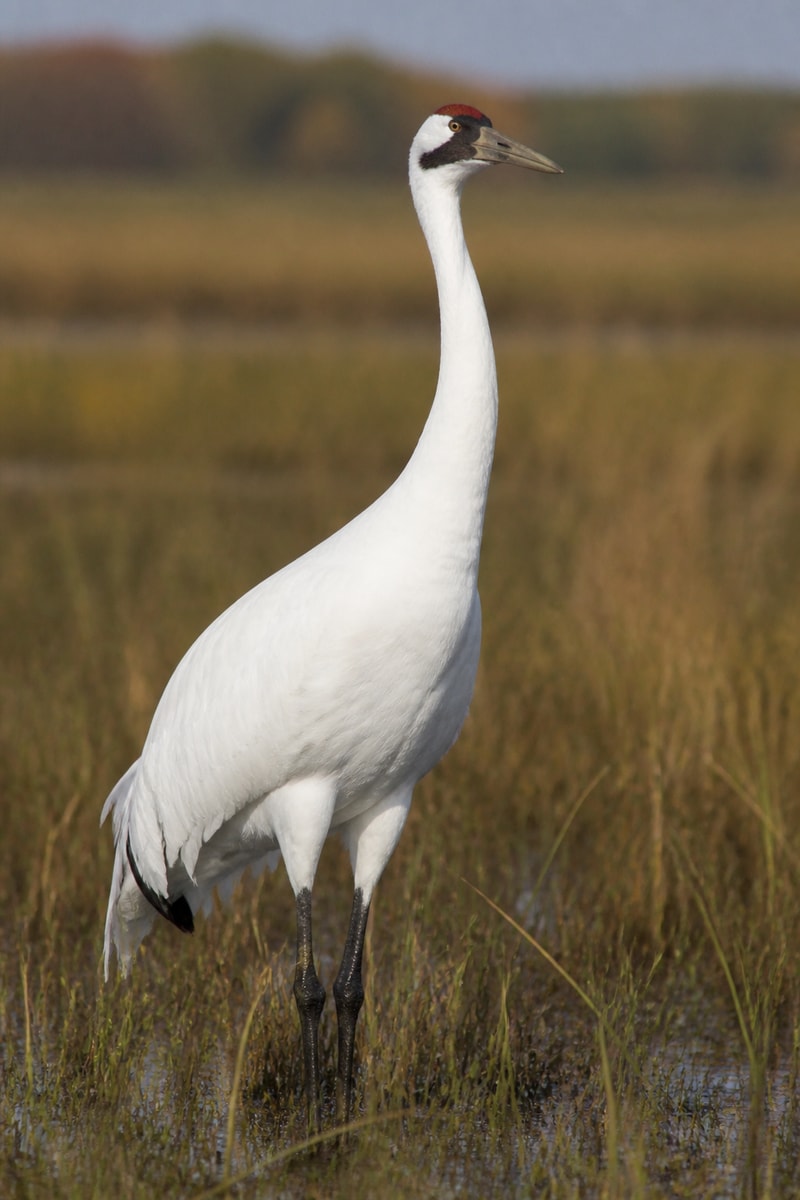
- Whooping Cranelegendary • North American Wetlands
Free on iOS
Catch the Manatee
Spot one in the wild, then scan it in Catch'Um to log your rare discovery.