
Field guide · common
Mallard
The green-headed duck of every park pond, a familiar waterbird and ancestor of nearly all domestic ducks.
Least Concern
Anas platyrhynchos
Overview
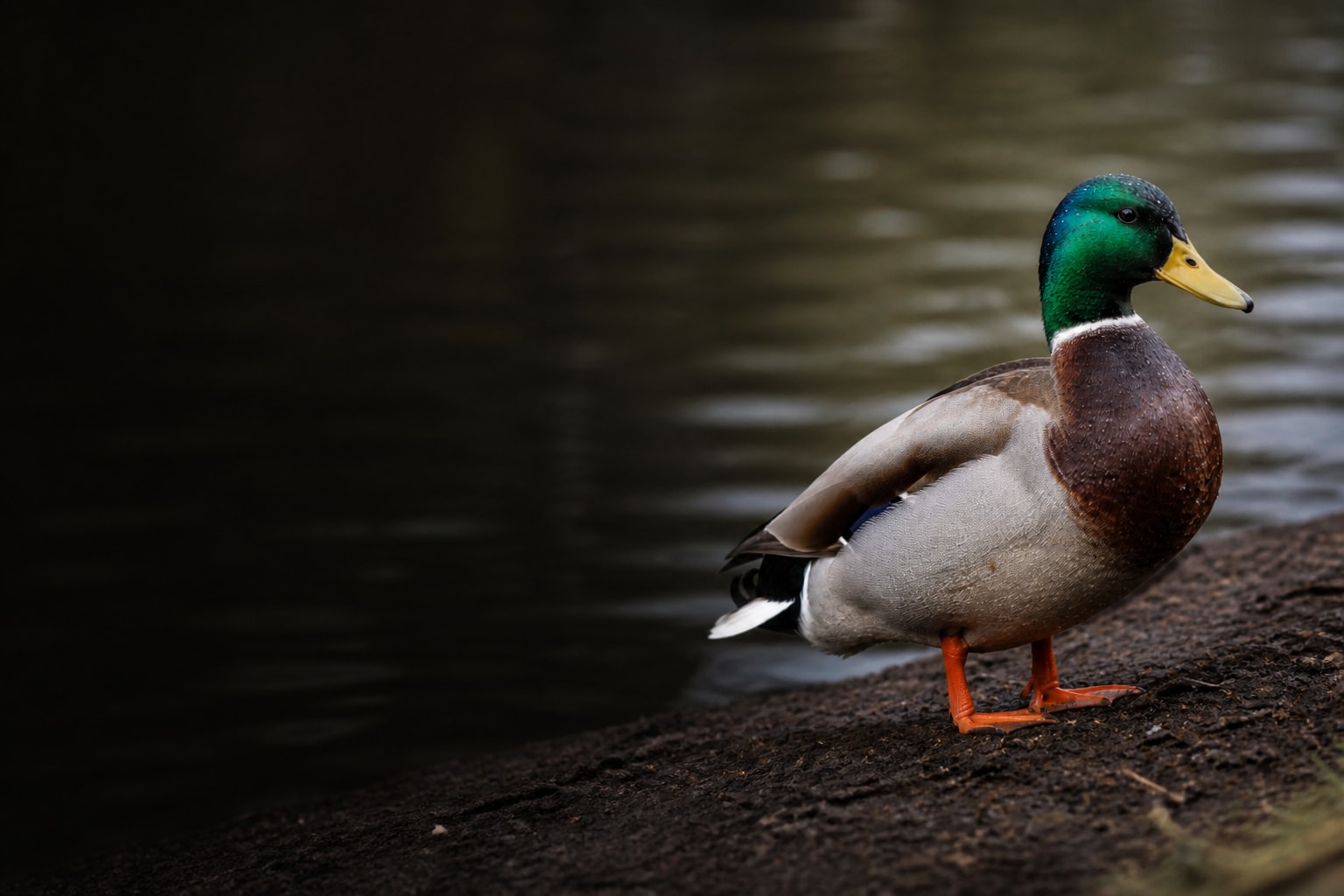
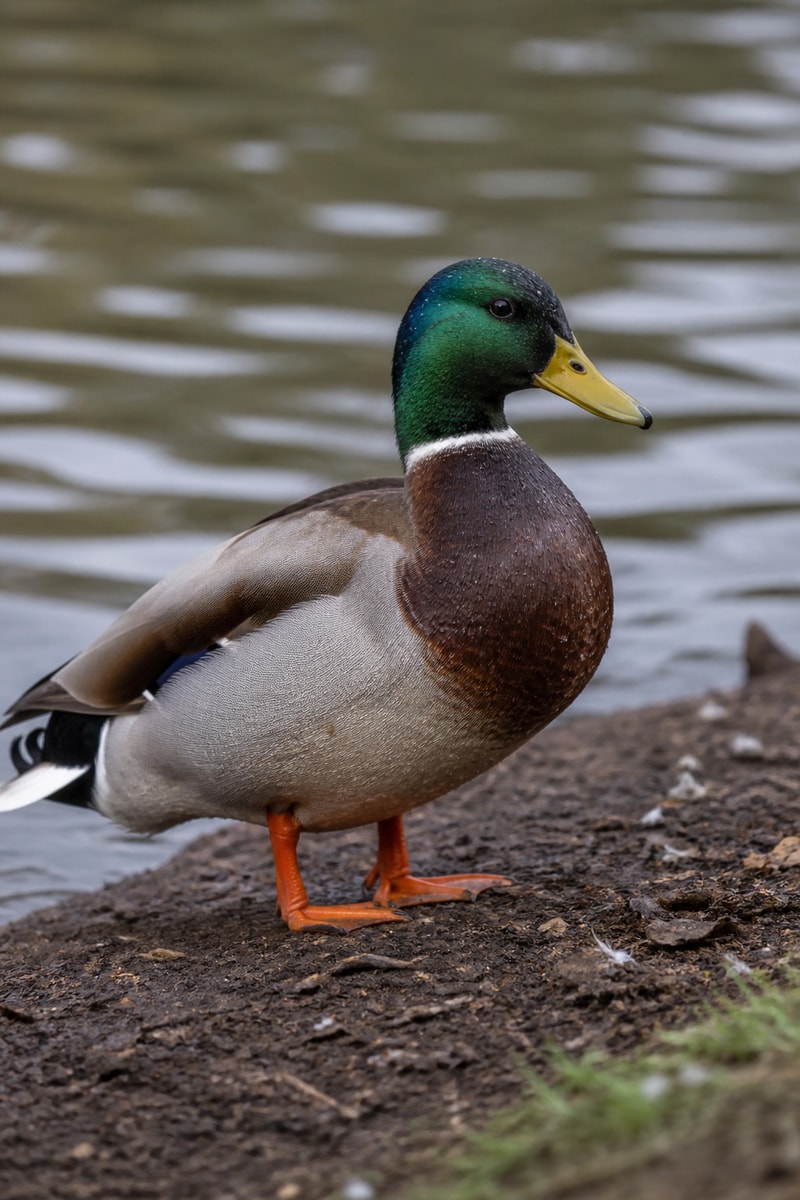
The mallard is the most familiar duck on Earth, and the wild ancestor of almost every domestic duck breed. Males in breeding plumage carry an unmistakable glossy green head, white collar, and chestnut breast; females are elegantly mottled brown, built for camouflage on the nest.
From city park lakes to country rivers, mallards are a reliable common discovery. They are comfortable around people, often paddling close to pond edges hoping for bread, though grain and birdseed are healthier treats if you choose to feed them.
- Scientific nameAnas platyrhynchos
- Length50–65 cm
- Weight0.7–1.5 kg
- Lifespan5–10 years in the wild typical
- DietOmnivore
- ConservationLeast Concern
- RegionPonds & Rivers
Habitat
- Lakes
- Rivers
- Wetlands
- Park ponds
Mallards inhabit ponds, rivers, lakes, marshes, and estuaries across the Northern Hemisphere and have been introduced worldwide. They favour slow-moving freshwater with vegetated edges for nesting, but adapt readily to urban park lakes, canals, and flooded gravel pits.
Countries found
Field notes
Field scale for the Mallard: length around 50-65 cm; weight 0.7-1.5 kg. Typical lifespan: 5-10 years in the wild typical.
When you are scanning habitat, prioritise lakes, rivers, wetlands, and park ponds. Those settings are where a clean look and a usable photo are most likely.
Quick ID anchor: Drakes have a glossy green head, yellow bill, white neck ring, and curly black central tail feathers; hens are mottled brown with an orange bill marked dark. Both show a bright blue speculum bordered in white in flight. Confirm with behaviour and habitat before you log the discovery.
Where to see one
United Kingdom
In United Kingdom, strong options include Richmond Park and Hyde Park & Regent's Park. Ancient parkland where red deer graze at dawn, mallards paddle the ponds, and foxes slip through bracken at the woodland edge.
Open the United Kingdom spotting guide for every park note tied to the mallard.
United States
In United States, strong options include Central Park, Golden Gate Park, and Suburban Park Systems. Urban ponds for mallards, pigeons on the paths, and sparrows in every shrub. A compact starter loop in Manhattan.
Open the United States spotting guide for every park note tied to the mallard.
Diet
Omnivorous dabblers that tip-up for aquatic plants, seeds, insects, snails, and crustaceans. They also graze grass and take grain on farmland and park lakes.
Behaviour
Surface-feeding ducks that rarely dive. Pairs form in winter; drakes escort hens then leave incubation to the female. Often seen in mixed flocks on still or slow water.
How to identify
Drakes have a glossy green head, yellow bill, white neck ring, and curly black central tail feathers; hens are mottled brown with an orange bill marked dark. Both show a bright blue speculum bordered in white in flight.
Interesting facts
- 01
Male mallards moult their bright green head feathers after breeding season.
- 02
The mallard is the ancestor of nearly all domestic duck breeds.
- 03
Females make the classic loud 'quack'; males produce a softer, rasping call.
- 04
Mallards can take off almost vertically from water when startled.
- 05
They dabble for food, tipping head-down to graze underwater plants and insects.
- 06
Ducks have three eyelids, including a clear nictitating membrane for underwater vision.
Conservation status
Mallards are Least Concern with a vast and expanding global range. Hunting regulation, wetland protection, and the species' adaptability to human-modified landscapes have kept populations healthy across most of their range.
Sources: IUCN Red List
Related discoveries
Keep exploring
Where it lives
Related discoveries
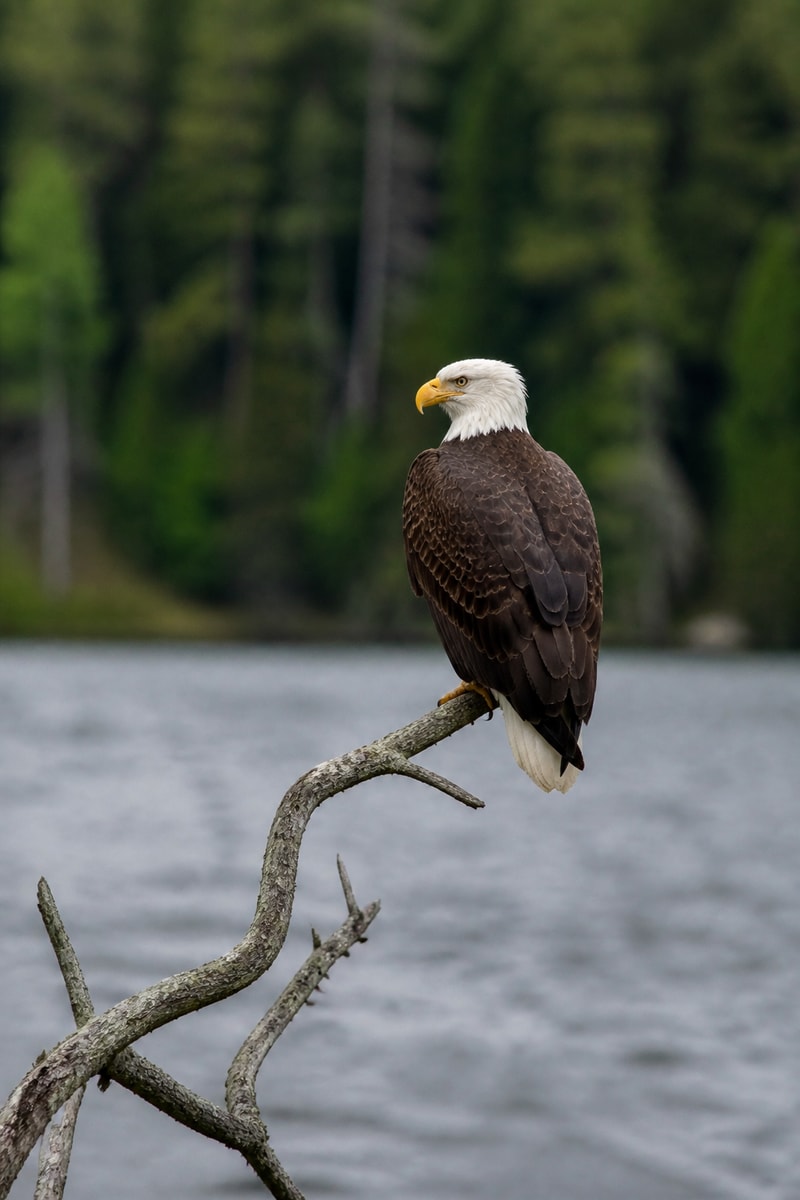
- Bald Eaglelegendary • Lakes & Coasts
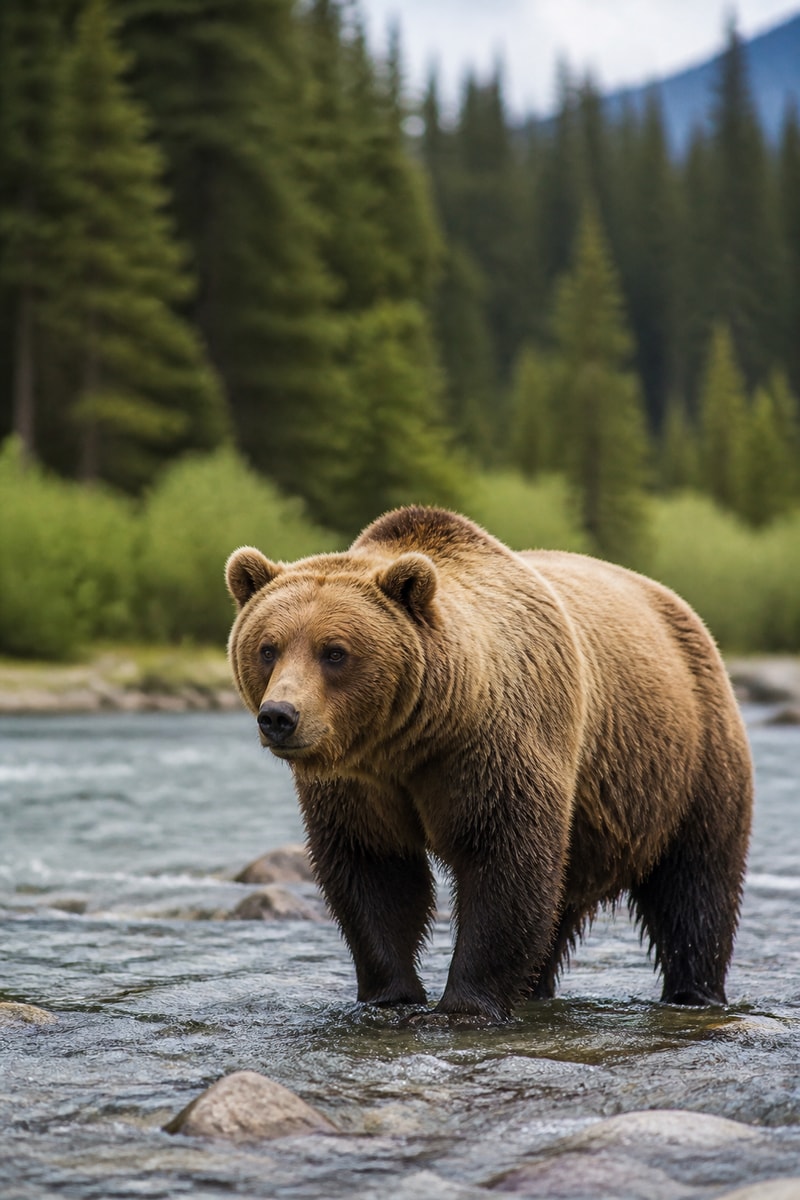
- Grizzly Bearlegendary • Mountains & Rivers
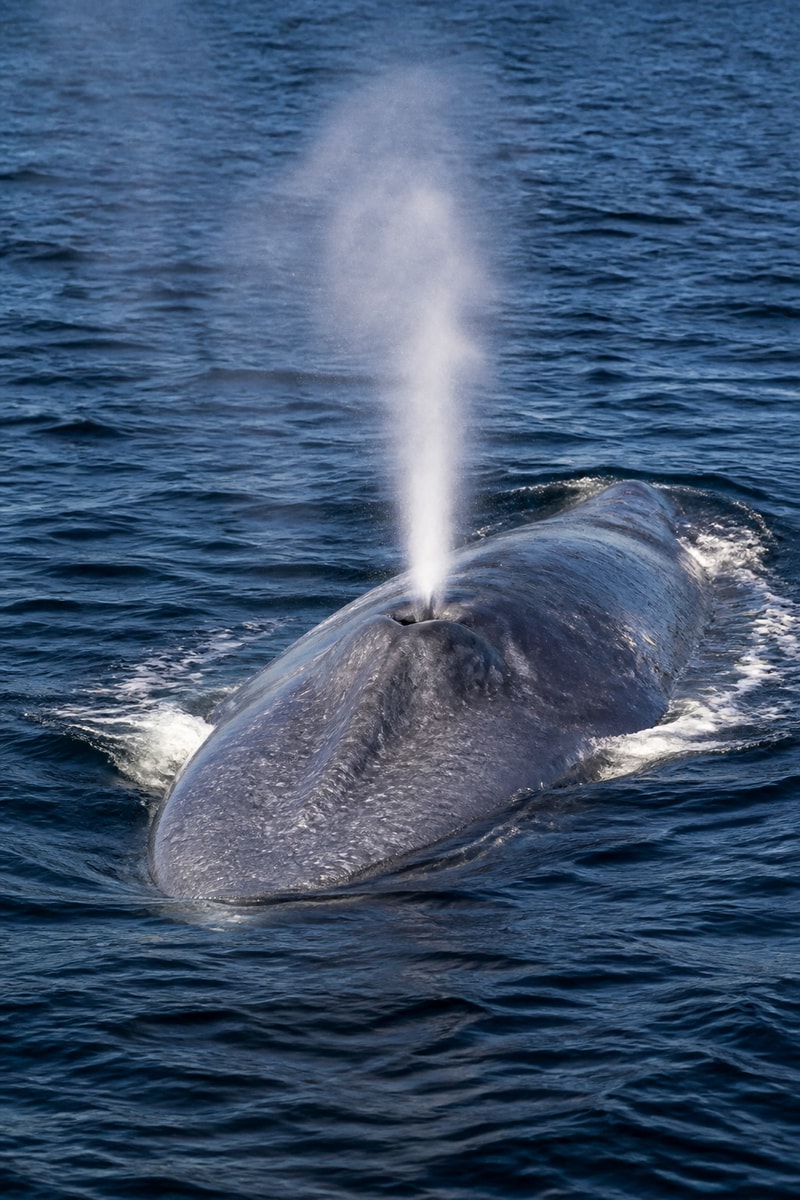
- Blue Whalelegendary • Open Ocean
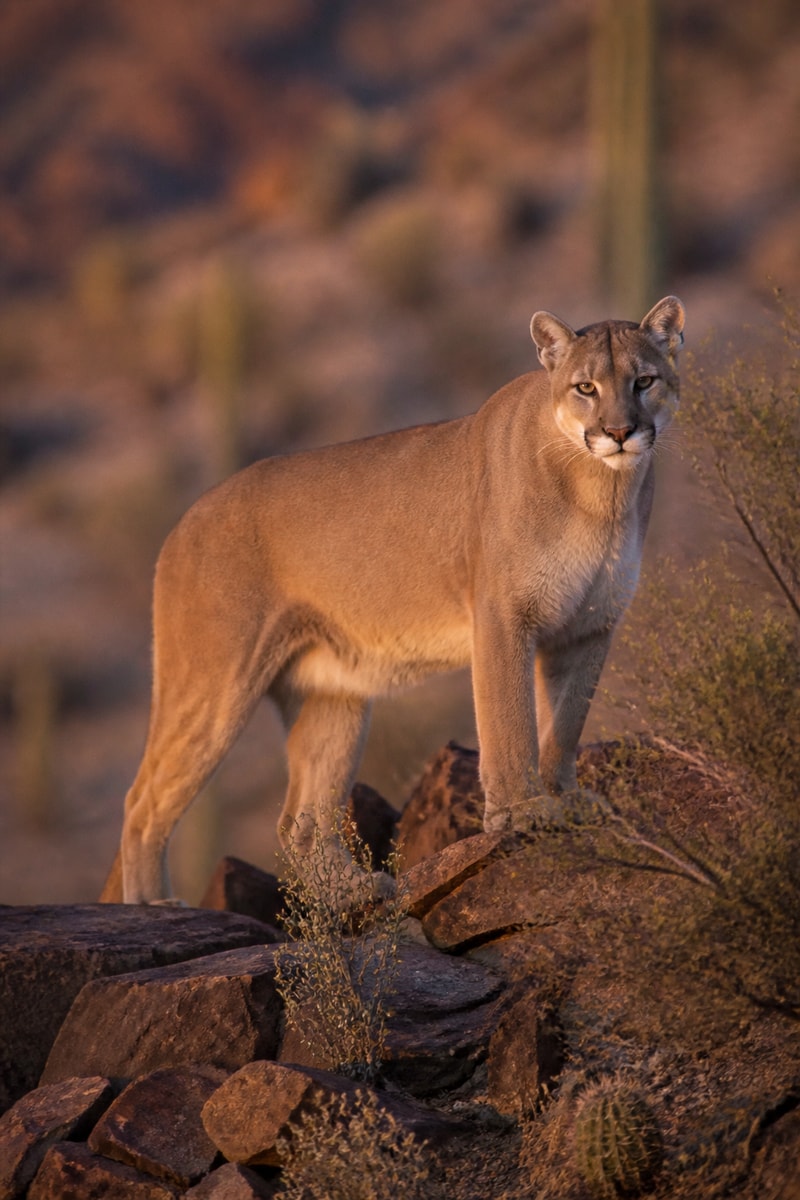
- Mountain Lionlegendary • Mountains & Desert
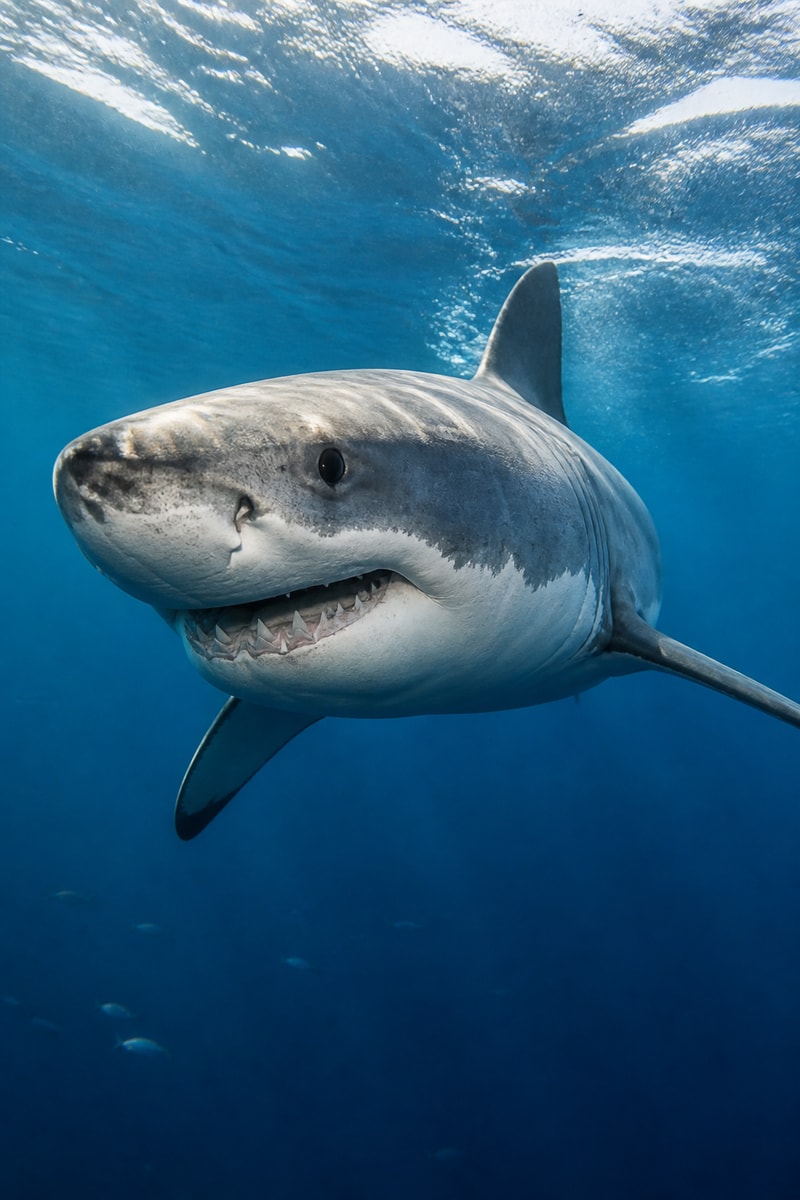
- Great White Sharklegendary • Coastal Ocean
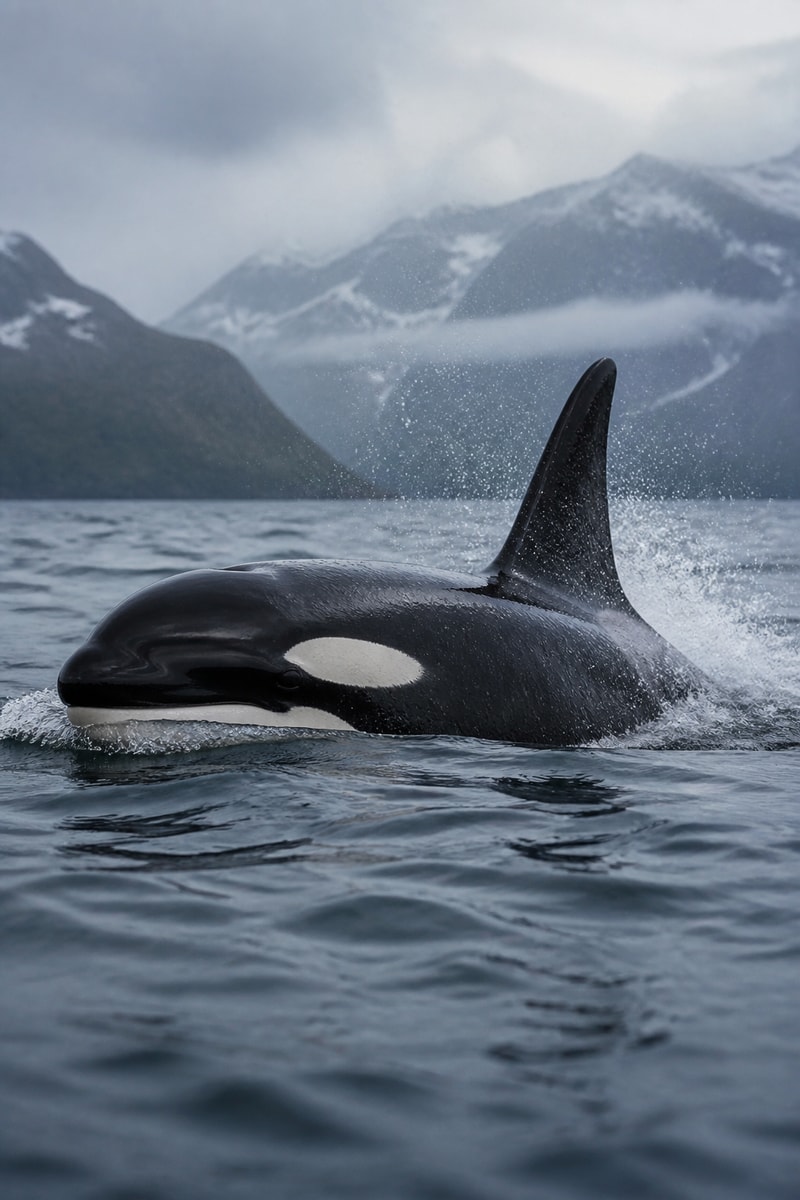
- Orcalegendary • Coastal Ocean
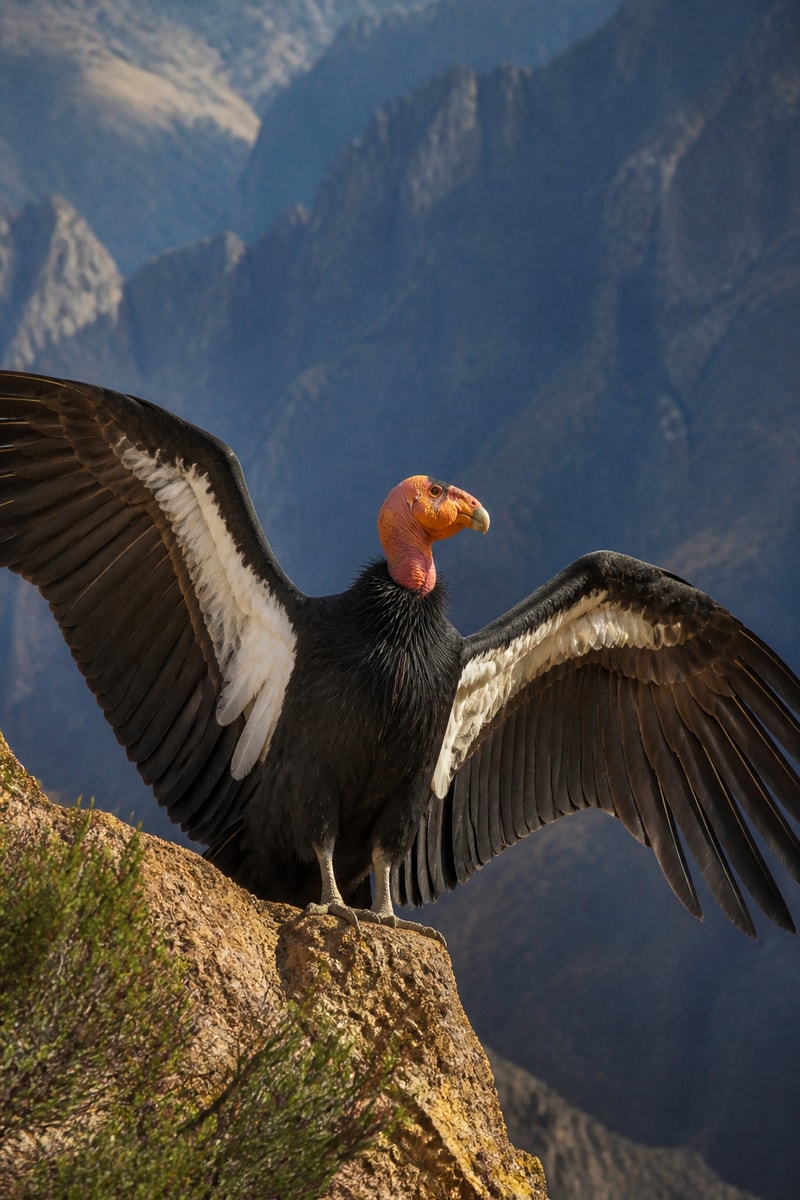
- California Condorlegendary • Canyons & Cliffs
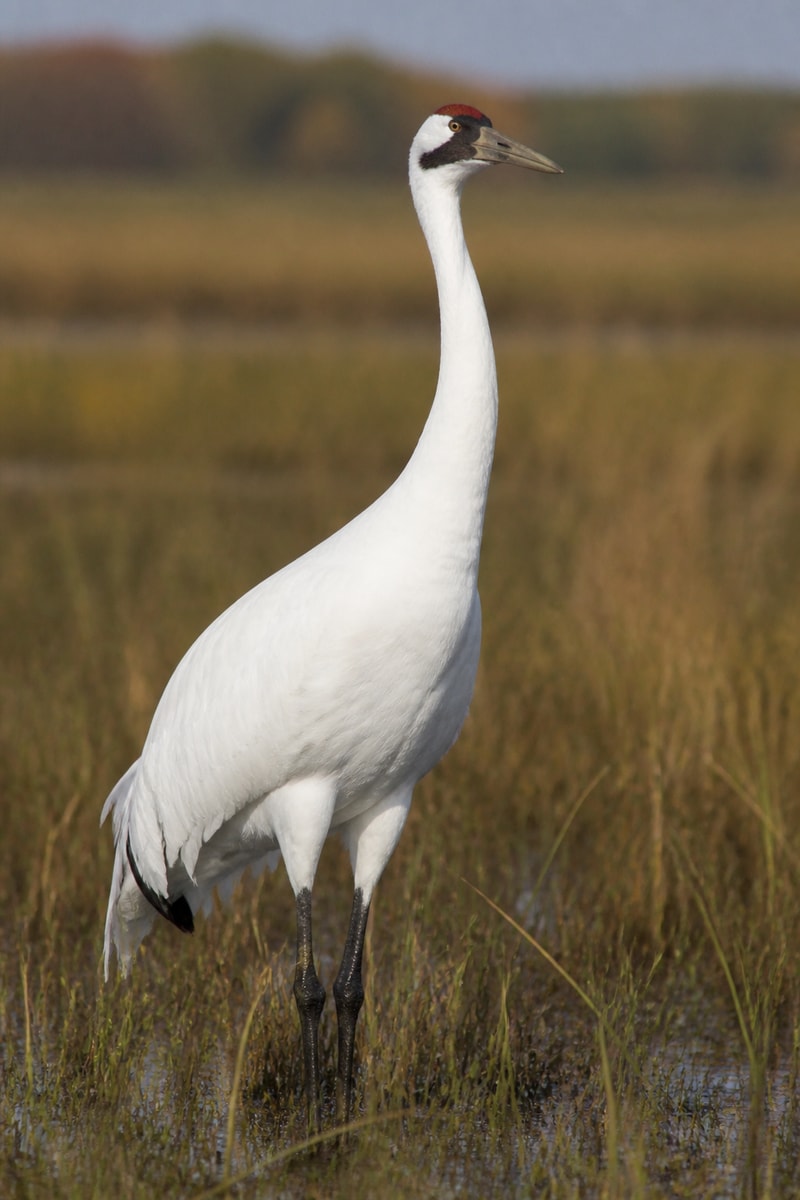
- Whooping Cranelegendary • North American Wetlands
Free on iOS
Catch the Mallard
Spot one in the wild, then scan it in Catch'Um to log your common discovery.