
Field guide · rare
Luna Moth
Pale green night silk moth — long tails, moon-eye spots, fleeting adult life.
Least Concern
Actias luna
Overview
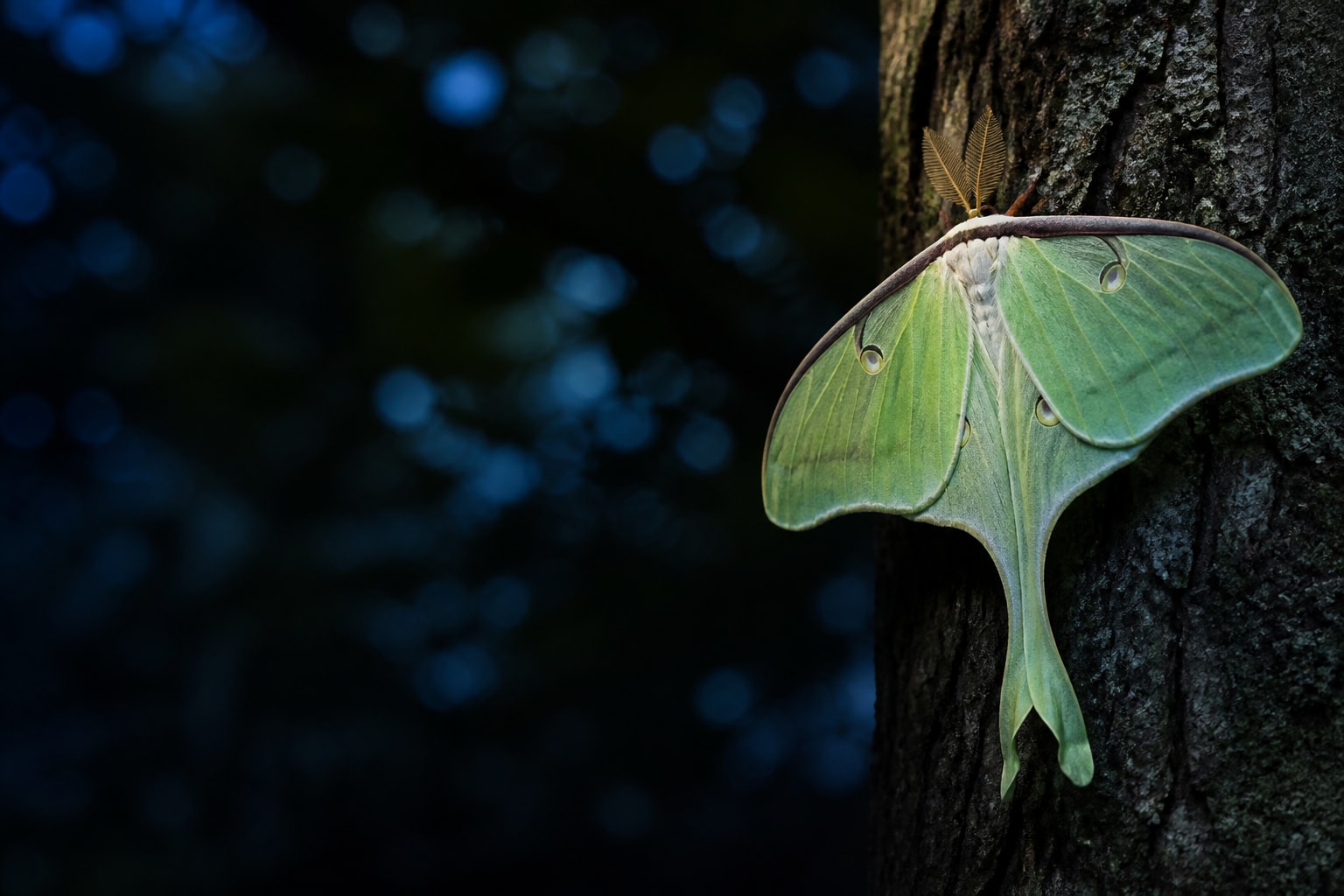
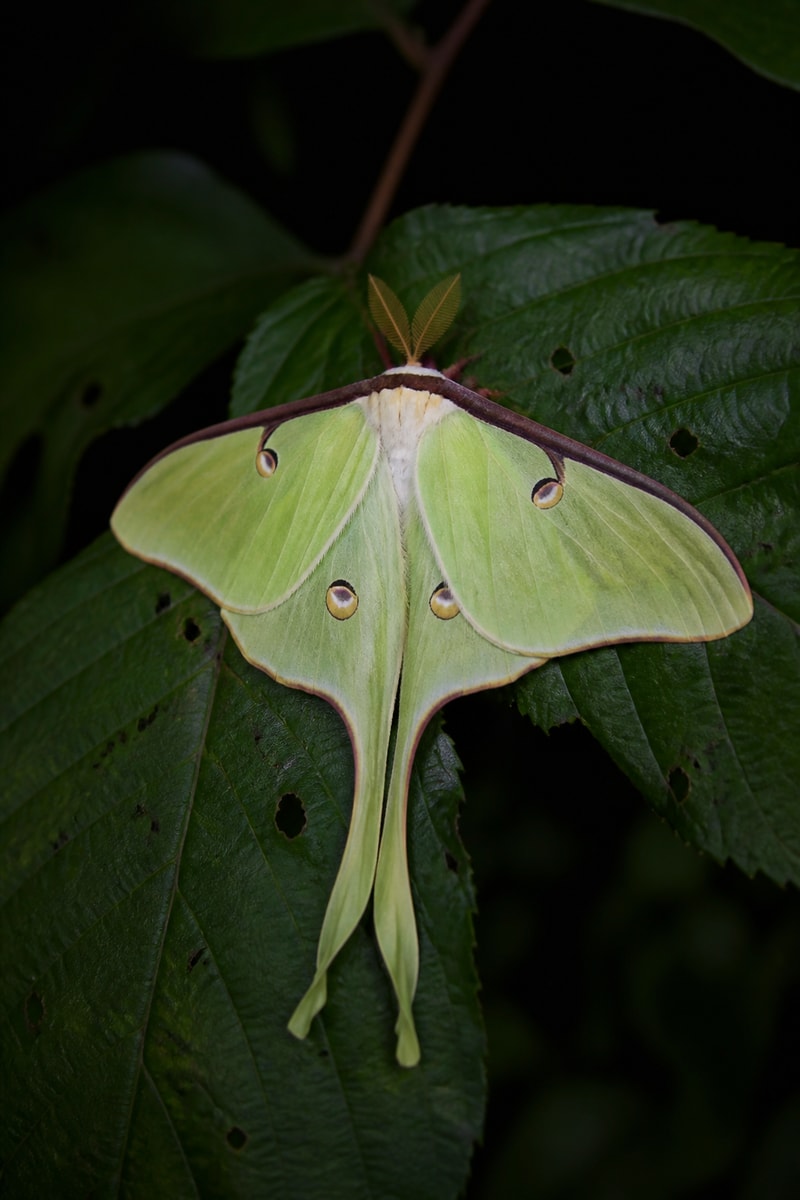
Luna moths are large North American silk moths with lime-green wings, long hindwing tails, and translucent eyespots. Adults lack working mouthparts and live only about a week, emerging to mate after caterpillars feed on hardwood leaves.
For US collectors, the luna moth is a rare night jewel — ghostly green flash at porch lights, eastern forests, and a bucket-list moth for summer nights.
- Scientific nameActias luna
- LengthWingspan 8–11.5 cm
- LifespanAdults about 7 days; full life cycle weeks to months
- DietAdults have no…
- ConservationLeast Concern
- RegionEastern US Deciduous Forests
Where to see them
Habitat
- Deciduous forest
- Hardwood edge
- Woodland garden
- Night canopy
Deciduous hardwood forests of eastern North America where host trees such as walnut, hickory, sweetgum, and birch grow; adults appear near woodland edges and lights.
Field notes
Field scale for the Luna Moth: length around Wingspan 8-11.5 cm. Typical lifespan: Adults about 7 days; full life cycle weeks to months.
When you are scanning habitat, prioritise deciduous forest, hardwood edge, woodland garden, and night canopy. Those settings are where a clean look and a usable photo are most likely.
Quick ID anchor: Large lime-green moth with long twisted tails and eyespots on fore- and hindwings. Confirm with behaviour and habitat before you log the discovery.
Diet
Adults have no functional mouthparts and do not feed.
Larvae eat leaves of walnut, hickory, persimmon, sweetgum, birch, and related hardwoods.
Behaviour
Nocturnal adults fly to find mates using female pheromones.
Rest with wings flat by day; briefly active for a few nights after emerging.
How to identify
Large lime-green moth with long twisted tails and eyespots on fore- and hindwings.
Furred white body and feathery antennae; males have broader antennae than females.
Interesting facts
- 01
Pale green wings with long curving hindwing tails.
- 02
Eyespots on each wing may deflect bird attacks.
- 03
Adults do not feed — they live roughly a week to mate.
- 04
Caterpillars are bright green and feed on hardwood leaves.
- 05
Attracted to lights on warm summer nights.
- 06
One of eastern North America’s most iconic giant silk moths.
Conservation status
Luna moths are not globally threatened and are generally considered secure, though local declines are linked to habitat loss, light pollution, and parasitoid flies introduced for gypsy moth control.
Sources: IUCN Red List
Related discoveries



Keep exploring
Related discoveries
- Bald Eaglelegendary • Lakes & Coasts
- Grizzly Bearlegendary • Mountains & Rivers
- Blue Whalelegendary • Open Ocean
- Mountain Lionlegendary • Mountains & Desert
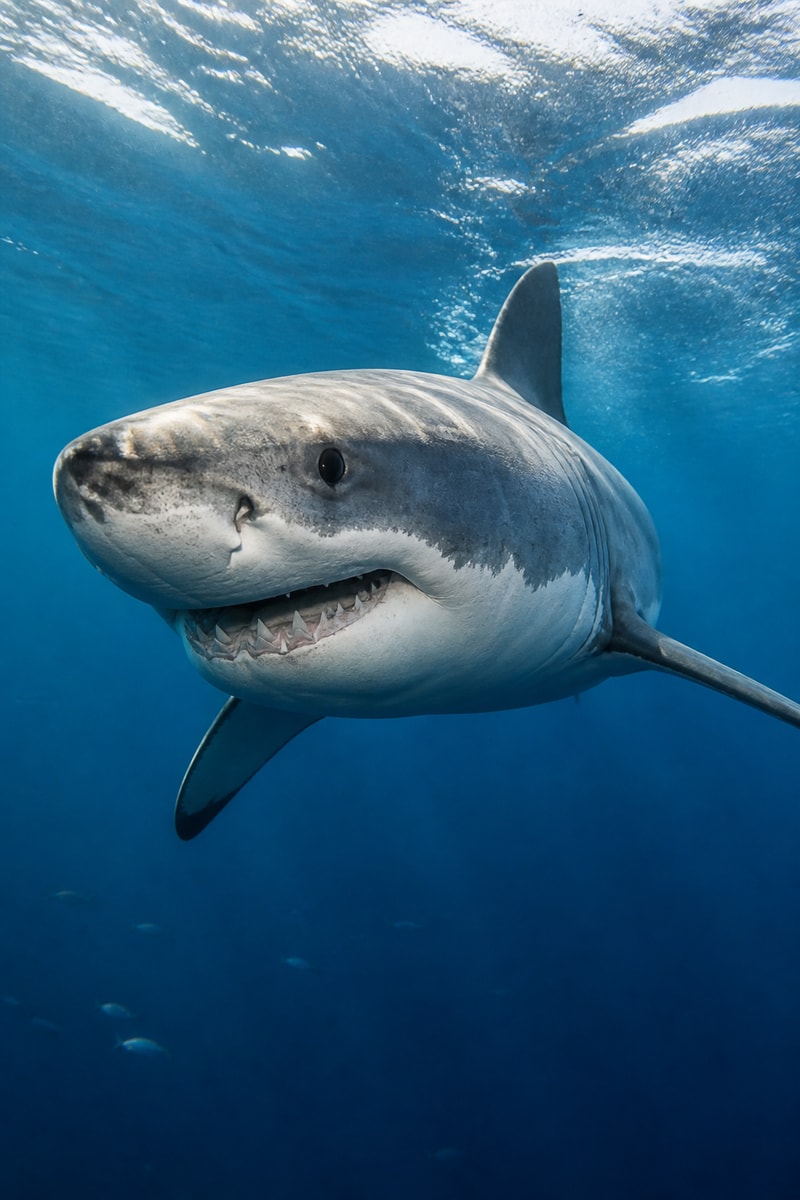
- Great White Sharklegendary • Coastal Ocean
- Orcalegendary • Coastal Ocean
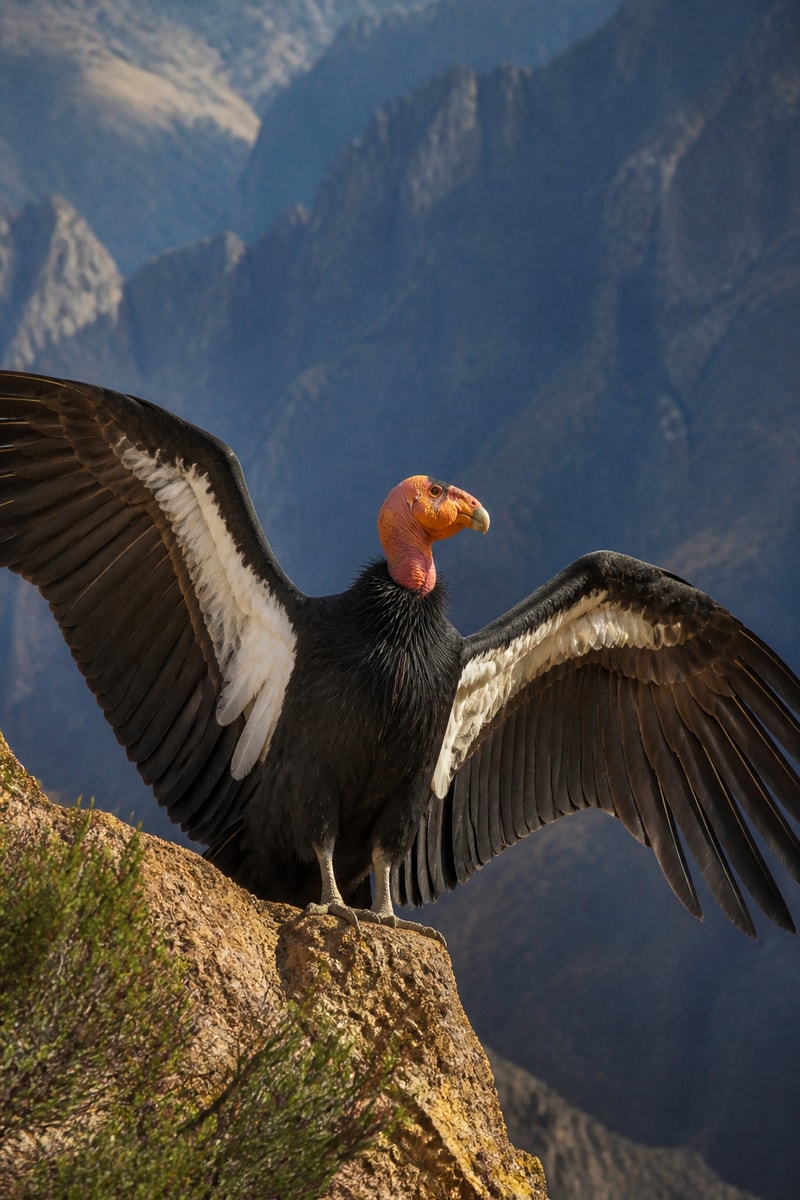
- California Condorlegendary • Canyons & Cliffs
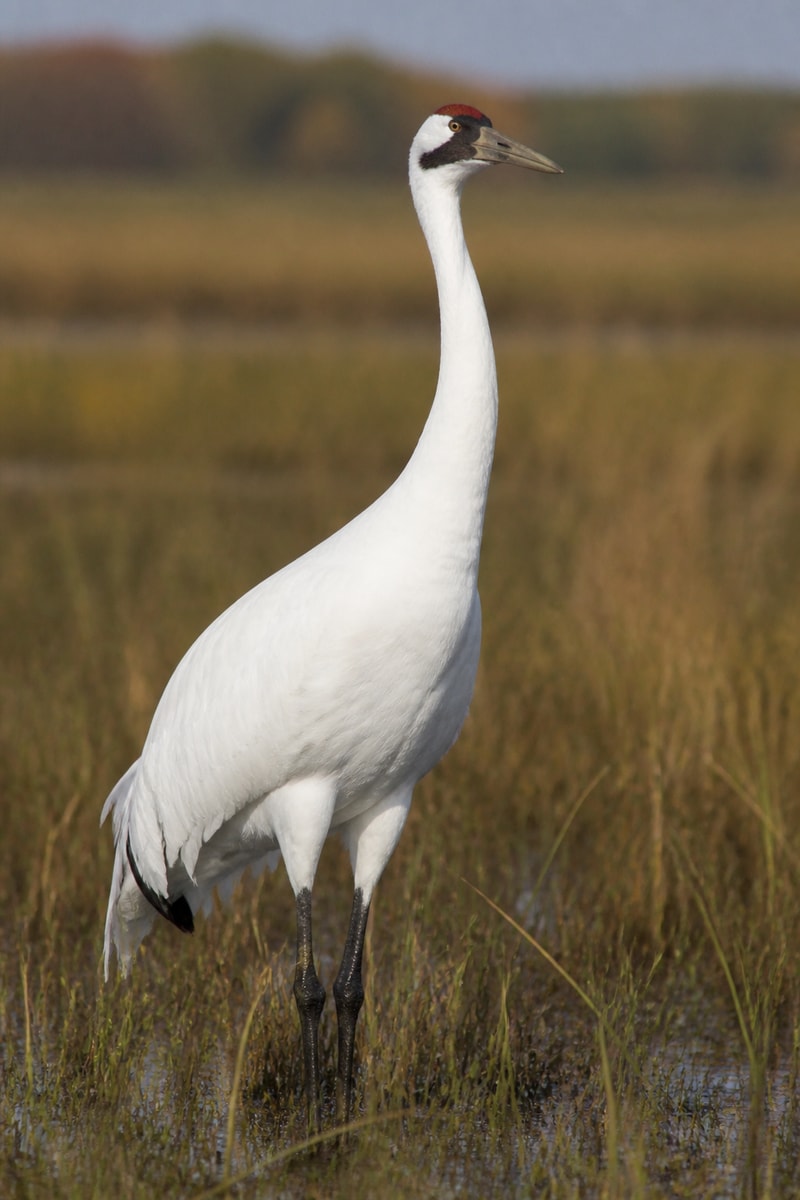
- Whooping Cranelegendary • North American Wetlands
Free on iOS
Catch the Luna Moth
Spot one in the wild, then scan it in Catch'Um to log your rare discovery.