
Field guide · rare
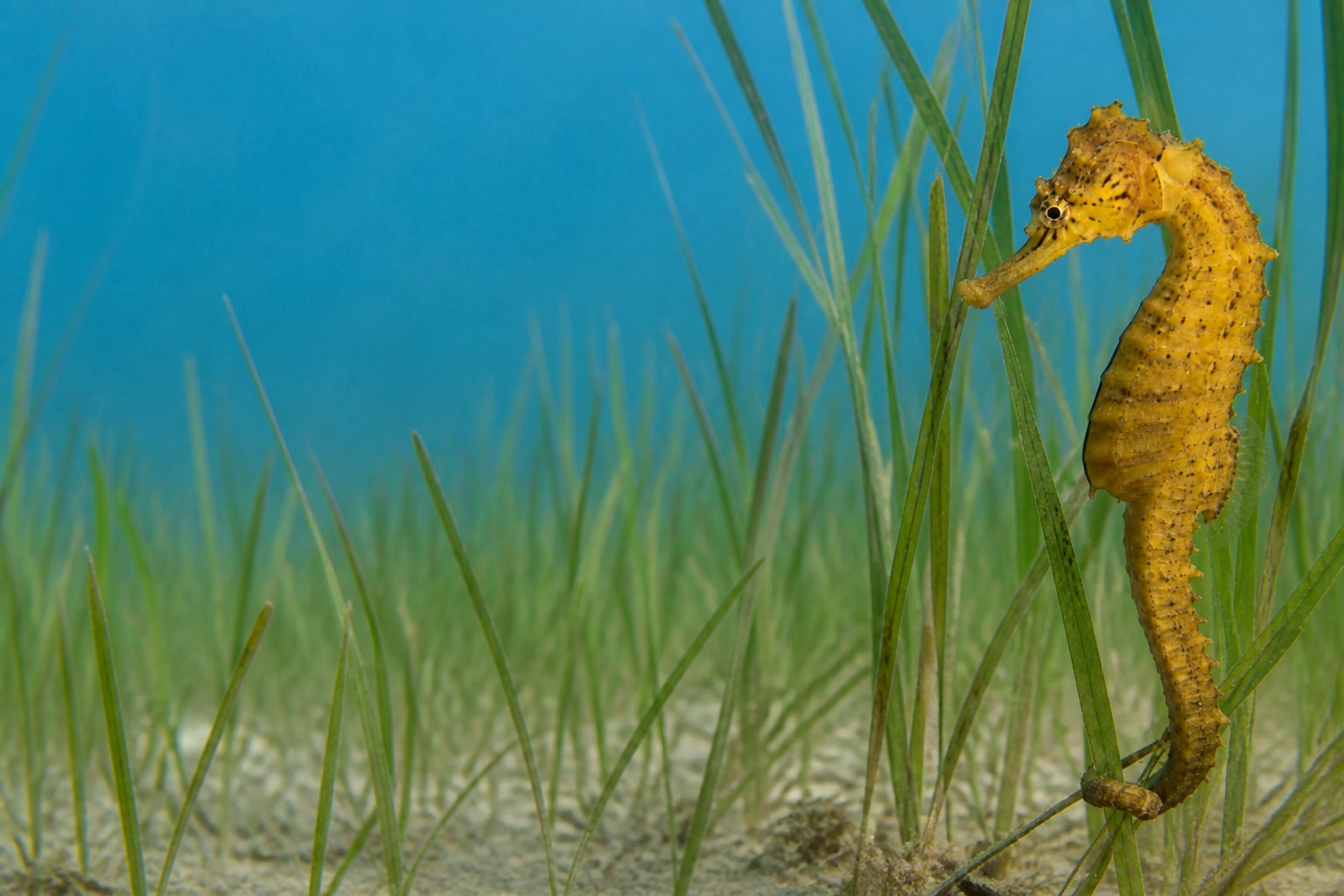
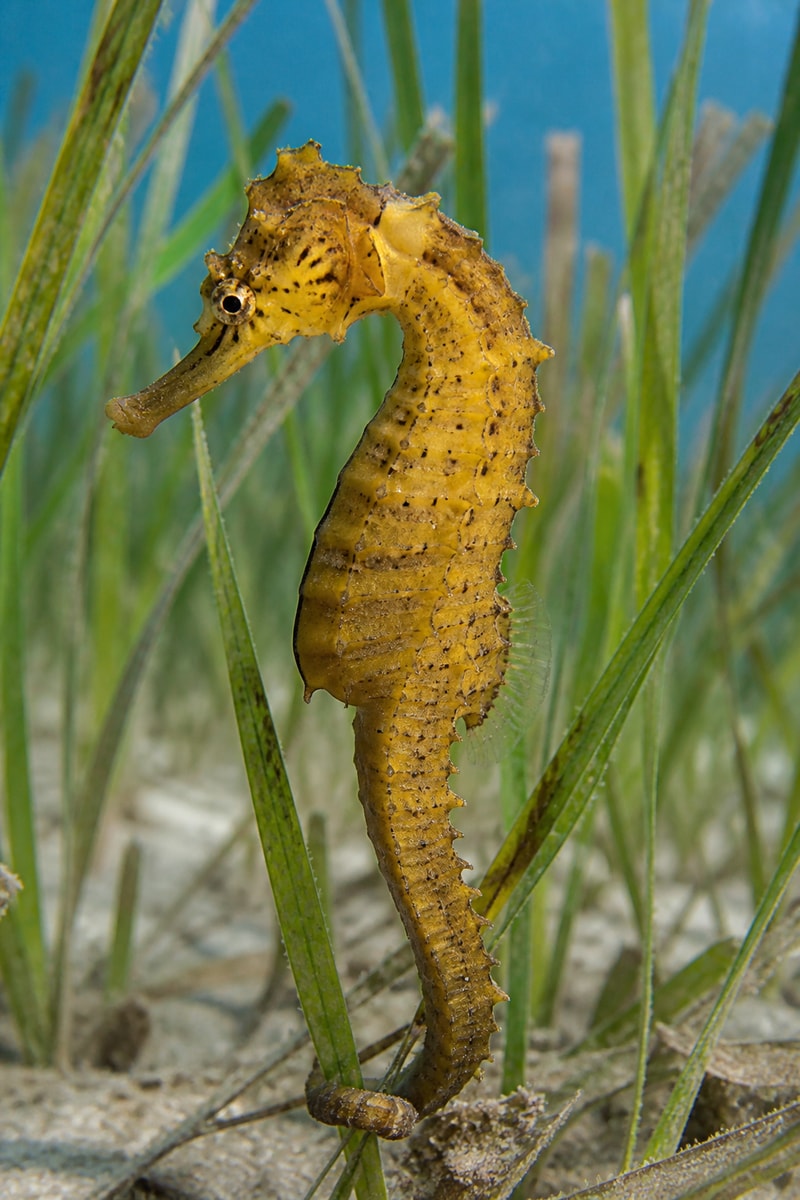
Lined Seahorse
A horse-headed fish that anchors by its tail — and where males carry the babies.
Vulnerable
Hippocampus erectus
Overview
Lined seahorses are bony fish shaped like chess knights, with horse-like heads, prehensile tails, and independently moving eyes. Males carry eggs in a brood pouch until tiny seahorses emerge — one of nature's most searched parental twists.
Camouflaged among seagrass and reefs along Atlantic coasts, they are small but unforgettable Catch'Um cards.
- Scientific nameHippocampus erectus
- Length12–17 cm typical
- WeightA few tens of grams
- LifespanAround 1–4 years in the wild
- DietTiny crustaceans and…
- ConservationVulnerable
- RegionSeagrass & Reef
Where to see them
Habitat
- Seagrass
- Mangroves
- Estuaries
- Reefs
Lined seahorses live in seagrass beds, mangroves, estuaries, and reefs along the western Atlantic, including US coasts from the mid-Atlantic through the Gulf of Mexico and Caribbean.
Field notes
Field scale for the Lined Seahorse: length around 12-17 cm typical; weight A few tens of grams. Typical lifespan: Around 1-4 years in the wild.
When you are scanning habitat, prioritise seagrass, mangroves, estuaries, and reefs. Those settings are where a clean look and a usable photo are most likely.
Quick ID anchor: Upright fish with a horse-like head, bony rings, and a curled prehensile tail. Confirm with behaviour and habitat before you log the discovery.
Diet
Tiny crustaceans and other planktonic prey snapped up with rapid head strikes.
Ambush feeders that rely on camouflage rather than speed.
Behaviour
Anchor with the tail and sway with vegetation; pairs may greet with daily dances.
Males brood eggs for weeks before releasing miniature seahorses.
How to identify
Upright fish with a horse-like head, bony rings, and a curled prehensile tail.
Variable colour with lined markings; small dorsal fin for propulsion.
Interesting facts
- 01
Seahorses are fish — not horses or invertebrates.
- 02
Males become pregnant, carrying eggs in a brood pouch.
- 03
They use a prehensile tail to anchor to seagrass and coral.
- 04
Eyes can move independently to watch for prey and predators.
- 05
They eat by suction, snapping up tiny crustaceans.
- 06
Lined seahorses are named for dark lines along the neck and body.
Conservation status
Lined seahorses are Vulnerable. Bycatch, habitat loss, and trade pressure threaten populations. Protecting seagrass and mangrove nurseries helps this slow-reproducing fish.
Sources: IUCN Red List
Related discoveries

Keep exploring
Related discoveries
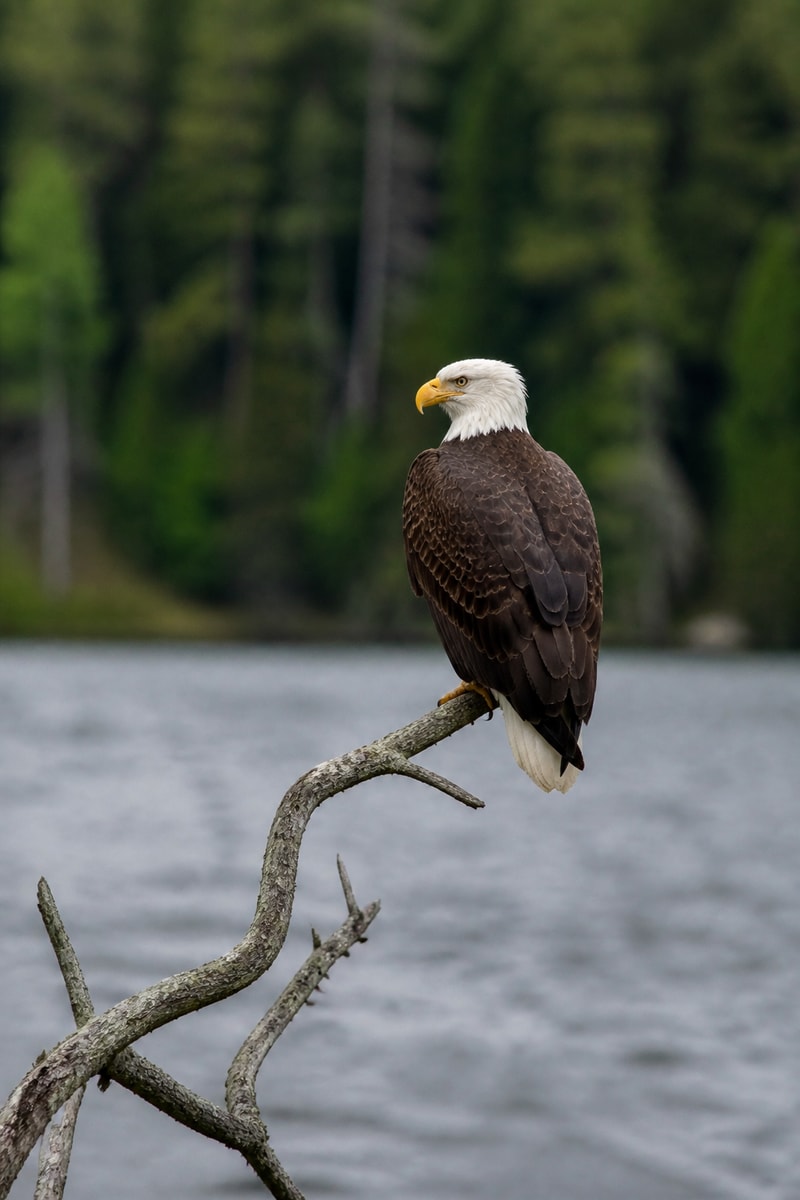
- Bald Eaglelegendary • Lakes & Coasts
- Grizzly Bearlegendary • Mountains & Rivers
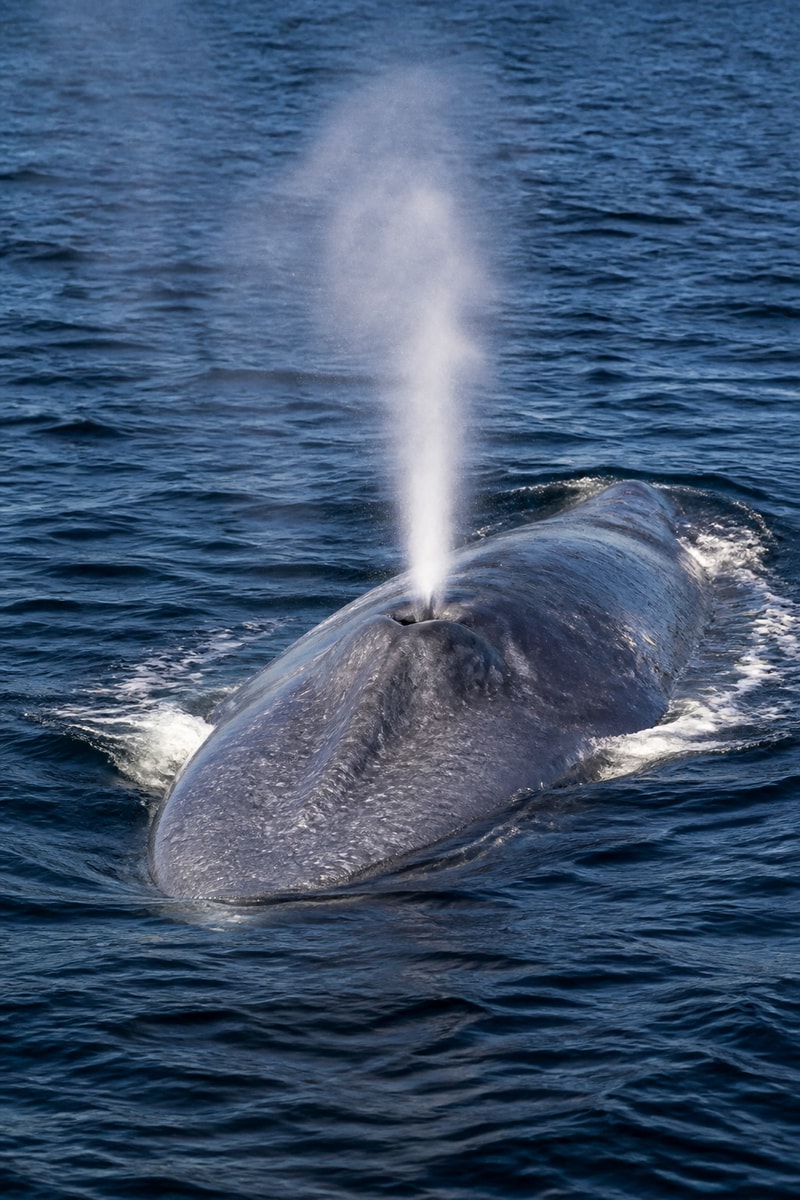
- Blue Whalelegendary • Open Ocean
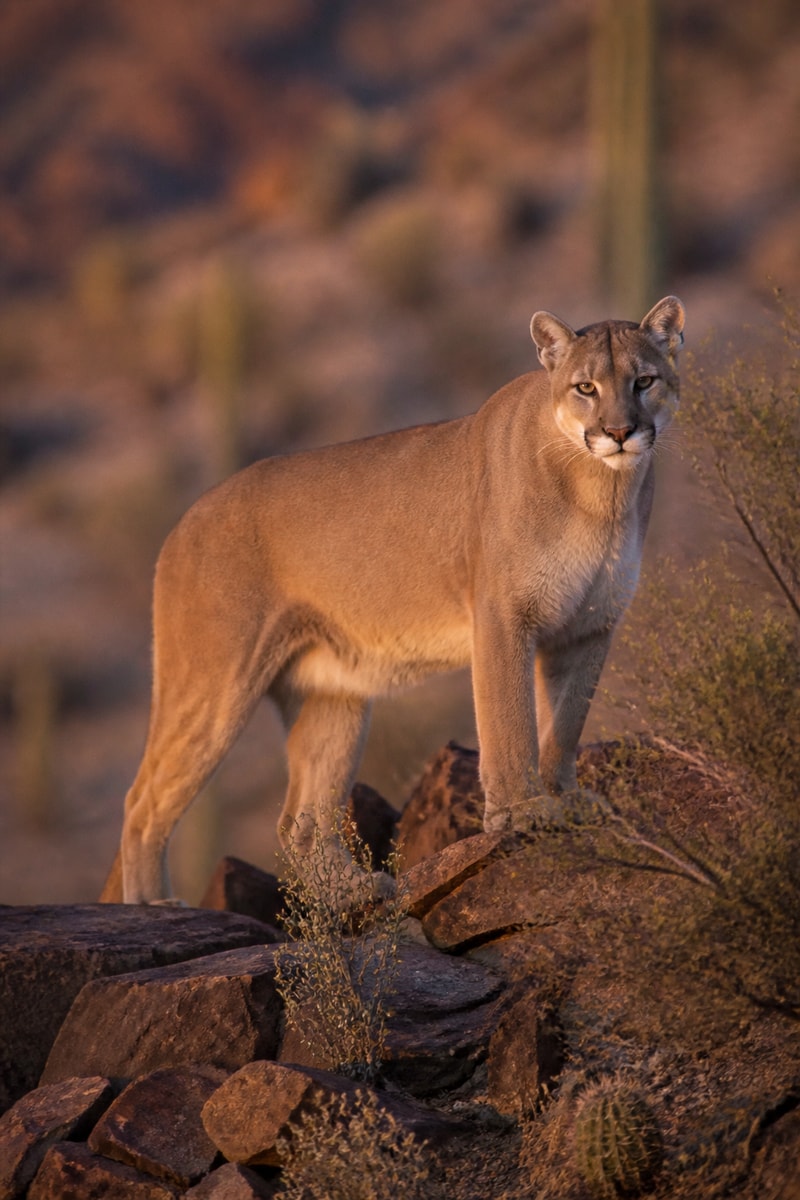
- Mountain Lionlegendary • Mountains & Desert
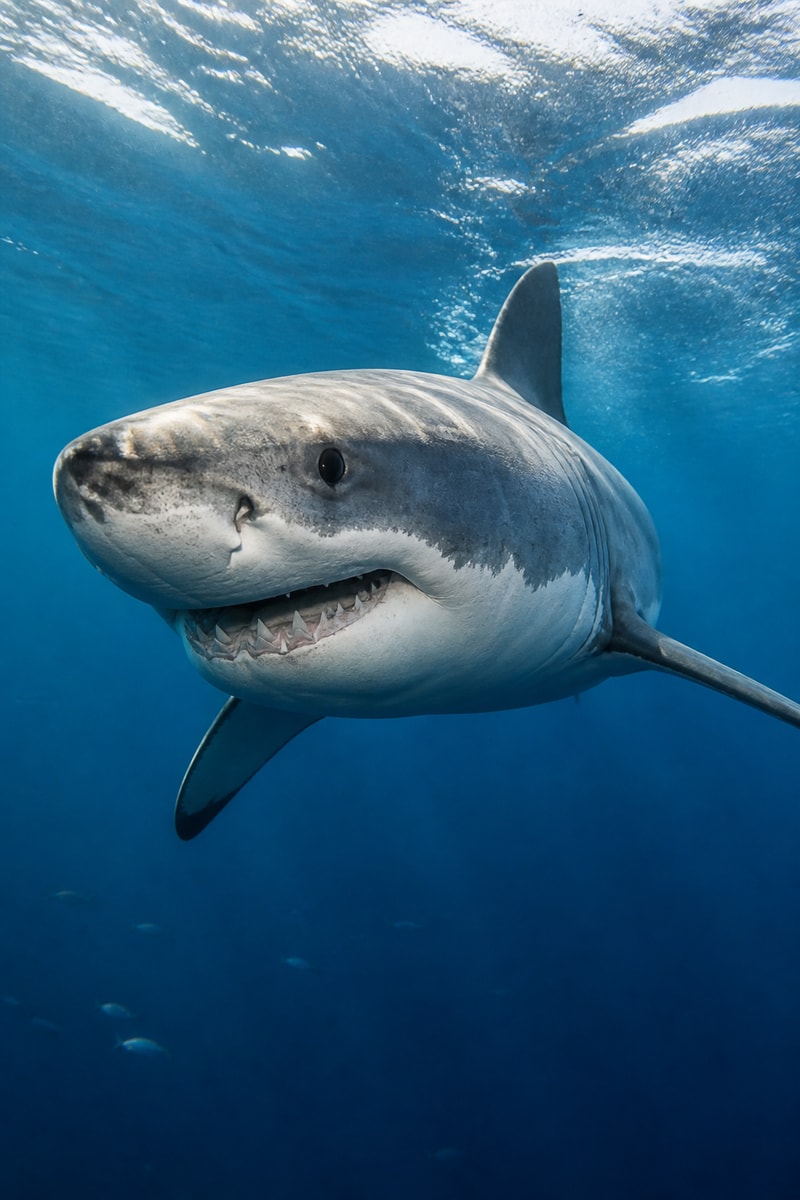
- Great White Sharklegendary • Coastal Ocean
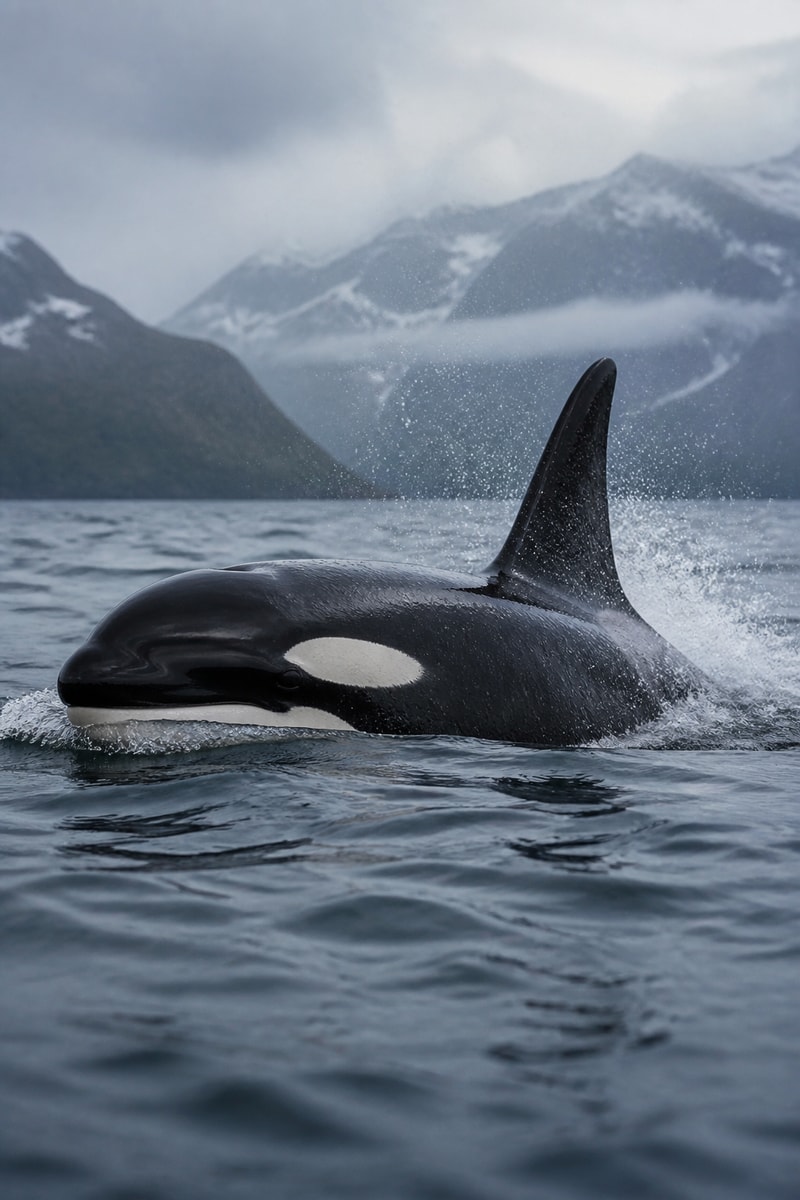
- Orcalegendary • Coastal Ocean
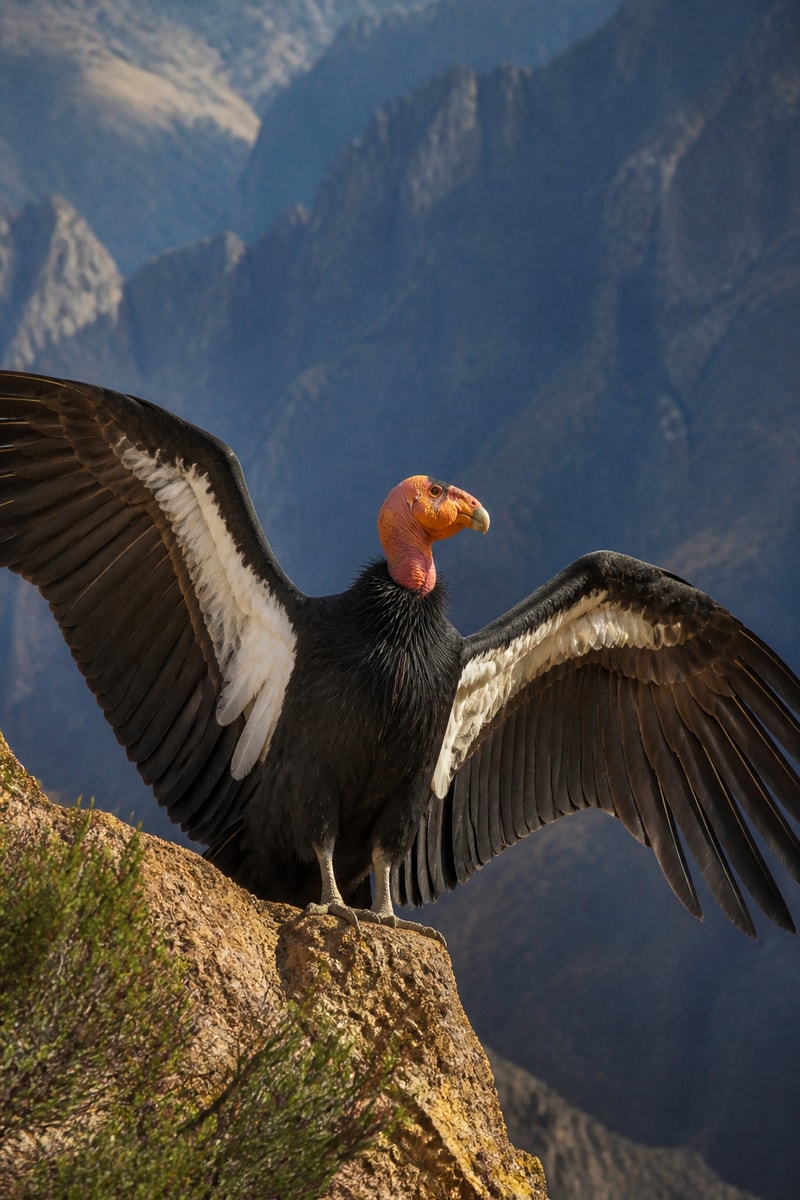
- California Condorlegendary • Canyons & Cliffs
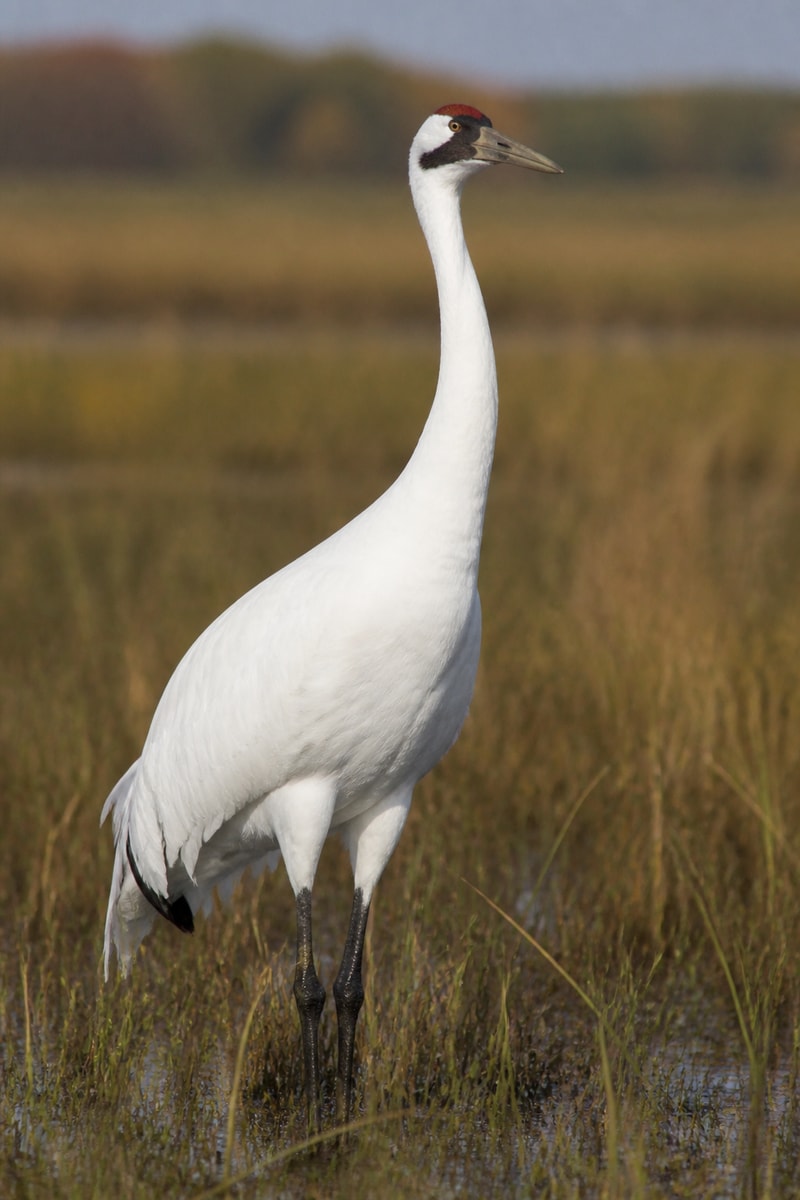
- Whooping Cranelegendary • North American Wetlands
Free on iOS
Catch the Lined Seahorse
Spot one in the wild, then scan it in Catch'Um to log your rare discovery.