
Field guide · common
Leopard
The spotted shadow, a solitary cat that hauls prey up trees and survives from African savanna to Himalayan snowline.
Vulnerable
Panthera pardus
Overview
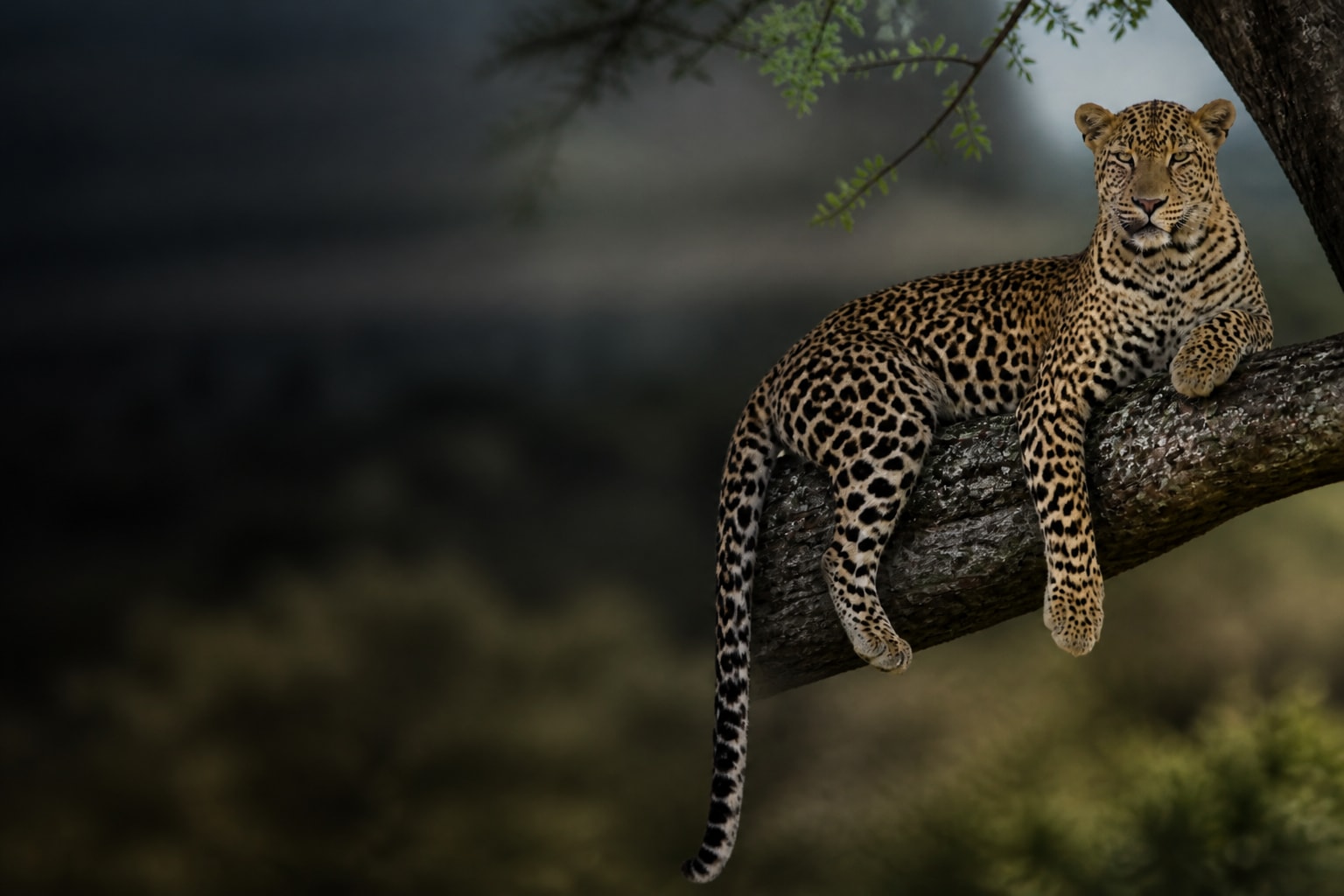
The leopard is the most adaptable of the big cats, ranging from rainforest to desert to the outskirts of Mumbai and Johannesburg. Its rosette-spotted coat breaks up its outline in dappled shade, and it hunts alone, ambushing antelope, deer, and monkeys with an explosive burst of speed.
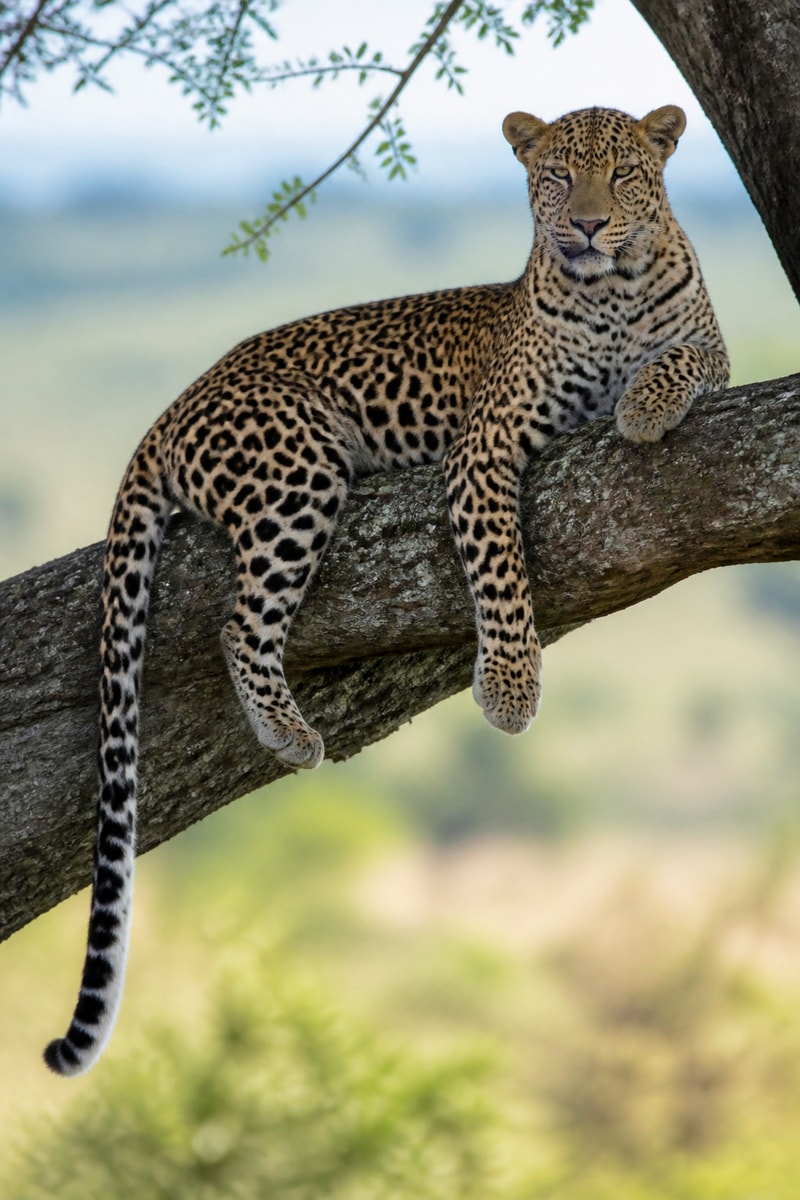
Leopards are famous for strength: they routinely drag carcasses twice their own weight up trees to cache them from hyenas and lions. In India, leopards live closer to human settlements than any other large predator, navigating a fragile coexistence.
- Scientific namePanthera pardus
- Length90–160 cm body; tail 60–100 cm
- Height45–80 cm at shoulder
- Weight30–70 kg
- LifespanAround 10–15 years in the wild
- DietVersatile ambush…
- ConservationVulnerable
- RegionSavanna & Forest
Habitat
- Savanna
- Forest
- Woodland
Leopards occupy the widest range of any big cat, African savanna, Indian forest, and Himalayan foothills. In Kenya they hunt by day in open country; in India they patrol tea estates and forest fragments after dark.
Countries found
Field notes
Field scale for the Leopard: length around 90-160 cm body; tail 60-100 cm; height 45-80 cm at shoulder; weight 30-70 kg. Typical lifespan: Around 10-15 years in the wild.
When you are scanning habitat, prioritise savanna, forest, and woodland. Those settings are where a clean look and a usable photo are most likely.
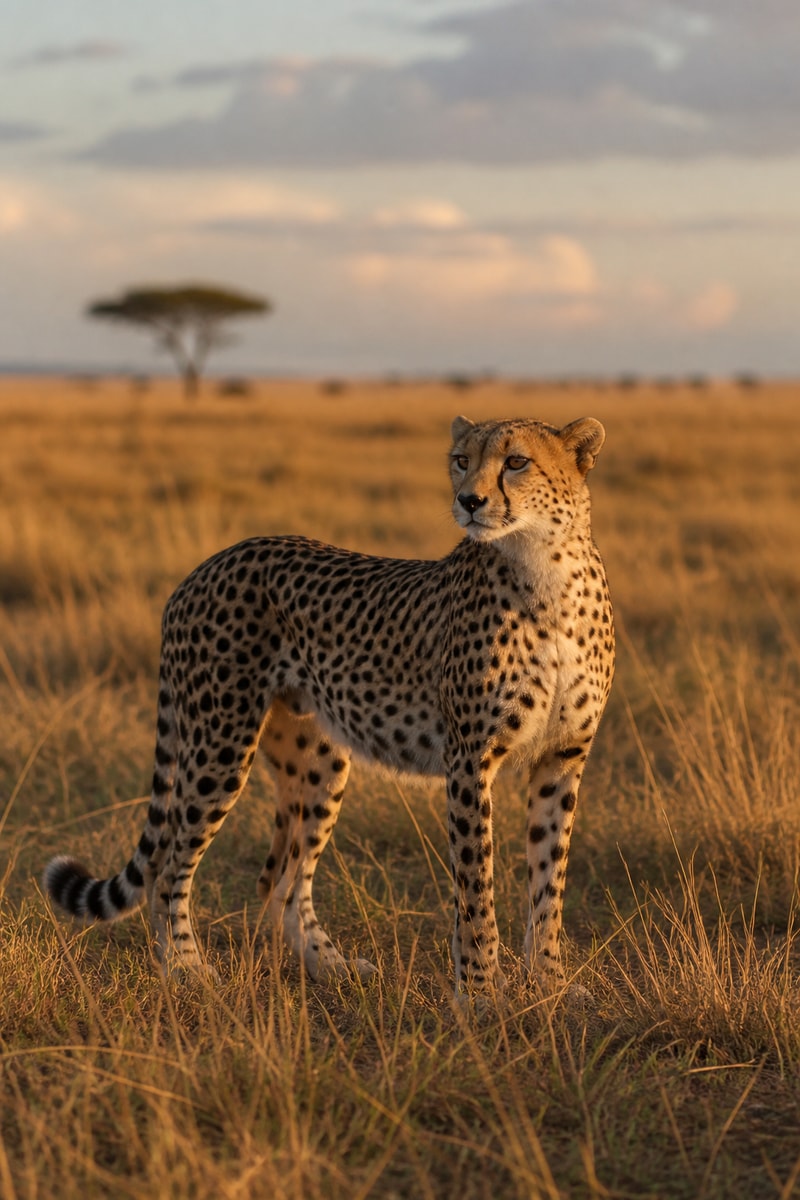
Quick ID anchor: Powerful spotted big cat with rosettes (not solid spots like a cheetah) on a tawny coat. Relatively short legs, long white-tipped tail, and a robust skull; melanistic 'black panthers' occur in some forests. Confirm with behaviour and habitat before you log the discovery.
Where to see one
India
In India, start at Ranthambore National Park (Rajasthan). Dry deciduous forest and ruined fortresses where tigers patrol ancient trails, one of India's most reliable tiger-spotting reserves.
More context on this destination lives on the India expedition page.
Diet
Versatile ambush predator taking antelope, deer, monkeys, and smaller prey depending on habitat. Often haul kills into trees to keep them from lions, hyenas, and wild dogs.
Behaviour
Solitary and largely nocturnal or crepuscular, resting in trees or thick cover by day. Extremely adaptable, occupying savanna, forest, mountains, and even peri-urban landscapes.
How to identify
Powerful spotted big cat with rosettes (not solid spots like a cheetah) on a tawny coat. Relatively short legs, long white-tipped tail, and a robust skull; melanistic 'black panthers' occur in some forests.
Interesting facts
- 01
Leopards haul prey twice their weight up trees to keep it from hyenas.
- 02
Black panthers are leopards with melanism, extra dark pigment.
- 03
They are largely nocturnal, spending daylight hidden in trees or caves.
Conservation status
Leopards are Vulnerable, declining from habitat loss, prey depletion, and conflict with farmers. India and East Africa remain strongholds, but populations are fragmented across their range.
Sources: IUCN Red List
Keep exploring
Where it lives
Related discoveries
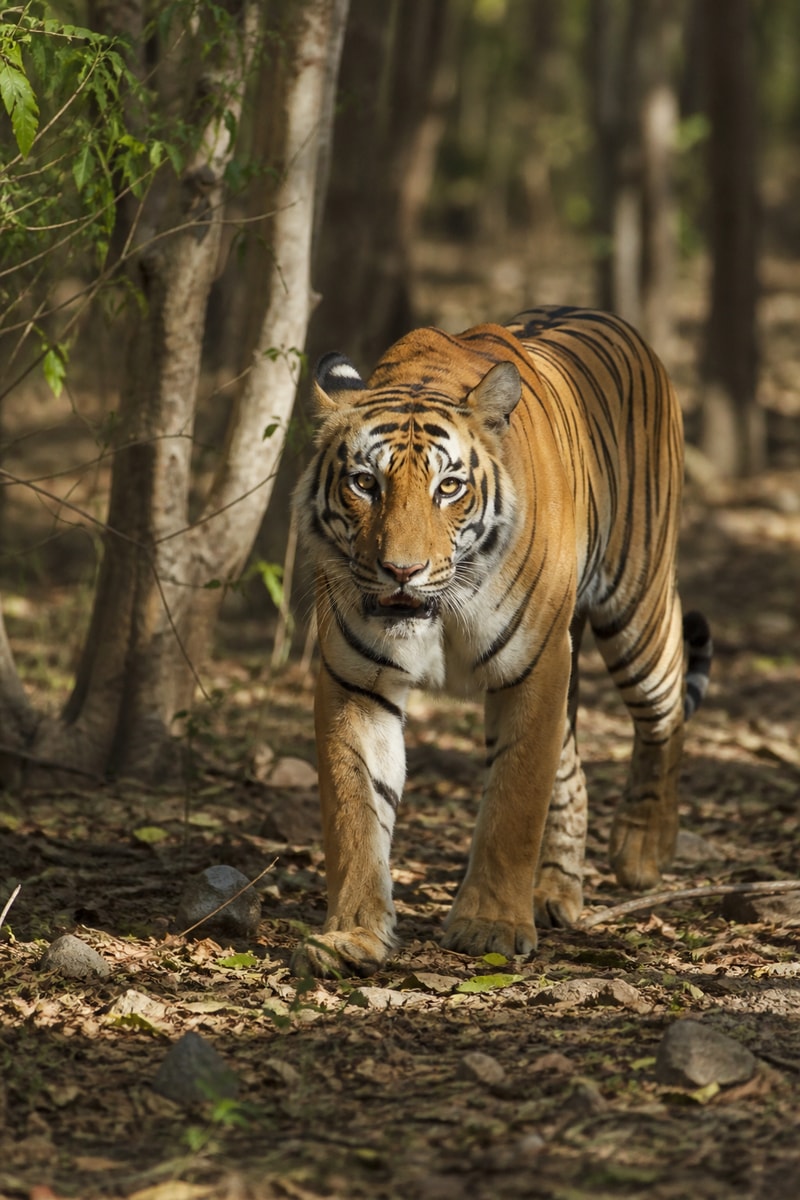
- Tigerlegendary • Jungle & Grassland
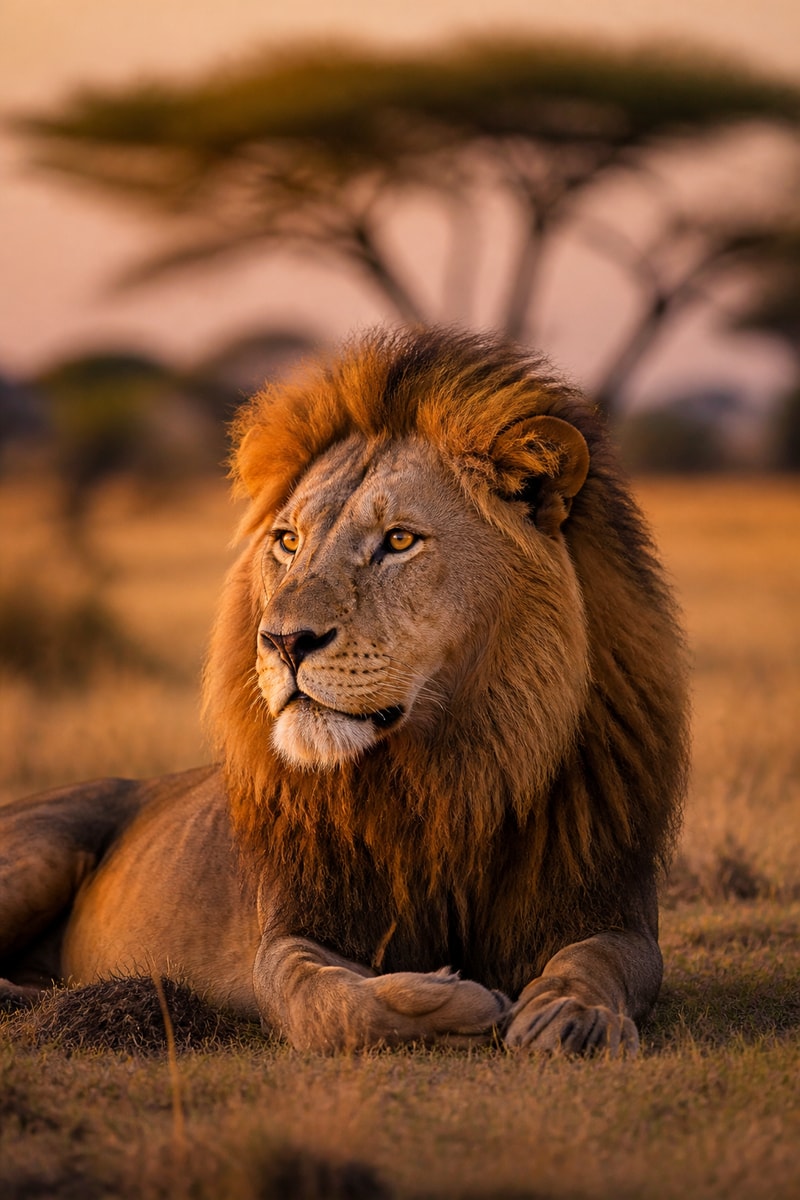
- Lionlegendary • Savanna, East Africa
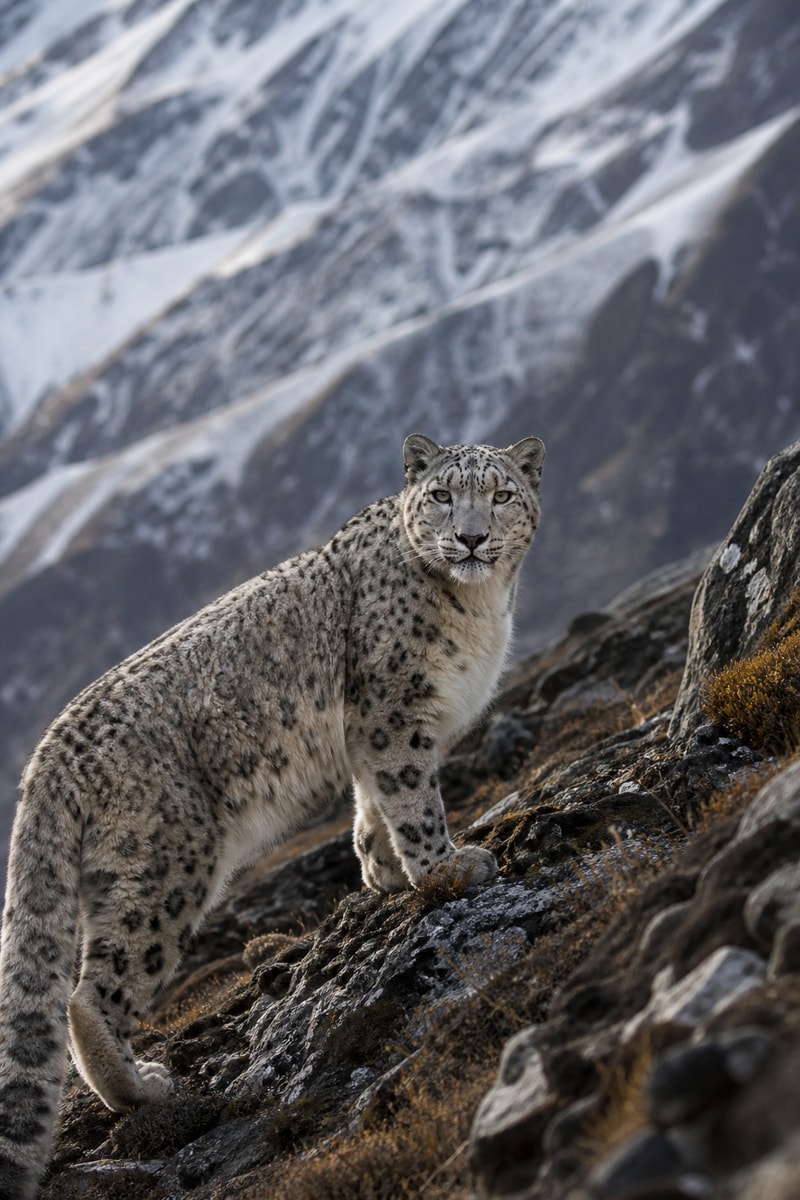
- Snow Leopardlegendary • High Mountains
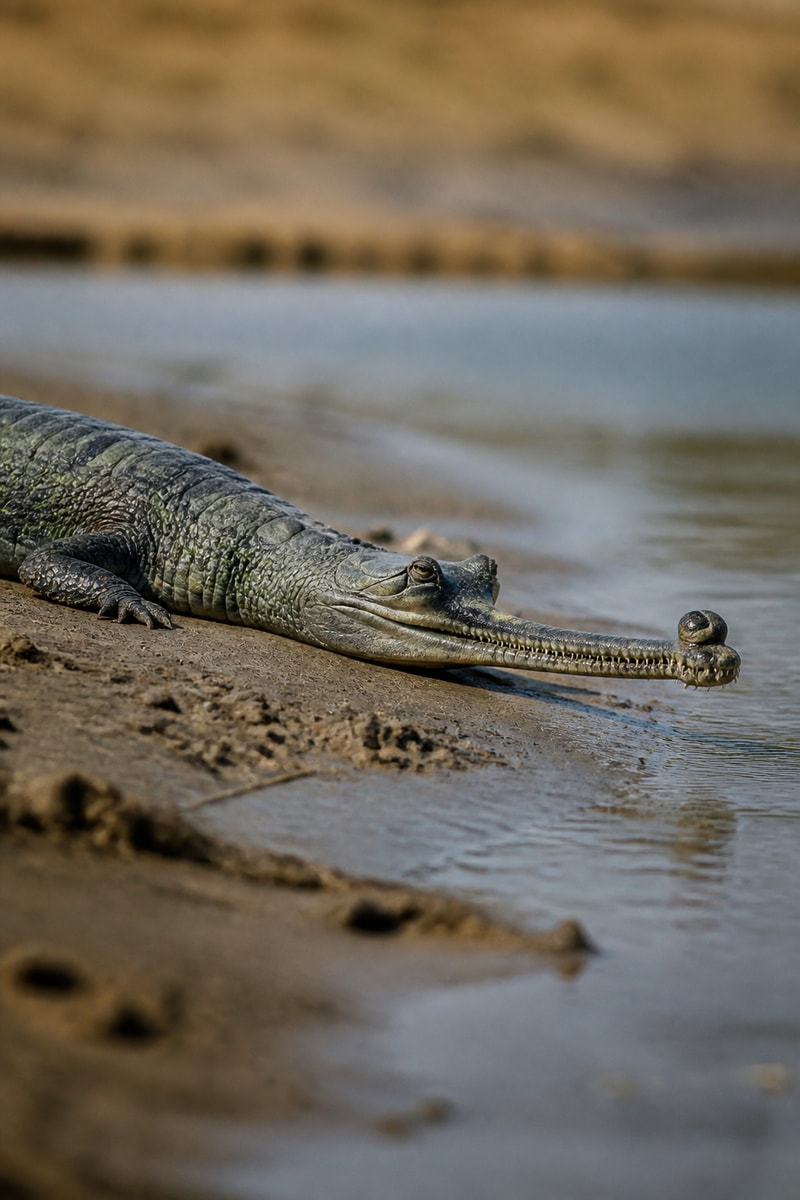
- Ghariallegendary • Riverine Sandbanks
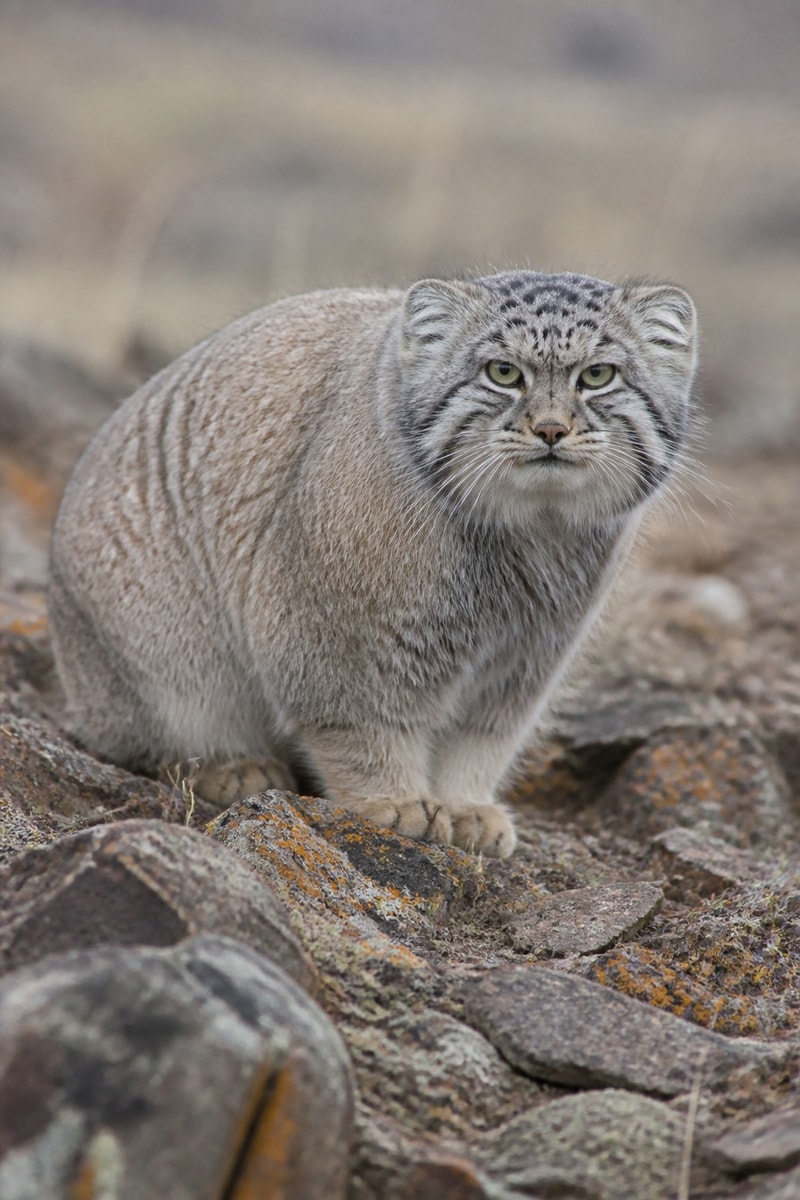
- Pallas's Catlegendary • Central Asian Steppe
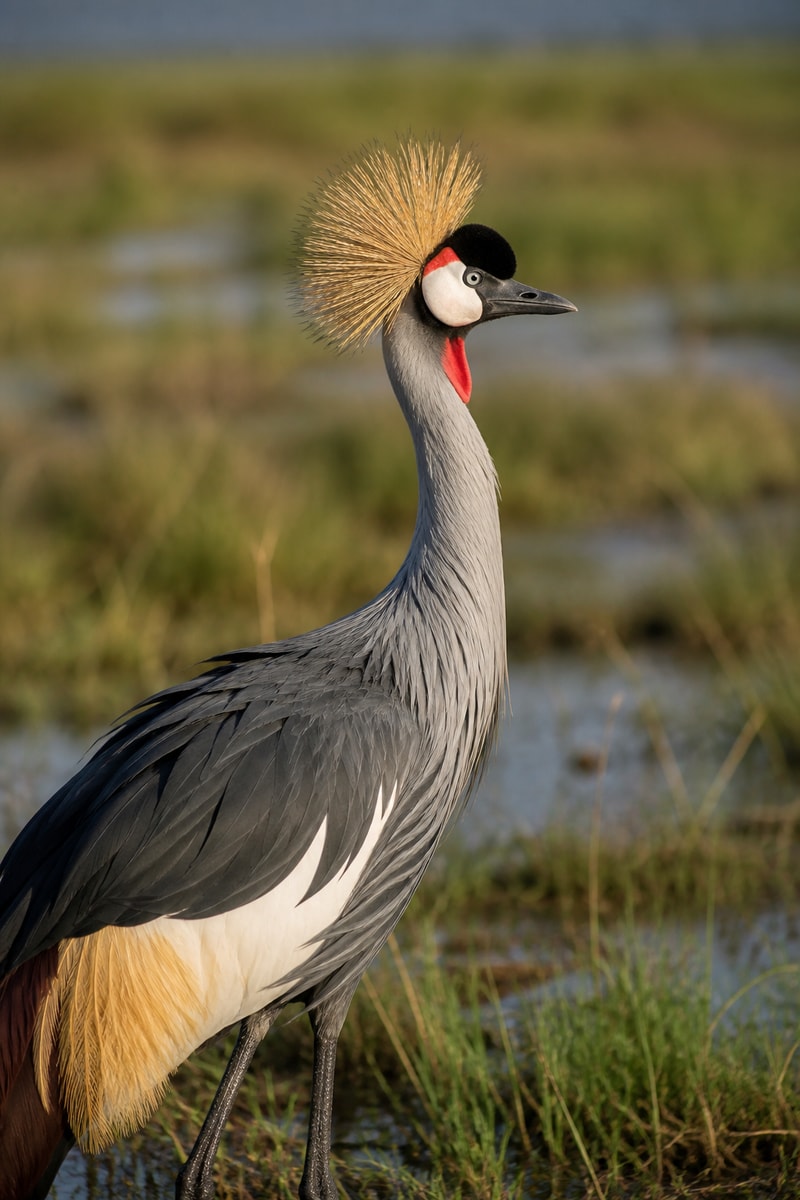
- Grey Crowned Cranelegendary • East African Wetlands
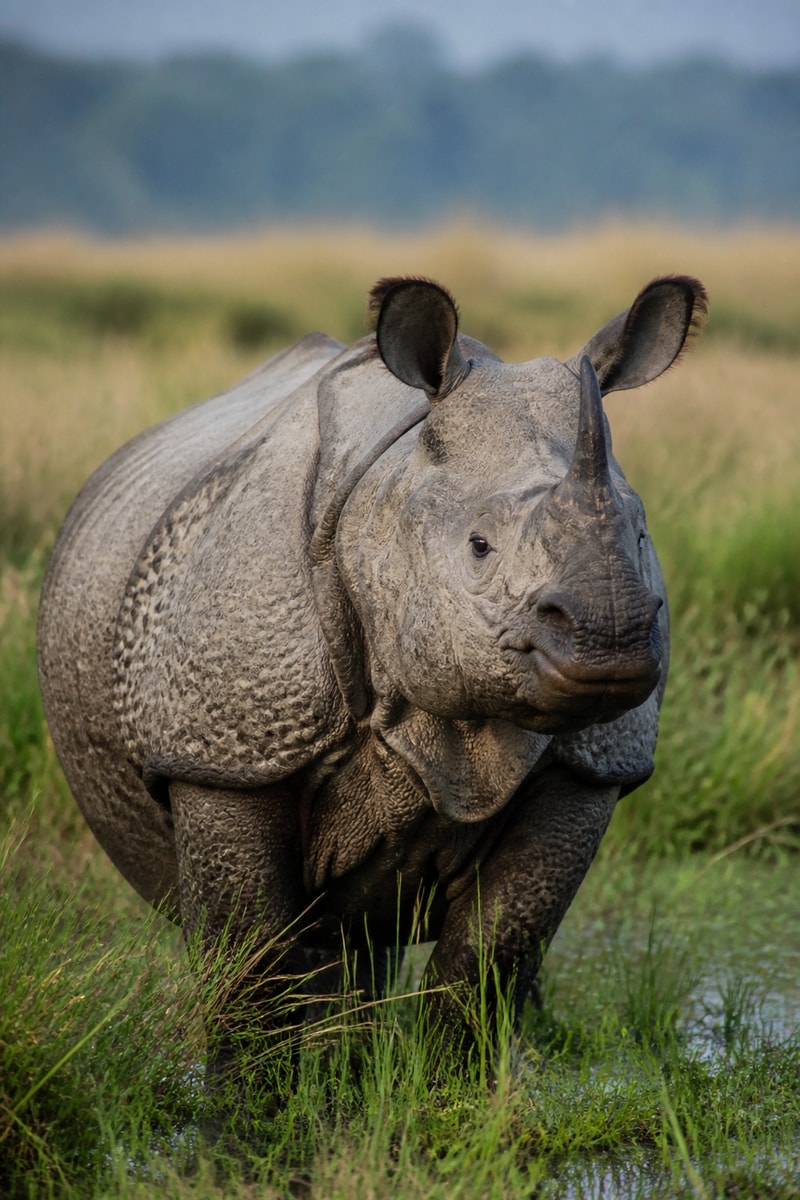
- Indian Rhinoceroslegendary • South Asian Floodplain
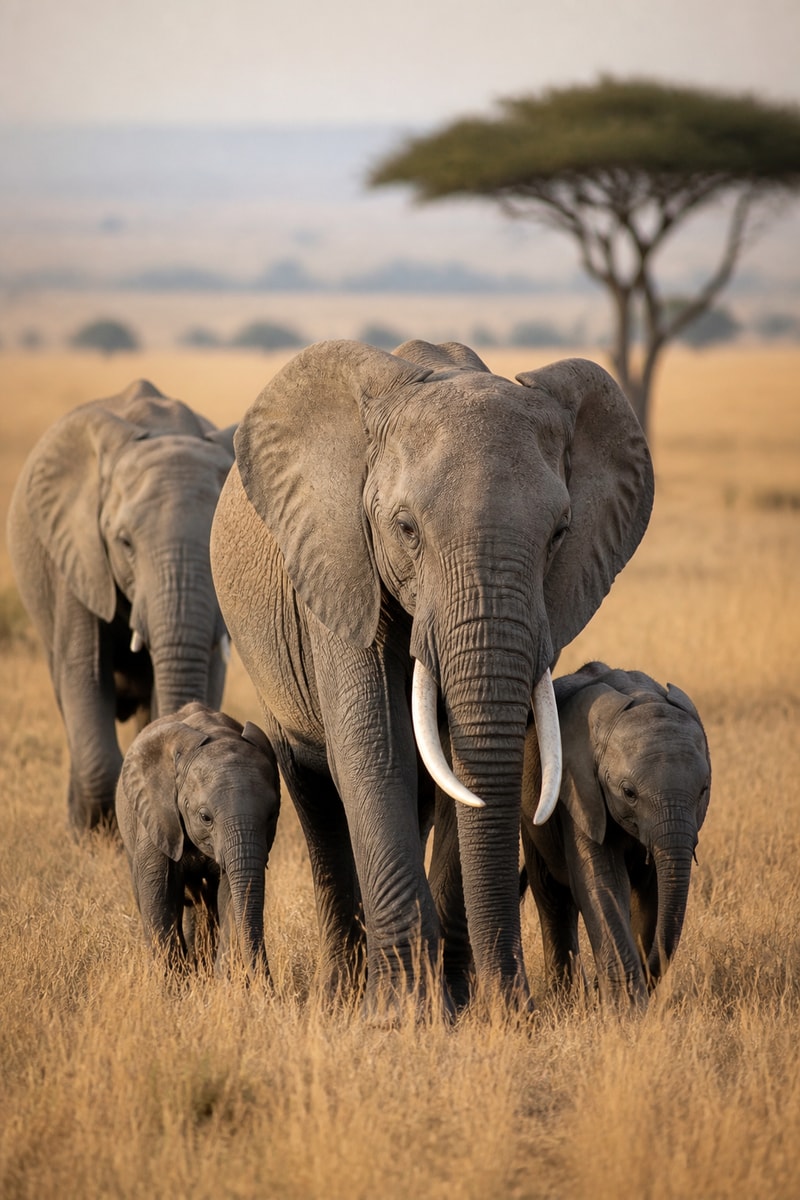
- African Elephantrare • Savanna
Free on iOS
Catch the Leopard
Spot one in the wild, then scan it in Catch'Um to log your common discovery.