
Field guide · common
Impala
Lyre-horned leap specialist — black tufts, red-brown coat, and textbook savanna agility.
Least Concern
Aepyceros melampus
Overview
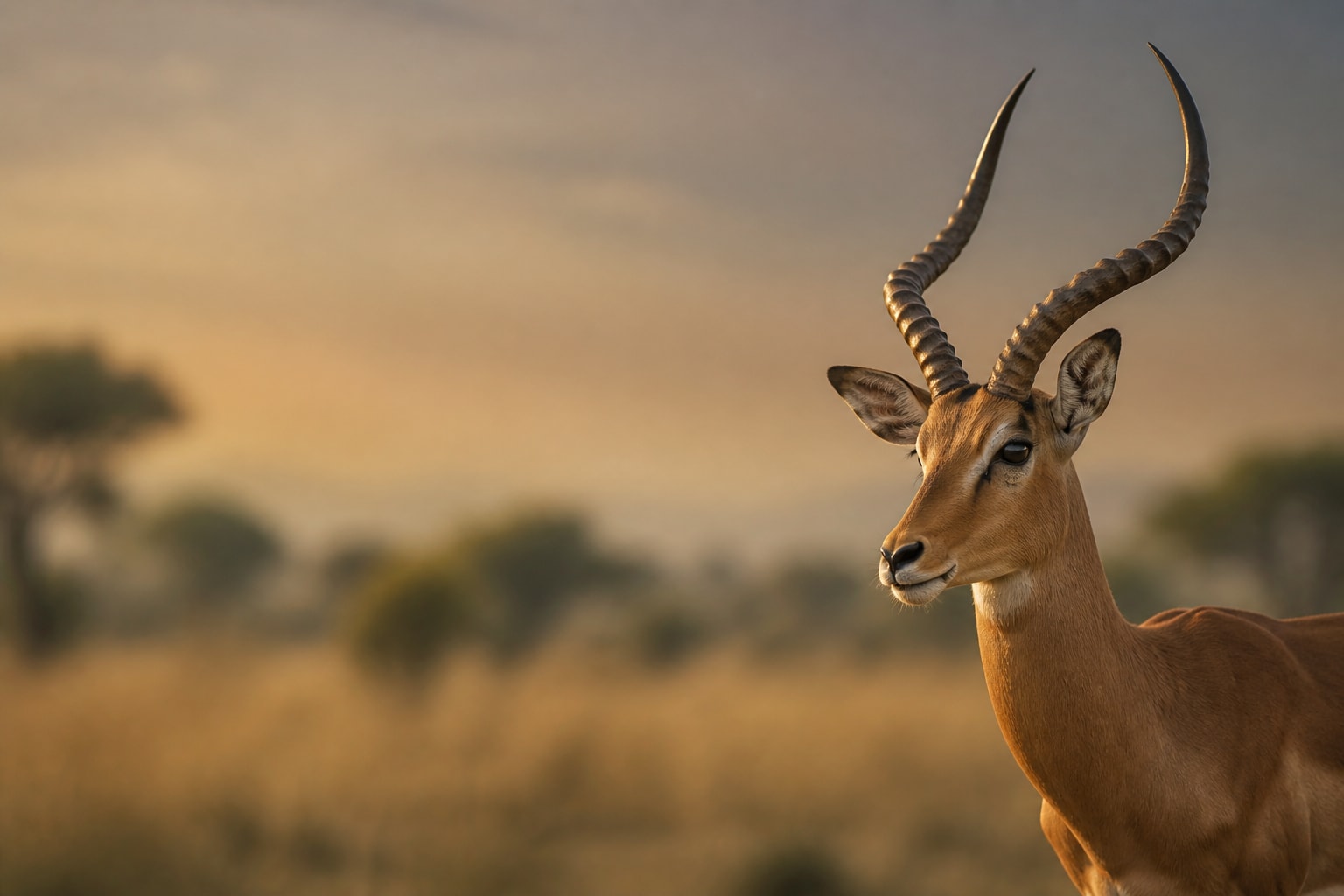
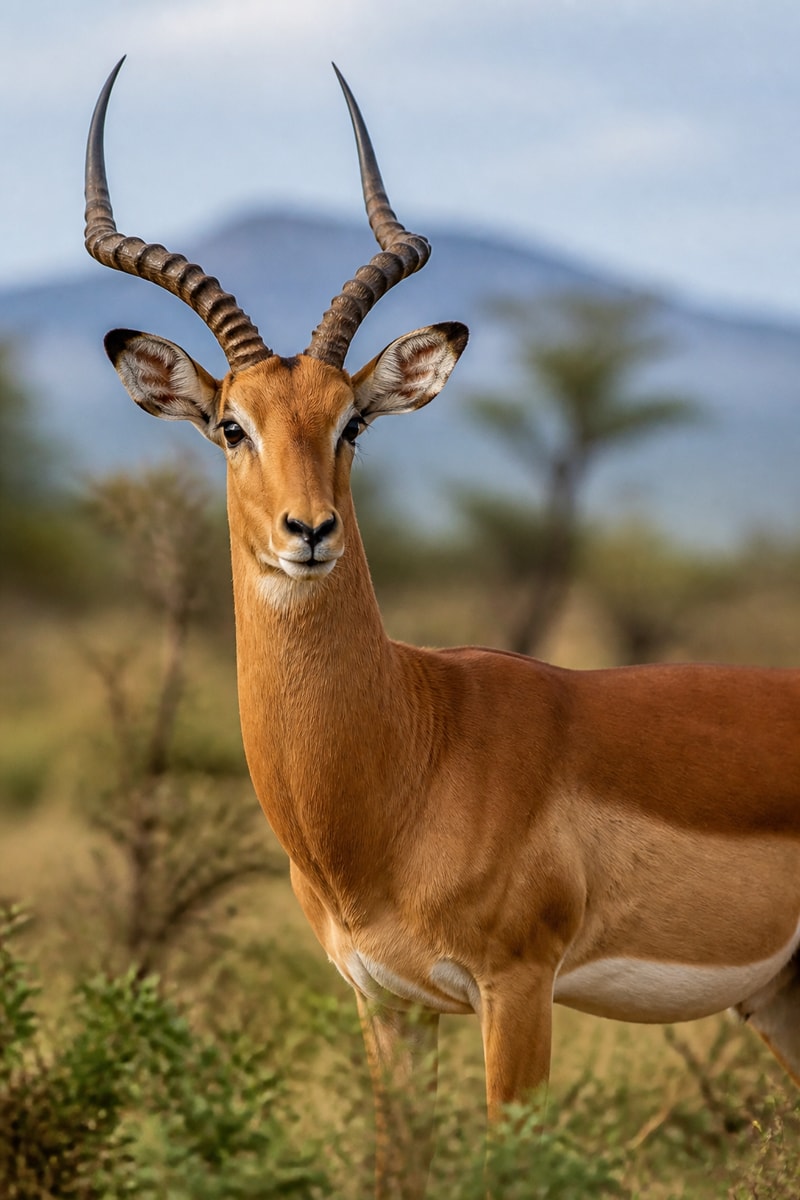
Impala are elegant medium antelope of woodland–savanna mosaics, leaping spectacularly when flushed and living in herds structured around territorial males. A black forehead blaze and tufted hind ankles are classic field marks.
For Kenya and South Africa collectors, the impala is an essential savanna common — fast, abundant, and built for the bush edge.
- Scientific nameAepyceros melampus
- Height75–95 cm at the shoulder
- Weight40–65 kg
- LifespanAround 10–12 years in the wild
- DietMixed feeders: grass in…
- ConservationLeast Concern
- RegionEast & Southern Savanna
Where to see them
Habitat
- Acacia savanna
- Light woodland
- Bushveld
Light woodland, Acacia savanna, and bushveld near water, using cover by day and open glades for grazing and browsing.
Field notes
Field scale for the Impala: height 75-95 cm at the shoulder; weight 40-65 kg. Typical lifespan: Around 10-12 years in the wild.
When you are scanning habitat, prioritise acacia savanna, light woodland, and bushveld. Those settings are where a clean look and a usable photo are most likely.
Quick ID anchor: Sleek red-brown coat, white underside, and black vertical stripes on the rump. Confirm with behaviour and habitat before you log the discovery.
Where to see one
Kenya
In Kenya, start at Masai Mara National Reserve (Southwest Kenya). Open savanna where lion prides patrol the grassland and the Great Migration crosses the Mara River from July to October.
More context on this destination lives on the Kenya expedition page.
Diet
Mixed feeders: grass in the rains, leaves and shoots in the dry season.
Stay within reach of water while ranging through woodland mosaics.
Behaviour
Female herds and bachelor groups; breeding males hold territories in the rut.
Explosive leaping and zigzag flight confuse predators.
How to identify
Sleek red-brown coat, white underside, and black vertical stripes on the rump.
Males’ lyre horns and black ankle tufts are diagnostic among similar antelope.
Interesting facts
- 01
Males carry long, lyrate ridged horns.
- 02
Black tufts mark the heels of the hind legs.
- 03
Can clear several metres in a single bound.
- 04
Territorial males roar and chase rivals in the rut.
- 05
Diet switches between grass and browse by season.
- 06
One of Africa’s most numerous medium antelope.
Conservation status
Impala are Least Concern. They remain widespread in protected areas and rangelands across eastern and southern Africa, though local hunting pressure varies.
Sources: IUCN Red List


Keep exploring
Where it lives
Free on iOS
Catch the Impala
Spot one in the wild, then scan it in Catch'Um to log your common discovery.