
Field guide · rare
Humpback Whale
The acrobat of the great whales — long flippers, haunting songs, and spectacular breaches.
Least Concern
Megaptera novaeangliae
Overview
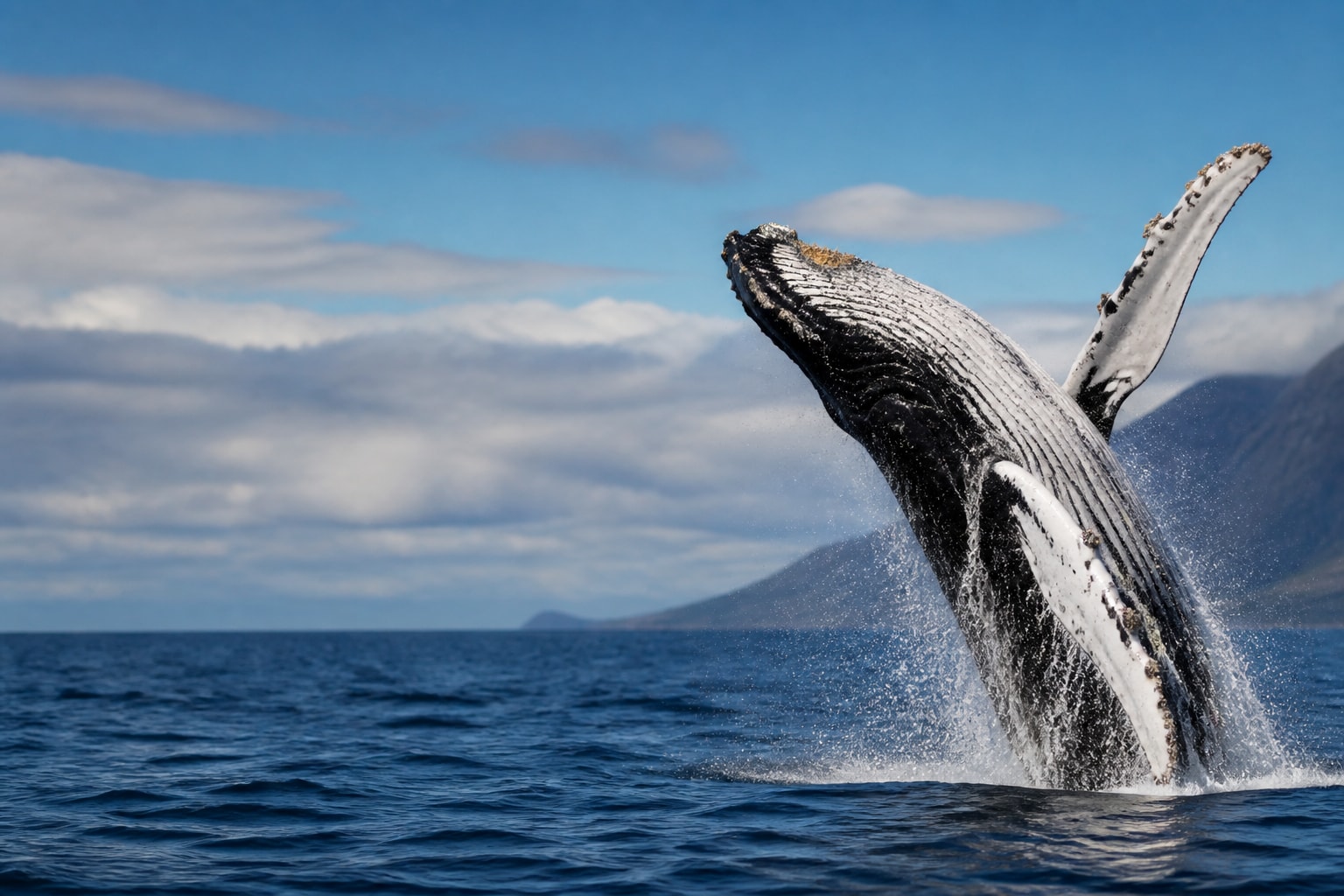
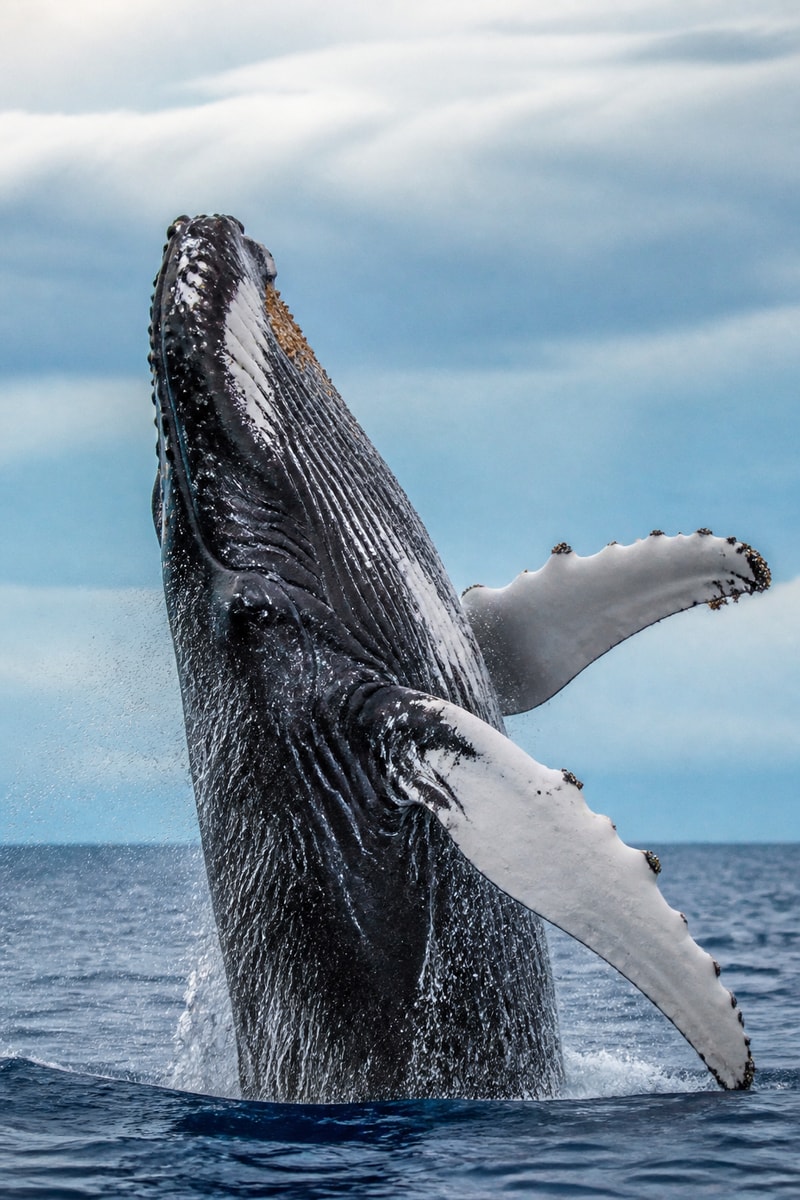
Humpback whales are among the most charismatic of the great whales: knobbly heads, enormous white-and-black flippers, and a habit of launching their whole bodies clear of the water. Their complex songs, sung mainly by males on breeding grounds, are among the longest and most intricate in the animal kingdom.
For coastal collectors, a humpback fluke — unique as a fingerprint — disappearing into the blue is a rare marine prize that rivals any terrestrial legendary.
- Scientific nameMegaptera novaeangliae
- Length12–16 m
- Weight25–40 tonnes
- LifespanAround 45–50 years typical; some older
- DietFilter-feeders that gulp…
- ConservationLeast Concern
- RegionOpen Ocean
Habitat
- Open ocean
- Coastal migration routes
- Feeding banks
Humpbacks feed in cold, productive high-latitude waters in summer and migrate to warmer tropical and subtropical breeding grounds in winter. They are regularly seen along coasts of North America, Australia, and many other migratory corridors.
Field notes
Field scale for the Humpback Whale: length around 12-16 m; weight 25-40 tonnes. Typical lifespan: Around 45-50 years typical; some older.
When you are scanning habitat, prioritise open ocean, coastal migration routes, and feeding banks. Those settings are where a clean look and a usable photo are most likely.
Quick ID anchor: Long white pectoral fins, knobbly snout, and a humped back when diving. Confirm with behaviour and habitat before you log the discovery.
Diet
Filter-feeders that gulp krill and small schooling fish such as herring and capelin.
Use lunges and, in some regions, coordinated bubble nets to concentrate prey.
Behaviour
Famous for breaching, flipper-slapping, and complex male songs on winter breeding grounds.
Migrate seasonally between polar feeding areas and warm calving waters.
How to identify
Long white pectoral fins, knobbly snout, and a humped back when diving.
Fluke trailing edge is scalloped; underside pattern uniquely identifies each whale.
Interesting facts
- 01
Humpback songs can last 10–20 minutes and be repeated for hours.
- 02
Their pectoral fins are the longest of any whale — up to a third of body length.
- 03
Each fluke underside pattern is unique and used to identify individuals.
- 04
They may travel over 8,000 km between feeding and breeding grounds.
- 05
Bubble-net feeding is a cooperative hunting technique used by some groups.
- 06
Breaching may help communicate, dislodge parasites, or simply play.
Conservation status
Humpback whales have rebounded strongly since commercial whaling ended and are now Least Concern globally, though some populations remain smaller and still face ship strikes, entanglement, and climate-driven prey shifts.
Sources: IUCN Red List
Keep exploring
Where it lives
Related discoveries
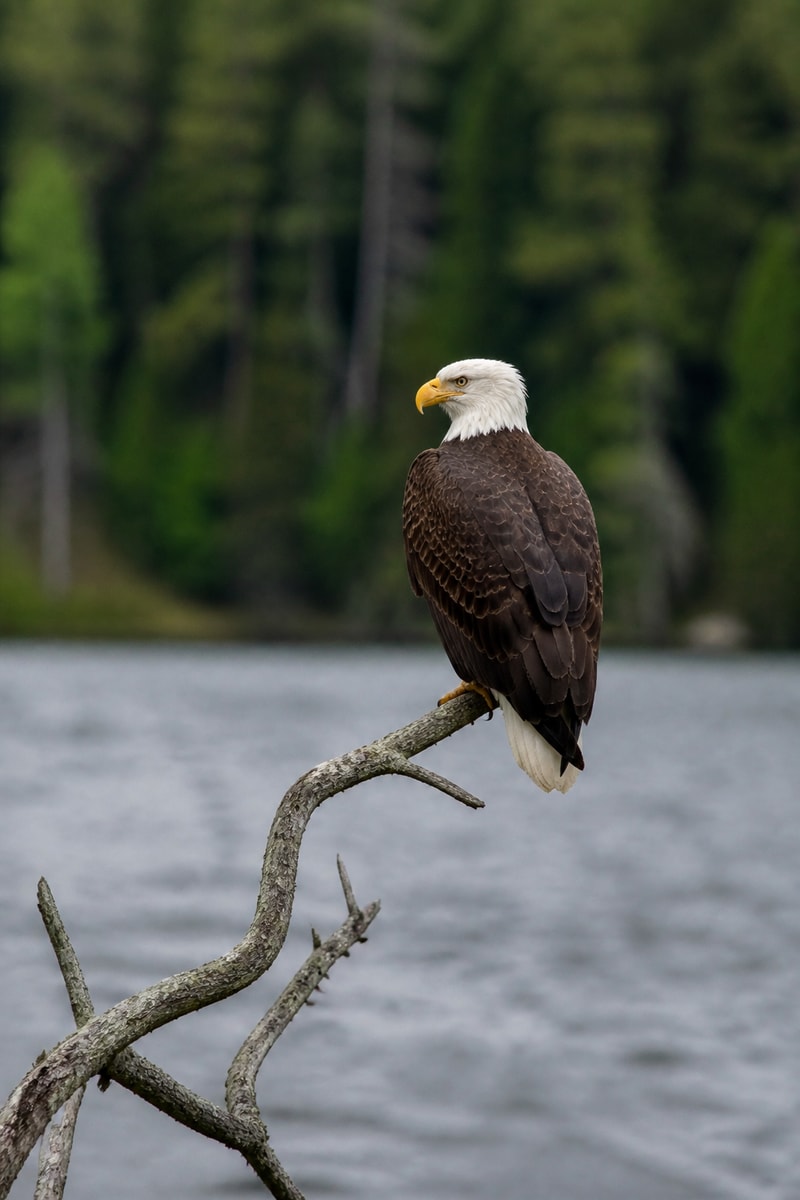
- Bald Eaglelegendary • Lakes & Coasts
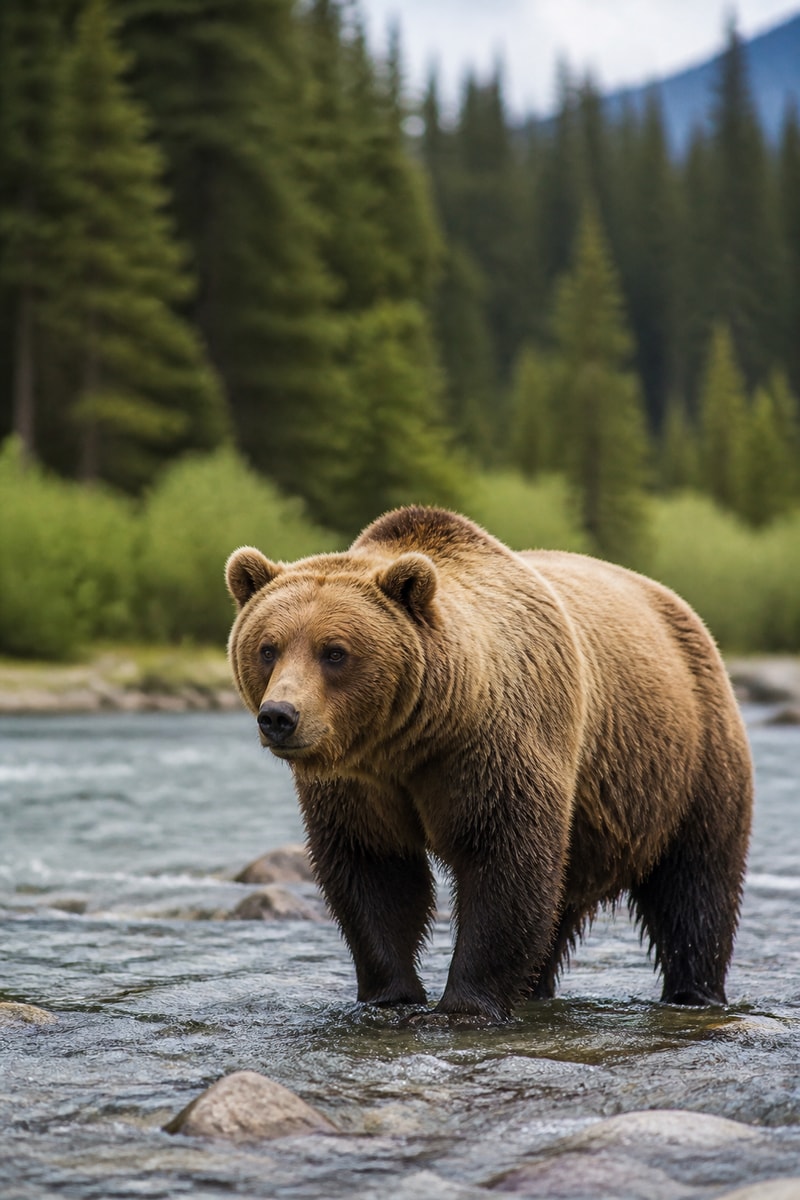
- Grizzly Bearlegendary • Mountains & Rivers
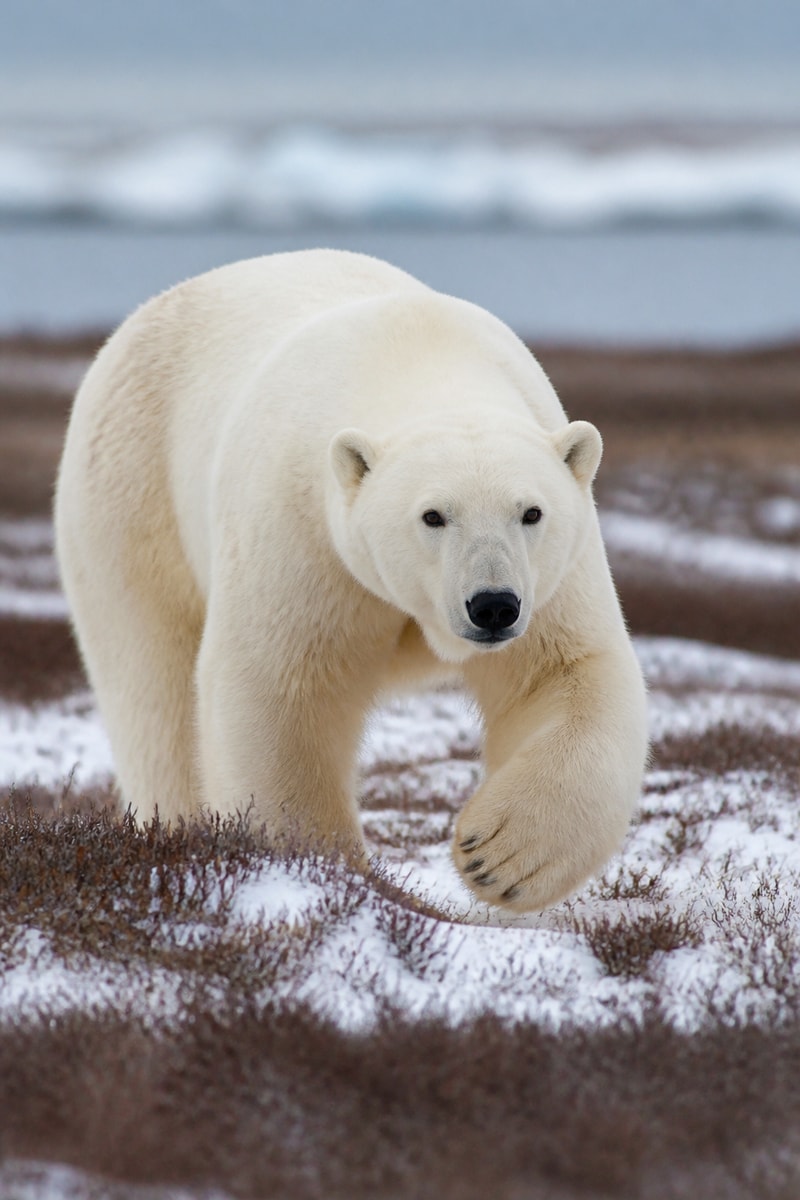
- Polar Bearlegendary • Arctic Ice
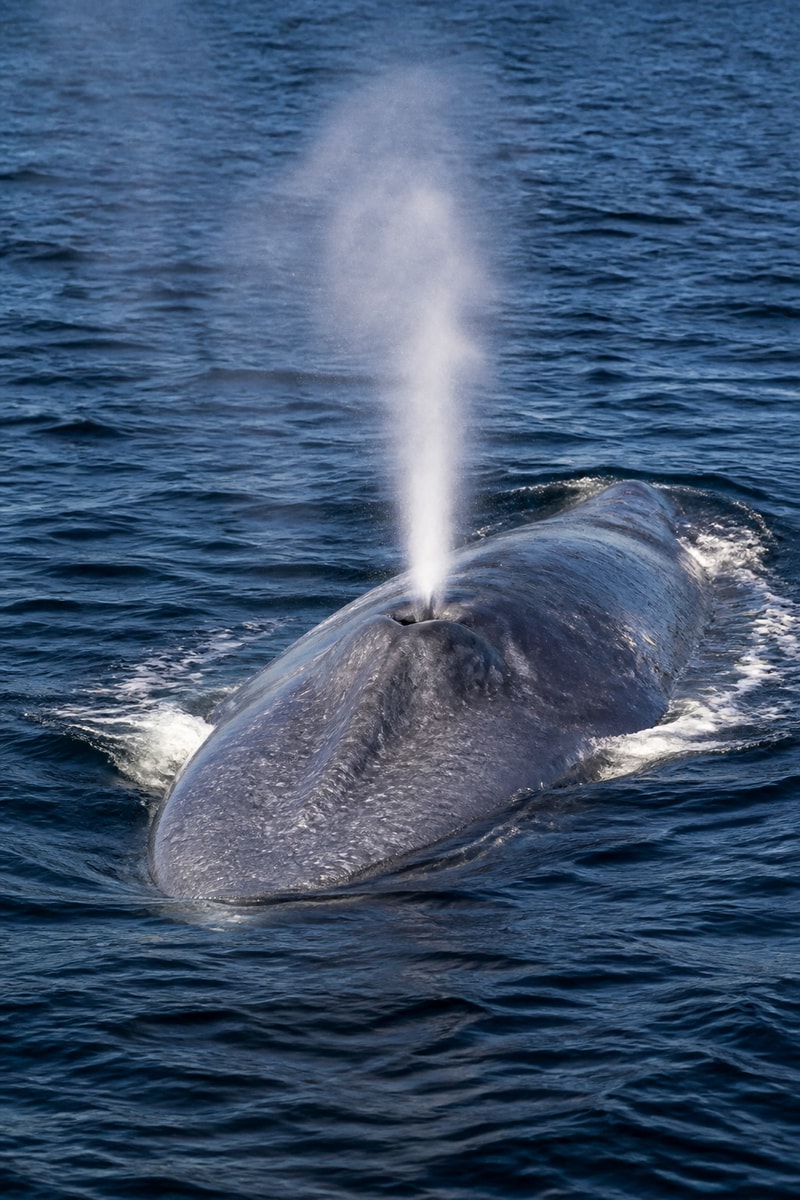
- Blue Whalelegendary • Open Ocean
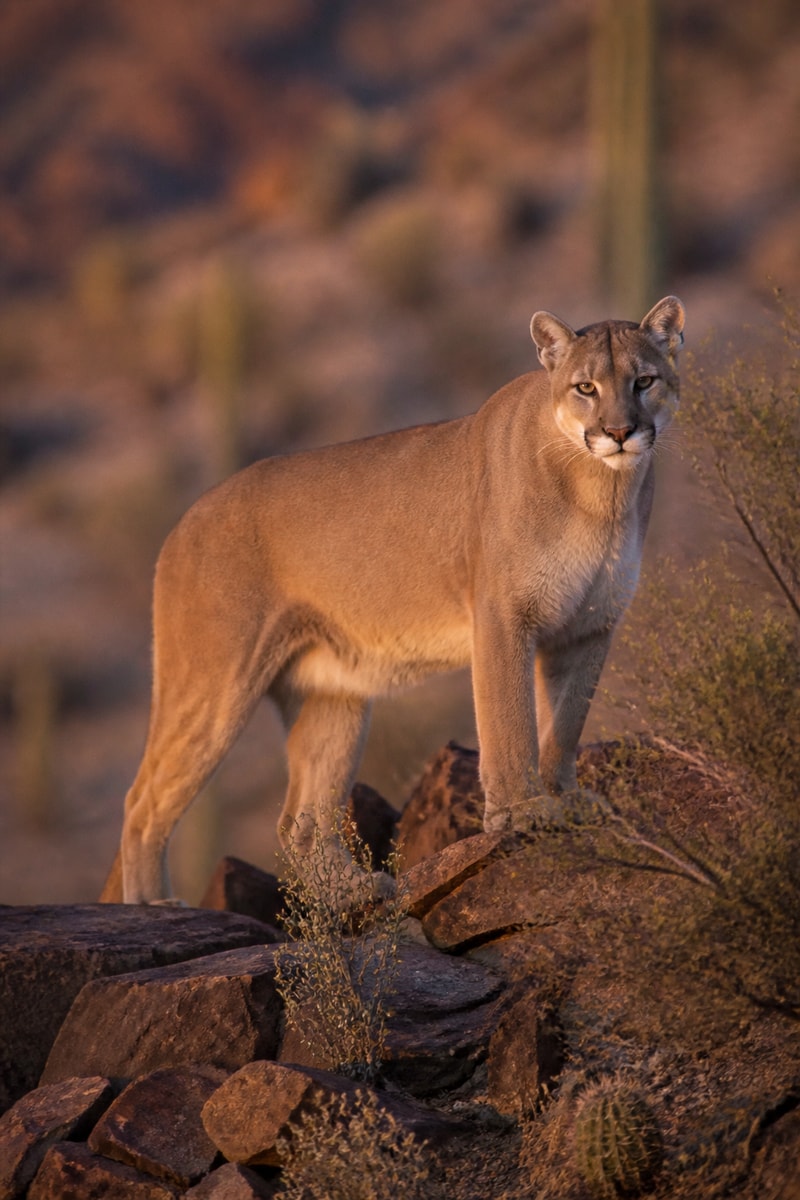
- Mountain Lionlegendary • Mountains & Desert
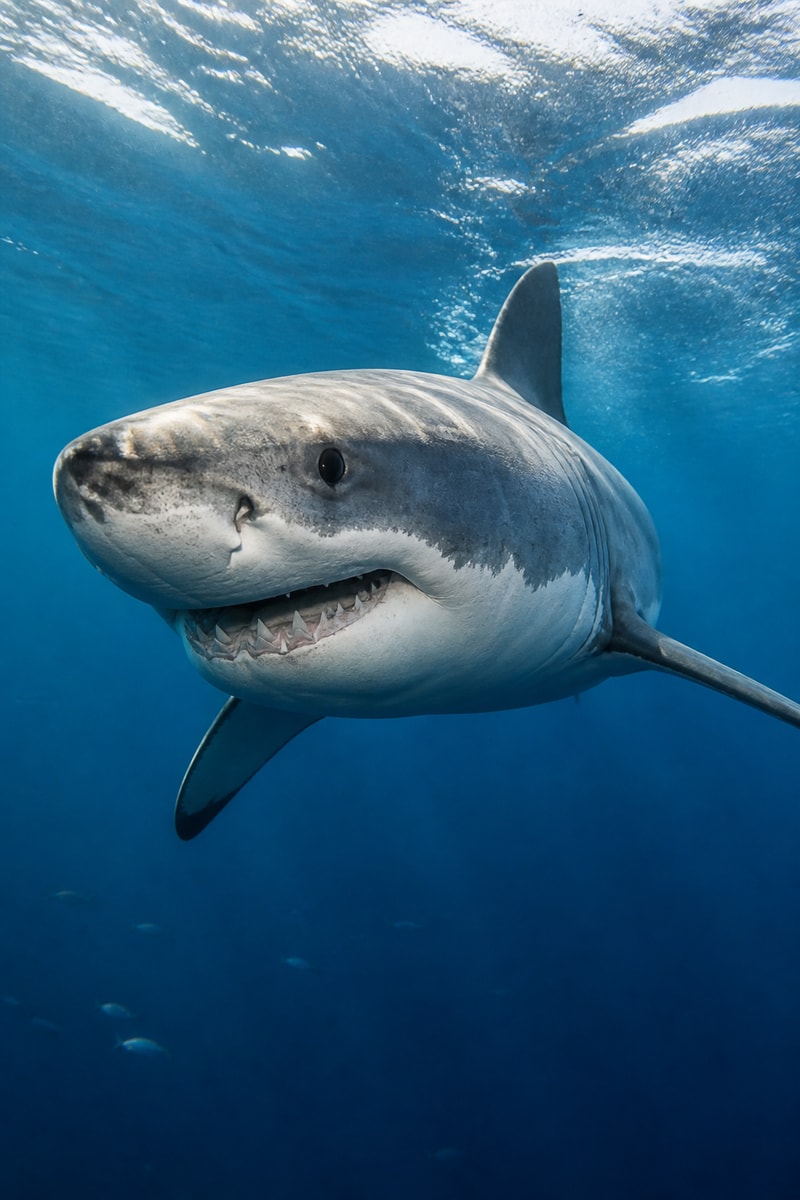
- Great White Sharklegendary • Coastal Ocean
- Saltwater Crocodilelegendary • Estuaries & Coast
- Orcalegendary • Coastal Ocean
Free on iOS
Catch the Humpback Whale
Spot one in the wild, then scan it in Catch'Um to log your rare discovery.