
Field guide · common
Hummingbird
Nature's helicopter, a jewel-sized bird that hovers on blurred wings and sips nectar with a tongue that flickers 15 times per second.
Least Concern
Archilochus colubris
Overview
Hummingbirds are the only birds that can truly fly backwards, their wings rotate in a figure-eight pattern, beating up to 80 times per second. The ruby-throated hummingbird, the only species that breeds east of the Mississippi, weighs less than a nickel yet migrates across the Gulf of Mexico nonstop.
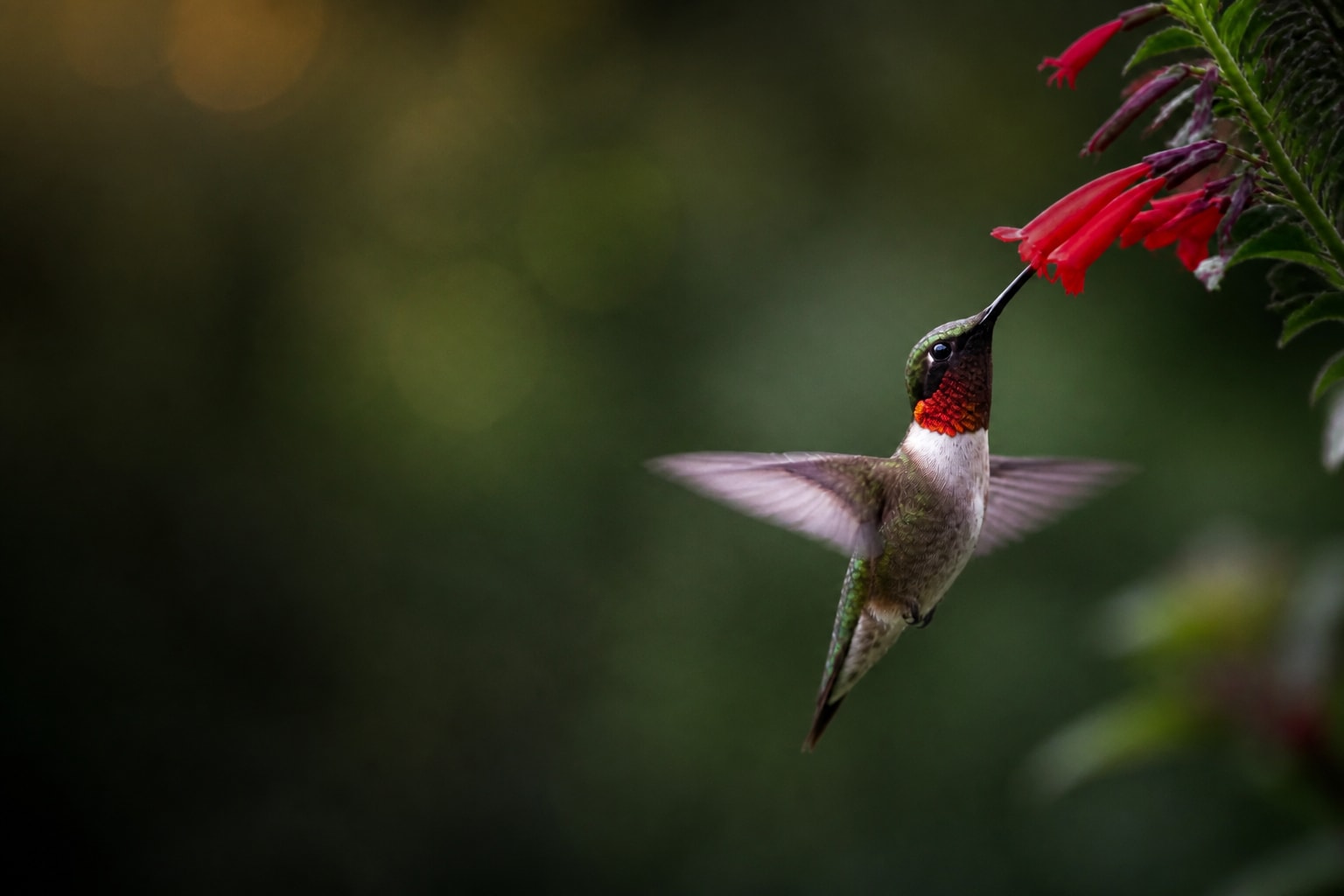
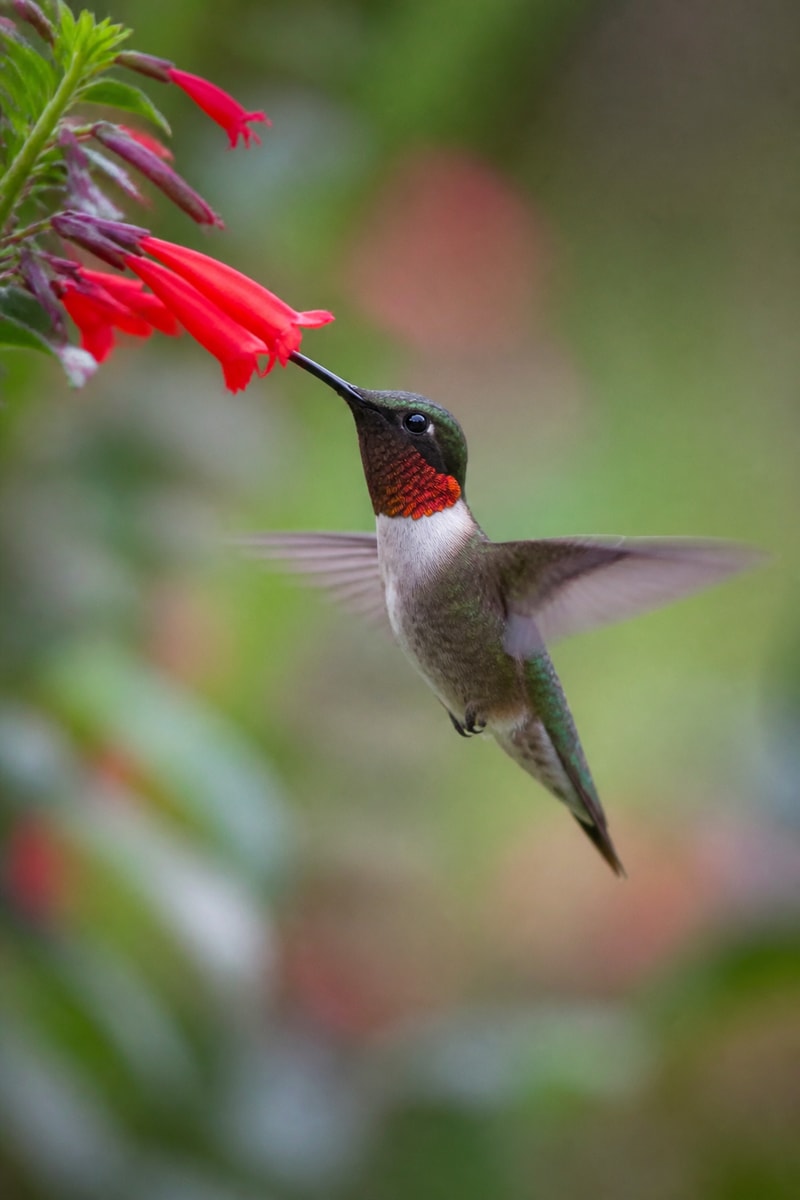
At feeders and trumpet flowers, hummingbirds are fearless and fast, emerald backs flashing, throats blazing red in sunlight, chirping and chasing rivals with astonishing aggression for something so small.
- Scientific nameArchilochus colubris
- Length7–9 cm
- Weight2–6 g
- LifespanAround 3–5 years in the wild; some banded birds exceed 9 years
- DietRuby-throated…
- ConservationLeast Concern
- RegionGardens & Flowers
Habitat
- Garden
- Woodland edge
- Meadow
Gardens, meadows, and woodland edges across the Americas hold hummingbirds. Ruby-throated hummingbirds reach the eastern US and Canada in summer, visiting bee balm, salvia, and sugar-water feeders before migrating south to Central America.
Countries found
Field notes
Field scale for the Hummingbird: length around 7-9 cm; weight 2-6 g. Typical lifespan: Around 3-5 years in the wild; some banded birds exceed 9 years.
When you are scanning habitat, prioritise garden, woodland edge, and meadow. Those settings are where a clean look and a usable photo are most likely.
Quick ID anchor: Tiny jewel-like bird: metallic green upperparts; adult males have a brilliant ruby-red throat that can look black in shade. Needle-like bill and blurred wingbeats in hover. Confirm with behaviour and habitat before you log the discovery.
Diet
Ruby-throated hummingbirds feed on floral nectar and small insects or spiders for protein. Hover at tubular flowers and sugar-water feeders, licking nectar with a rapid tongue.
Behaviour
Territorial and aggressive around rich food sources despite tiny size. Hover with figure-eight wingbeats, can fly backwards, and migrate long distances including nonstop Gulf crossings.
How to identify
Tiny jewel-like bird: metallic green upperparts; adult males have a brilliant ruby-red throat that can look black in shade. Needle-like bill and blurred wingbeats in hover.
Interesting facts
- 01
Hummingbirds are the only birds that can fly backwards.
- 02
Their hearts can beat over 1,200 times per minute during flight.
- 03
Ruby-throated hummingbirds migrate 800 km nonstop across the Gulf of Mexico.
Conservation status
Ruby-throated hummingbirds are Least Concern with stable populations. Habitat loss and climate change may affect migration timing, but backyard feeders support them widely.
Sources: IUCN Red List
Related discoveries


Keep exploring
Related discoveries
- Bald Eaglelegendary • Lakes & Coasts
- Grizzly Bearlegendary • Mountains & Rivers
- Blue Whalelegendary • Open Ocean
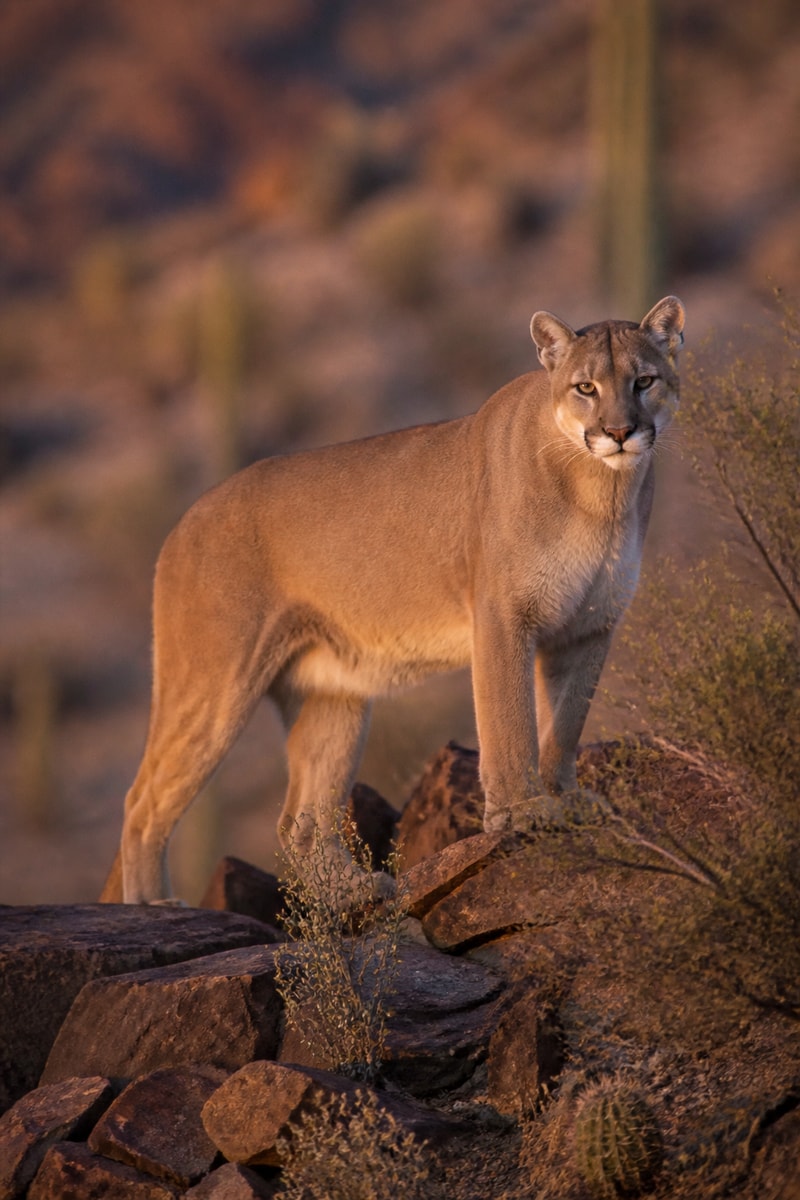
- Mountain Lionlegendary • Mountains & Desert
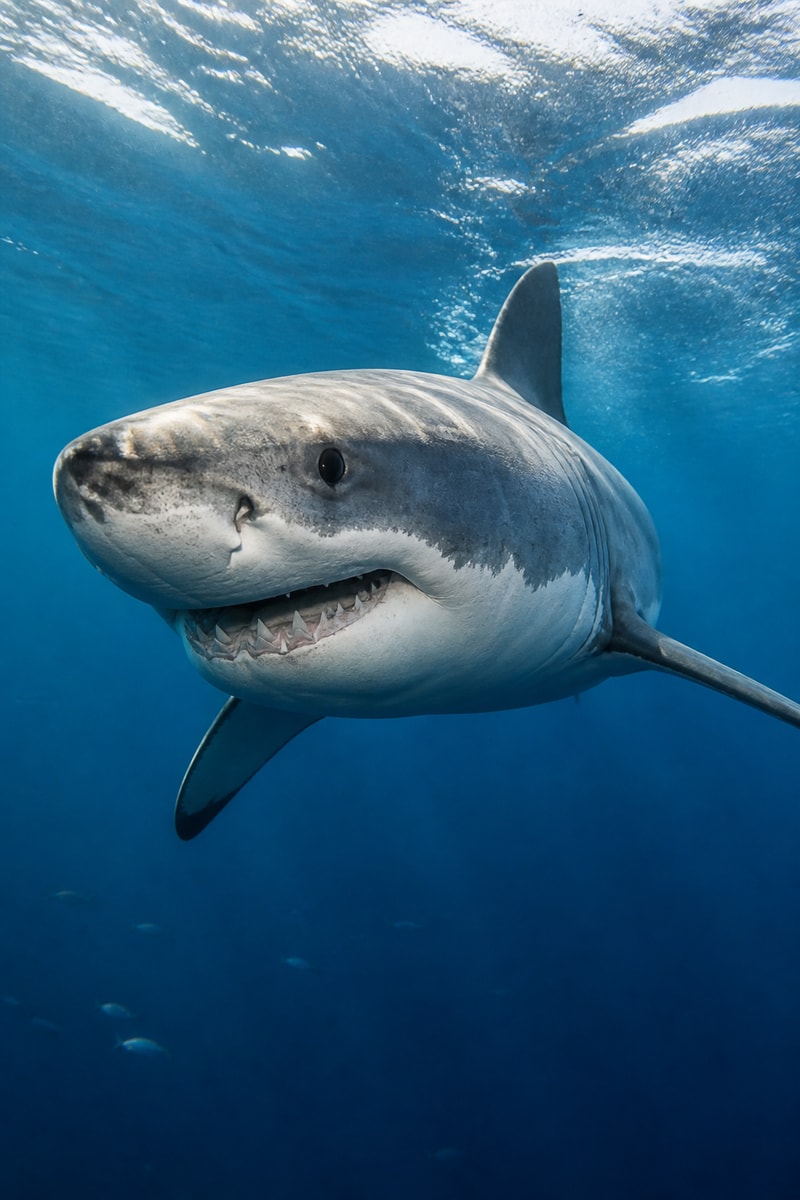
- Great White Sharklegendary • Coastal Ocean
- Orcalegendary • Coastal Ocean
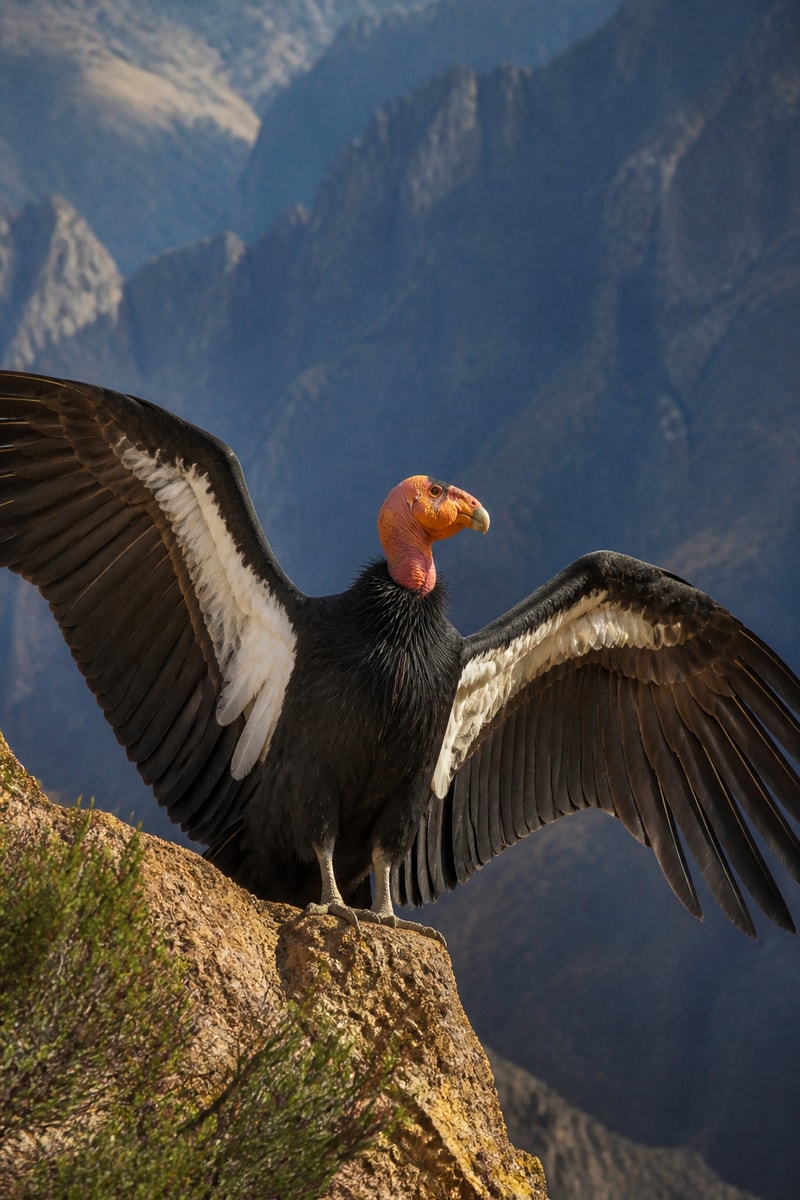
- California Condorlegendary • Canyons & Cliffs
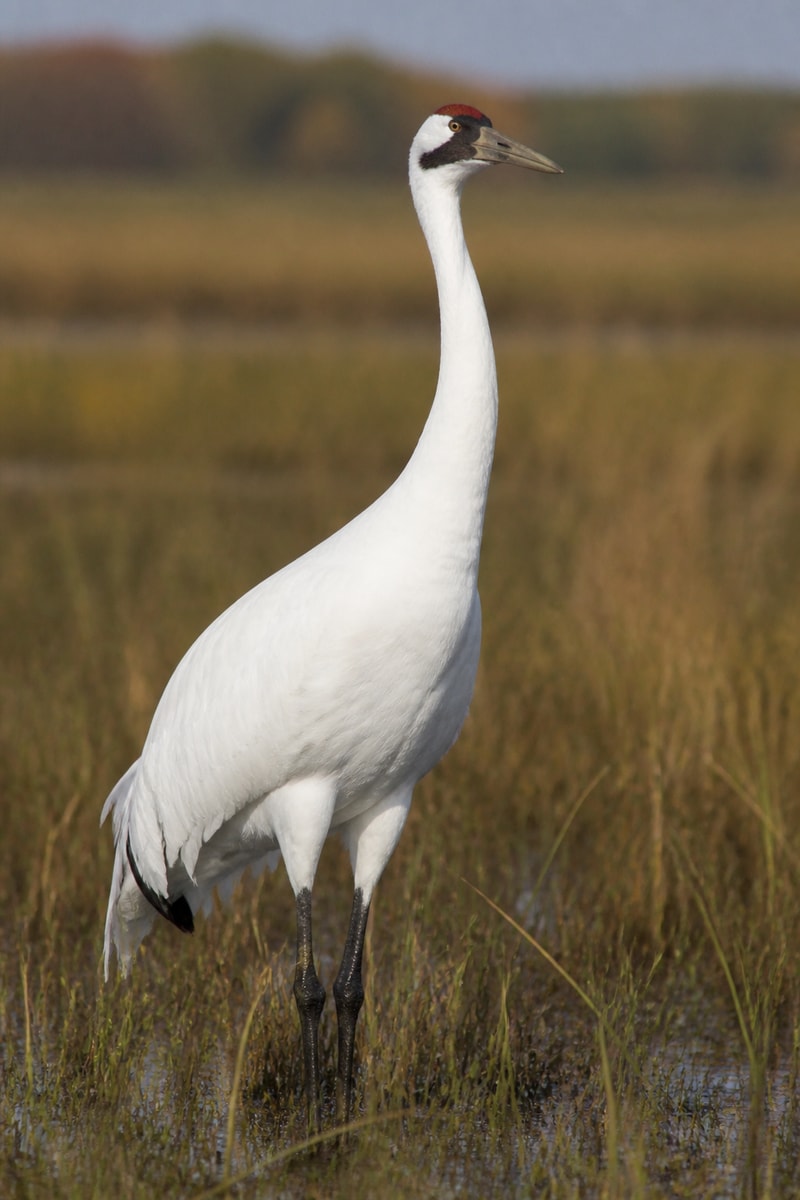
- Whooping Cranelegendary • North American Wetlands
Free on iOS
Catch the Hummingbird
Spot one in the wild, then scan it in Catch'Um to log your common discovery.