
Field guide · common
House Sparrow
The chirping constant of human places, a small brown bird that followed us to every continent except Antarctica.
Least Concern
Passer domesticus
Overview
The house sparrow is the bird most closely tied to human habitation. Chunky, chirpy, and boldly opportunistic, it thrives wherever people build, nesting in eaves, raiding café crumbs, and squabbling in hedgerows with a familiarity that makes it easy to overlook.
That very ordinariness is what makes it a perfect Catch'Um common: you don't need a rainforest expedition to find one. A garden feeder, a supermarket car park, or a city tree line will do. Once you start looking, house sparrows are everywhere.
- Scientific namePasser domesticus
- Length14–16 cm
- Weight24–40 g
- Lifespan3–5 years in the wild typical; some reach 10+ years
- DietPrimarily seed- and…
- ConservationLeast Concern
- RegionGardens & Cities
Habitat
- Towns
- Farmyards
- Gardens
- Hedgerows
House sparrows live on every continent except Antarctica, favouring gardens, cities, farmland, and scrub near buildings. They nest in cavities, roof spaces, and nest boxes, feeding on seeds, insects, and discarded human food in parks and neighbourhoods worldwide.
Field notes
Field scale for the House Sparrow: length around 14-16 cm; weight 24-40 g. Typical lifespan: 3-5 years in the wild typical; some reach 10+ years.
When you are scanning habitat, prioritise towns, farmyards, gardens, and hedgerows. Those settings are where a clean look and a usable photo are most likely.
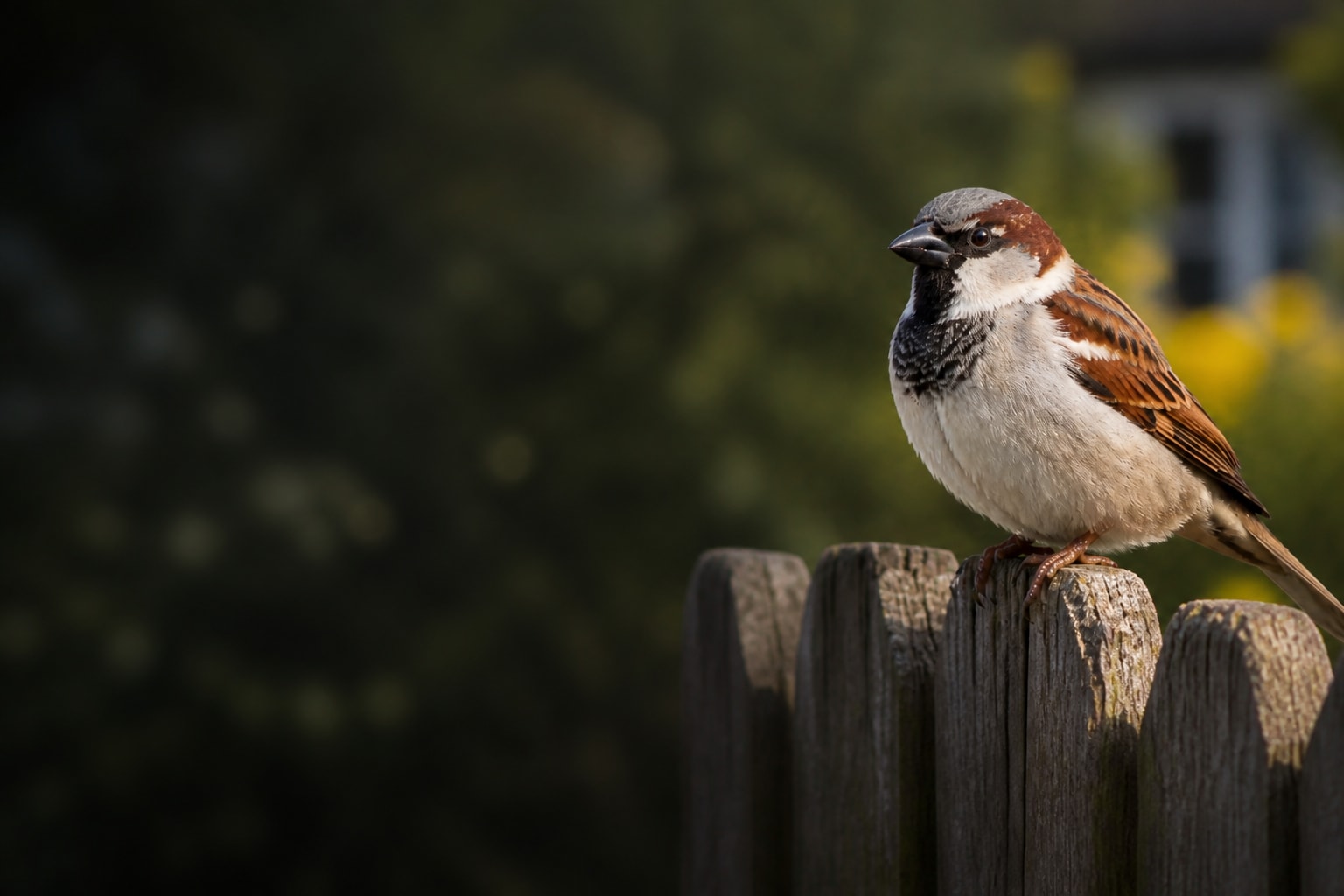
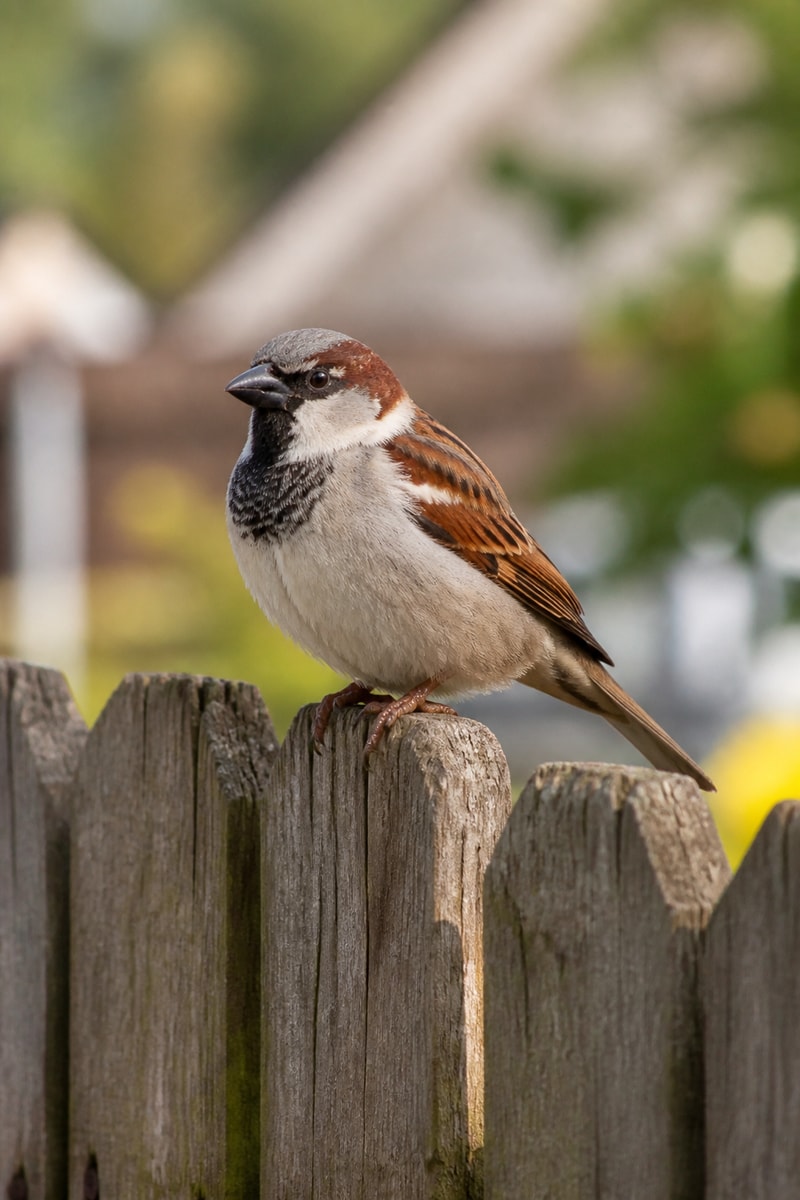
Quick ID anchor: Males have a grey crown, black bib, chestnut nape, and streaked brown back; females are plainer sandy-brown with a pale eye-stripe and no black bib. Compact, short-tailed, and constantly hopping. Confirm with behaviour and habitat before you log the discovery.
Where to see one
United Kingdom
In United Kingdom, strong options include Richmond Park and Hyde Park & Regent's Park. Ancient parkland where red deer graze at dawn, mallards paddle the ponds, and foxes slip through bracken at the woodland edge.
Open the United Kingdom spotting guide for every park note tied to the house sparrow.
United States
In United States, strong options include Central Park, Golden Gate Park, and Neighbourhood Streets. Urban ponds for mallards, pigeons on the paths, and sparrows in every shrub. A compact starter loop in Manhattan.
Open the United States spotting guide for every park note tied to the house sparrow.
Diet
Primarily seed- and grain-eaters, taking cereal scraps, weed seeds, and bird-feeder food. Nestlings are fed soft invertebrates such as aphids, caterpillars, and beetles.
Behaviour
Highly social, nesting in colonies in eaves, ivy, and nest boxes. Males chirp and display near nest sites; flocks chatter on hedges and rooftops year-round.
How to identify
Males have a grey crown, black bib, chestnut nape, and streaked brown back; females are plainer sandy-brown with a pale eye-stripe and no black bib. Compact, short-tailed, and constantly hopping.
Interesting facts
- 01
House sparrows live on every continent except Antarctica.
- 02
Males have a black bib and grey cap; females are streakier brown all over.
- 03
They dust-bathe to keep their feathers clean and free of parasites.
- 04
Sparrows can swim if they fall into water. They dog-paddle to the edge.
- 05
A single nest may hold four to five eggs, with up to four broods per year.
- 06
Urban sparrow numbers have declined in parts of Europe, but they remain common globally.
Conservation status
The house sparrow is classed as Least Concern globally, though populations have fallen sharply in some European cities since the 1970s, likely due to reduced insect food and nesting sites. It remains abundant across much of Asia, Africa, and the Americas.
Sources: IUCN Red List
Related discoveries

Keep exploring
Where it lives
Related discoveries
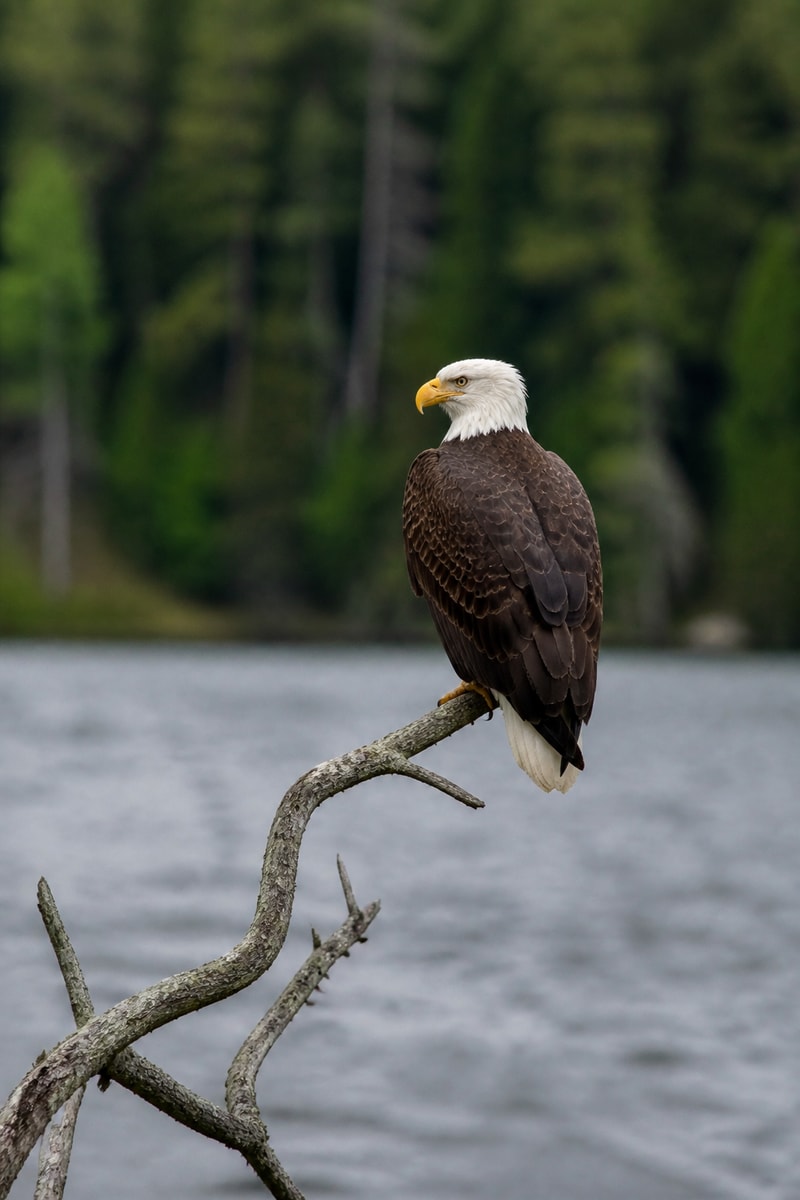
- Bald Eaglelegendary • Lakes & Coasts
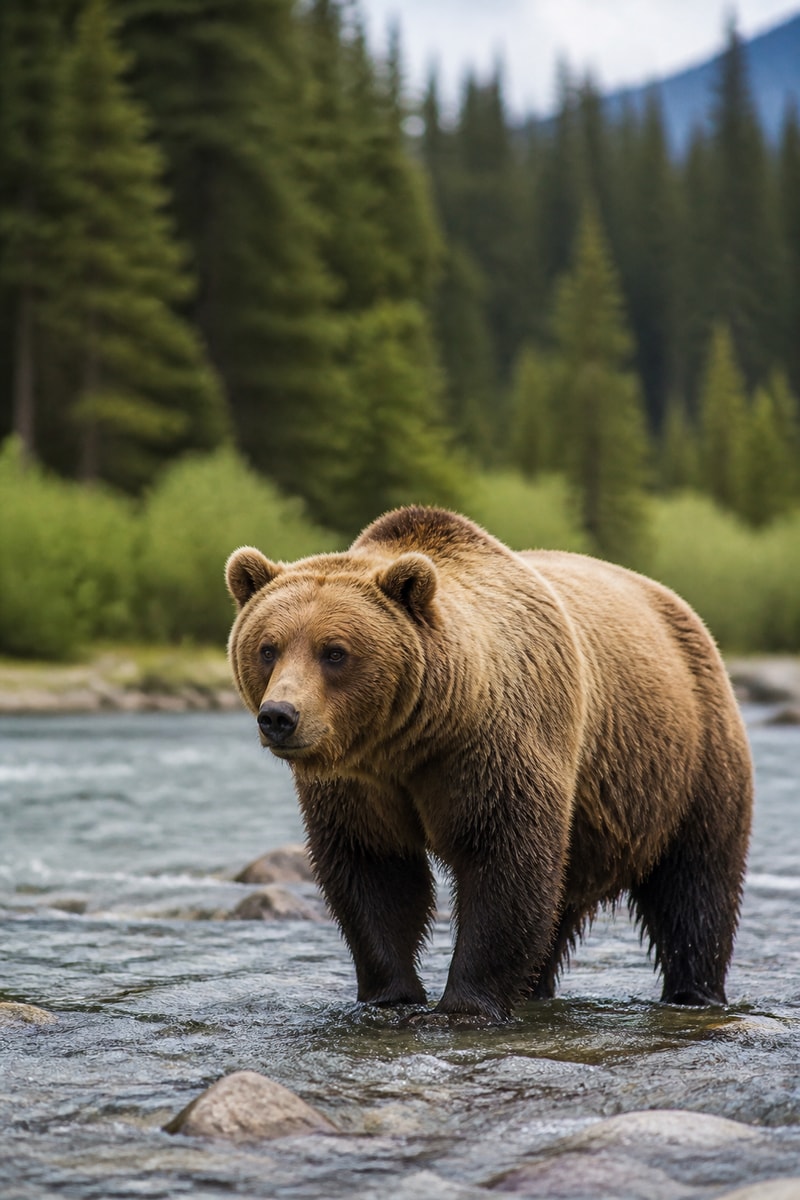
- Grizzly Bearlegendary • Mountains & Rivers
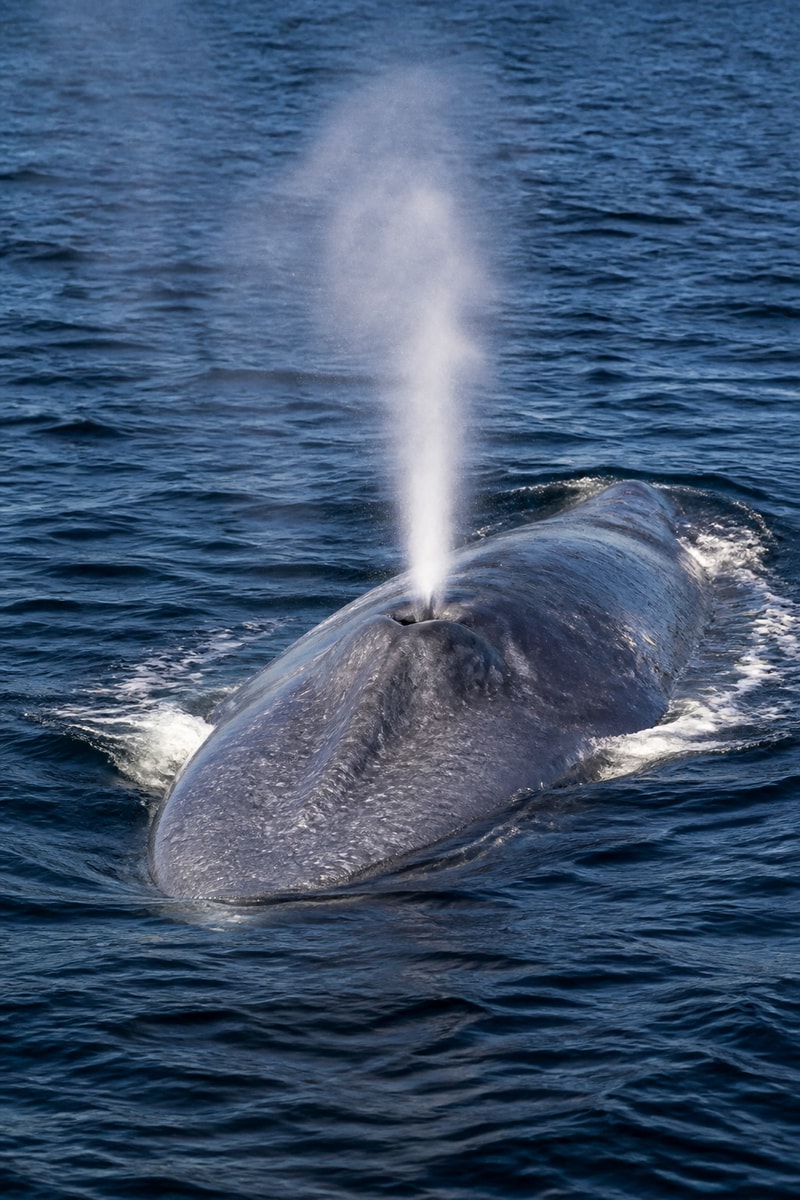
- Blue Whalelegendary • Open Ocean
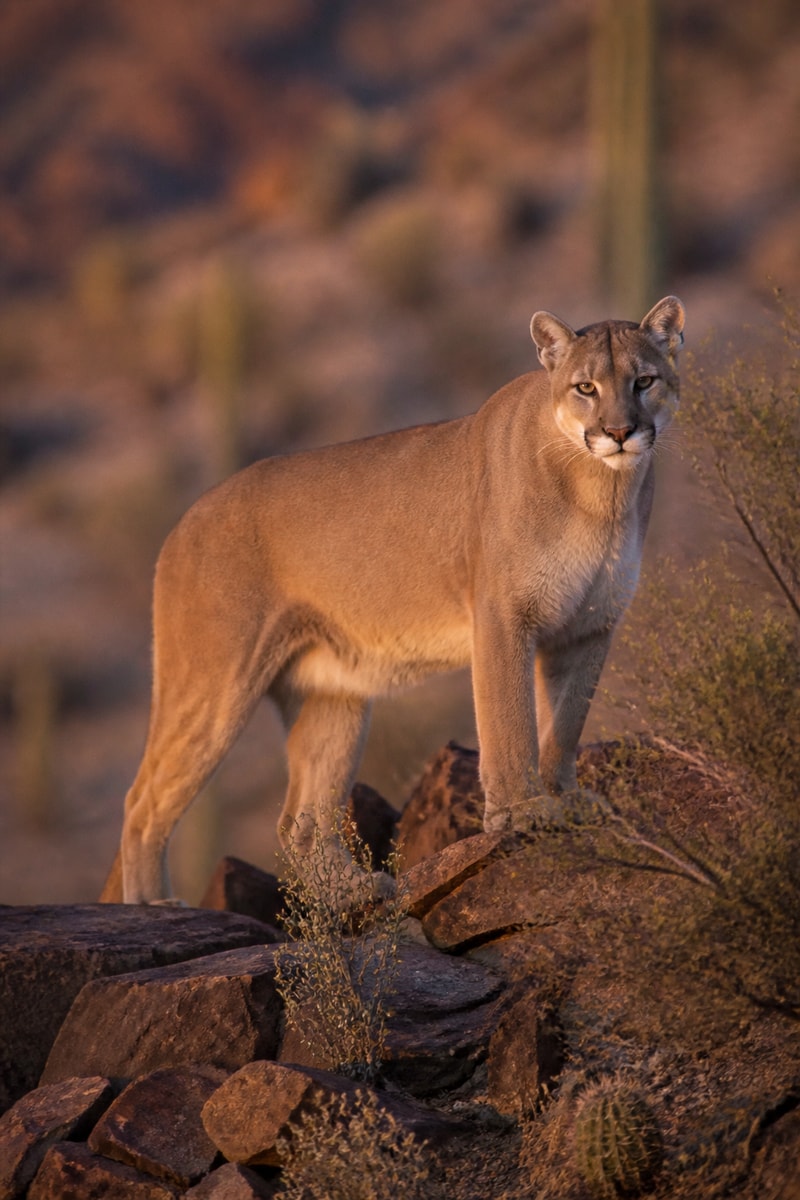
- Mountain Lionlegendary • Mountains & Desert
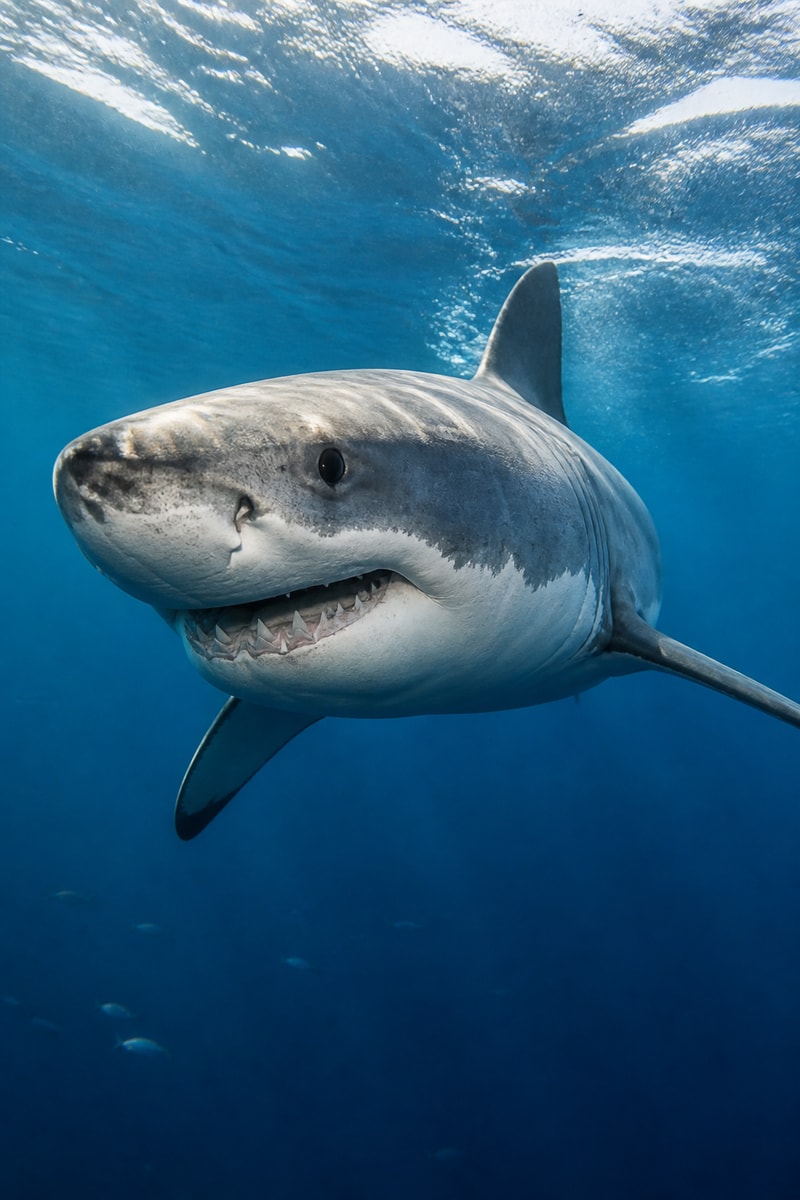
- Great White Sharklegendary • Coastal Ocean
- Orcalegendary • Coastal Ocean
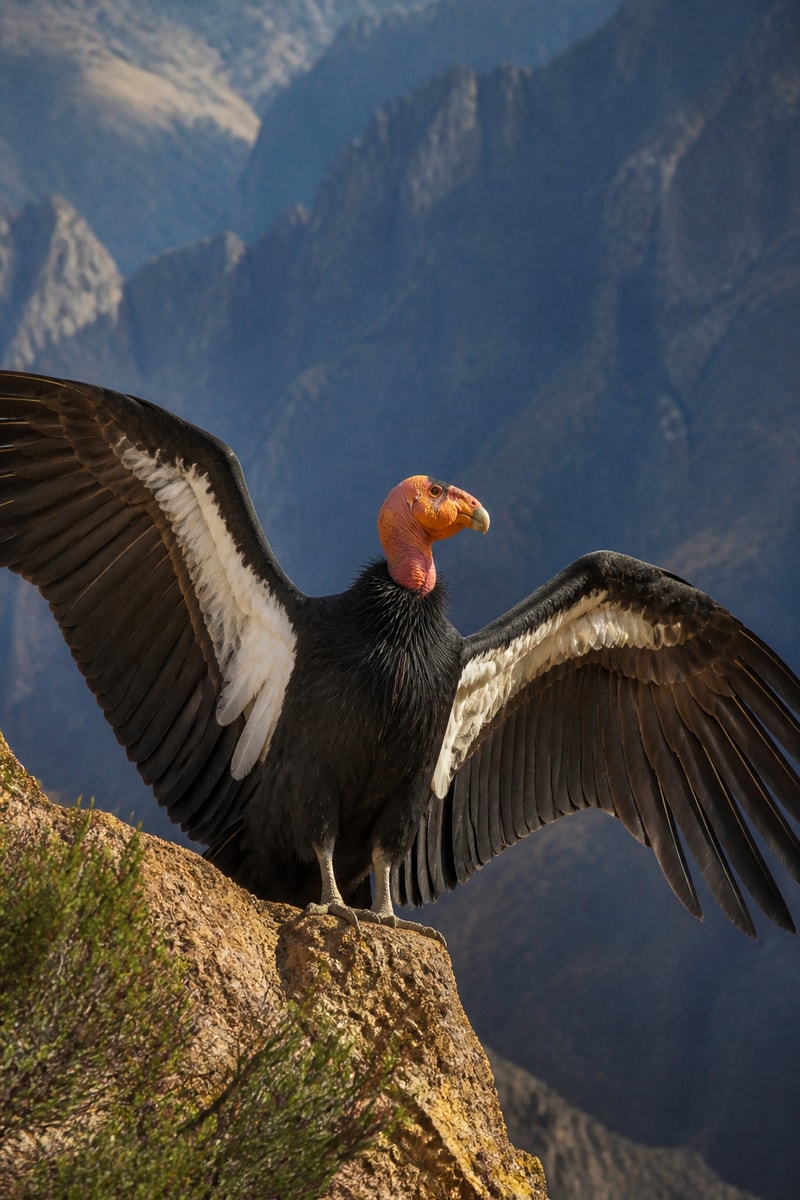
- California Condorlegendary • Canyons & Cliffs
- Whooping Cranelegendary • North American Wetlands
Free on iOS
Catch the House Sparrow
Spot one in the wild, then scan it in Catch'Um to log your common discovery.