
Field guide · common
House Finch
The rooftop songster, a streaky finch whose males blush red on the chest and whose ancestors crossed a continent from a pet-shop release.
Least Concern
Haemorhous mexicanus
Overview
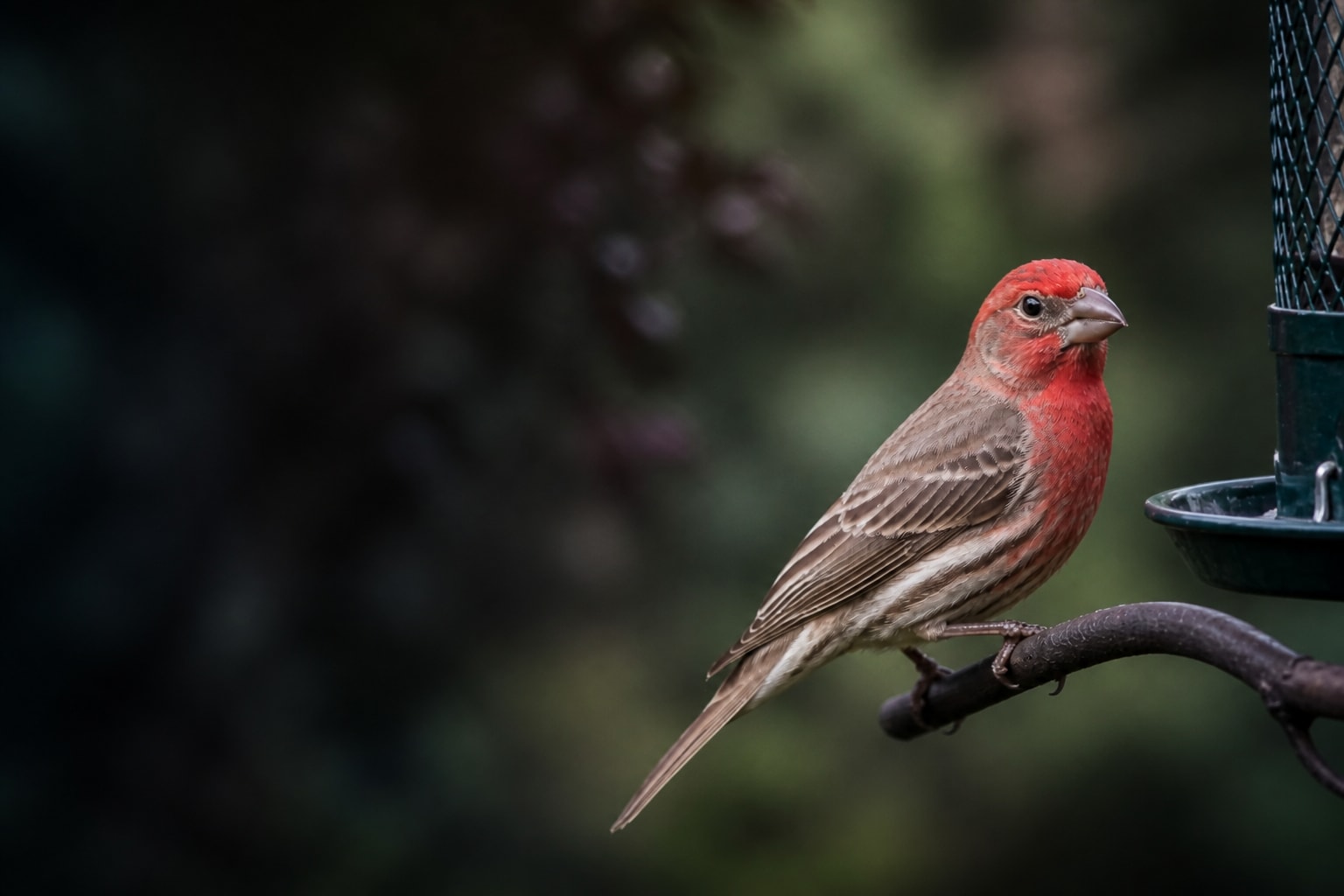
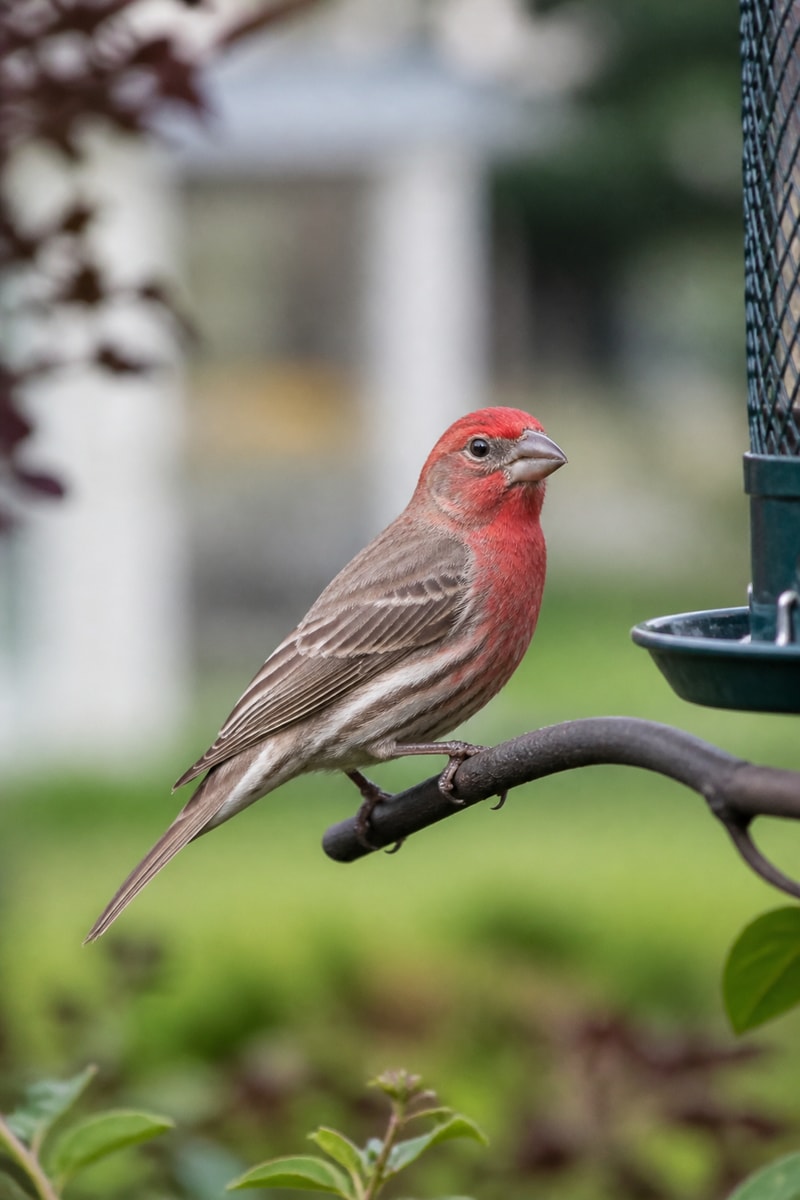
The house finch is one of North America's most familiar feeder birds, with males showing variable red on the head, chest, and rump, the colour comes from pigments in their food, so diet affects how vivid they appear. Females are plain brown and streaked.
Native to the western US, house finches were sold illegally as cage birds in New York in the 1940s. When released, they spread eastward and now occupy nearly every corner of the continent, adapting easily to cities, suburbs, and farms.
- Scientific nameHaemorhous mexicanus
- Length12–15 cm
- Weight16–27 g
- Lifespan5–11 years in the wild
- DietSeeds
- ConservationLeast Concern
- RegionGardens & Urban
Habitat
- Cities
- Suburbs
- Farmland
- Desert scrub
House finches live wherever people do: city parks, suburban gardens, strip-mall plantings, and farmyards. They nest on ledges, in hanging baskets, and in evergreen wreaths as readily as in natural tree cavities.
Countries found
Field notes
Field scale for the House Finch: length around 12-15 cm; weight 16-27 g. Typical lifespan: 5-11 years in the wild.
When you are scanning habitat, prioritise cities, suburbs, farmland, and desert scrub. Those settings are where a clean look and a usable photo are most likely.
Quick ID anchor: Males show raspberry-red (sometimes orange or yellow) on the head, breast, and rump over a streaky brown body. Females are plain streaky brown with a gently notched tail and no bold head pattern. Confirm with behaviour and habitat before you log the discovery.
Diet
Seeds, buds, and fruit, with heavy use of bird feeders in towns. Nestlings are fed a soft mash of regurgitated plant material and some invertebrates.
Behaviour
Social and vocal; males sing long, warbling songs from rooftops and wires. Often nests in hanging planters, building ledges, and dense shrubs near people.
How to identify
Males show raspberry-red (sometimes orange or yellow) on the head, breast, and rump over a streaky brown body. Females are plain streaky brown with a gently notched tail and no bold head pattern.
Interesting facts
- 01
House finches were released in New York in 1940 and spread across North America.
- 02
Male redness depends on diet, carotenoids from berries and seeds deepen the colour.
- 03
Their warbling song can include mimicked snippets of other birds.
Conservation status
House finches are Least Concern and abundant. Populations in eastern states were reduced by a bacterial eye disease in the 1990s but have largely recovered.
Sources: IUCN Red List
Related discoveries



Keep exploring
Related discoveries
- Bald Eaglelegendary • Lakes & Coasts
- Grizzly Bearlegendary • Mountains & Rivers
- Blue Whalelegendary • Open Ocean
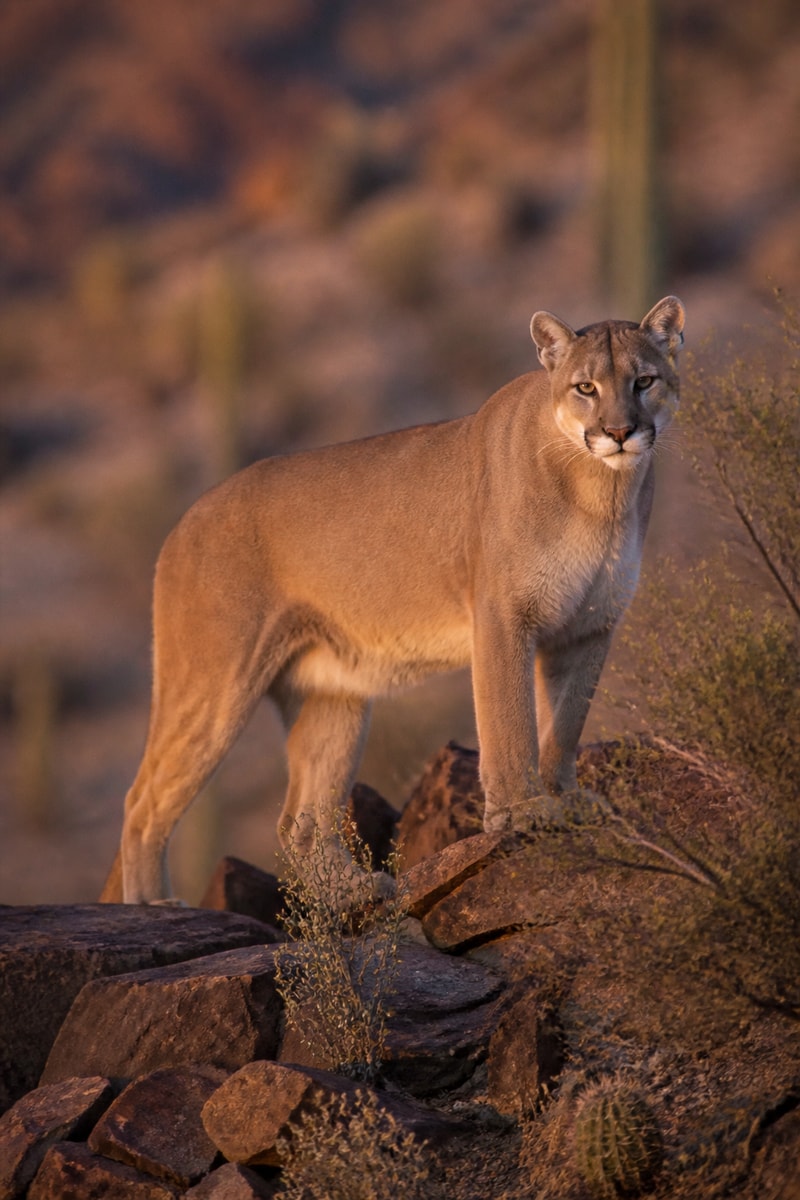
- Mountain Lionlegendary • Mountains & Desert
- Great White Sharklegendary • Coastal Ocean
- Orcalegendary • Coastal Ocean
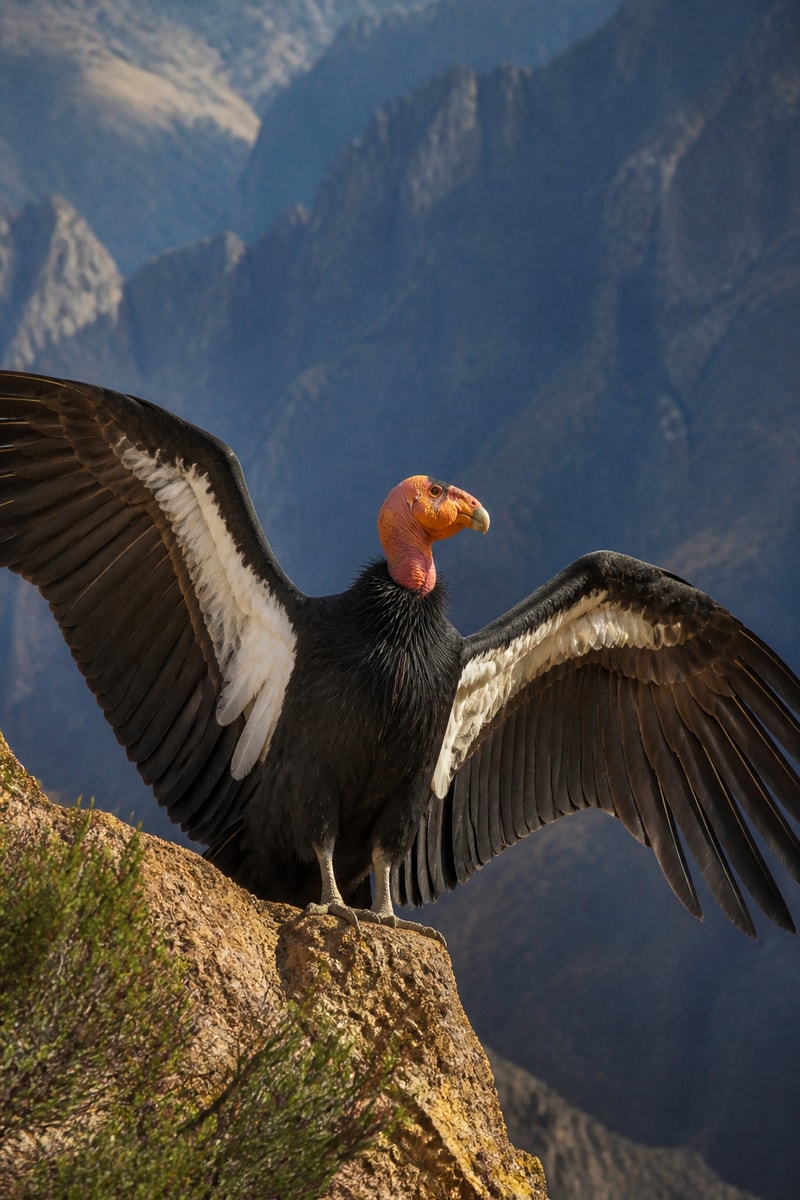
- California Condorlegendary • Canyons & Cliffs
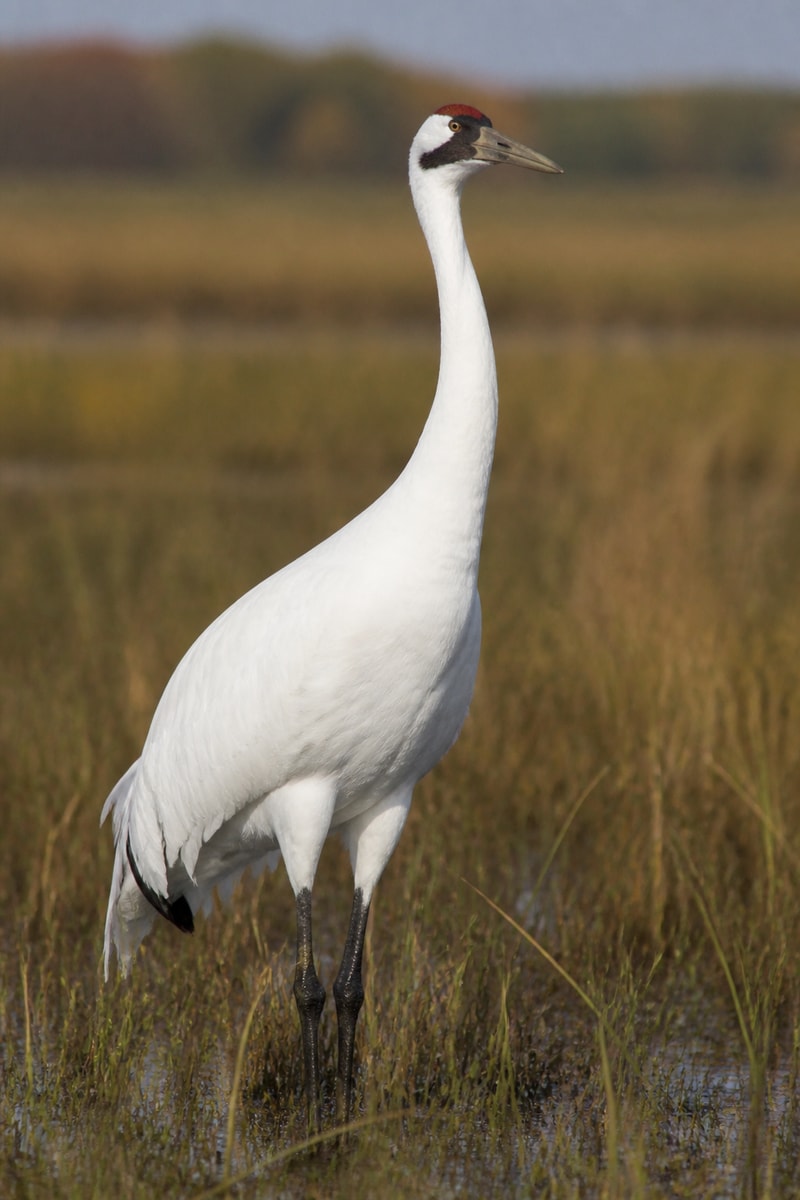
- Whooping Cranelegendary • North American Wetlands
Free on iOS
Catch the House Finch
Spot one in the wild, then scan it in Catch'Um to log your common discovery.