
Field guide · common
Honey Bee
The garden hum, a social insect whose colonies pollinate crops and wildflowers and turn nectar into honey.
Near Threatened
Apis mellifera
Overview
The western honey bee is one of the world's most important pollinators and the only insect that produces food eaten by humans. A single colony may contain tens of thousands of workers, all daughters of one queen, visiting hundreds of thousands of flowers in a day.
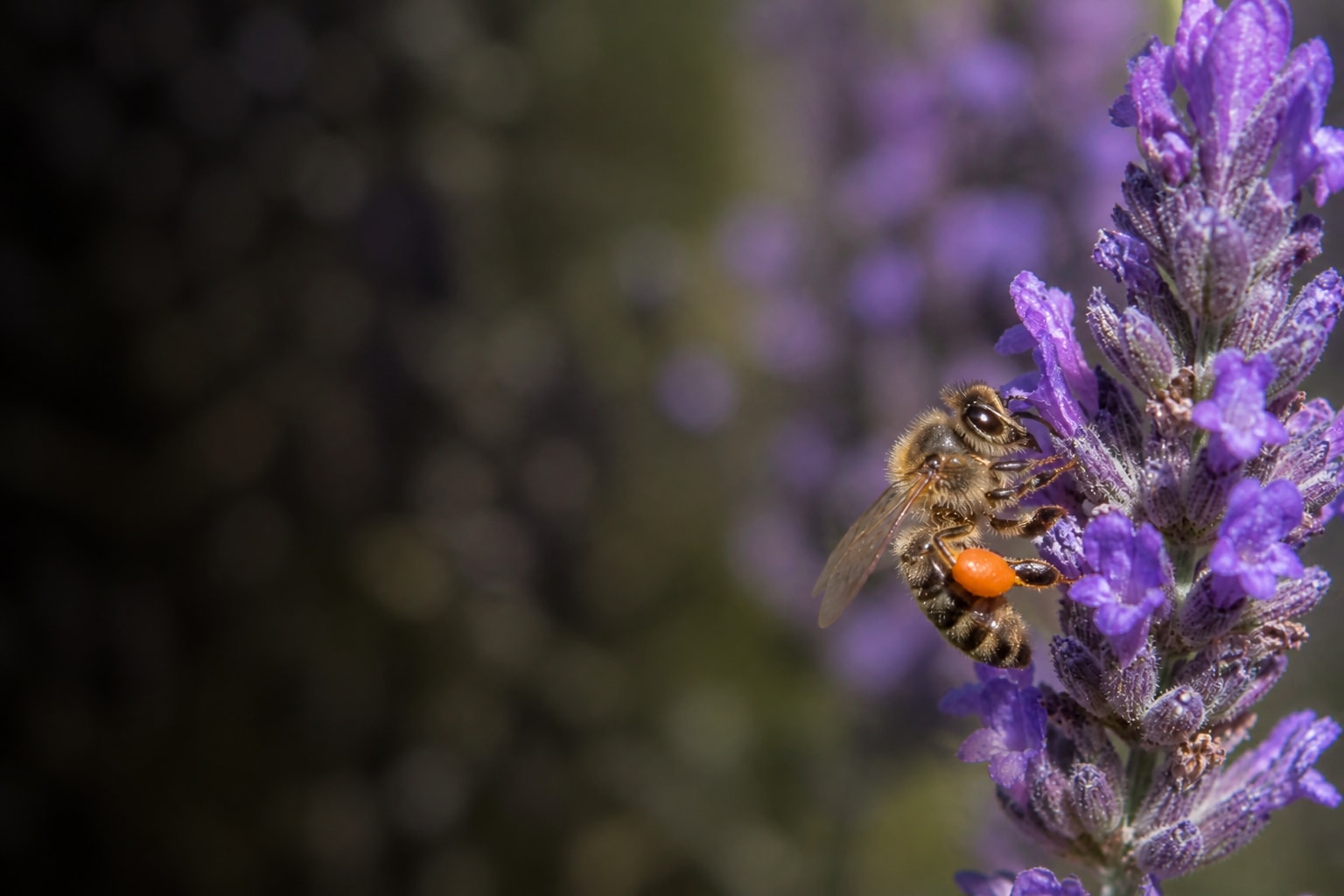
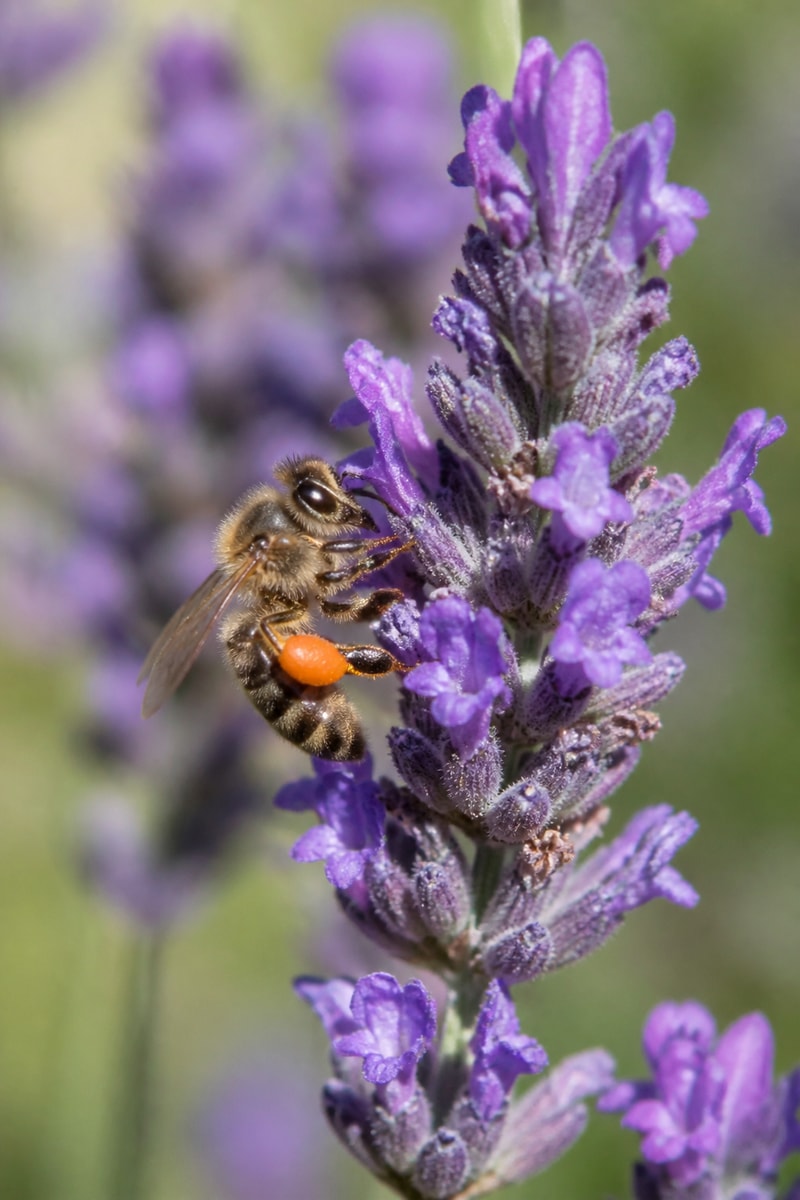
Watch a lavender bush in summer and honey bees are rarely far away, methodical, furry, and laden with yellow pollen baskets on their hind legs. Their waggle dance communicates flower locations to nestmates inside the dark hive.
- Scientific nameApis mellifera
- LengthWorkers ~12–15 mm; queens larger
- LifespanWorkers weeks to a few months; queens typically 2–5 years
- DietAdults take nectar for…
- ConservationNear Threatened
- RegionGardens & Meadows
Habitat
- Gardens
- Farmland
- Woodland edge
- Heathland
Honey bees thrive wherever flowering plants bloom, gardens, meadows, orchards, and farmland across the UK, US, and much of the world. Wild colonies nest in tree cavities; managed hives are kept by beekeepers in gardens and apiaries.
Countries found
Field notes
Field scale for the Honey Bee: length around Workers ~12-15 mm; queens larger. Typical lifespan: Workers weeks to a few months; queens typically 2-5 years.
When you are scanning habitat, prioritise gardens, farmland, woodland edge, and heathland. Those settings are where a clean look and a usable photo are most likely.
Quick ID anchor: Amber to brown bee with dark abdominal bands, a hairy thorax, and pollen baskets (corbiculae) on the hind legs of foragers. Slimmer and less furry than most bumblebees. Confirm with behaviour and habitat before you log the discovery.
Diet
Adults take nectar for energy and pollen for protein; larvae are fed glandular secretions and pollen-rich brood food. Foragers visit a huge range of flowering plants.
Behaviour
Eusocial colonies with a queen, female workers, and seasonal drones; workers communicate flower locations with the waggle dance. Colonies thermoregulate the hive and store honey for dearths.
How to identify
Amber to brown bee with dark abdominal bands, a hairy thorax, and pollen baskets (corbiculae) on the hind legs of foragers. Slimmer and less furry than most bumblebees.
Interesting facts
- 01
A single bee colony may visit 225,000 flowers in one day.
- 02
Workers perform a waggle dance to tell nestmates where flowers are.
- 03
Honey bees are not native to the Americas. They were brought by colonists.
Conservation status
Managed honey bee colonies face global declines from varroa mites, pesticides, and habitat loss, though the species itself remains widespread. Colony collapse disorder has raised concern across agriculture.
Sources: IUCN Red List
Related discoveries


Keep exploring
Where it lives
Related discoveries
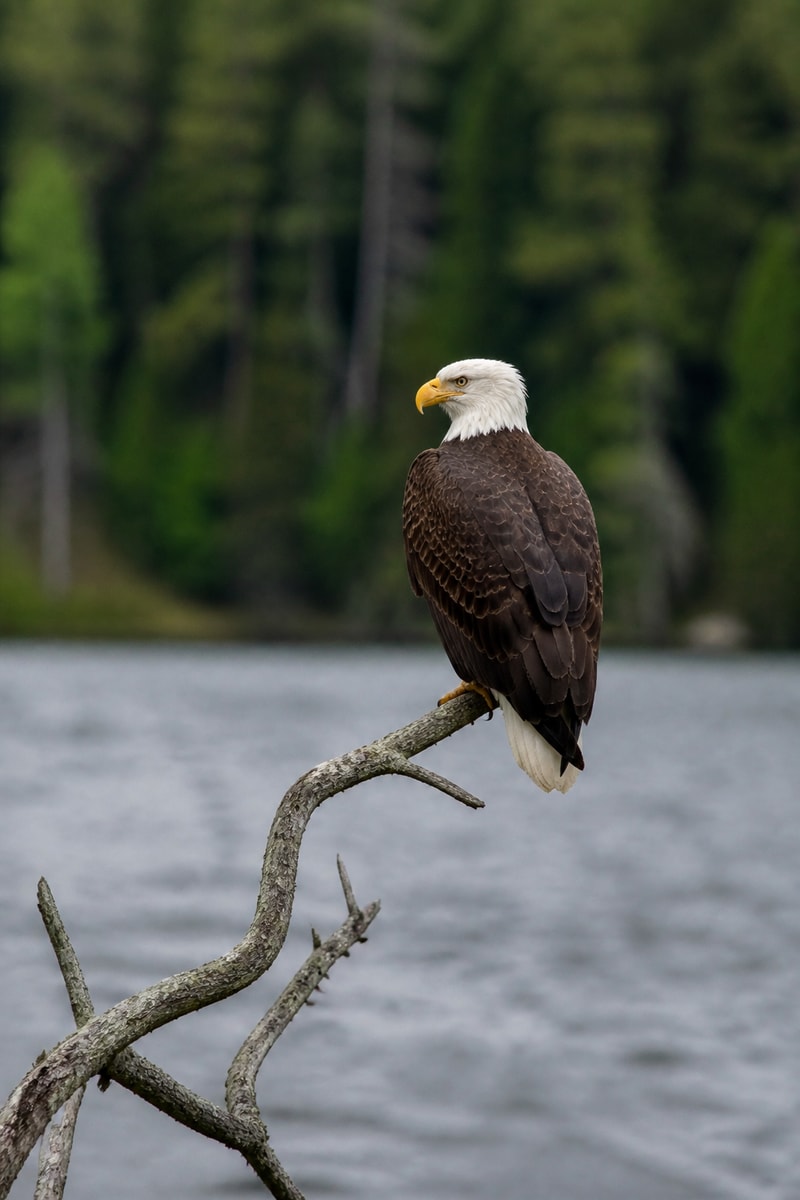
- Bald Eaglelegendary • Lakes & Coasts
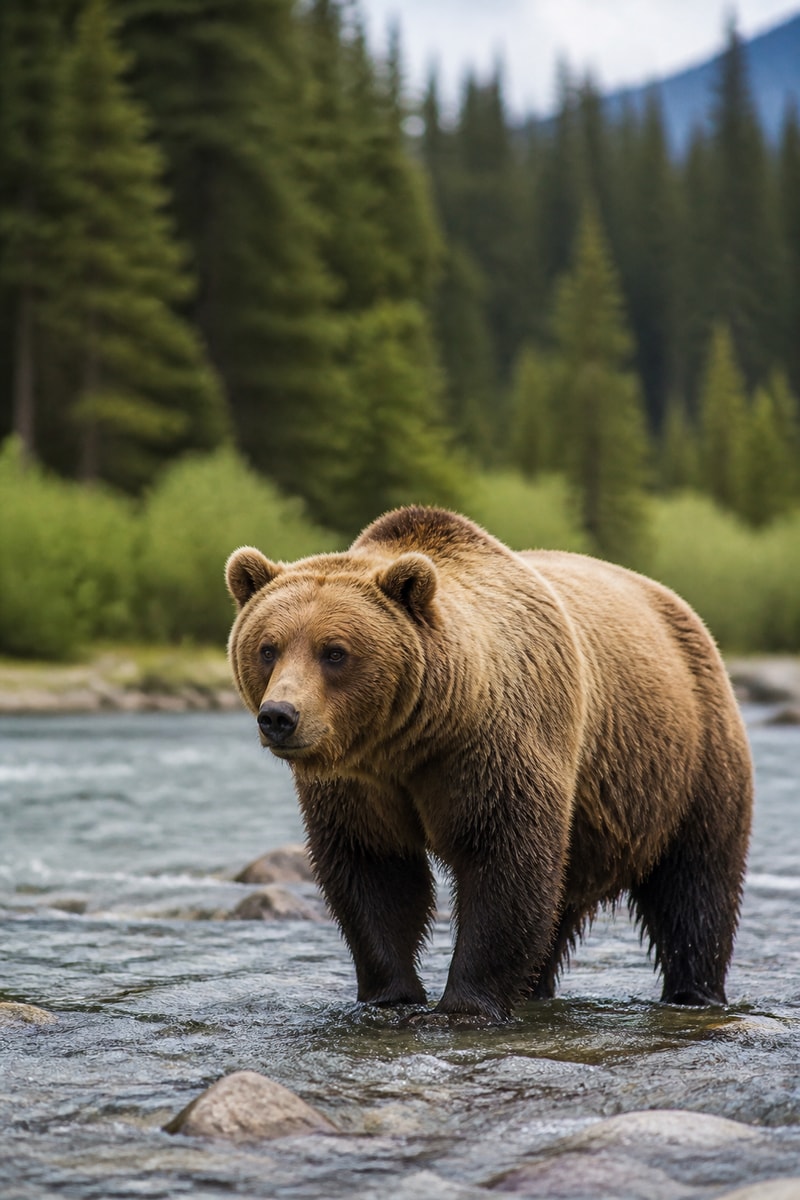
- Grizzly Bearlegendary • Mountains & Rivers
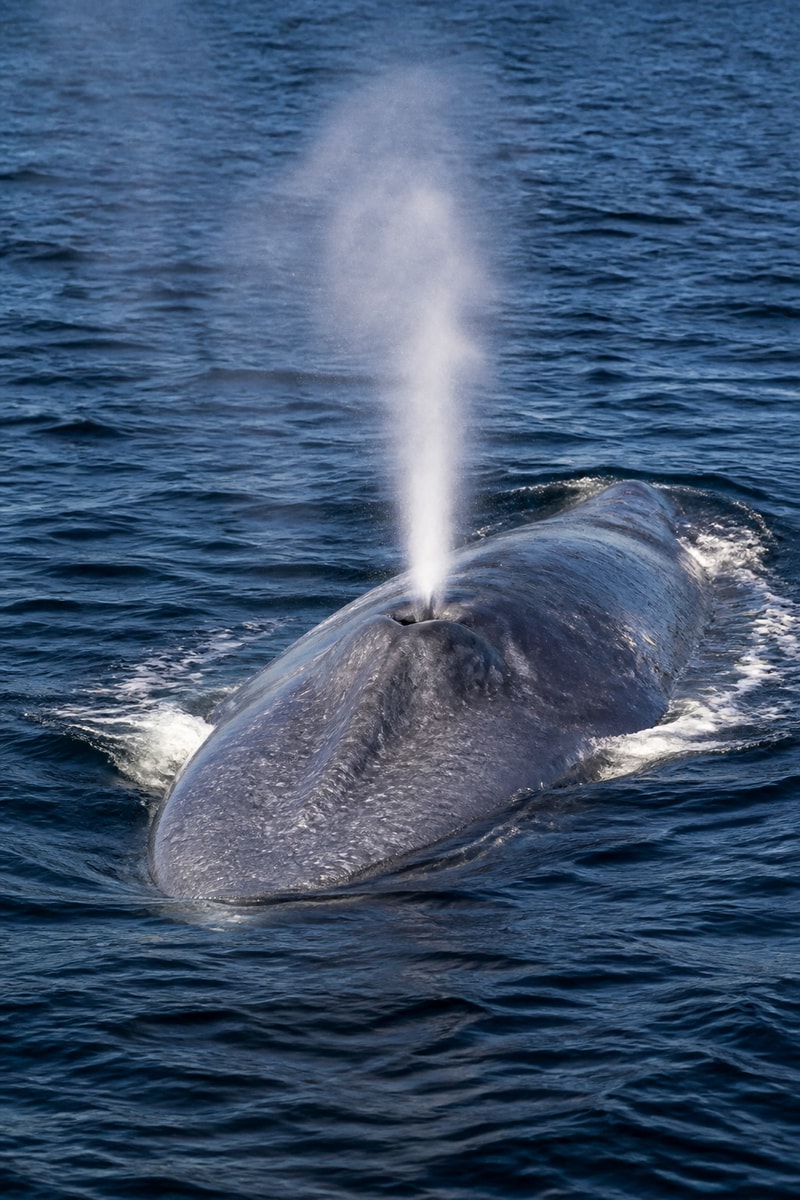
- Blue Whalelegendary • Open Ocean
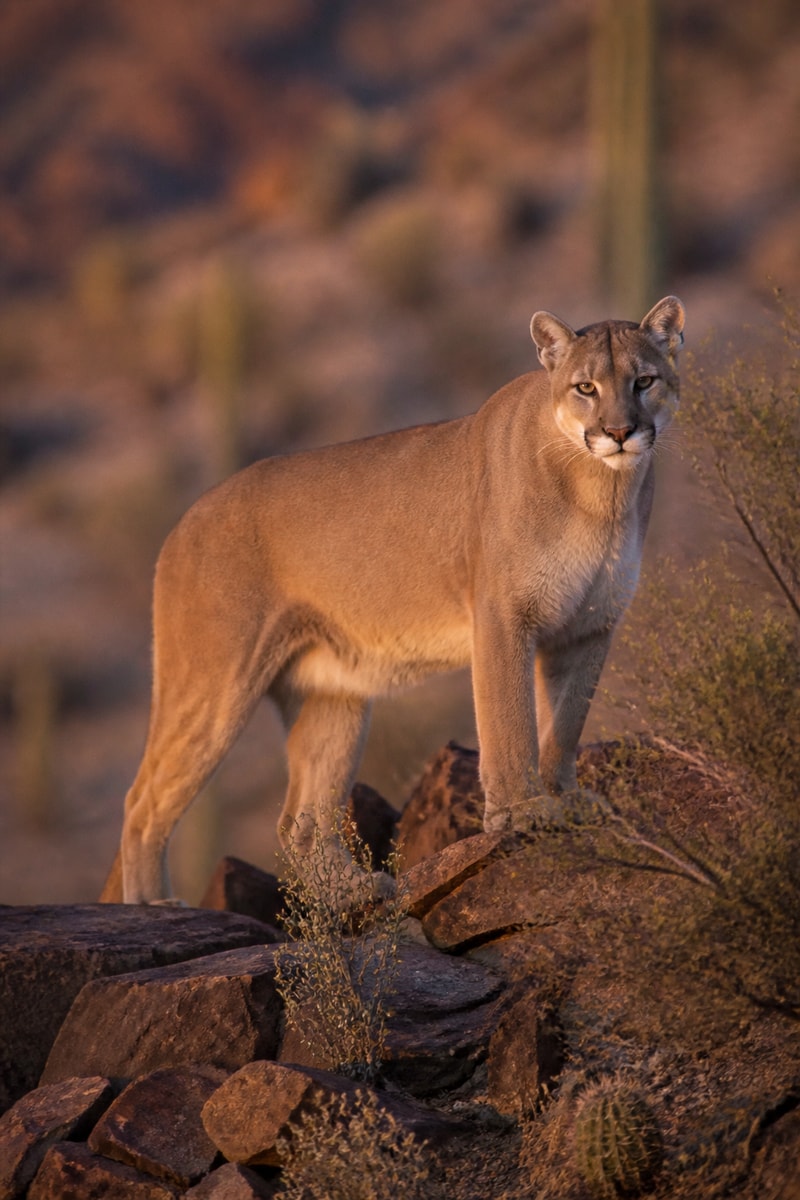
- Mountain Lionlegendary • Mountains & Desert
- Great White Sharklegendary • Coastal Ocean
- Orcalegendary • Coastal Ocean
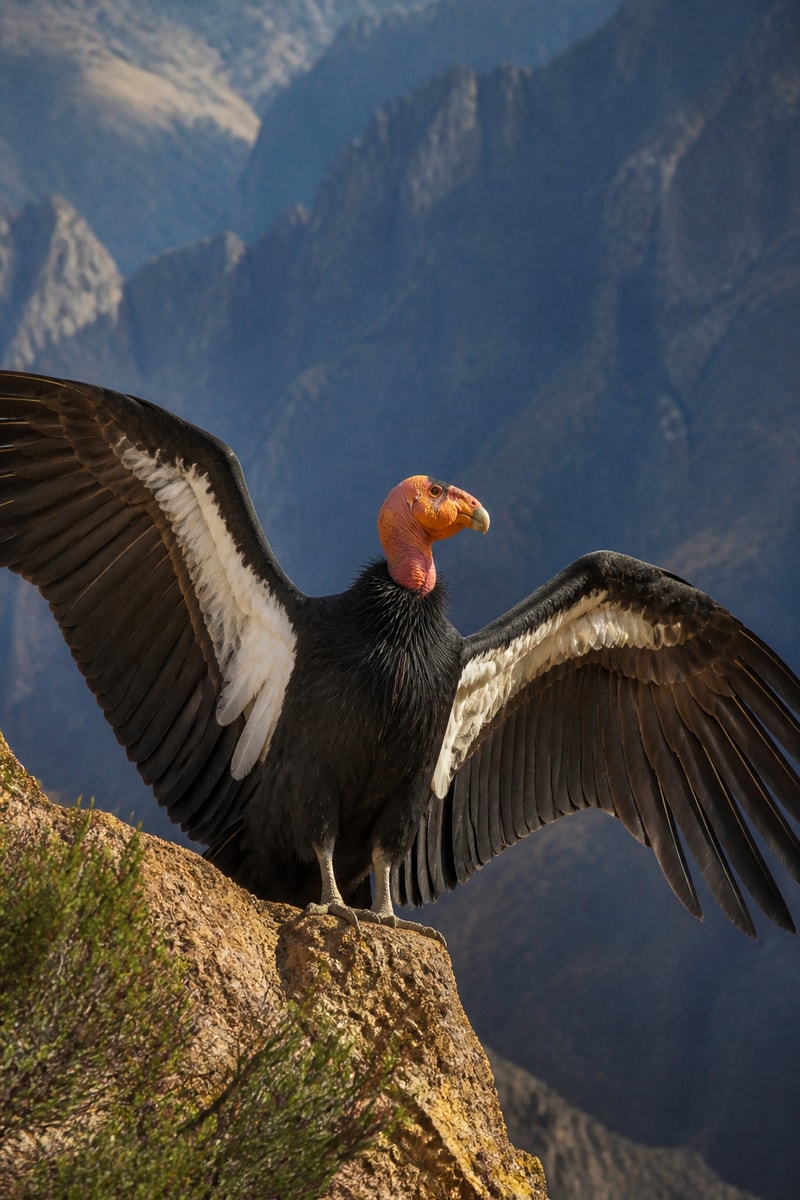
- California Condorlegendary • Canyons & Cliffs
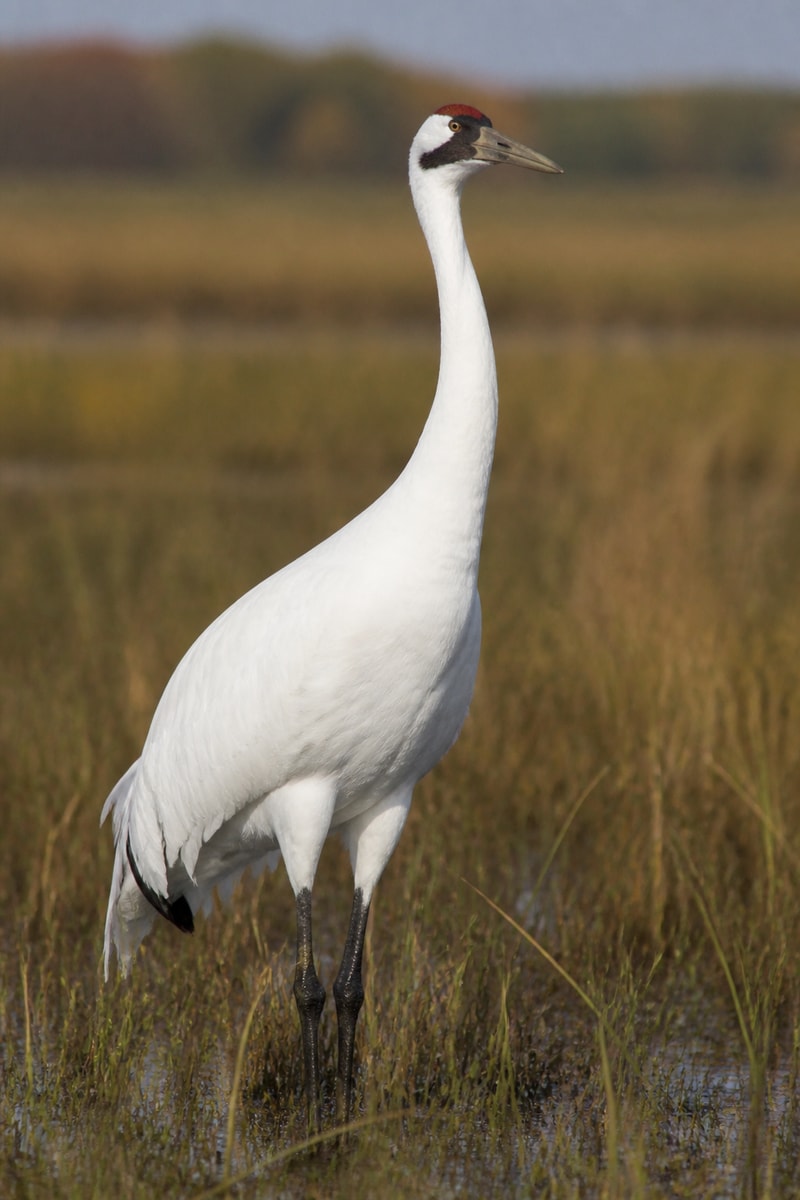
- Whooping Cranelegendary • North American Wetlands
Free on iOS
Catch the Honey Bee
Spot one in the wild, then scan it in Catch'Um to log your common discovery.