
Field guide · common
Grey Squirrel
The parkland acrobat, a bushy-tailed forager that buries thousands of nuts each autumn and forgets half of them.
Least Concern
Sciurus carolinensis
Overview
The grey squirrel is the bold, agile mammal of temperate parks and woodlands, equally at home spiralling up an oak trunk or raiding a bird feeder in a suburban garden. Native to North America but now widespread in the UK and parts of Europe, it has become one of the most familiar wild mammals people encounter on an ordinary walk.
Watch a grey squirrel long enough and you'll see the full repertoire: head-down nut burial, tail-flick alarm signals, and those improbable leaps between branches. They are common, but genuinely entertaining, a solid discovery that rewards patience with a good photograph.
- Scientific nameSciurus carolinensis
- Length23–30 cm body; tail 20–25 cm
- Weight400–600 g
- Lifespan6–12 years in the wild
- DietTree seeds dominate
- ConservationLeast Concern
- RegionWoodland & Parks
Habitat
- Deciduous woodland
- Parks
- Gardens
- Urban trees
Grey squirrels thrive in deciduous and mixed woodland, parkland, and leafy suburbs wherever oak, beech, and hazel provide mast. They nest in tree cavities or dreys (compact balls of twigs and leaves high in the canopy) and patrol the ground in autumn when acorns and nuts fall.
Field notes
Field scale for the Grey Squirrel: length around 23-30 cm body; tail 20-25 cm; weight 400-600 g. Typical lifespan: 6-12 years in the wild.
When you are scanning habitat, prioritise deciduous woodland, parks, gardens, and urban trees. Those settings are where a clean look and a usable photo are most likely.
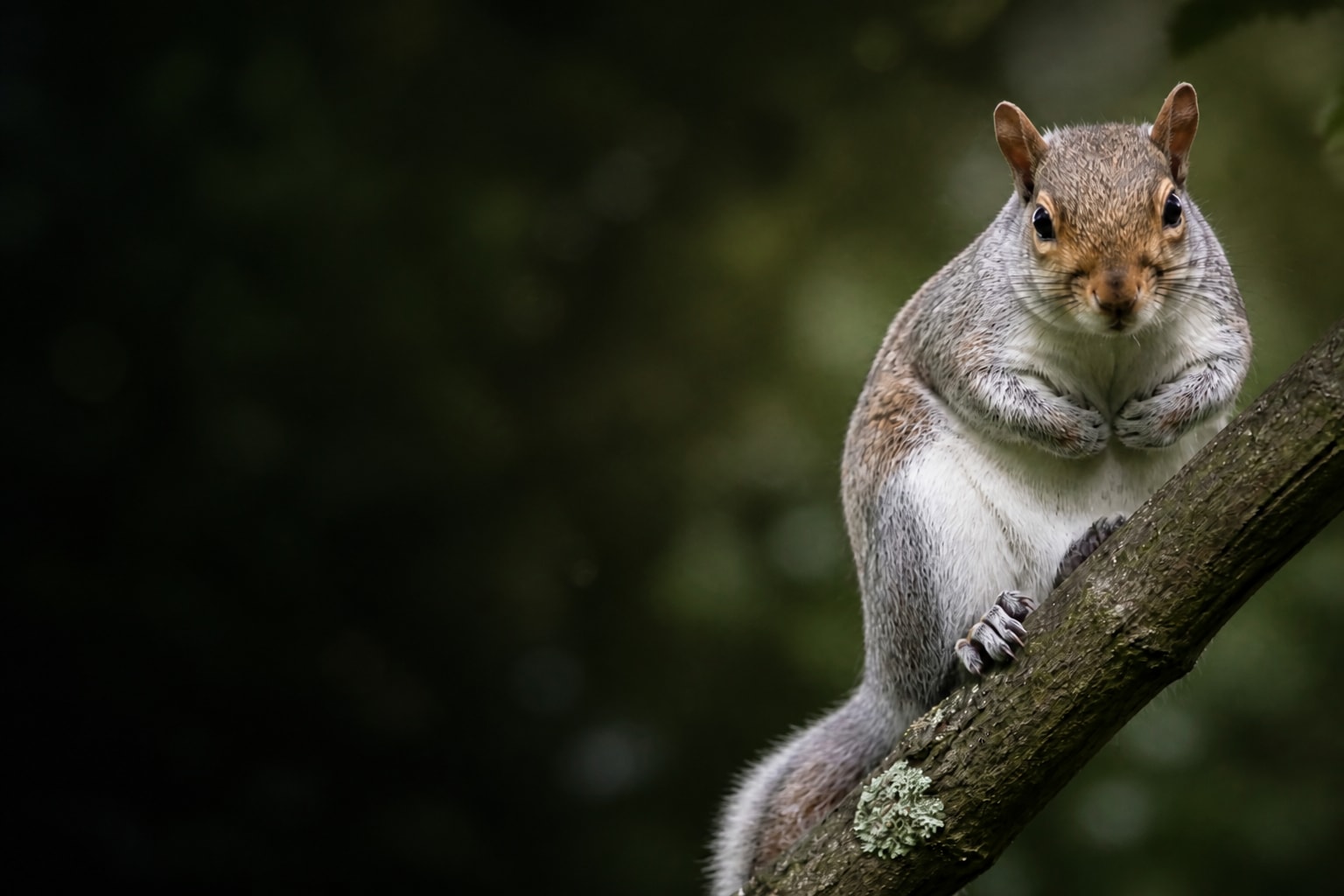
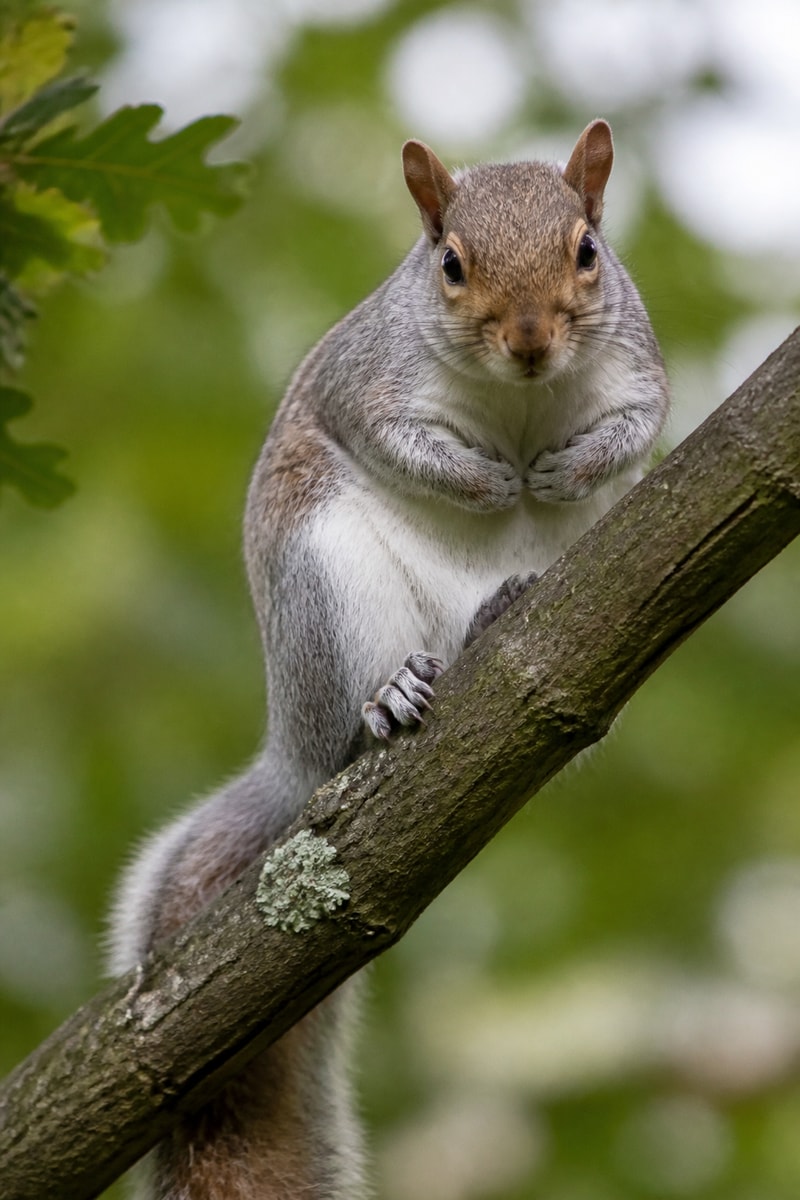
Quick ID anchor: Medium tree squirrel, usually grey with a white underside and a bushy grey tail; some UK individuals are reddish-brown. Larger and greyer than the native red squirrel, with no ear tufts. Confirm with behaviour and habitat before you log the discovery.
Where to see one
United Kingdom
In United Kingdom, strong options include Richmond Park, The New Forest, and Hyde Park & Regent's Park. Ancient parkland where red deer graze at dawn, mallards paddle the ponds, and foxes slip through bracken at the woodland edge.
Open the United Kingdom spotting guide for every park note tied to the grey squirrel.
Diet
Tree seeds dominate—acorns, beech mast, hazelnuts, and pine cones—cached in autumn. Also buds, bark, fungi, bird eggs, and garden bird food when available.
Behaviour
Diurnal and highly agile, leaping between branches and descending head-first. Solitary foragers that bury nuts (scatter-hoarding) and defend feeding sites with chattering alarms.
How to identify
Medium tree squirrel, usually grey with a white underside and a bushy grey tail; some UK individuals are reddish-brown. Larger and greyer than the native red squirrel, with no ear tufts.
Interesting facts
- 01
Grey squirrels bury thousands of nuts each autumn, and forget where many of them are.
- 02
Forgotten caches help oak and hazel forests regenerate, squirrels are accidental foresters.
- 03
They can rotate their ankles 180 degrees to climb head-first down tree trunks.
- 04
A squirrel's tail acts as balance, shade, umbrella, and blanket in cold weather.
- 05
In the UK, grey squirrels largely replaced native red squirrels after their introduction in the 1870s.
- 06
They communicate with tail flicks and a range of chirps, clucks, and alarm barks.
Conservation status
Grey squirrels are Least Concern globally and abundant across much of their range. In the UK and parts of Europe they are considered an invasive competitor to the native red squirrel, prompting local control programmes in red squirrel strongholds.
Sources: IUCN Red List
Related discoveries


Keep exploring
Where it lives
Related discoveries
- Bald Eaglelegendary • Lakes & Coasts
- Grizzly Bearlegendary • Mountains & Rivers
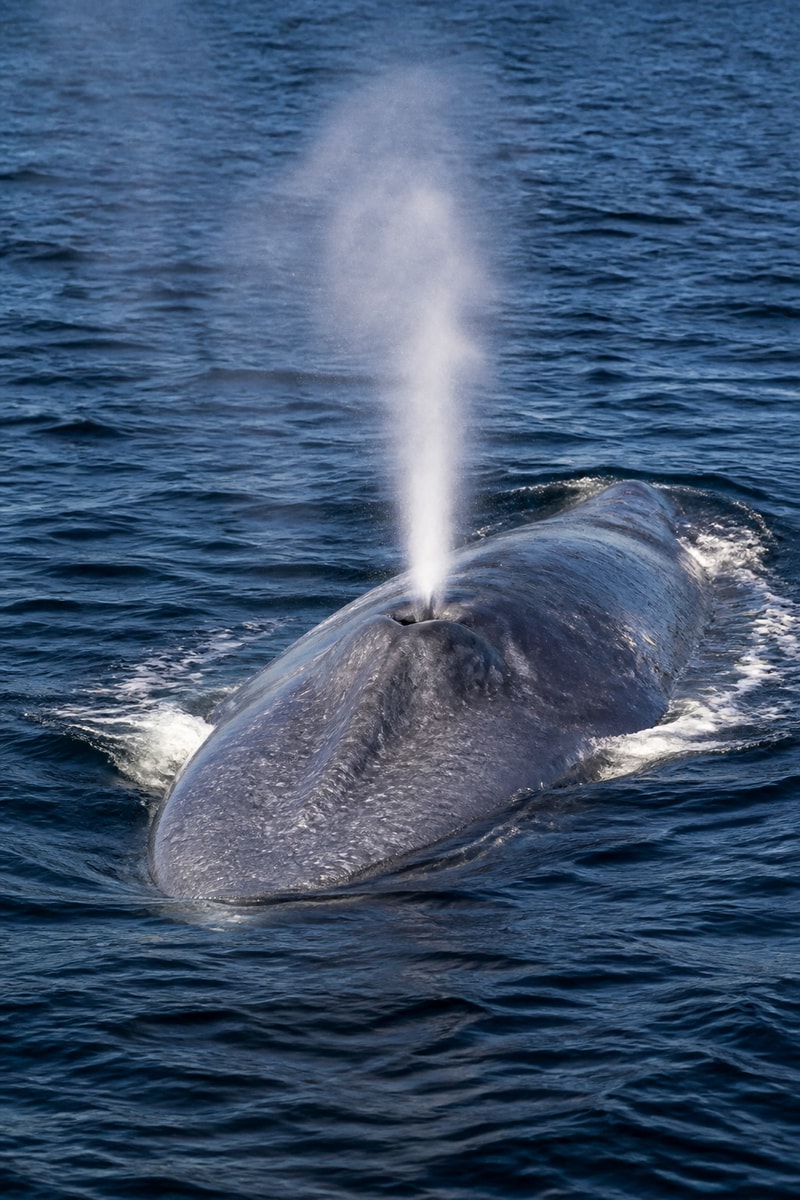
- Blue Whalelegendary • Open Ocean
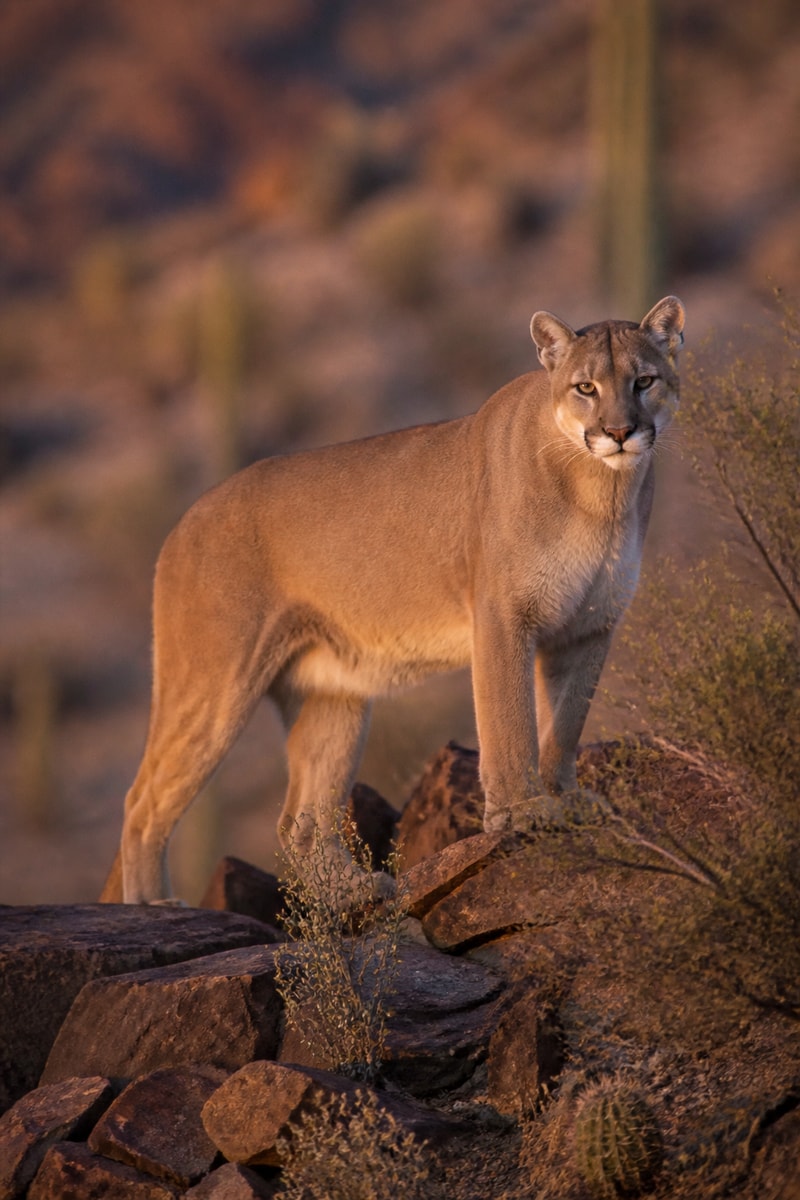
- Mountain Lionlegendary • Mountains & Desert
- Great White Sharklegendary • Coastal Ocean
- Orcalegendary • Coastal Ocean
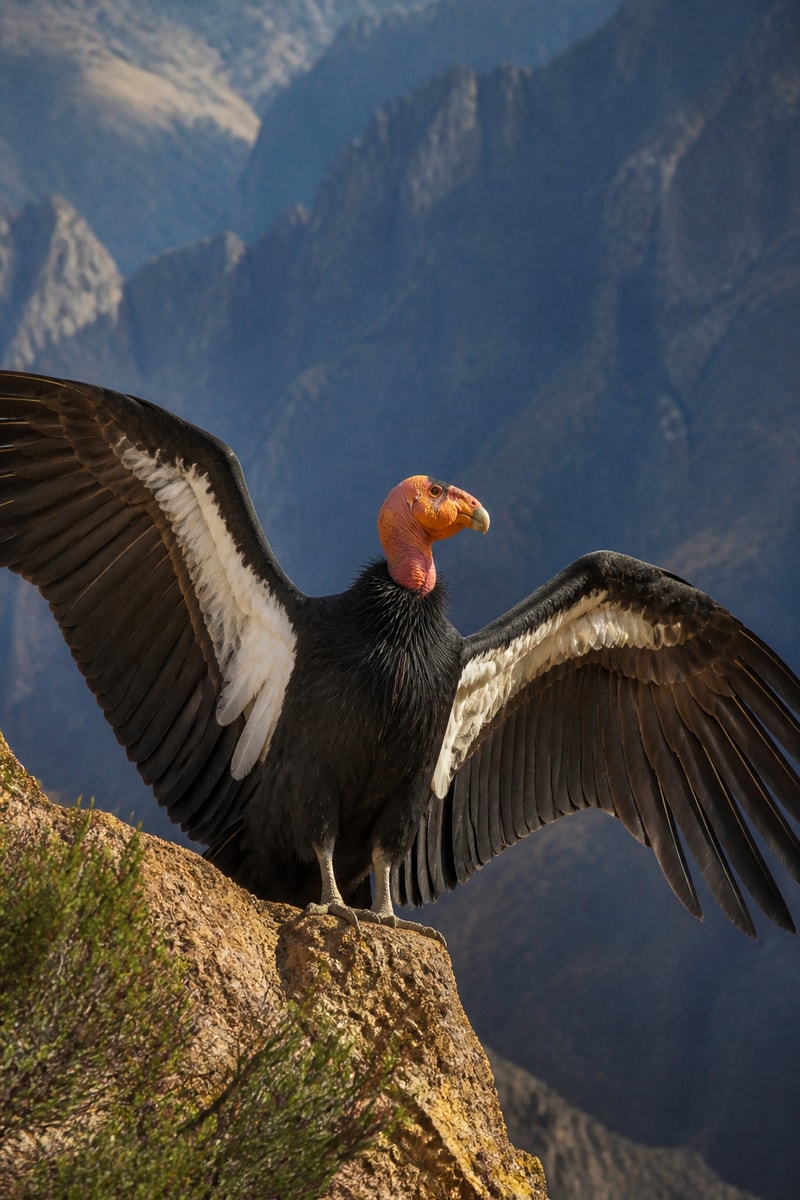
- California Condorlegendary • Canyons & Cliffs
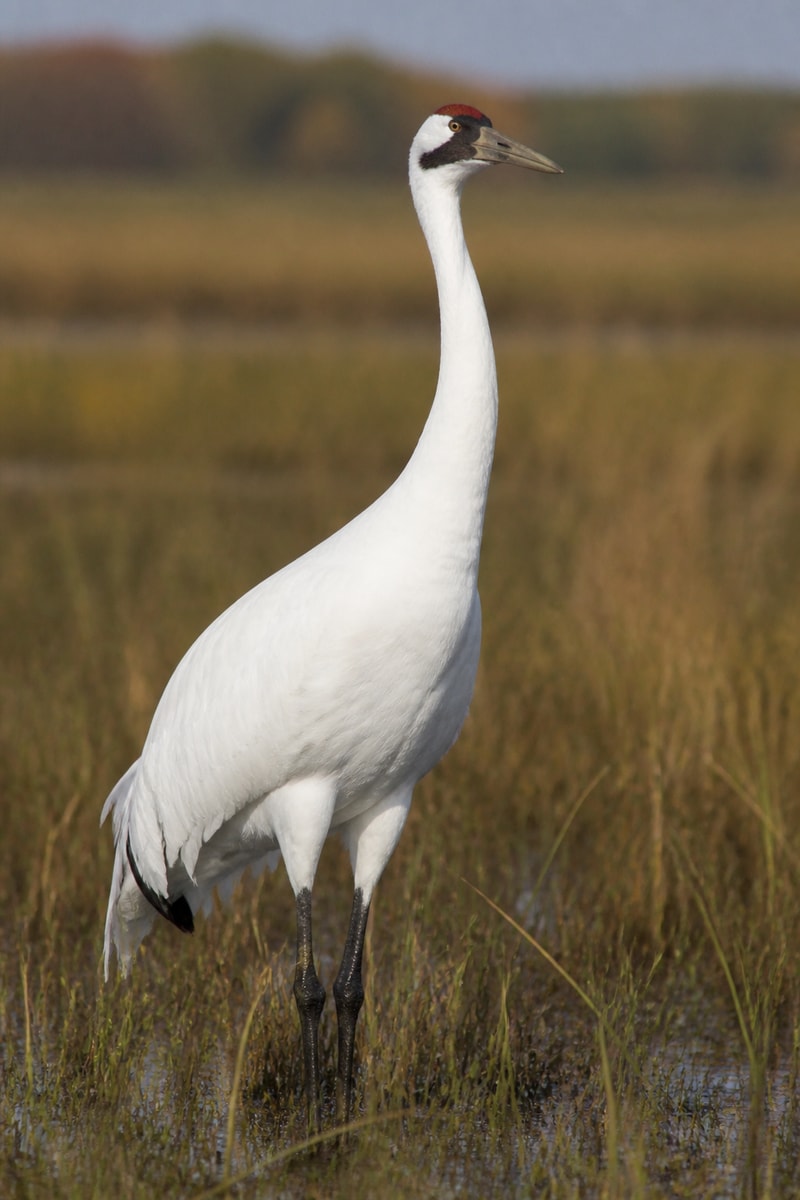
- Whooping Cranelegendary • North American Wetlands
Free on iOS
Catch the Grey Squirrel
Spot one in the wild, then scan it in Catch'Um to log your common discovery.