
Field guide · common
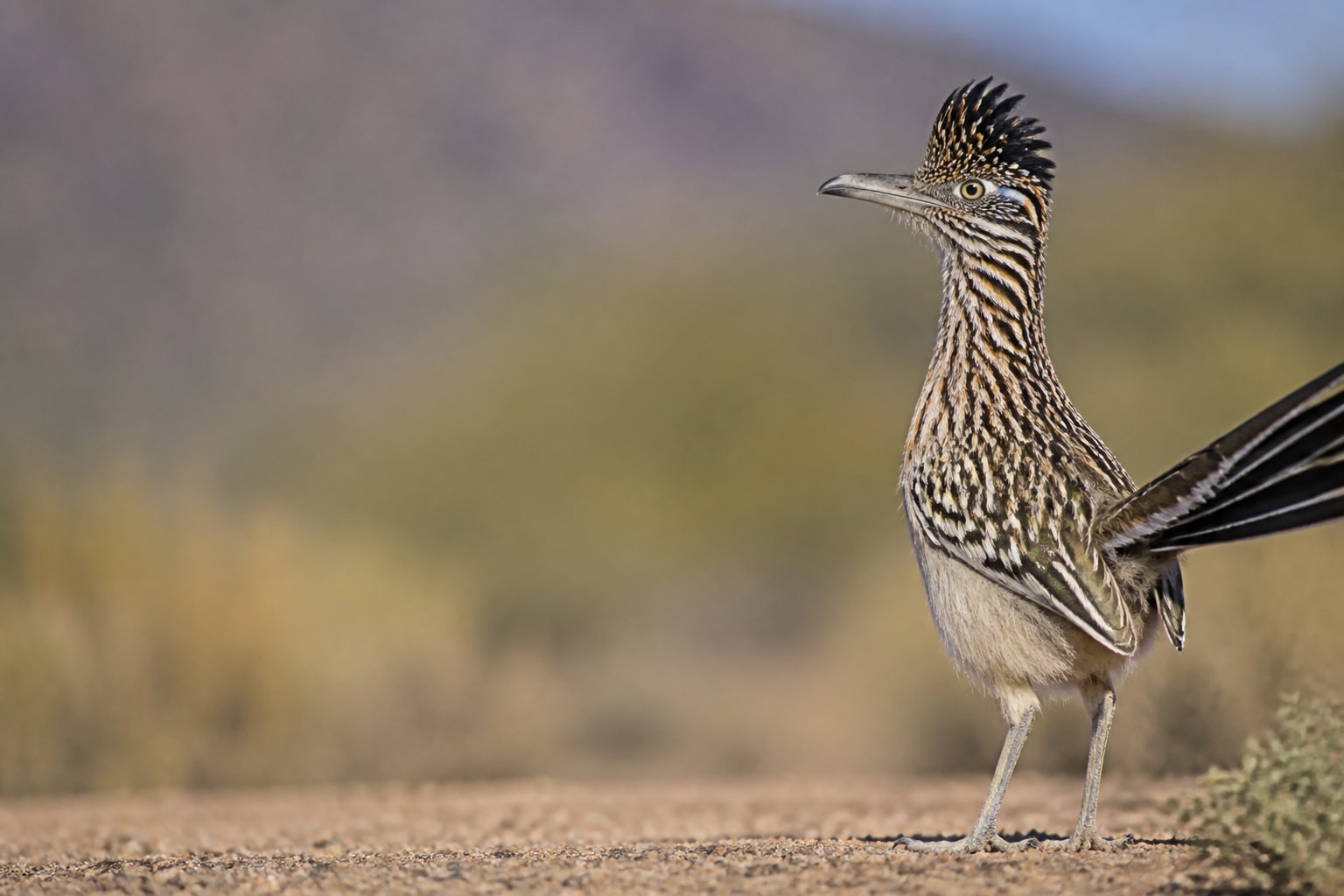
Greater Roadrunner
Desert sprinter with a crest — lizard hunter, sun-basker, and southwestern cartoon made real.
Least Concern
Geococcyx californianus
Overview
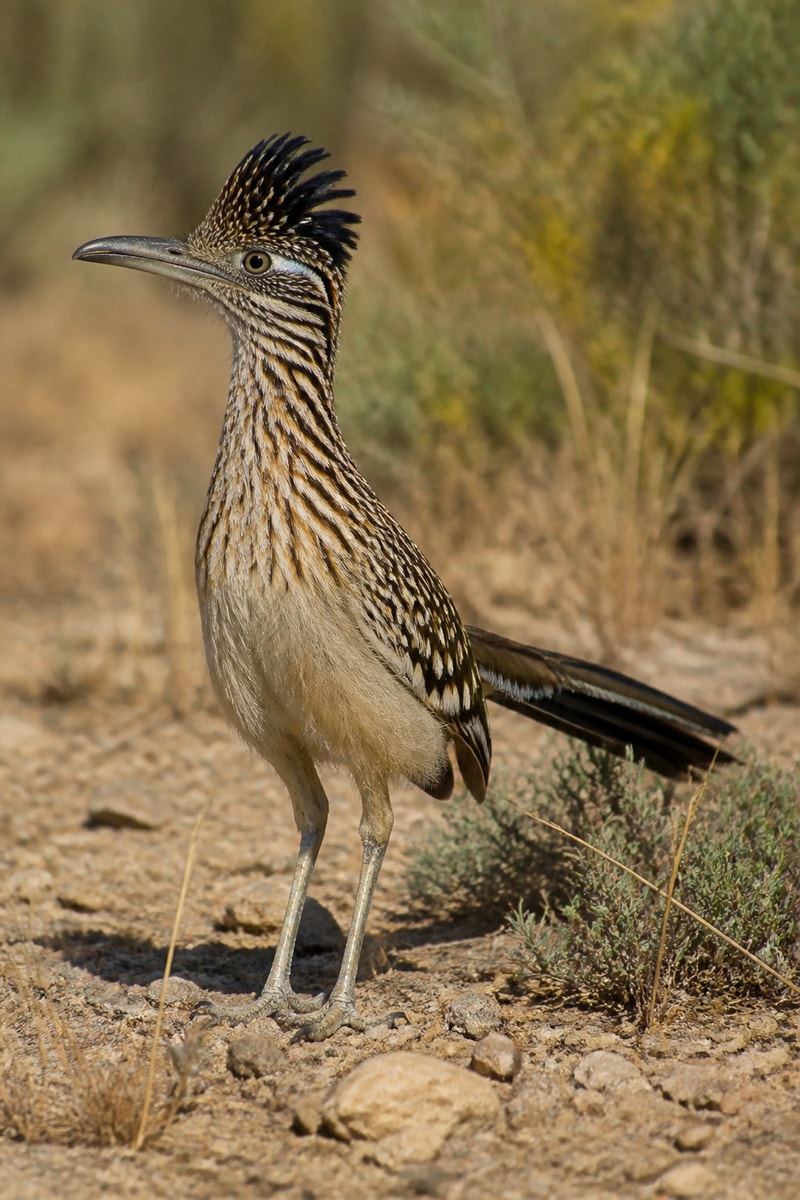
Greater roadrunners are long-legged cuckoos of deserts and scrub, sprinting after lizards, snakes, and insects more often than flying. A shaggy crest, streaked plumage, and X-shaped footprints mark classic southwestern country.
For Mexico and United States collectors, the roadrunner is a common desert legend — speed, attitude, and arid-land swagger.
- Scientific nameGeococcyx californianus
- Length50–60 cm
- Weight300–500 g
- LifespanAround 7–8 years in the wild
- DietLizards
- ConservationLeast Concern
- RegionNorth American Desert
Where to see them
Habitat
- Desert scrub
- Chaparral
- Arid grassland
Desert scrub, chaparral, and open arid grassland of the southwestern United States and Mexico, using brush for nesting and shade.
Field notes
Field scale for the Greater Roadrunner: length around 50-60 cm; weight 300-500 g. Typical lifespan: Around 7-8 years in the wild.
When you are scanning habitat, prioritise desert scrub, chaparral, and arid grassland. Those settings are where a clean look and a usable photo are most likely.
Quick ID anchor: Long-tailed, streaked brown bird with a shaggy crest and strong legs. Confirm with behaviour and habitat before you log the discovery.
Diet
Lizards, snakes, insects, scorpions, rodents, and occasional birds or fruit.
Sprint, leap, and batter prey with the bill before swallowing.
Behaviour
Mostly terrestrial; fly low and short when needed.
Pairs defend territories; crest raises when alert or displaying.
How to identify
Long-tailed, streaked brown bird with a shaggy crest and strong legs.
Blue-and-red bare skin behind the eye shows when the crest is raised.
Interesting facts
- 01
Can run around 30 km/h when chasing prey.
- 02
Member of the cuckoo family, not a true runner bird clade alone.
- 03
Eat lizards, snakes, insects, and small birds.
- 04
Sunbathe to warm up on cool desert mornings.
- 05
Build stick nests in cactus or thorny shrubs.
- 06
Zygodactyl feet leave distinctive X-shaped tracks.
Conservation status
Greater roadrunners are Least Concern. They remain widespread across southwestern deserts, adapting to scrub and ranchland where prey and cover persist.
Sources: IUCN Red List



Keep exploring
Where it lives
Related discoveries
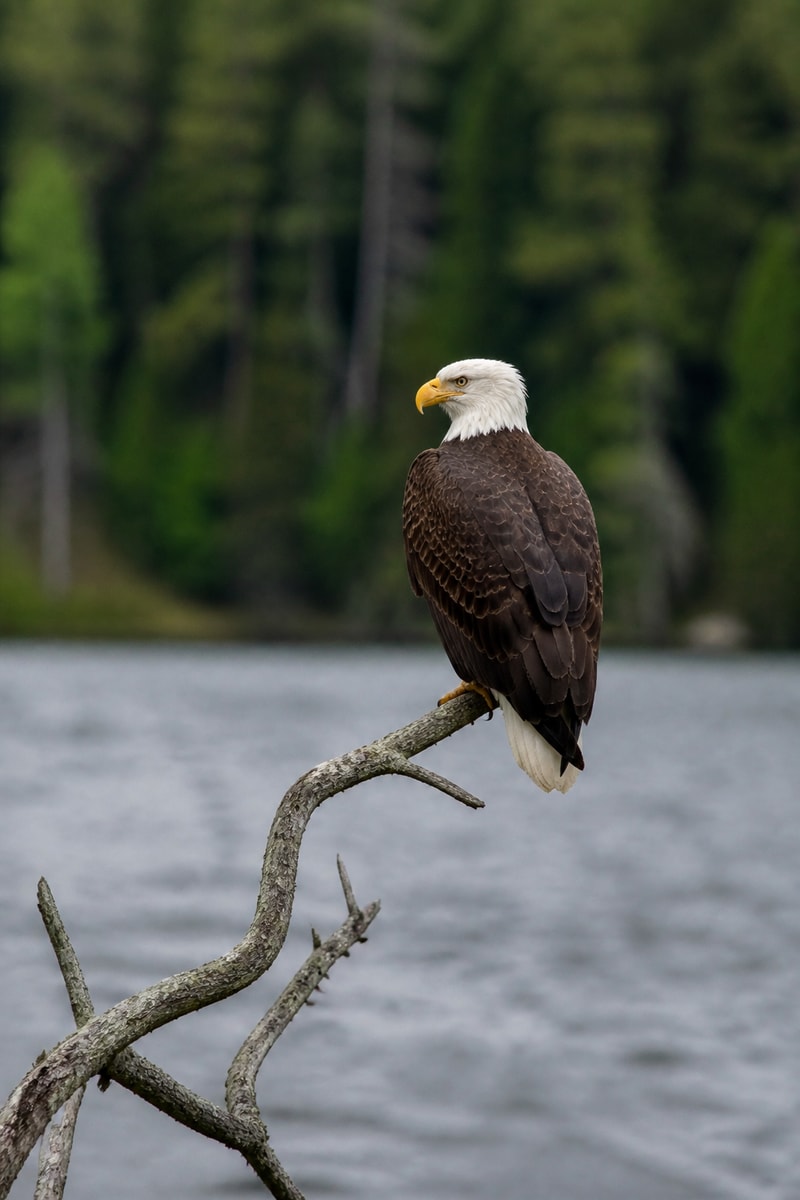
- Bald Eaglelegendary • Lakes & Coasts
- Grizzly Bearlegendary • Mountains & Rivers
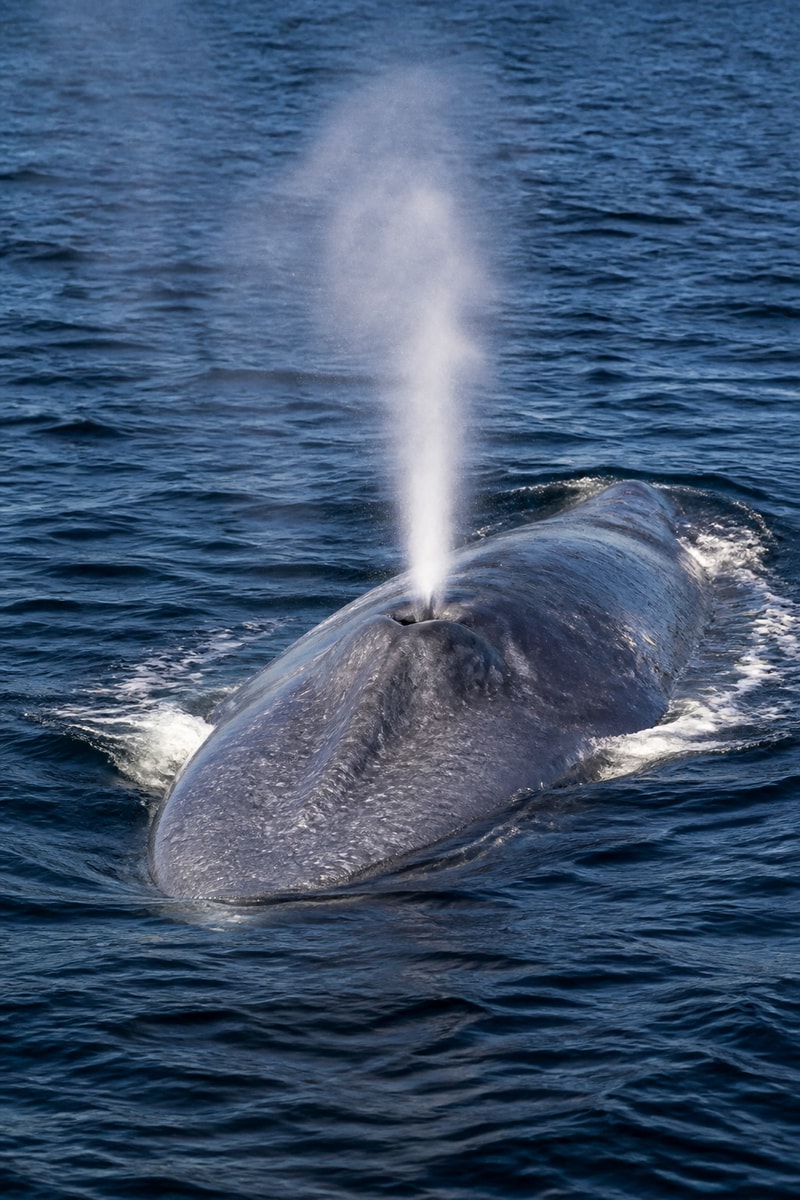
- Blue Whalelegendary • Open Ocean
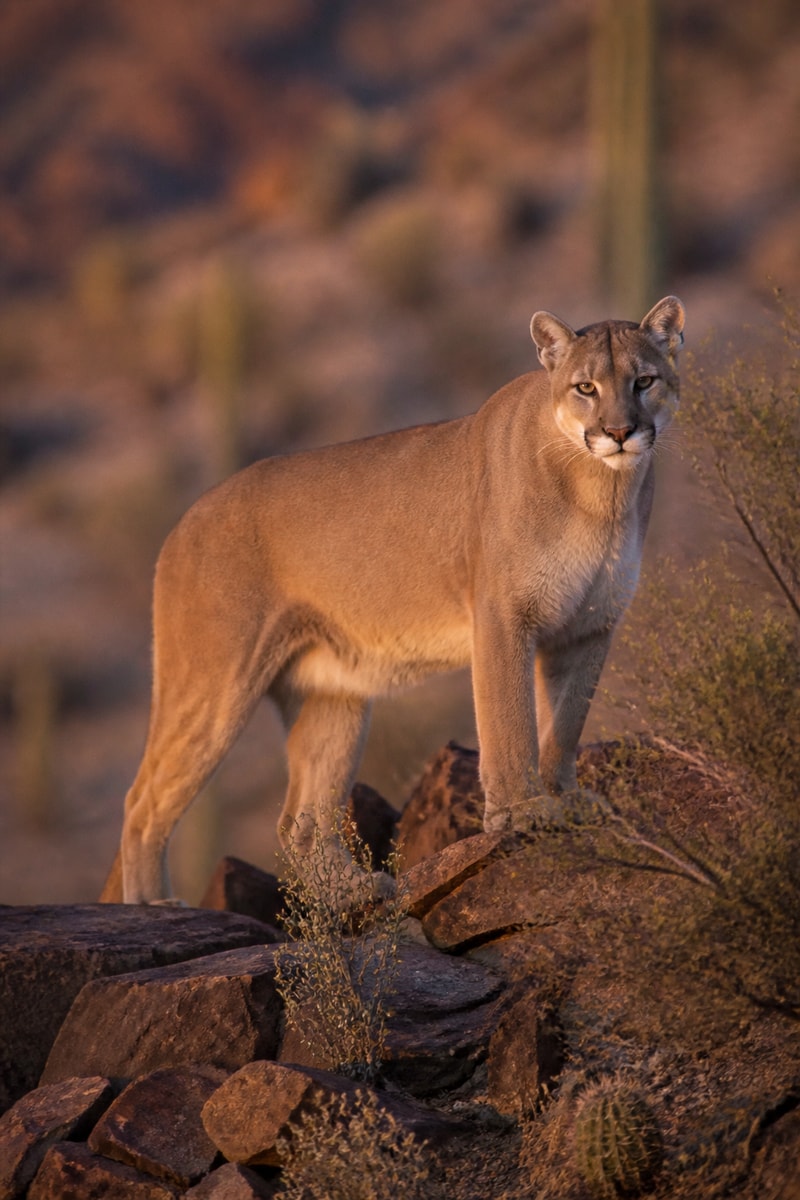
- Mountain Lionlegendary • Mountains & Desert
- Great White Sharklegendary • Coastal Ocean
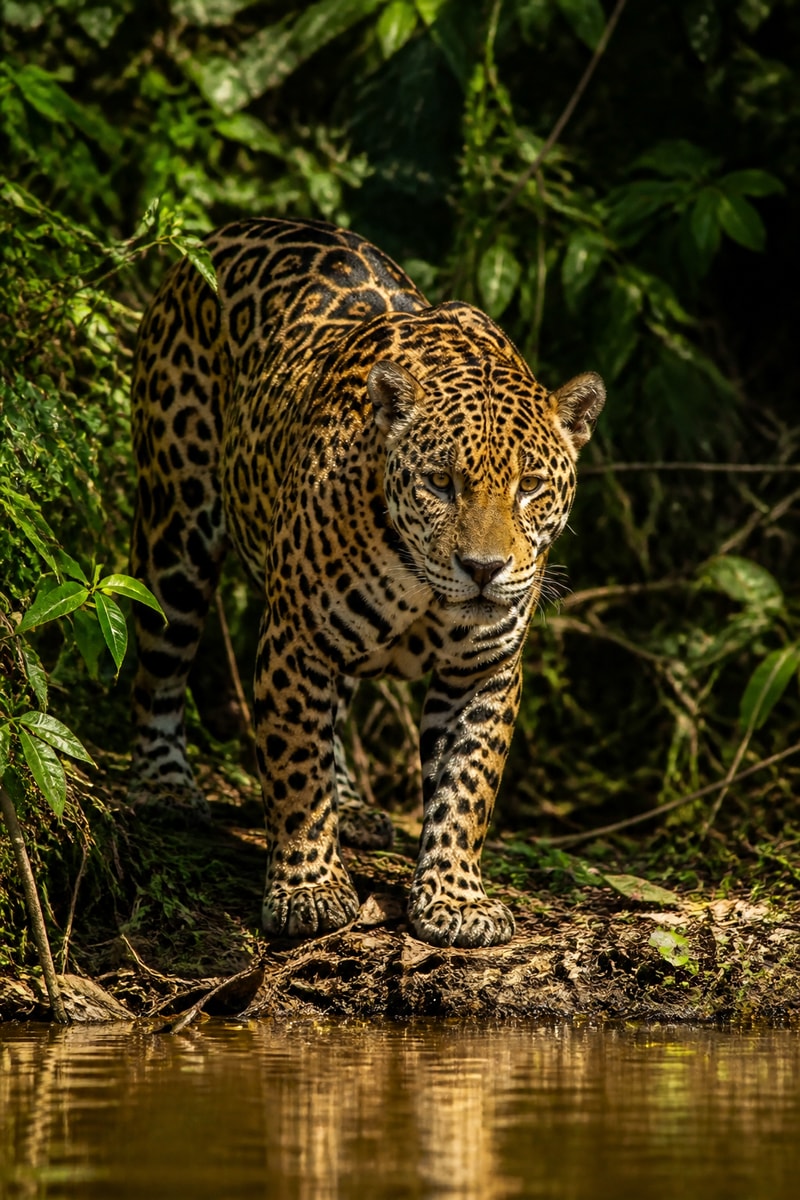
- Jaguarlegendary • Rainforest & Wetland
- Orcalegendary • Coastal Ocean
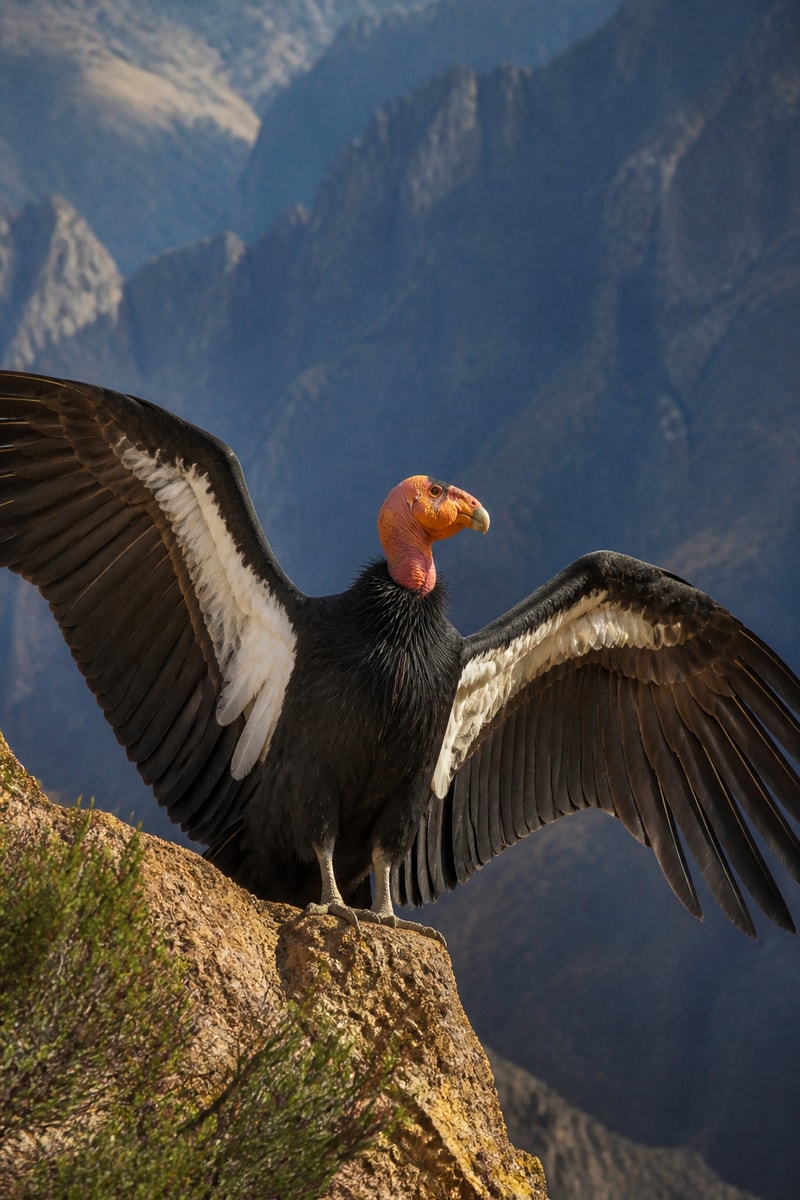
- California Condorlegendary • Canyons & Cliffs
Free on iOS
Catch the Greater Roadrunner
Spot one in the wild, then scan it in Catch'Um to log your common discovery.