
Field guide · rare
Greater Kudu
Spiral-horn giant of the bush — white stripes, huge corkscrew horns, and quiet woodland grace.
Least Concern
Tragelaphus strepsiceros
Overview
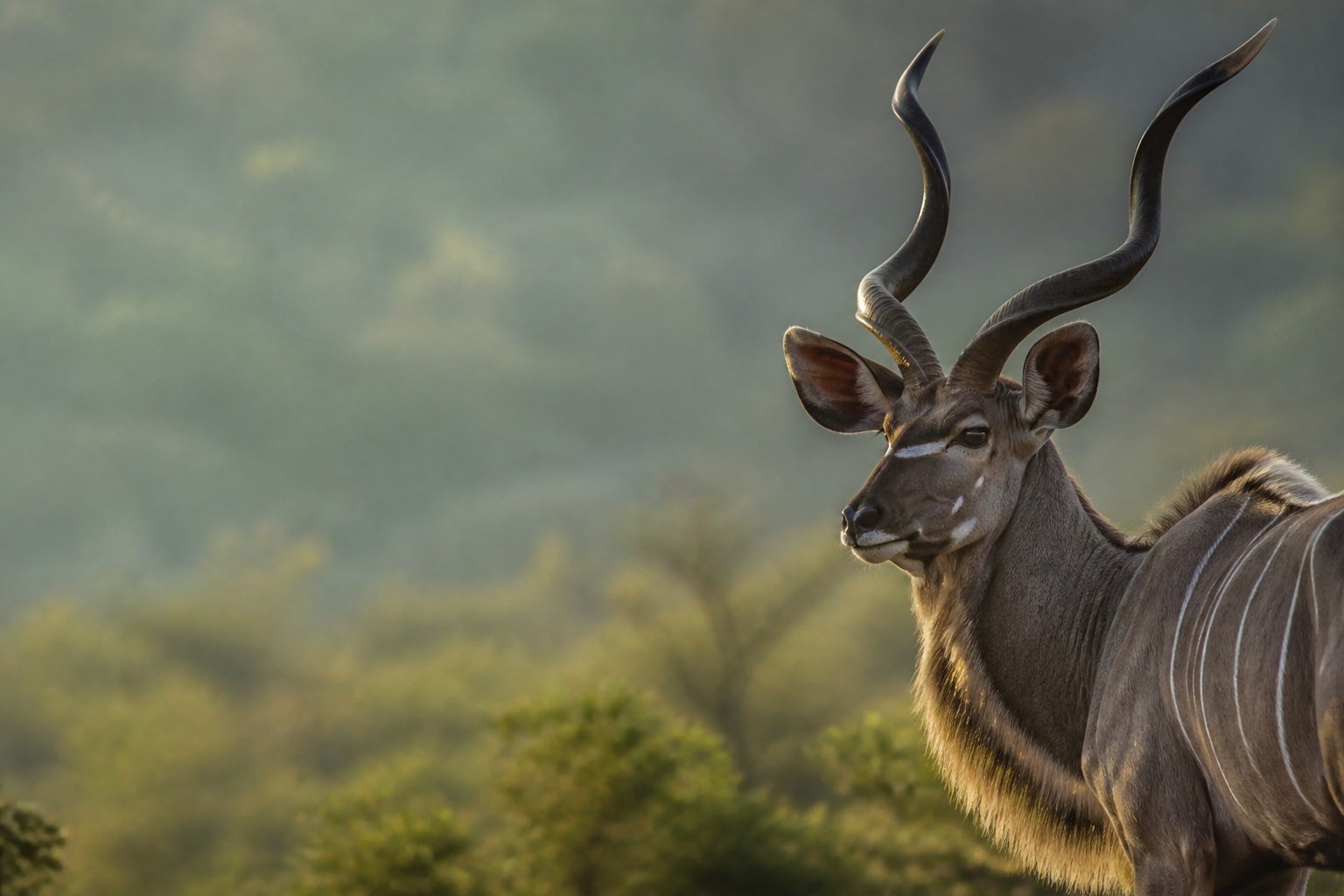
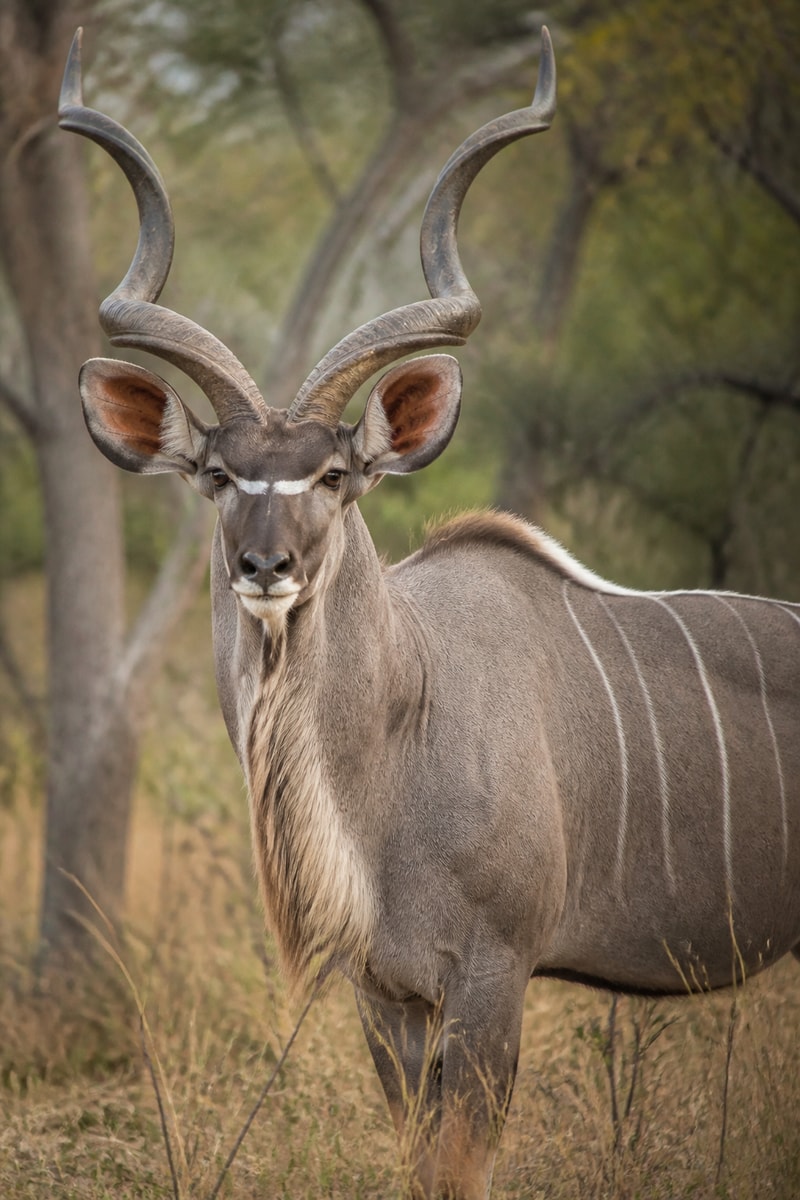
Greater kudus are tall woodland antelope whose males carry spectacular corkscrew horns. Vertical white body stripes and large rounded ears help them slip through thickets while listening for danger.
For Kenya, Botswana, and South Africa collectors, a greater kudu is a rare bushveld trophy card — height, horns, and shadow-stripe camouflage.
- Scientific nameTragelaphus strepsiceros
- Height1.0–1.5 m at the shoulder
- WeightFemales ~120–210 kg; males ~190–270 kg
- LifespanAround 7–11 years in the wild
- DietBrowse leaves
- ConservationLeast Concern
- RegionWoodland Savanna
Habitat
- Woodland thicket
- Rocky hillside
- Riverine bush
Woodland, thicket, and rocky hillsides with browse, often near watercourses across eastern and southern Africa.
Field notes
Field scale for the Greater Kudu: height 1.0-1.5 m at the shoulder; weight Females ~120-210 kg; males ~190-270 kg. Typical lifespan: Around 7-11 years in the wild.
When you are scanning habitat, prioritise woodland thicket, rocky hillside, and riverine bush. Those settings are where a clean look and a usable photo are most likely.
Quick ID anchor: Tall grey-brown antelope with white vertical stripes and a white chevron between the eyes. Confirm with behaviour and habitat before you log the discovery.
Where to see one
Kenya
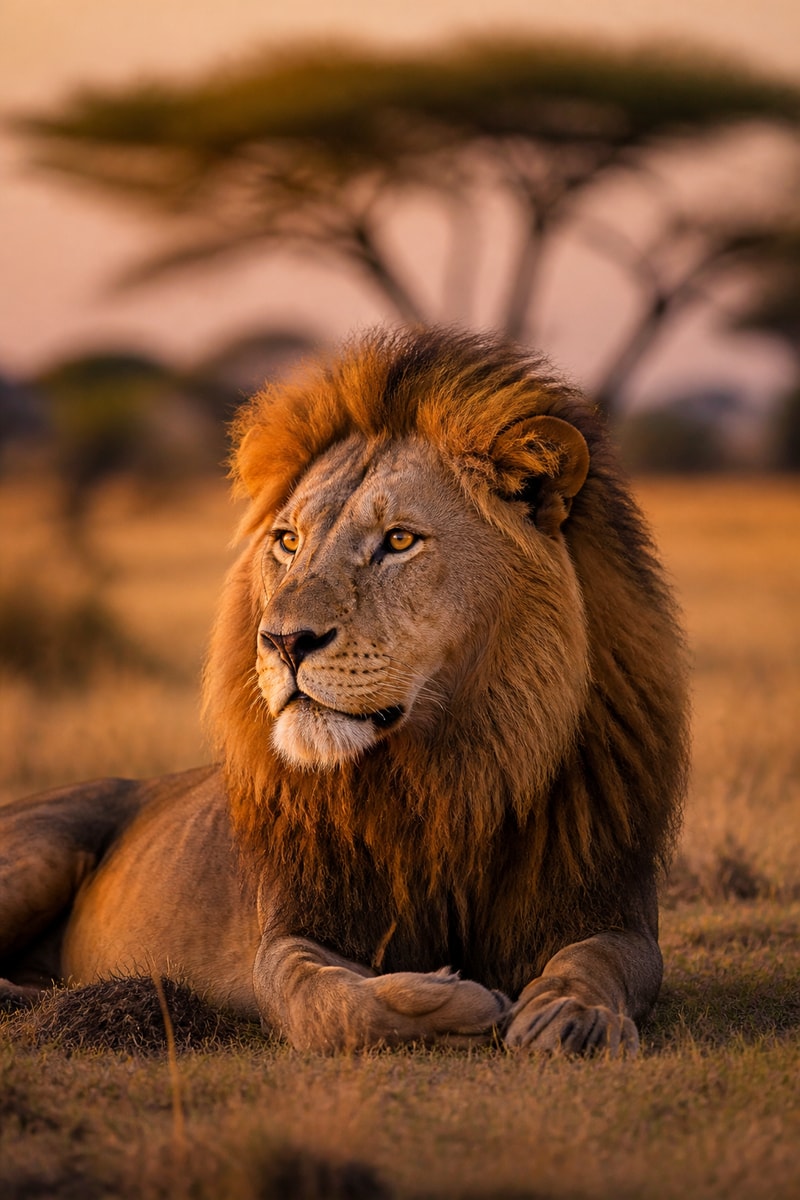
In Kenya, start at Masai Mara National Reserve (Southwest Kenya). Open savanna where lion prides patrol the grassland and the Great Migration crosses the Mara River from July to October.
More context on this destination lives on the Kenya expedition page.
Botswana
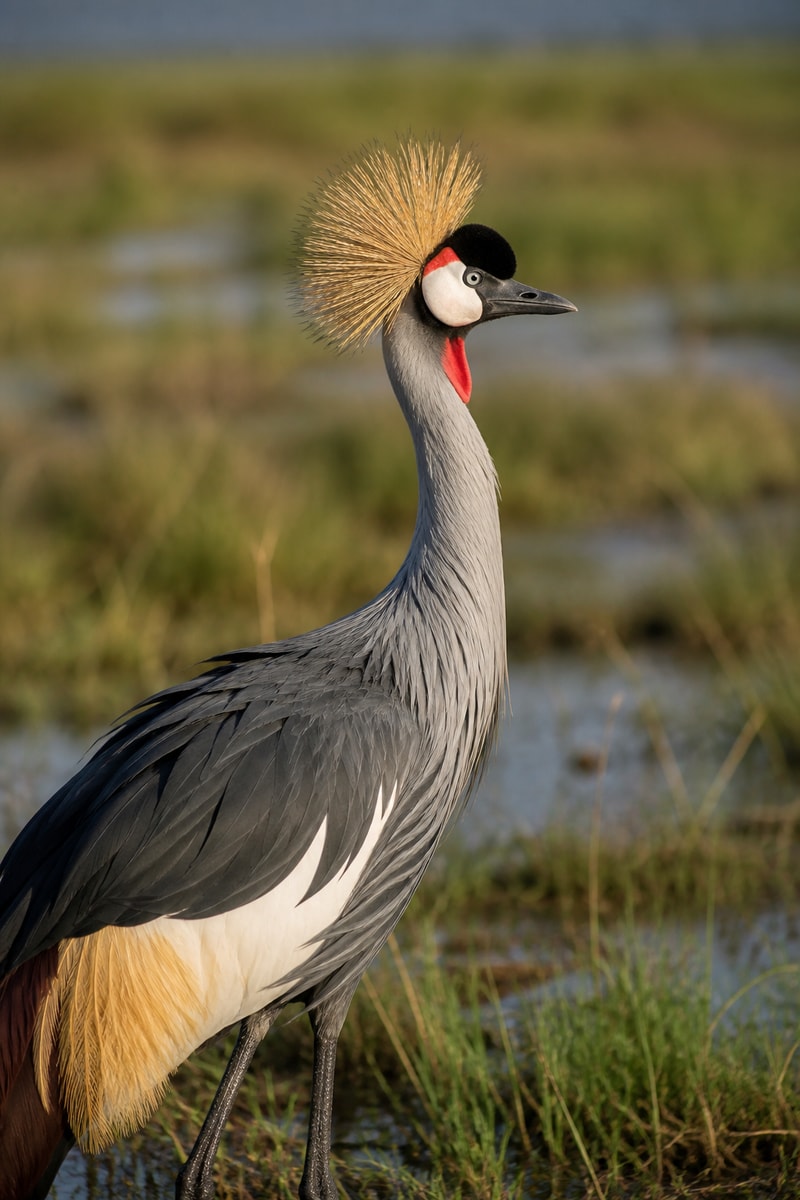
In Botswana, start at Okavango Delta (Northern Botswana). A river that never reaches the sea. Mokoro trips through papyrus channels with elephants, hippos, and painted dogs.
More context on this destination lives on the Botswana expedition page.
Diet
Browse leaves, shoots, pods, and fruits; take herbs when available.
Feed mainly at dawn and dusk, resting in cover through heat of day.
Behaviour
Small female groups; adult males often solitary or in bachelor parties.
Rely on camouflage and hearing; alarm bark when flushed.
How to identify
Tall grey-brown antelope with white vertical stripes and a white chevron between the eyes.
Males: massive spiral horns and a throat fringe; females hornless and lighter.
Interesting facts
- 01
Male horns can exceed 1.2 m along the spiral.
- 02
Six to ten vertical white stripes mark the flanks.
- 03
Huge ears pick up soft sounds in thick bush.
- 04
Primarily browsers of leaves, shoots, and pods.
- 05
Males are much larger and darker than females.
- 06
Often freeze in cover before bounding away.
Conservation status
Greater kudus are Least Concern. Healthy populations persist in many reserves, though habitat loss and hunting reduce numbers outside protected woodlands.
Sources: IUCN Red List


Keep exploring
Where it lives
Free on iOS
Catch the Greater Kudu
Spot one in the wild, then scan it in Catch'Um to log your rare discovery.