
Field guide · common
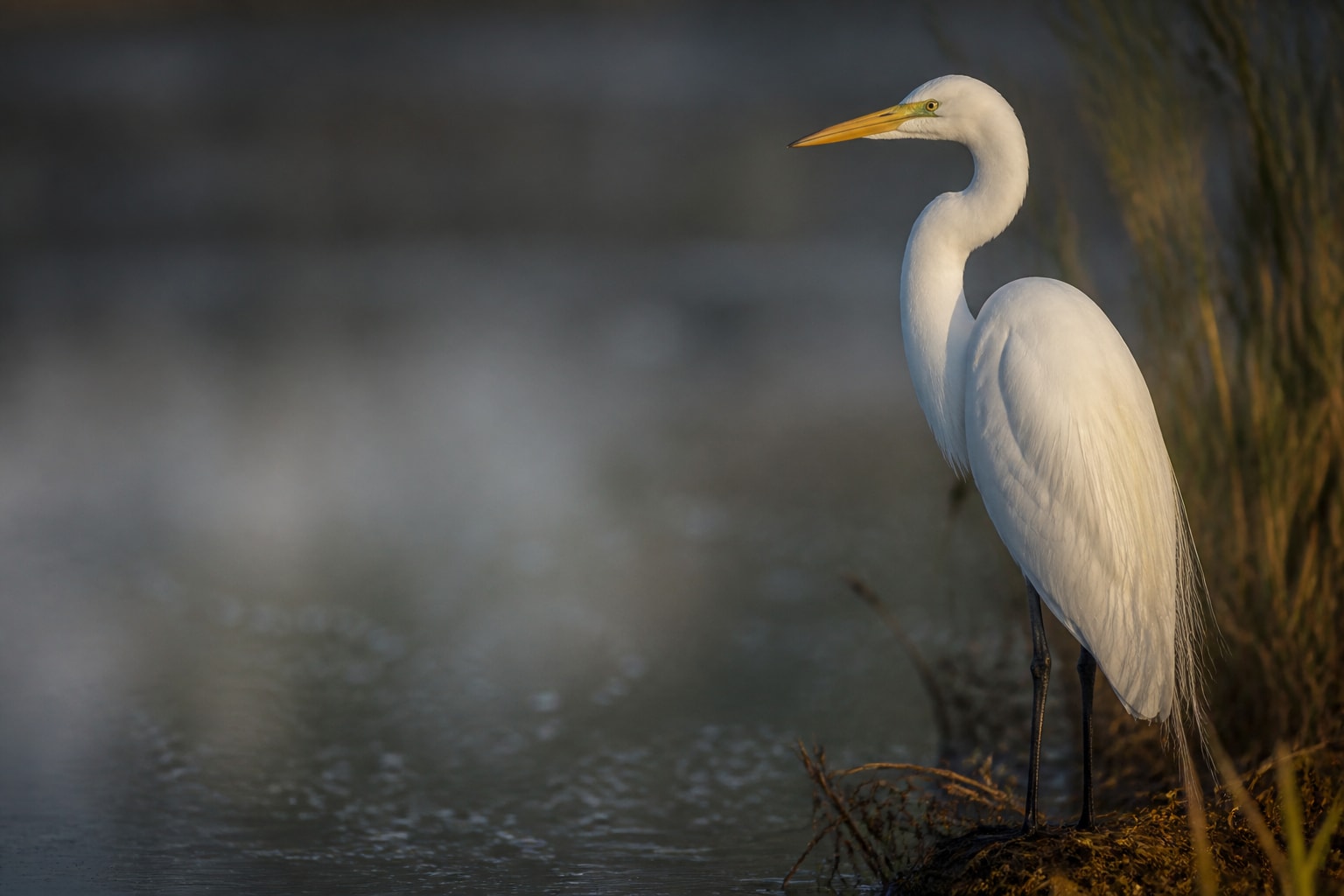
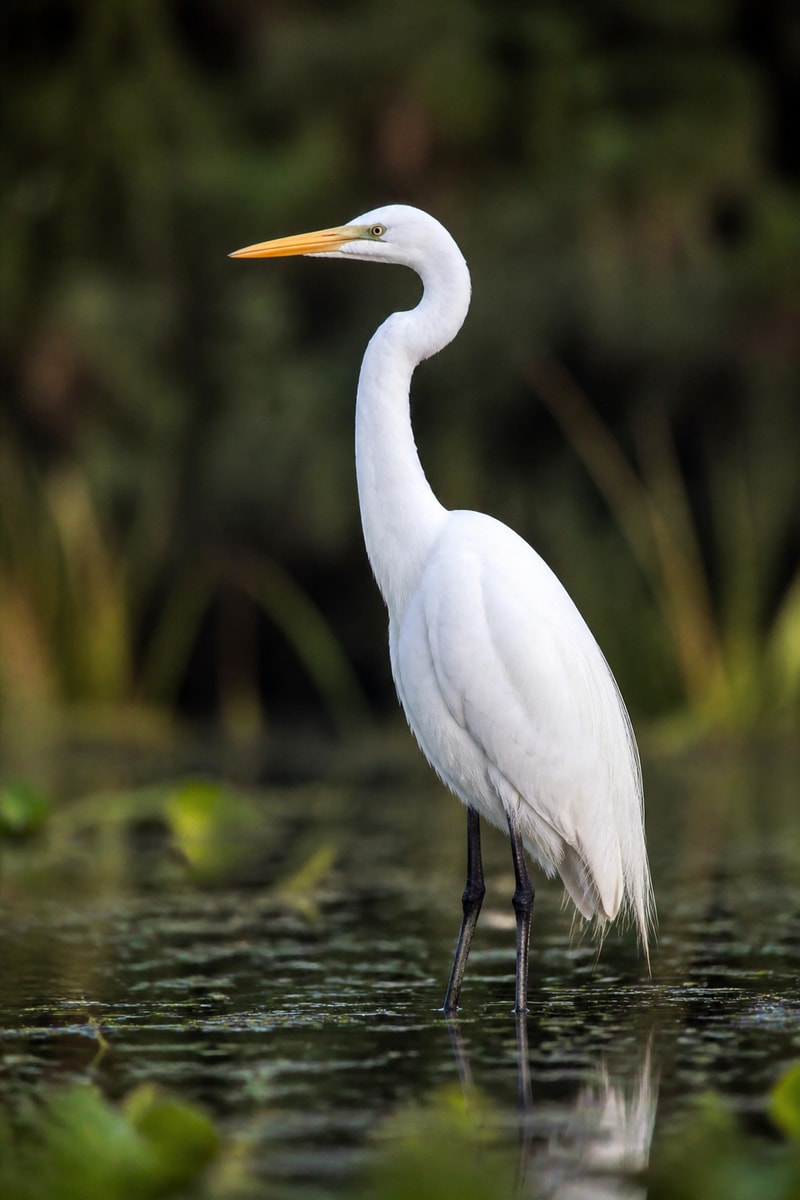
Great Egret
Tall white heron of still waters — golden bill, black legs, slow precision strike.
Least Concern
Ardea alba
Overview
Great egrets are tall all-white herons with long S-curved necks, yellow bills, and black legs. They stand statue-still in marshes and shallows before spearing fish, and breeding adults grow delicate plumes that once fuelled the plume-hunting trade.
For US collectors, the great egret is a wetland white-card staple — golden bill against marsh green, slow stalk, and a common heron of coasts and inland waters.
- Scientific nameArdea alba
- LengthWingspan 1.3–1.7 m
- Height0.9–1.0 m
- Weight0.7–1.5 kg
- LifespanAround 15–20 years in the wild
- DietFish
- ConservationLeast Concern
- RegionUS Wetlands & Shorelines
Where to see them
Habitat
- Freshwater marsh
- Estuary mudflat
- Lake shoreline
- Flooded field
Marshes, lakes, rivers, estuaries, and flooded fields across the United States wherever shallow water holds fish, frogs, and aquatic invertebrates.
Field notes
Field scale for the Great Egret: length around Wingspan 1.3-1.7 m; height 0.9-1.0 m; weight 0.7-1.5 kg. Typical lifespan: Around 15-20 years in the wild.
When you are scanning habitat, prioritise freshwater marsh, estuary mudflat, lake shoreline, and flooded field. Those settings are where a clean look and a usable photo are most likely.
Quick ID anchor: Tall all-white heron with a long yellow bill and entirely black legs. Confirm with behaviour and habitat before you log the discovery.
Diet
Fish, frogs, aquatic insects, crayfish, and small reptiles or mammals.
Stand-and-wait or slow-stalk hunters in shallow water.
Behaviour
Often solitary while feeding; gather in mixed heron colonies to nest.
Stretch the neck and freeze before a lightning bill strike.
How to identify
Tall all-white heron with a long yellow bill and entirely black legs.
Slow wingbeats in flight with the neck tucked in a classic heron S.
Interesting facts
- 01
All-white plumage with a yellow bill and black legs and feet.
- 02
Breeds in colonies; adults grow elegant nuptial plumes.
- 03
Hunts by standing still then striking fish with a spear-like bill.
- 04
Symbol of the National Audubon Society after plume-trade recovery.
- 05
Larger and longer-necked than snowy egrets.
- 06
Found on every continent except Antarctica.
Conservation status
Great egrets are Least Concern after recovering from nineteenth-century plume hunting. Wetland conservation continues to support nesting colonies and foraging habitat.
Sources: IUCN Red List
Related discoveries



Keep exploring
Related discoveries
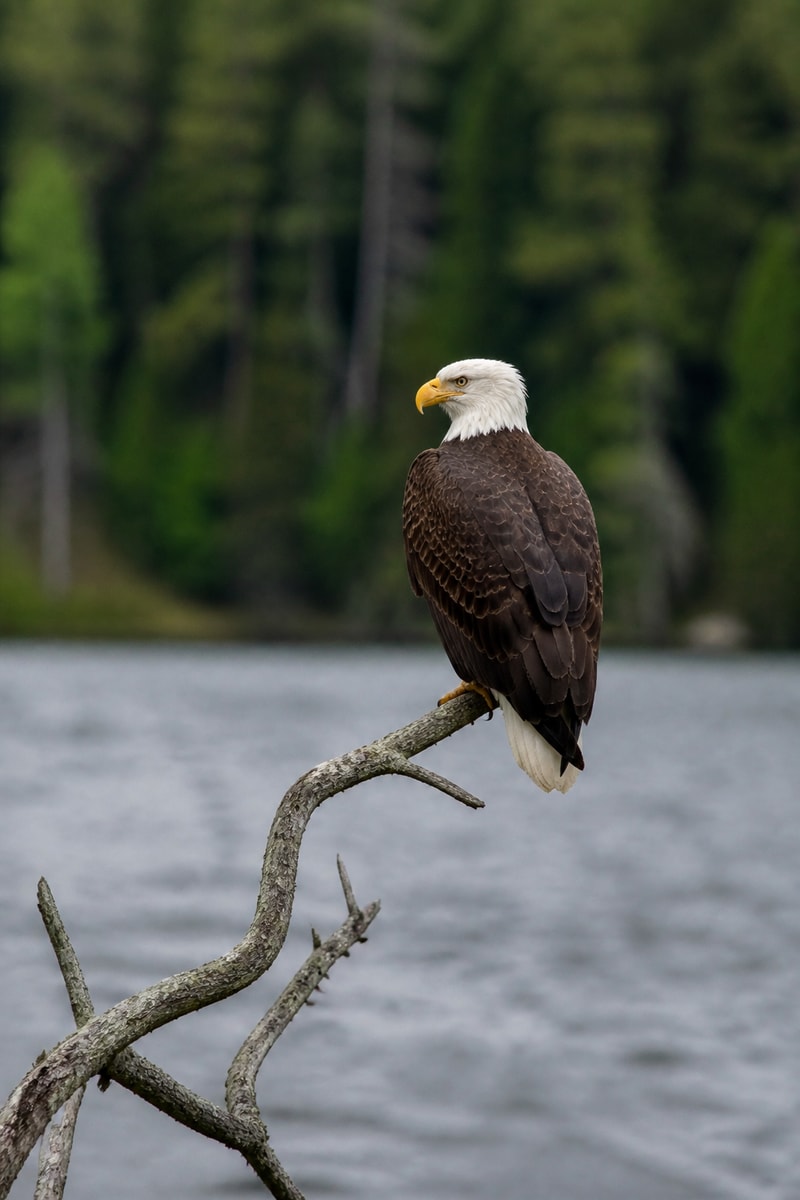
- Bald Eaglelegendary • Lakes & Coasts
- Grizzly Bearlegendary • Mountains & Rivers
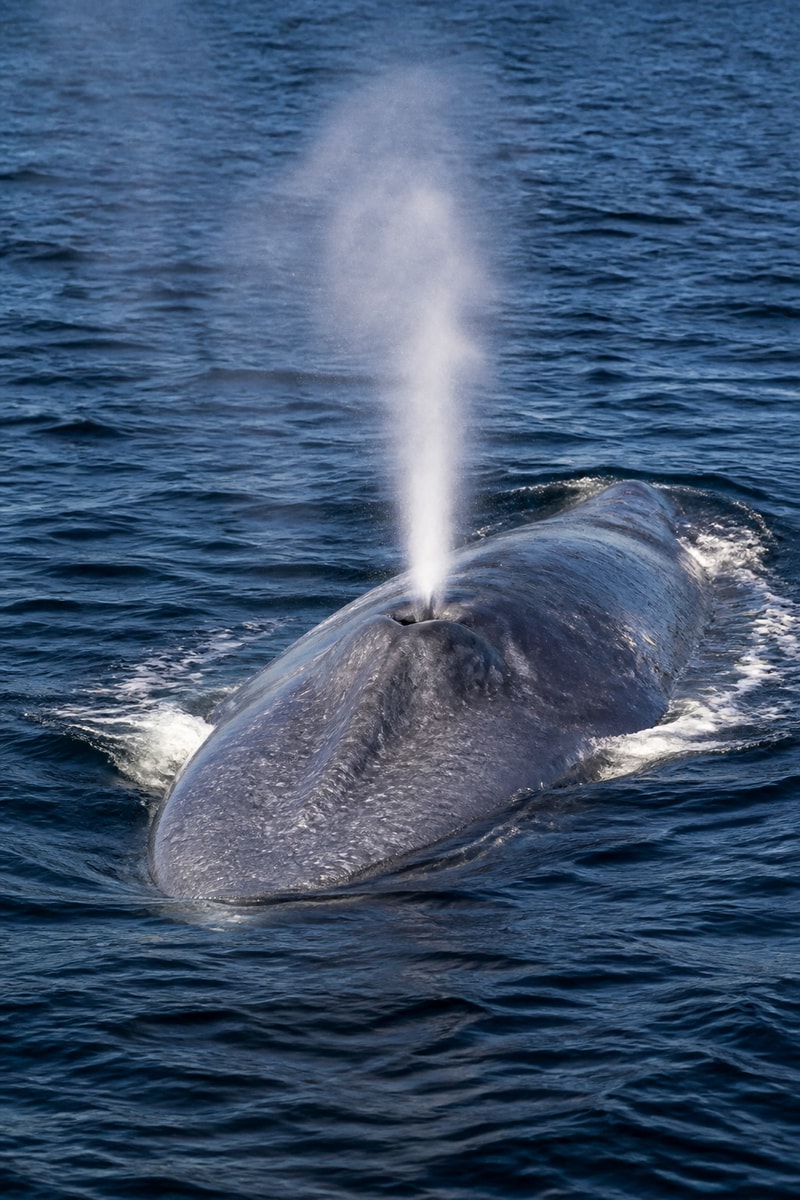
- Blue Whalelegendary • Open Ocean
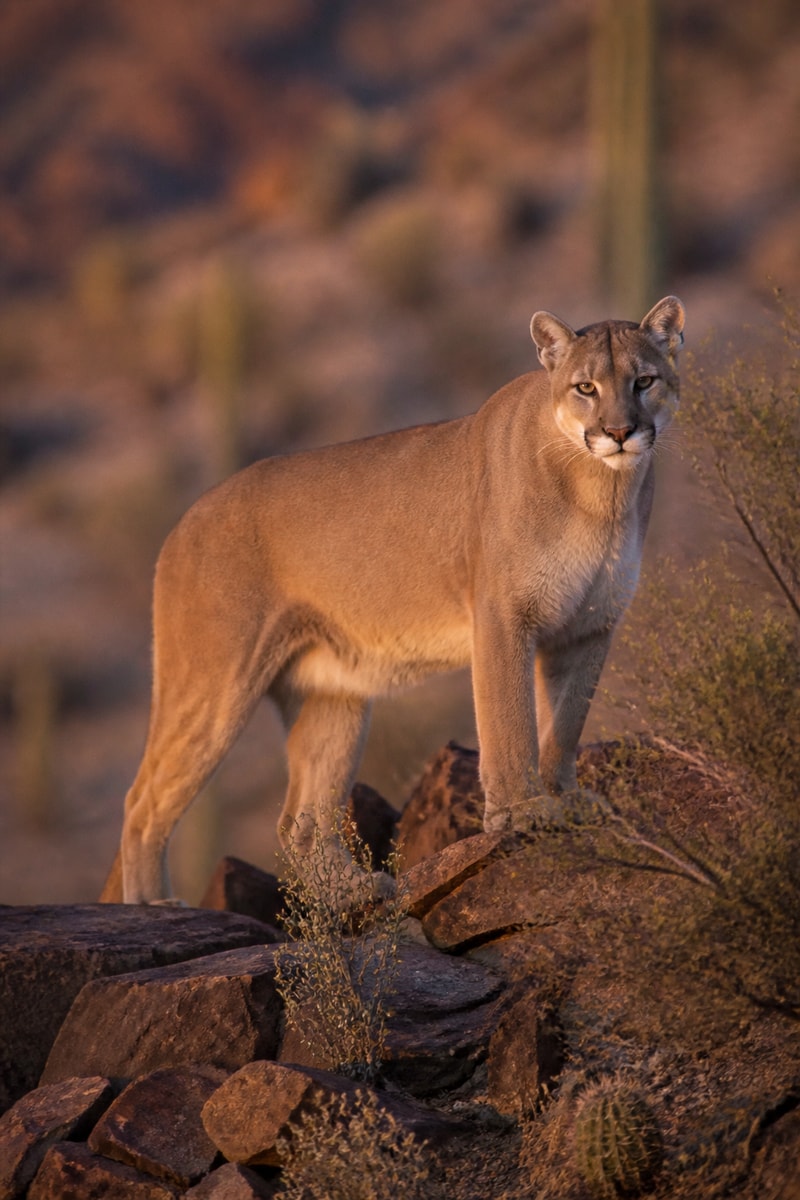
- Mountain Lionlegendary • Mountains & Desert
- Great White Sharklegendary • Coastal Ocean
- Orcalegendary • Coastal Ocean
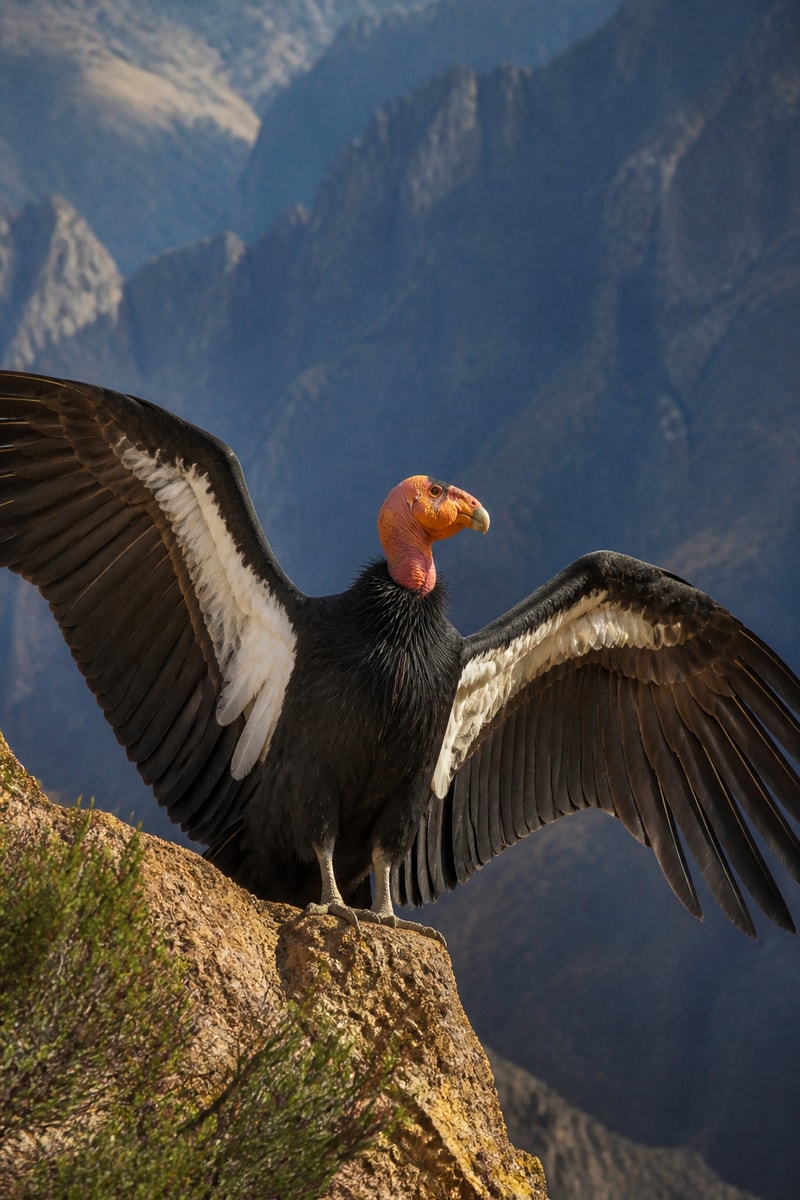
- California Condorlegendary • Canyons & Cliffs
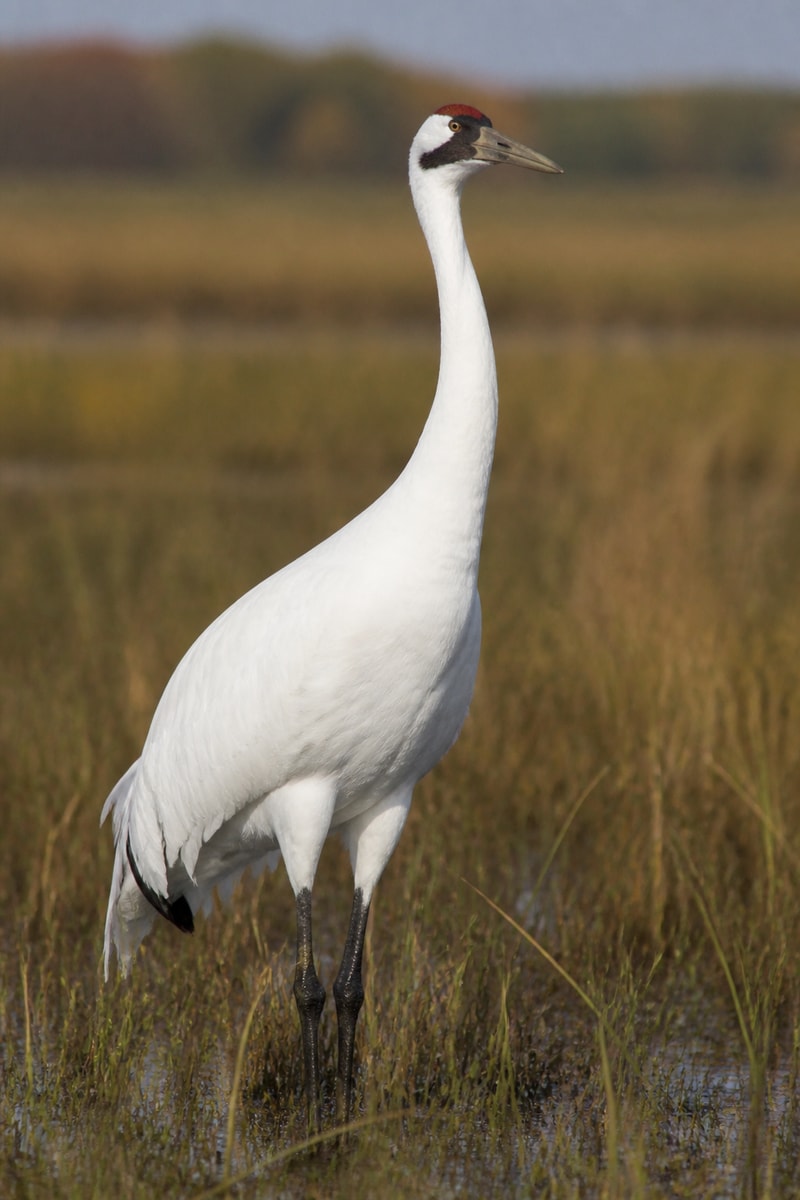
- Whooping Cranelegendary • North American Wetlands
Free on iOS
Catch the Great Egret
Spot one in the wild, then scan it in Catch'Um to log your common discovery.