
Field guide · common
Great Blue Heron
Tall slate hunter of the shallows — coiled neck, dagger bill, patient strike.
Least Concern
Ardea herodias
Overview
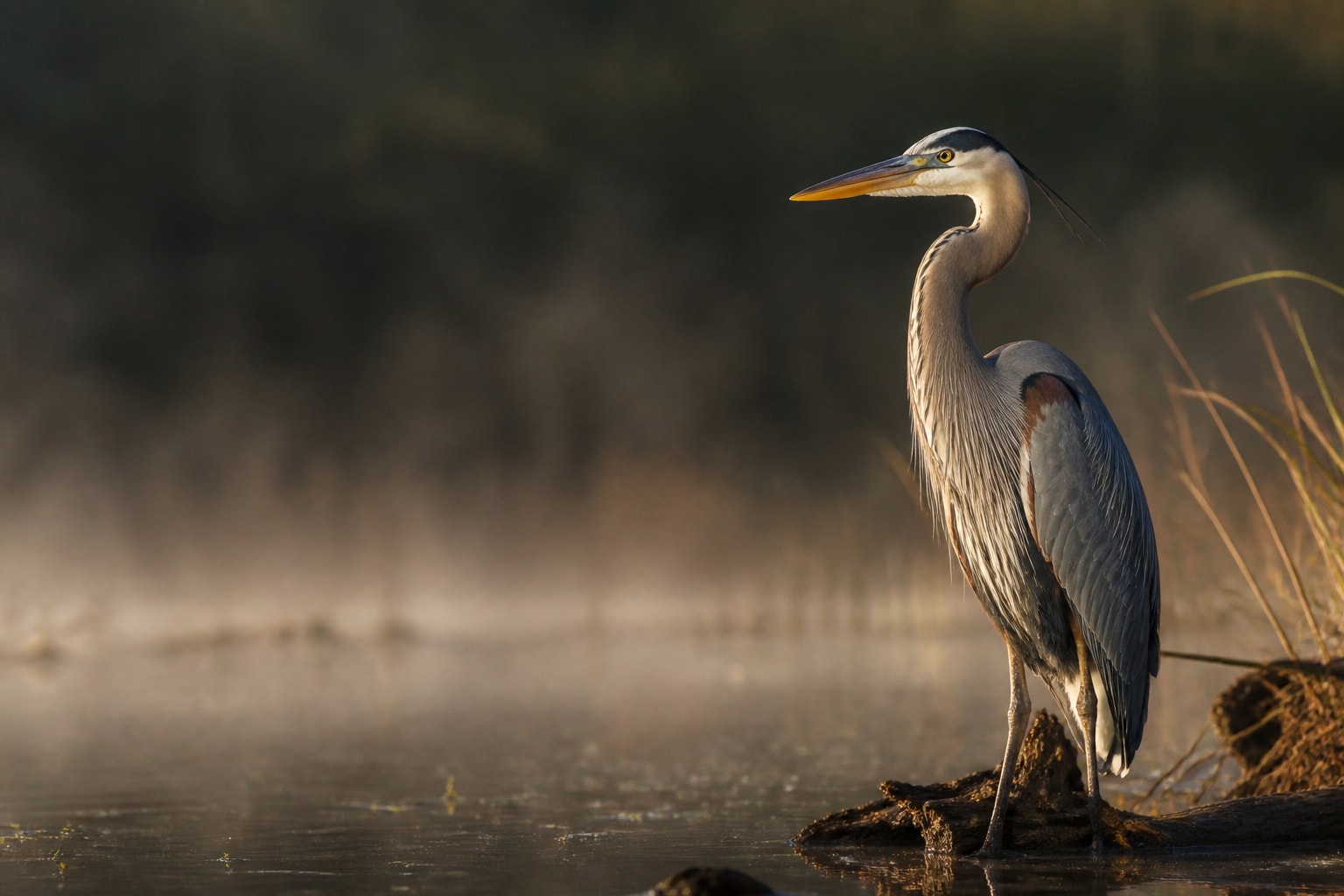
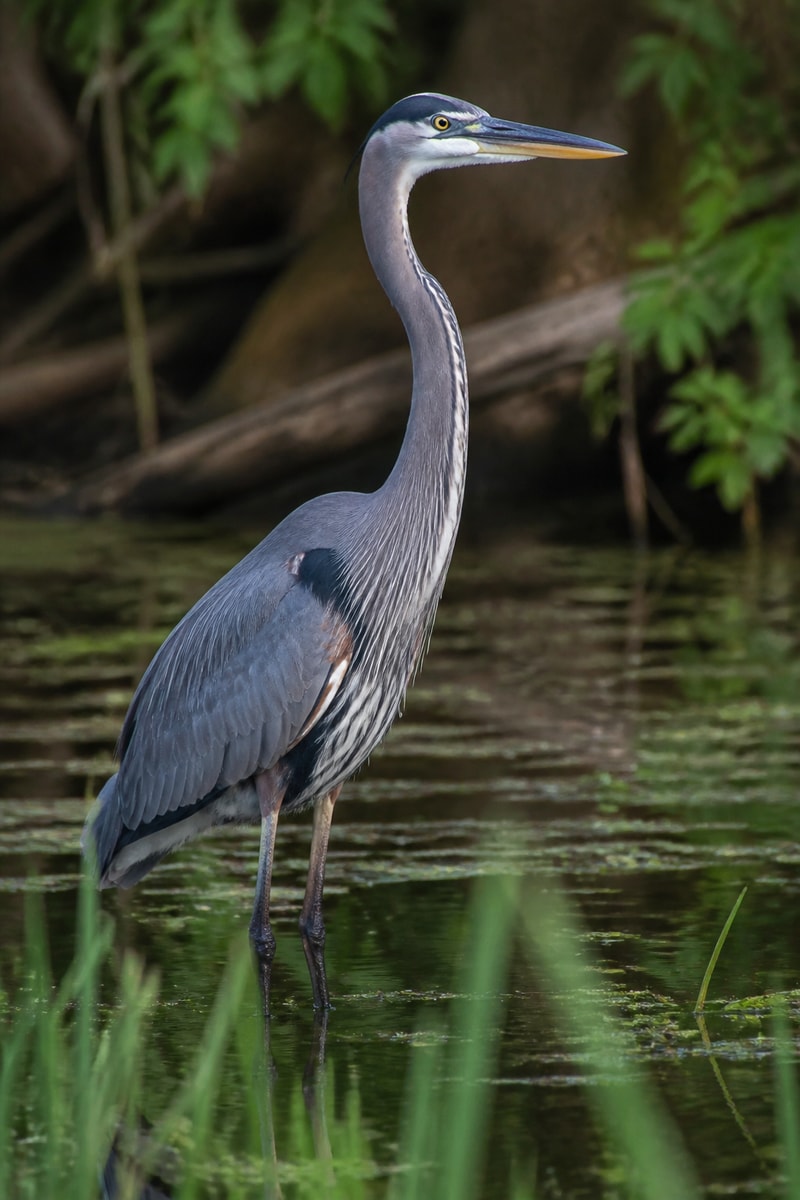
Great blue herons are North America’s largest herons, stalking wetlands and shorelines with slow steps before striking fish with a spear-like bill. Blue-grey plumage, a white crown stripe, and long black plumes make them unmistakable at marsh edges.
For US collectors, the great blue heron is a common wetland icon — dock pilings, tidal flats, and one of the easiest large waders to score nationwide.
- Scientific nameArdea herodias
- Length91–137 cm
- HeightAbout 1.0–1.4 m
- Weight2.1–3.6 kg
- LifespanAround 15 years in the wild
- DietFish are the staple
- ConservationLeast Concern
- RegionUS Wetlands & Shorelines
Where to see them
Habitat
- Freshwater marsh
- River shallows
- Tidal flat
- Lake edge
Freshwater and saltwater marshes, rivers, lakes, and coasts across North America, nesting in colonies in tall trees near water.
Field notes
Field scale for the Great Blue Heron: length around 91-137 cm; height About 1.0-1.4 m; weight 2.1-3.6 kg. Typical lifespan: Around 15 years in the wild.
When you are scanning habitat, prioritise freshwater marsh, river shallows, tidal flat, and lake edge. Those settings are where a clean look and a usable photo are most likely.
Quick ID anchor: Very tall blue-grey heron with long legs, dagger bill, and black stripe above the eye. Confirm with behaviour and habitat before you log the discovery.
Diet
Fish are the staple, plus frogs, aquatic insects, small mammals, and occasionally birds.
Stand or slowly wade, then spear prey with a sudden bill thrust.
Behaviour
Solitary hunters but colonial nesters in treetop heronries.
Fly with necks tucked in an S-curve and slow, deep wingbeats.
How to identify
Very tall blue-grey heron with long legs, dagger bill, and black stripe above the eye.
White foreneck with black streaking; black shoulder patch in adults.
Interesting facts
- 01
North America’s largest common heron, standing over a metre tall.
- 02
Strike fish with a rapid neck thrust and dagger bill.
- 03
Blue-grey body with a white face and black eyebrow plumes.
- 04
Nest in noisy colonies called heronries in tall trees.
- 05
Also take frogs, rodents, and other wetland prey.
- 06
Often freeze motionless before a lightning strike.
Conservation status
Great blue herons are Least Concern and widespread. Wetland protection and undisturbed nesting colonies remain important for local breeding success.
Sources: IUCN Red List
Related discoveries



Keep exploring
Related discoveries
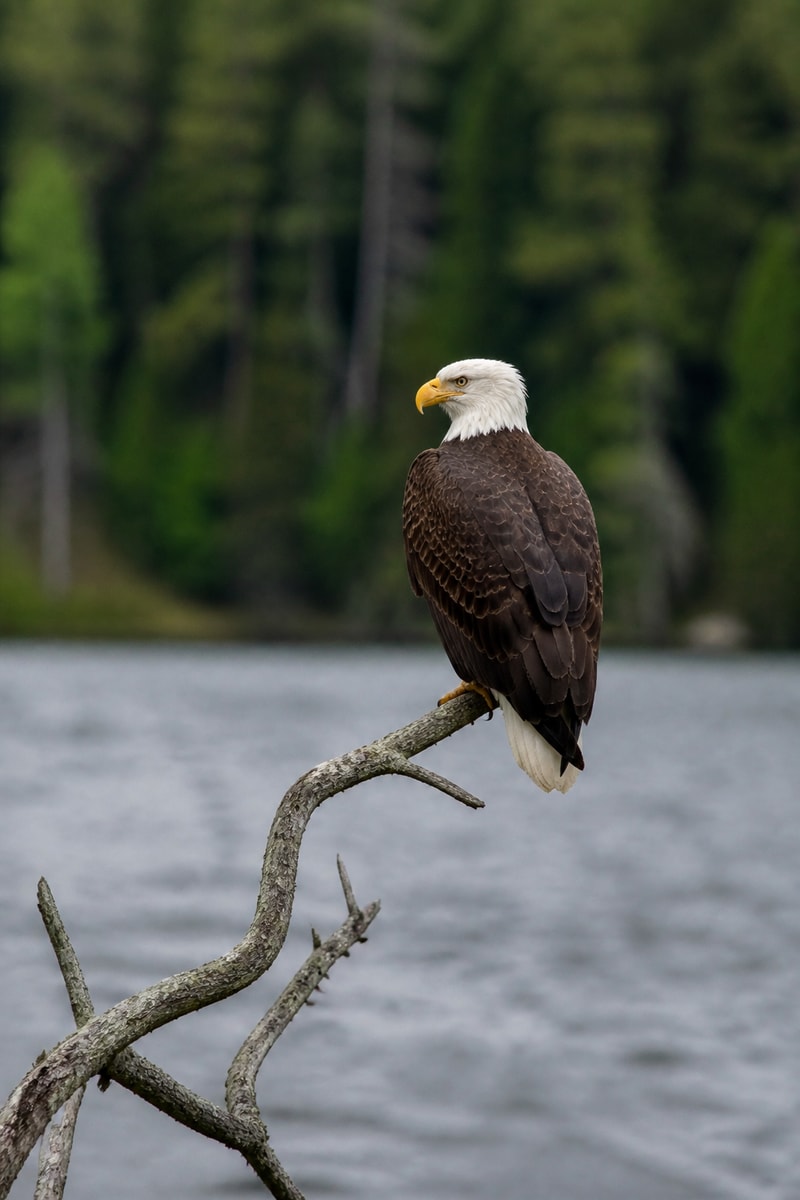
- Bald Eaglelegendary • Lakes & Coasts
- Grizzly Bearlegendary • Mountains & Rivers
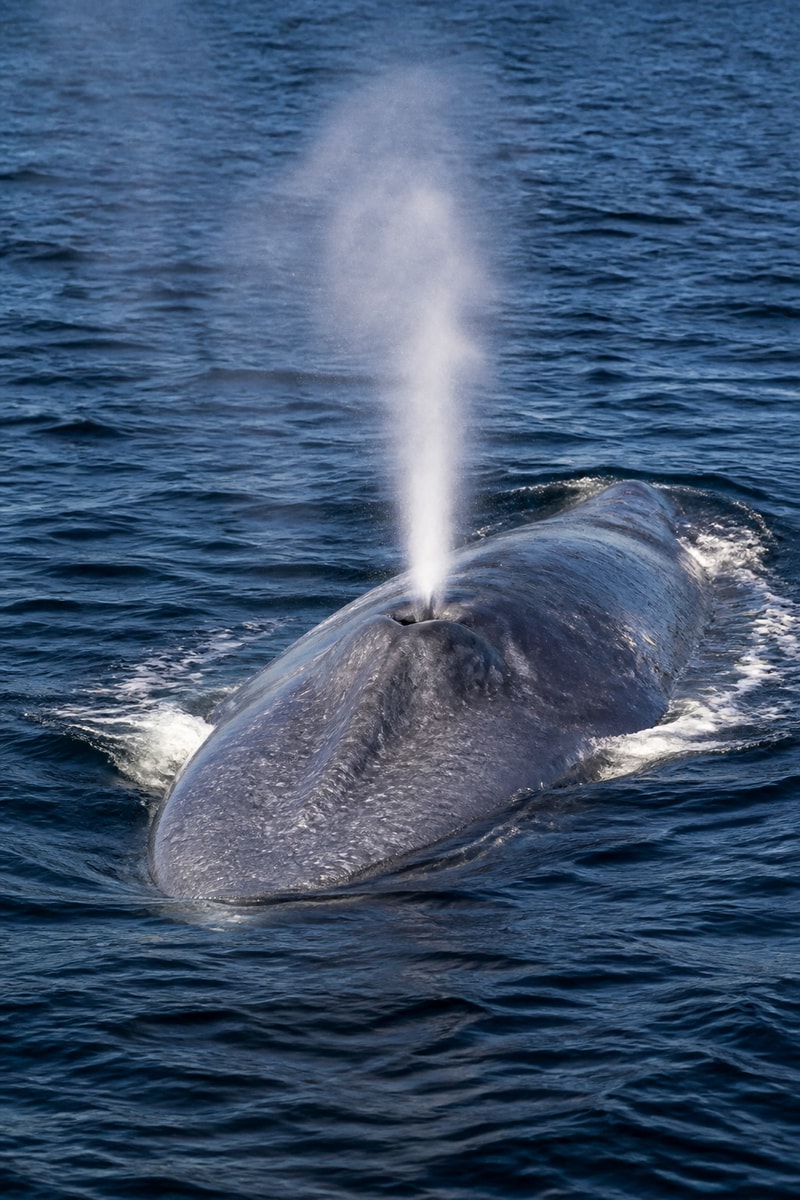
- Blue Whalelegendary • Open Ocean
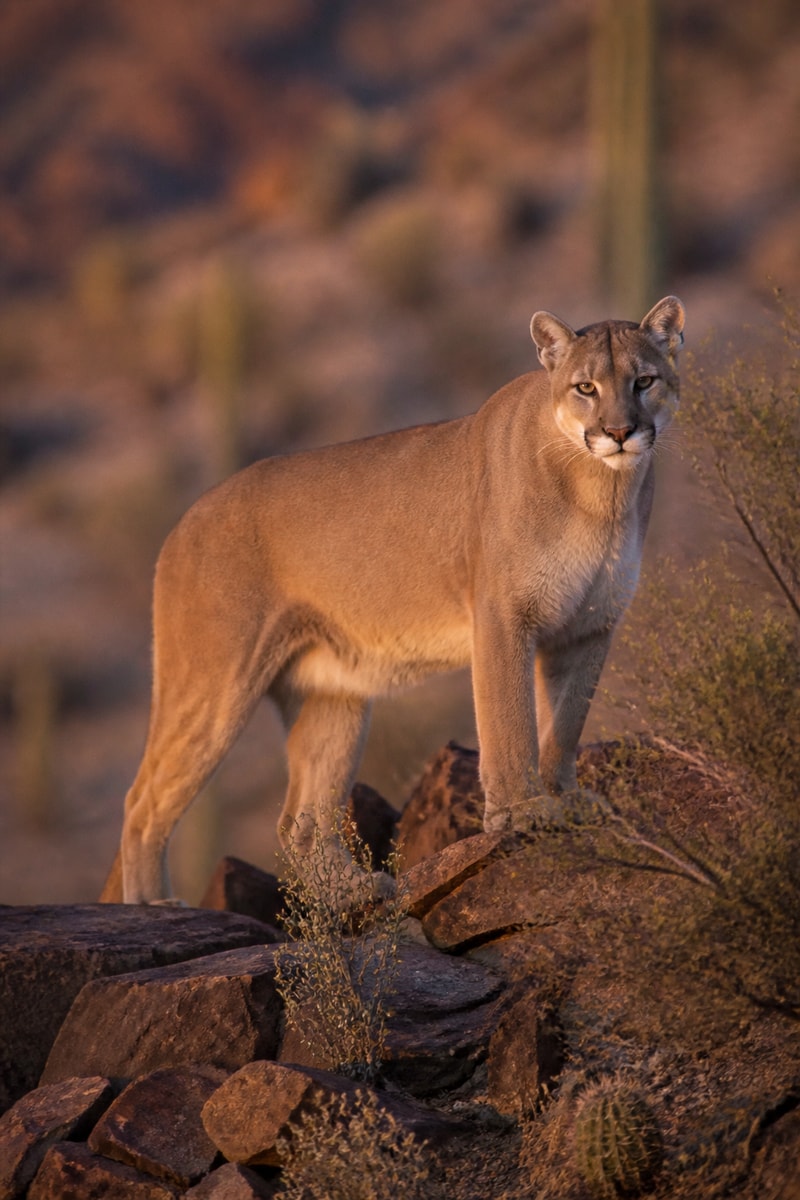
- Mountain Lionlegendary • Mountains & Desert
- Great White Sharklegendary • Coastal Ocean
- Orcalegendary • Coastal Ocean
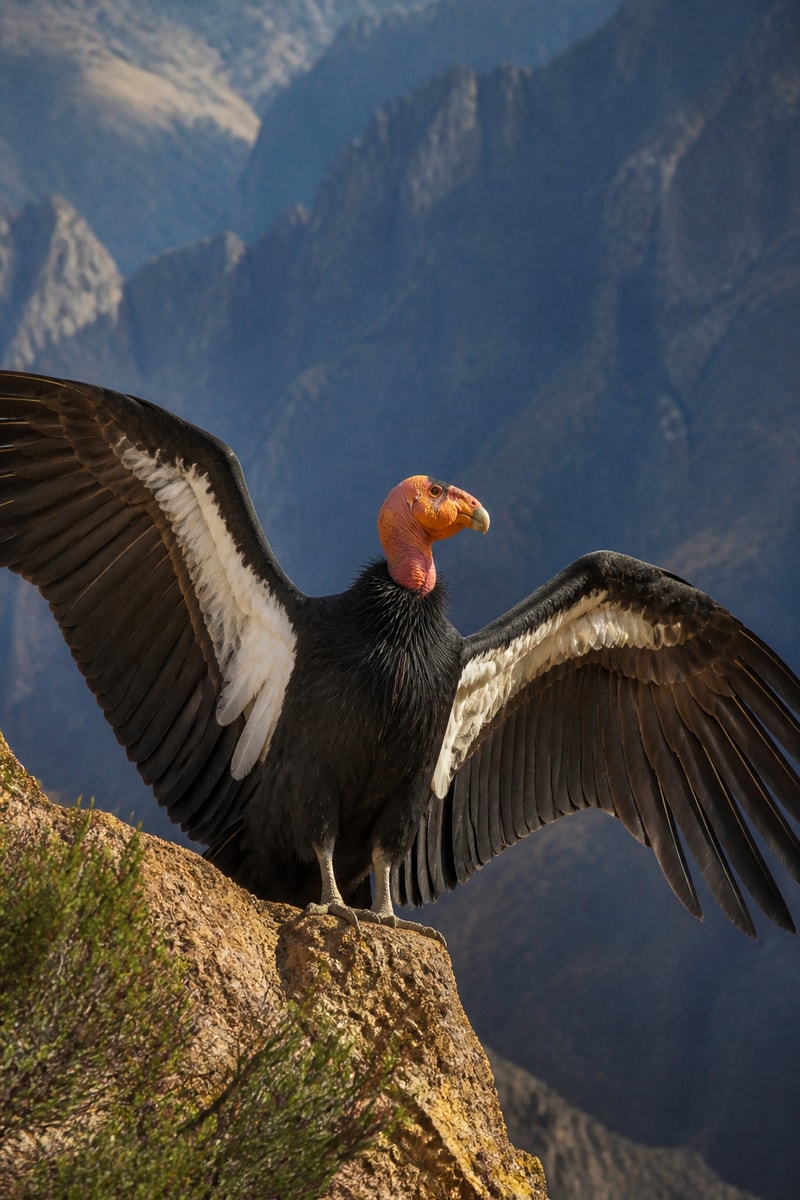
- California Condorlegendary • Canyons & Cliffs
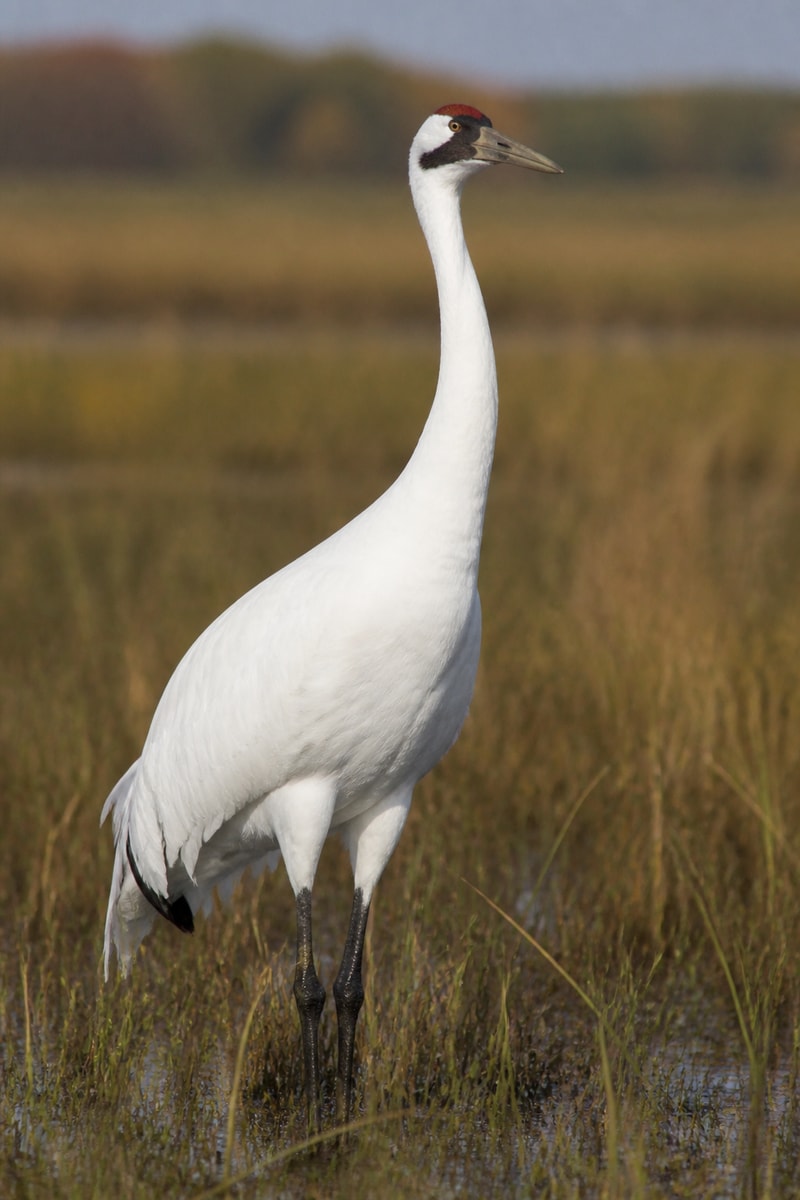
- Whooping Cranelegendary • North American Wetlands
Free on iOS
Catch the Great Blue Heron
Spot one in the wild, then scan it in Catch'Um to log your common discovery.