
Field guide · common
Gray Fox
Tree-climbing fox with a black-tipped tail — salt-and-pepper coat of eastern woods.
Least Concern
Urocyon cinereoargenteus
Overview
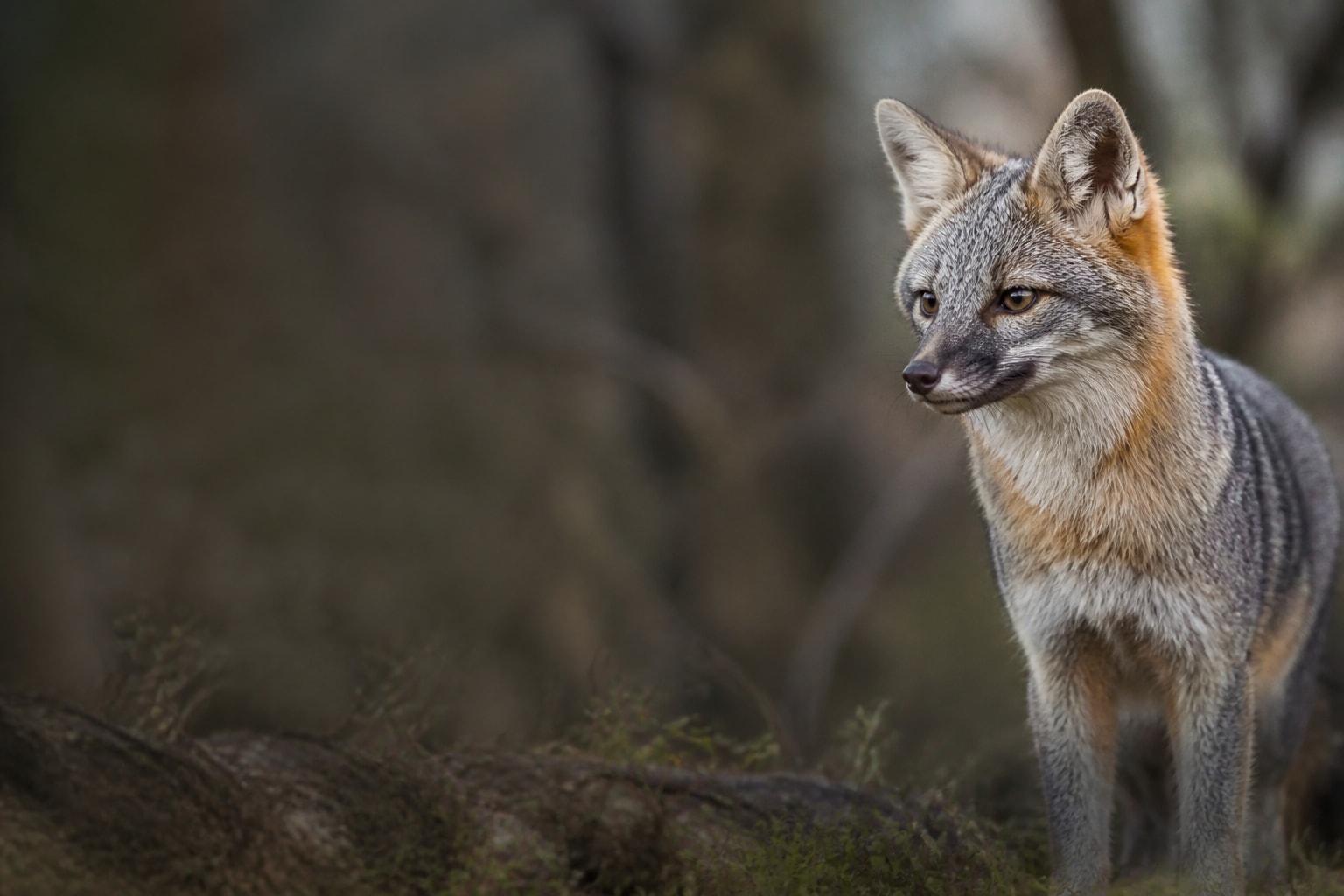
Gray foxes are North American canids uniquely skilled at climbing trees. Their salt-and-pepper coats, black-tipped tails, and preference for dense cover set them apart from the more open-country red fox.
For US collectors, the gray fox is a woodland canid card — tree climber, nocturnal hunter, and a quieter neighbour than the familiar red fox.
- Scientific nameUrocyon cinereoargenteus
- Length75–110 cm including tail
- Weight3.5–7 kg
- LifespanAround 6–10 years in the wild
- DietMice
- ConservationLeast Concern
- RegionUS Woodland Edges
Where to see them
Habitat
- Deciduous forest
- Brushy woodland
- Rocky cover
- Woodland edge
Deciduous forest, brushy woodland, and rocky cover across much of the United States and into Central America, denning in hollow trees, rock piles, or burrows.
Field notes
Field scale for the Gray Fox: length around 75-110 cm including tail; weight 3.5-7 kg. Typical lifespan: Around 6-10 years in the wild.
When you are scanning habitat, prioritise deciduous forest, brushy woodland, rocky cover, and woodland edge. Those settings are where a clean look and a usable photo are most likely.
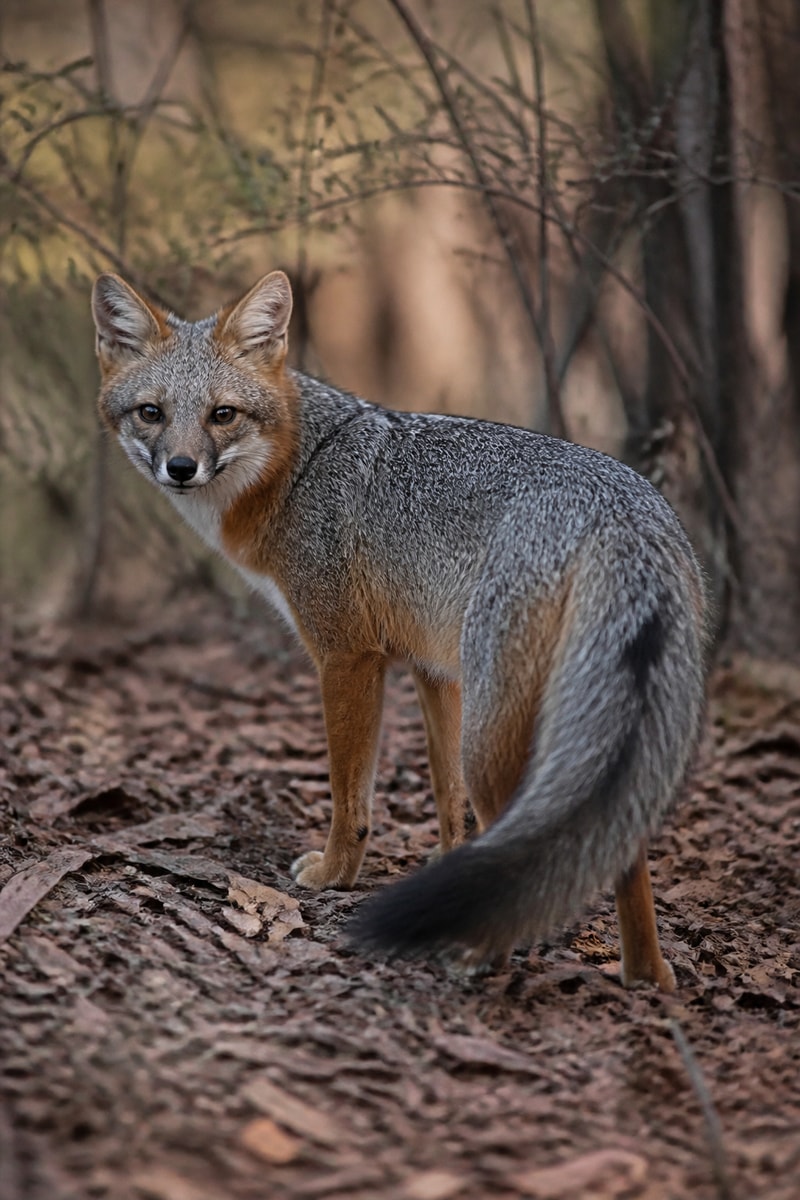
Quick ID anchor: Grizzled grey back, rusty sides, and a black-tipped tail with a dark dorsal stripe. Confirm with behaviour and habitat before you log the discovery.
Diet
Mice, rabbits, birds, insects, and seasonal fruit such as persimmons and berries.
Hunt and forage along woodland edges and brushy corridors.
Behaviour
Climb trees to escape predators, rest, or raid bird nests.
Usually monogamous pairs raise pups in dens through spring.
How to identify
Grizzled grey back, rusty sides, and a black-tipped tail with a dark dorsal stripe.
Shorter legs and more cat-like face than the red fox; no white tail tip.
Interesting facts
- 01
One of the few canids that readily climbs trees.
- 02
Salt-and-pepper grey coat with reddish neck and legs.
- 03
Black stripe runs along the top of the tail to a black tip.
- 04
Omnivorous — small mammals, birds, insects, and fruit.
- 05
More tightly tied to dense cover than red foxes.
- 06
Nocturnal and crepuscular across most of its range.
Conservation status
Gray foxes are Least Concern and still widespread. Habitat fragmentation and competition with coyotes affect some eastern populations.
Sources: IUCN Red List
Related discoveries

Keep exploring
Related discoveries
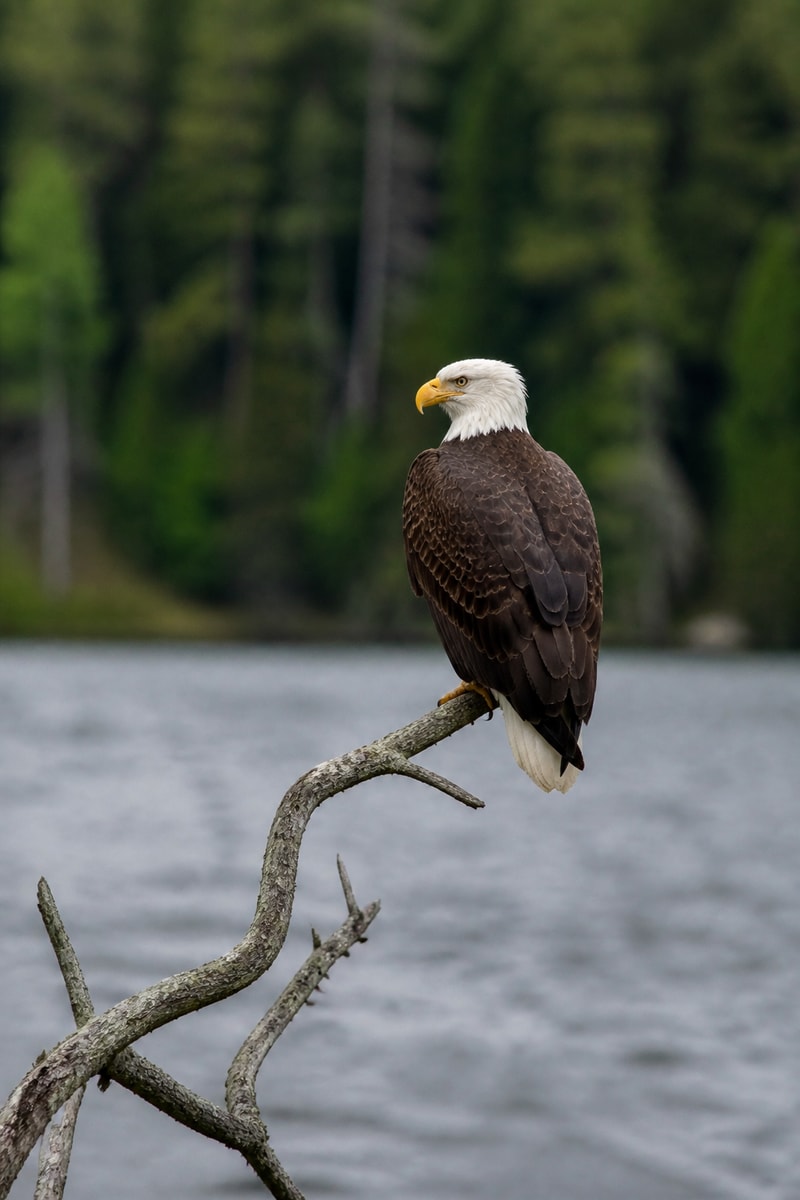
- Bald Eaglelegendary • Lakes & Coasts
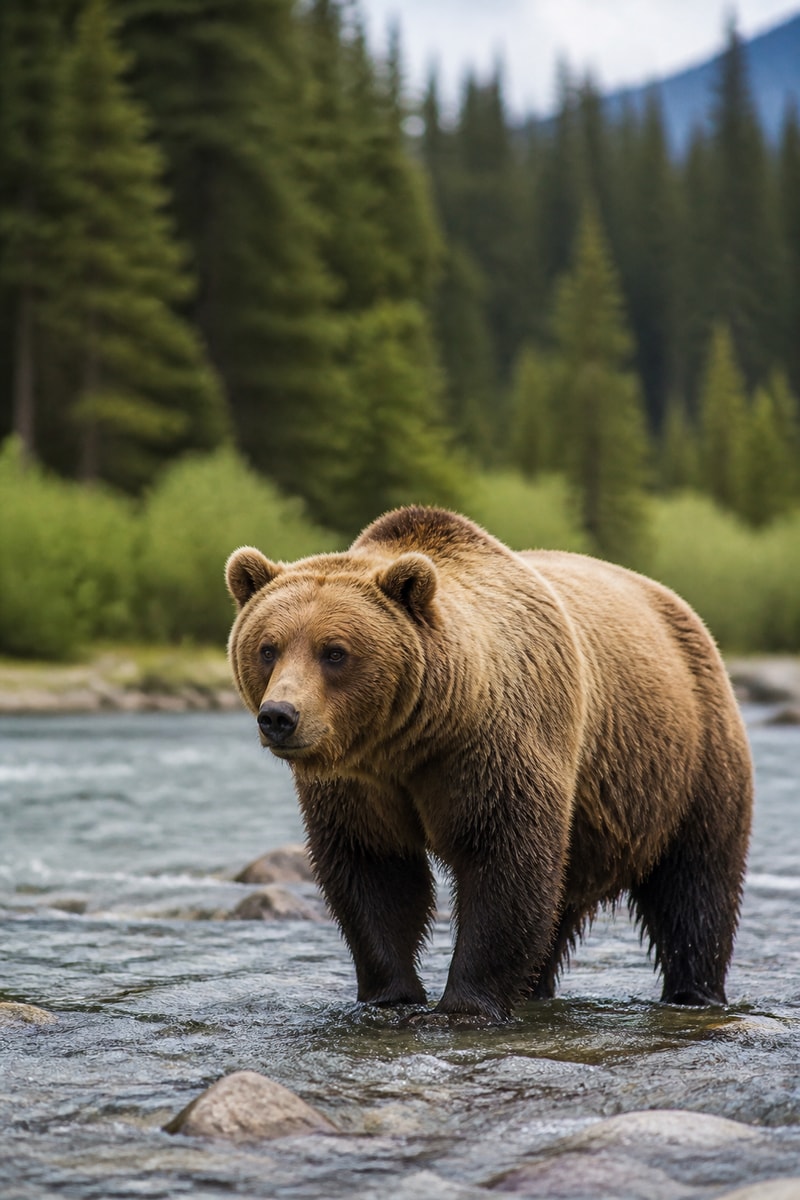
- Grizzly Bearlegendary • Mountains & Rivers
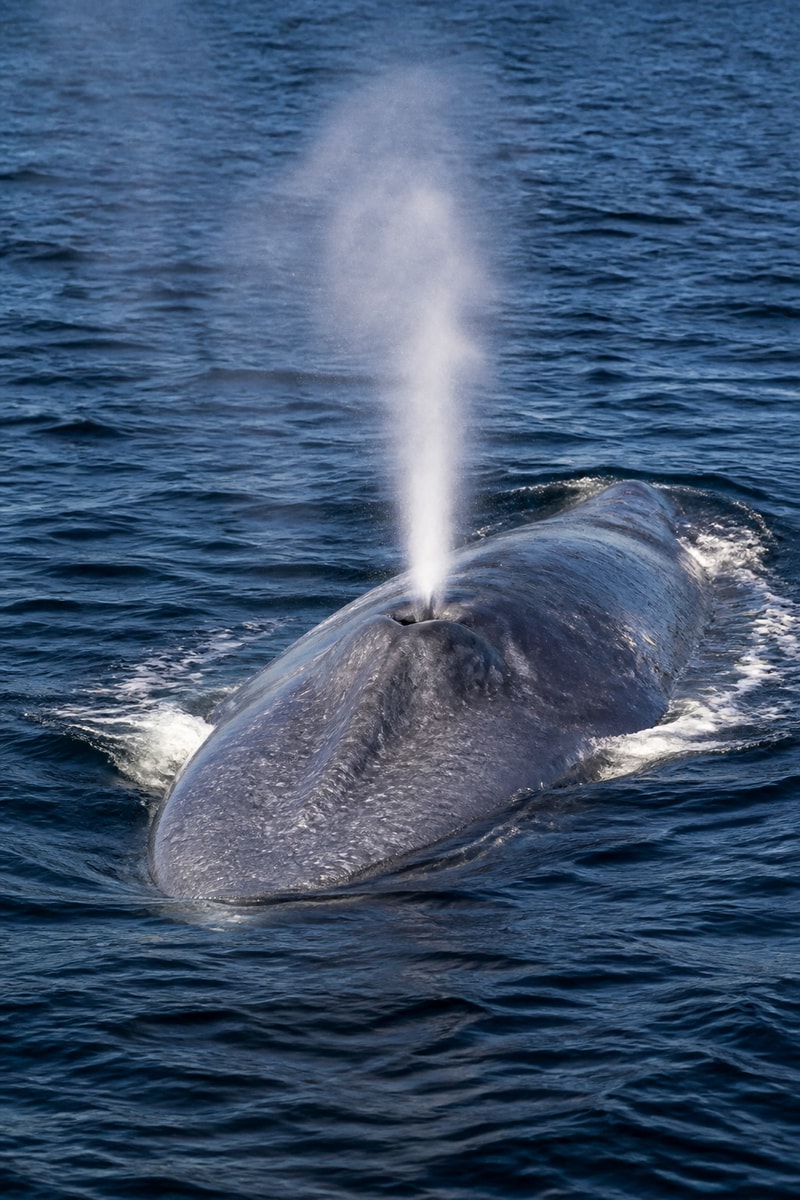
- Blue Whalelegendary • Open Ocean
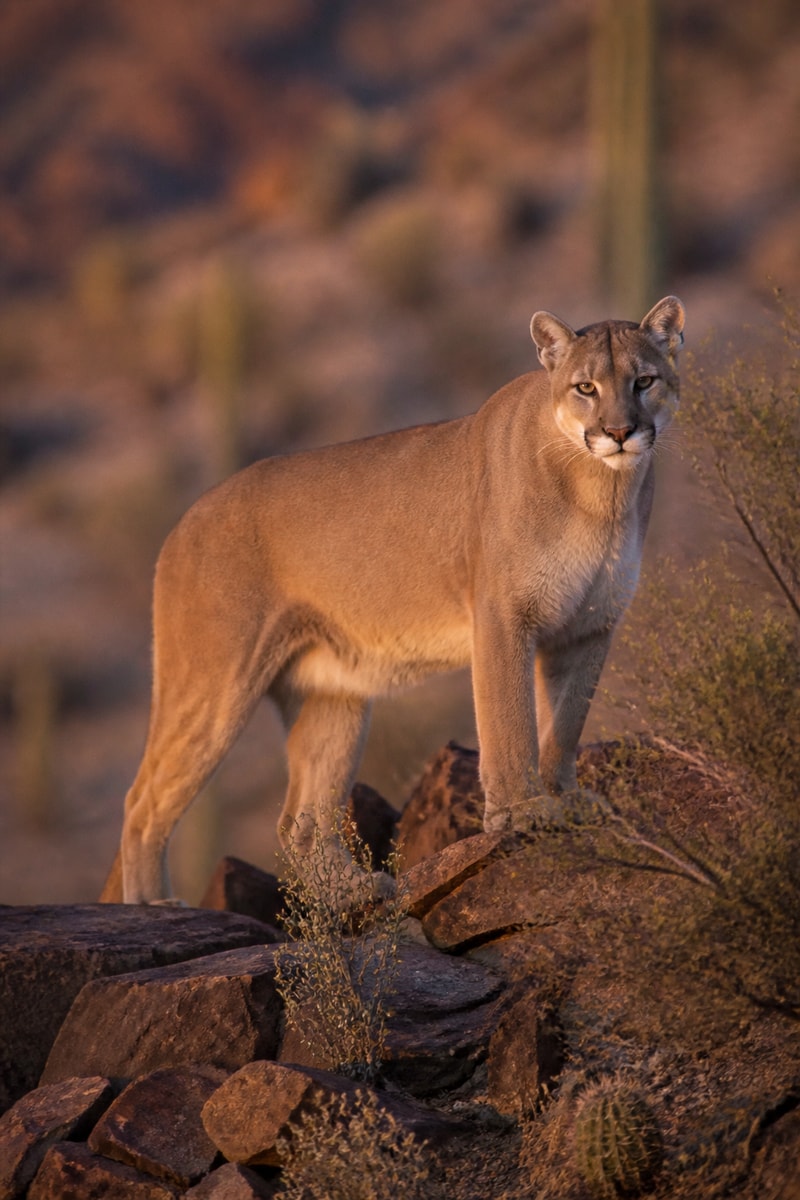
- Mountain Lionlegendary • Mountains & Desert
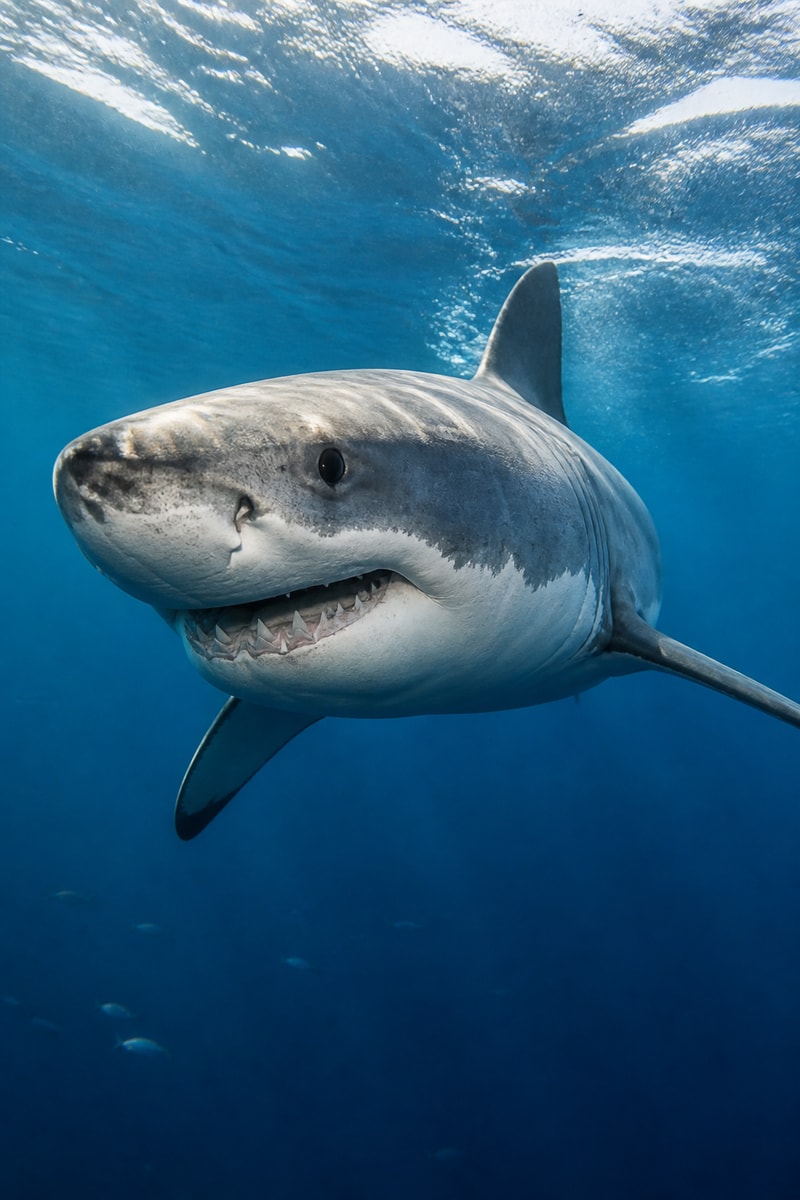
- Great White Sharklegendary • Coastal Ocean
- Orcalegendary • Coastal Ocean
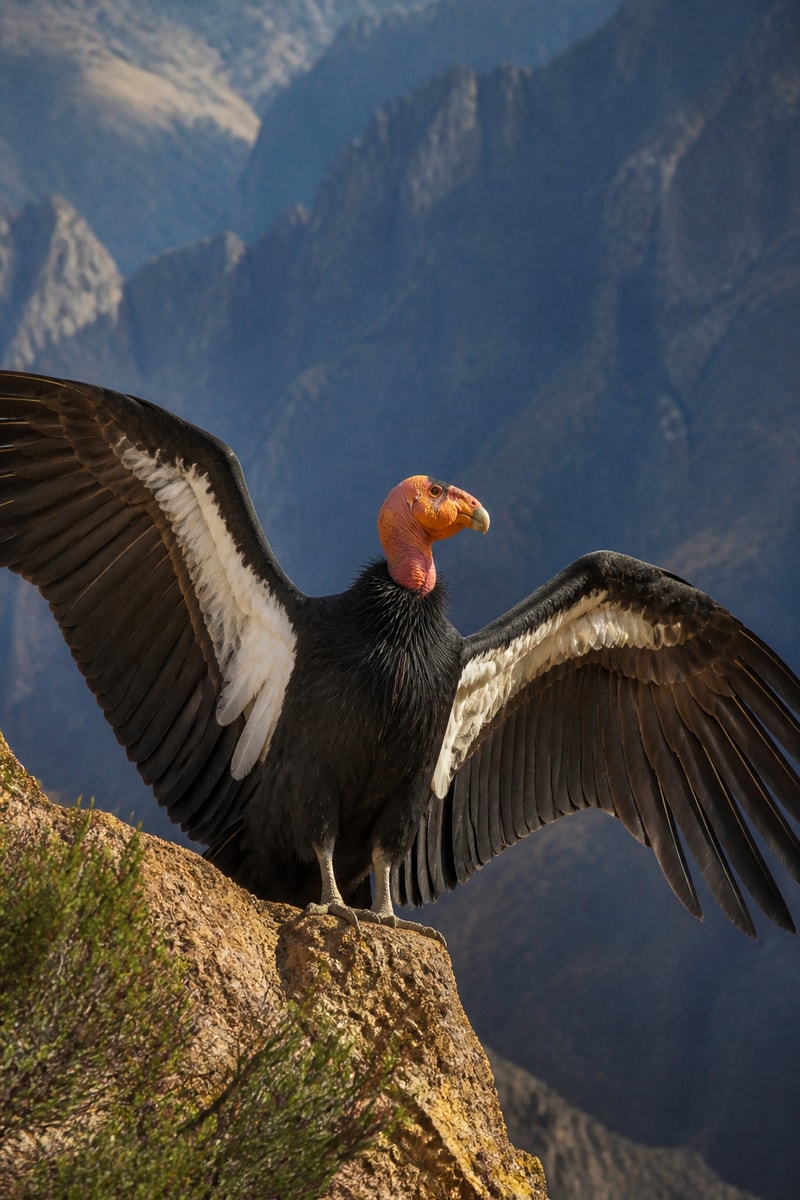
- California Condorlegendary • Canyons & Cliffs
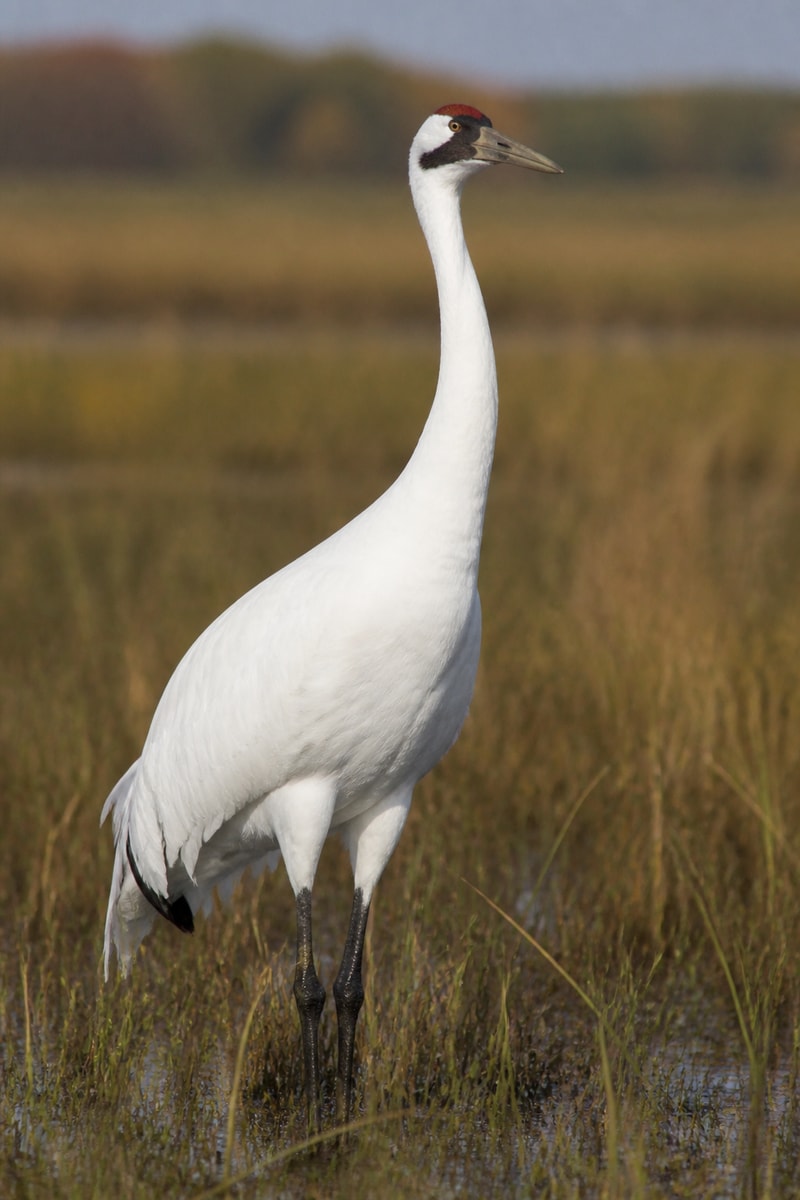
- Whooping Cranelegendary • North American Wetlands
Free on iOS
Catch the Gray Fox
Spot one in the wild, then scan it in Catch'Um to log your common discovery.