
Field guide · common
Golden Eagle
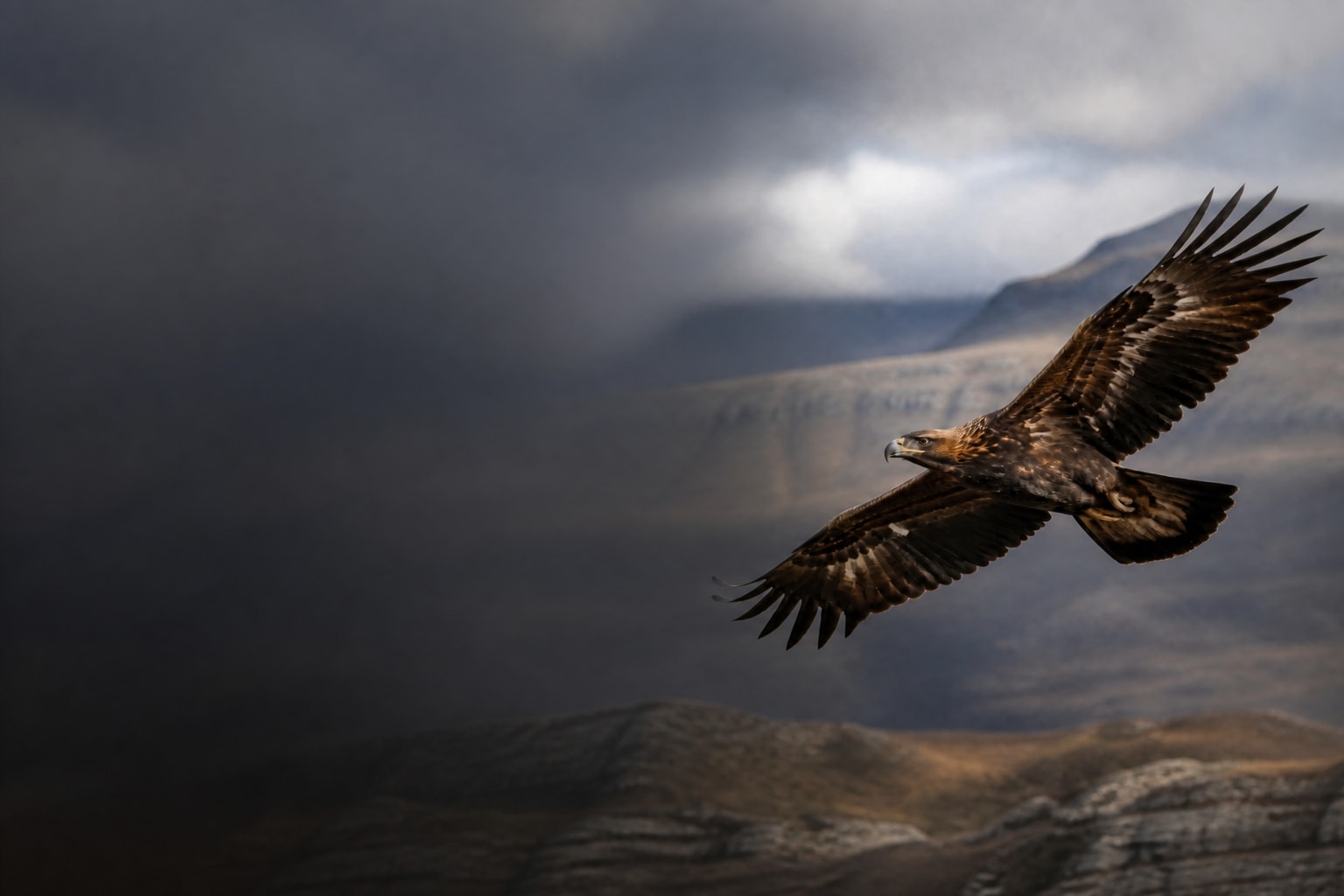
King of the high country, a golden-naped hunter whose two-metre wingspan commands Scotland's glens and America's peaks.
Least Concern
Aquila chrysaetos
Overview
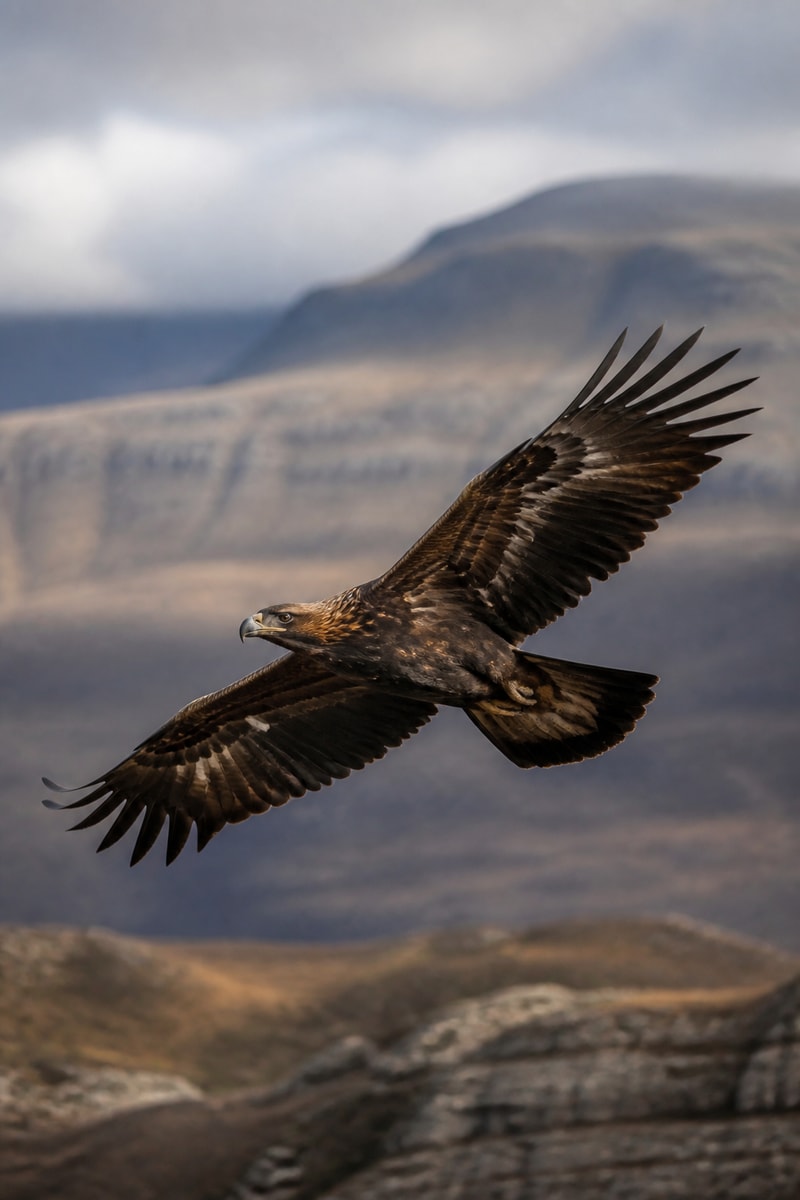
The golden eagle is one of the world's most powerful raptors, with broad wings, a golden nape, and talons capable of killing deer fawns and foxes. It soars on thermals over mountains and moorland, spotting prey from kilometres away with eyesight roughly eight times sharper than a human's.
In Scotland, golden eagles are icons of wild high country, a pair may hold a territory of over 100 square kilometres. In North America they range from Alaska to Mexico, sharing cliff ledges and eyries passed down through generations.
- Scientific nameAquila chrysaetos
- Length66–90 cm
- Weight3–6.5 kg
- LifespanAround 20–30 years in the wild
- DietHunts medium mammals…
- ConservationLeast Concern
- RegionMountains & Moorland
Habitat
- Mountains
- Moorland
- Open hills
- Cliff country
Open mountains, moorland, and tundra across the Northern Hemisphere suit golden eagles. Scottish Highlands, the American West, and Scandinavia hold breeding pairs on cliff ledges and in remote glens.
Field notes
Field scale for the Golden Eagle: length around 66-90 cm; weight 3-6.5 kg. Typical lifespan: Around 20-30 years in the wild.
When you are scanning habitat, prioritise mountains, moorland, open hills, and cliff country. Those settings are where a clean look and a usable photo are most likely.
Quick ID anchor: Dark brown plumage with a golden nape; long wings and a relatively long tail in flight. Confirm with behaviour and habitat before you log the discovery.
Where to see one
Canada
In Canada, start at Banff & Jasper National Parks (Alberta). Rocky Mountain wilderness, with elk, bighorn sheep, grizzly bears, and turquoise lakes beneath glacier peaks.
More context on this destination lives on the Canada expedition page.
Diet
Hunts medium mammals such as hares, rabbits, and marmots, plus birds and occasional carrion.
Powerful enough to take foxes or young ungulates in open mountain country.
Behaviour
Soars on broad wings over mountains and moorland, scanning for prey with exceptional eyesight.
Pairs hold large territories and reuse cliff or tree eyries for many years.
How to identify
Dark brown plumage with a golden nape; long wings and a relatively long tail in flight.
Juveniles show white wing patches and a white tail base that fade with age.
Interesting facts
- 01
Golden eagles can spot a rabbit from 3 km away.
- 02
They can dive at over 240 km/h, among the fastest animals on Earth.
- 03
Scotland holds most of Britain's breeding golden eagles.
Conservation status
Golden eagles are Least Concern globally with stable populations in North America and Scotland. Persecution and wind farm collisions remain local threats in the UK.
Sources: IUCN Red List


Keep exploring
Where it lives
Related discoveries
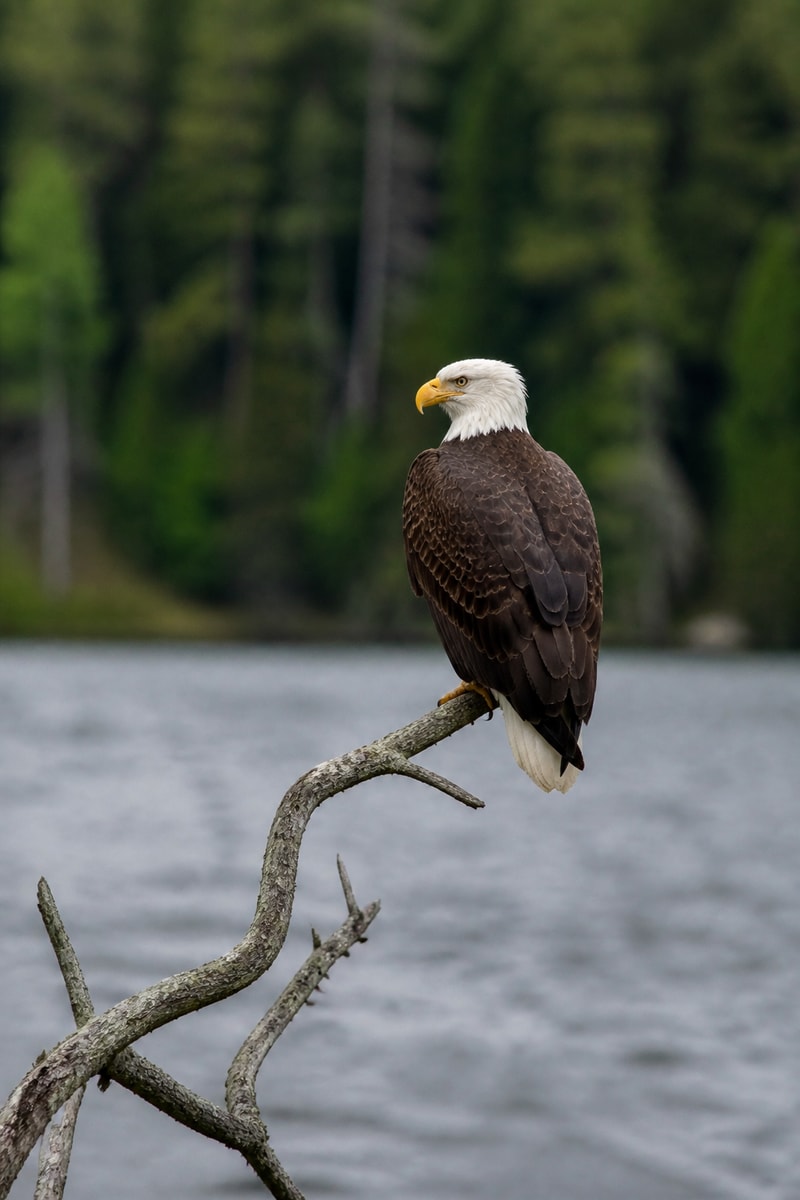
- Bald Eaglelegendary • Lakes & Coasts
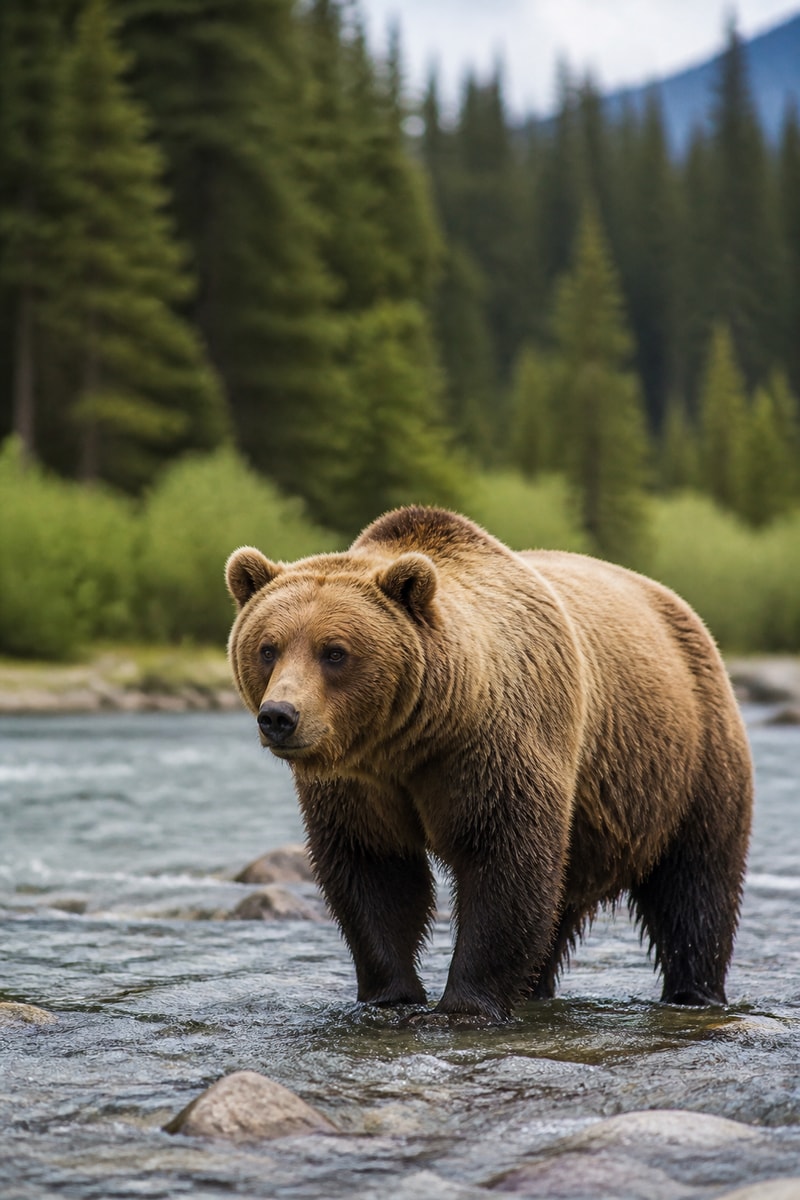
- Grizzly Bearlegendary • Mountains & Rivers
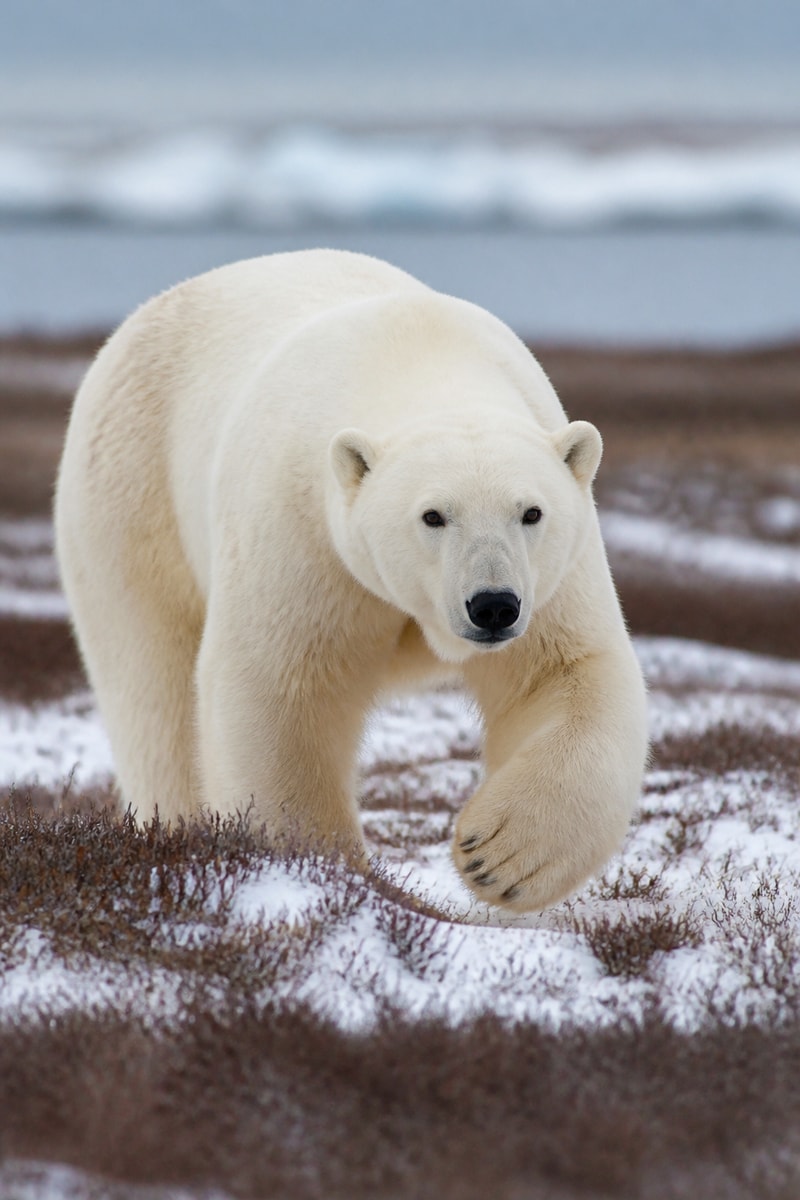
- Polar Bearlegendary • Arctic Ice
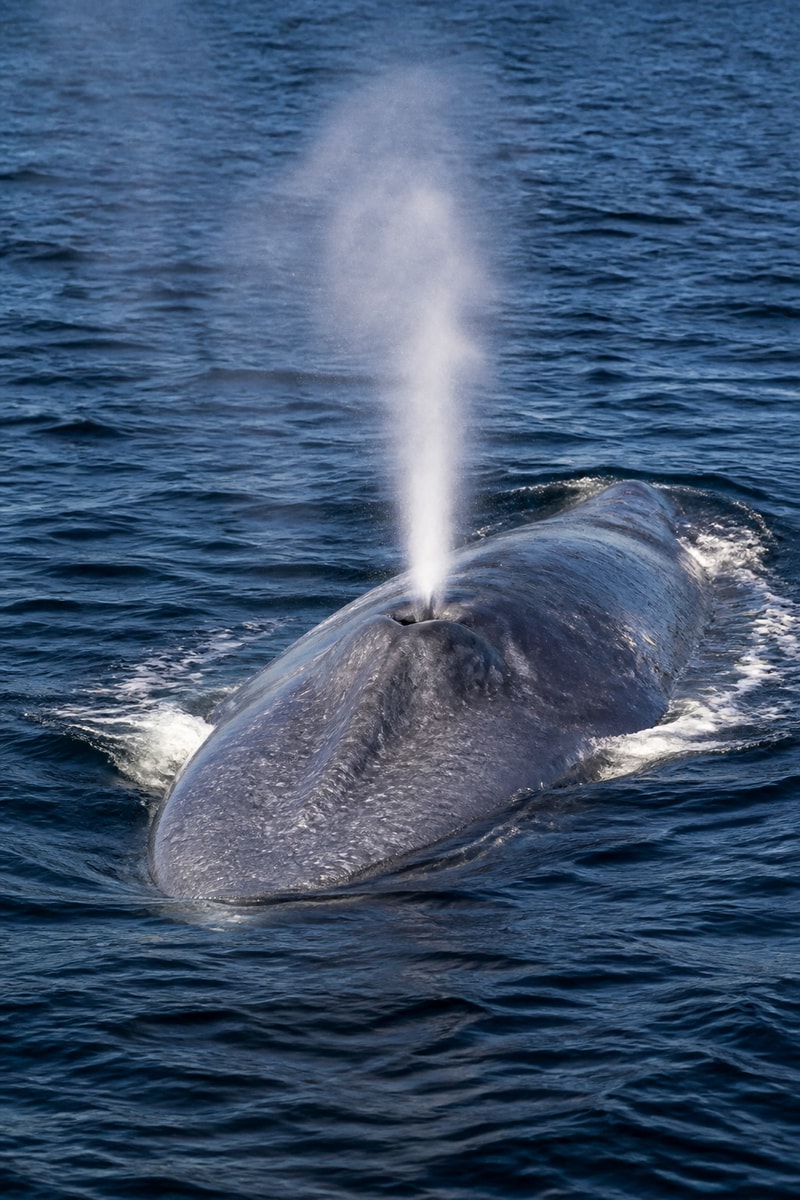
- Blue Whalelegendary • Open Ocean
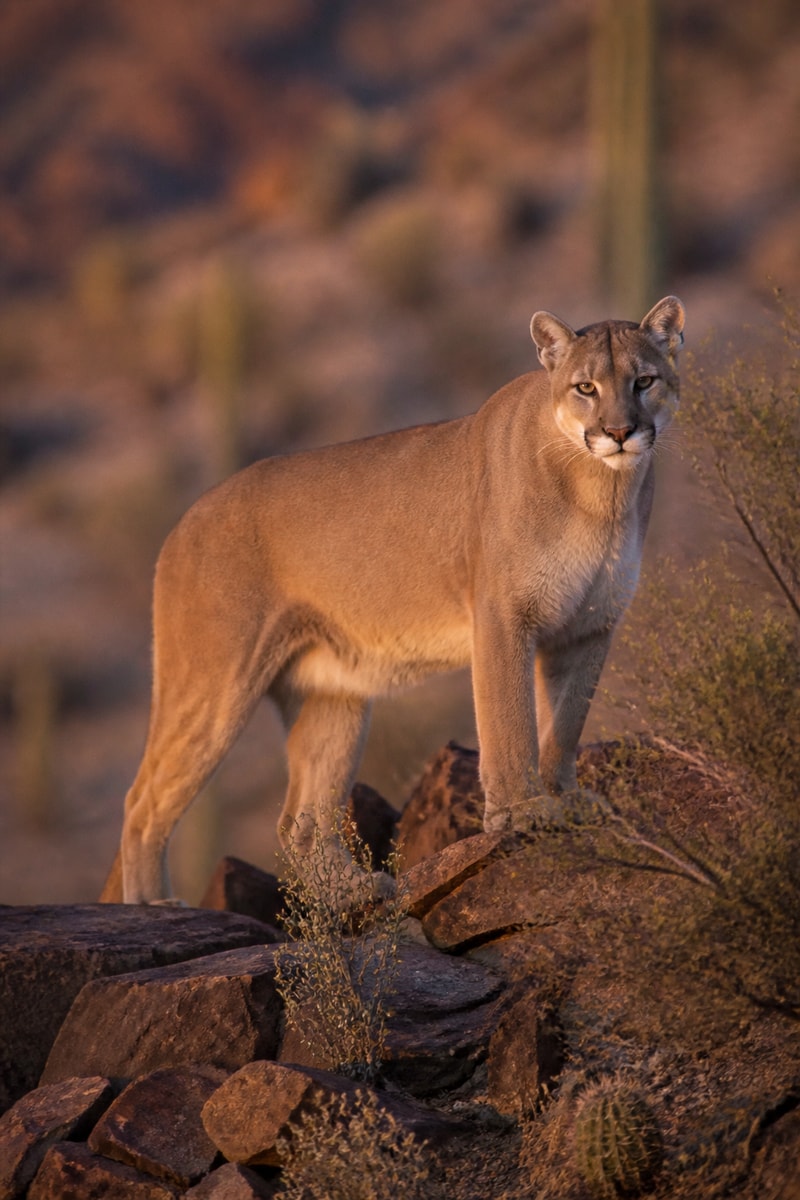
- Mountain Lionlegendary • Mountains & Desert
- Great White Sharklegendary • Coastal Ocean
- Orcalegendary • Coastal Ocean
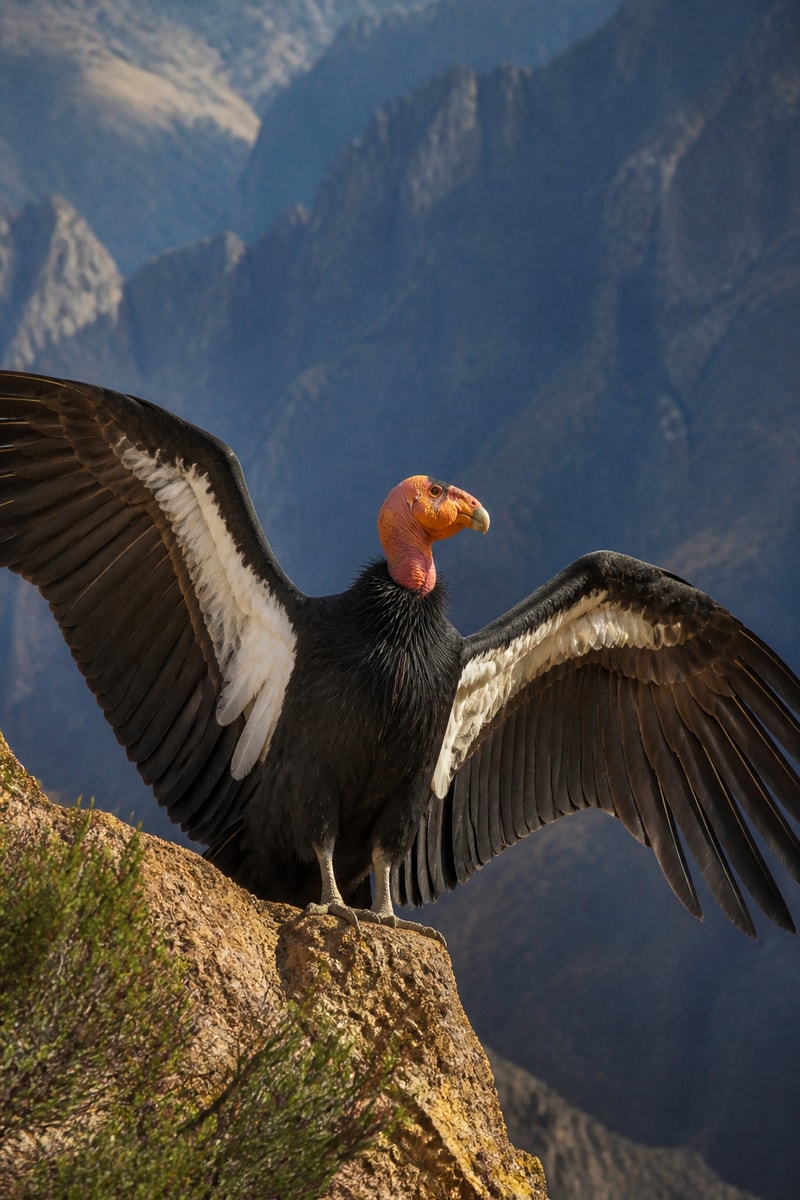
- California Condorlegendary • Canyons & Cliffs
Free on iOS
Catch the Golden Eagle
Spot one in the wild, then scan it in Catch'Um to log your common discovery.