
Field guide · common
Flamingo
Pink on the waterline, a filter-feeding wader whose colour comes from its food and whose flocks turn lakes into mirages.
Least Concern
Phoenicopterus roseus
Overview
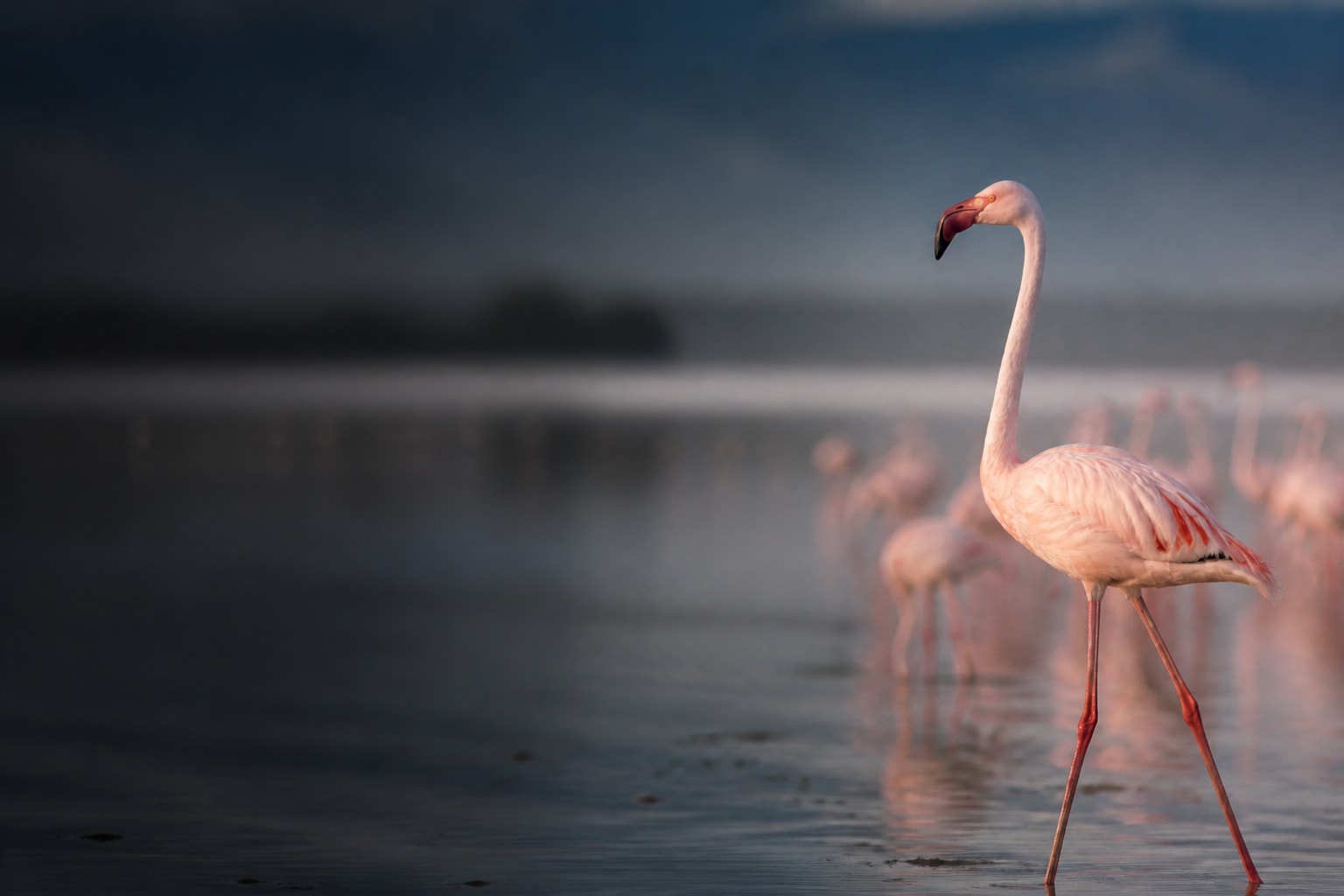
Flamingos are among the most striking birds on Earth: long-legged, long-necked, and coloured in shades of pink and crimson from carotenoid pigments in the algae and crustaceans they eat. They feed by upside-down filtering, sweeping their bent bills through shallow water to strain tiny organisms.
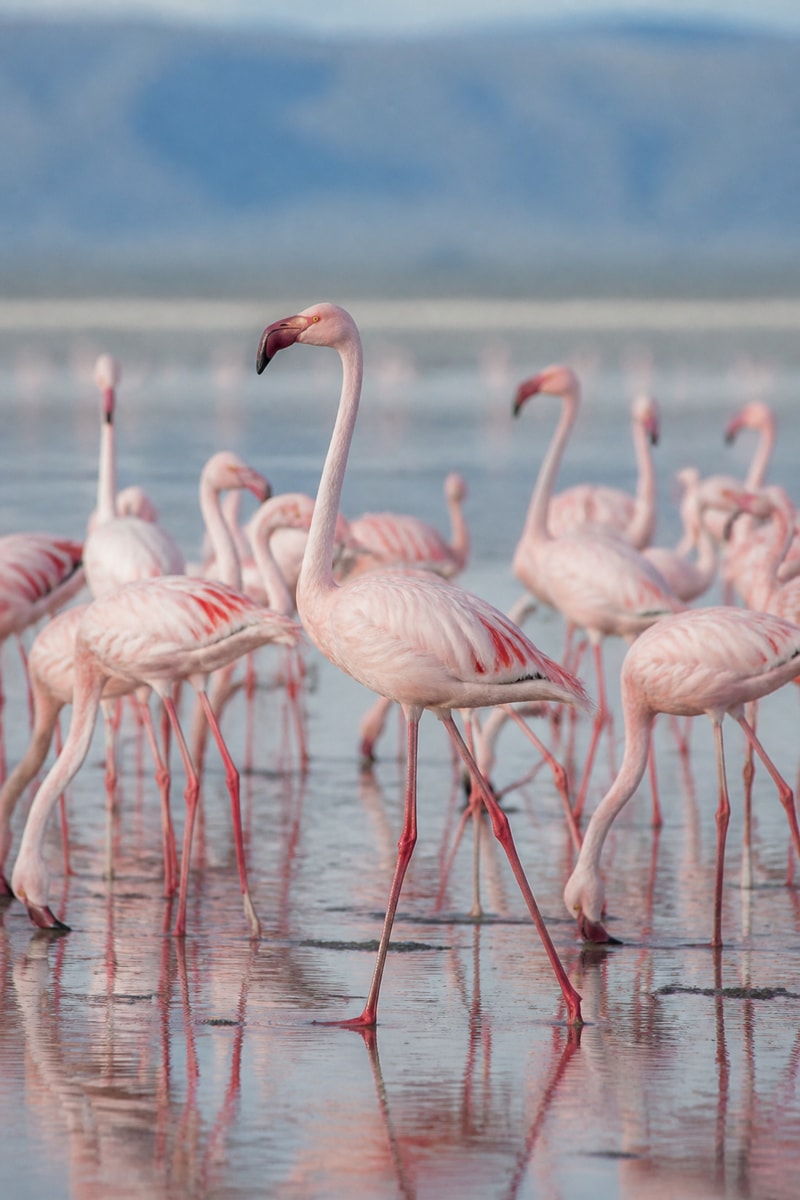
Flamingos nest in huge colonies on mud flats, building cone-shaped mounds that keep eggs above water. Their group displays, synchronized head-flagging and wing salutes, are among the most spectacular sights in wetland birding.
- Scientific namePhoenicopterus roseus
- Height120–150 cm
- Weight2–4 kg
- LifespanAround 30–40 years in the wild
- DietFilter-feed on algae
- ConservationLeast Concern
- RegionLagoons & Flats
Habitat
- Saline lake
- Lagoon
- Coastal flat
Shallow saline lakes, lagoons, and coastal flats worldwide hold flamingos, from Lake Nakuru in Kenya to the Camargue in France and Caribbean lagoons. They need open water for feeding and isolated islands or flats for safe nesting.
Countries found
Field notes
Field scale for the Flamingo: height 120-150 cm; weight 2-4 kg. Typical lifespan: Around 30-40 years in the wild.
When you are scanning habitat, prioritise saline lake, lagoon, and coastal flat. Those settings are where a clean look and a usable photo are most likely.
Quick ID anchor: Very long pink legs and neck, pale to deep pink plumage, and a thick downward-kinked bill. In flight, black flight feathers contrast with the pink wing coverts. Confirm with behaviour and habitat before you log the discovery.
Where to see one
Kenya
In Kenya, start at Lake Nakuru National Park (Rift Valley). Flamingo-fringed lake, rhino sanctuary, and acacia woodland. Compact but spectacular.
More context on this destination lives on the Kenya expedition page.
Diet
Filter-feed on algae, diatoms, and small crustaceans by sweeping the bent bill upside-down through shallow water. Carotenoids in the diet produce the pink plumage.
Behaviour
Highly social, nesting and feeding in large colonies on saline lakes and lagoons. Rest on one leg, and perform synchronized head-flagging and wing displays before breeding.
How to identify
Very long pink legs and neck, pale to deep pink plumage, and a thick downward-kinked bill. In flight, black flight feathers contrast with the pink wing coverts.
Interesting facts
- 01
Flamingos are pink because of pigments in the algae and crustaceans they eat.
- 02
They often stand on one leg to conserve body heat.
- 03
Greater flamingos can live over 30 years in the wild.
Conservation status
Greater flamingos are Least Concern globally, though colony disturbance, habitat loss, and water extraction threaten local populations. East African soda lakes remain vital strongholds.
Sources: IUCN Red List
Keep exploring
Where it lives
Related discoveries
- Bald Eaglelegendary • Lakes & Coasts
- Lionlegendary • Savanna, East Africa
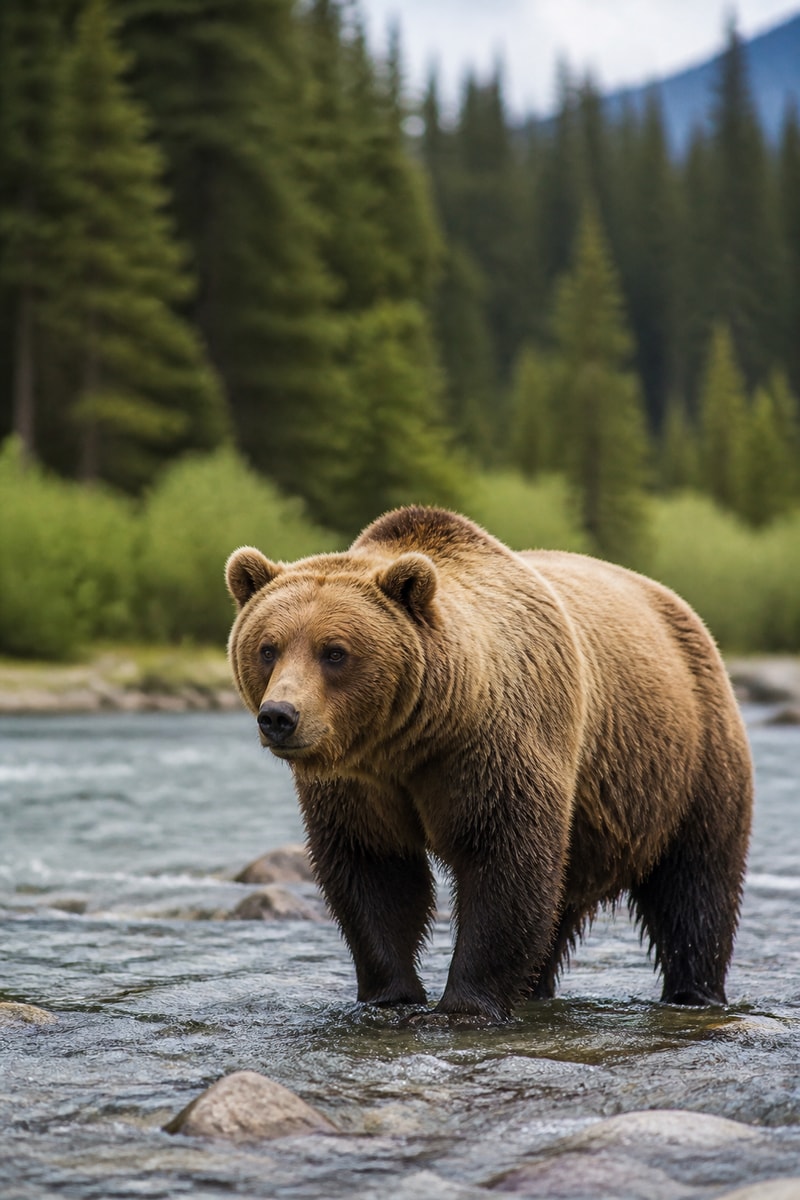
- Grizzly Bearlegendary • Mountains & Rivers
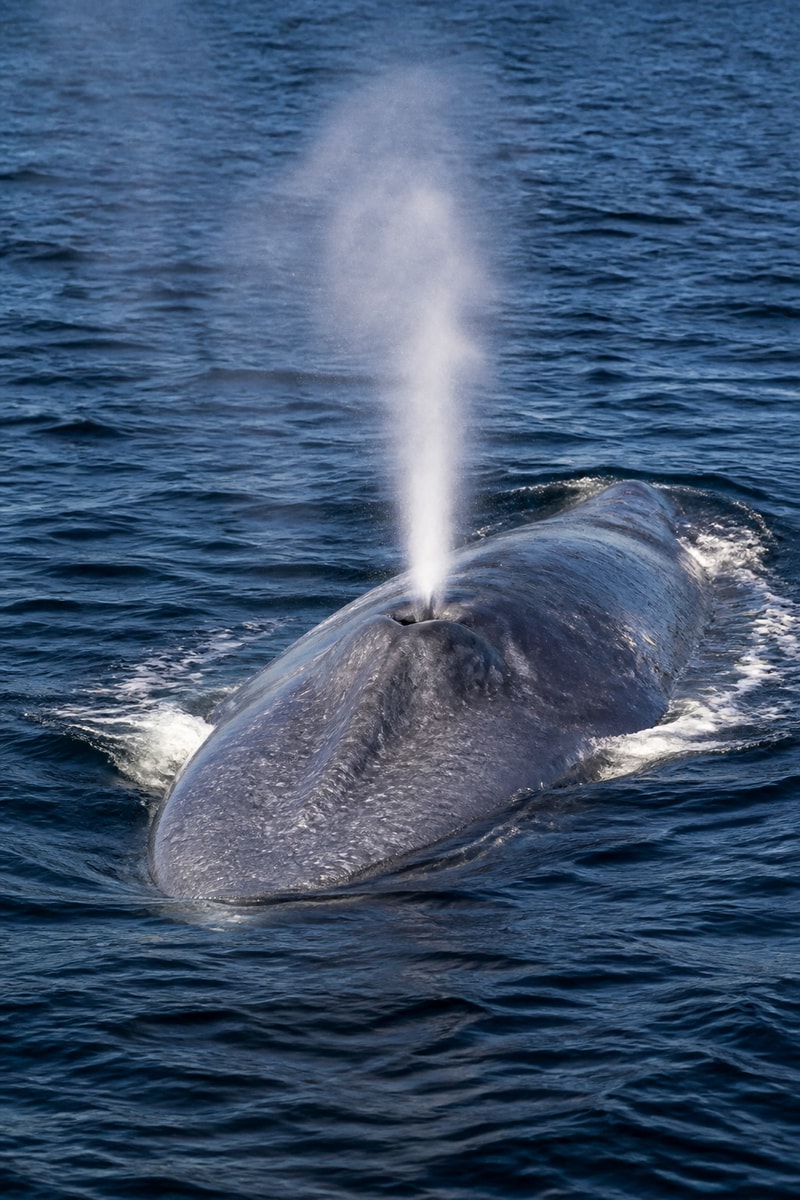
- Blue Whalelegendary • Open Ocean
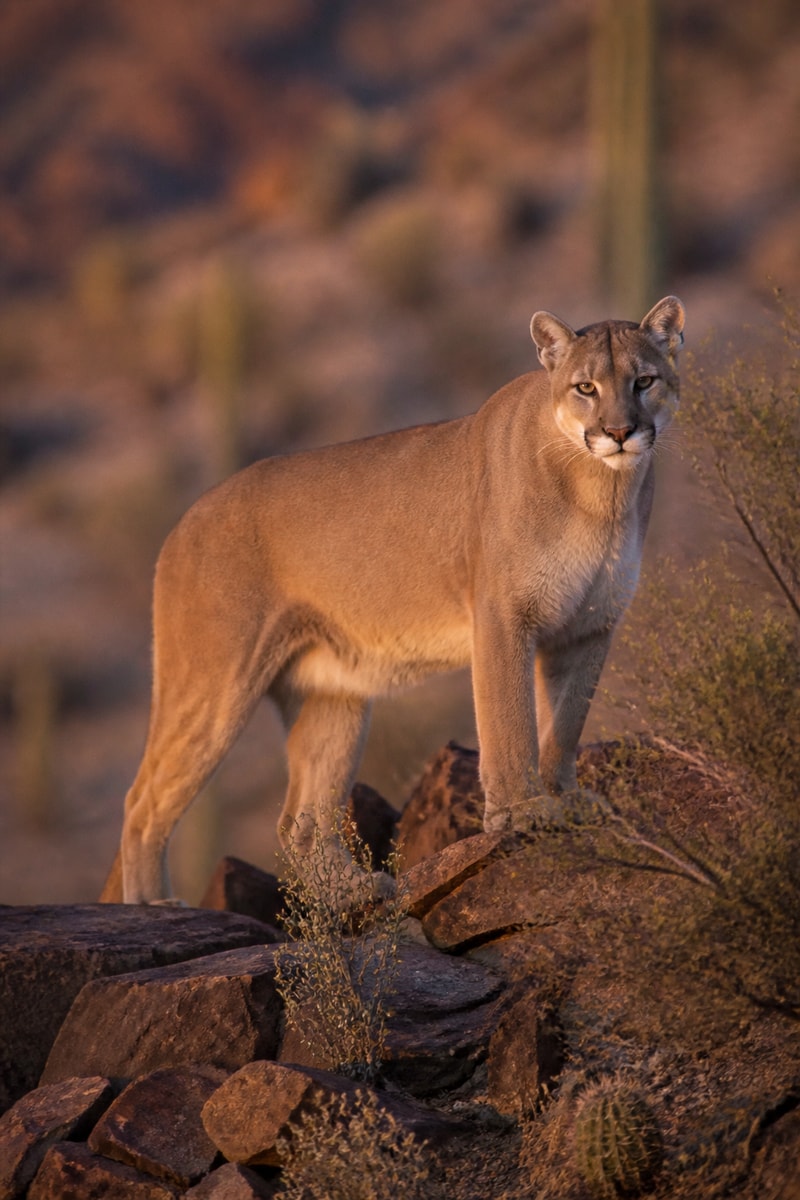
- Mountain Lionlegendary • Mountains & Desert
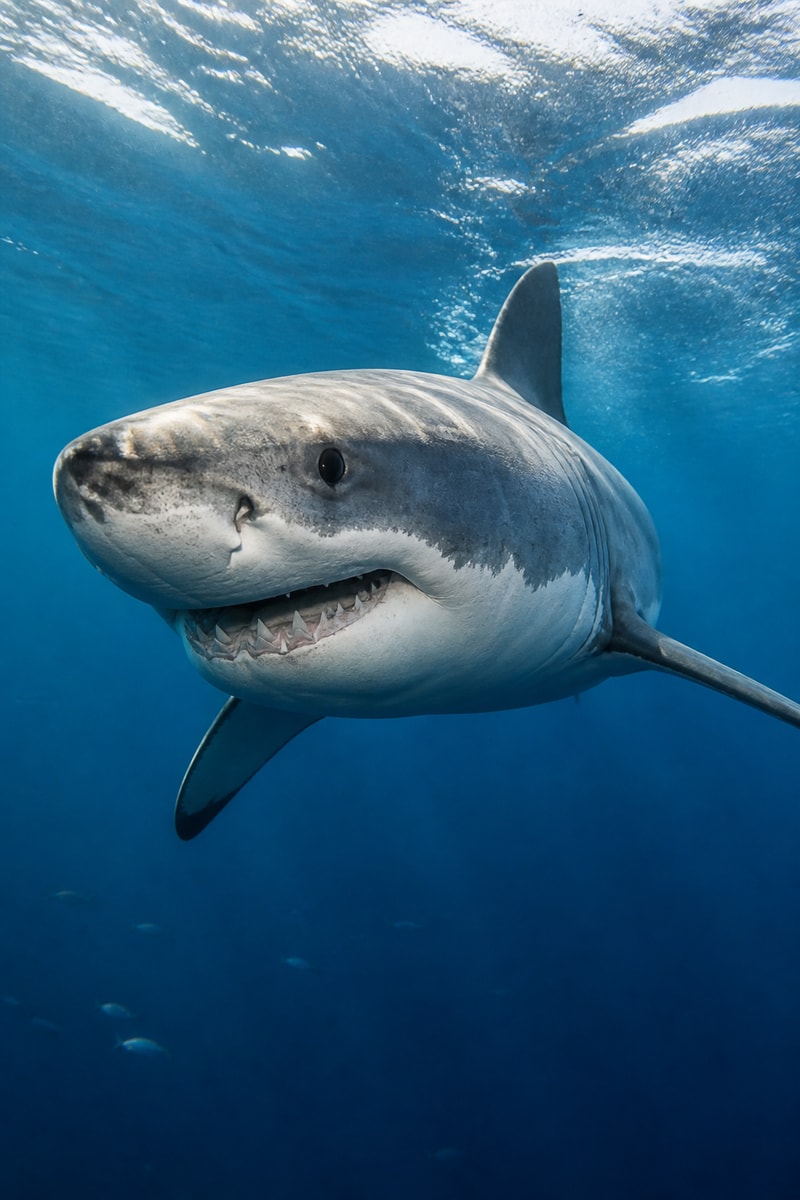
- Great White Sharklegendary • Coastal Ocean
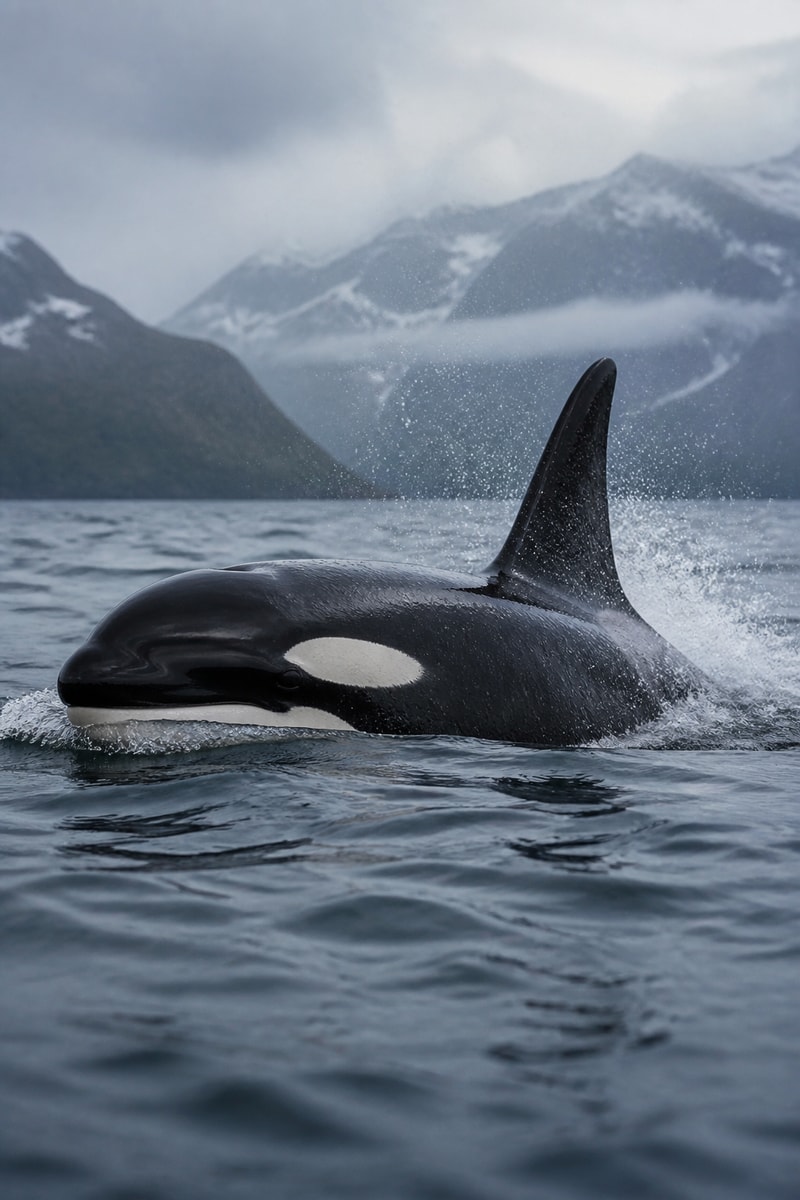
- Orcalegendary • Coastal Ocean
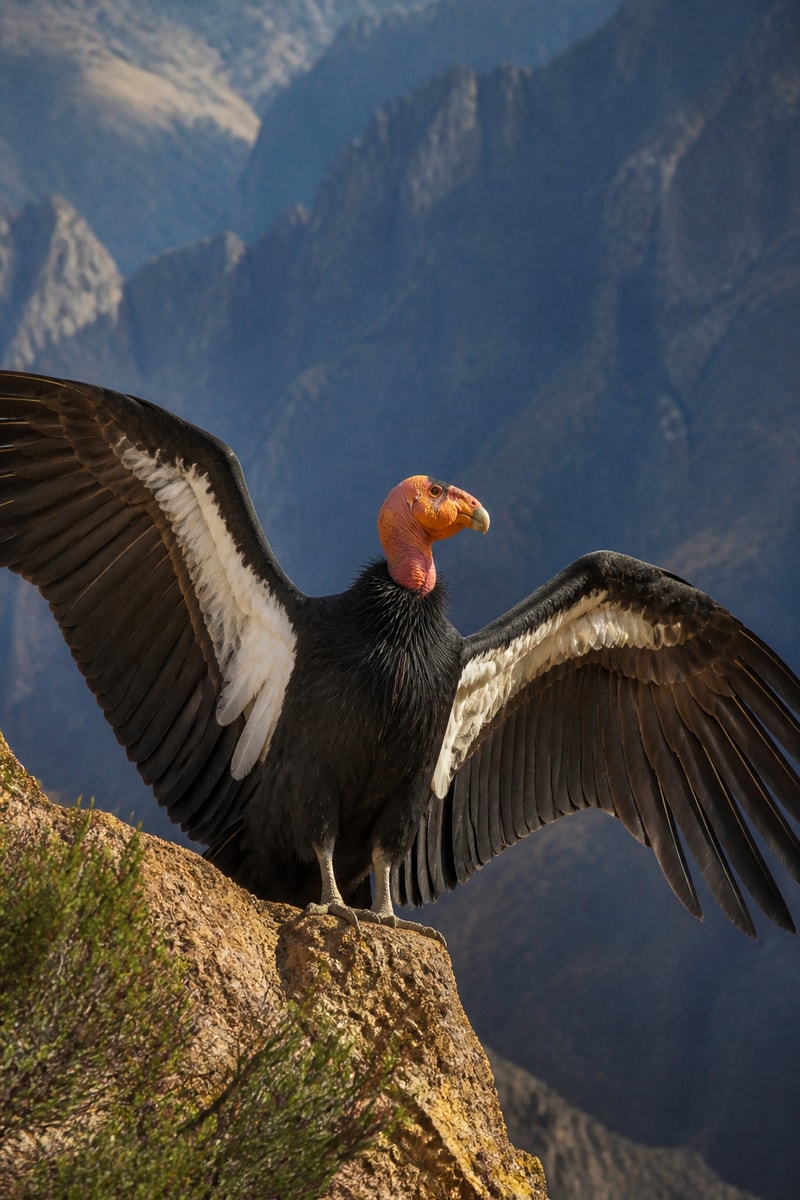
- California Condorlegendary • Canyons & Cliffs
Free on iOS
Catch the Flamingo
Spot one in the wild, then scan it in Catch'Um to log your common discovery.