

Field guide · common
European Rabbit
The warren dweller, a social burrower whose thumping foot and twitching nose keep an entire underground neighbourhood on alert.
Near Threatened
Oryctolagus cuniculus
Overview
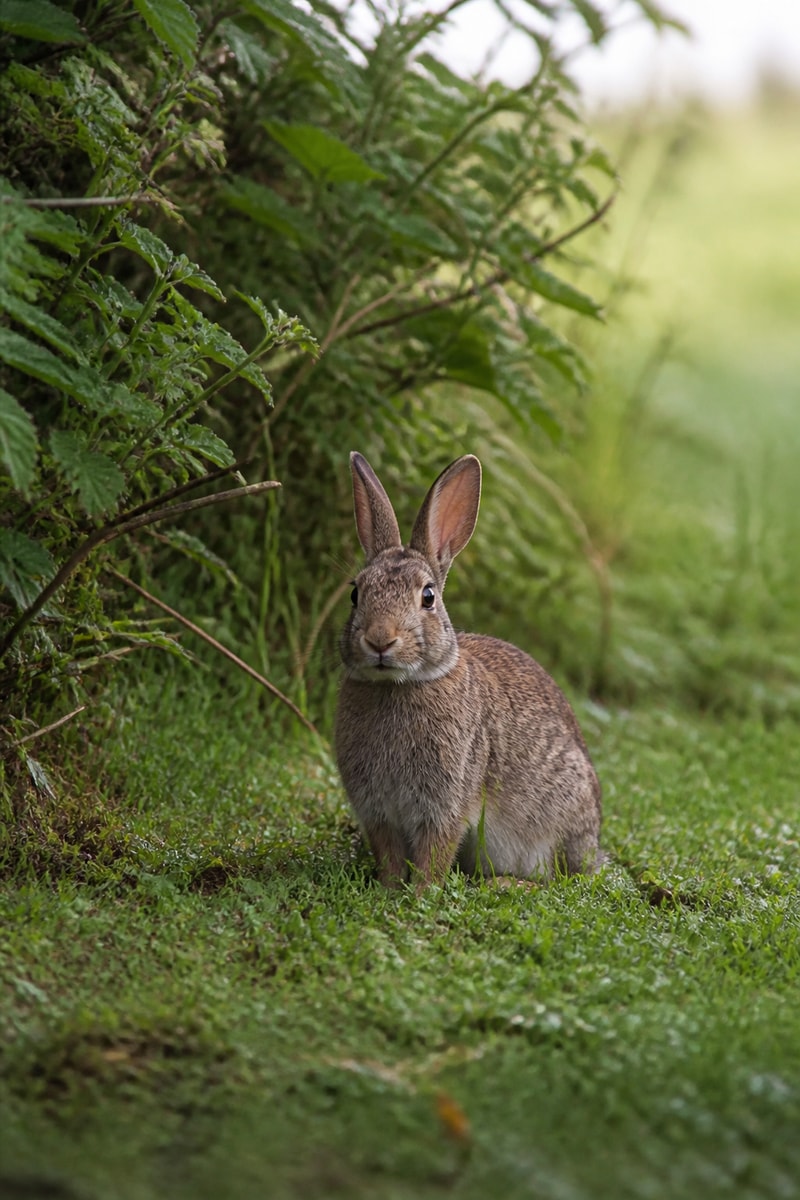
The European rabbit is the wild ancestor of domestic pet rabbits and one of the most familiar mammals across countryside worldwide. Living in colonies that share complex burrow systems called warrens, rabbits graze at dawn and dusk, retreating underground at the first sign of danger.
A rabbit thumping its hind foot is broadcasting alarm, a signal that sends the warren diving for cover. Despite being ubiquitous in fields and hedgerows, wild rabbit populations have declined sharply in parts of their native range from disease and habitat loss.
- Scientific nameOryctolagus cuniculus
- Length34–50 cm
- Weight1.2–2.5 kg
- Lifespan3–9 years in the wild
- DietGrasses and herbs form…
- ConservationNear Threatened
- RegionFields & Warrens
Habitat
- Grassland
- Farmland
- Dunes
- Woodland edge
Short-grass pasture, farmland, coastal dunes, and scrubby heath suit rabbits best, anywhere they can dig warrens in well-drained soil near feeding ground. They thrive on grazed grassland and the edges of arable fields.
Field notes
Field scale for the European Rabbit: length around 34-50 cm; weight 1.2-2.5 kg. Typical lifespan: 3-9 years in the wild.
When you are scanning habitat, prioritise grassland, farmland, dunes, and woodland edge. Those settings are where a clean look and a usable photo are most likely.
Quick ID anchor: Grey-brown rabbit with long ears lacking black tips, and a short fluffy white underside to the tail. Smaller and more compact than a brown hare, with shorter legs and ears. Confirm with behaviour and habitat before you log the discovery.
Where to see one
United Kingdom
In United Kingdom, start at Cotswolds Farmland (Gloucestershire & Oxfordshire). Hedgerows, pasture, and village edges, classic fox country where russet coats show clearly against green fields at last light.
More context on this destination lives on the United Kingdom expedition page.
Diet
Grasses and herbs form the staple diet; also crops, bark, and woody shoots when green forage is scarce. Feeds mainly at dawn and dusk near warren entrances.
Behaviour
Colonial warren-dweller that digs extensive burrow systems and thumps hind feet as an alarm. Highly social within colonies; introduced populations can transform grassland ecology.
How to identify
Grey-brown rabbit with long ears lacking black tips, and a short fluffy white underside to the tail. Smaller and more compact than a brown hare, with shorter legs and ears.
Interesting facts
- 01
Rabbits thump their hind legs to warn the warren of approaching danger.
- 02
A single warren can house dozens of rabbits in interconnected burrows.
- 03
Myxomatosis and rabbit haemorrhagic disease have devastated populations in some regions.
Conservation status
European rabbits are Near Threatened in their native Iberian range due to disease and habitat change, though introduced populations in the UK, Australia, and elsewhere remain abundant locally.
Sources: IUCN Red List
Related discoveries


Keep exploring
Where it lives
Related discoveries
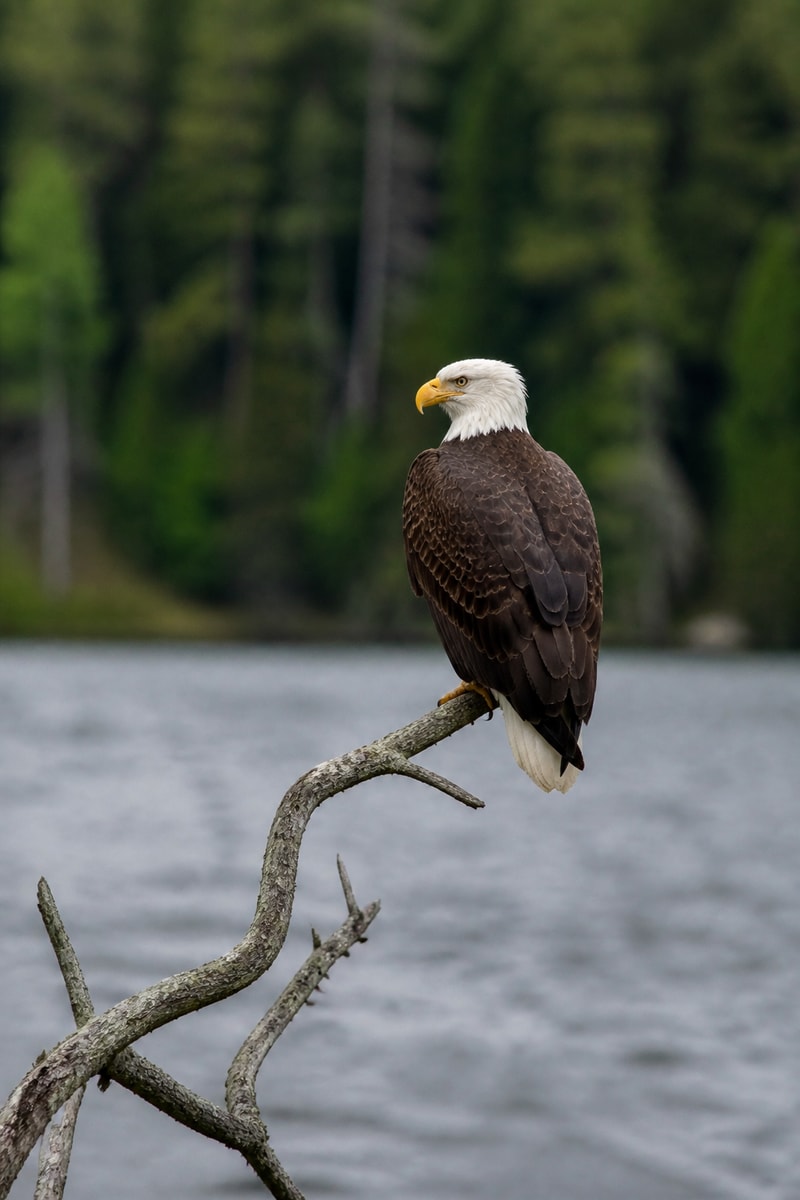
- Bald Eaglelegendary • Lakes & Coasts
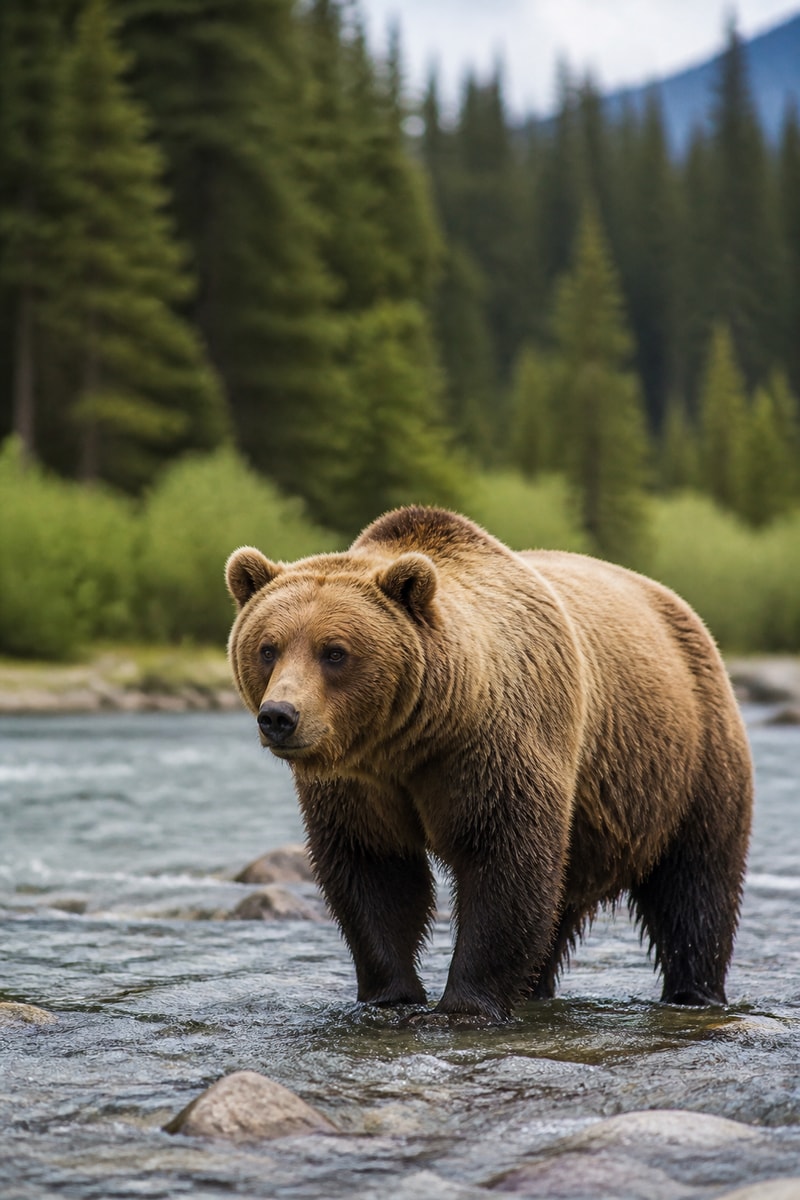
- Grizzly Bearlegendary • Mountains & Rivers
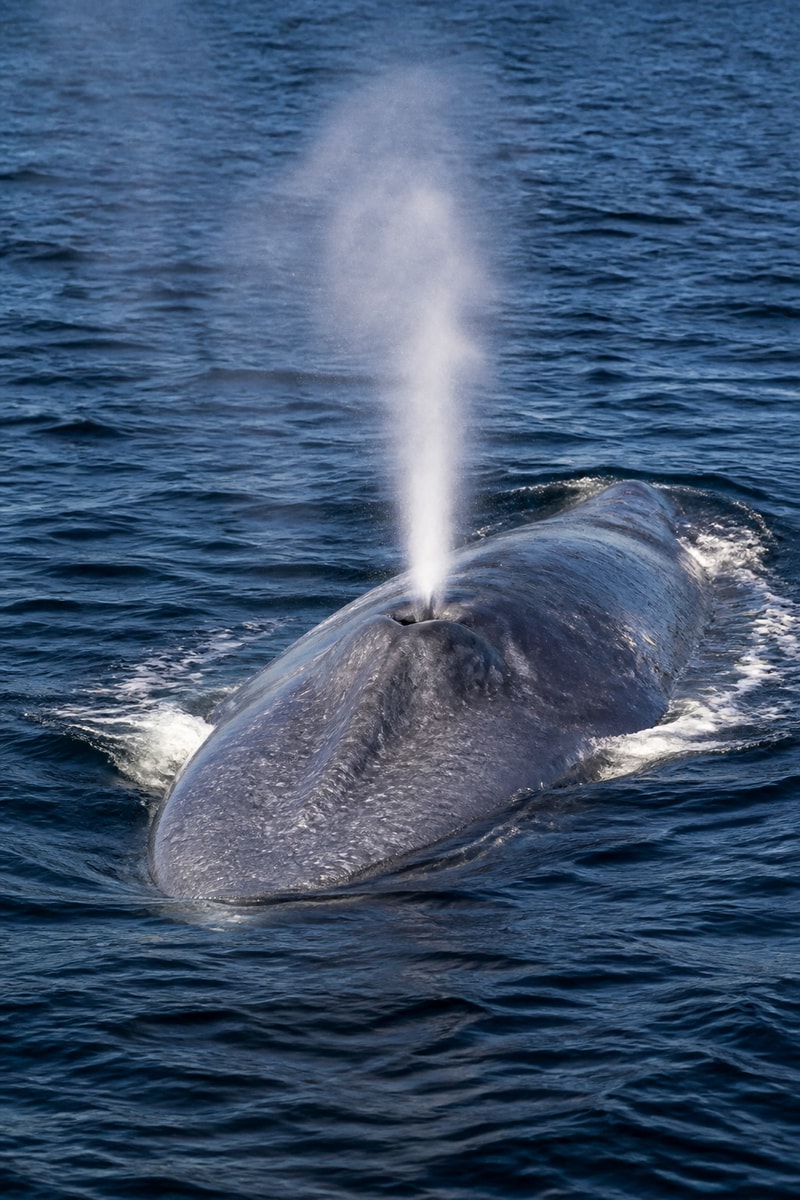
- Blue Whalelegendary • Open Ocean
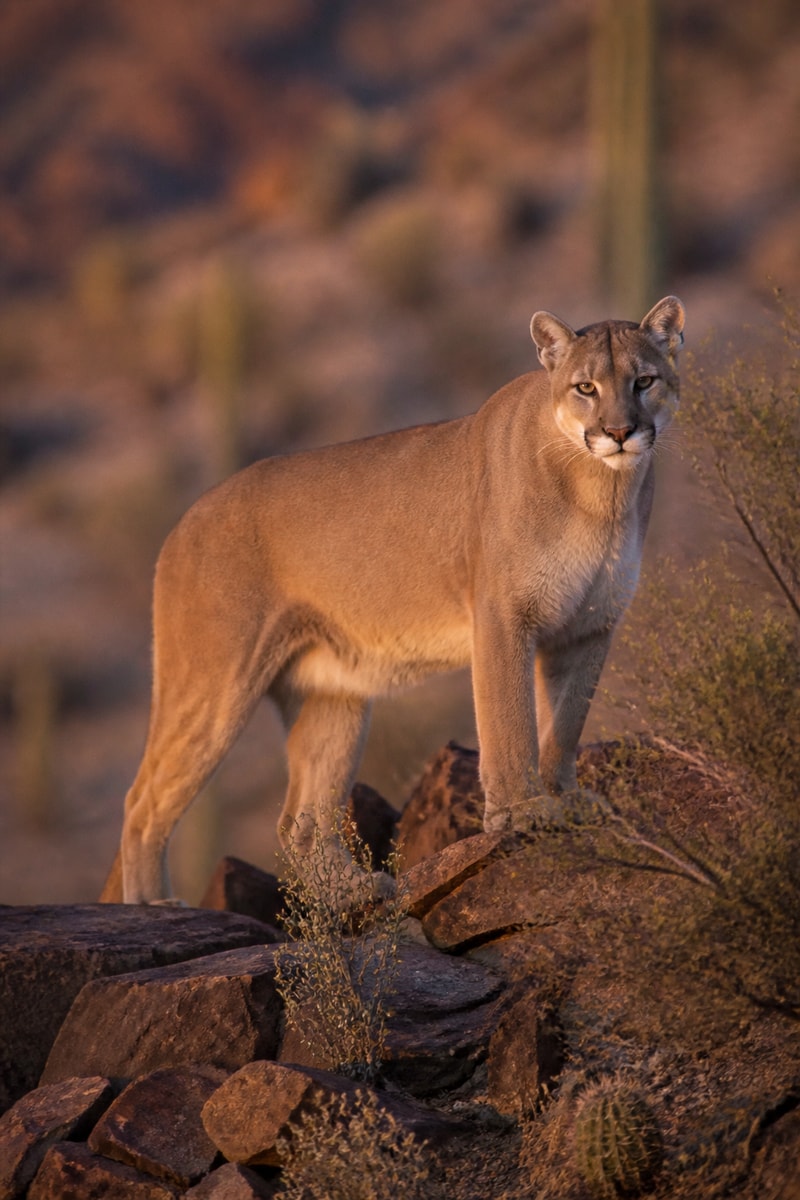
- Mountain Lionlegendary • Mountains & Desert
- Great White Sharklegendary • Coastal Ocean
- Orcalegendary • Coastal Ocean
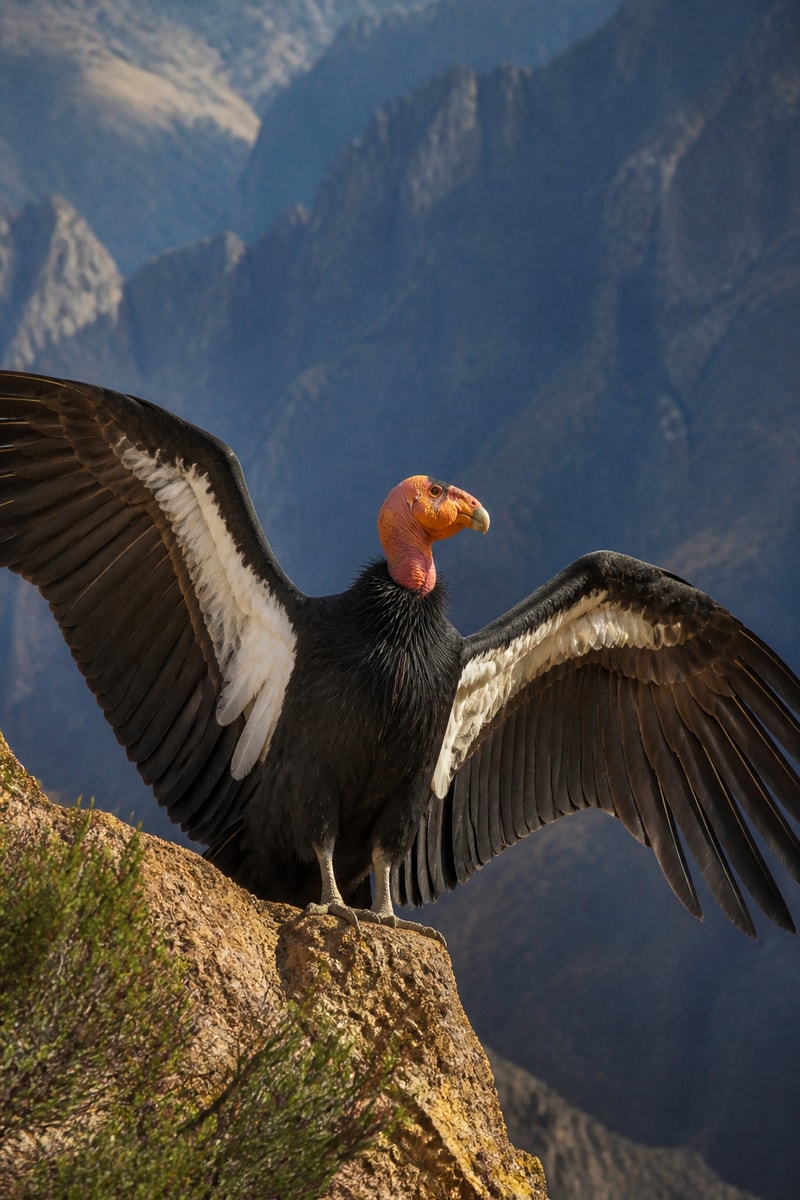
- California Condorlegendary • Canyons & Cliffs
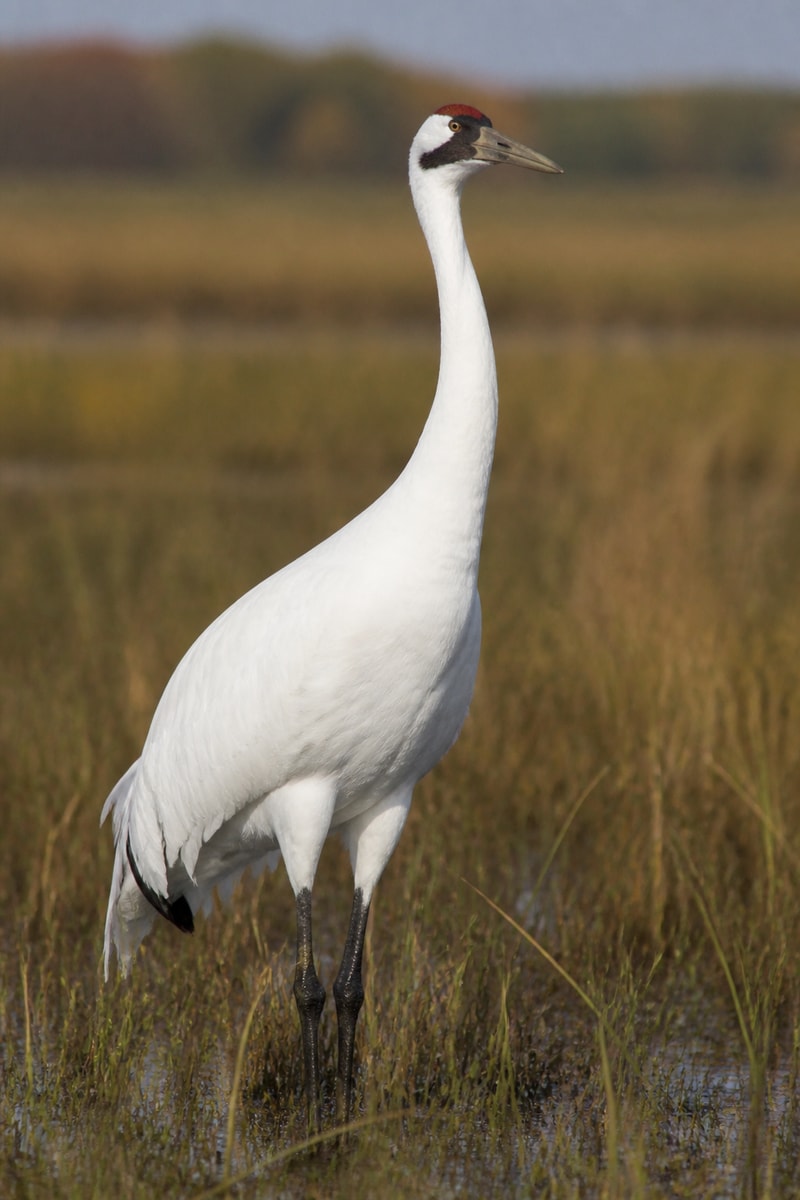
- Whooping Cranelegendary • North American Wetlands
Free on iOS
Catch the European Rabbit
Spot one in the wild, then scan it in Catch'Um to log your common discovery.