
Field guide · rare
Elk
Bugling bulls and towering antlers — North America's great deer of the Rockies.
Least Concern
Cervus canadensis
Overview
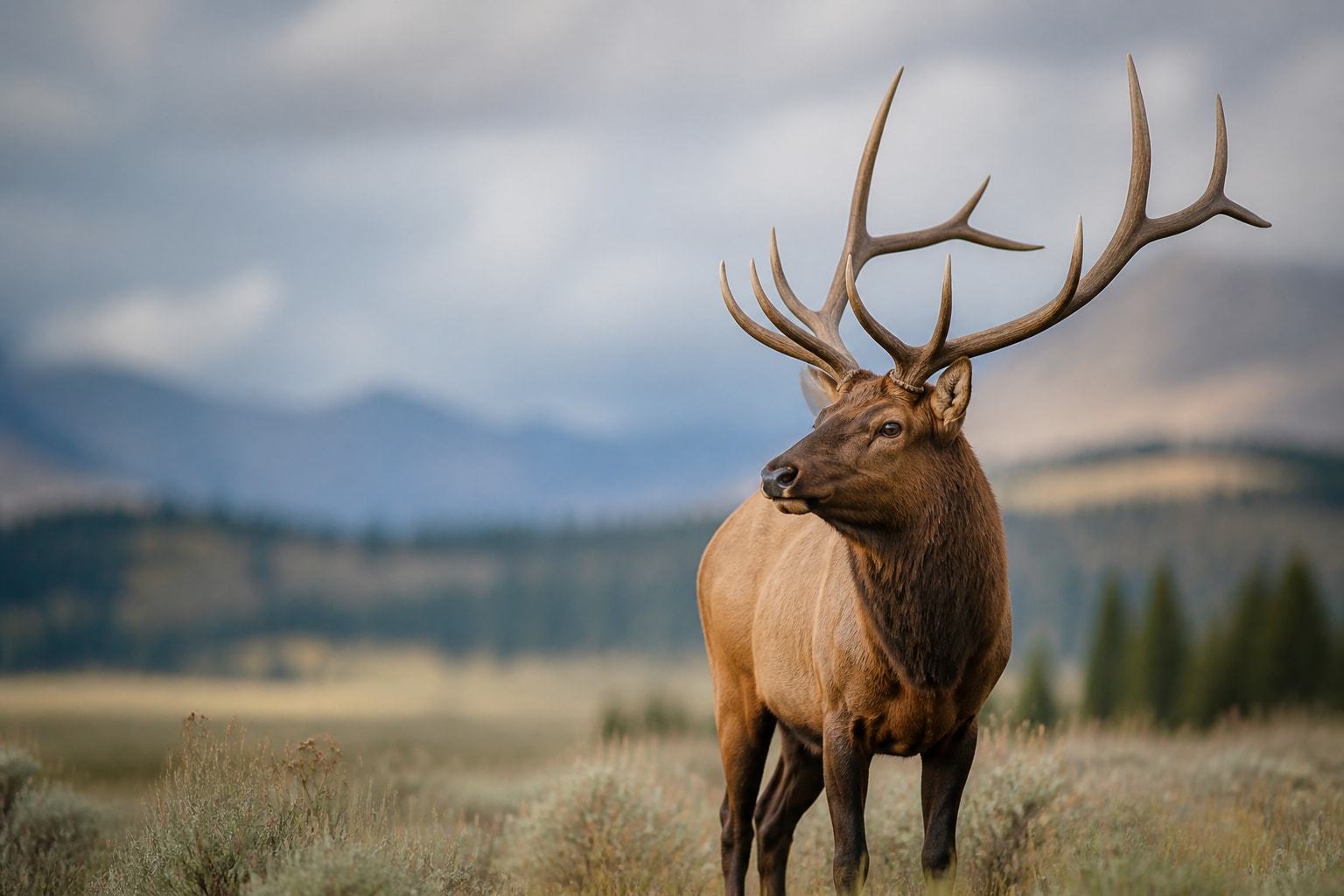
Elk (wapiti) are among North America's most impressive deer: large, herd-forming, and famous for the autumn bugle of bulls defending harems. Antlers can spread wider than a person's arm span.
Distinct from UK red deer and northern moose already in the catalogue, elk own the US and Canadian mountain meadow card.
- Scientific nameCervus canadensis
- Length2–2.7 m
- Height1.2–1.5 m at the shoulder
- Weight200–450 kg
- LifespanAround 10–15 years in the wild
- DietGraze grasses in summer
- ConservationLeast Concern
- RegionMountains & Meadows
Where to see them
Habitat
- Mountain meadows
- Forest edge
- Valleys
Mountain meadows, forest edges, and valleys across western North America, moving seasonally between high summer ranges and lower winter grounds.
Field notes
Field scale for the Elk: length around 2-2.7 m; height 1.2-1.5 m at the shoulder; weight 200-450 kg. Typical lifespan: Around 10-15 years in the wild.
When you are scanning habitat, prioritise mountain meadows, forest edge, and valleys. Those settings are where a clean look and a usable photo are most likely.
Quick ID anchor: Large tan-and-brown deer with a darker neck mane and pale rump patch. Confirm with behaviour and habitat before you log the discovery.
Where to see one
Canada
In Canada, start at Banff & Jasper National Parks (Alberta). Rocky Mountain wilderness with moose along the Icefields Parkway wetlands, plus elk, bighorn sheep, and grizzlies under glacier peaks.
More context on this destination lives on the Canada expedition page.
Diet
Graze grasses in summer; browse shrubs, bark, and twigs in winter.
Need open foraging meadows near escape cover.
Behaviour
Form herds; bulls gather harems in the rut and bugle loudly.
Migrate elevationally with snow and forage.
How to identify
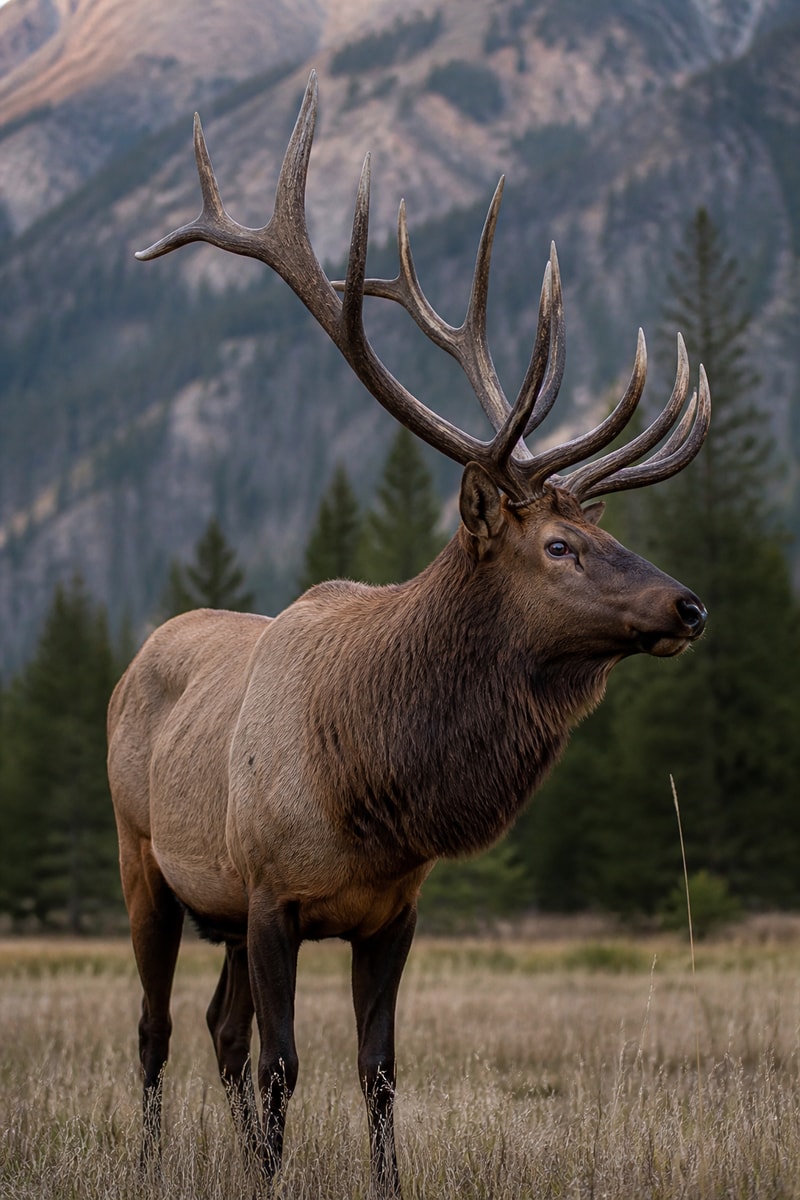
Large tan-and-brown deer with a darker neck mane and pale rump patch.
Bulls carry massive branching antlers; cows are antlerless.
Interesting facts
- 01
Bulls bugle in autumn to challenge rivals and attract cows.
- 02
Antlers are shed and regrown each year.
- 03
Also called wapiti, from a Shawnee/Cree-related word for white rump.
- 04
They are larger than red deer but smaller than moose.
- 05
Herds graze grasses and browse shrubs seasonally.
- 06
Calves are spotted and stay hidden in their first weeks.
Conservation status
Elk are Least Concern across much of their managed range in North America, though local herds face habitat fragmentation and winter range pressure.
Sources: IUCN Red List


Keep exploring
Where it lives
Related discoveries
- Bald Eaglelegendary • Lakes & Coasts
- Grizzly Bearlegendary • Mountains & Rivers
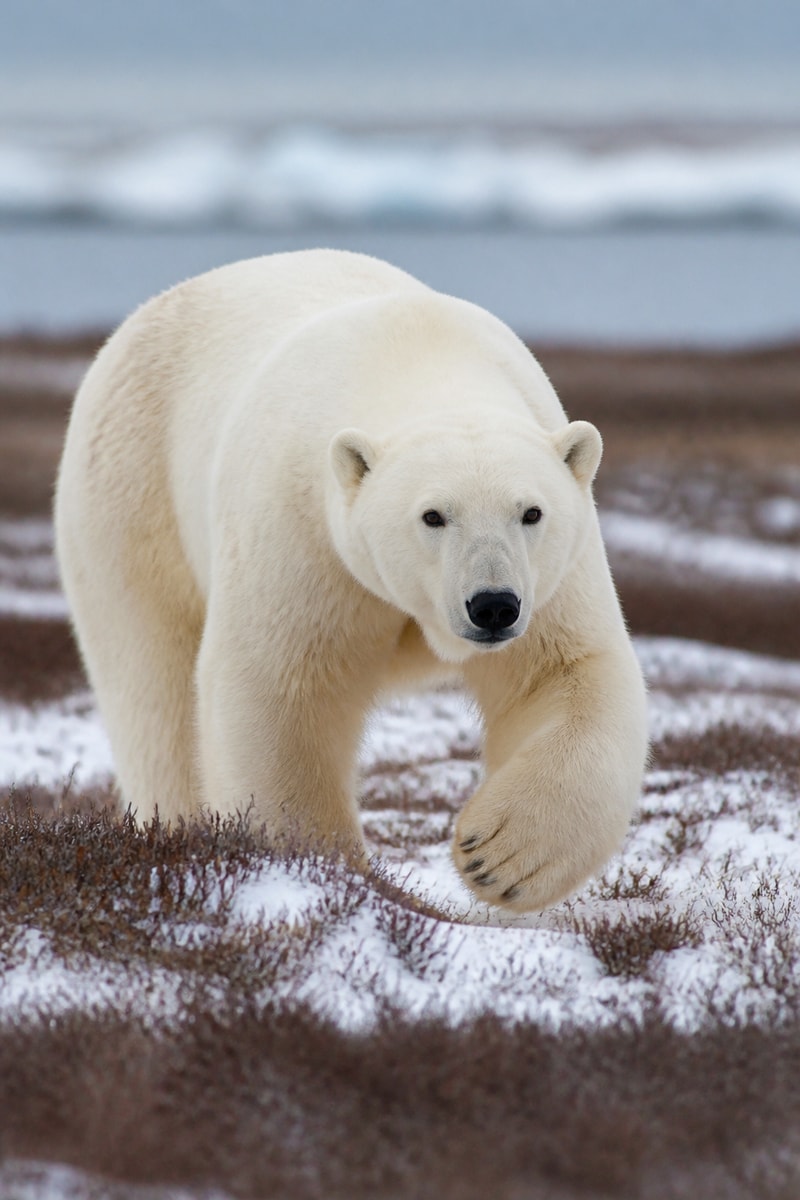
- Polar Bearlegendary • Arctic Ice
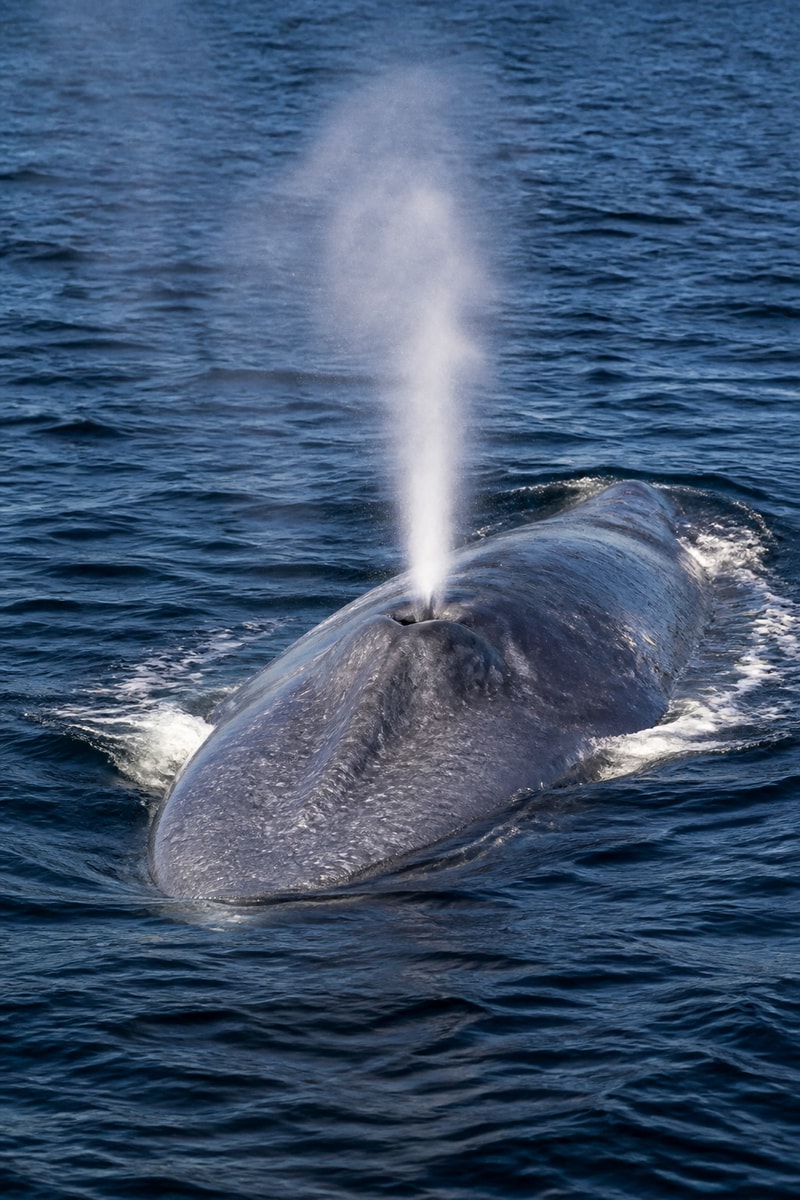
- Blue Whalelegendary • Open Ocean
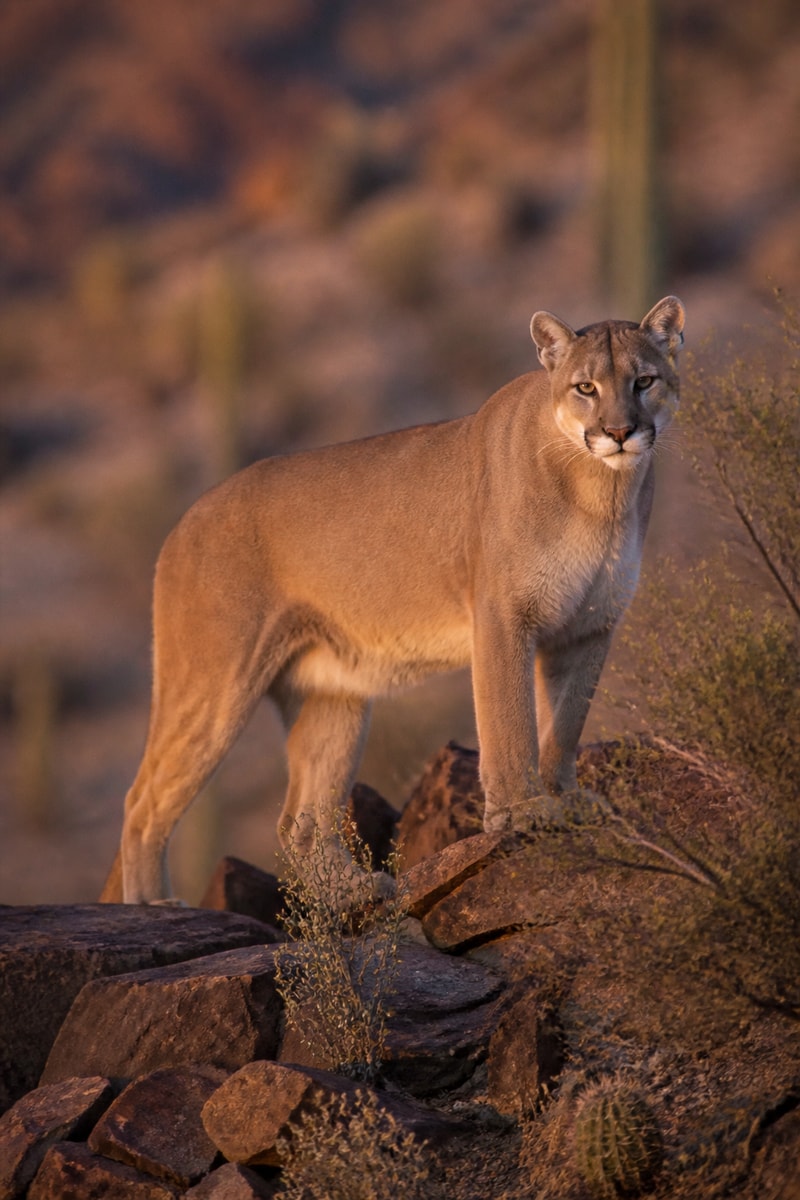
- Mountain Lionlegendary • Mountains & Desert
- Great White Sharklegendary • Coastal Ocean
- Orcalegendary • Coastal Ocean
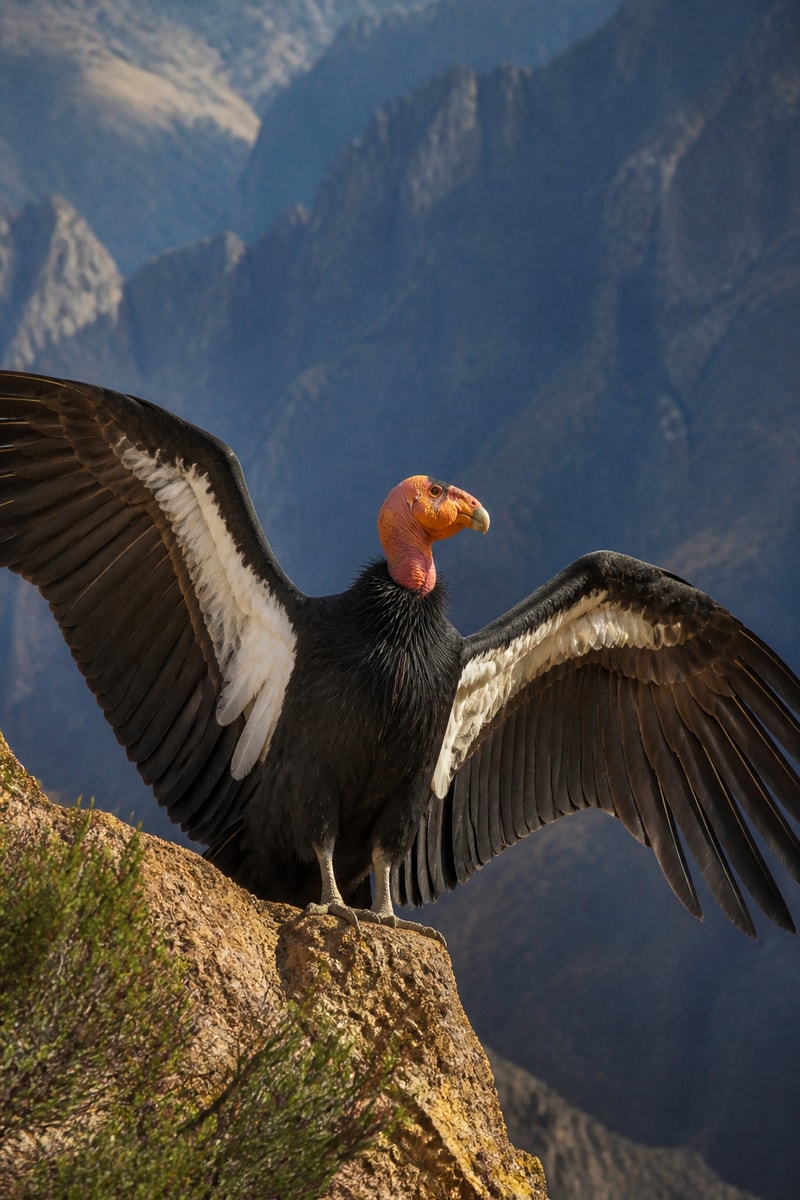
- California Condorlegendary • Canyons & Cliffs
Free on iOS
Catch the Elk
Spot one in the wild, then scan it in Catch'Um to log your rare discovery.