
Field guide · common
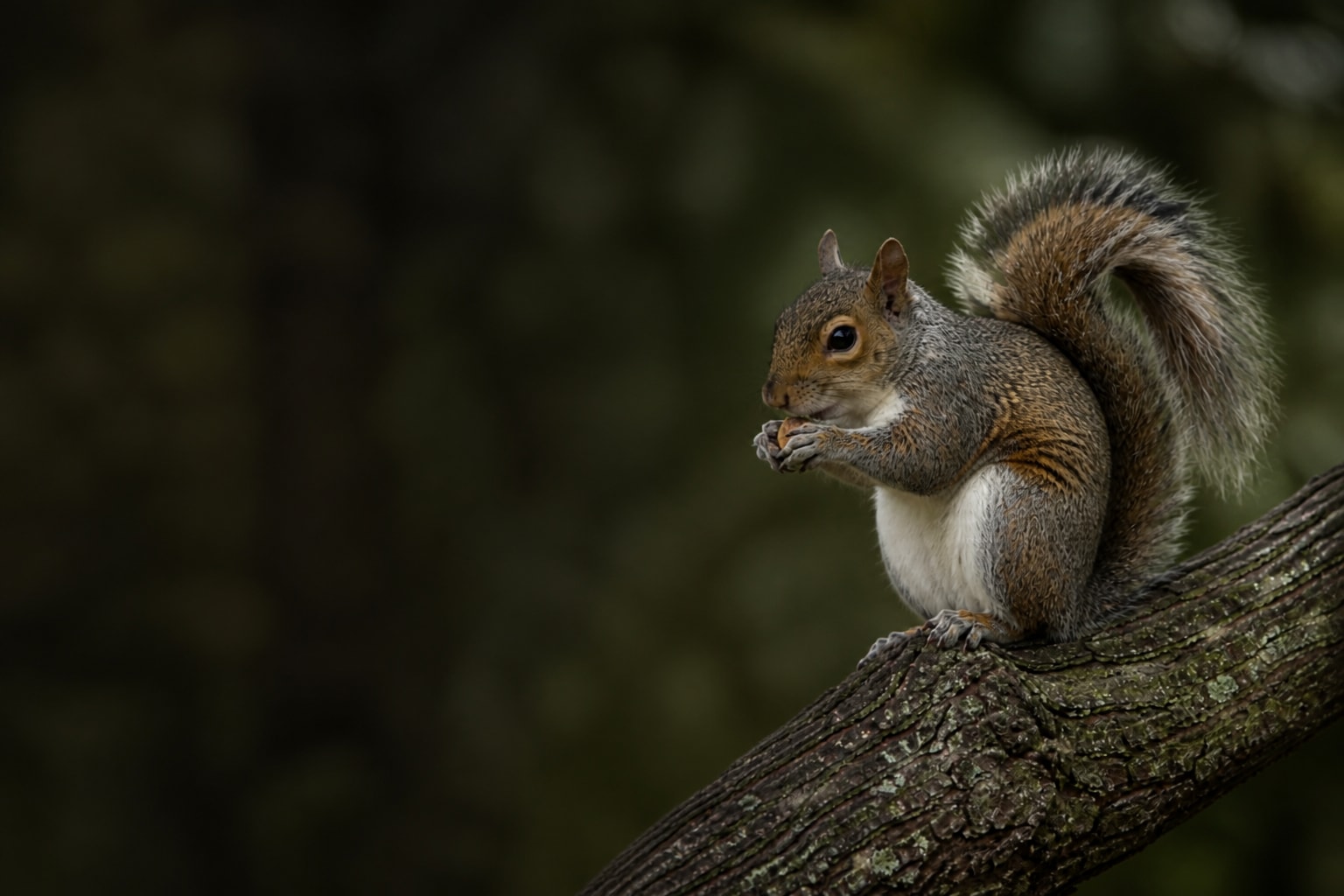
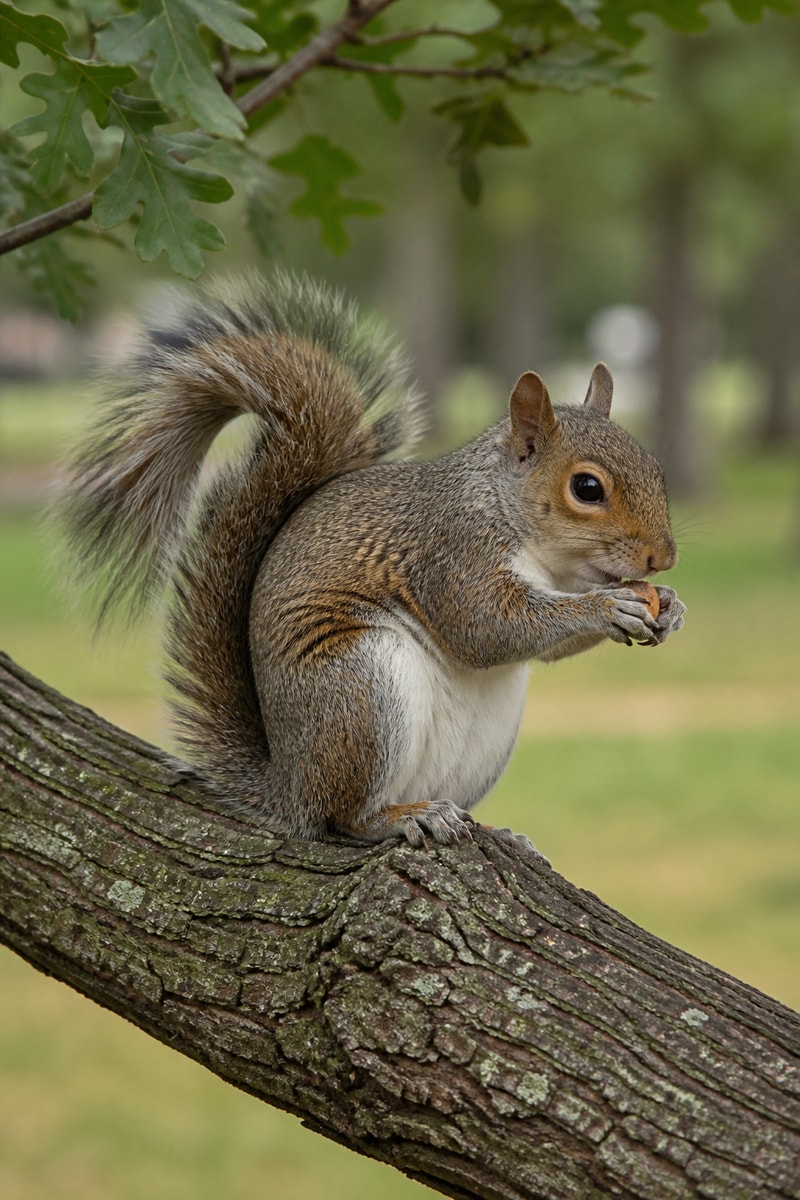
Eastern Gray Squirrel
The backyard plotter, burying nuts in autumn and faking burials to fool thieves watching from the trees.
Least Concern
Sciurus carolinensis
Overview
The eastern gray squirrel is the default squirrel of American parks and suburbs, agile, bold, and endlessly entertaining as it raids bird feeders and zigzags across roads. Native to the eastern US, it has been introduced to the UK and parts of the West Coast, where it thrives.
Watch one in autumn and you'll see the full deception routine: bury a nut, pretend to bury another while holding the real one in its mouth, all while a neighbour watches from a fence. A common discovery, but one with real character.
- Scientific nameSciurus carolinensis
- Length23–30 cm body; tail 20–25 cm
- Weight400–600 g
- Lifespan6–12 years in the wild
- DietTree nuts and seeds
- ConservationLeast Concern
- RegionParks & Woodland
Habitat
- Deciduous woodland
- Parks
- Suburbs
- Mixed forest
Eastern gray squirrels live in deciduous and mixed woodland, parks, and leafy suburbs across the eastern and midwestern United States. They nest in tree cavities or leaf dreys and depend on oak, hickory, and walnut for autumn mast.
Countries found
Field notes
Field scale for the Eastern Gray Squirrel: length around 23-30 cm body; tail 20-25 cm; weight 400-600 g. Typical lifespan: 6-12 years in the wild.
When you are scanning habitat, prioritise deciduous woodland, parks, suburbs, and mixed forest. Those settings are where a clean look and a usable photo are most likely.
Quick ID anchor: Grey upperparts with a white underside and a large bushy grey tail; some colour morphs are black. No ear tufts; larger and greyer than the red squirrel of the north woods. Confirm with behaviour and habitat before you log the discovery.
Where to see one
United States
In United States, strong options include Central Park, Suburban Park Systems, and Neighbourhood Streets. Urban ponds for mallards, pigeons on the paths, and sparrows in every shrub. A compact starter loop in Manhattan.
Open the United States spotting guide for every park note tied to the eastern gray squirrel.
Diet
Tree nuts and seeds—especially acorns, hickory nuts, and walnuts—cached for winter. Also buds, fungi, fruit, and occasional bird eggs or nestlings.
Behaviour
Diurnal tree squirrels that leap between branches and bury nuts in scatter caches. Tail-flicking and alarm chucks warn of predators; most active in morning and late afternoon.
How to identify
Grey upperparts with a white underside and a large bushy grey tail; some colour morphs are black. No ear tufts; larger and greyer than the red squirrel of the north woods.
Interesting facts
- 01
Eastern gray squirrels pretend to bury nuts to fool thieves watching them.
- 02
They are the same species as the grey squirrel found in UK parks, introduced there in the 1870s.
- 03
Black colour morphs are common in some northern US populations, not a separate species.
- 04
They can rotate their ankles to climb down trees head-first.
- 05
A squirrel's front teeth never stop growing, gnawing keeps them worn to the right length.
- 06
They scatter-hoard thousands of nuts each fall, remembering locations by landmark memory.
Conservation status
Eastern gray squirrels are Least Concern and abundant across eastern North America. In the UK they are invasive competitors to native red squirrels.
Sources: IUCN Red List
Related discoveries




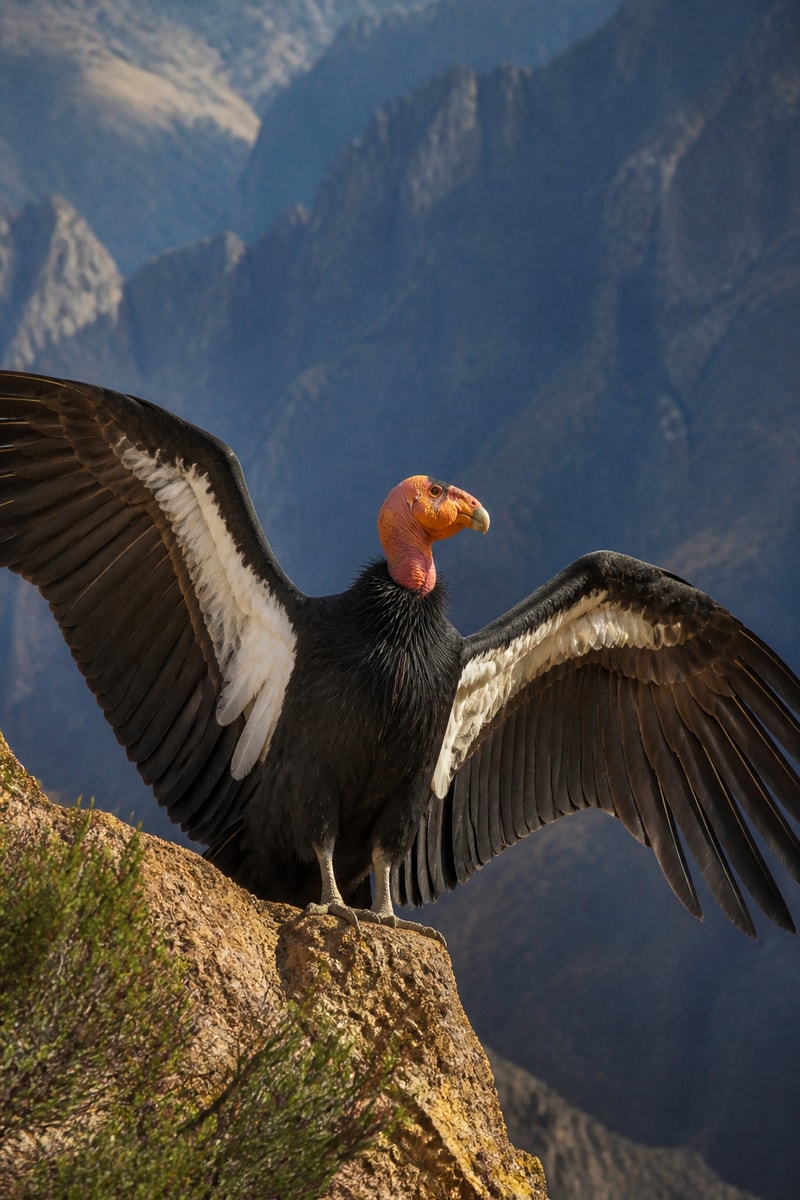
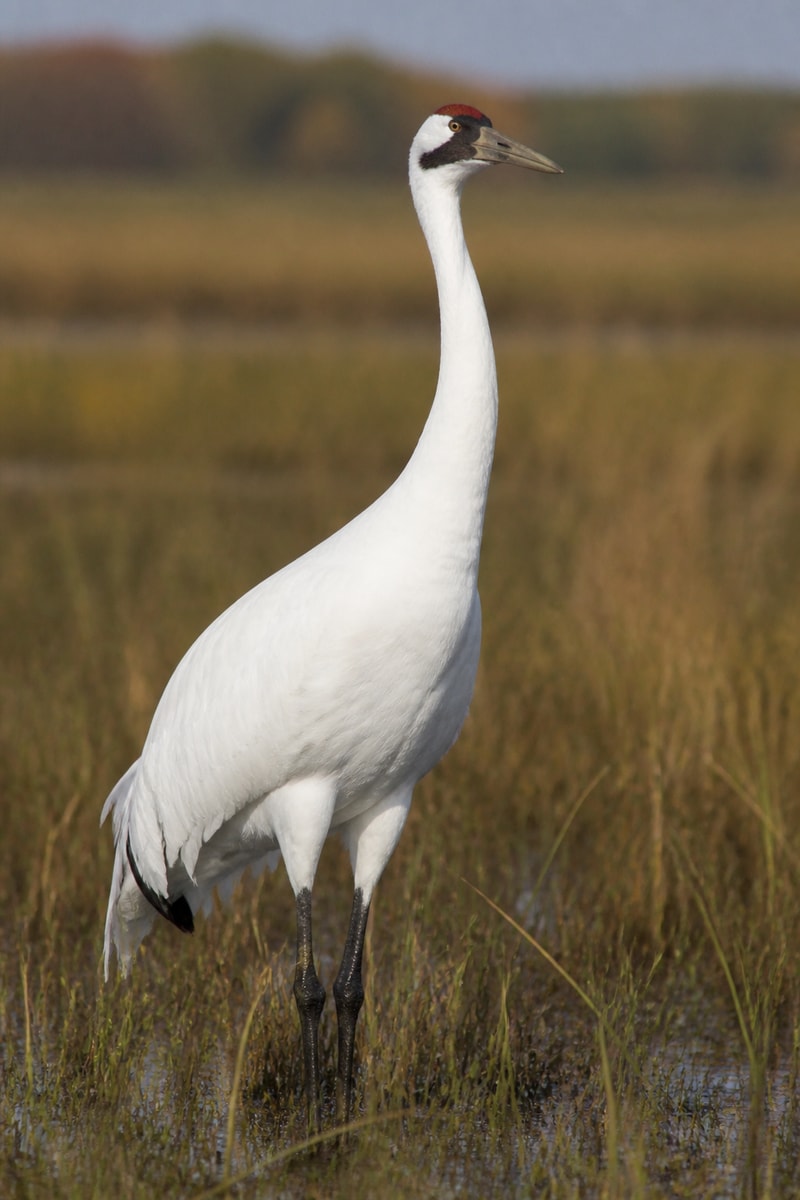
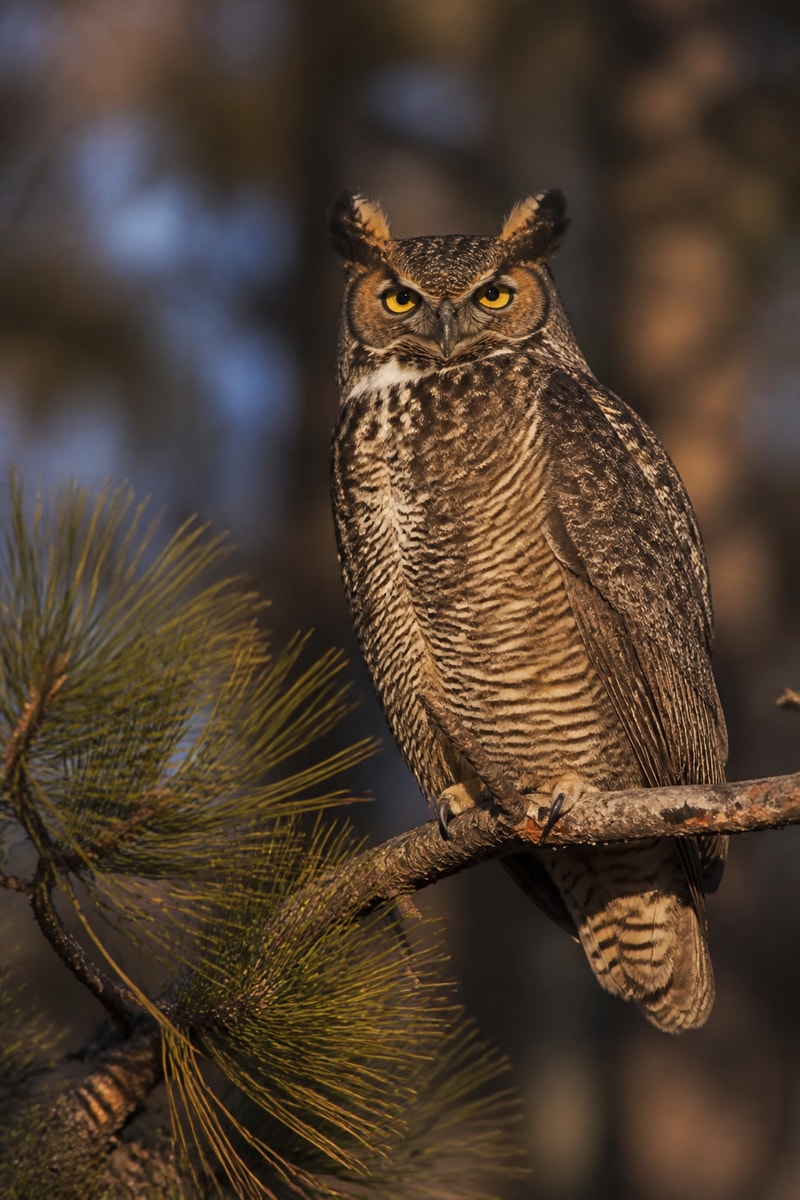
Keep exploring
Related discoveries
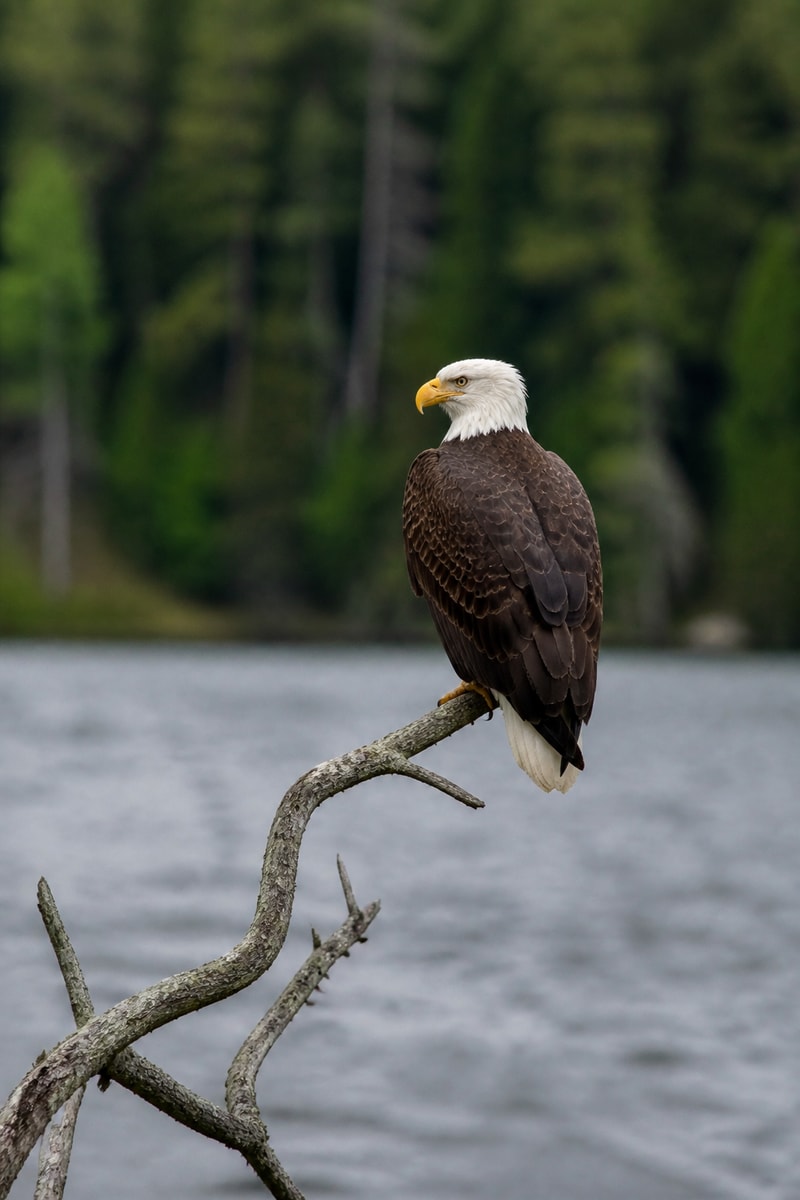
- Bald Eaglelegendary • Lakes & Coasts
- Grizzly Bearlegendary • Mountains & Rivers
- Blue Whalelegendary • Open Ocean
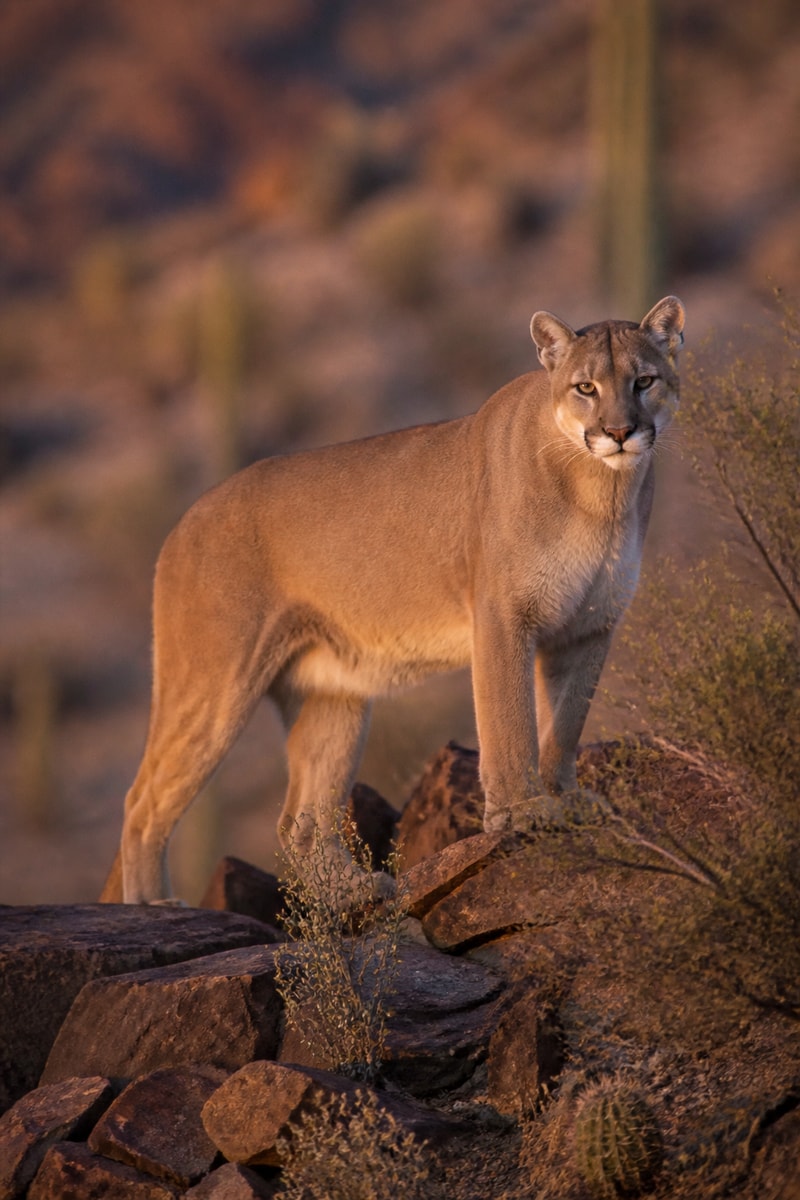
- Mountain Lionlegendary • Mountains & Desert
- Great White Sharklegendary • Coastal Ocean
- Orcalegendary • Coastal Ocean
- California Condorlegendary • Canyons & Cliffs
- Whooping Cranelegendary • North American Wetlands
Free on iOS
Catch the Eastern Gray Squirrel
Spot one in the wild, then scan it in Catch'Um to log your common discovery.