
Field guide · common
Eastern Cottontail
America's backyard rabbit, a quick-footed grazer whose white tail flashes like a warning light when danger appears.
Least Concern
Sylvilagus floridanus
Overview
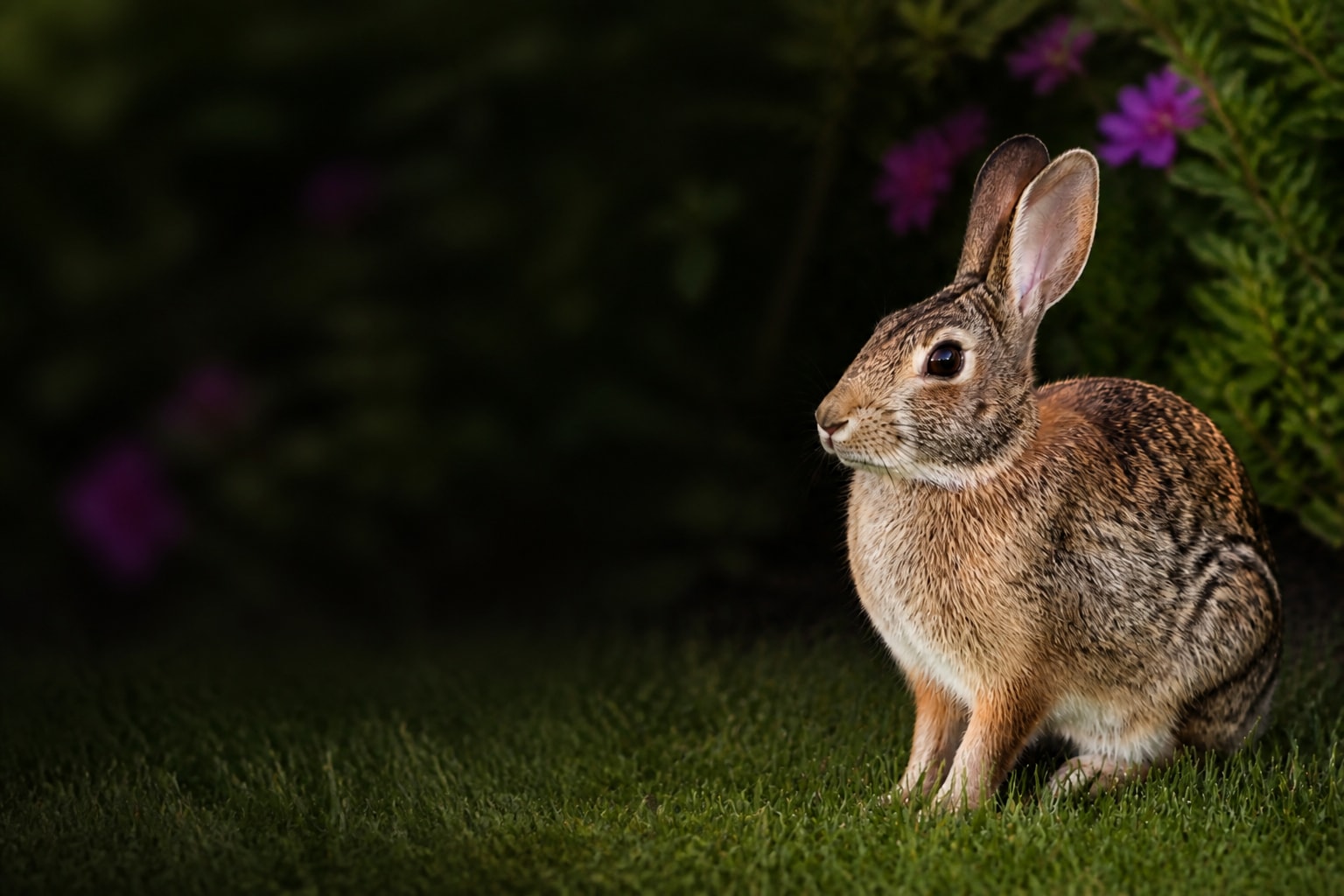
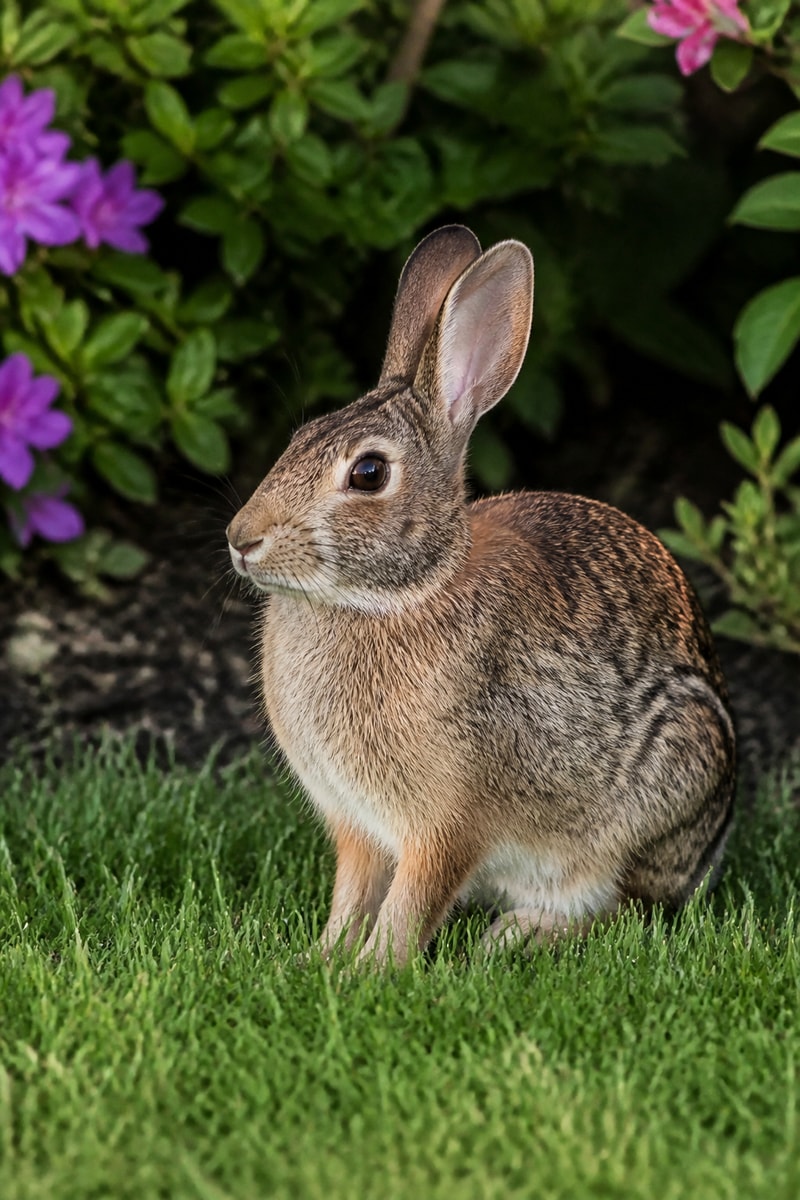
The eastern cottontail is the most familiar rabbit across the eastern and central United States, turning lawns, field edges, and suburban gardens into its home range. Active mainly at dawn and dusk, it feeds on grasses, clover, and garden plants, leaving neat clipped stems where it has grazed.
When startled, a cottontail freezes briefly, its brown coat melting into leaf litter, then bolts in a zigzag sprint, flashing the bright white underside of its tail. That flash may confuse predators just long enough for the rabbit to reach cover.
- Scientific nameSylvilagus floridanus
- Length36–48 cm
- Weight0.8–1.5 kg
- Lifespan1–3 years in the wild
- DietGrasses
- ConservationLeast Concern
- RegionFields & Gardens
Habitat
- Meadows
- Brush
- Woodland edge
- Suburbs
Cottontails thrive in patchy landscapes: mowed lawns beside brush piles, hedgerows, overgrown fields, and woodland edges. They need dense cover within a short dash of open feeding ground and often shelter in thickets or burrows abandoned by other animals.
Countries found
Field notes
Field scale for the Eastern Cottontail: length around 36-48 cm; weight 0.8-1.5 kg. Typical lifespan: 1-3 years in the wild.
When you are scanning habitat, prioritise meadows, brush, woodland edge, and suburbs. Those settings are where a clean look and a usable photo are most likely.
Quick ID anchor: Brownish-grey rabbit with a rusty nape patch and a short fluffy white 'cotton' underside to the tail. Ears are relatively short compared with jackrabbits or hares. Confirm with behaviour and habitat before you log the discovery.
Diet
Grasses, clover, and forbs in the growing season; switches to bark, twigs, and buds in winter. Feeds close to cover and often returns to the same trails.
Behaviour
Crepuscular and nocturnal; freezes when threatened, then bolts in a zigzag sprint for cover. Nests are shallow ground forms lined with grass and belly fur.
How to identify
Brownish-grey rabbit with a rusty nape patch and a short fluffy white 'cotton' underside to the tail. Ears are relatively short compared with jackrabbits or hares.
Interesting facts
- 01
Cottontails freeze when scared, their brown coat blends into leaf litter.
- 02
They can produce several litters a year, with kits leaving the nest in about two weeks.
- 03
The white tail flash may signal danger to other rabbits nearby.
Conservation status
Eastern cottontails are Least Concern and abundant across their range. They benefit from suburban edge habitat but face heavy predation from cats, dogs, foxes, and hawks.
Sources: IUCN Red List
Related discoveries

Keep exploring
Related discoveries
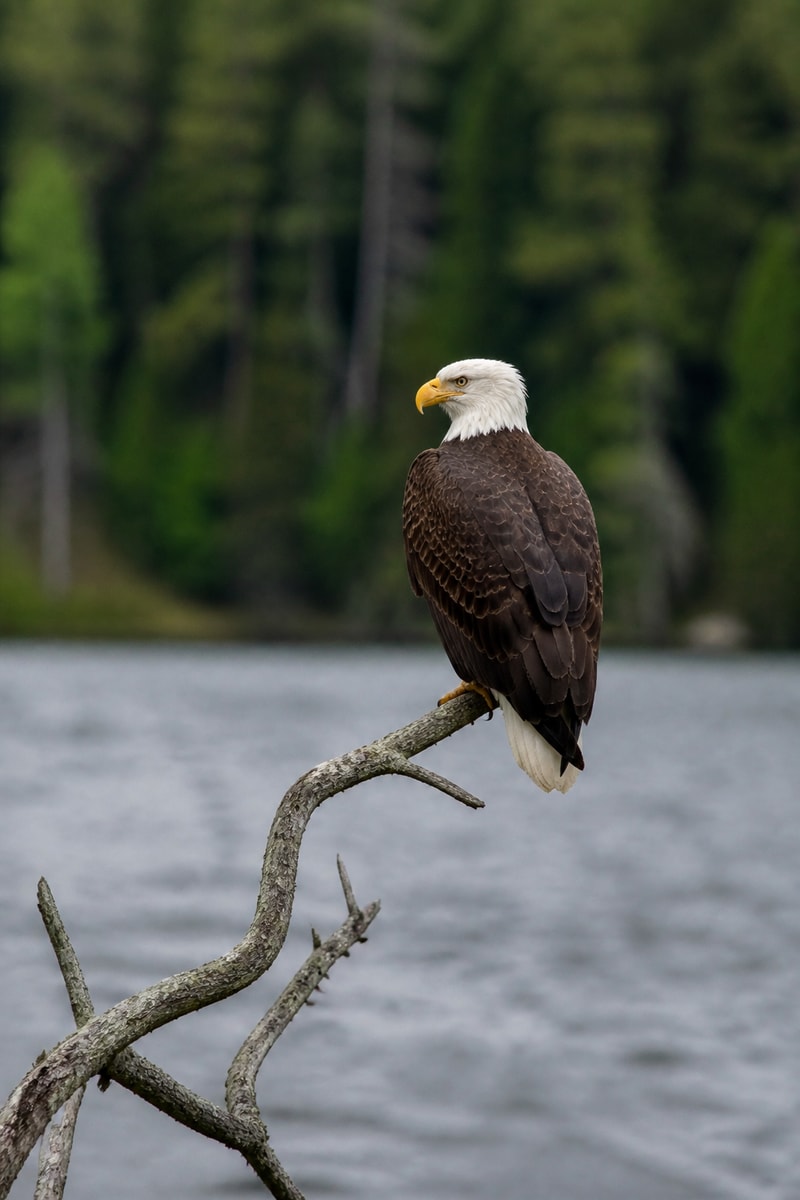
- Bald Eaglelegendary • Lakes & Coasts
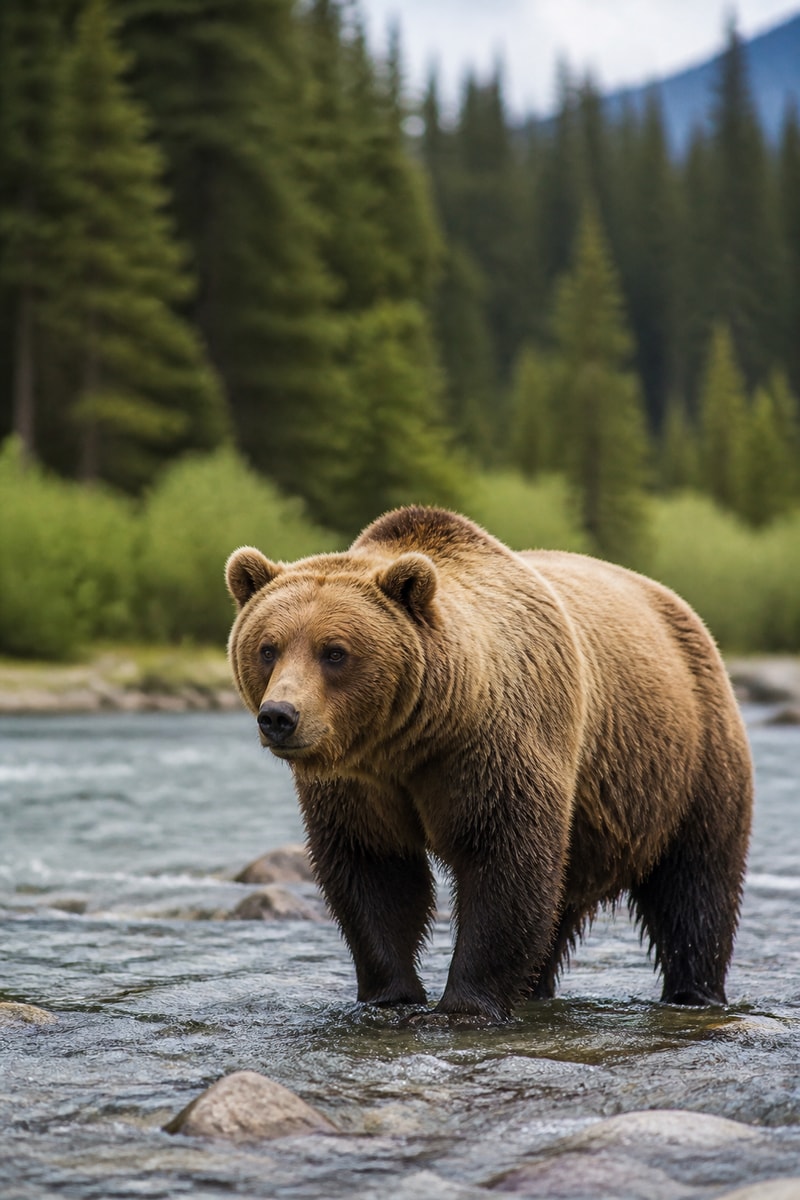
- Grizzly Bearlegendary • Mountains & Rivers
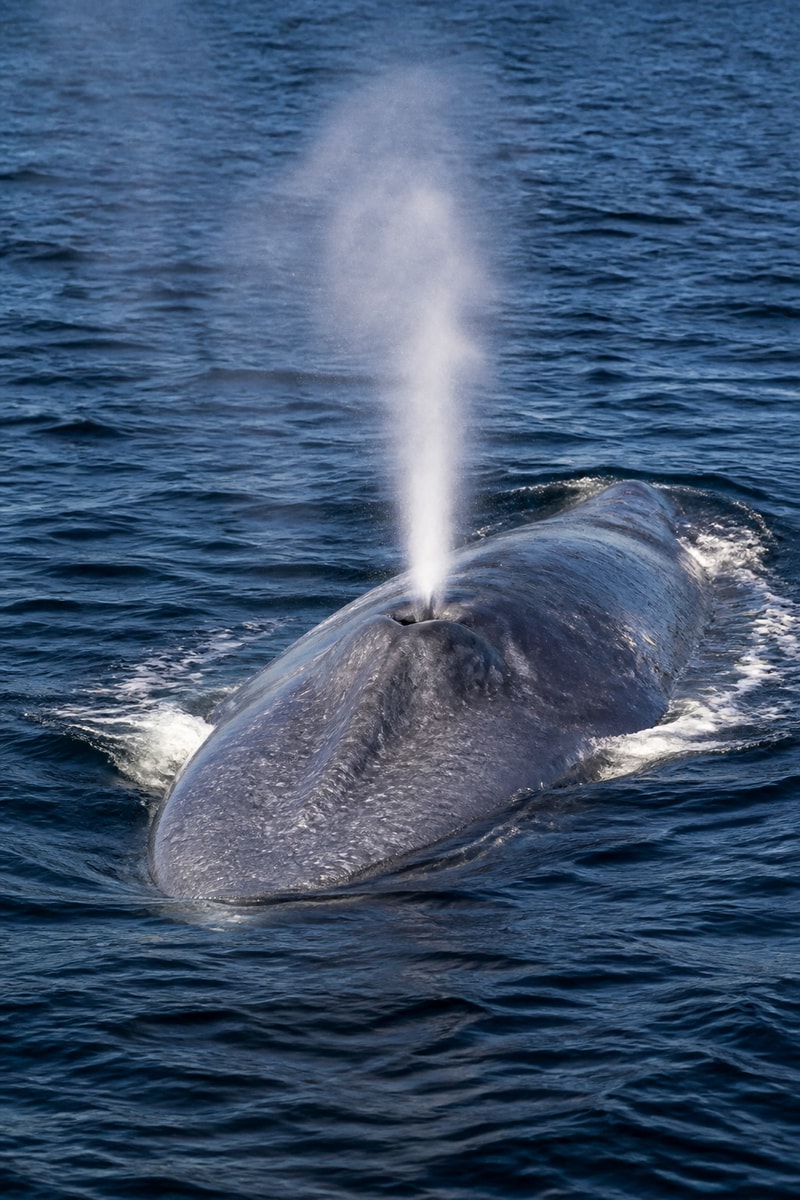
- Blue Whalelegendary • Open Ocean
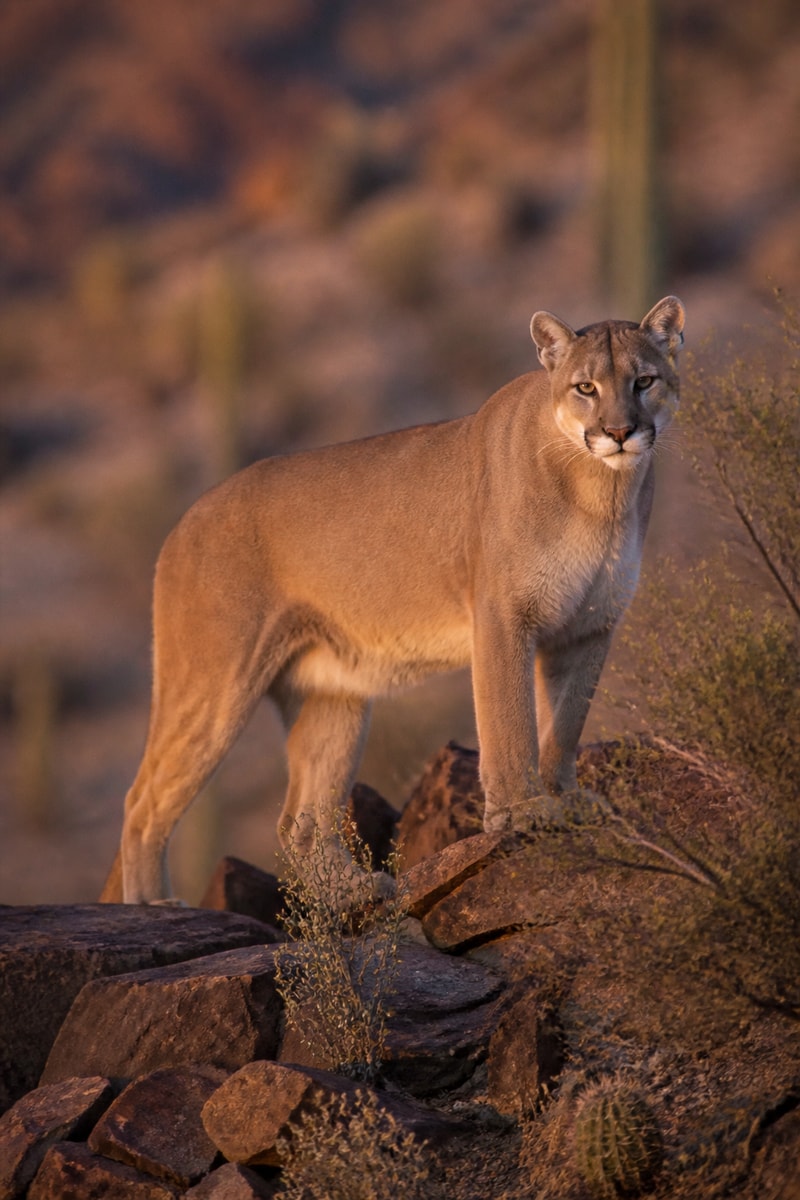
- Mountain Lionlegendary • Mountains & Desert
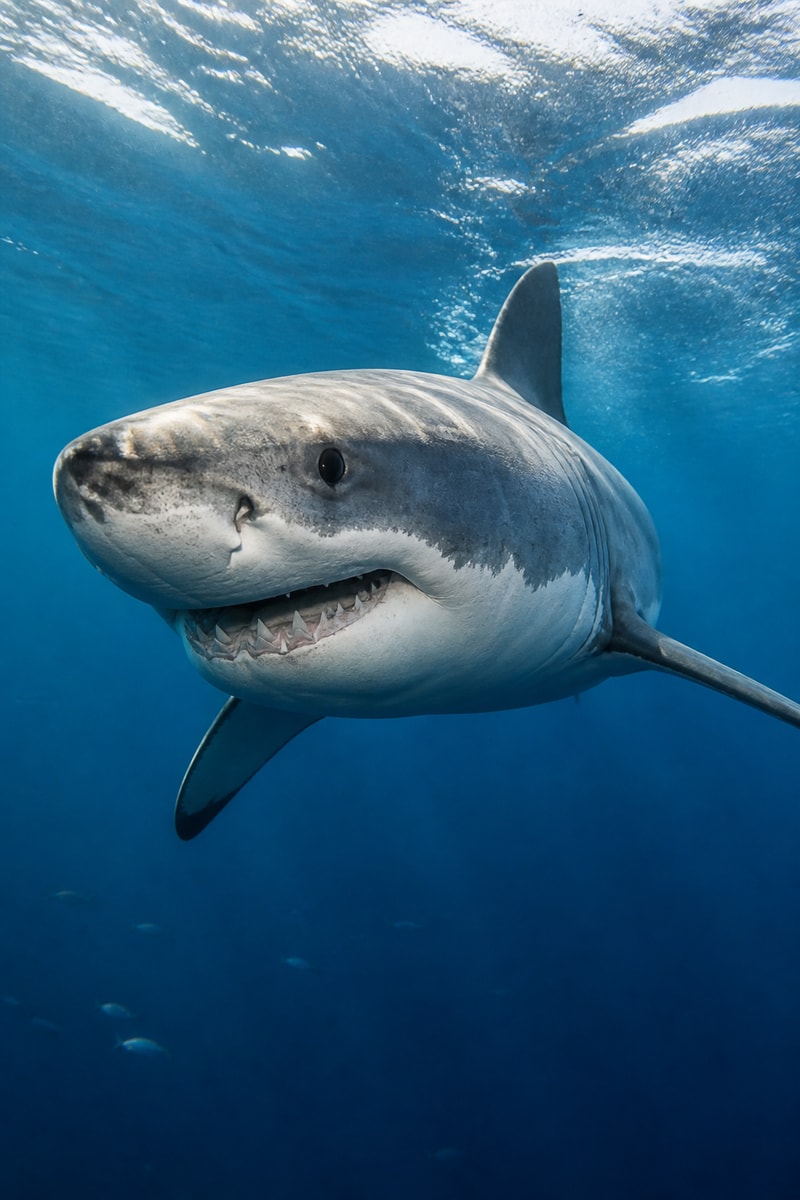
- Great White Sharklegendary • Coastal Ocean
- Orcalegendary • Coastal Ocean
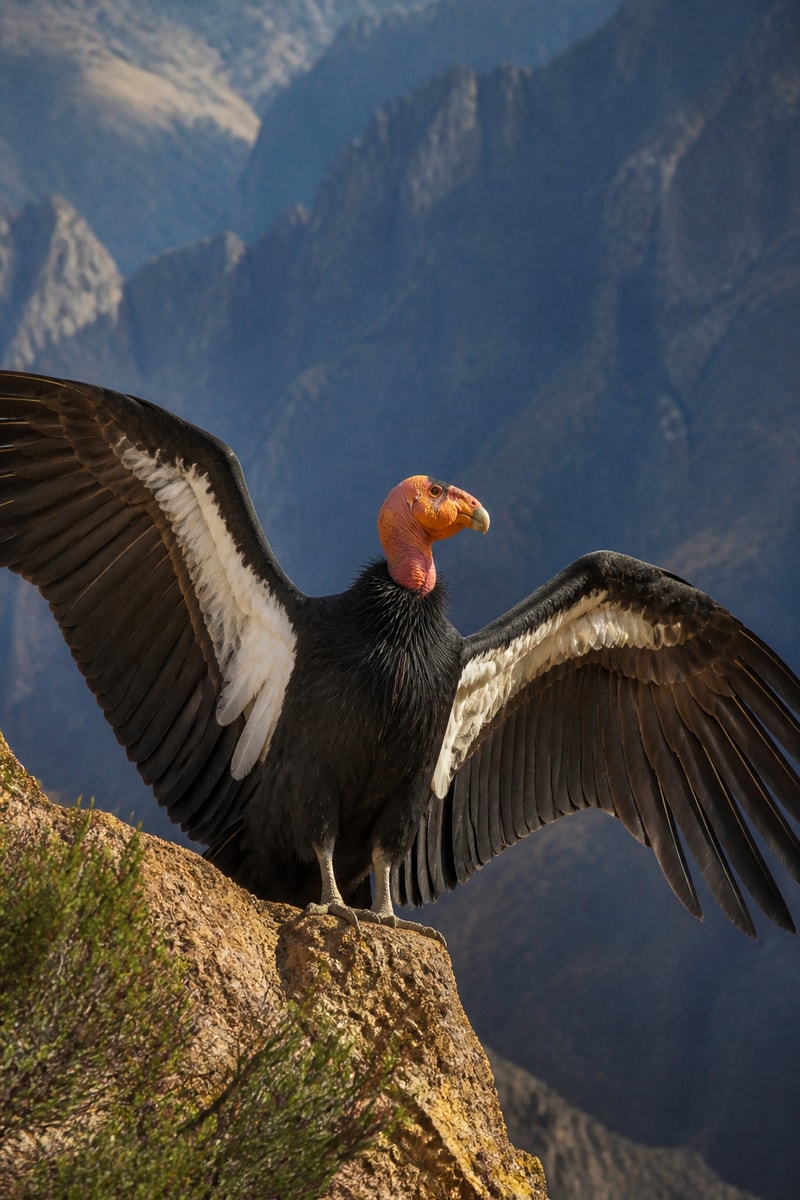
- California Condorlegendary • Canyons & Cliffs
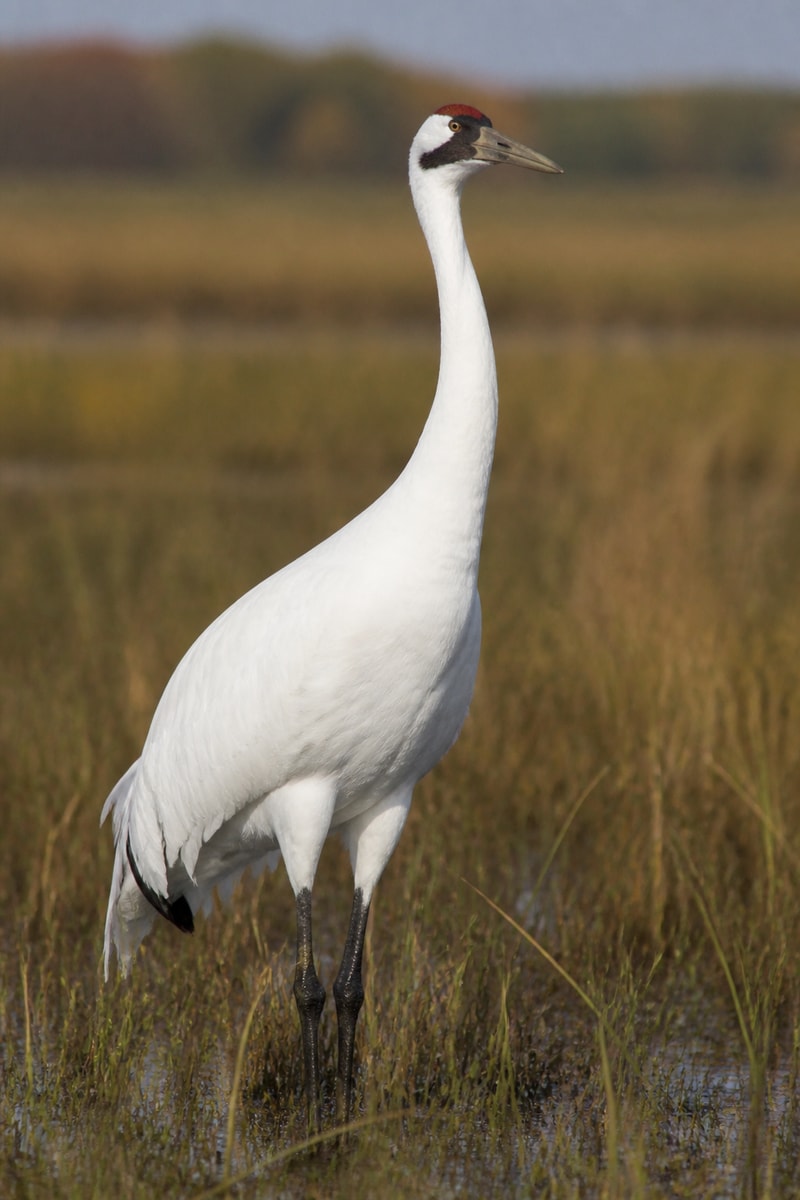
- Whooping Cranelegendary • North American Wetlands
Free on iOS
Catch the Eastern Cottontail
Spot one in the wild, then scan it in Catch'Um to log your common discovery.