
Field guide · common
Eastern Chipmunk
Cheek pouches, racing stripes, and chatter — the classic eastern forest squirrel.
Least Concern
Tamias striatus
Overview
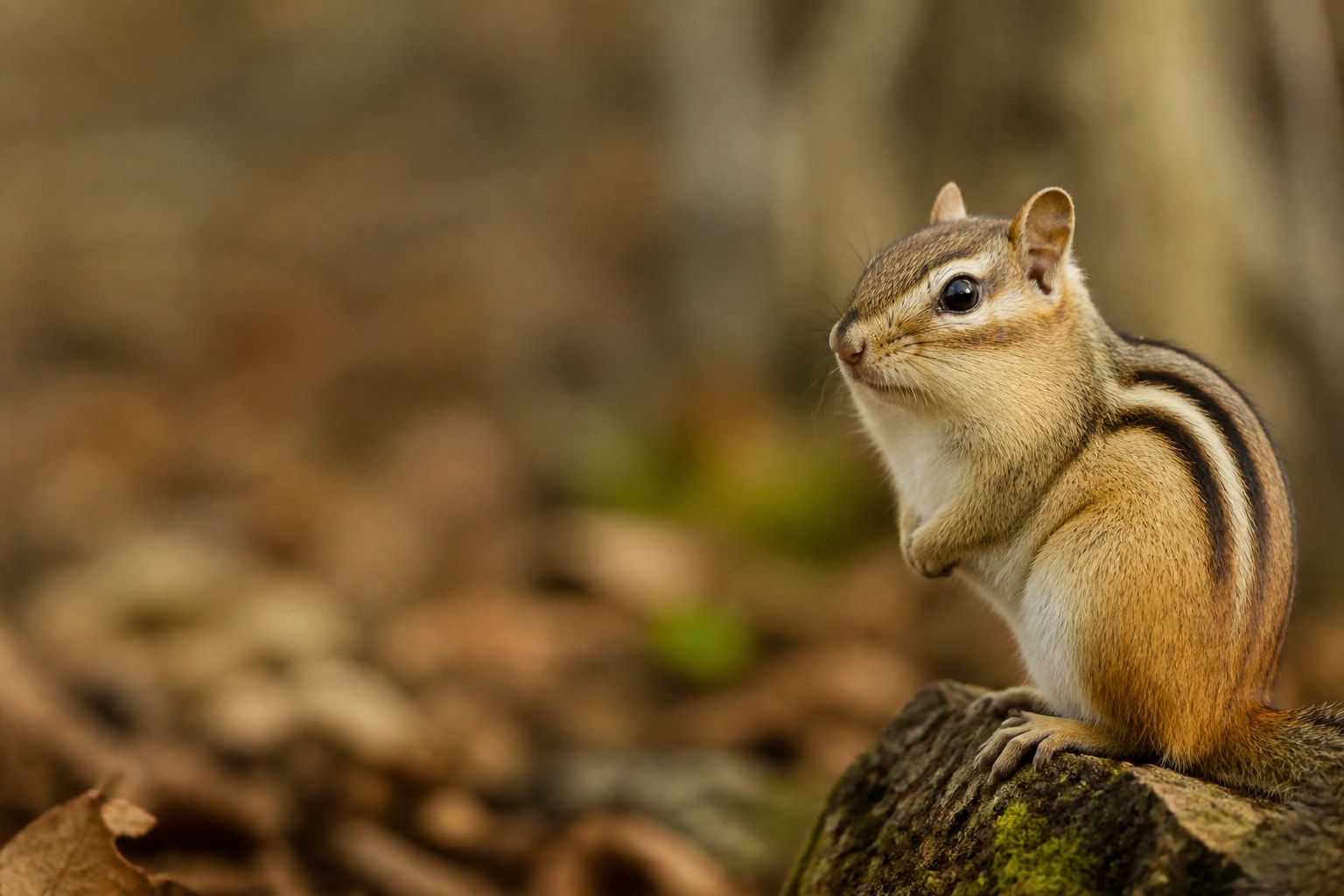
Eastern chipmunks are small striped ground squirrels of eastern North American forests and gardens. They stuff cheek pouches with seeds and nuts, darting between burrow entrances with a sharp chipping alarm call.
For US collectors, the eastern chipmunk is a common woodland familiar — cheek pouches, five dark back stripes, and easy park and backyard ticks.
- Scientific nameTamias striatus
- Length20–30 cm including tail
- Weight70–140 g
- LifespanAround 2–3 years in the wild
- DietAcorns
- ConservationLeast Concern
- RegionEastern US Woodlots
Where to see them
Habitat
- Deciduous forest
- Woodlot
- Stone wall edge
- Suburban yard
Deciduous forests, woodlots, stone walls, and suburban yards of eastern North America, with burrows among roots, rocks, and leaf litter.
Field notes
Field scale for the Eastern Chipmunk: length around 20-30 cm including tail; weight 70-140 g. Typical lifespan: Around 2-3 years in the wild.
When you are scanning habitat, prioritise deciduous forest, woodlot, stone wall edge, and suburban yard. Those settings are where a clean look and a usable photo are most likely.
Quick ID anchor: Small reddish-brown squirrel with five dark dorsal stripes and pale belly. Confirm with behaviour and habitat before you log the discovery.
Diet
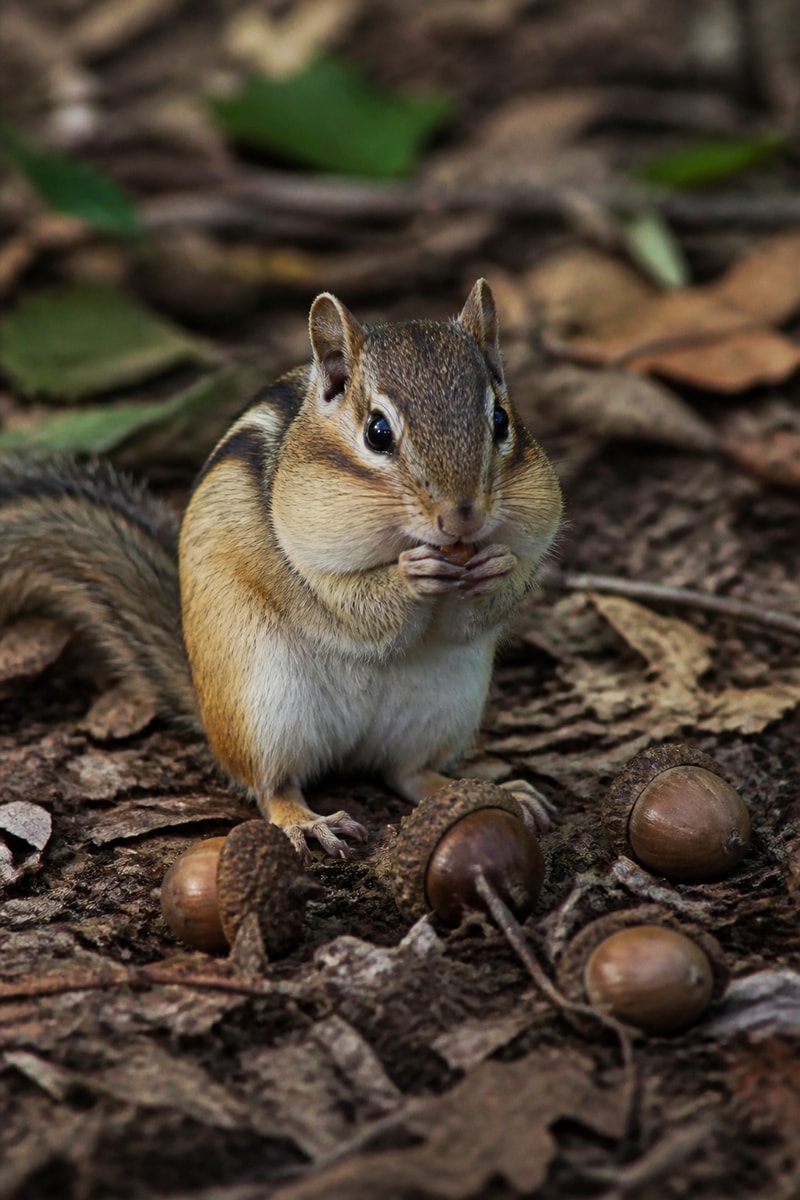
Acorns, nuts, seeds, berries, mushrooms, and occasional insects or bird eggs.
Cache food in burrow chambers for winter awakenings.
Behaviour
Diurnal and territorial; defend burrow areas with chipping calls.
Spend winter in underground torpor, living off stored seeds.
How to identify
Small reddish-brown squirrel with five dark dorsal stripes and pale belly.
Striped face and bushy but shortish tail held upright when running.
Interesting facts
- 01
Five dark stripes run down the back; face is also striped.
- 02
Expandable cheek pouches carry seeds back to burrows.
- 03
Sharp ‘chip-chip’ calls warn of hawks and other threats.
- 04
Hibernate in winter, waking periodically to eat cached food.
- 05
Diet mixes nuts, seeds, berries, fungi, and insects.
- 06
Common around rock walls and woodland edges in the East.
Conservation status
Eastern chipmunks are Least Concern and abundant across much of their range. Healthy leaf litter and cover sustain suburban and forest populations.
Sources: IUCN Red List
Related discoveries



Keep exploring
Related discoveries
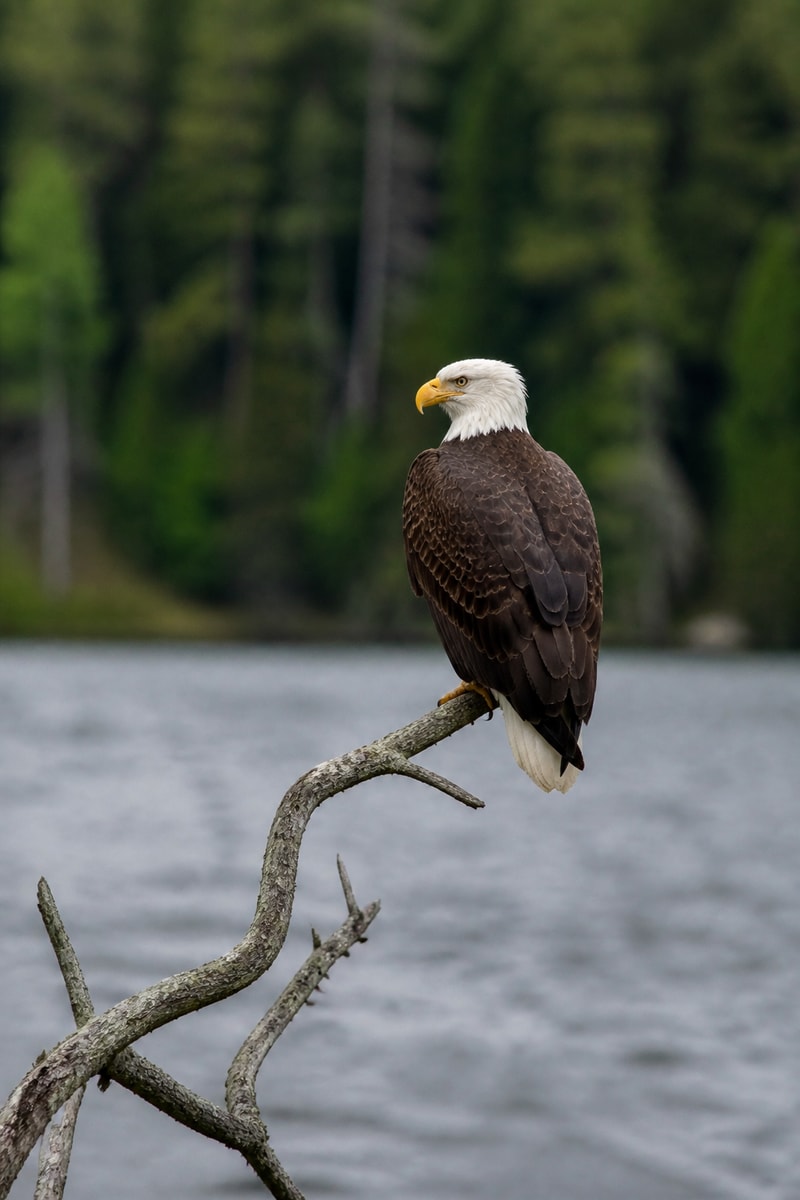
- Bald Eaglelegendary • Lakes & Coasts
- Grizzly Bearlegendary • Mountains & Rivers
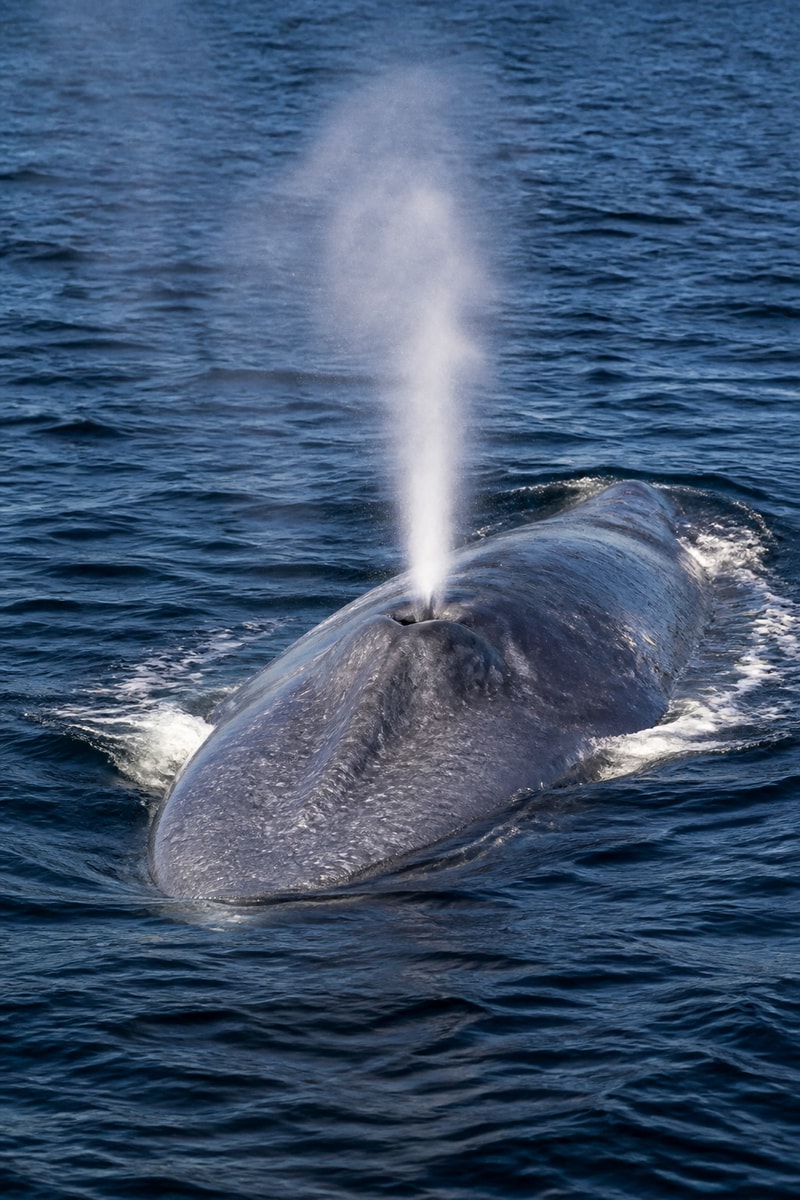
- Blue Whalelegendary • Open Ocean
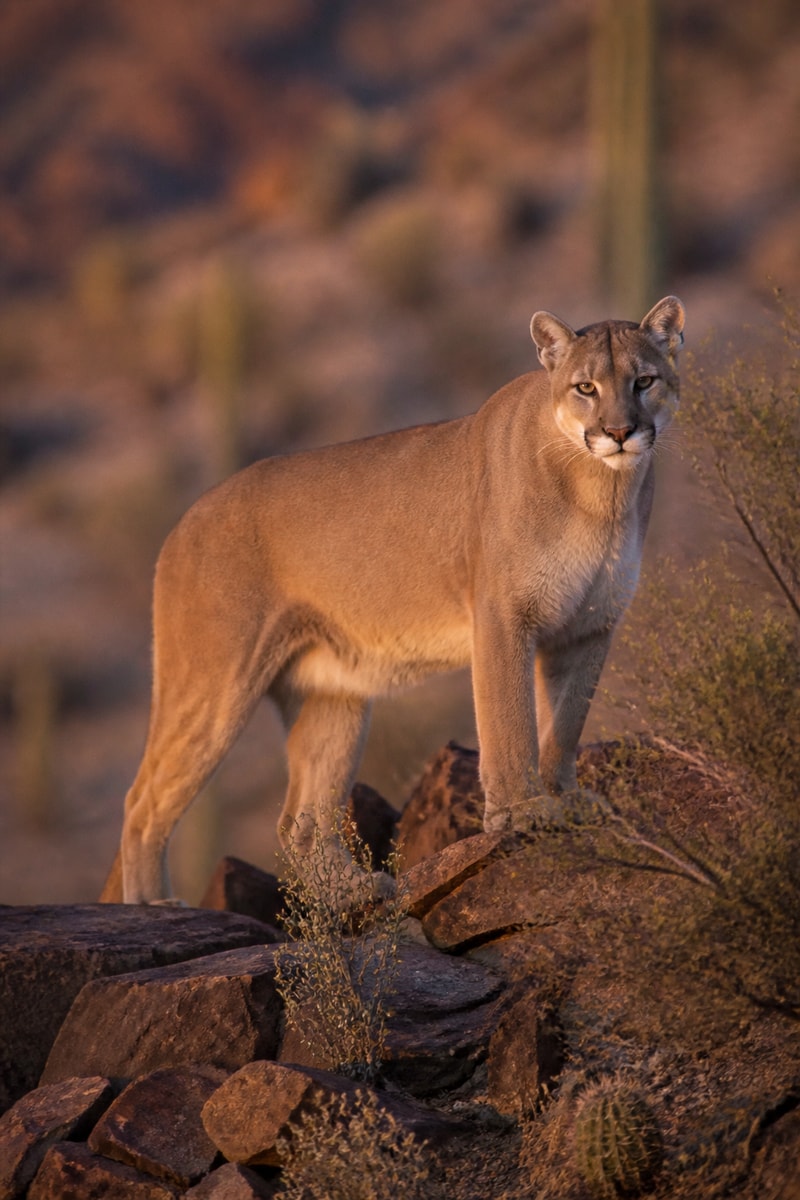
- Mountain Lionlegendary • Mountains & Desert
- Great White Sharklegendary • Coastal Ocean
- Orcalegendary • Coastal Ocean
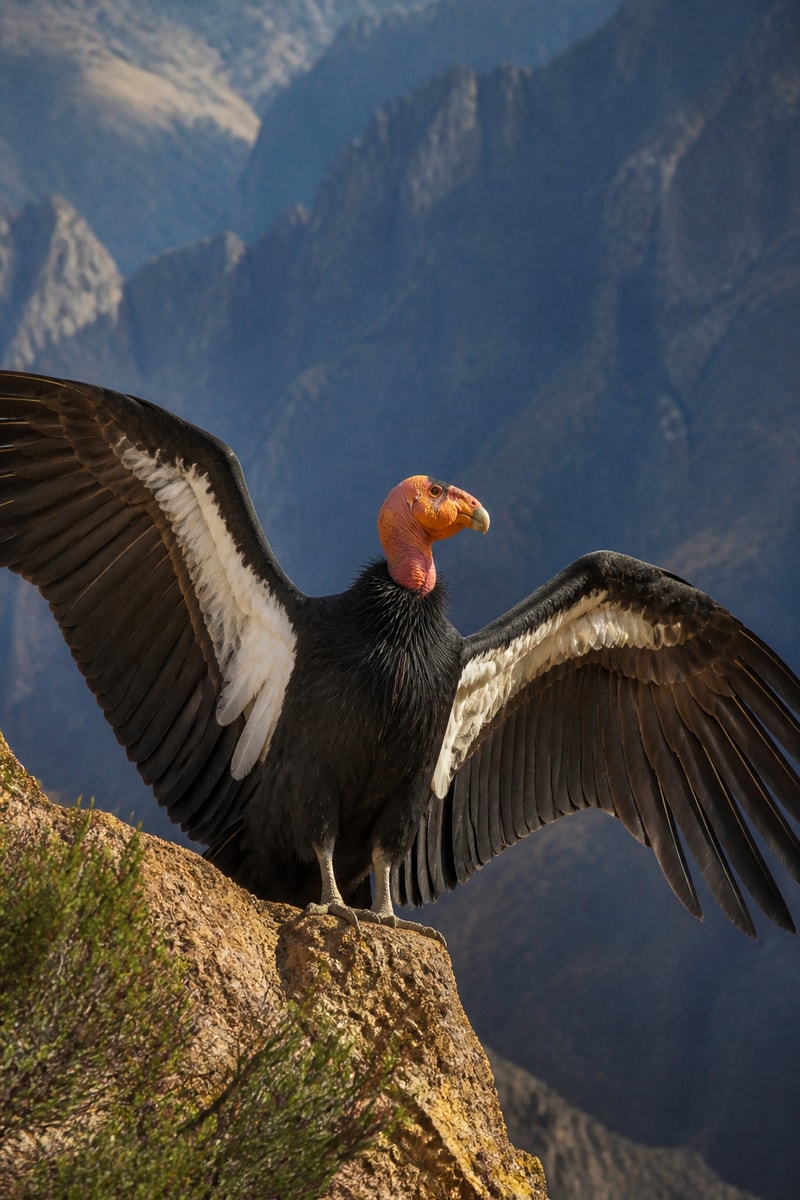
- California Condorlegendary • Canyons & Cliffs
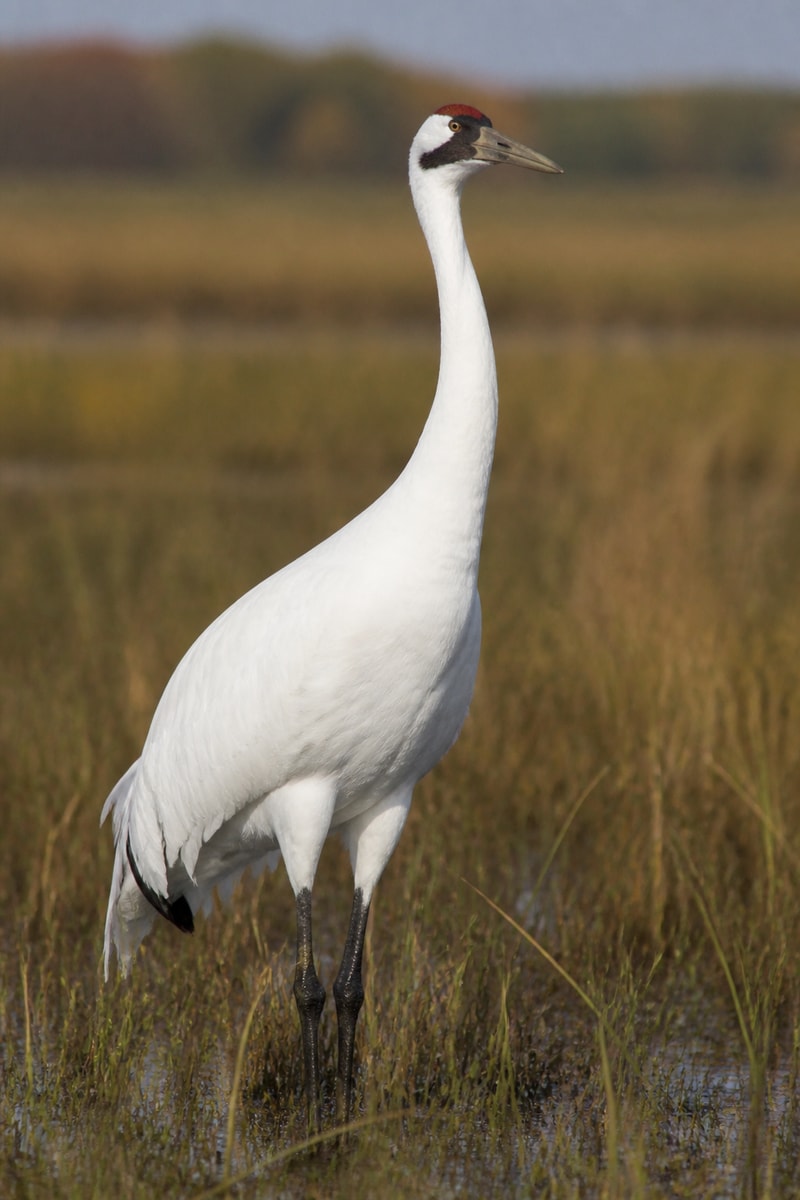
- Whooping Cranelegendary • North American Wetlands
Free on iOS
Catch the Eastern Chipmunk
Spot one in the wild, then scan it in Catch'Um to log your common discovery.