

Field guide · common
Eastern Bluebird
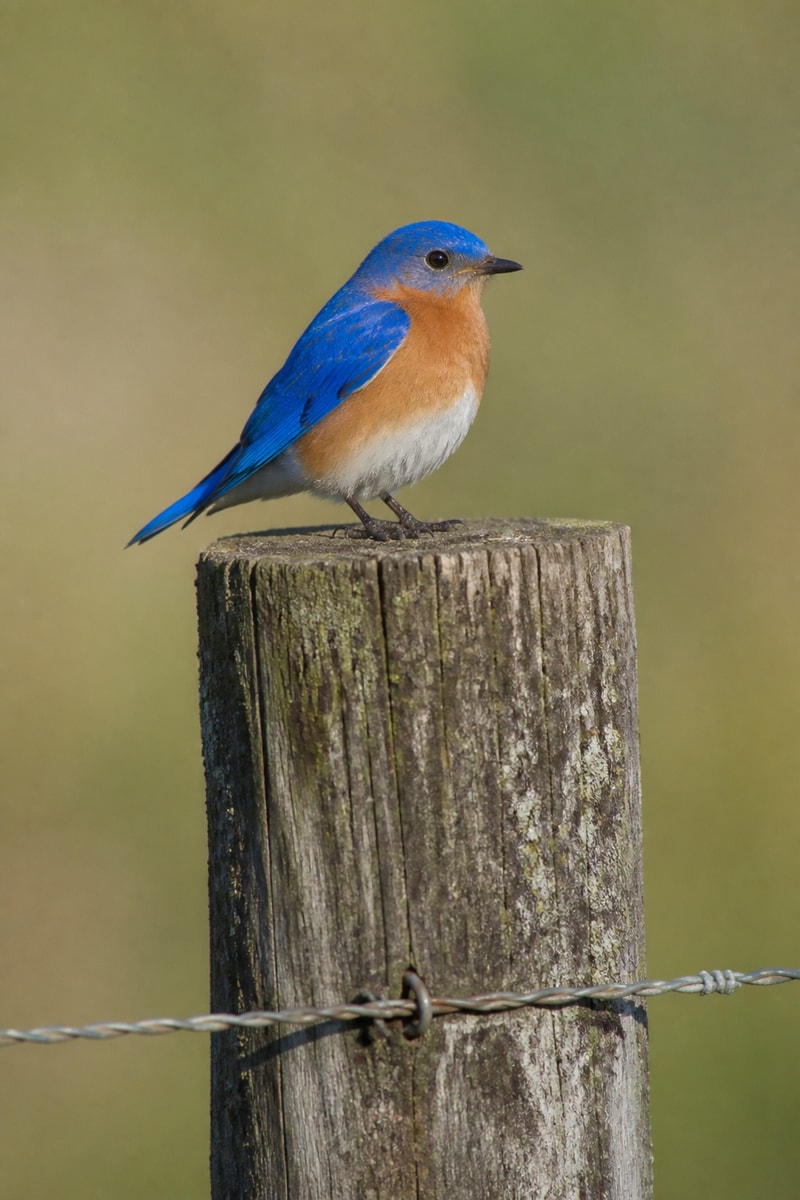
Sky-blue back, rusty breast — the classic bluebird of eastern fences and nest boxes.
Least Concern
Sialia sialis
Overview
Eastern bluebirds are small thrushes of open country in eastern North America. Males glow sky-blue above with a warm rusty breast, perching on wires and fence posts to drop onto insects in short grass.
For US collectors, the eastern bluebird is a common open-country gem — nest-box favourite, soft warble, and a recovery success after nest-site competition.
- Scientific nameSialia sialis
- Length16–21 cm
- Weight27–34 g
- LifespanAround 6–10 years in the wild
- DietInsects and other…
- ConservationLeast Concern
- RegionEastern US Open Country
Where to see them
Habitat
- Open pasture
- Orchard
- Woodland edge
- Nest-box meadow
Open woodland edges, pastures, orchards, golf courses, and suburban fields of eastern North America, nesting in natural cavities or nest boxes.
Field notes
Field scale for the Eastern Bluebird: length around 16-21 cm; weight 27-34 g. Typical lifespan: Around 6-10 years in the wild.
When you are scanning habitat, prioritise open pasture, orchard, woodland edge, and nest-box meadow. Those settings are where a clean look and a usable photo are most likely.
Quick ID anchor: Small thrush; male bright blue above with rusty throat and breast and white belly. Confirm with behaviour and habitat before you log the discovery.
Diet
Insects and other invertebrates in the breeding season; berries and small fruits in winter.
Drop from fence posts and wires onto prey in short turf.
Behaviour
Form pairs that defend nest cavities; may raise multiple broods.
Gather in small flocks around berry sources outside nesting.
How to identify
Small thrush; male bright blue above with rusty throat and breast and white belly.
Upright posture on wires; soft churring calls and musical song.
Interesting facts
- 01
Males are vivid blue above with a rusty-orange breast.
- 02
Females are greyer-blue with softer colouring.
- 03
Nest boxes boosted populations after cavity competition with starlings and sparrows.
- 04
Hunt insects from low perches over short grass.
- 05
Soft musical warbles carry across open fields.
- 06
State bird of Missouri and New York.
Conservation status
Eastern bluebirds are Least Concern and have rebounded with nest-box programmes. Maintaining open foraging habitat and monitored boxes supports local numbers.
Sources: IUCN Red List
Related discoveries




Keep exploring
Related discoveries
- Bald Eaglelegendary • Lakes & Coasts
- Grizzly Bearlegendary • Mountains & Rivers
- Blue Whalelegendary • Open Ocean
- Mountain Lionlegendary • Mountains & Desert
- Great White Sharklegendary • Coastal Ocean
- Orcalegendary • Coastal Ocean
- California Condorlegendary • Canyons & Cliffs
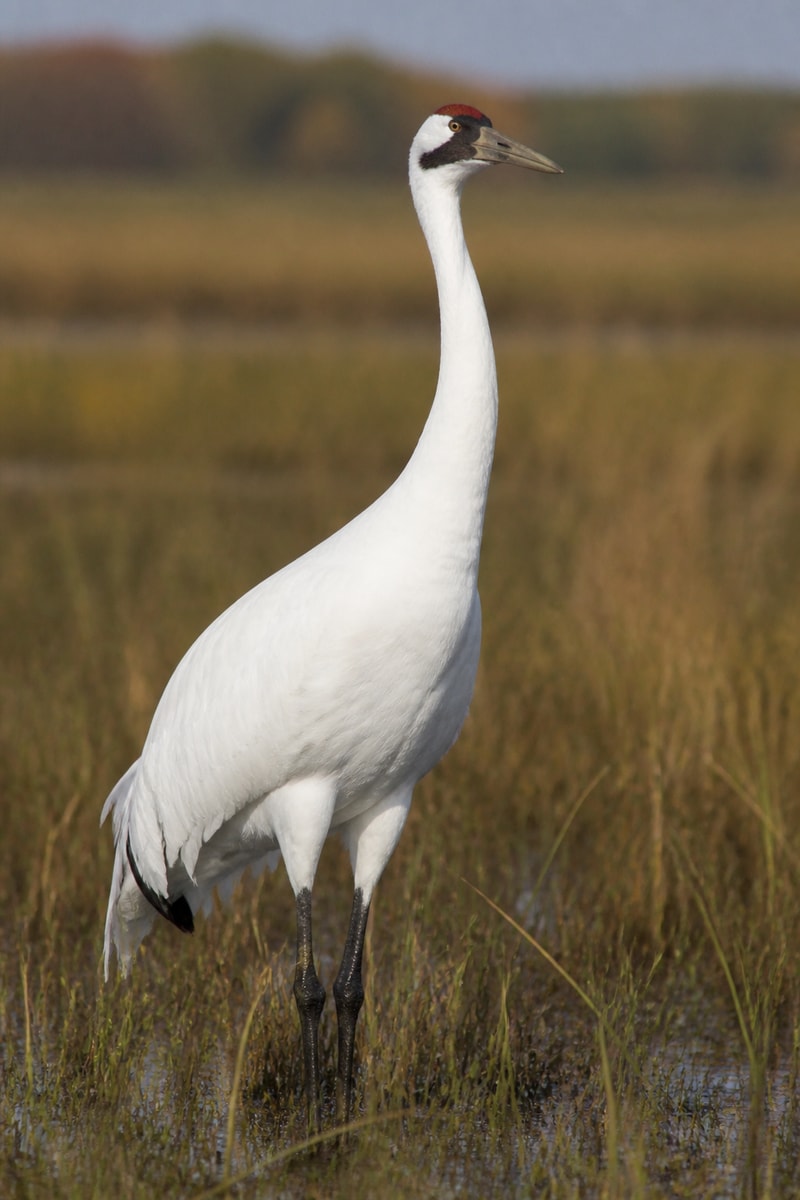
- Whooping Cranelegendary • North American Wetlands
Free on iOS
Catch the Eastern Bluebird
Spot one in the wild, then scan it in Catch'Um to log your common discovery.