
Field guide · common
Domestic Cat
The quiet hunter on every garden wall, a familiar face that sleeps up to 16 hours a day.
Least Concern
Felis catus
Overview
The domestic cat is one of the world's most successful small predators, equally at home on a windowsill or stalking through long grass. Descended from wild cats of the Middle East, cats spread with human trade routes and now outnumber dogs as the most popular pet on the planet.
Independent, curious, and endlessly photogenic, cats are a staple discovery for urban collectors. That stretch in a sunbeam, the intense stare from a fence post, the sudden dash after a leaf: cats turn ordinary streets into hunting grounds.
- Scientific nameFelis catus
- Length45–50 cm body; tail ~25–35 cm
- Height23–25 cm at the shoulder
- Weight3.5–5.5 kg typical adults
- Lifespan12–18 years as pets; often much shorter for outdoor or feral cats
- DietCarnivore
- ConservationLeast Concern
- RegionGardens & Streets
Habitat
- Homes
- Farms
- Urban gardens
- Feral colonies
Domestic cats occupy gardens, streets, rooftops, and alleyways in virtually every human settlement worldwide. Pet cats range from indoor flats to farmyards; feral populations thrive wherever there is shelter and prey, from city centres to coastal villages.
Countries found
Field notes
Field scale for the Domestic Cat: length around 45-50 cm body; tail ~25-35 cm; height 23-25 cm at the shoulder; weight 3.5-5.5 kg typical adults. Typical lifespan: 12-18 years as pets; often much shorter for outdoor or feral cats.
When you are scanning habitat, prioritise homes, farms, urban gardens, and feral colonies. Those settings are where a clean look and a usable photo are most likely.
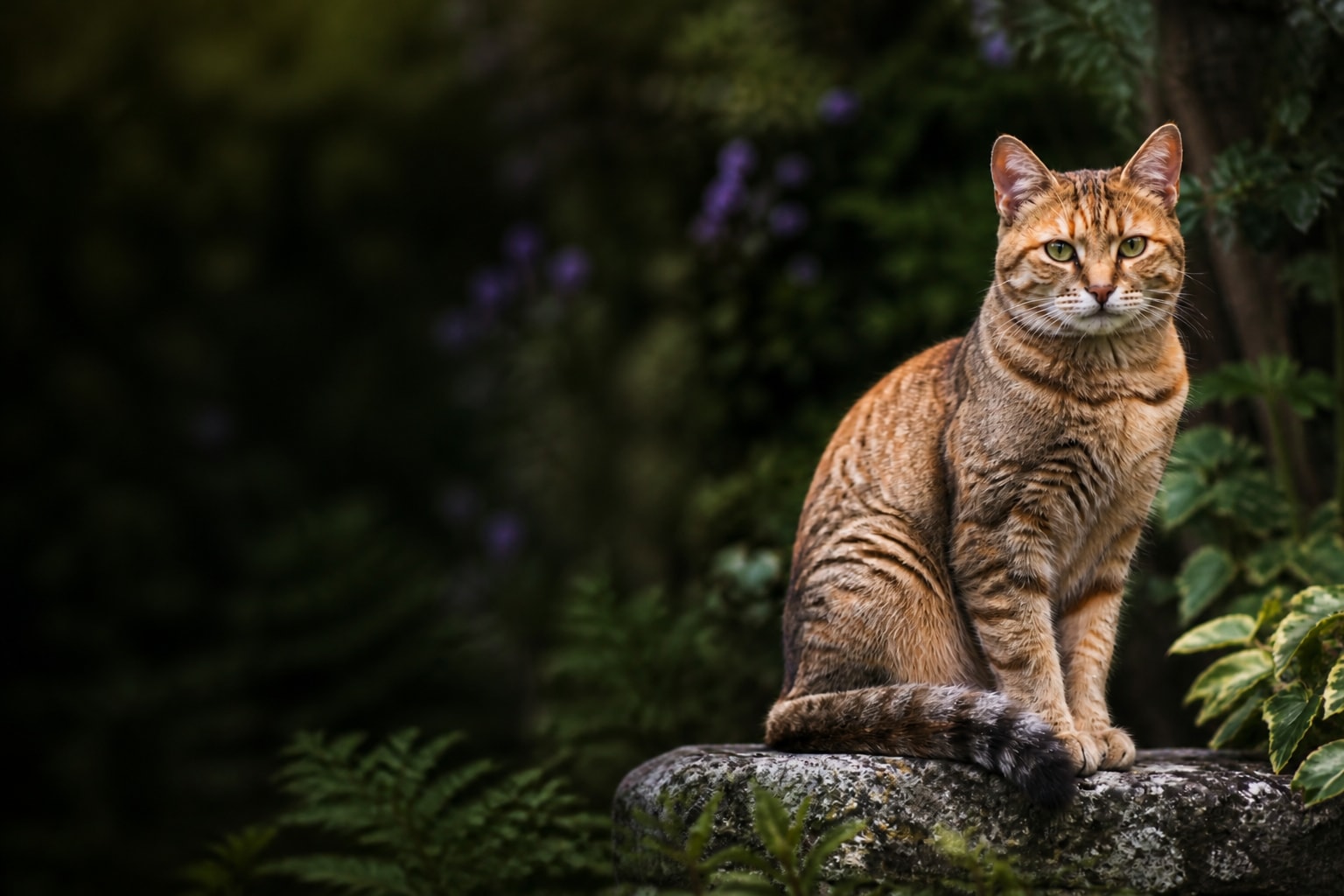
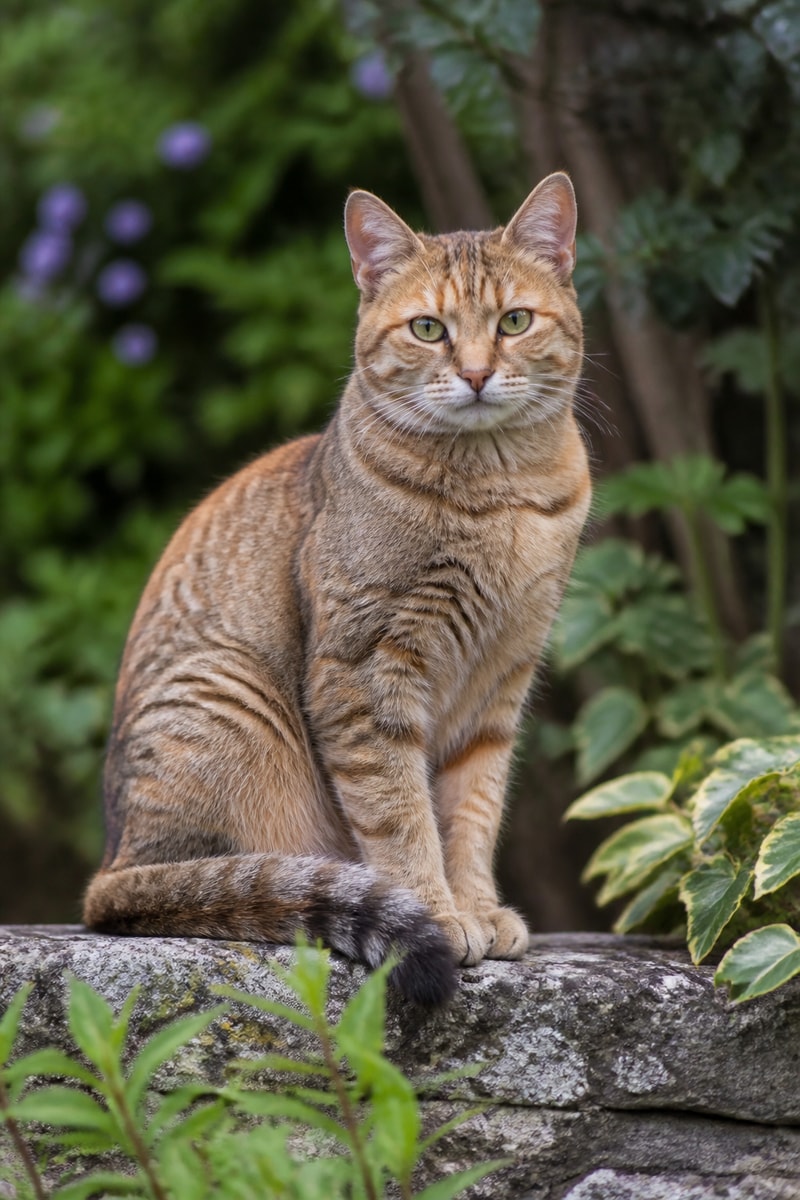
Quick ID anchor: Compact feline with a short muzzle, upright triangular ears, vertical-slit pupils in bright light, retractable claws, and a long balancing tail. Coat colour and pattern vary enormously. Confirm with behaviour and habitat before you log the discovery.
Where to see one
United States
In United States, start at Neighbourhood Streets (Nationwide). Front gardens, fence lines, and café patios, where house cats watch from walls and sparrows squabble over crumbs.
More context on this destination lives on the United States expedition page.
Diet
Obligate carnivores that need animal protein and taurine. Outdoor and feral cats hunt small mammals, birds, and insects; pets usually rely on formulated meat-based food.
Behaviour
Mostly solitary hunters with crepuscular peaks at dawn and dusk. They scent-mark with glands and urine, climb and jump with ease, and sleep many hours between short hunting or play bouts.
How to identify
Compact feline with a short muzzle, upright triangular ears, vertical-slit pupils in bright light, retractable claws, and a long balancing tail. Coat colour and pattern vary enormously.
Interesting facts
- 01
Cats spend up to 70% of their lives sleeping, about 13–16 hours a day.
- 02
A cat's purr vibrates at frequencies that may promote healing in bones and tissue.
- 03
Cats have a third eyelid, the nictitating membrane, for extra eye protection.
- 04
They can rotate their ears 180 degrees to pinpoint the source of a sound.
- 05
Ancient Egyptians revered cats; killing one was punishable by death.
- 06
A group of cats is called a clowder, though most prefer to hunt alone.
Conservation status
Domestic cats are abundant worldwide as pets and feral populations. In some regions, outdoor and feral cats pose a significant threat to native wildlife through predation, so responsible pet ownership and neutering programmes help reduce ecological impact.
Related discoveries






Keep exploring
Where it lives
Related discoveries
- Bald Eaglelegendary • Lakes & Coasts
- Grizzly Bearlegendary • Mountains & Rivers
- Blue Whalelegendary • Open Ocean
- Mountain Lionlegendary • Mountains & Desert
- Great White Sharklegendary • Coastal Ocean
- Orcalegendary • Coastal Ocean
- California Condorlegendary • Canyons & Cliffs
- Whooping Cranelegendary • North American Wetlands
Free on iOS
Catch the Domestic Cat
Spot one in the wild, then scan it in Catch'Um to log your common discovery.