
Field guide · rare
Desert Tortoise
High-domed Mojave wanderer — burrow engineer of creosote country.
Critically Endangered
Gopherus agassizii
Overview
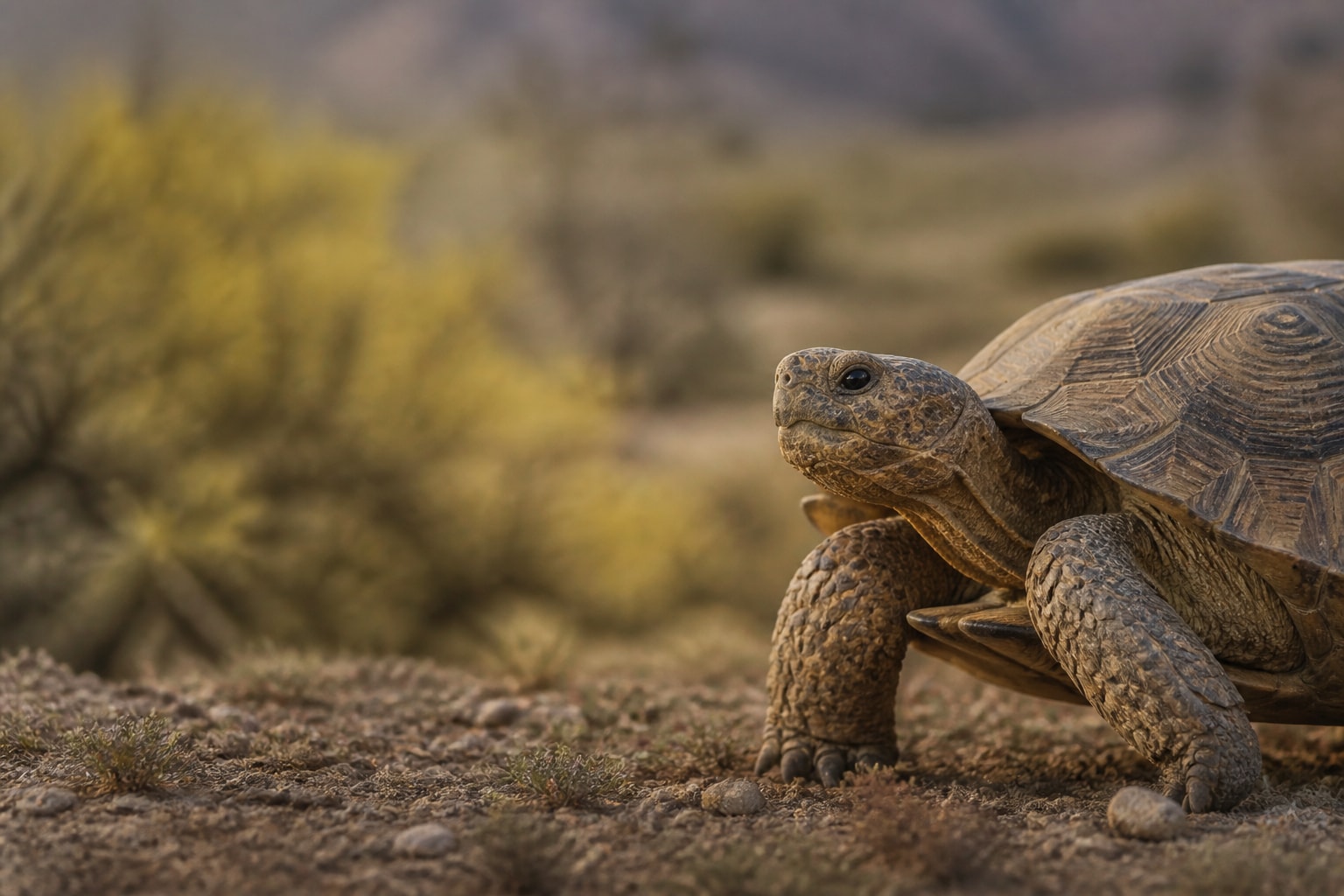
Desert tortoises (Agassiz’s or Mojave desert tortoises) are high-domed tortoises of the Mojave and western Sonoran deserts. They dig deep burrows to escape extreme heat and cold, browse desert plants, and move slowly across creosote flats — a flagship of southwestern desert conservation.
For US collectors, the desert tortoise is a rare desert prize — burrow mouth in the wash, domed silhouette at dusk, and a Critically Endangered icon of the American Southwest.
- Scientific nameGopherus agassizii
- Length25–36 cm shell
- Weight3–7 kg
- LifespanAround 50–80 years in the wild
- DietDesert grasses
- ConservationCritically Endangered
- RegionMojave Desert Scrub
Where to see them
Habitat
- Creosote scrub
- Desert wash
- Alluvial fan
- Rocky desert slope
Mojave and western Colorado/Sonoran desert scrub of the southwestern United States, especially creosote bush flats, washes, and rocky alluvial fans with soils soft enough for burrows.
Field notes
Field scale for the Desert Tortoise: length around 25-36 cm shell; weight 3-7 kg. Typical lifespan: Around 50-80 years in the wild.
When you are scanning habitat, prioritise creosote scrub, desert wash, alluvial fan, and rocky desert slope. Those settings are where a clean look and a usable photo are most likely.
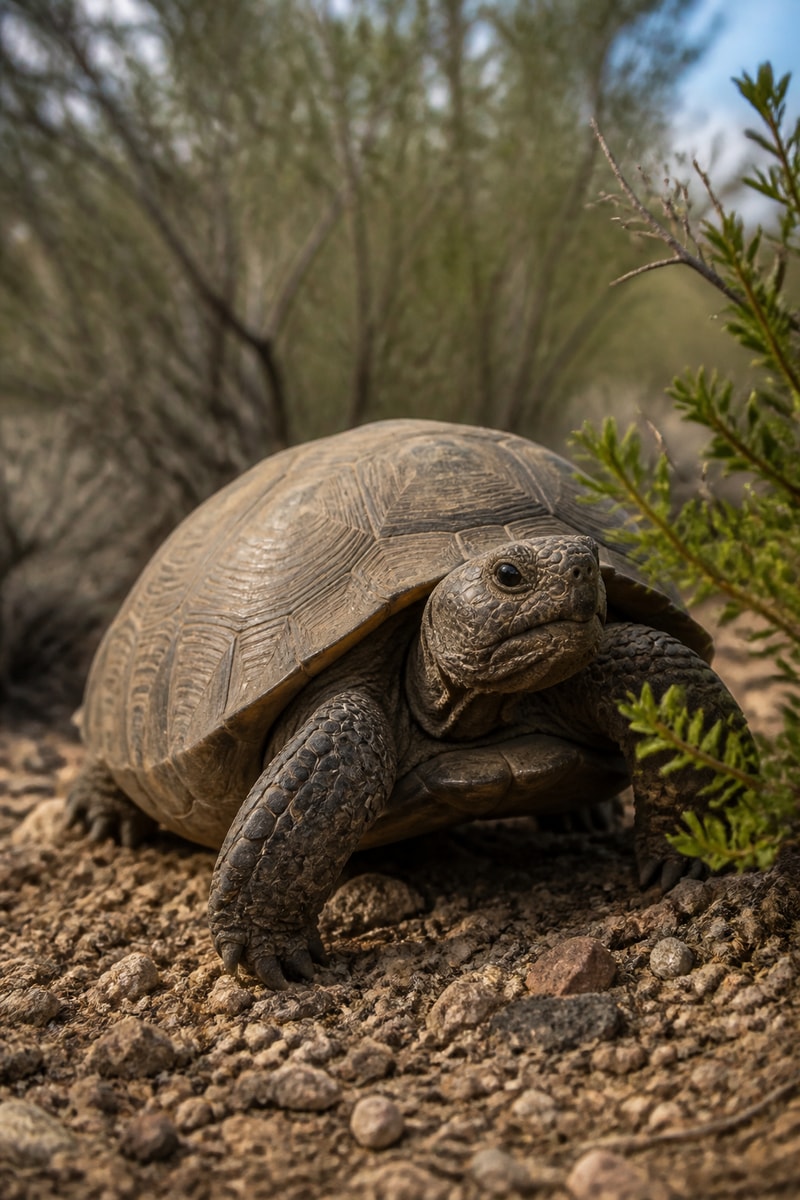
Quick ID anchor: Medium high-domed tortoise with brown to tan scutes and sturdy digging forelimbs. Confirm with behaviour and habitat before you log the discovery.
Diet
Desert grasses, annual wildflowers, herbs, and cactus pads.
Obtain much of their water from food and stored reserves.
Behaviour
Dig long burrows used for shelter, nesting, and winter brumation.
Most active in spring and after rains; inactive in extreme heat.
How to identify
Medium high-domed tortoise with brown to tan scutes and sturdy digging forelimbs.
Elephantine legs and a short tail; found in Mojave desert scrub.
Interesting facts
- 01
High-domed shell and elephantine forelimbs built for digging.
- 02
Spend much of the year in deep burrows buffering desert extremes.
- 03
Herbivores eating grasses, wildflowers, and cactus pads.
- 04
Can store water in the bladder for long dry periods.
- 05
Mojave populations have declined dramatically from habitat loss and disease.
- 06
Federally protected; never handle or remove wild tortoises.
Conservation status
Agassiz’s desert tortoise (Gopherus agassizii) is Critically Endangered on the IUCN Red List after severe population declines. Habitat loss, disease, raven predation on juveniles, and off-road impacts are major threats.
Sources: IUCN Red List
Related discoveries
Keep exploring
Related discoveries
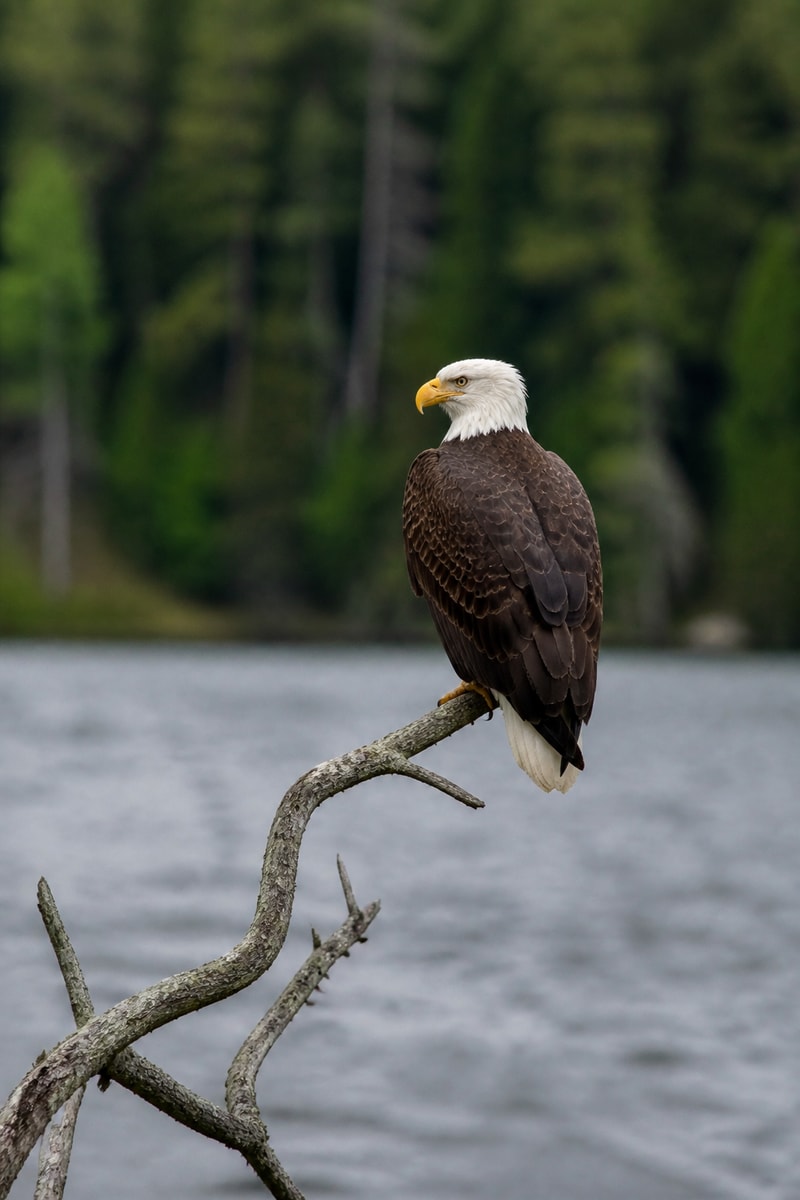
- Bald Eaglelegendary • Lakes & Coasts
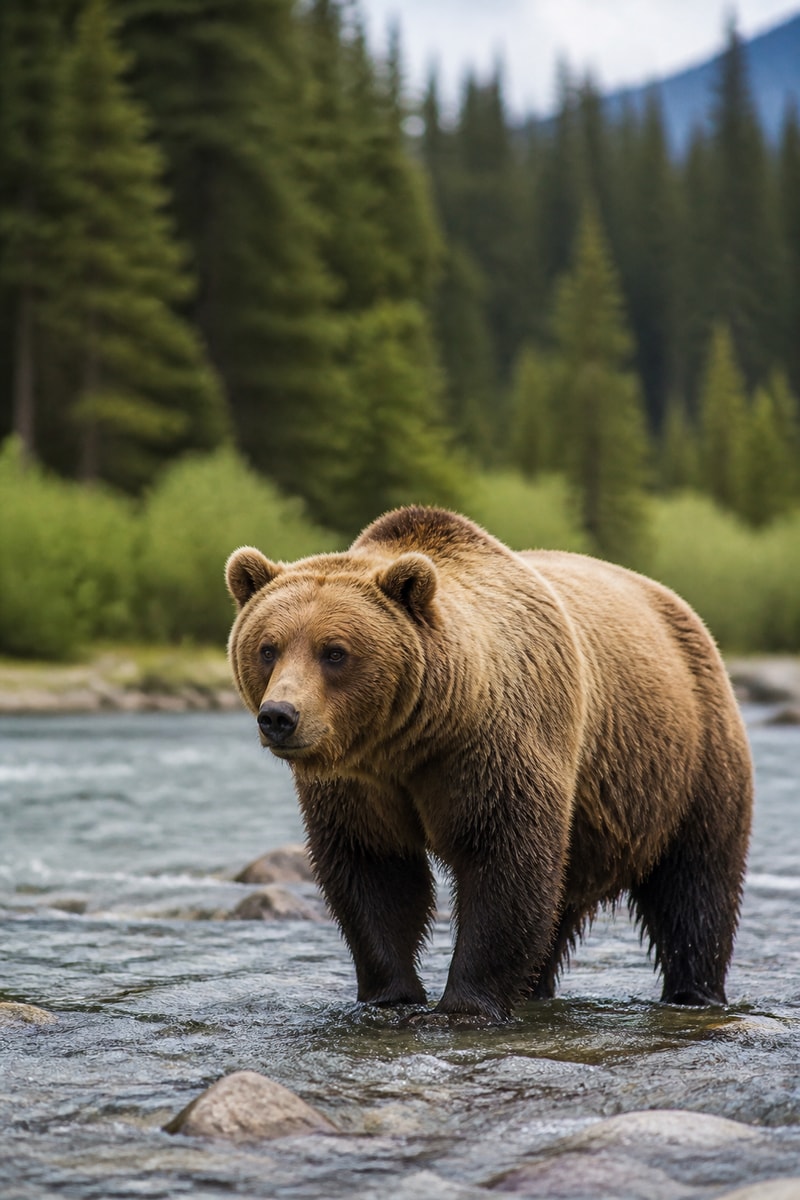
- Grizzly Bearlegendary • Mountains & Rivers
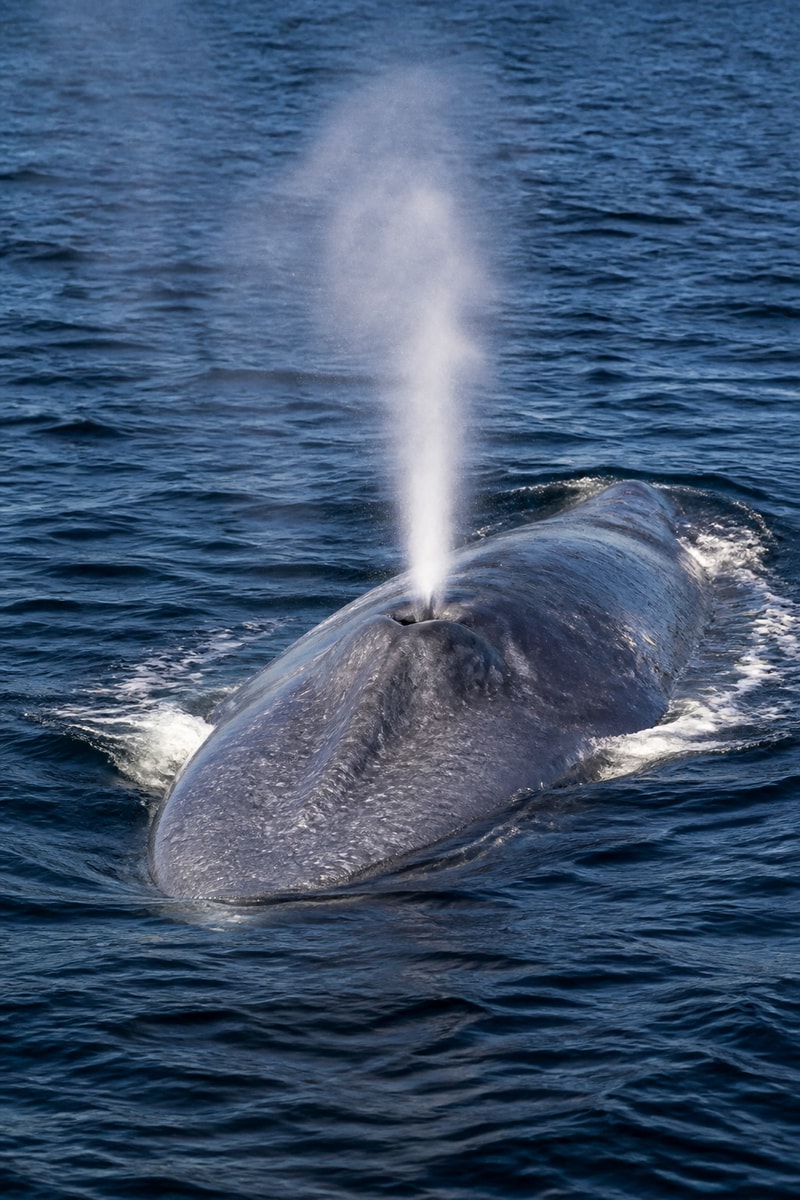
- Blue Whalelegendary • Open Ocean
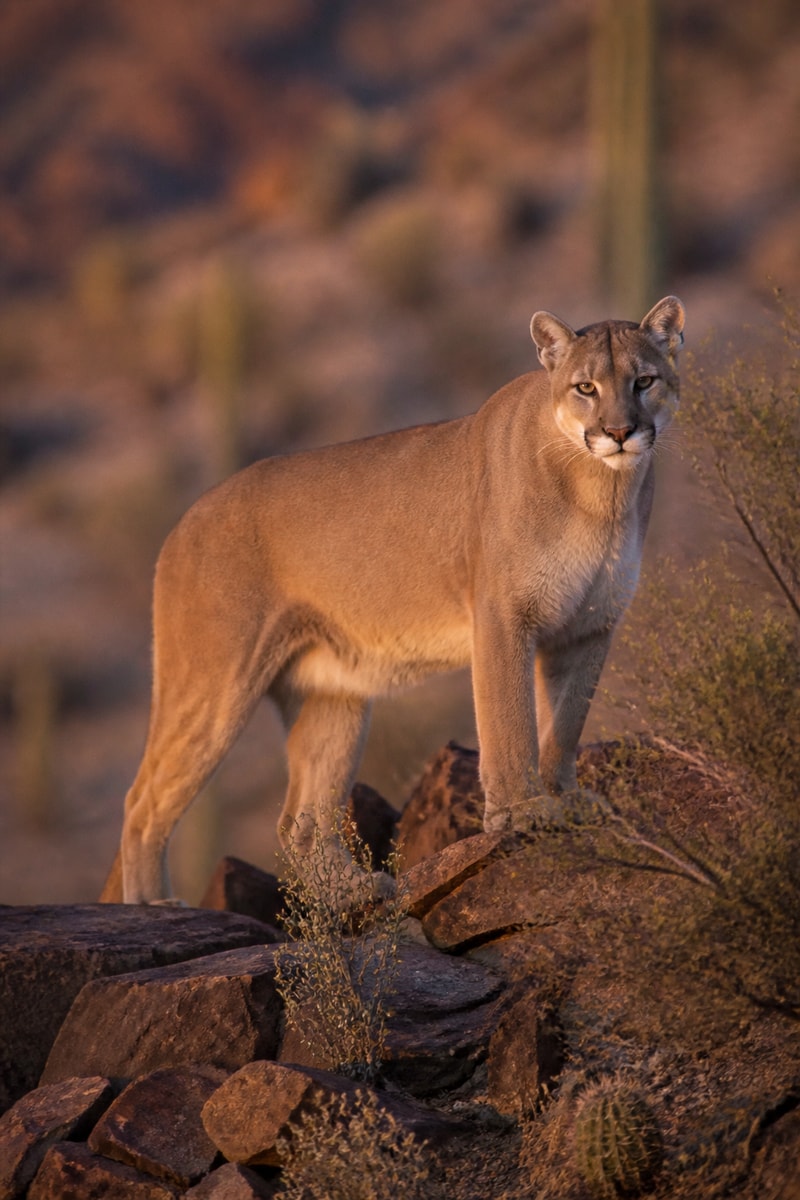
- Mountain Lionlegendary • Mountains & Desert
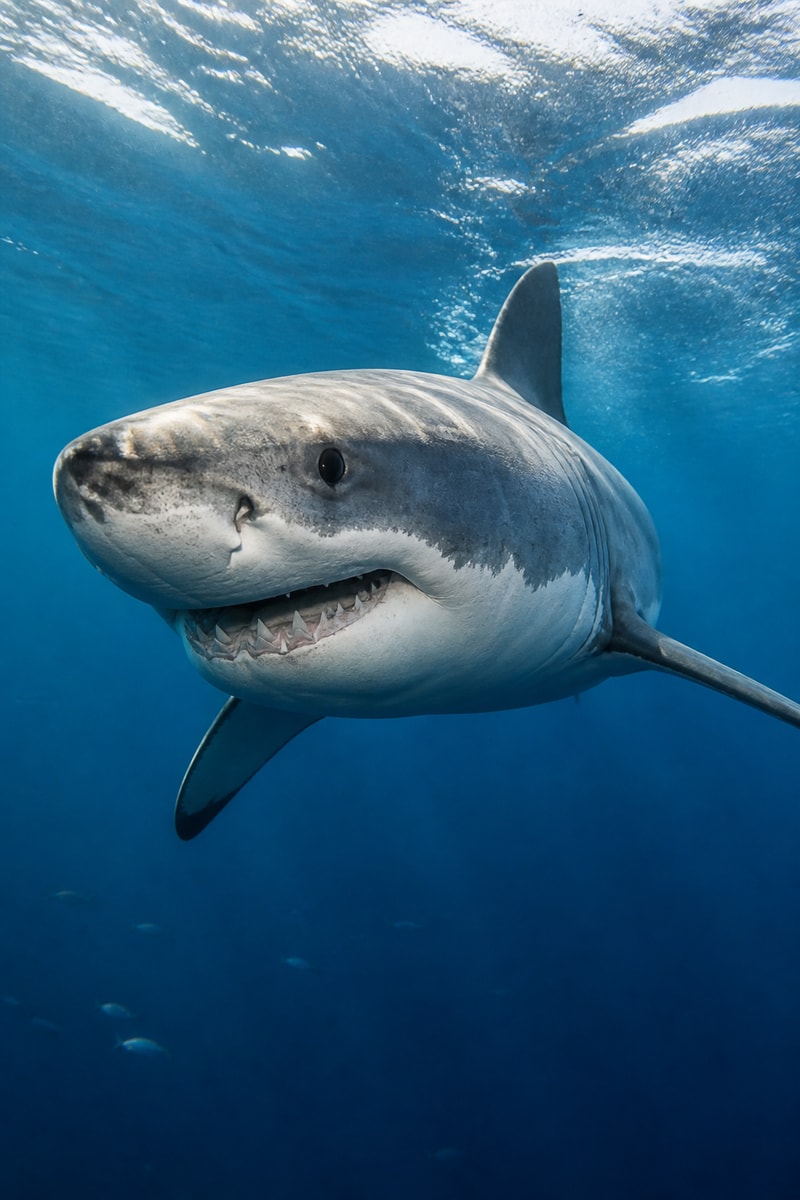
- Great White Sharklegendary • Coastal Ocean
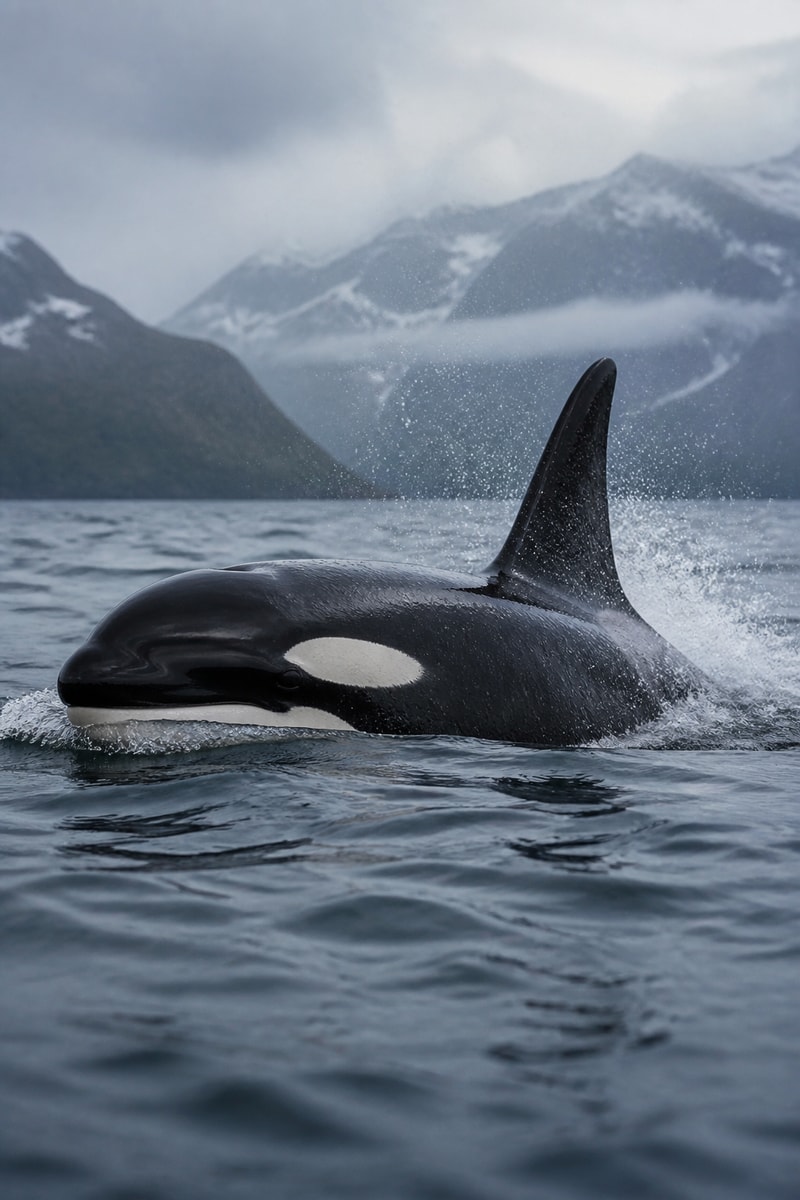
- Orcalegendary • Coastal Ocean
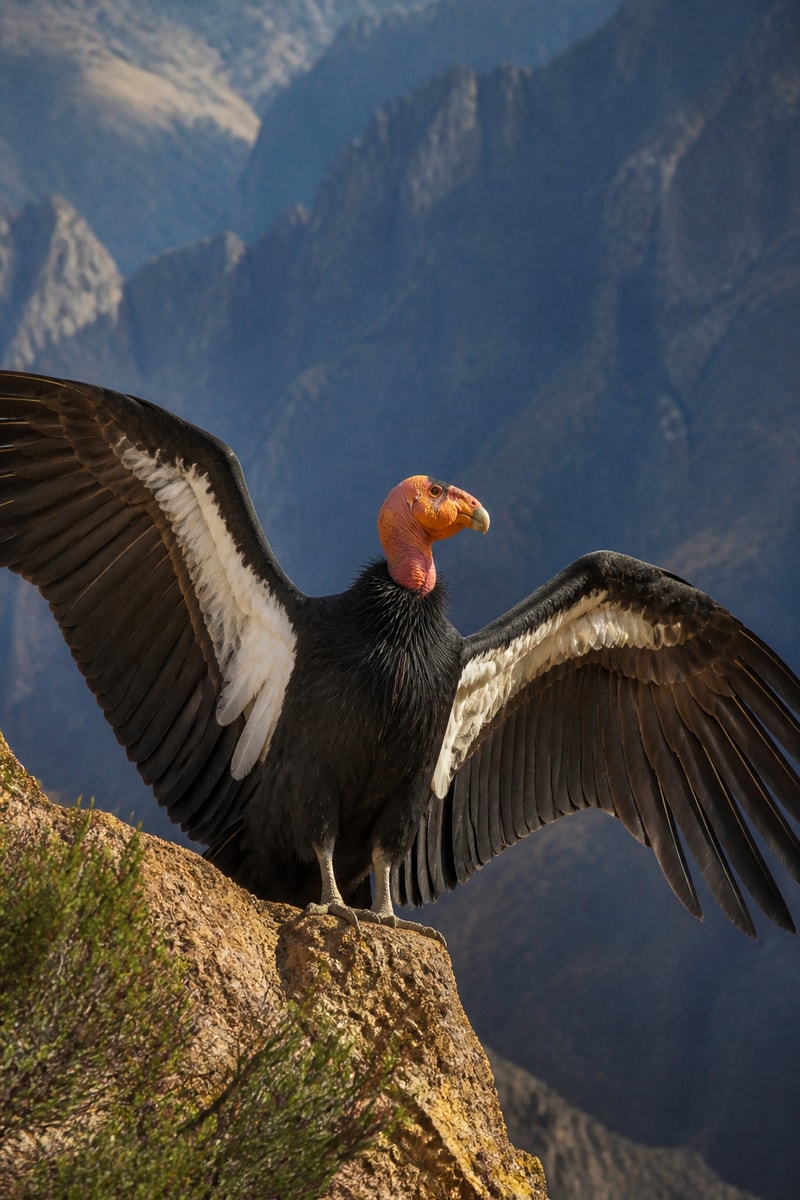
- California Condorlegendary • Canyons & Cliffs
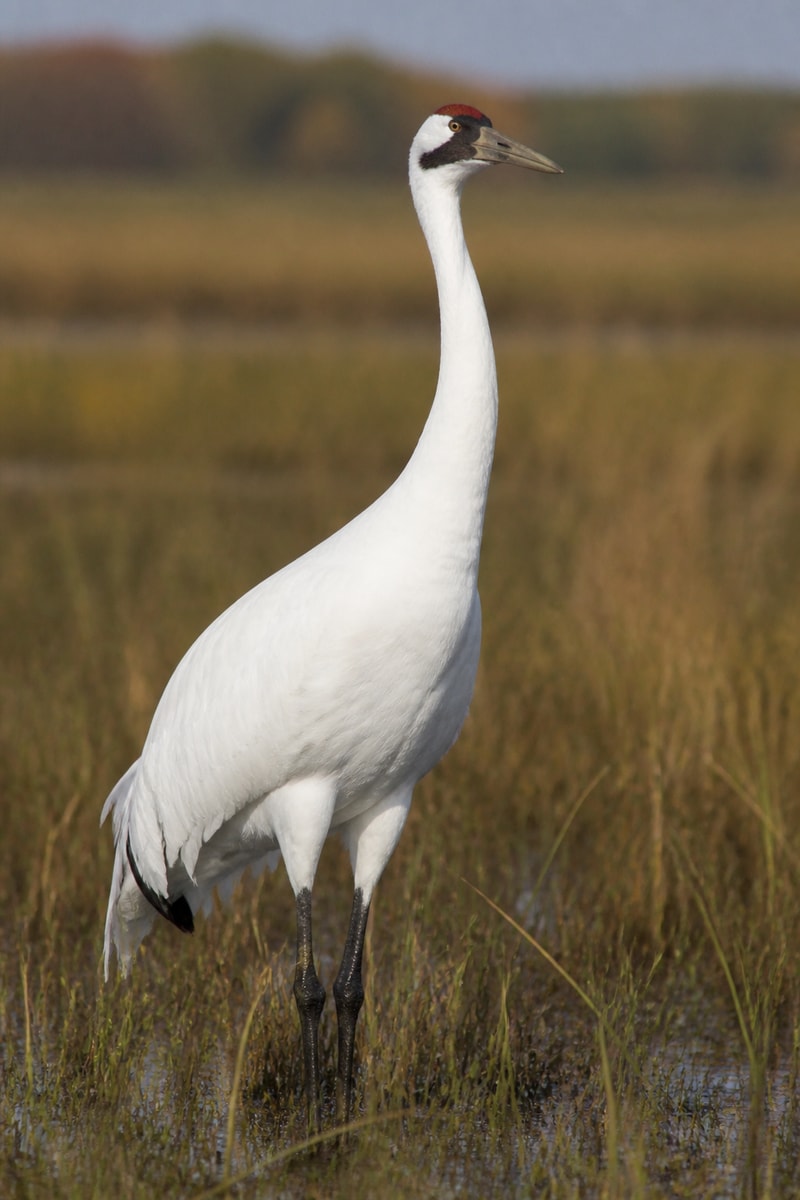
- Whooping Cranelegendary • North American Wetlands
Free on iOS
Catch the Desert Tortoise
Spot one in the wild, then scan it in Catch'Um to log your rare discovery.