
Field guide · rare
Coyote
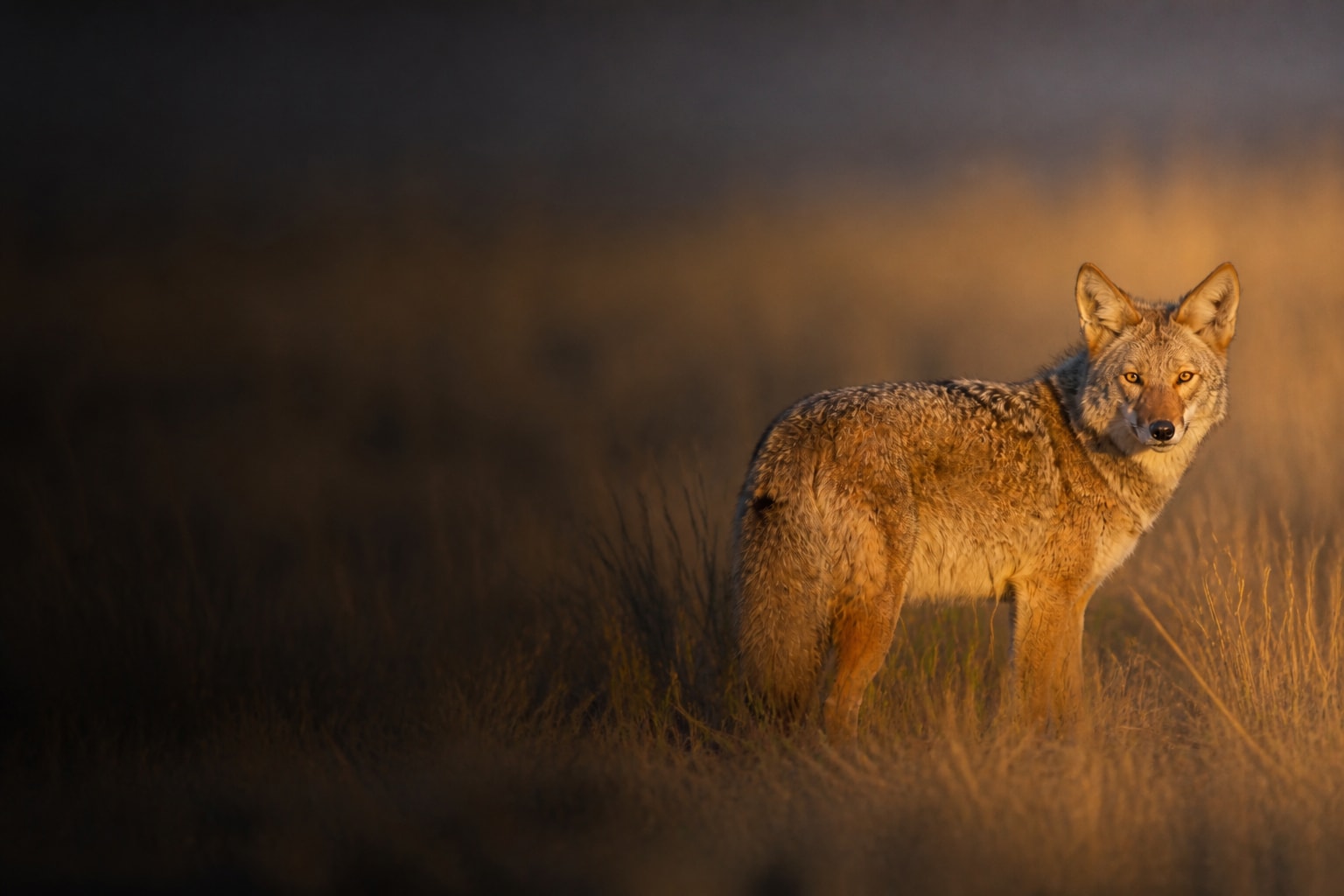
The adaptable song dog, a clever canid whose yipping chorus at dusk now echoes from prairies to Chicago alleys.
Least Concern
Canis latrans
Overview
The coyote is North America's most versatile predator: smaller than a wolf, larger than a fox, and capable of thriving almost anywhere rabbits and rodents can be found. Once confined largely to the Great Plains and deserts, coyotes have expanded into every US state including urban centres.
Coyotes hunt alone, in pairs, or occasionally in small groups, eating everything from mice and deer fawns to fruit and garbage. Their high-pitched yips and howls at night, often mistaken for wolves, are contact calls between family members.
- Scientific nameCanis latrans
- Length75–100 cm body; tail 30–40 cm
- Height45–55 cm at shoulder
- Weight7–20 kg
- Lifespan10–14 years in the wild
- DietMostly small mammals
- ConservationLeast Concern
- RegionPrairie & Suburbs
Habitat
- Prairie
- Desert
- Forest
- Suburbs
Prairies, deserts, farmland, forest edge, and urban parks all hold coyotes. They den in brush piles, culverts, and hillsides, and become most visible at dawn and dusk when commuting across open ground.
Countries found
Field notes
Field scale for the Coyote: length around 75-100 cm body; tail 30-40 cm; height 45-55 cm at shoulder; weight 7-20 kg. Typical lifespan: 10-14 years in the wild.
When you are scanning habitat, prioritise prairie, desert, forest, and suburbs. Those settings are where a clean look and a usable photo are most likely.
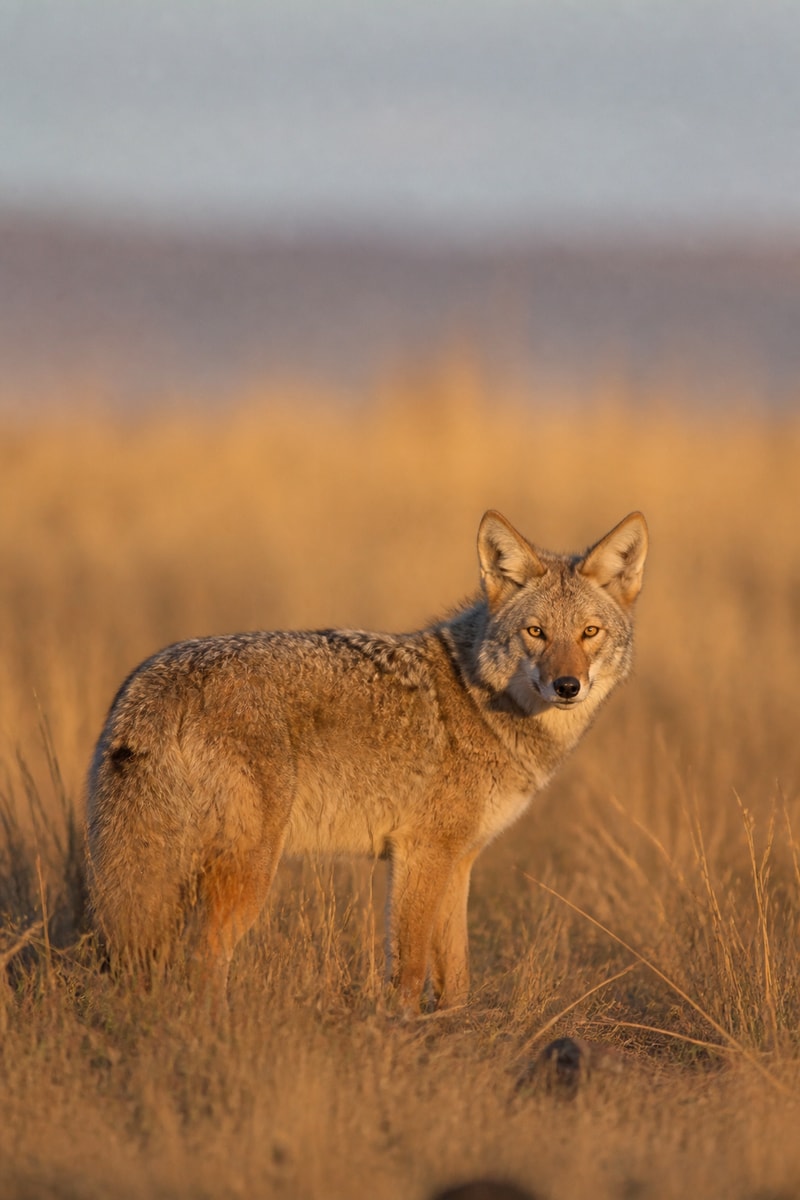
Quick ID anchor: Grizzled grey-tan dog-like canid with a bushy black-tipped tail usually held low. Narrower snout and lighter build than a wolf; ears are tall and pointed. Confirm with behaviour and habitat before you log the discovery.
Diet
Mostly small mammals—mice, voles, rabbits—plus carrion, birds, insects, and seasonal fruit. Highly flexible diet that shifts with prey abundance and human landscapes.
Behaviour
Active mainly at dusk and night; lives alone, in pairs, or in small family groups. Famous for yips and howls used to advertise territory and reunite pack members.
How to identify
Grizzled grey-tan dog-like canid with a bushy black-tipped tail usually held low. Narrower snout and lighter build than a wolf; ears are tall and pointed.
Interesting facts
- 01
Coyotes have expanded into cities. They thrive wherever rabbits and rodents live.
- 02
They can run up to 65 km/h and are strong swimmers.
- 03
Urban coyotes often live in family groups with a breeding pair and helper offspring.
Conservation status
Coyotes are Least Concern and increasing in range and number despite widespread hunting and control programmes. Their adaptability makes them one of the continent's most successful carnivores.
Sources: IUCN Red List
Related discoveries

Keep exploring
Related discoveries
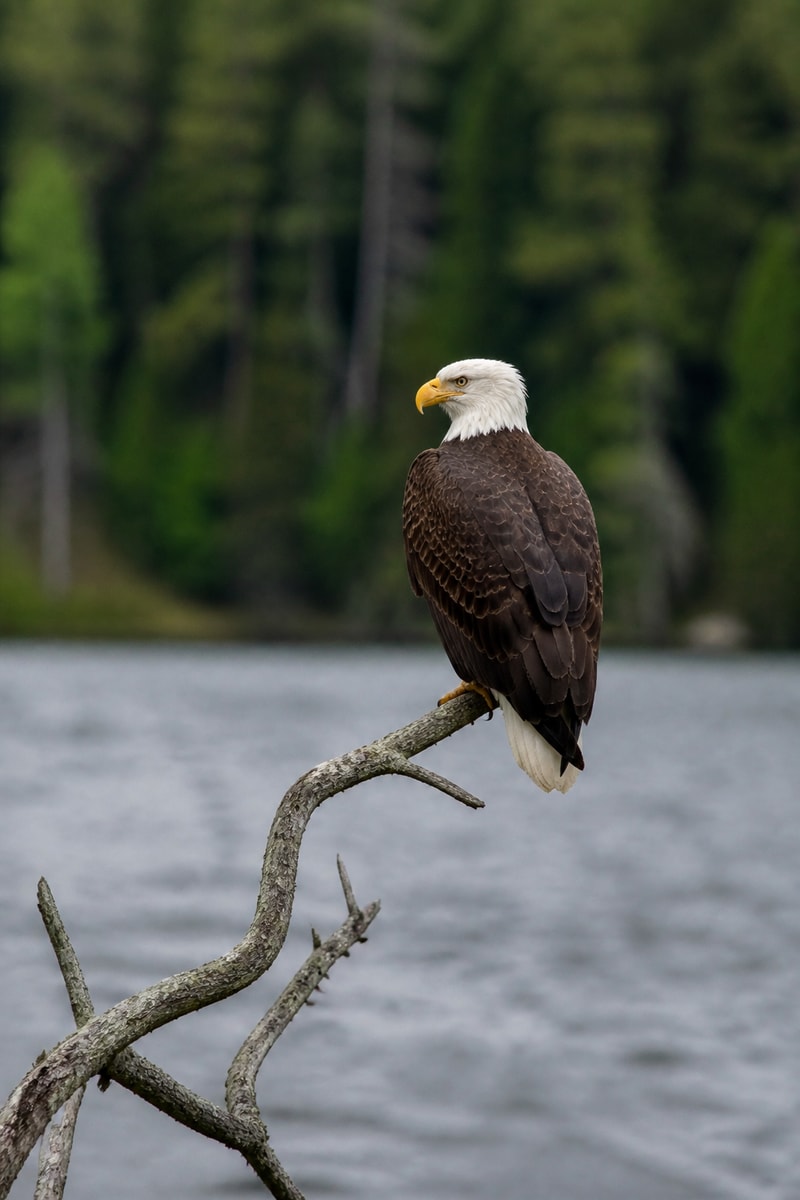
- Bald Eaglelegendary • Lakes & Coasts
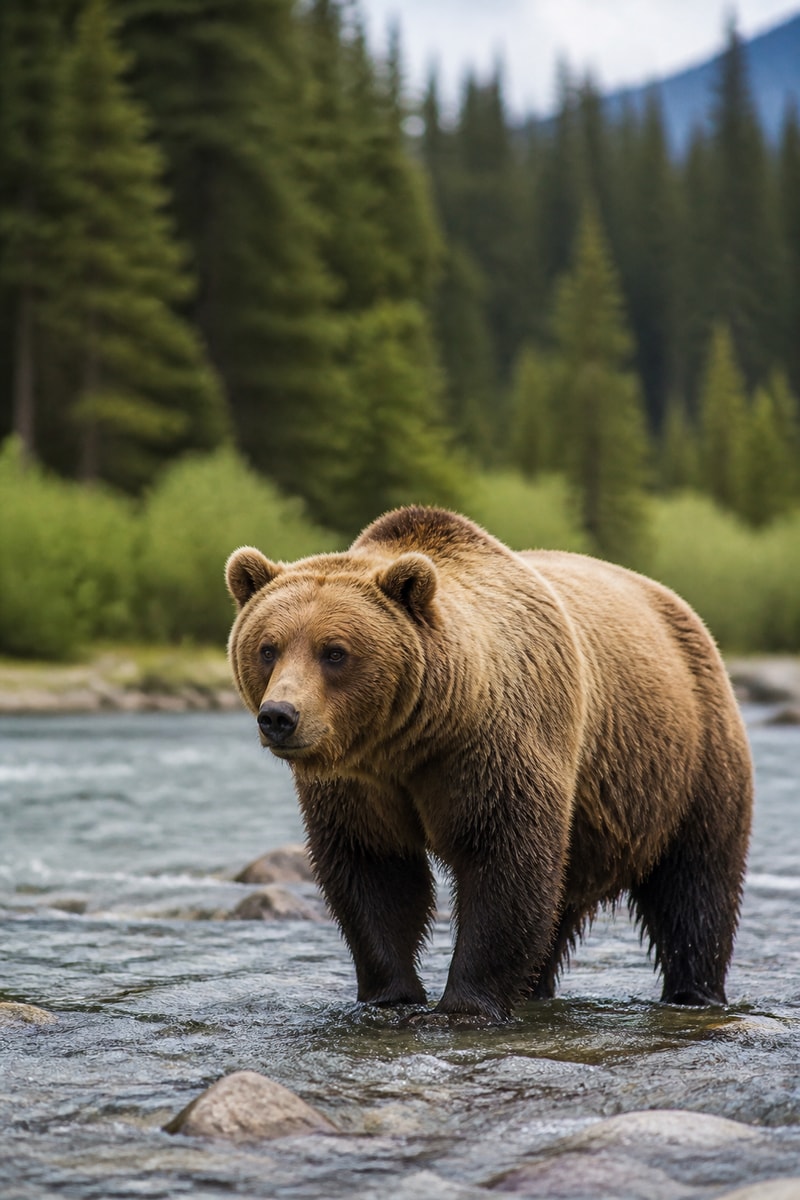
- Grizzly Bearlegendary • Mountains & Rivers
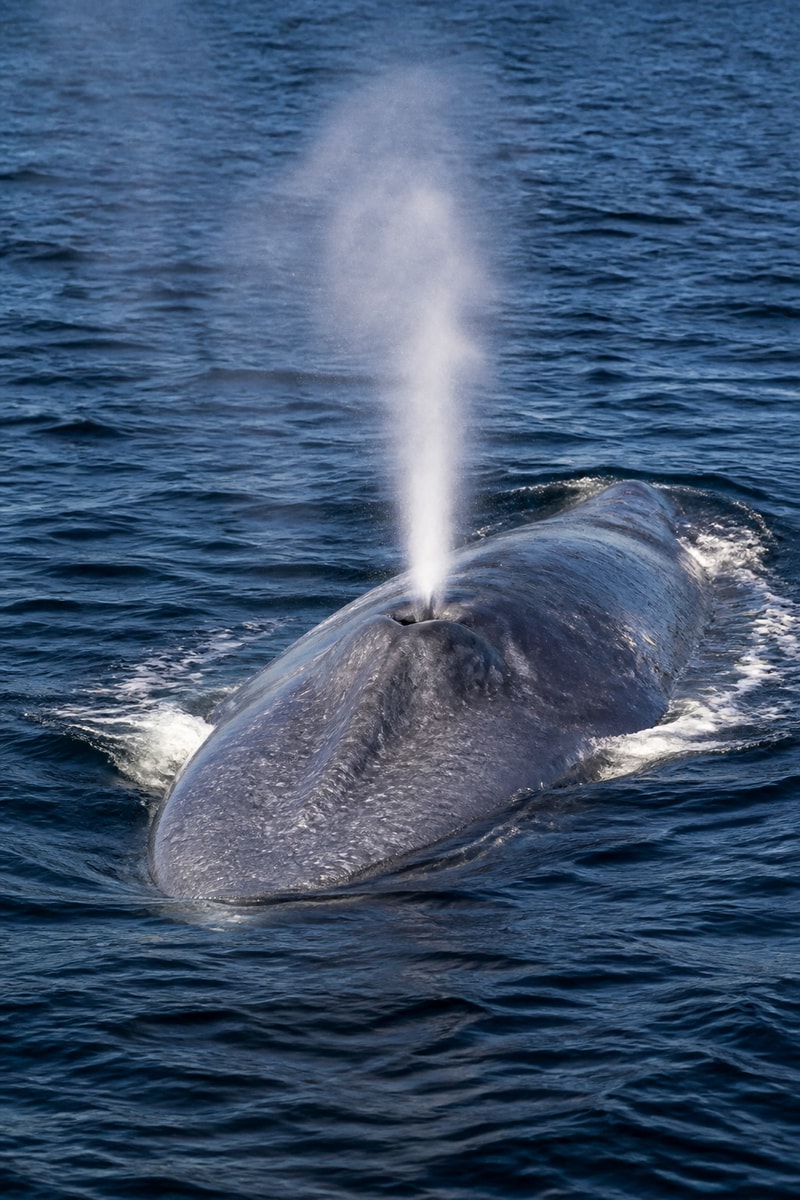
- Blue Whalelegendary • Open Ocean
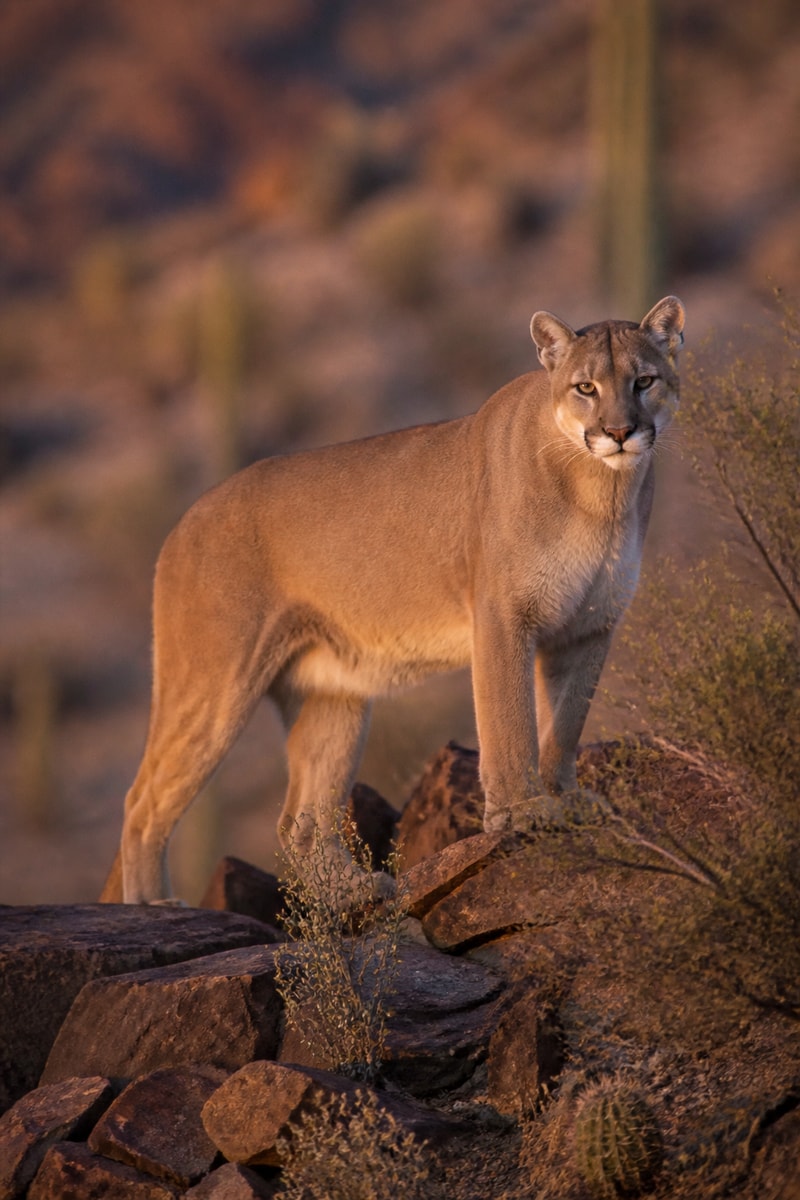
- Mountain Lionlegendary • Mountains & Desert
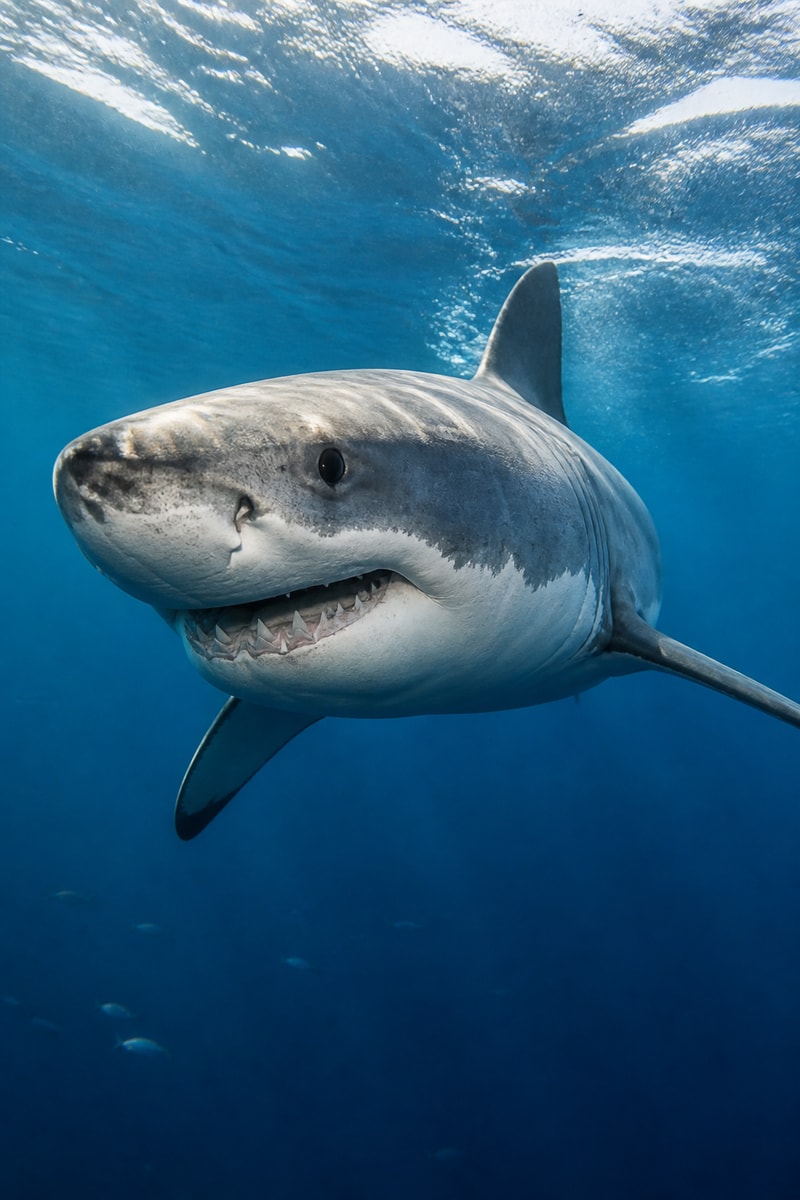
- Great White Sharklegendary • Coastal Ocean
- Orcalegendary • Coastal Ocean
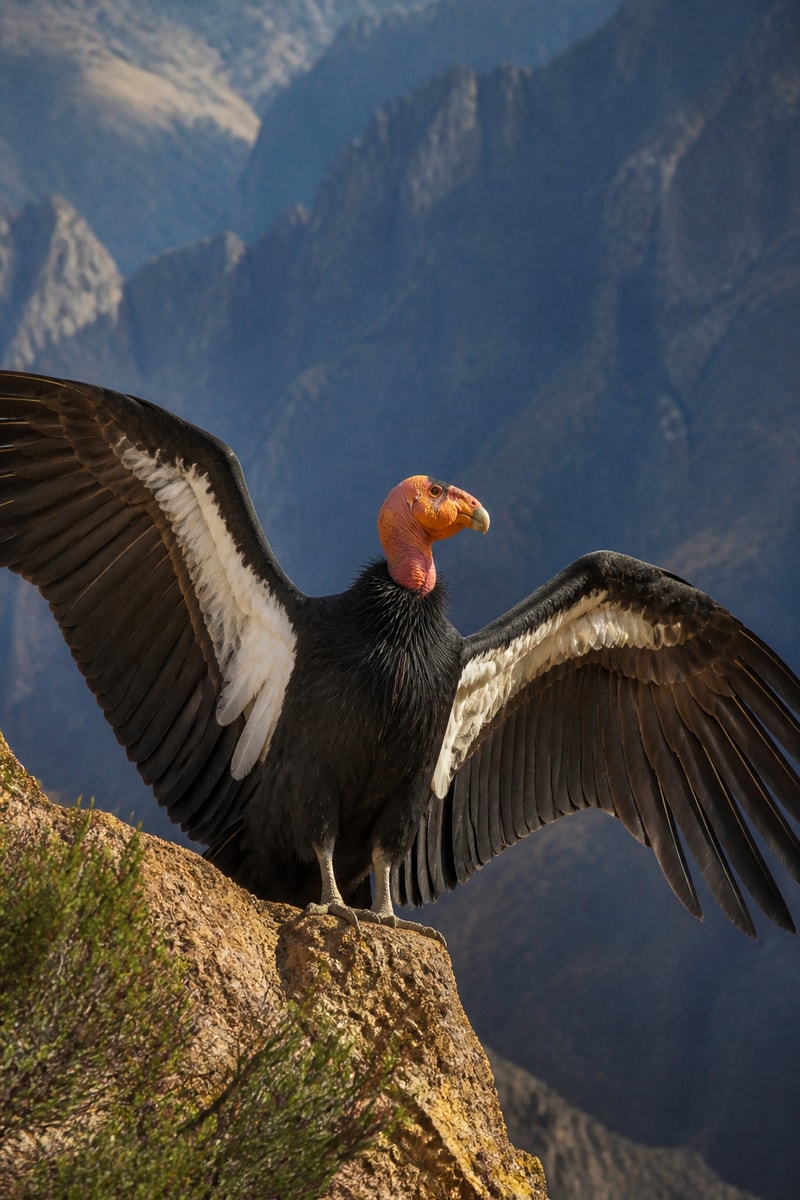
- California Condorlegendary • Canyons & Cliffs
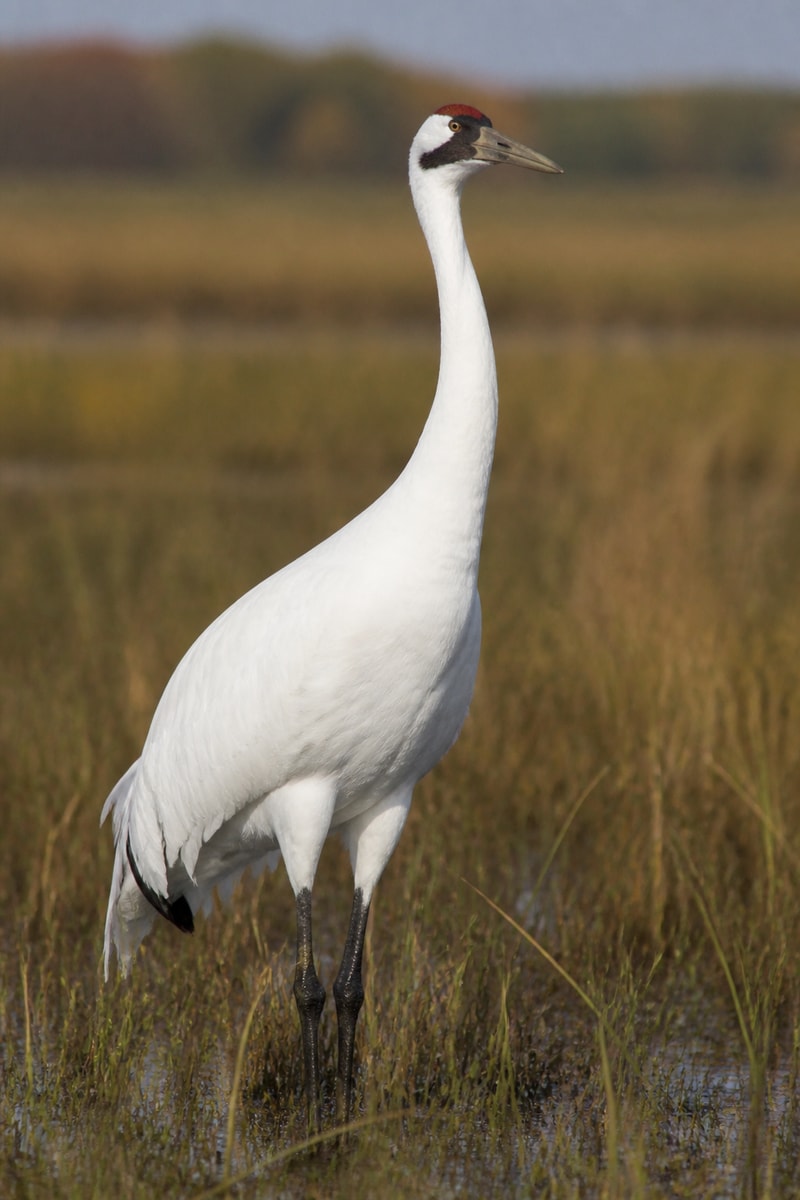
- Whooping Cranelegendary • North American Wetlands
Free on iOS
Catch the Coyote
Spot one in the wild, then scan it in Catch'Um to log your rare discovery.