
Field guide · common
Common Garter Snake
Striped backyard serpent — North America’s most familiar non-venomous snake.
Least Concern
Thamnophis sirtalis
Overview
Common garter snakes are slender, striped snakes found across much of North America. They hunt frogs, worms, and fish near water and gardens, and are among the first reptiles to emerge on warm spring days.
For US collectors, the garter snake is a common yard reptile — lengthwise stripes, harmless to people, and an easy wetland-edge find.
- Scientific nameThamnophis sirtalis
- Length45–120 cm
- Weight100–300 g
- LifespanAround 4–10 years in the wild
- DietEarthworms
- ConservationLeast Concern
- RegionUS Gardens & Wet Edges
Where to see them
Habitat
- Garden edge
- Marsh margin
- Meadow
- Forest stream
Meadows, gardens, marshes, and forest edges near water across most of the United States and Canada, sheltering under rocks, boards, and dense vegetation.
Field notes
Field scale for the Common Garter Snake: length around 45-120 cm; weight 100-300 g. Typical lifespan: Around 4-10 years in the wild.
When you are scanning habitat, prioritise garden edge, marsh margin, meadow, and forest stream. Those settings are where a clean look and a usable photo are most likely.
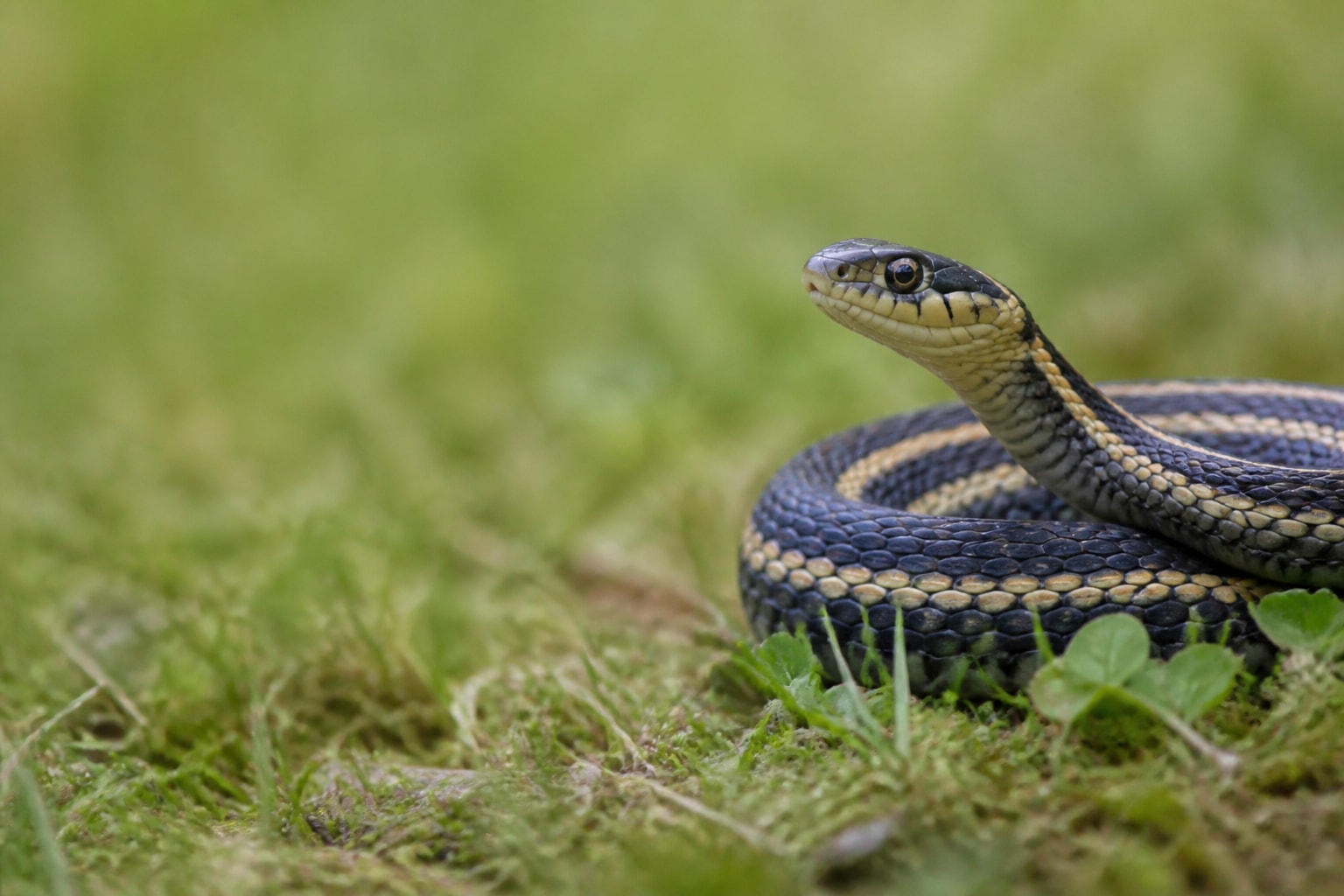
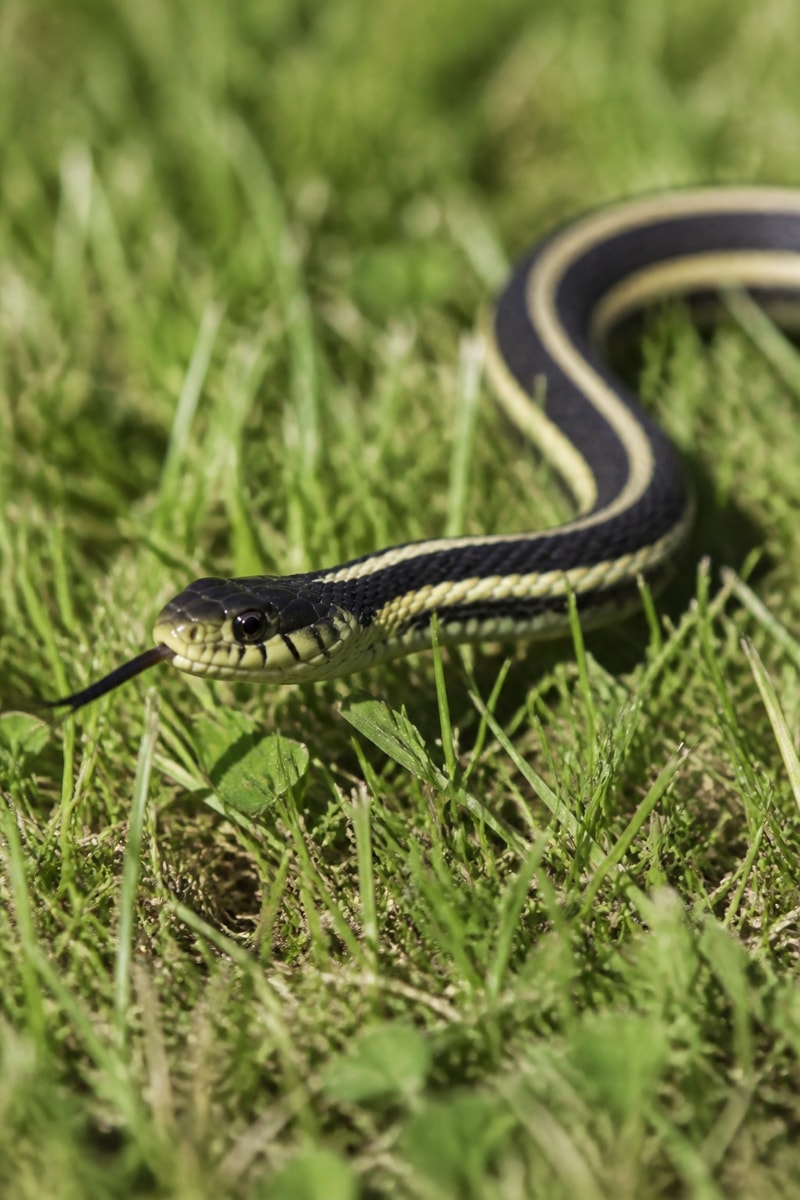
Quick ID anchor: Slender snake with usually three pale longitudinal stripes and a checkered or spotted pattern between. Confirm with behaviour and habitat before you log the discovery.
Diet
Earthworms, frogs, tadpoles, fish, salamanders, and small rodents.
Active hunters that chase prey through grass and shallow water.
Behaviour
Diurnal to crepuscular; bask then hunt along damp edges.
May release foul musk and strike defensively if grabbed.
How to identify
Slender snake with usually three pale longitudinal stripes and a checkered or spotted pattern between.
Head slightly wider than the neck; colour varies widely by subspecies.
Interesting facts
- 01
Usually show three light stripes on a darker body.
- 02
Non-venomous to humans though they may musk when handled.
- 03
Live-bearing — give birth to litters of live young.
- 04
Eat frogs, worms, fish, and other small prey.
- 05
Among the most cold-tolerant North American snakes.
- 06
Often share communal winter dens in the north.
Conservation status
Common garter snakes are Least Concern and remain widespread. Local declines follow wetland drainage, road mortality, and persecution despite their harmless nature.
Sources: IUCN Red List
Related discoveries

Keep exploring
Related discoveries
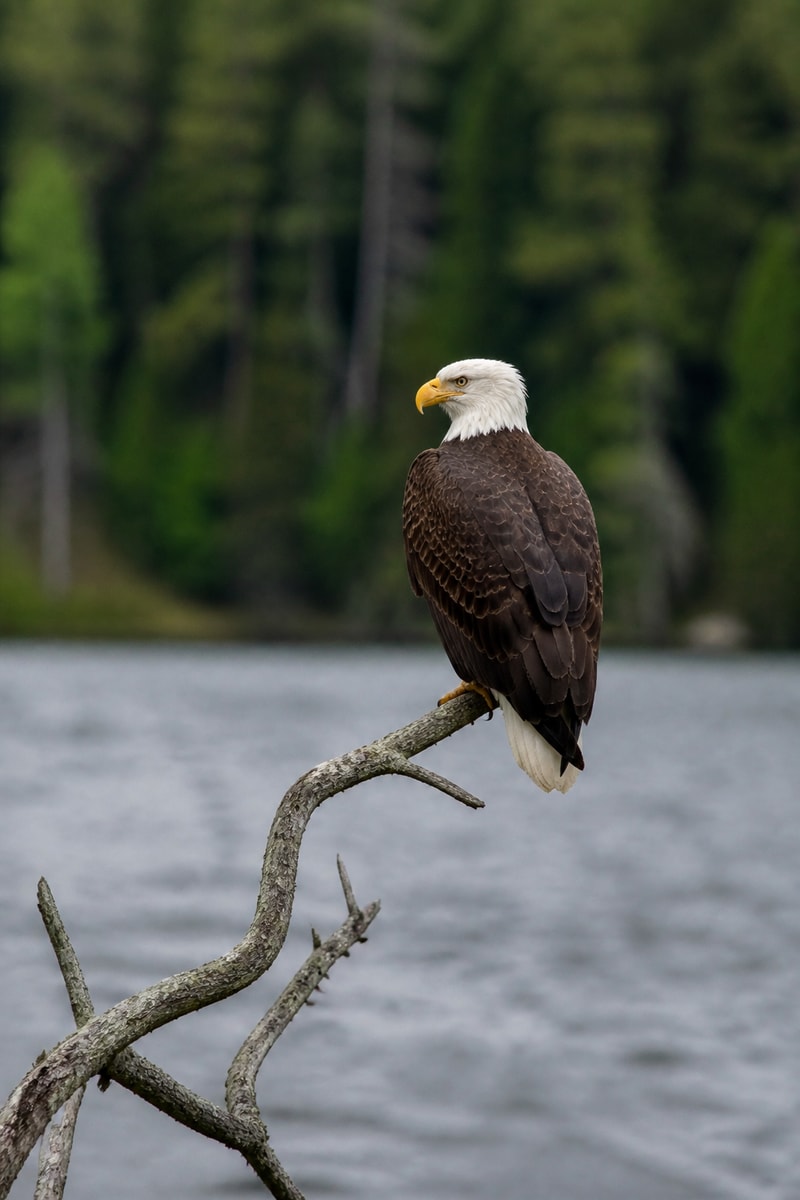
- Bald Eaglelegendary • Lakes & Coasts
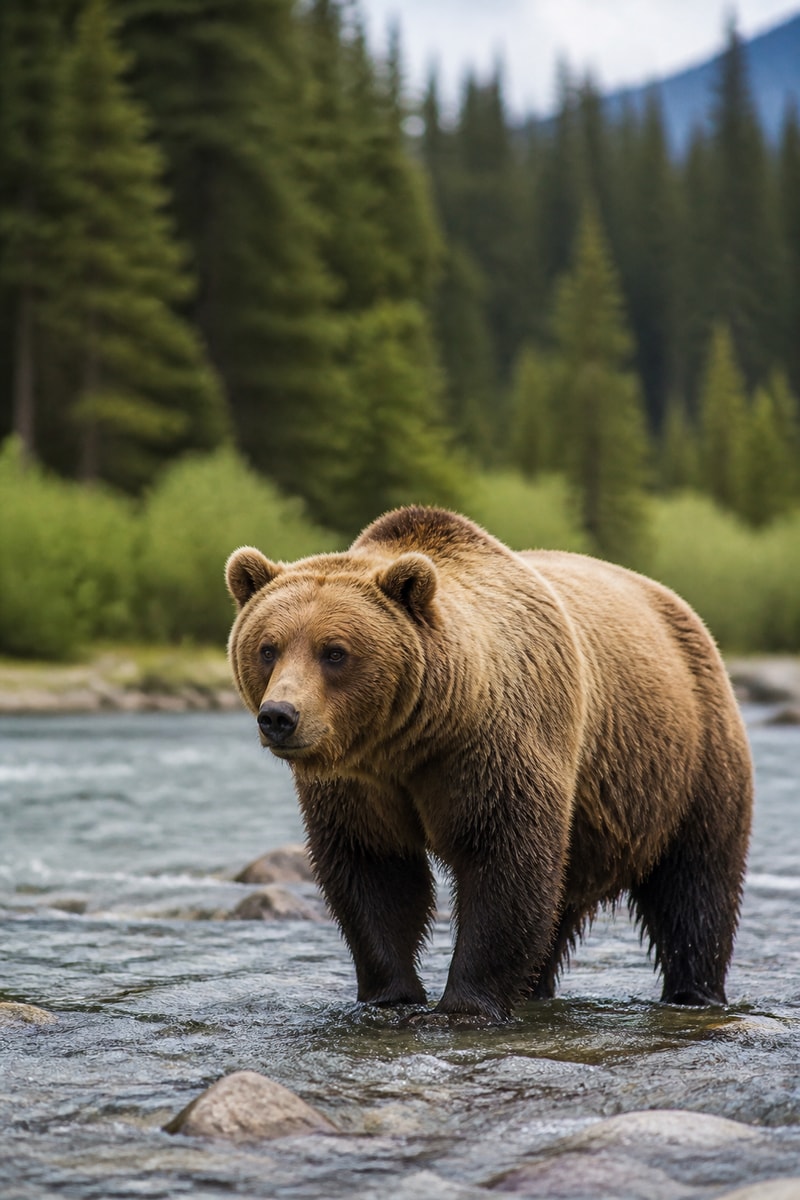
- Grizzly Bearlegendary • Mountains & Rivers
- Blue Whalelegendary • Open Ocean
- Mountain Lionlegendary • Mountains & Desert
- Great White Sharklegendary • Coastal Ocean
- Orcalegendary • Coastal Ocean
- California Condorlegendary • Canyons & Cliffs
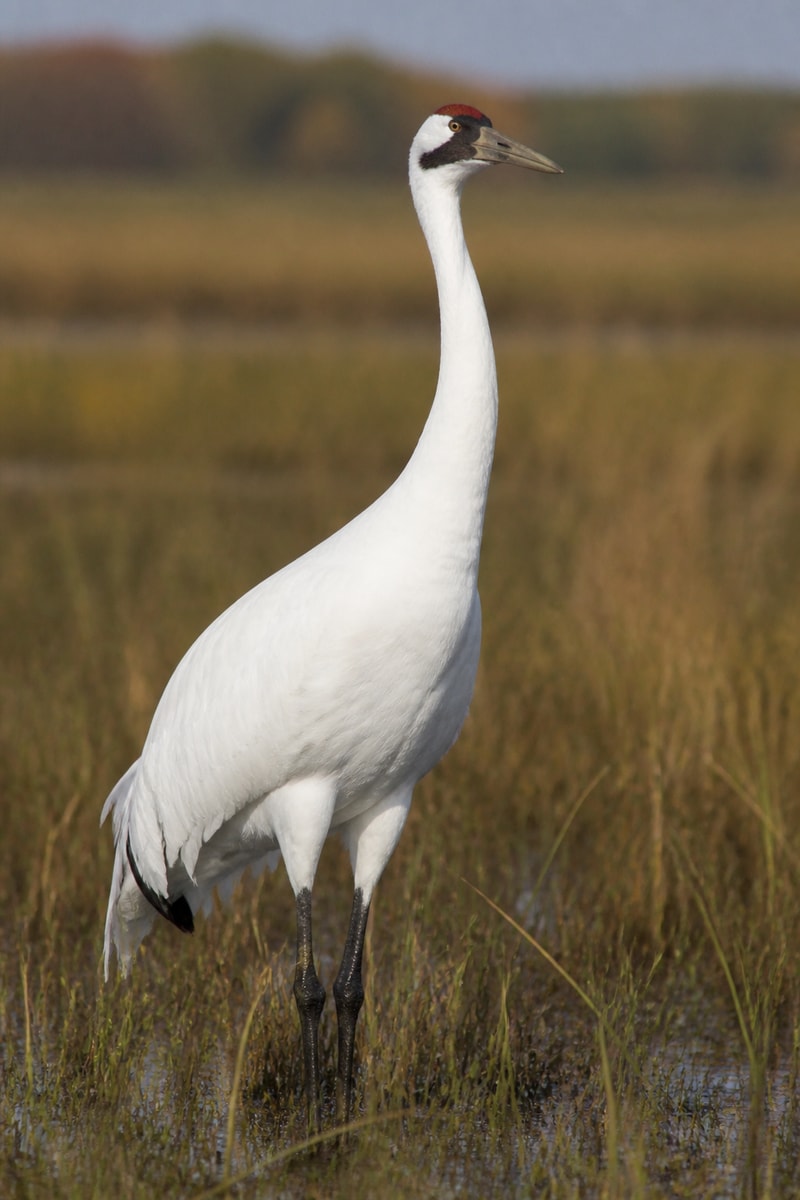
- Whooping Cranelegendary • North American Wetlands
Free on iOS
Catch the Common Garter Snake
Spot one in the wild, then scan it in Catch'Um to log your common discovery.