
Field guide · common
Common Firefly
Summer’s Morse-code glow — Photinus flashes in US meadows, with glow-worm cousins lighting UK lanes.
Least Concern
Photinus pyralis
Overview
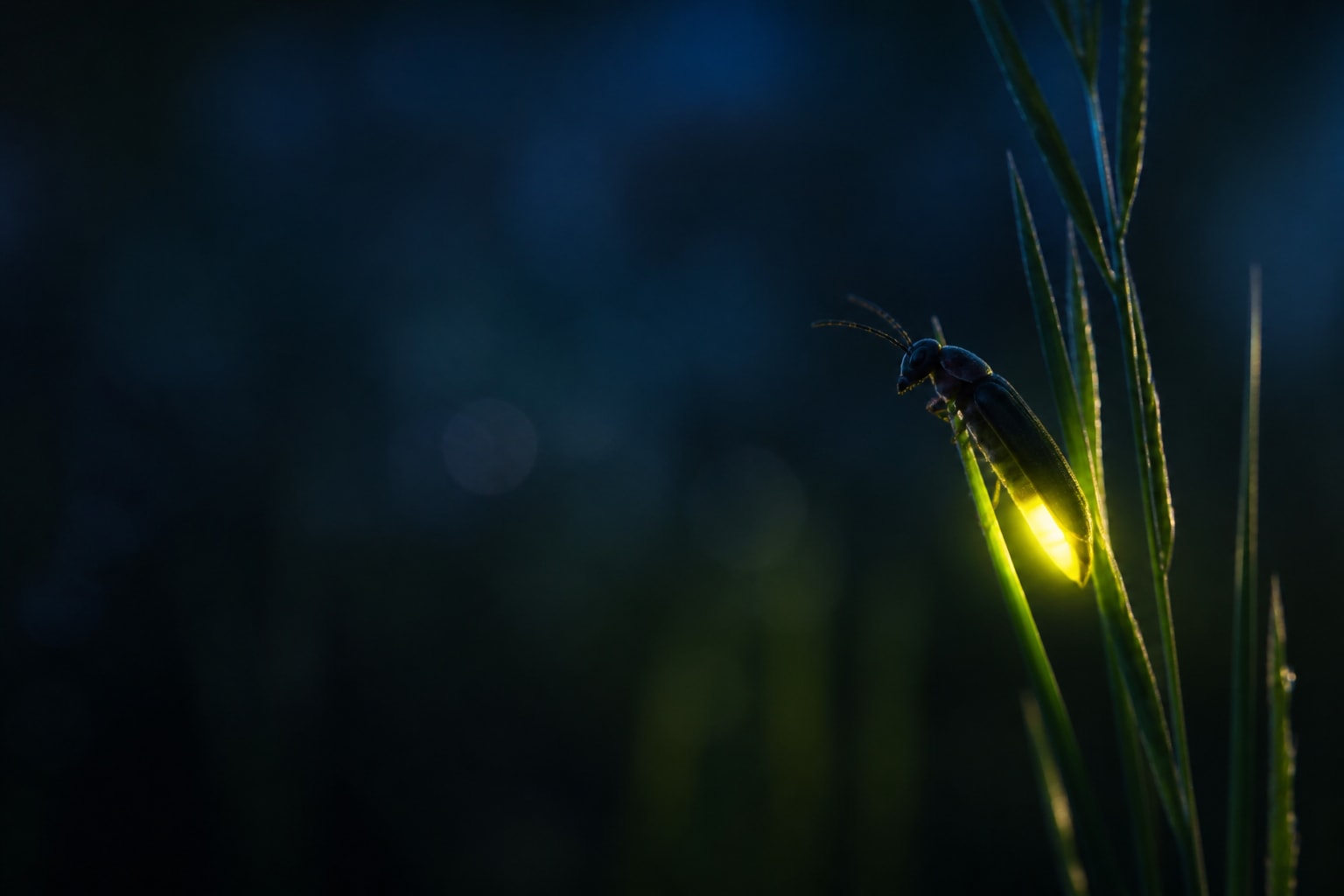
Photinus pyralis is the classic North American “lightning bug,” males flashing J-shaped signals over lawns and meadows while females answer from the grass. Soft-bodied beetles in the family Lampyridae, they turn warm evenings into field-guide theatre.
For United States and United Kingdom collectors, this card bridges Photinus pyralis of American summers and the wider Lampyridae story — including UK glow-worms (Lampyris) that light hedgerows for the same beetle family.
- Scientific namePhotinus pyralis
- LengthAbout 9–15 mm
- LifespanAround 1–2 years including larval stages
- DietAdults take little food
- ConservationLeast Concern
- RegionTemperate Meadow Nights
Where to see them
Habitat
- Meadow
- Garden edge
- Humid grassland
Humid meadows, lawns, forest edges, and gardens where larvae find soft-bodied prey in soil and adults display on still summer nights.
Field notes
Field scale for the Common Firefly: length around About 9-15 mm. Typical lifespan: Around 1-2 years including larval stages.
When you are scanning habitat, prioritise meadow, garden edge, and humid grassland. Those settings are where a clean look and a usable photo are most likely.
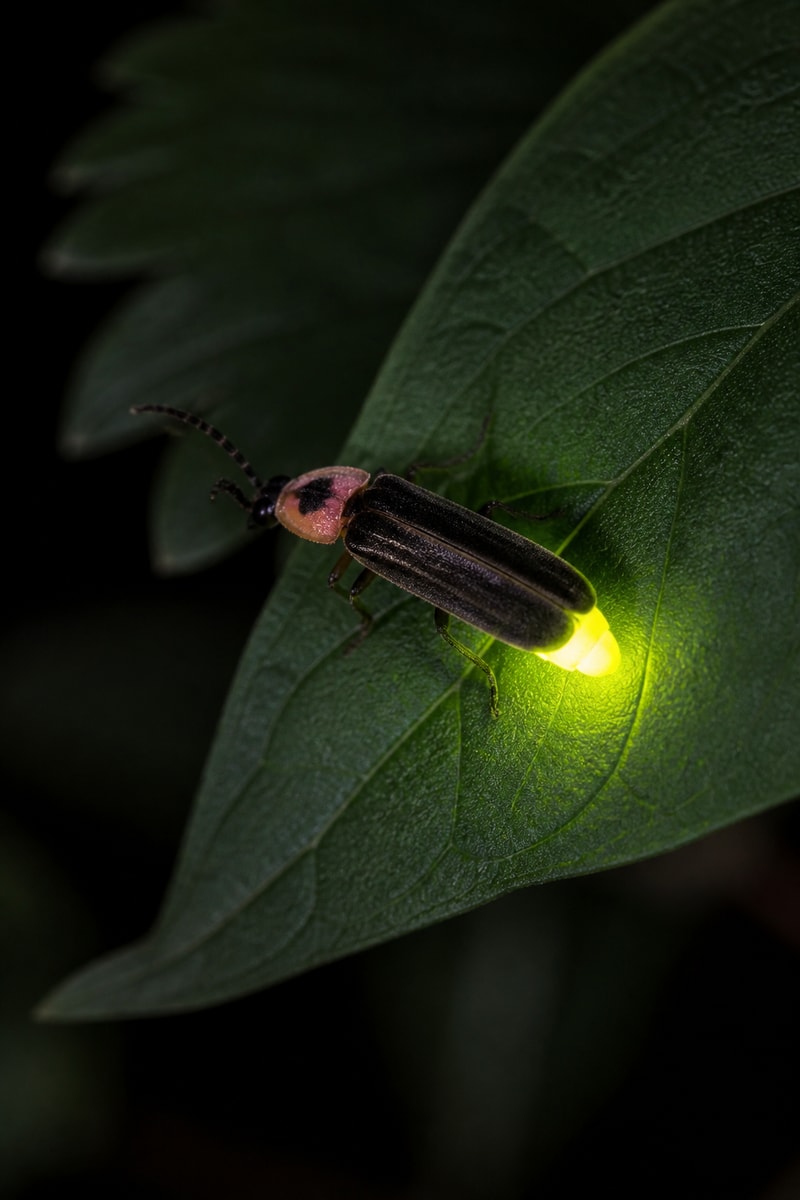
Quick ID anchor: Soft-bodied beetle with dark wing covers and a glowing pale underside tip when active. Confirm with behaviour and habitat before you log the discovery.
Diet
Adults take little food; some nectar. Larvae hunt snails, slugs, and soft invertebrates in soil litter.
Glow signals are for mating more than hunting in Photinus adults.
Behaviour
Males patrol and flash; females reply from low vegetation.
Displays peak on warm, humid, calm nights in early summer.
How to identify
Soft-bodied beetle with dark wing covers and a glowing pale underside tip when active.
Photinus pyralis males show the characteristic J-flash; UK glow-worms are wingless-looking luminous females of related species.
Interesting facts
- 01
Photinus pyralis is native to eastern and central North America.
- 02
Males flash a rising J-shaped signal in flight.
- 03
Light is cold bioluminescence from the abdomen.
- 04
Larvae are predators of snails, slugs, and soft insects.
- 05
UK collectors know related Lampyridae as glow-worms.
- 06
Light pollution and pesticides reduce local displays.
Conservation status
Photinus pyralis is not globally threatened and is treated here as Least Concern, but many fireflies decline locally from habitat loss and lights. Dark, chemical-light meadows help keep summer flashes alive.
Sources: IUCN Red List
Related discoveries



Keep exploring
Where it lives
Related discoveries
- Bald Eaglelegendary • Lakes & Coasts
- Grizzly Bearlegendary • Mountains & Rivers
- Blue Whalelegendary • Open Ocean
- Mountain Lionlegendary • Mountains & Desert
- Great White Sharklegendary • Coastal Ocean
- Orcalegendary • Coastal Ocean
- California Condorlegendary • Canyons & Cliffs
- Whooping Cranelegendary • North American Wetlands
Free on iOS
Catch the Common Firefly
Spot one in the wild, then scan it in Catch'Um to log your common discovery.