
Field guide · common
Cedar Waxwing
Silk-sleek berry bandit with a black mask — wax-tipped flock of the fruiting trees.
Least Concern
Bombycilla cedrorum
Overview
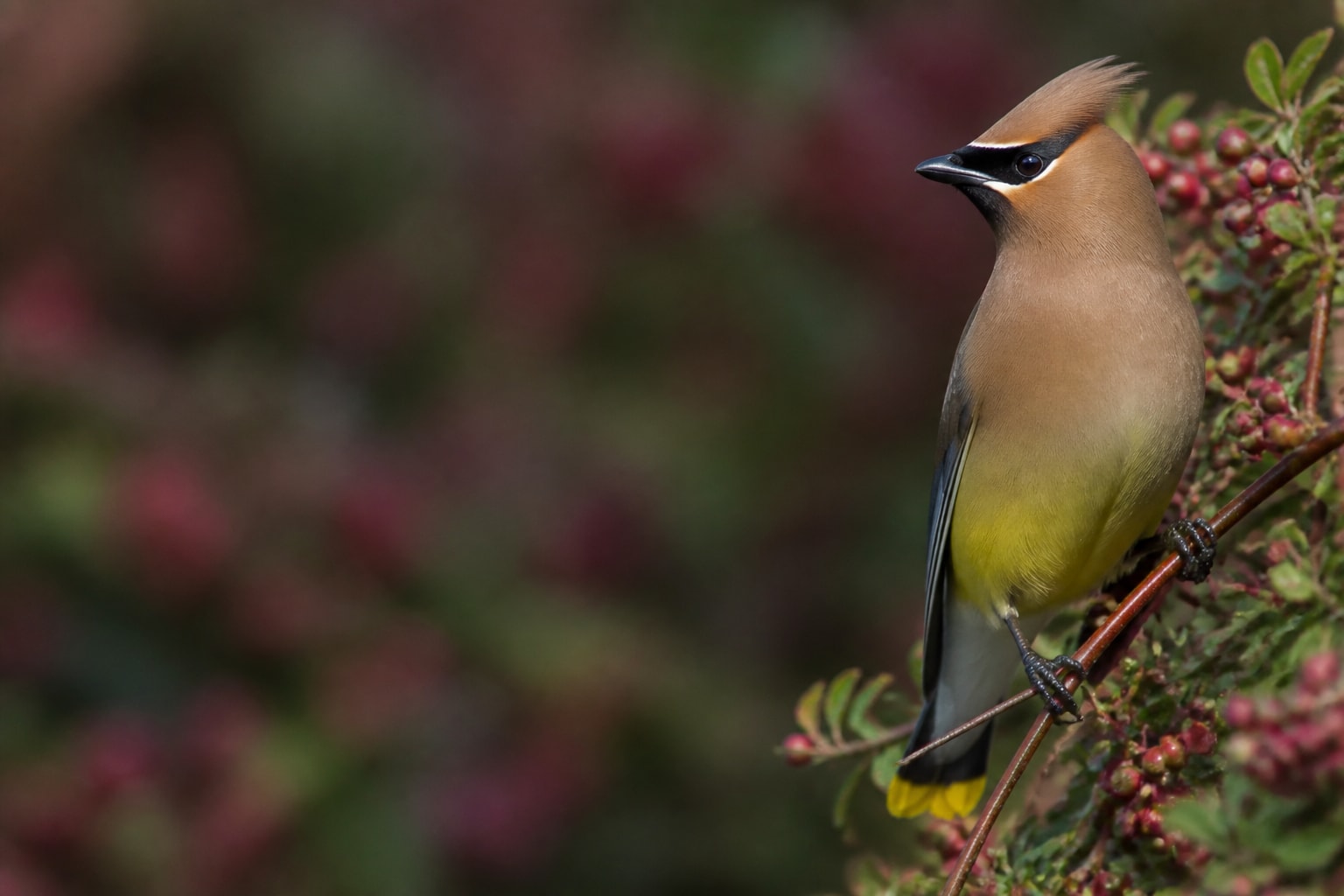
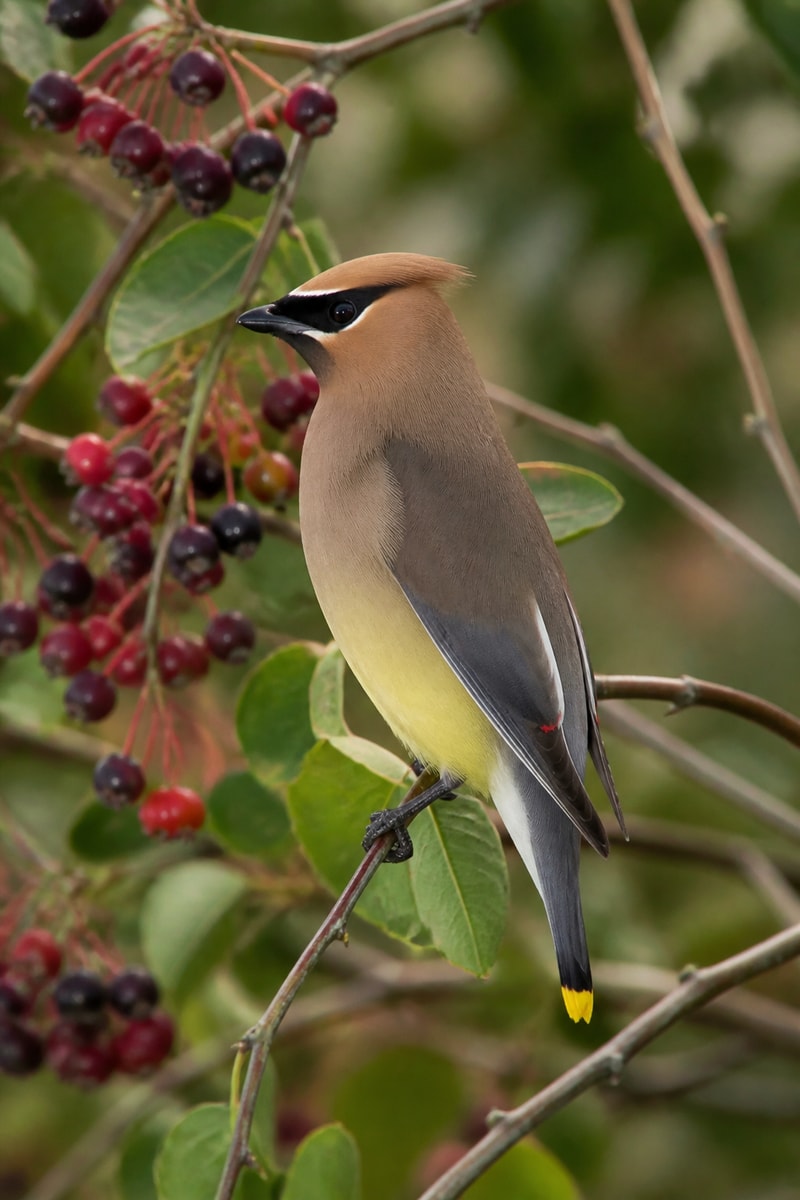
Cedar waxwings are sleek, crested songbirds with silky brown plumage, a sharp black mask, and red wax-like tips on the secondary feathers. They travel in flocks that descend on berry-laden trees and pass fruit down the line with charming courtesy.
For US collectors, the cedar waxwing is a berry-season staple — masked flock, high thin whistles, and a common fruit-tree visitor from suburbs to wild edges.
- Scientific nameBombycilla cedrorum
- Length14–17 cm
- Weight30–35 g
- LifespanAround 5–8 years in the wild
- DietPrimarily berries and…
- ConservationLeast Concern
- RegionNorth American Berry Country
Where to see them
Habitat
- Fruiting suburb
- Riparian woodland
- Orchard
- Open forest edge
Open woodland, orchards, suburbs, and riparian edges across North America wherever fruiting trees and shrubs provide berries through the seasons.
Field notes
Field scale for the Cedar Waxwing: length around 14-17 cm; weight 30-35 g. Typical lifespan: Around 5-8 years in the wild.
When you are scanning habitat, prioritise fruiting suburb, riparian woodland, orchard, and open forest edge. Those settings are where a clean look and a usable photo are most likely.
Quick ID anchor: Sleek brown crest, black mask, yellow belly wash, and yellow tail tip. Confirm with behaviour and habitat before you log the discovery.
Diet
Primarily berries and small fruits year-round when available.
Also catch flying insects, especially in the breeding season.
Behaviour
Nomadic flocks follow fruiting crops across the landscape.
Line up on branches and pass berries from bird to bird.
How to identify
Sleek brown crest, black mask, yellow belly wash, and yellow tail tip.
Red wax droplets on wing tips of many adults.
Interesting facts
- 01
Named for red wax-like tips on the wing secondaries.
- 02
Black mask and pointed crest give a bandit look.
- 03
Highly social flocks gorge on berries and pass fruit to neighbours.
- 04
Thin, high-pitched whistles are often heard before the flock is seen.
- 05
Can become intoxicated on overripe fermenting fruit.
- 06
Yellow tail tip is a neat field mark in flight.
Conservation status
Cedar waxwings are Least Concern and often benefit from ornamental fruit plantings. Pesticide use on fruit trees and window collisions are local risks.
Sources: IUCN Red List
Related discoveries



Keep exploring
Related discoveries
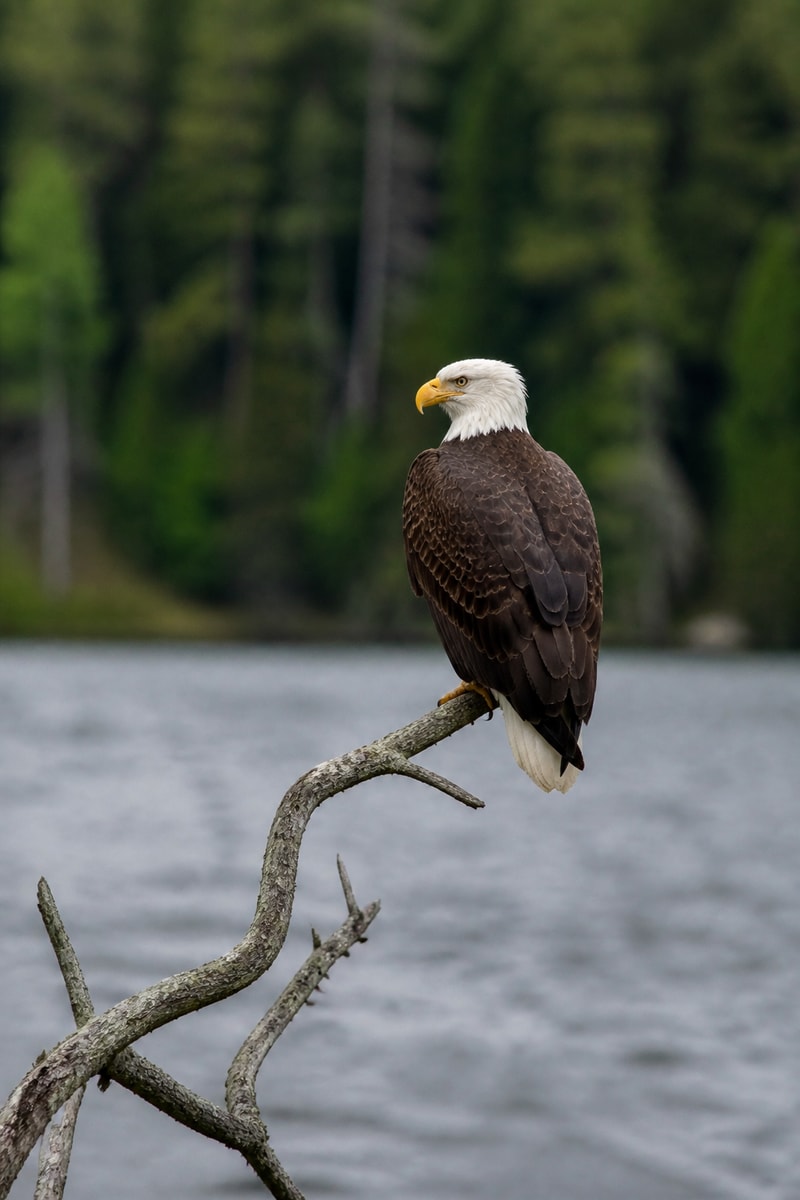
- Bald Eaglelegendary • Lakes & Coasts
- Grizzly Bearlegendary • Mountains & Rivers
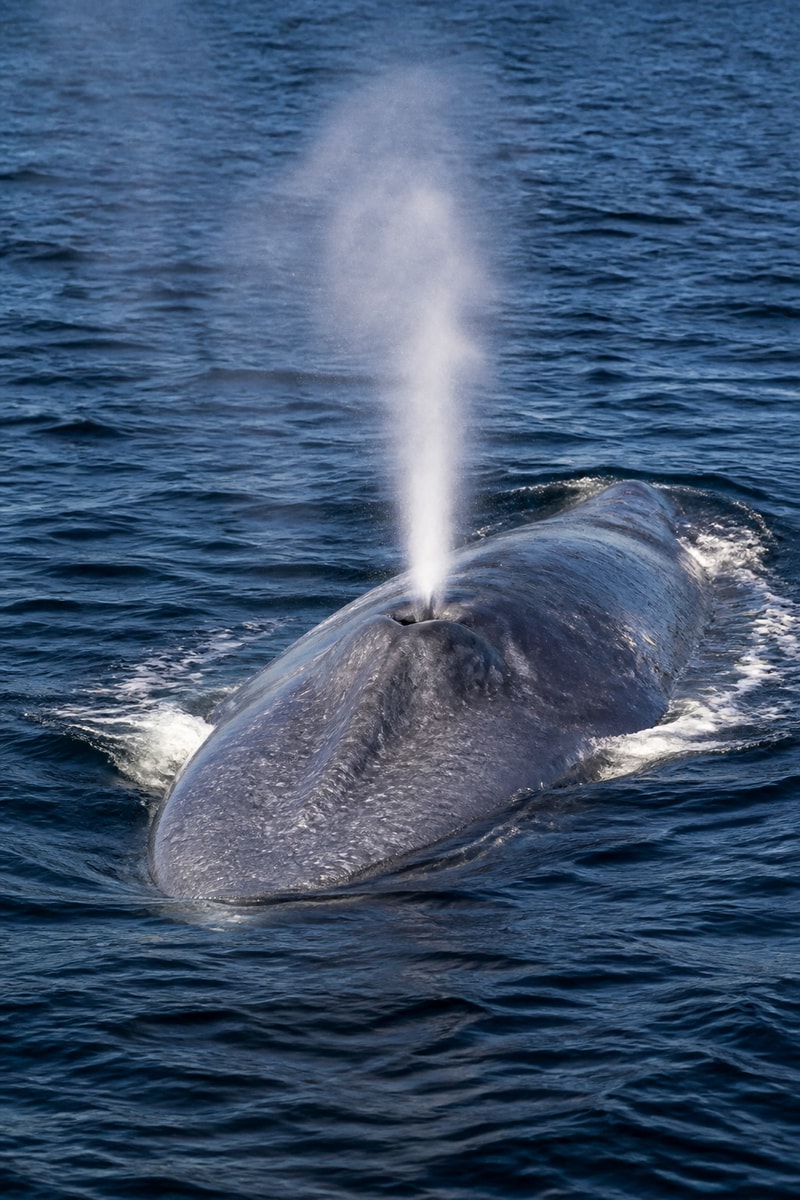
- Blue Whalelegendary • Open Ocean
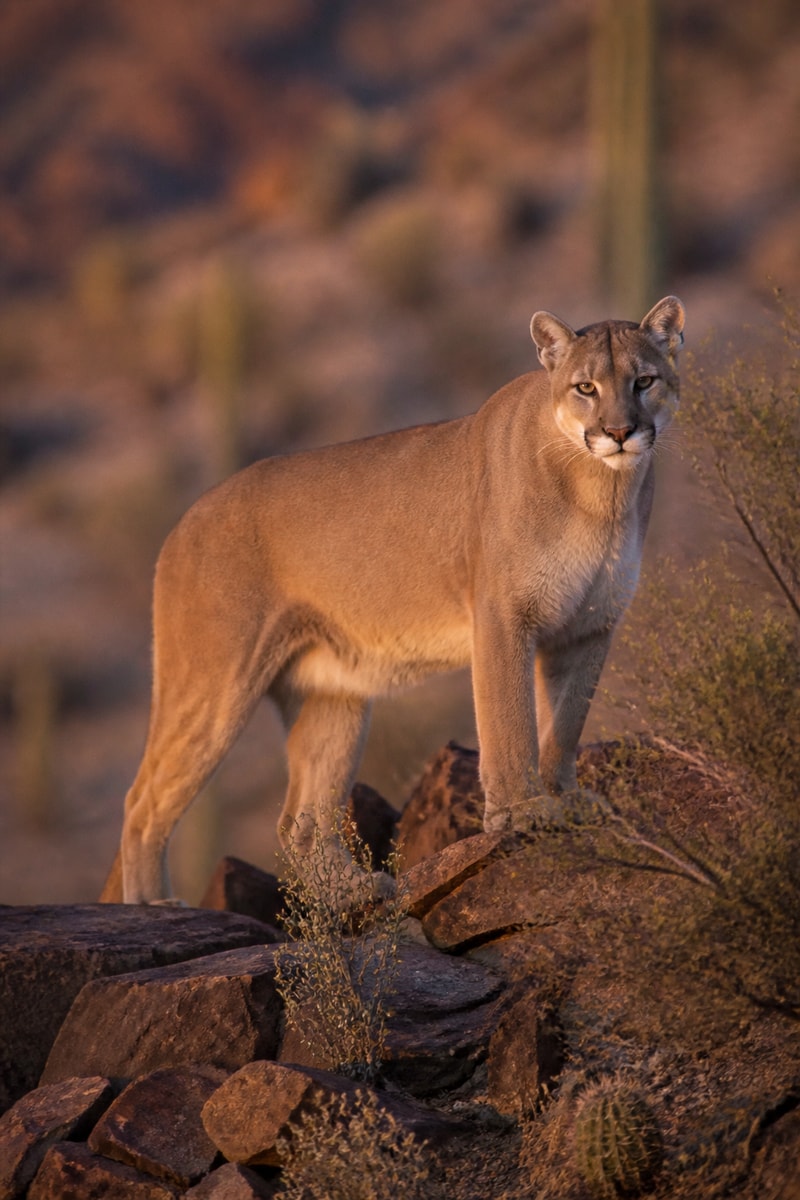
- Mountain Lionlegendary • Mountains & Desert
- Great White Sharklegendary • Coastal Ocean
- Orcalegendary • Coastal Ocean
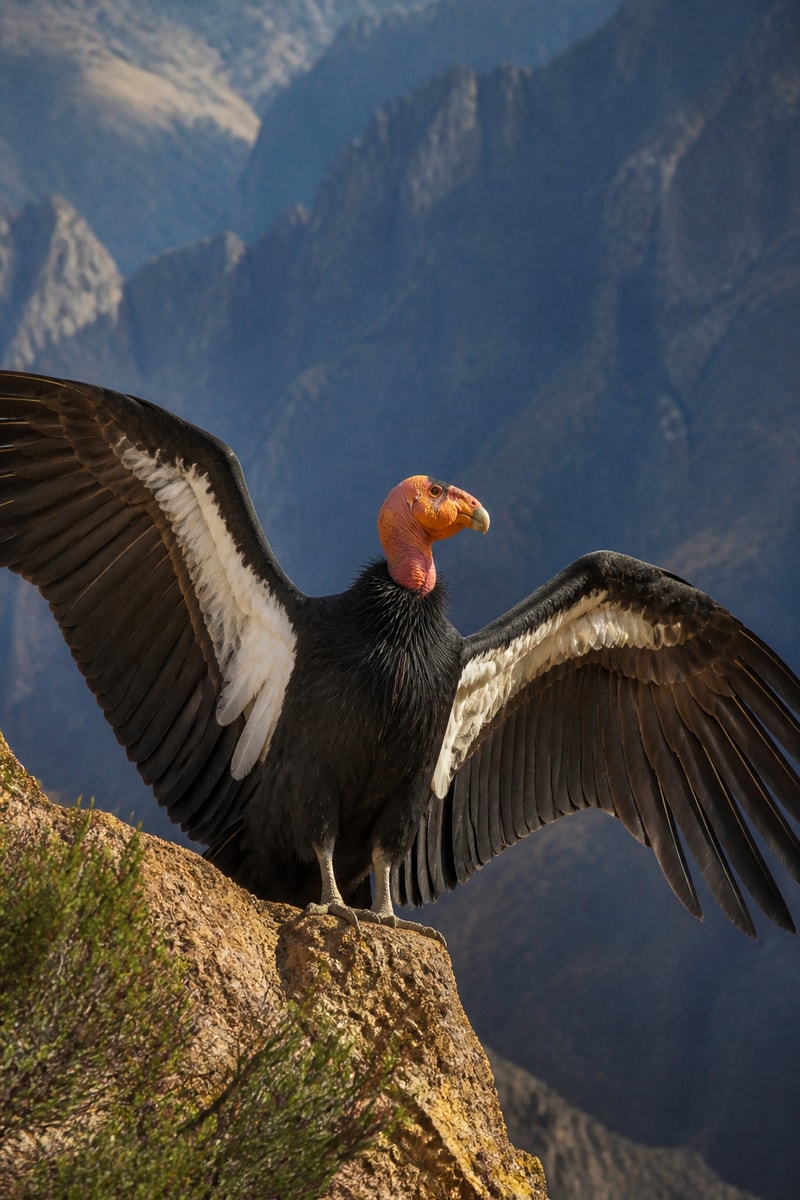
- California Condorlegendary • Canyons & Cliffs
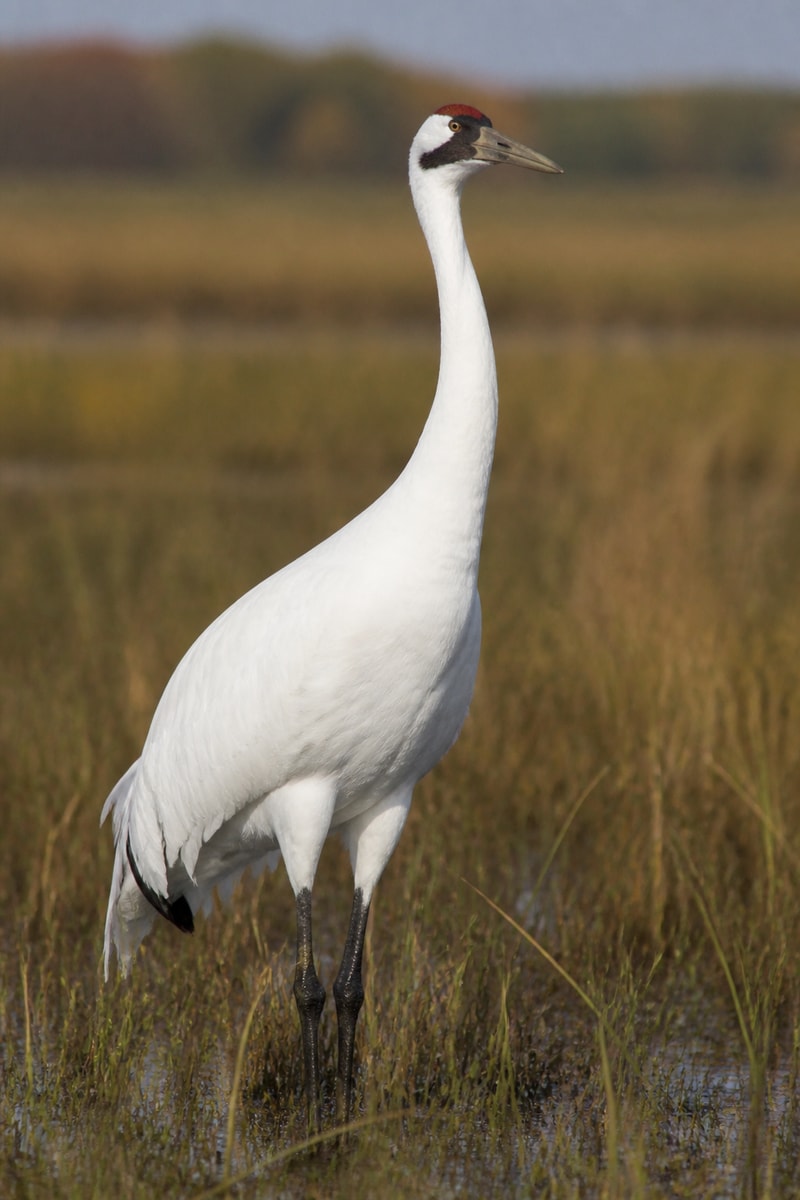
- Whooping Cranelegendary • North American Wetlands
Free on iOS
Catch the Cedar Waxwing
Spot one in the wild, then scan it in Catch'Um to log your common discovery.