
Field guide · common
Canada Goose
The V-formation traveller, honking over every park pond and riding wingtip vortices to save energy.
Least Concern
Branta canadensis
Overview
The Canada goose is the large, black-necked goose of American parks and ponds, honking, territorial, and impossible to ignore when a pair decides your local lake is home. Once strictly migratory, many populations now stay year-round, grazing lawns and leaving their distinctive droppings on golf courses nationwide.
Watch a skein flying in V-formation and you're seeing aerodynamic cooperation, each bird behind the leader saves energy in the wingtip vortex. A familiar common that still impresses when a hundred land on water together.
- Scientific nameBranta canadensis
- Length76–110 cm
- Weight3–6.5 kg
- Lifespan10–24 years in the wild
- DietGrazes on grasses
- ConservationLeast Concern
- RegionLakes & Parks
Habitat
- Lakes
- Wetlands
- Farmland
- Urban parks
Canada geese live across the United States on lakes, ponds, rivers, parks, and golf courses. They nest on the ground near water, graze on grass and aquatic plants, and have adapted brilliantly to suburban habitats with mowed lawns and artificial ponds.
Countries found
Field notes
Field scale for the Canada Goose: length around 76-110 cm; weight 3-6.5 kg. Typical lifespan: 10-24 years in the wild.
When you are scanning habitat, prioritise lakes, wetlands, farmland, and urban parks. Those settings are where a clean look and a usable photo are most likely.
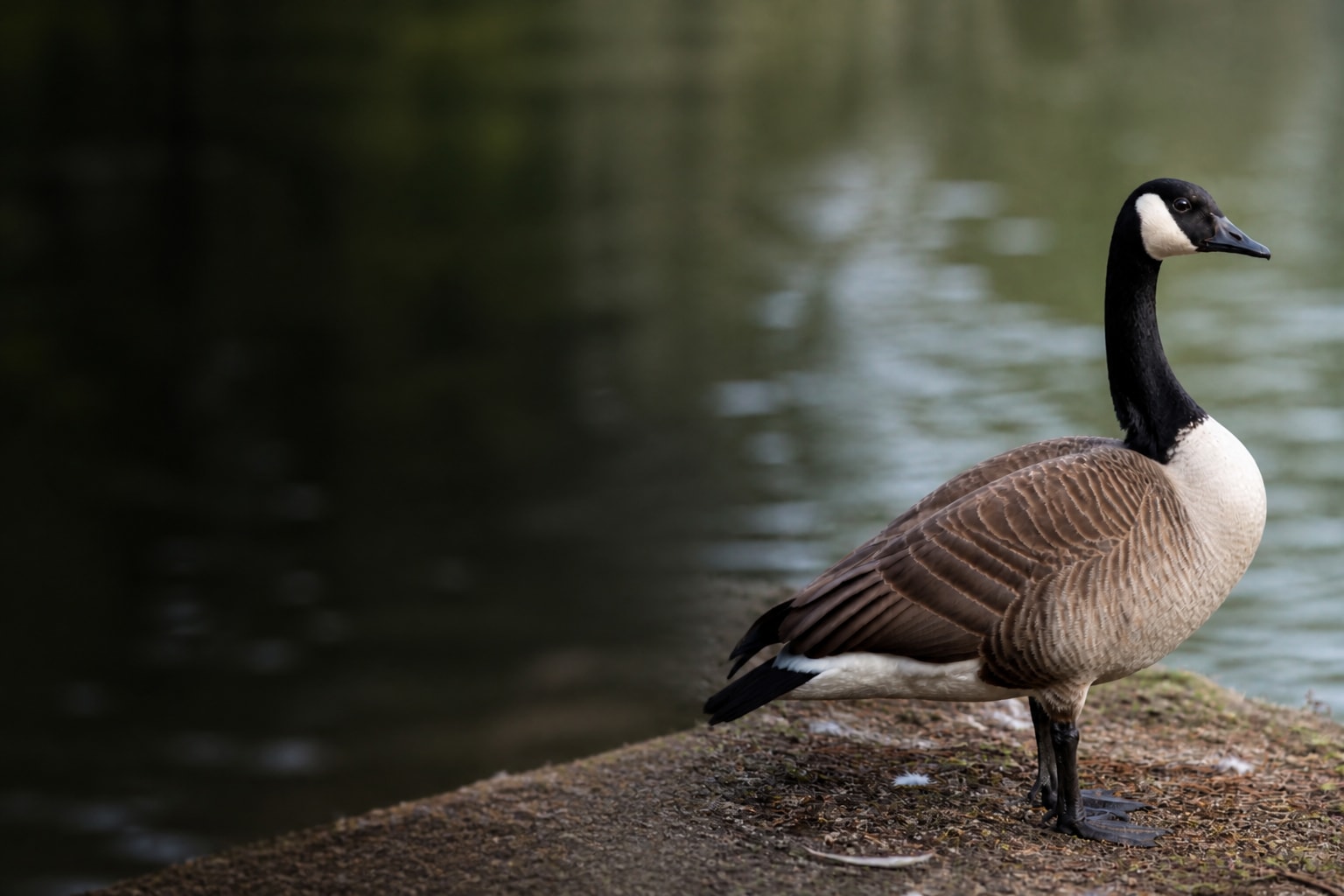
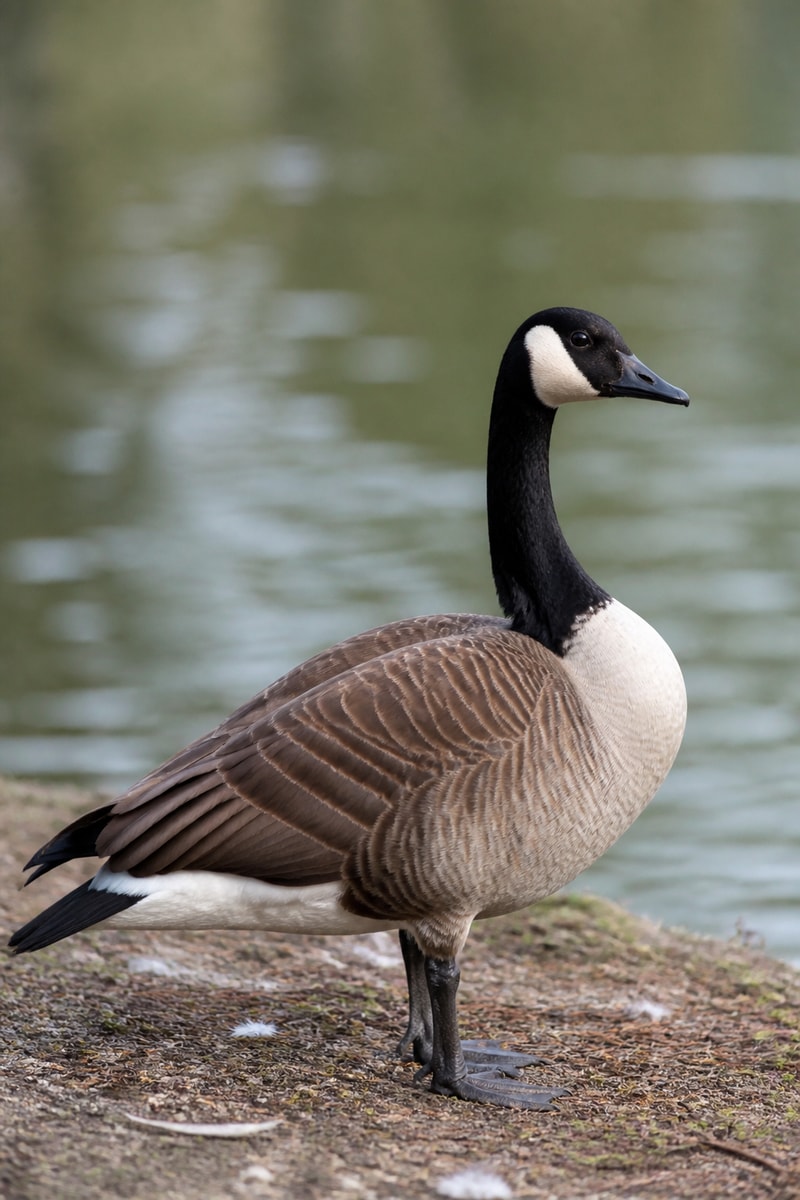
Quick ID anchor: Black head and neck with a bold white chinstrap, brown body, and pale breast. Larger than most ducks; the white cheek patch is the key field mark even at distance. Confirm with behaviour and habitat before you log the discovery.
Where to see one
United States
In United States, start at Suburban Park Systems (Nationwide). Local green spaces across the US, with pond edges, playground perimeters, and dog-walking trails where the everyday species gather.
More context on this destination lives on the United States expedition page.
Diet
Grazes on grasses, clovers, and agricultural grains; also takes aquatic plants and submerged vegetation while dabbling. In parks it often feeds on short lawn turf.
Behaviour
Strong lifelong pair bonds; nests on the ground near water and aggressively defends goslings. Migrating flocks fly in classic V-formations and give loud honking contact calls.
How to identify
Black head and neck with a bold white chinstrap, brown body, and pale breast. Larger than most ducks; the white cheek patch is the key field mark even at distance.
Interesting facts
- 01
Canada geese fly in a V formation, each bird saves energy by riding the wingtip vortex.
- 02
They mate for life and both parents defend the nest aggressively.
- 03
Goslings imprint on their parents and follow in a line from day one.
- 04
Many populations are now resident. They no longer migrate south in winter.
- 05
Their honking flight calls carry for kilometres, a sound of autumn and spring.
- 06
A subspecies, the giant Canada goose, was once thought extinct but recovered from wild flock.
Conservation status
Canada geese are Least Concern and in many areas considered overabundant, resident urban flocks have grown dramatically since the 1970s, leading to management programmes on airports and parks.
Sources: IUCN Red List
Related discoveries
Keep exploring
Related discoveries
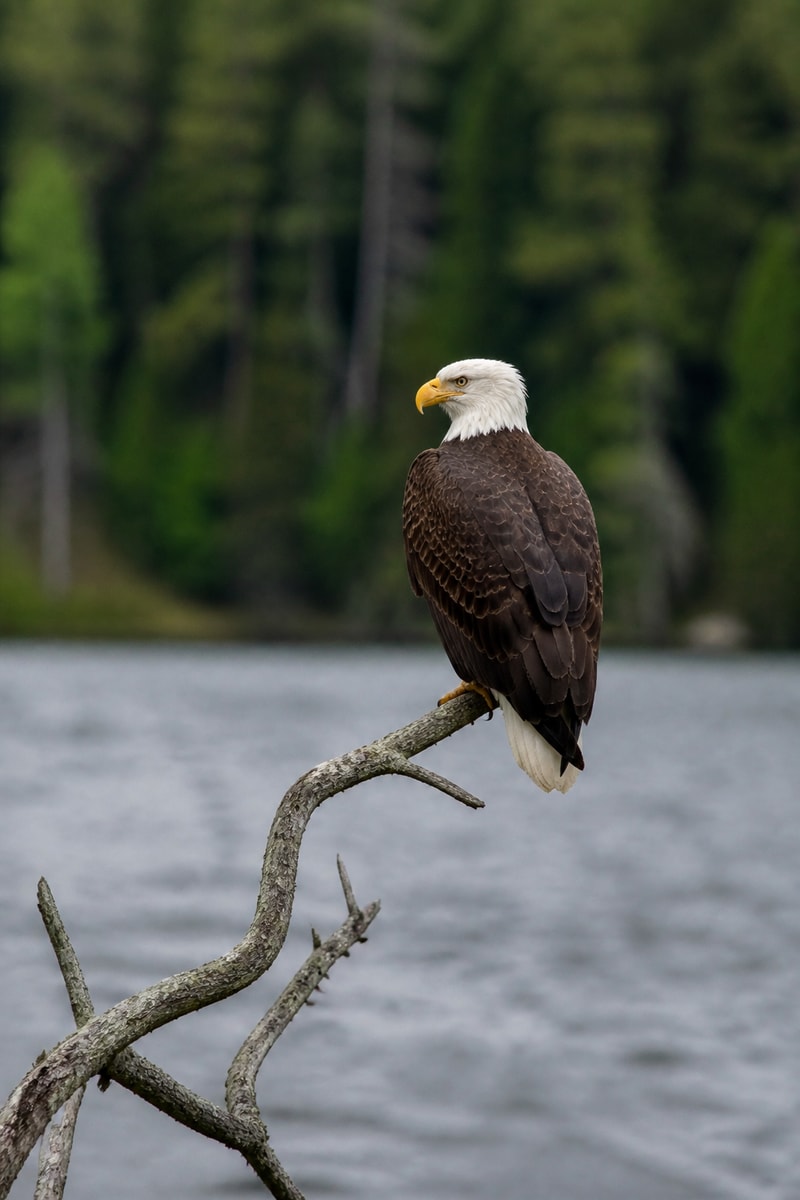
- Bald Eaglelegendary • Lakes & Coasts
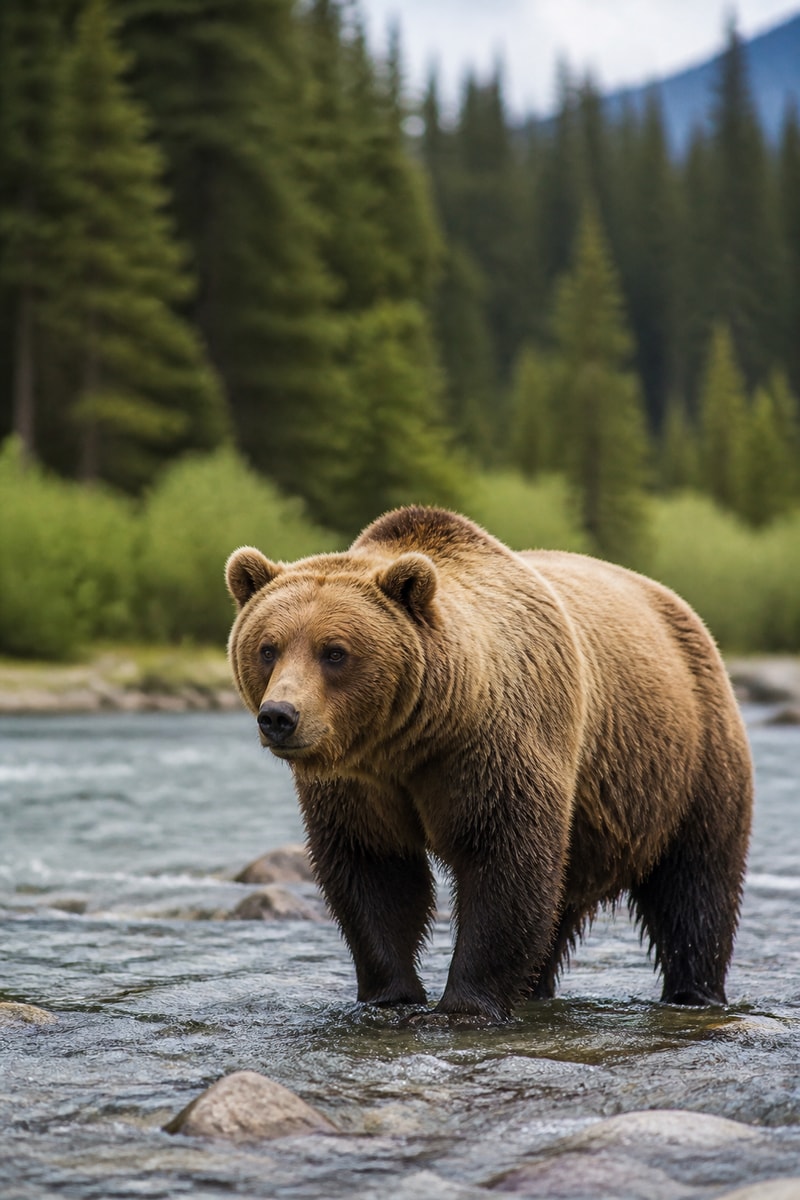
- Grizzly Bearlegendary • Mountains & Rivers
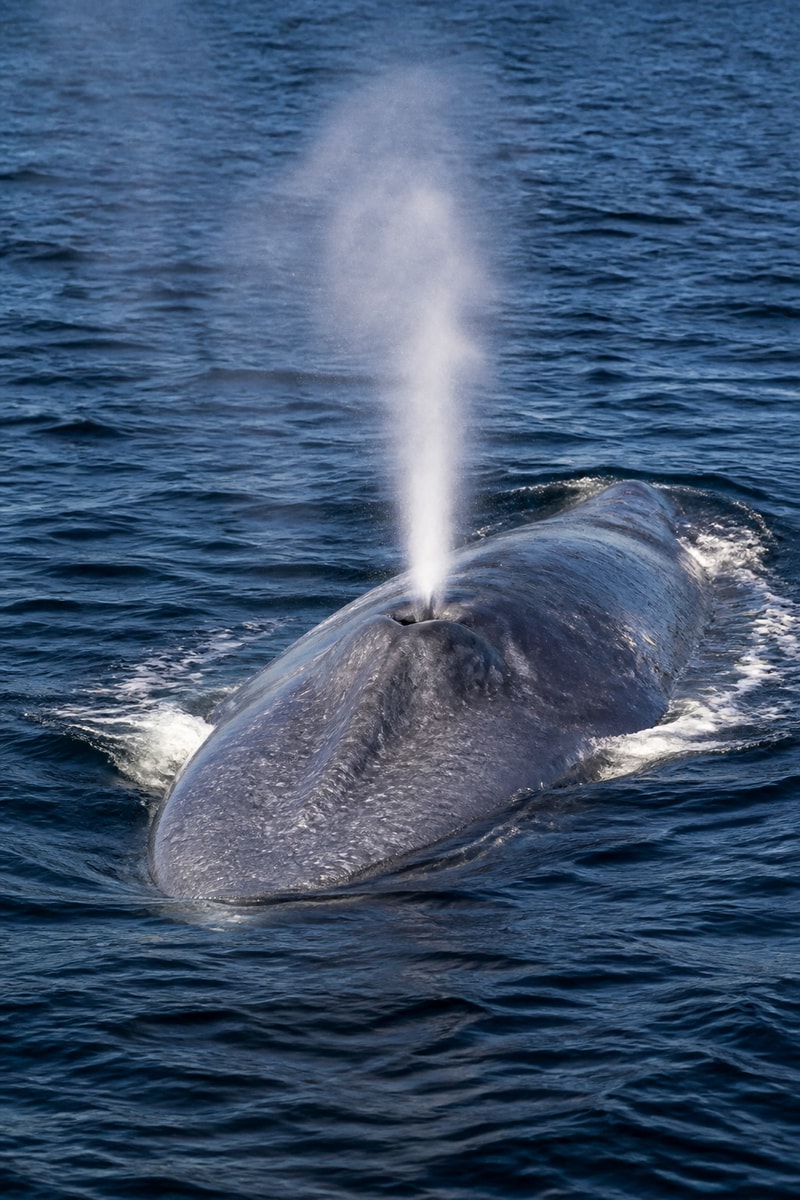
- Blue Whalelegendary • Open Ocean
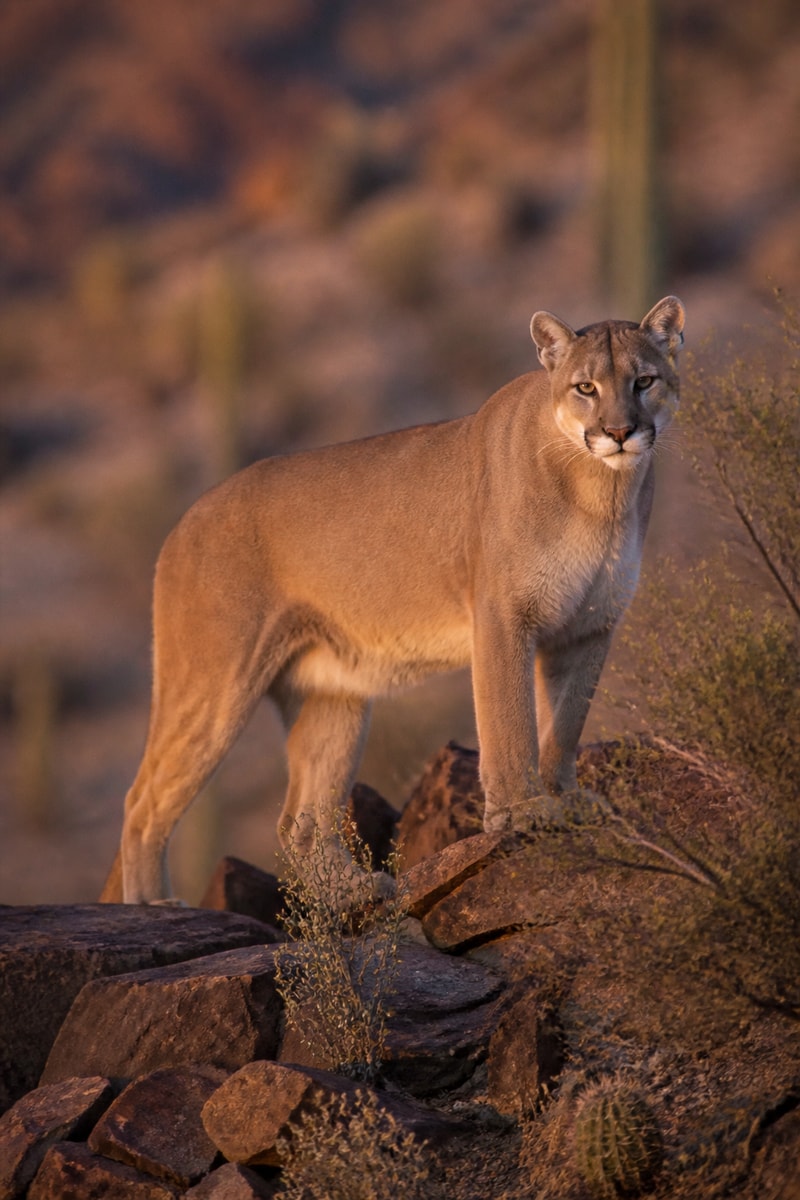
- Mountain Lionlegendary • Mountains & Desert
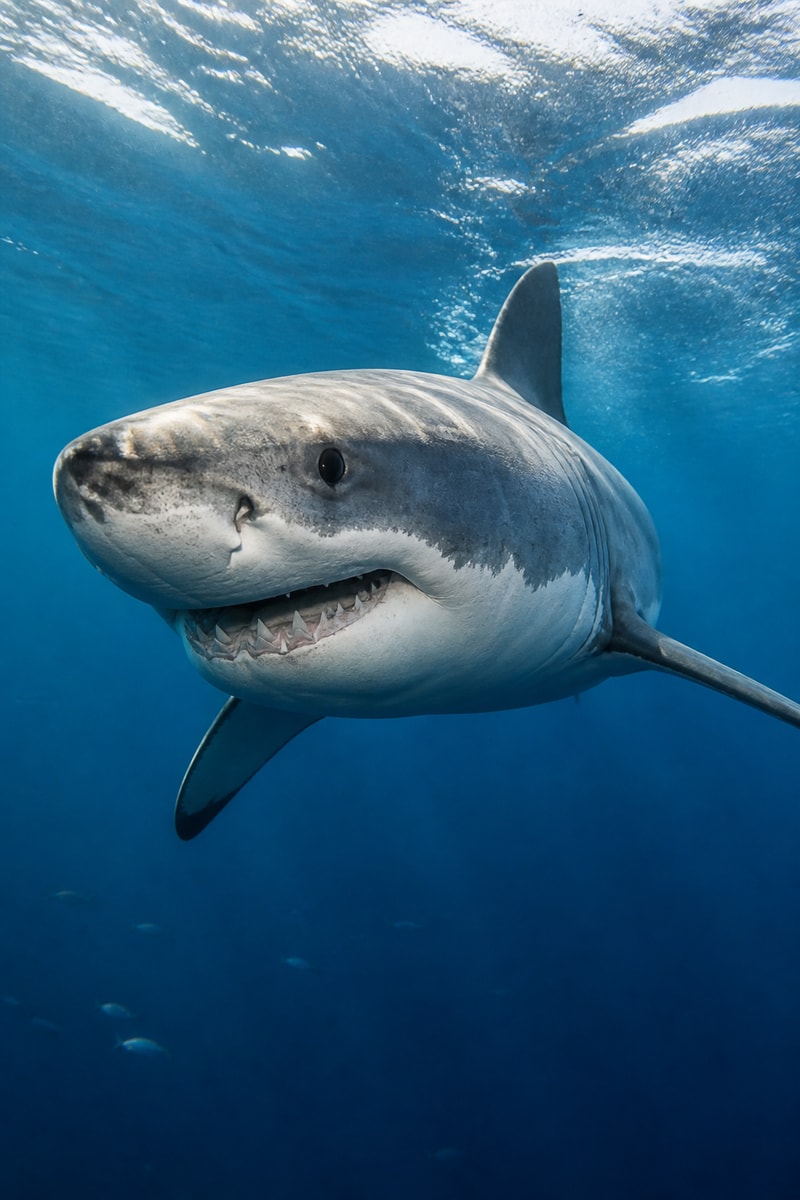
- Great White Sharklegendary • Coastal Ocean
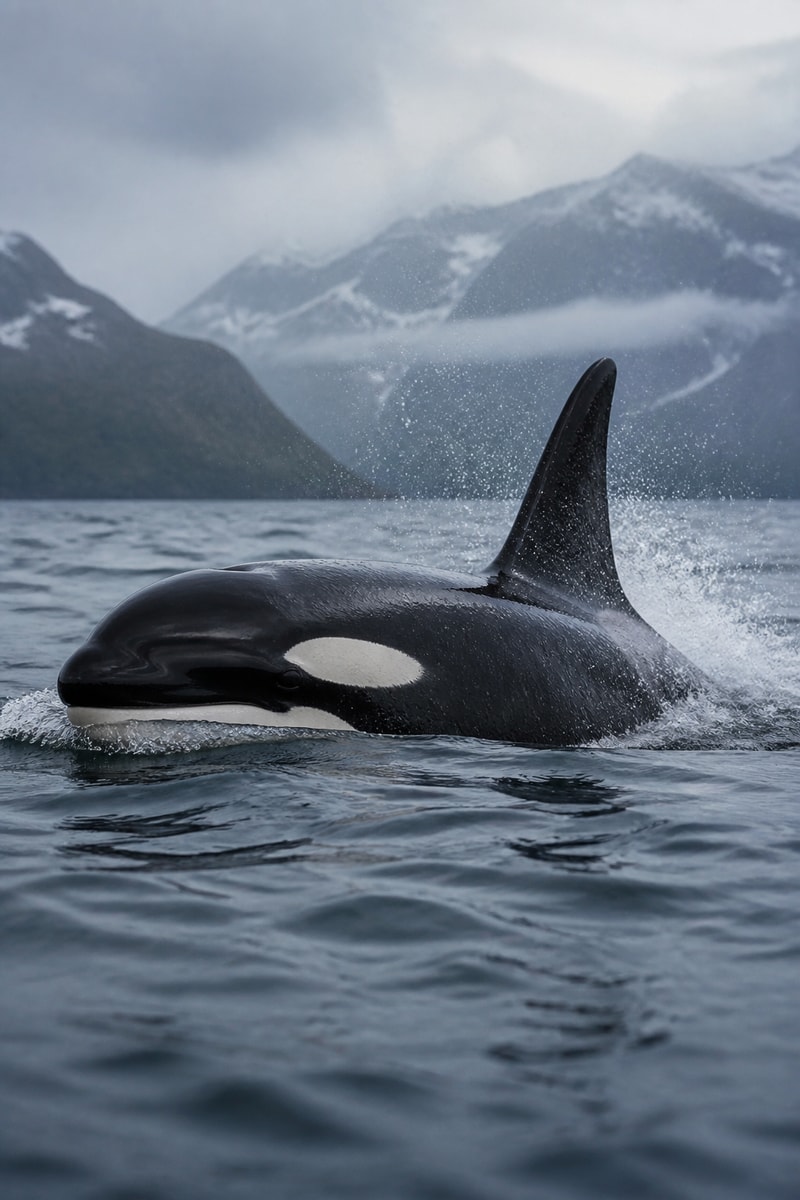
- Orcalegendary • Coastal Ocean
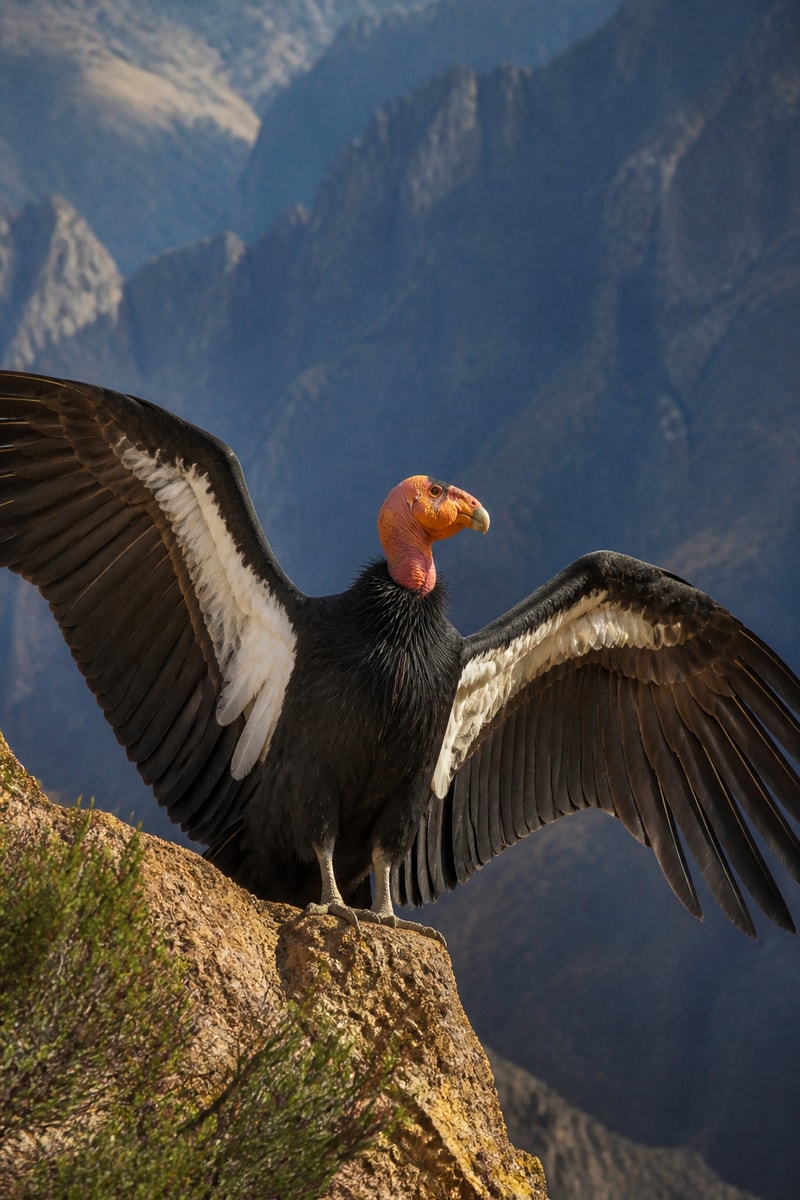
- California Condorlegendary • Canyons & Cliffs
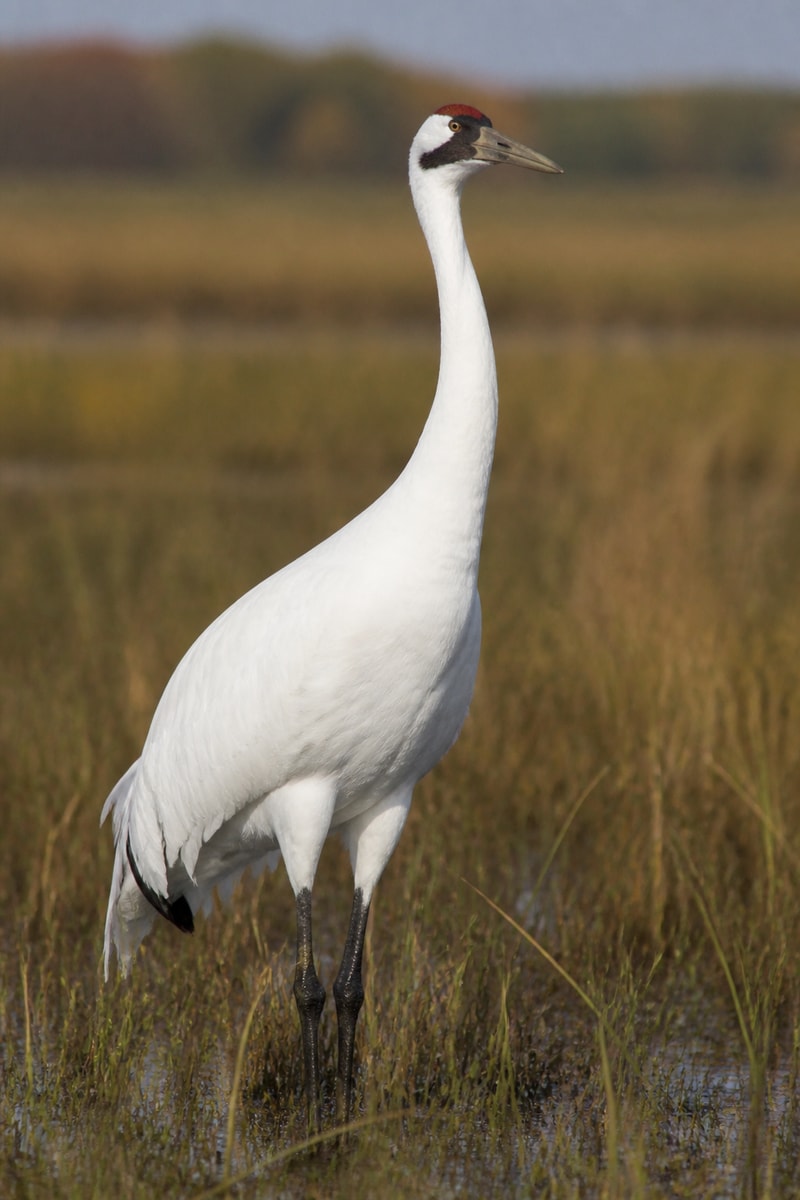
- Whooping Cranelegendary • North American Wetlands
Free on iOS
Catch the Canada Goose
Spot one in the wild, then scan it in Catch'Um to log your common discovery.