
Field guide · common
Bumblebee
The fuzzy pollinator, a round, buzzing bee that works cool mornings when other insects are still asleep.
Near Threatened
Bombus terrestris
Overview
Bumblebees are among the most charismatic garden insects: plump, furry, and loud in flight, with bands of yellow, black, and white that vary by species. Unlike honey bees, bumblebee colonies are small and annual, a queen starts fresh each spring in an old mouse nest or grass tussock.
Bumblebees are vital pollinators with a special trick: buzz pollination. By vibrating their flight muscles at high frequency, they shake pollen loose from flowers like tomatoes and blueberries, a service few other bees provide.
- Scientific nameBombus terrestris
- LengthWorkers ~11–17 mm; queens ~20–25 mm
- LifespanWorkers a few weeks; queens up to about a year across the colony cycle
- DietNectar for fuel and…
- ConservationNear Threatened
- RegionGardens & Wildflowers
Habitat
- Gardens
- Meadows
- Farmland
- Heathland
Gardens, meadows, hedgerows, and woodland edges with wildflowers support bumblebees across the UK and US. They need nectar and pollen from spring through autumn, and undisturbed ground for nesting.
Countries found
Field notes
Field scale for the Bumblebee: length around Workers ~11-17 mm; queens ~20-25 mm. Typical lifespan: Workers a few weeks; queens up to about a year across the colony cycle.
When you are scanning habitat, prioritise gardens, meadows, farmland, and heathland. Those settings are where a clean look and a usable photo are most likely.
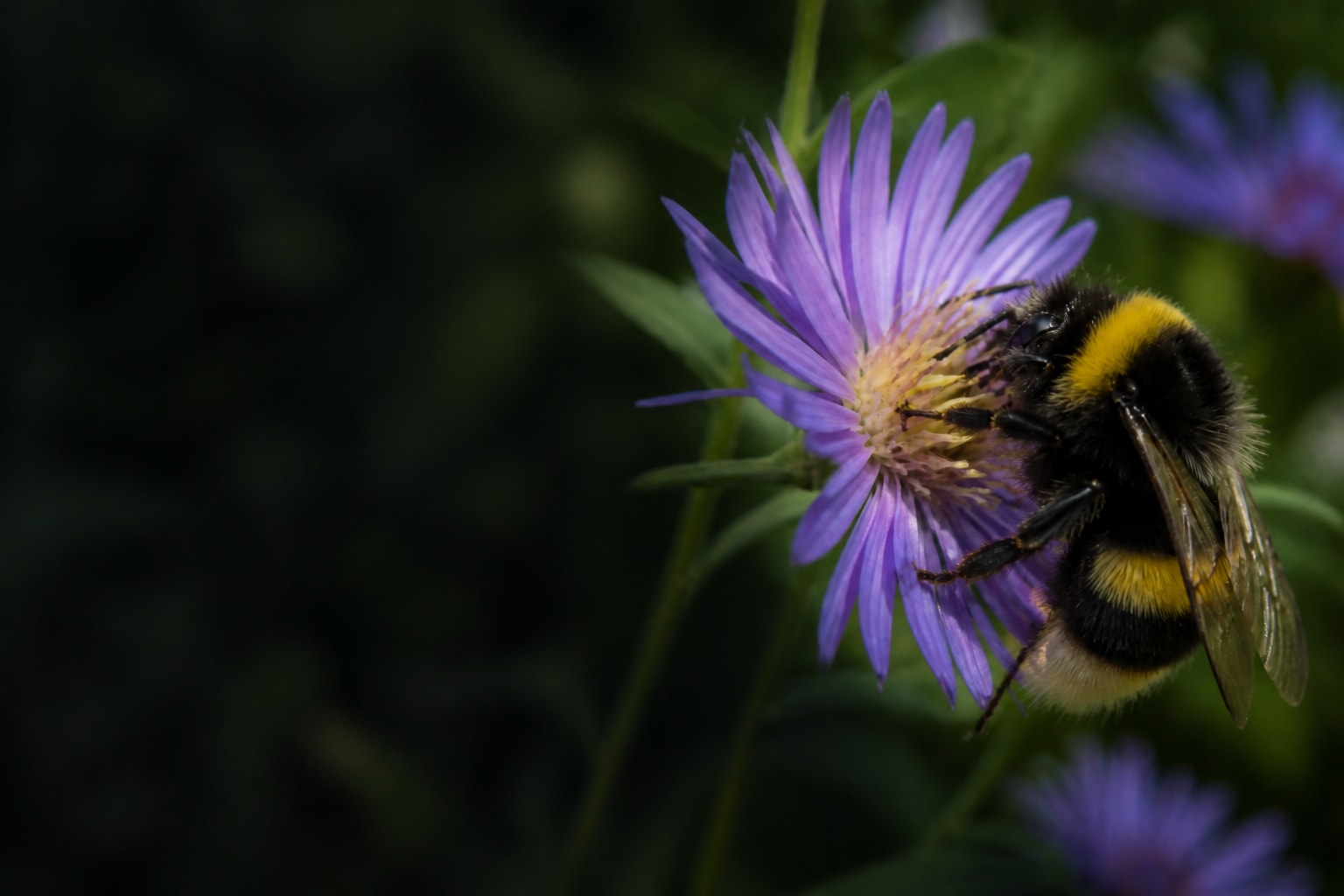
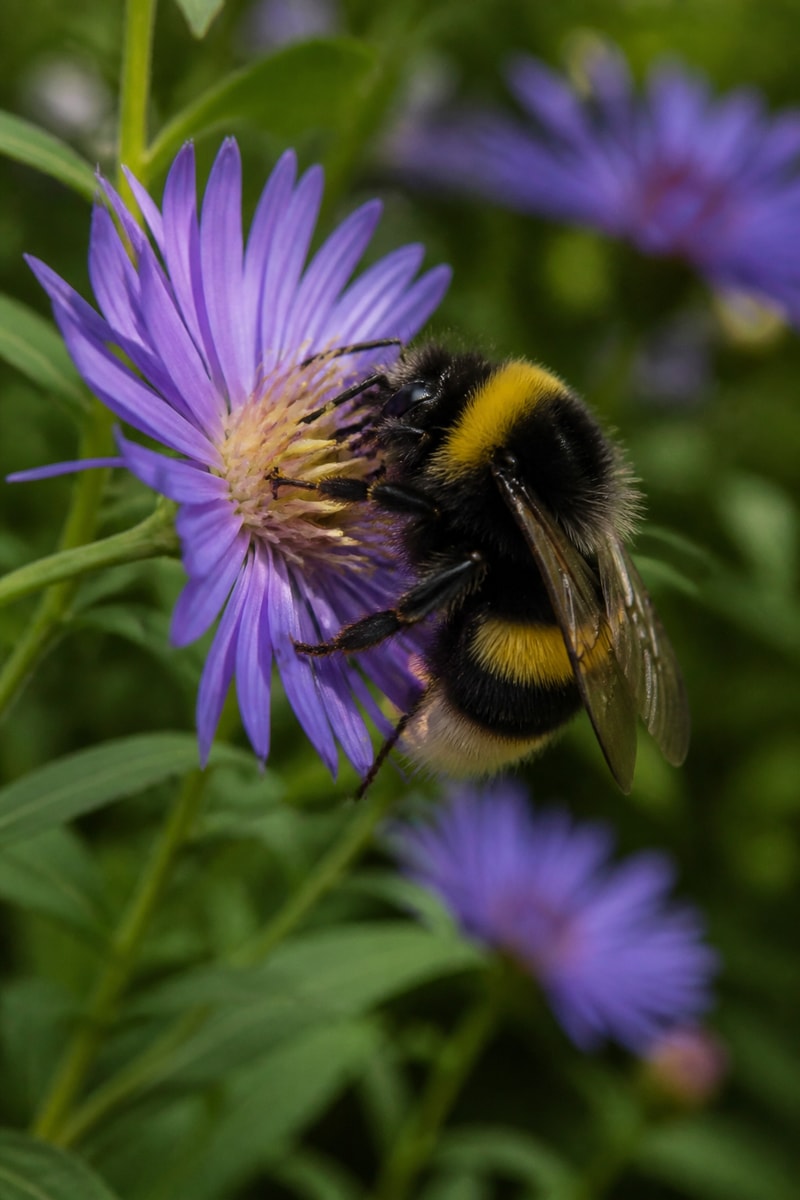
Quick ID anchor: Large, round, densely furry bees, often black with yellow bands; buff-tailed (Bombus terrestris) workers show a buff or whitish tail tip. Much hairier and more robust than honey bees. Confirm with behaviour and habitat before you log the discovery.
Diet
Nectar for fuel and pollen for protein, collected from a wide variety of flowers. Many species are important buzz-pollinators of crops such as tomatoes and berries.
Behaviour
Annual social colonies founded by overwintered queens; workers forage through summer before new queens and males are produced. Can fly in cool, damp weather that grounds honey bees.
How to identify
Large, round, densely furry bees—often black with yellow bands; buff-tailed (Bombus terrestris) workers show a buff or whitish tail tip. Much hairier and more robust than honey bees.
Interesting facts
- 01
Bumblebees can buzz-pollinate tomatoes, shaking pollen loose by vibrating their flight muscles.
- 02
They can fly in cooler temperatures than most insects.
- 03
Only new queens survive the winter, the rest of the colony dies in autumn.
Conservation status
Many bumblebee species are declining due to habitat loss, pesticide use, and climate change. Several UK and North American species have disappeared from parts of their range.
Sources: IUCN Red List
Related discoveries





Keep exploring
Where it lives
Related discoveries
- Bald Eaglelegendary • Lakes & Coasts
- Grizzly Bearlegendary • Mountains & Rivers
- Blue Whalelegendary • Open Ocean
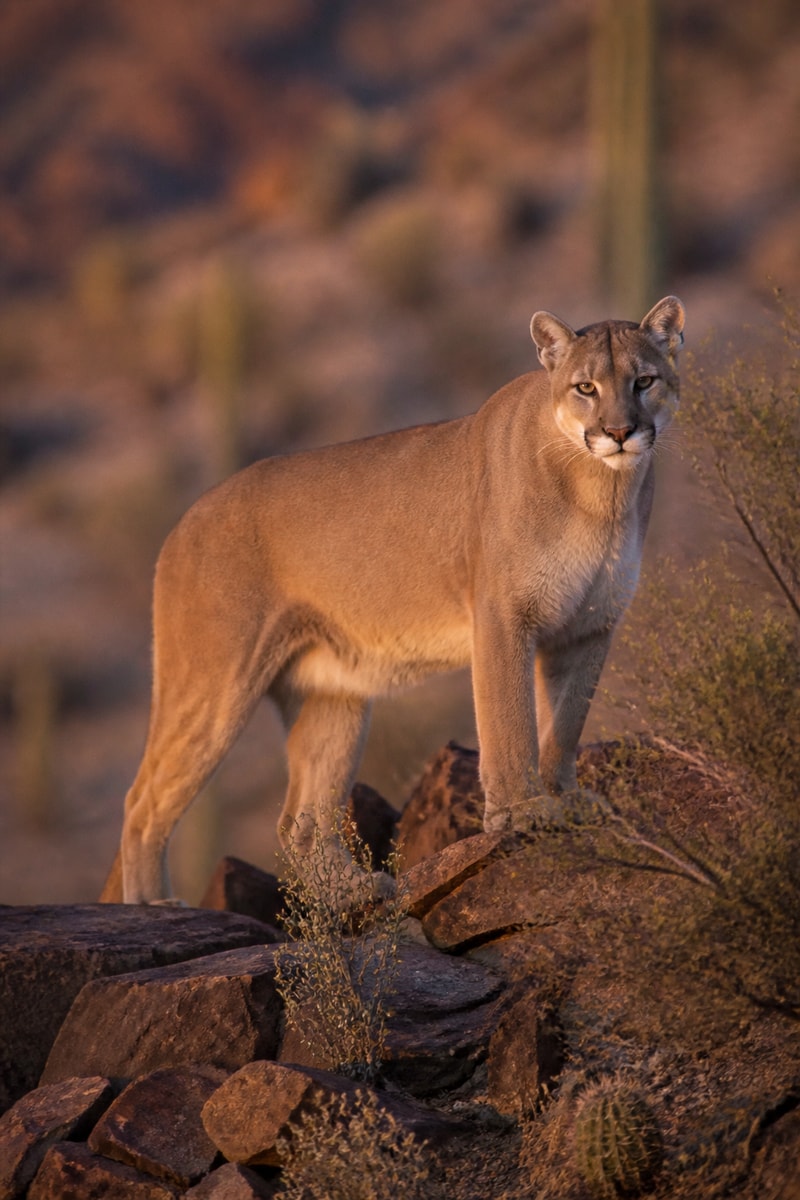
- Mountain Lionlegendary • Mountains & Desert
- Great White Sharklegendary • Coastal Ocean
- Orcalegendary • Coastal Ocean
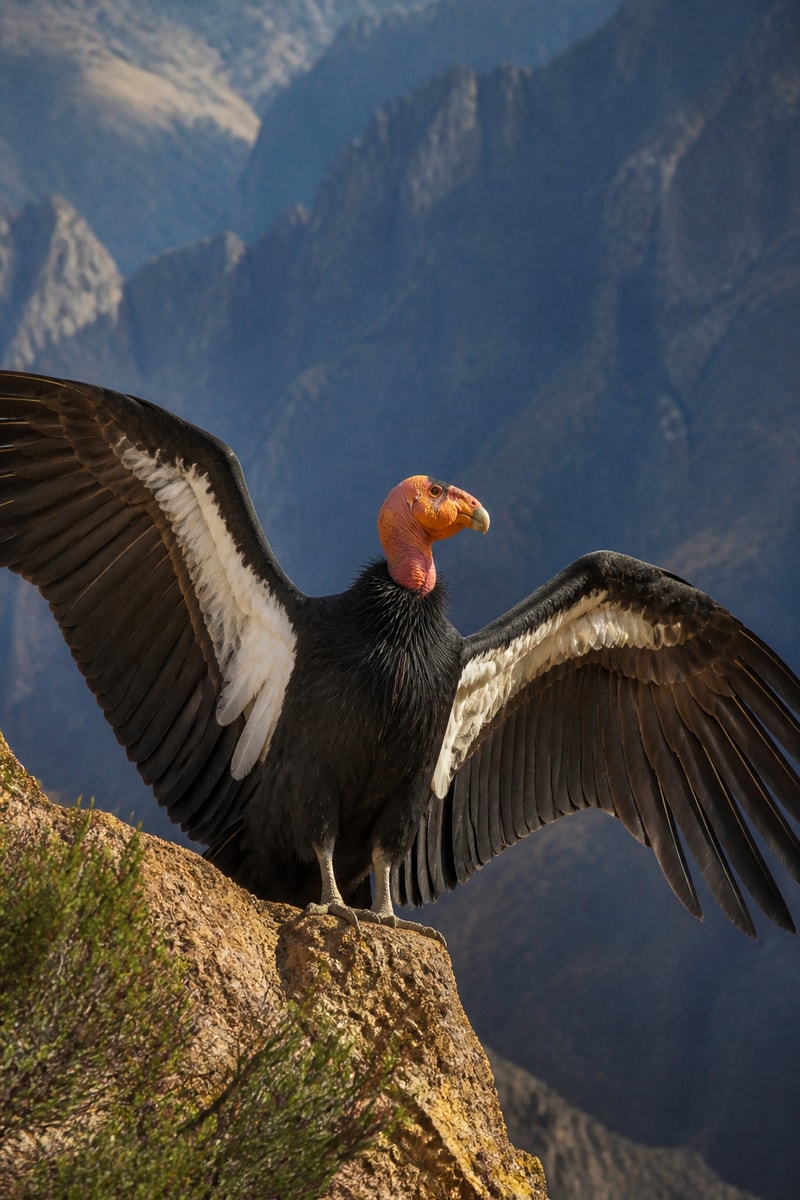
- California Condorlegendary • Canyons & Cliffs
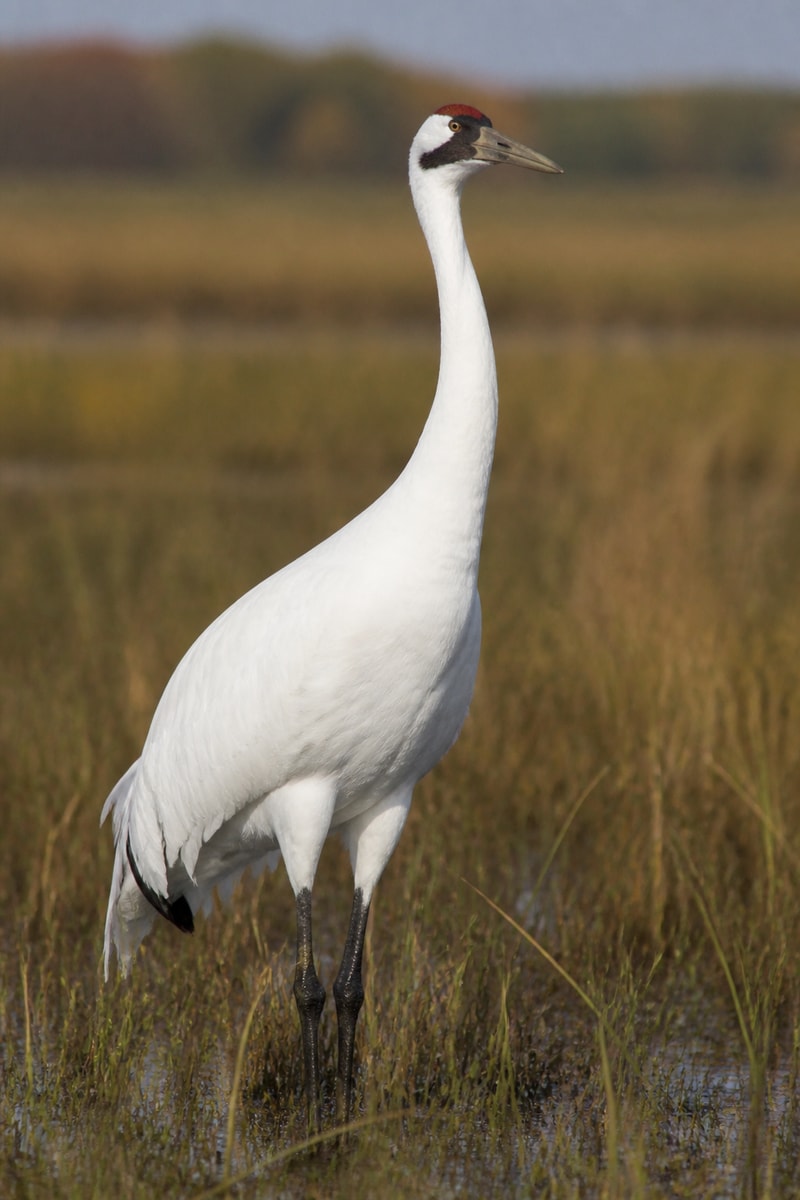
- Whooping Cranelegendary • North American Wetlands
Free on iOS
Catch the Bumblebee
Spot one in the wild, then scan it in Catch'Um to log your common discovery.