

Field guide · common
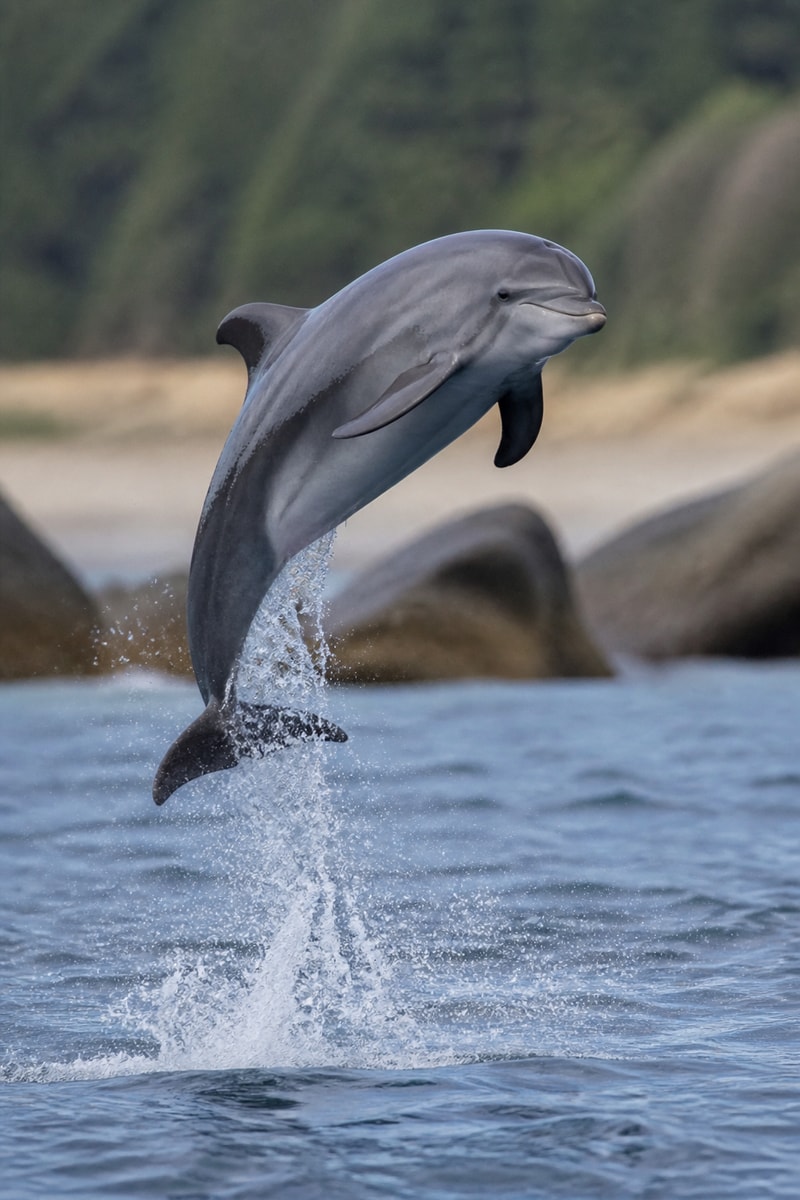
Bottlenose Dolphin
The smiling acrobat, an intelligent marine mammal that surfs bow waves and calls to friends by name.
Least Concern
Tursiops truncatus
Overview
The bottlenose dolphin is the world's most familiar cetacean: grey, curved-mouthed, and endlessly playful. Pods hunt cooperatively, strand-feeding fish onto mud banks in some populations, and ride the pressure waves in front of boats for fun.
Each dolphin develops a unique signature whistle, effectively a name that others use to call them. They live in complex social groups with long-term bonds, tool use in some populations, and problem-solving abilities that rival great apes.
- Scientific nameTursiops truncatus
- Length2–4 m
- Weight150–650 kg
- Lifespan40–50 years in the wild
- DietFish
- ConservationLeast Concern
- RegionCoastal Waters
Habitat
- Coastal waters
- Bays
- Estuaries
- Open ocean
Warm and temperate coastal waters worldwide hold bottlenose dolphins, estuaries, bays, and open coast from Florida and California to Cardigan Bay in Wales. Some populations are resident; others roam over hundreds of kilometres.
Field notes
Field scale for the Bottlenose Dolphin: length around 2-4 m; weight 150-650 kg. Typical lifespan: 40-50 years in the wild.
When you are scanning habitat, prioritise coastal waters, bays, estuaries, and open ocean. Those settings are where a clean look and a usable photo are most likely.
Quick ID anchor: Robust medium-grey dolphin with a short stubby beak, a gently curved dorsal fin, and a permanent 'smile' mouthline. Stockier and larger-beaked than many common dolphins. Confirm with behaviour and habitat before you log the discovery.
Diet
Fish, squid, and crustaceans hunted with echolocation and cooperative tactics. Diet varies widely by region—from coastal mullet to offshore schooling fish.
Behaviour
Highly social, living in fluid pods that hunt, travel, and play together. Curious and acrobatic; uses signature whistles and sophisticated sonar to navigate and find prey.
How to identify
Robust medium-grey dolphin with a short stubby beak, a gently curved dorsal fin, and a permanent 'smile' mouthline. Stockier and larger-beaked than many common dolphins.
Interesting facts
- 01
Dolphins call each other by individual signature whistles, like names.
- 02
They sleep with one half of their brain awake so they can keep breathing.
- 03
Some populations use sponges to protect their beaks while foraging on the seafloor.
Conservation status
Bottlenose dolphins are Least Concern globally, though coastal populations face threats from pollution, fishing gear, and habitat degradation. Some inshore groups are small and vulnerable.
Sources: IUCN Red List
Related discoveries


Keep exploring
Where it lives
Related discoveries
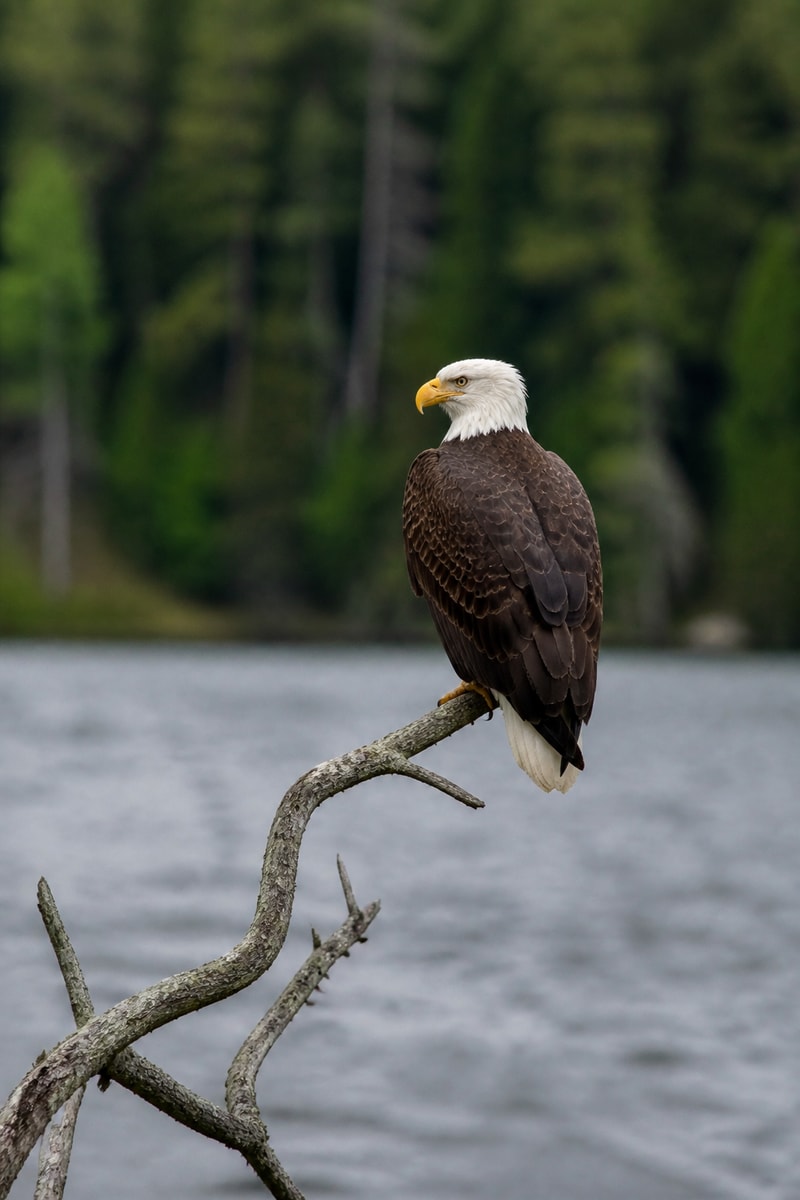
- Bald Eaglelegendary • Lakes & Coasts
- Grizzly Bearlegendary • Mountains & Rivers
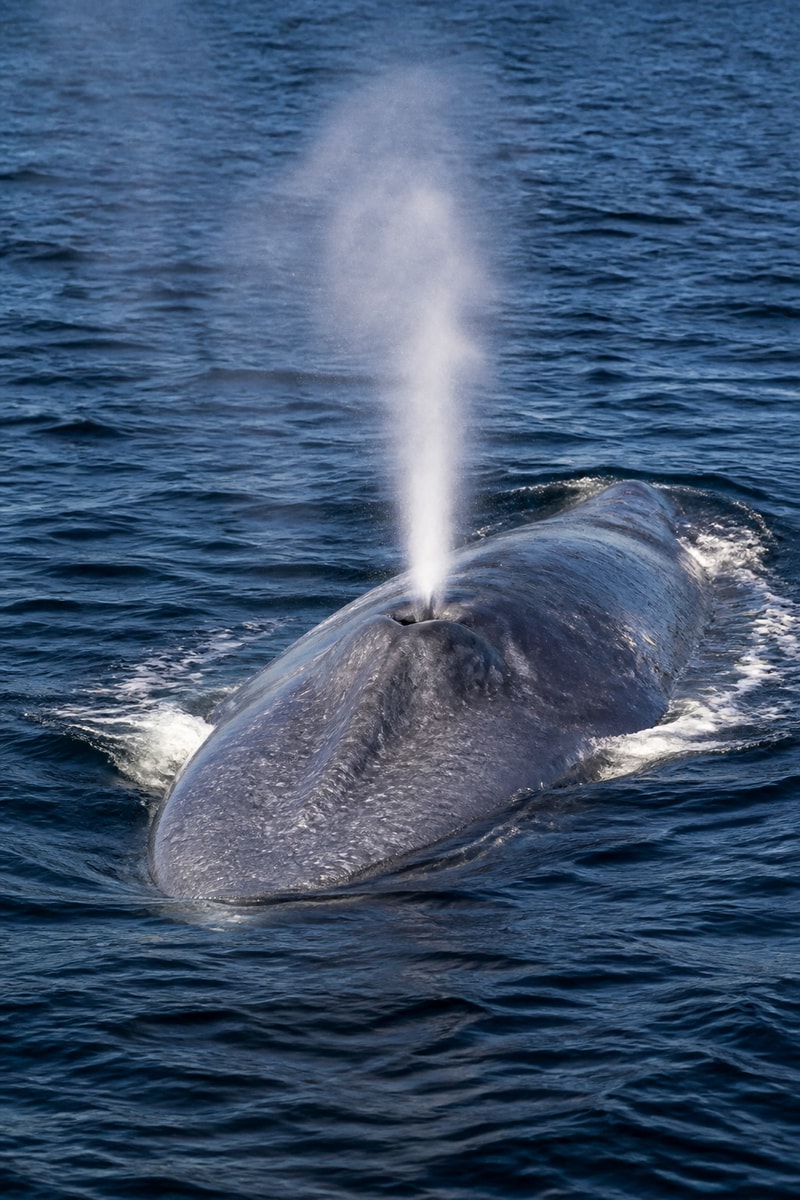
- Blue Whalelegendary • Open Ocean
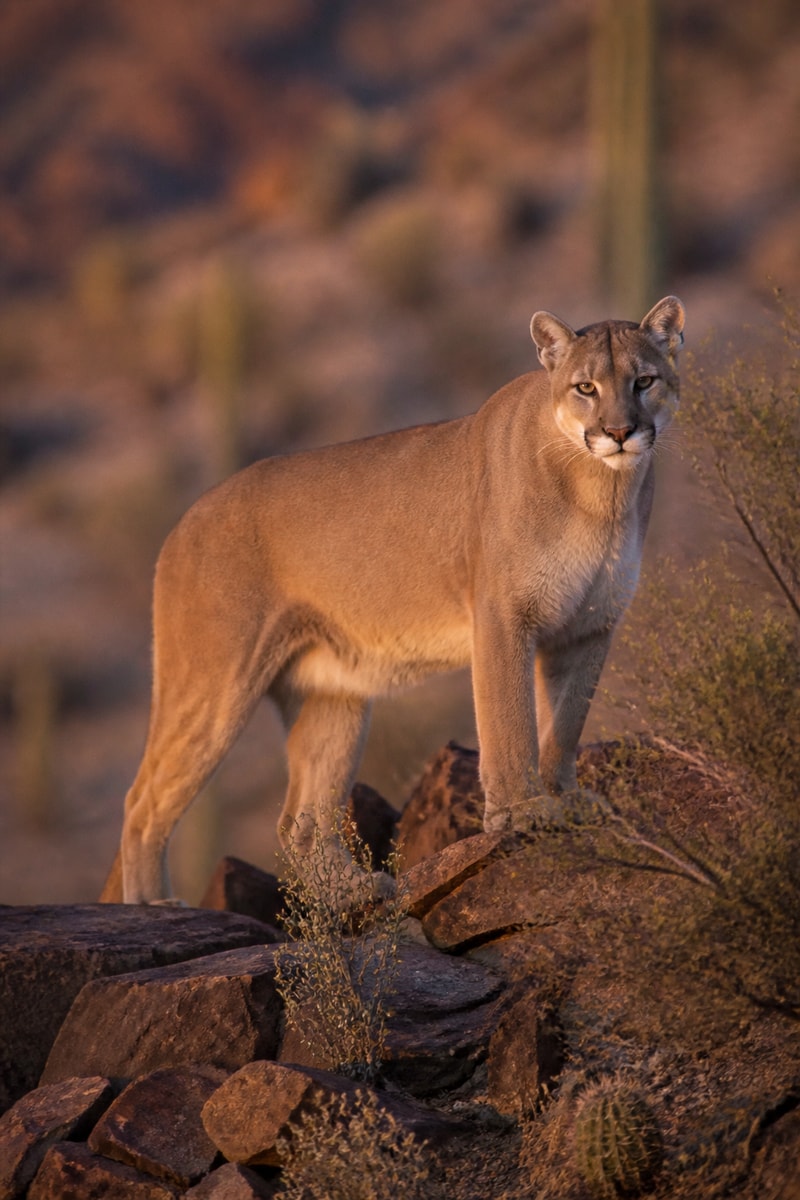
- Mountain Lionlegendary • Mountains & Desert
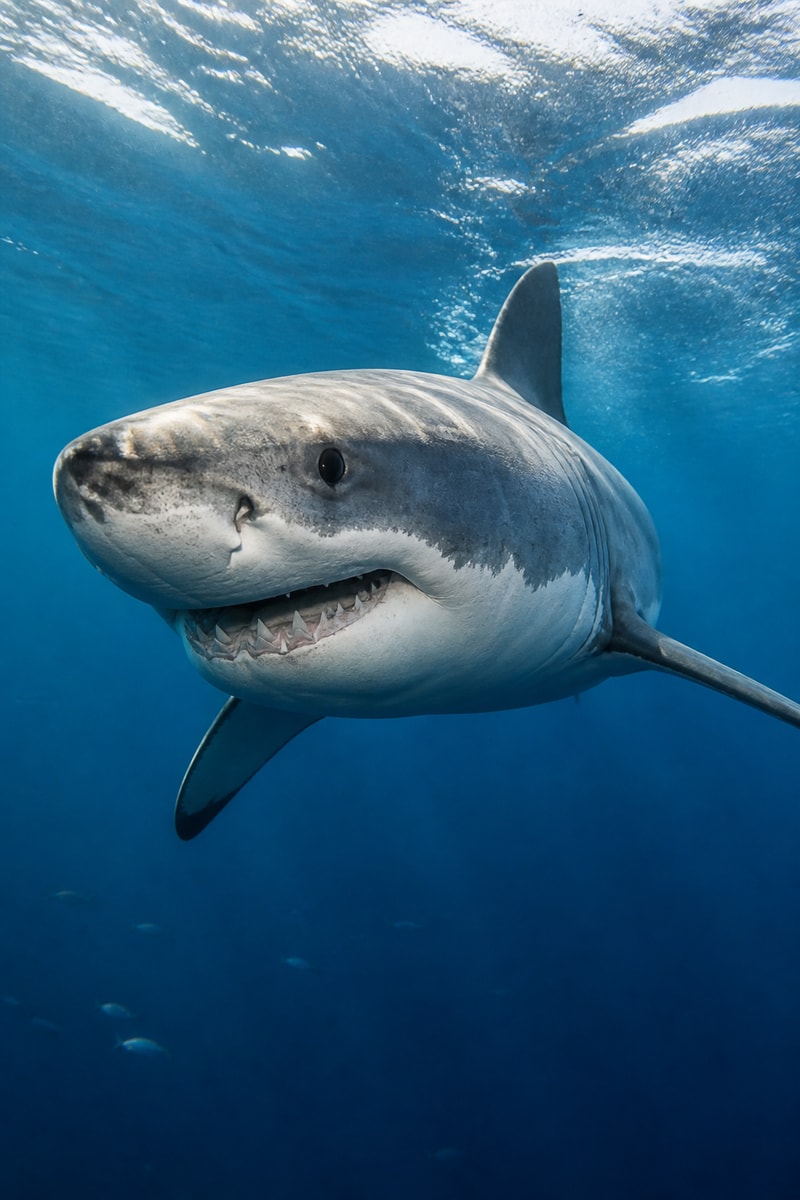
- Great White Sharklegendary • Coastal Ocean
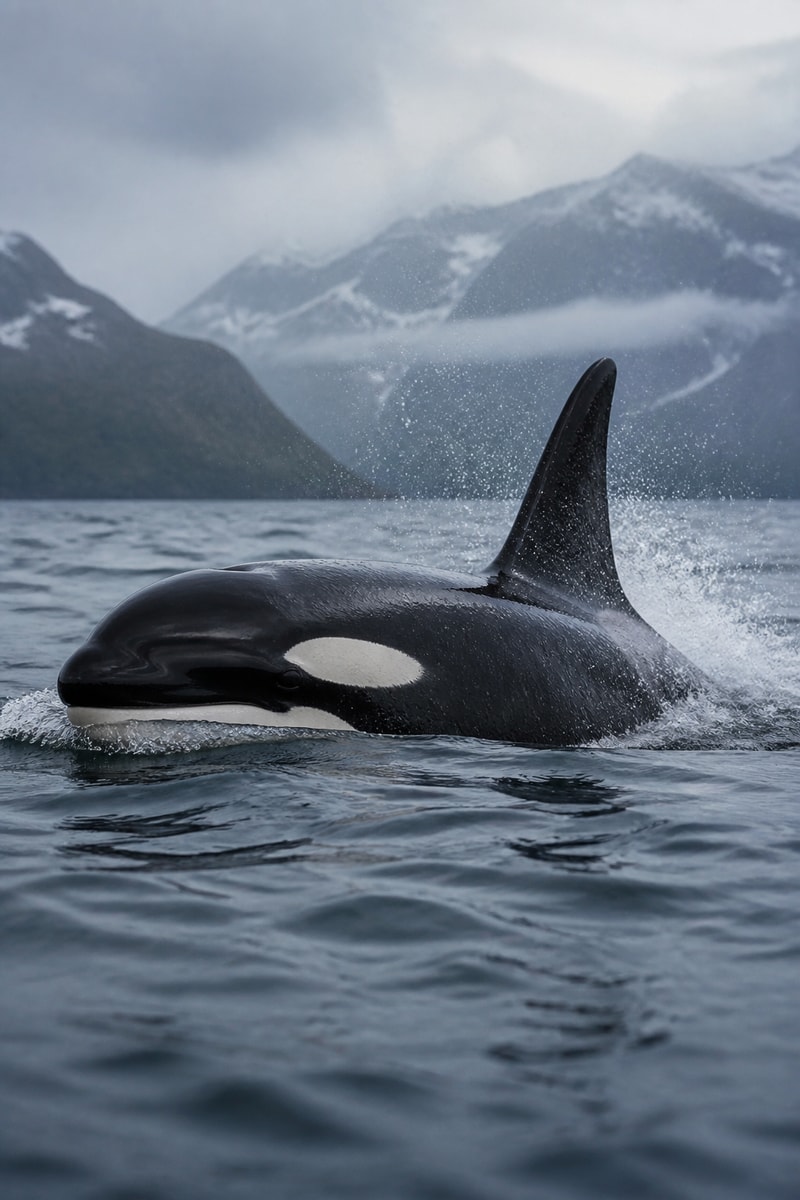
- Orcalegendary • Coastal Ocean
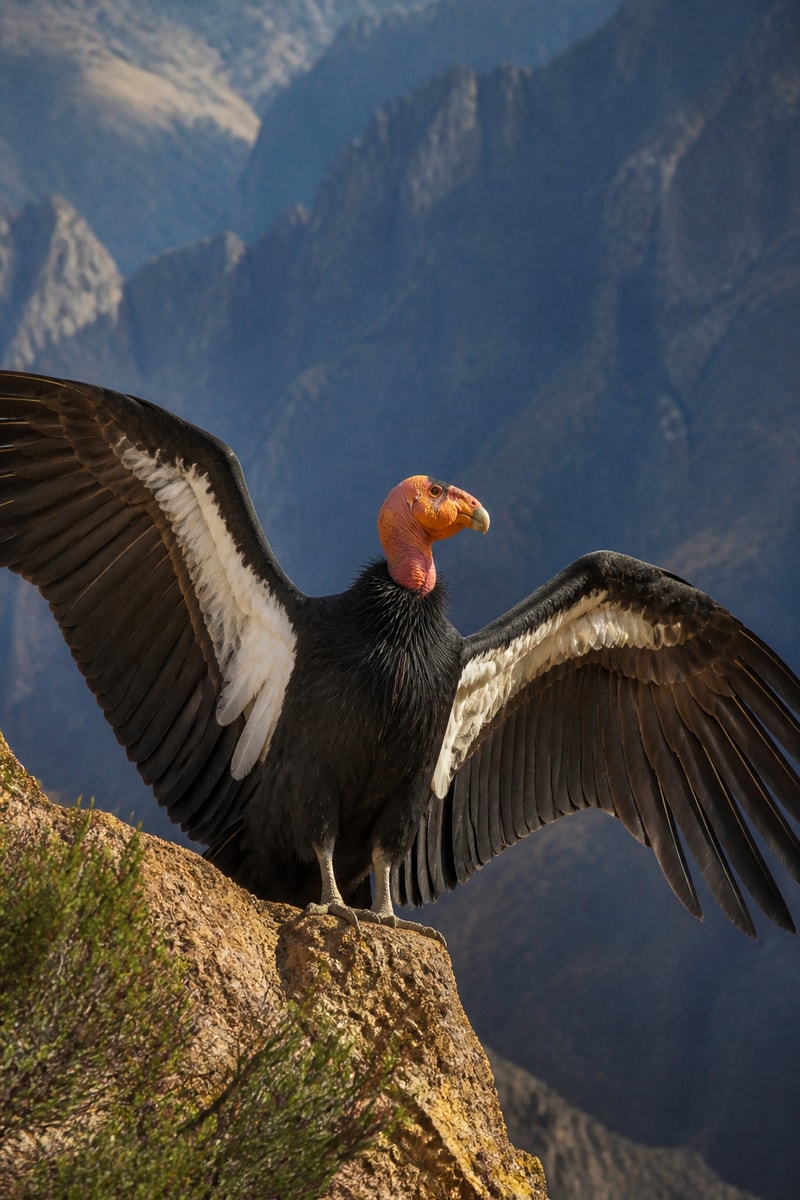
- California Condorlegendary • Canyons & Cliffs
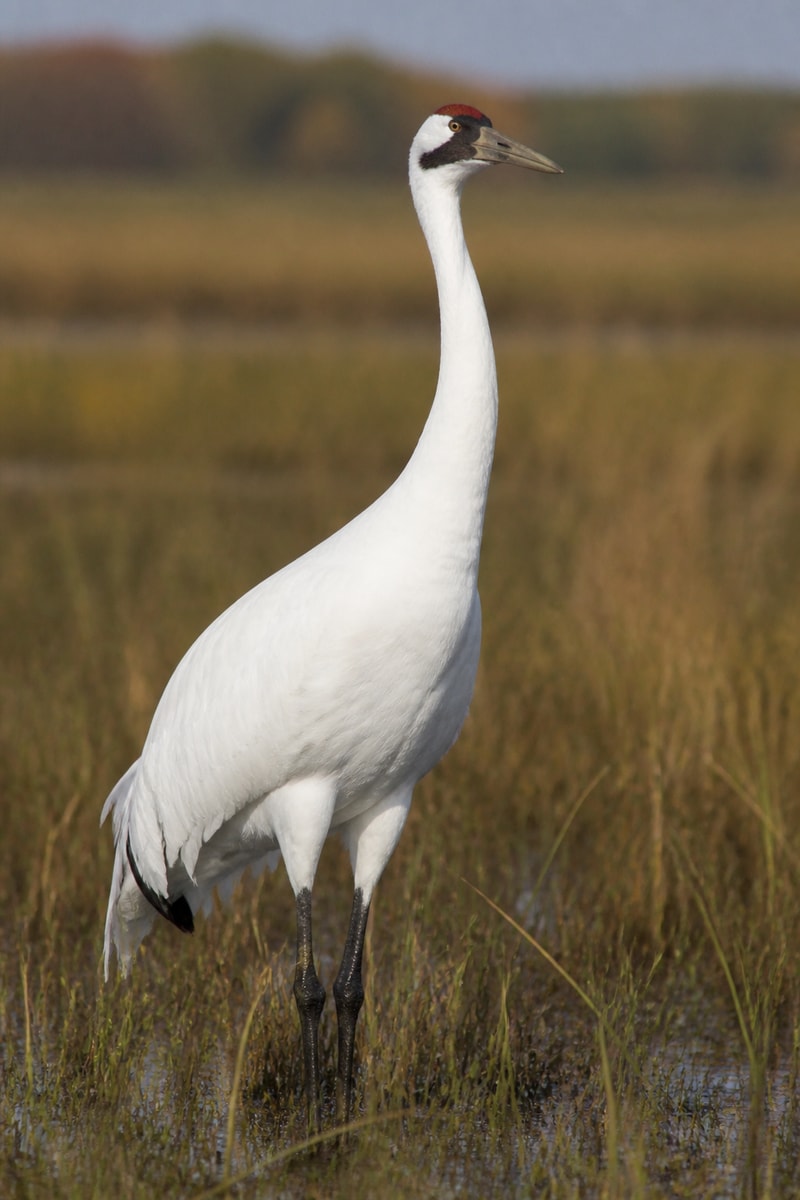
- Whooping Cranelegendary • North American Wetlands
Free on iOS
Catch the Bottlenose Dolphin
Spot one in the wild, then scan it in Catch'Um to log your common discovery.