
Field guide · rare
Bobcat
The bob-tailed ghost, a spotted wild cat named for the tail it barely has.
Least Concern
Lynx rufus
Overview
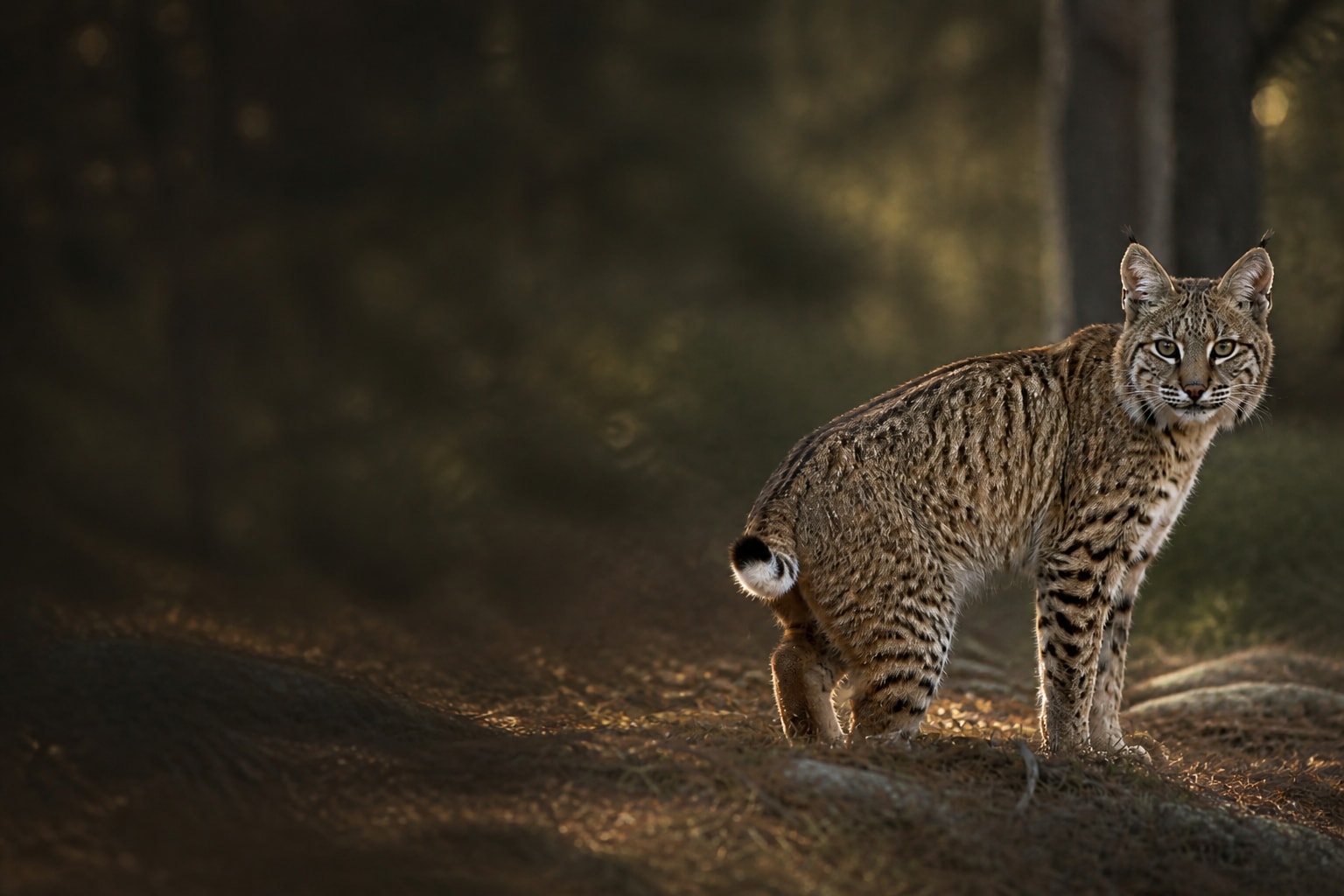
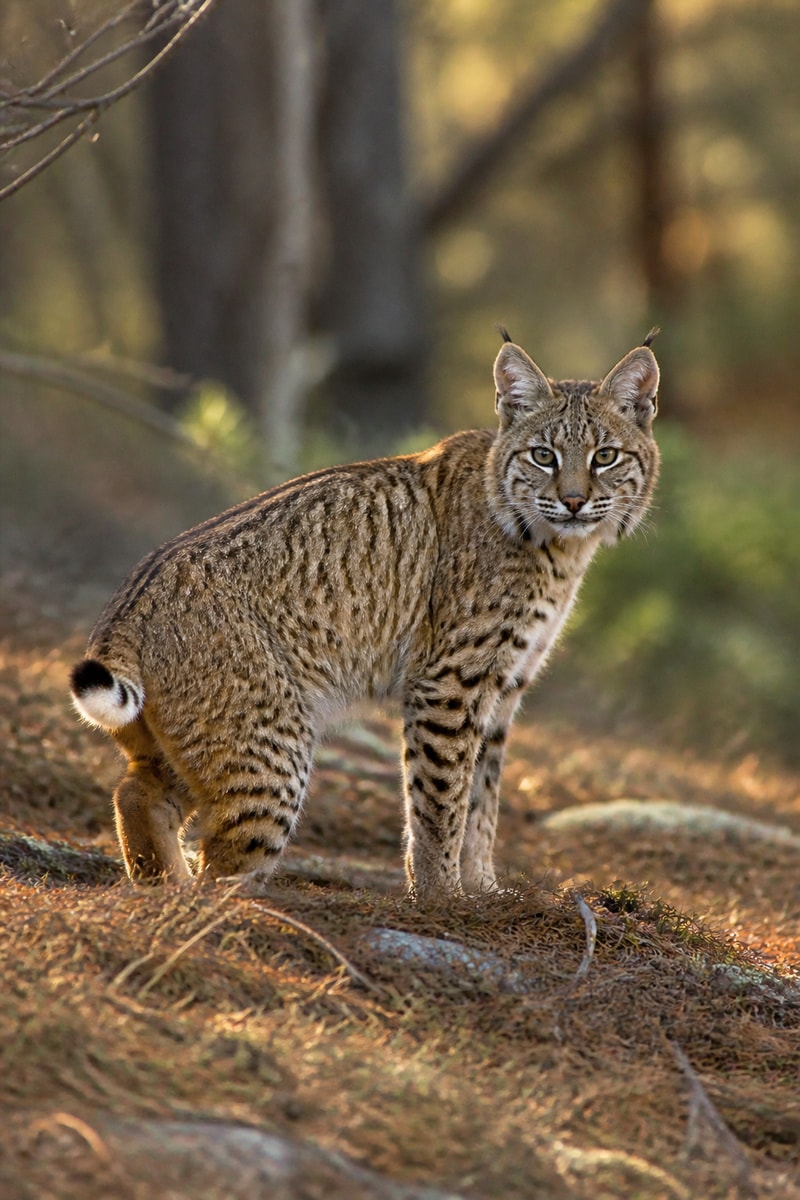
The bobcat is America's small wild cat, about twice the size of a house cat, with tufted ears, spotted coat, and a short 'bobbed' tail that gives it its name. Elusive and mostly nocturnal, bobcats patrol forest edge and scrub across most of the continental US.
A bobcat crossing a trail at dawn, or a flash of spotted fur in headlights, is a rare discovery. They're present in far more places than most people realise, but rarely seen.
- Scientific nameLynx rufus
- Length65–105 cm
- Height30–60 cm at shoulder
- Weight6–18 kg
- Lifespan10–12 years in the wild
- DietPrimarily rabbits and hares
- ConservationLeast Concern
- RegionForest & Scrub
Habitat
- Forest
- Scrub
- Desert
- Wetlands
Bobcats range across the United States in forest, scrub, desert, and suburban edge wherever rabbits and rodents provide prey. They rest in thick cover by day and hunt at dawn and dusk, marking territories with scent and scratch marks on trees.
Countries found
Field notes
Field scale for the Bobcat: length around 65-105 cm; height 30-60 cm at shoulder; weight 6-18 kg. Typical lifespan: 10-12 years in the wild.
When you are scanning habitat, prioritise forest, scrub, desert, and wetlands. Those settings are where a clean look and a usable photo are most likely.
Quick ID anchor: Spotted tawny coat, short 'bobbed' black-tipped tail, ear tufts, and a facial ruff. More compact than a lynx, with shorter ear tufts and a more spotted body. Confirm with behaviour and habitat before you log the discovery.
Diet
Primarily rabbits and hares, plus rodents, birds, and occasionally fawns or other small ungulates. Hunts by stalk-and-pounce rather than long chases.
Behaviour
Solitary and mostly crepuscular or nocturnal, marking large territories with scrapes and scent. Relies on cover and stealth; mothers raise litters alone in dens among rocks or thickets.
How to identify
Spotted tawny coat, short 'bobbed' black-tipped tail, ear tufts, and a facial ruff. More compact than a lynx, with shorter ear tufts and a more spotted body.
Interesting facts
- 01
Bobcats are named for their short 'bobbed' tail.
- 02
They are the most widespread wild cat in North America.
- 03
A bobcat can leap three metres to catch a bird in flight.
- 04
They are solitary, each adult maintains its own territory.
- 05
Their spotted coat breaks up their outline in dappled forest light.
- 06
Bobcat populations have rebounded across the US after decades of fur-trapping pressure.
Conservation status
Bobcats are Least Concern and have expanded their range in the eastern US as forest has regrown. They remain legally trapped for fur in many states but populations are stable nationally.
Sources: IUCN Red List
Related discoveries
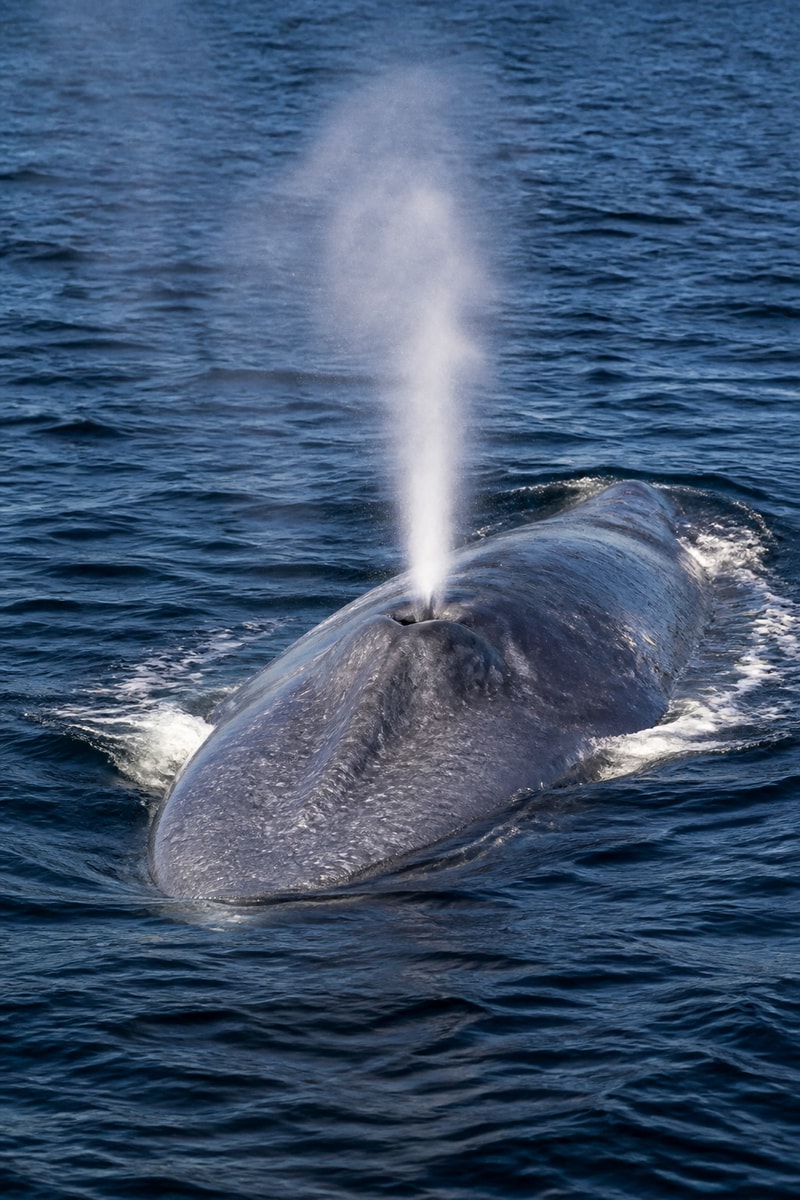
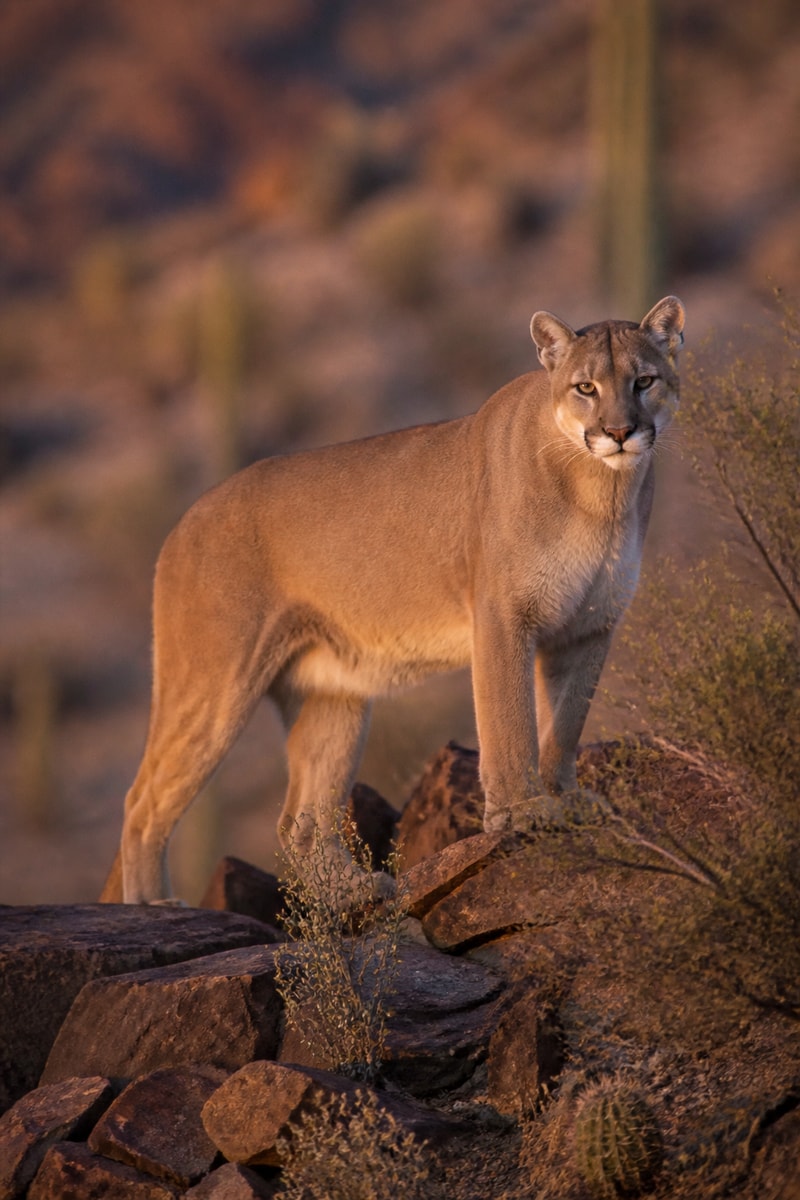


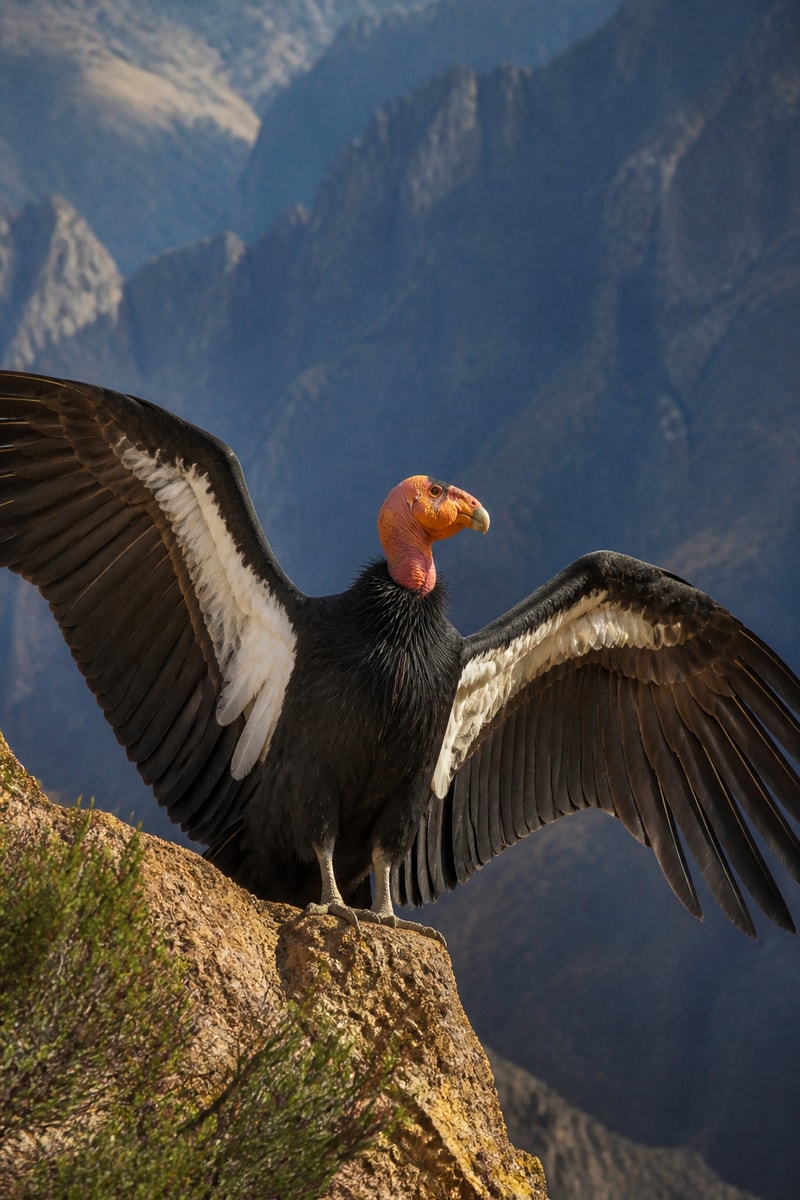
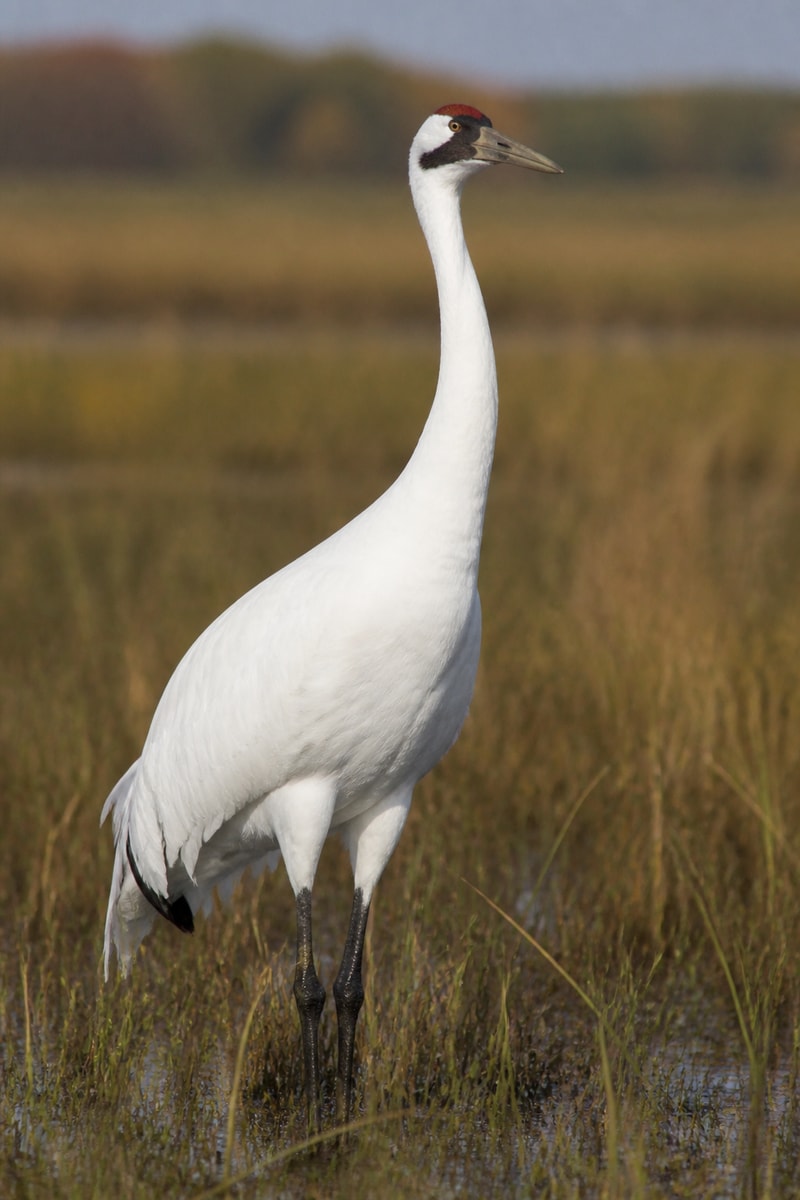
Keep exploring
Related discoveries
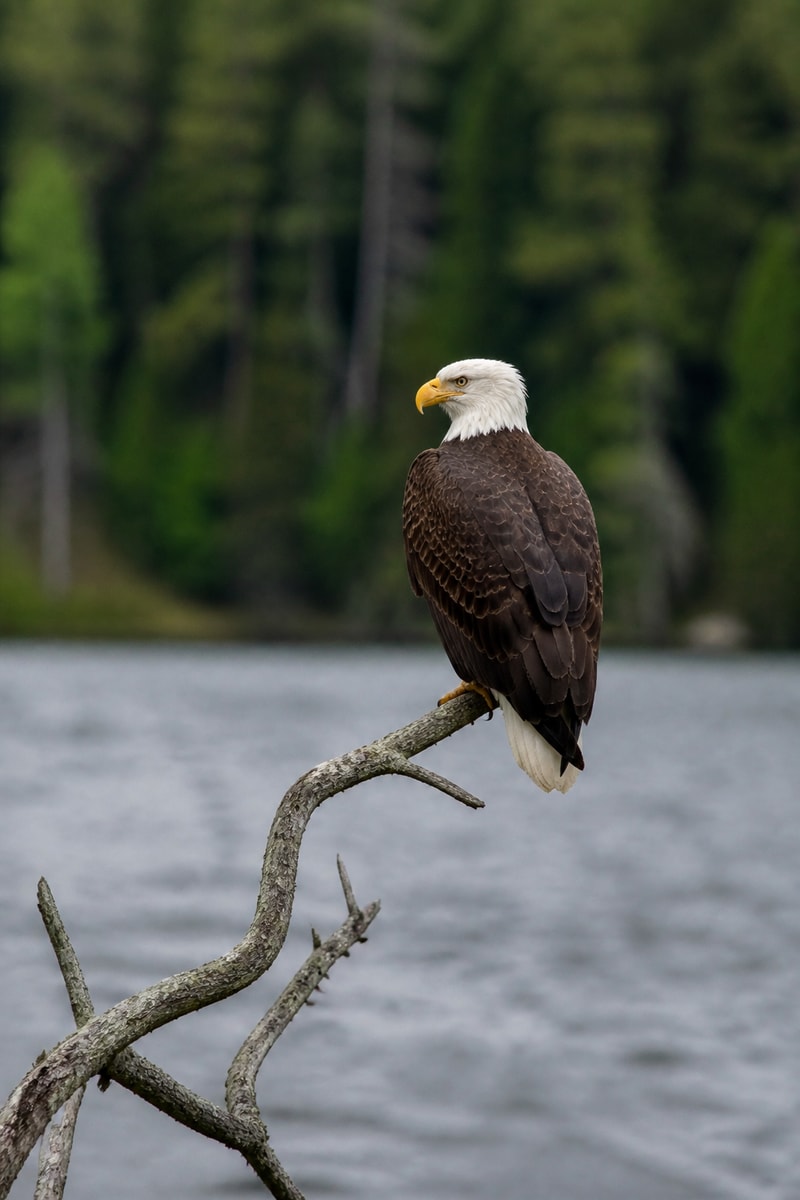
- Bald Eaglelegendary • Lakes & Coasts
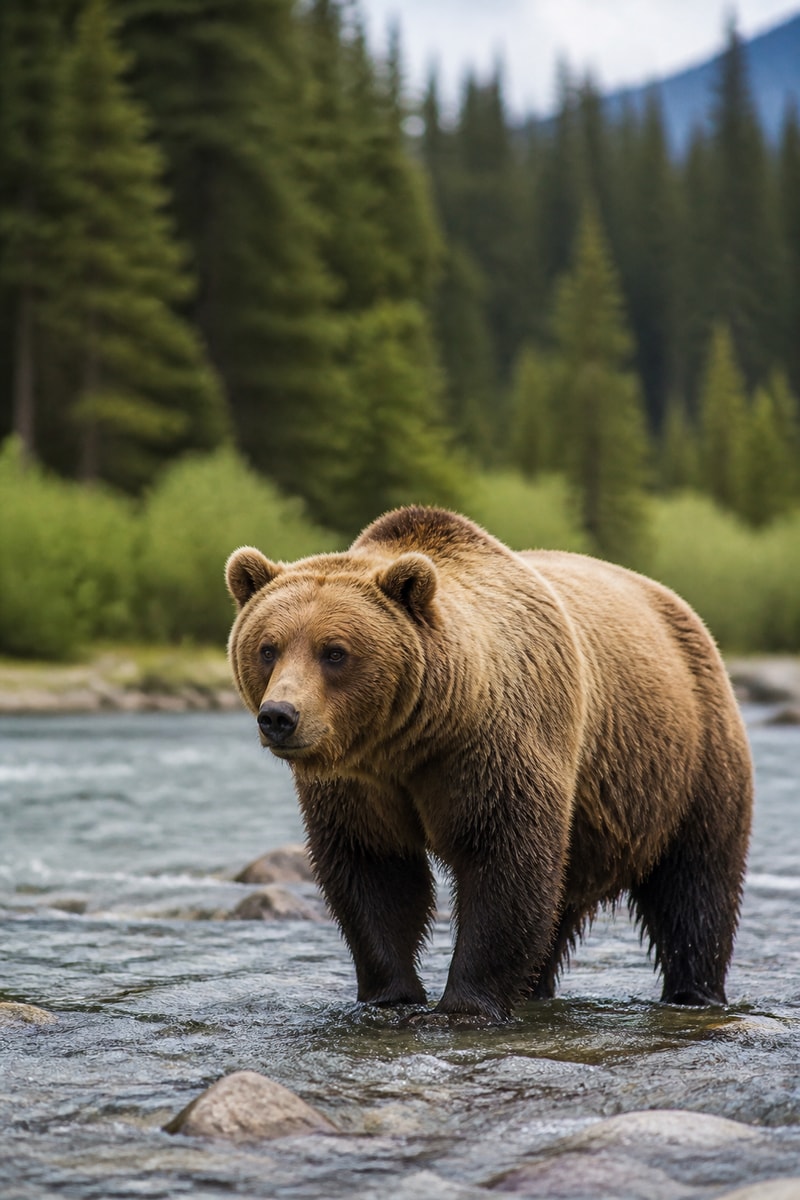
- Grizzly Bearlegendary • Mountains & Rivers
- Blue Whalelegendary • Open Ocean
- Mountain Lionlegendary • Mountains & Desert
- Great White Sharklegendary • Coastal Ocean
- Orcalegendary • Coastal Ocean
- California Condorlegendary • Canyons & Cliffs
- Whooping Cranelegendary • North American Wetlands
Free on iOS
Catch the Bobcat
Spot one in the wild, then scan it in Catch'Um to log your rare discovery.