
Field guide · common
Blue Jay
The clever blue corvid, loud, bold, and known to mimic hawk calls to clear feeders for itself.
Least Concern
Cyanocitta cristata
Overview
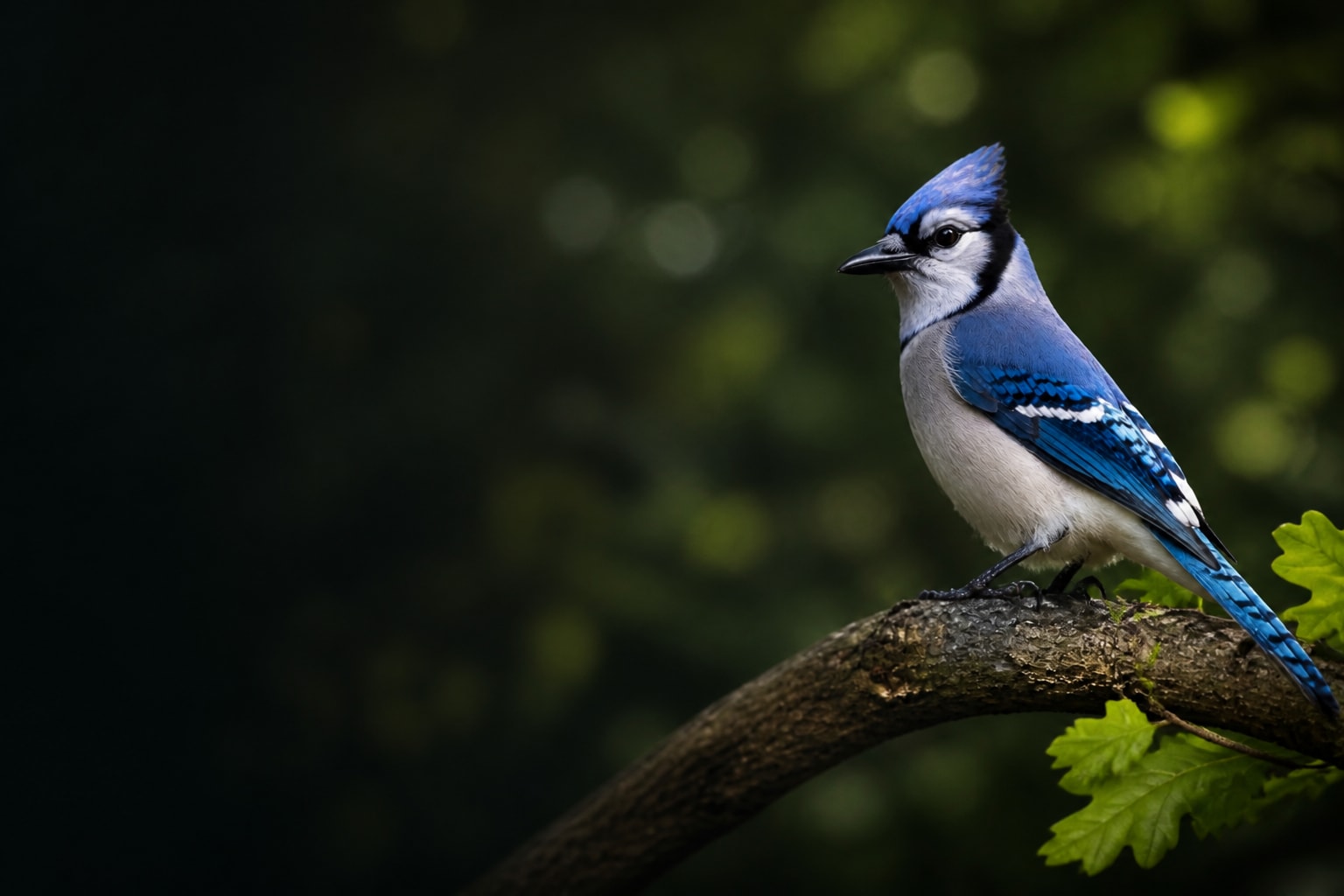
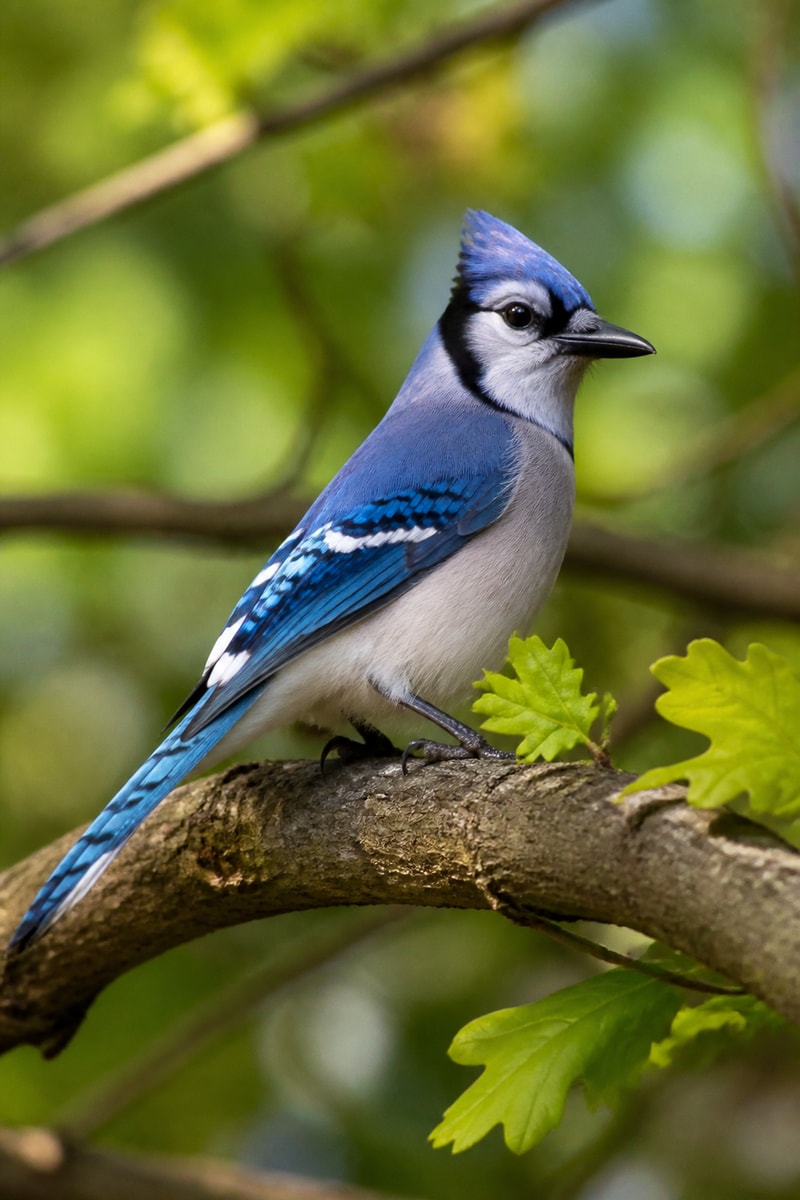
The blue jay is one of the most striking birds at an American feeder, bright blue, white, and black with a crest it raises and lowers like a mood indicator. Intelligent and noisy, jays are corvids: curious, bold, and not above deception.
Their hawk mimicry is legendary. A blue jay can scream like a red-shouldered hawk and send every smaller bird fleeing from a feeder, leaving the jay to eat in peace. Common in eastern and central US oak woods and suburbs, they're a reliable discovery with real personality.
- Scientific nameCyanocitta cristata
- Length25–30 cm
- Weight70–100 g
- Lifespan5–7 years in the wild typical; some reach 15+ years
- DietOmnivore
- ConservationLeast Concern
- RegionOak Forest & Suburbs
Habitat
- Deciduous woodland
- Parks
- Suburbs
- Forest edge
Blue jays live across the eastern and central United States in oak and mixed forest, parks, and suburban gardens. They cache acorns, burying thousands each autumn, and are important dispersers of oak trees.
Countries found
Field notes
Field scale for the Blue Jay: length around 25-30 cm; weight 70-100 g. Typical lifespan: 5-7 years in the wild typical; some reach 15+ years.
When you are scanning habitat, prioritise deciduous woodland, parks, suburbs, and forest edge. Those settings are where a clean look and a usable photo are most likely.
Quick ID anchor: Bright blue upperparts, white underside, and a bold black necklace across the throat. Crested head and white wing bars; underwings flash white in flight. Confirm with behaviour and habitat before you log the discovery.
Diet
Omnivorous: acorns and other nuts cached in autumn, plus insects, seeds, fruit, and occasionally eggs or nestlings. Frequent bird feeders for peanuts and sunflower seeds.
Behaviour
Noisy, alert woodland birds that give harsh 'jay' calls as sentinels. Often travel in family groups; known for caching thousands of acorns and helping oak dispersal.
How to identify
Bright blue upperparts, white underside, and a bold black necklace across the throat. Crested head and white wing bars; underwings flash white in flight.
Interesting facts
- 01
Blue jays mimic hawk calls to scare other birds away from feeders.
- 02
They cache acorns and other nuts, a single jay may hide thousands in one season.
- 03
Their crest rises when alarmed or aggressive and flattens when calm.
- 04
Blue jays are partial migrants, some fly south in winter, others stay put.
- 05
They warn the forest of predators with loud alarm calls.
- 06
Their blue colour is structural: feathers aren't pigmented blue; they scatter light.
Conservation status
Blue jays are Least Concern and common across their range. West Nile virus caused regional declines in the early 2000s but populations have largely recovered.
Sources: IUCN Red List
Related discoveries


Keep exploring
Related discoveries
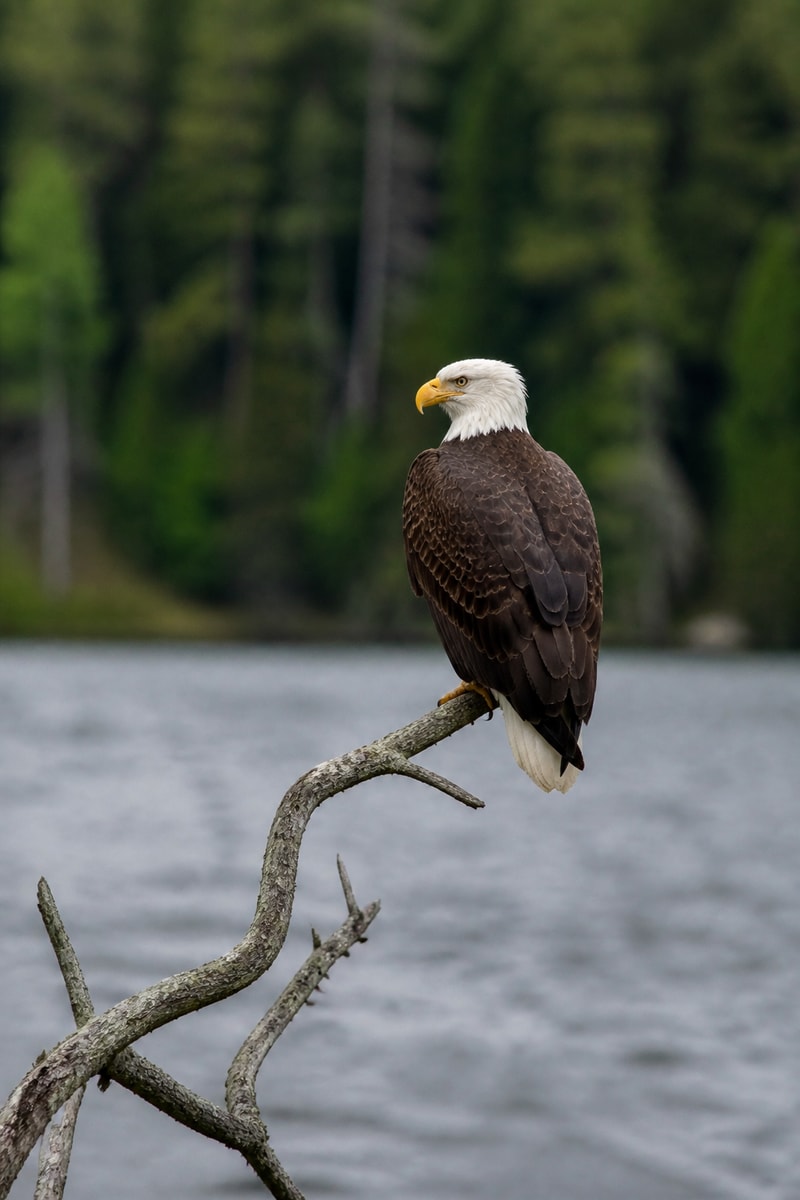
- Bald Eaglelegendary • Lakes & Coasts
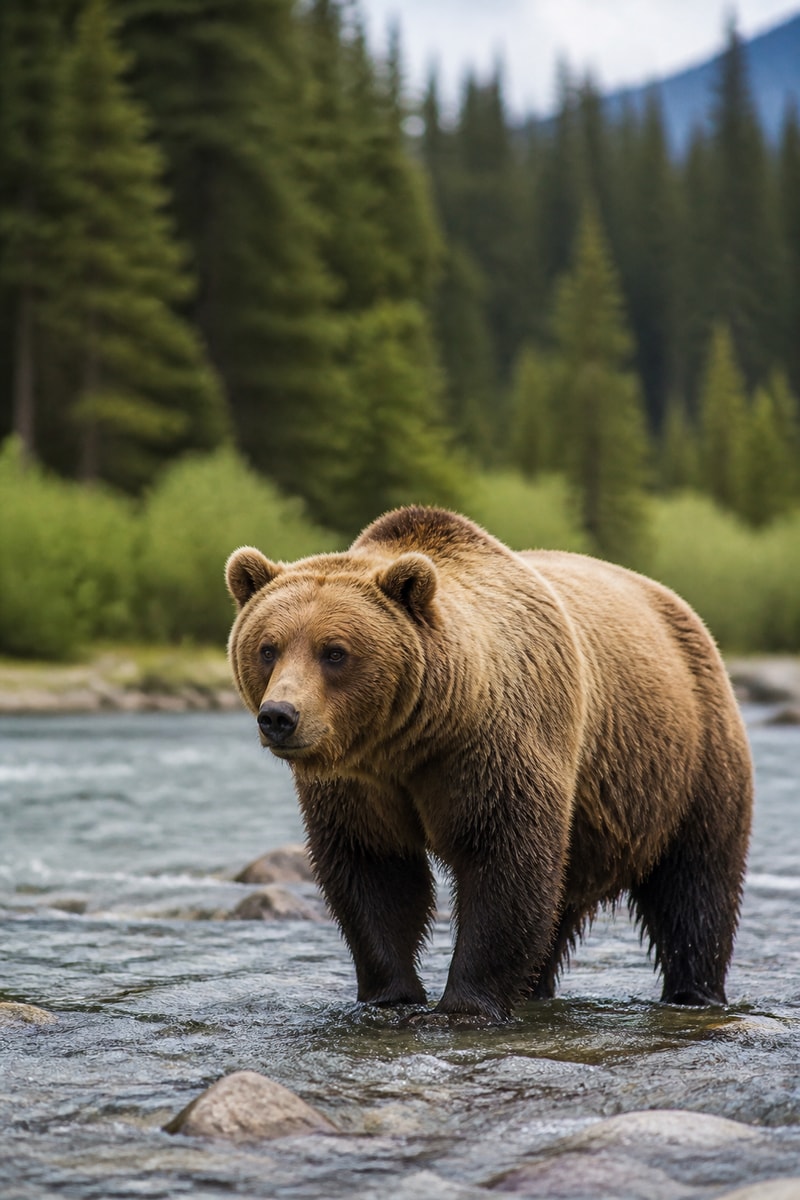
- Grizzly Bearlegendary • Mountains & Rivers
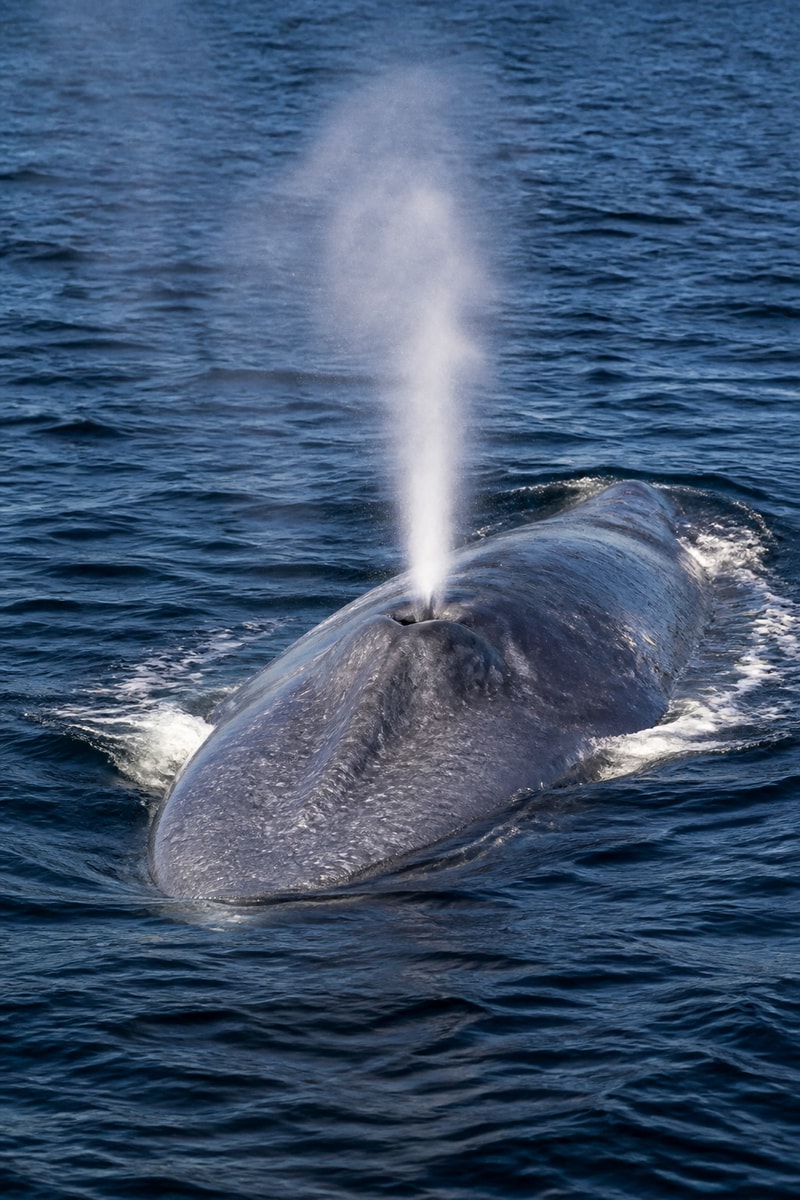
- Blue Whalelegendary • Open Ocean
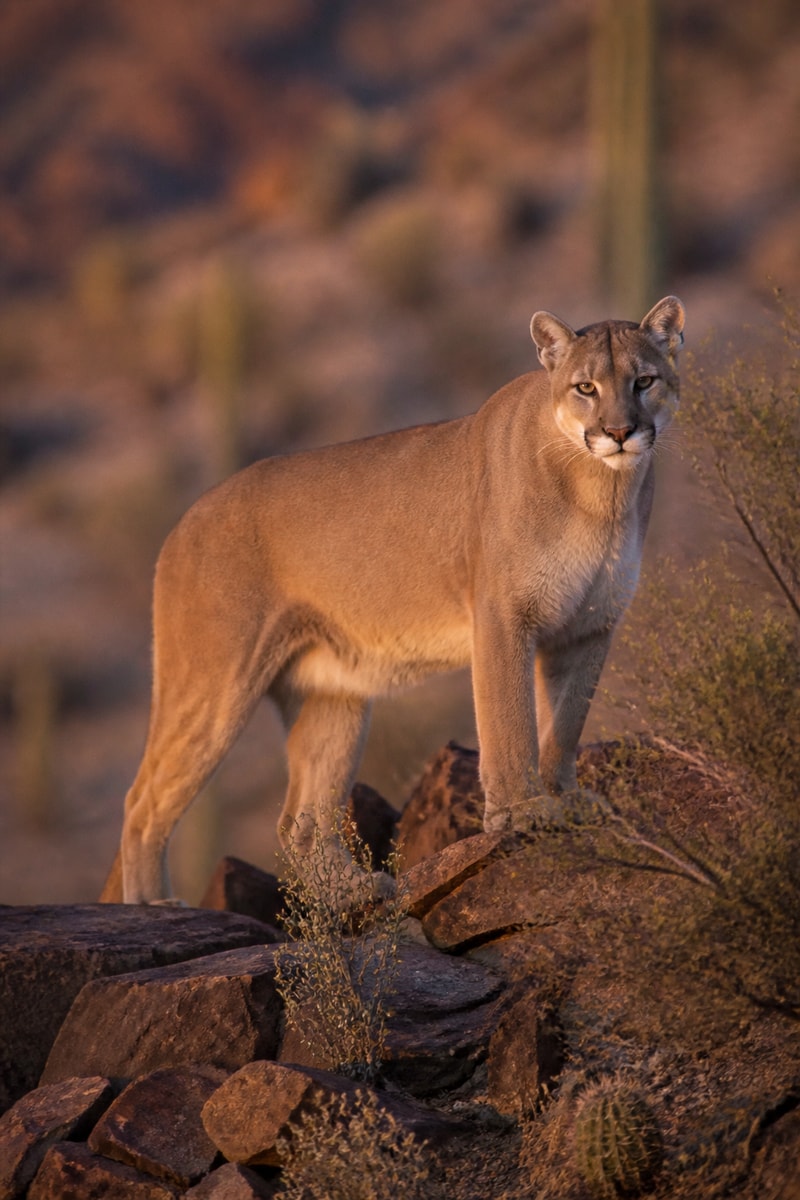
- Mountain Lionlegendary • Mountains & Desert
- Great White Sharklegendary • Coastal Ocean
- Orcalegendary • Coastal Ocean
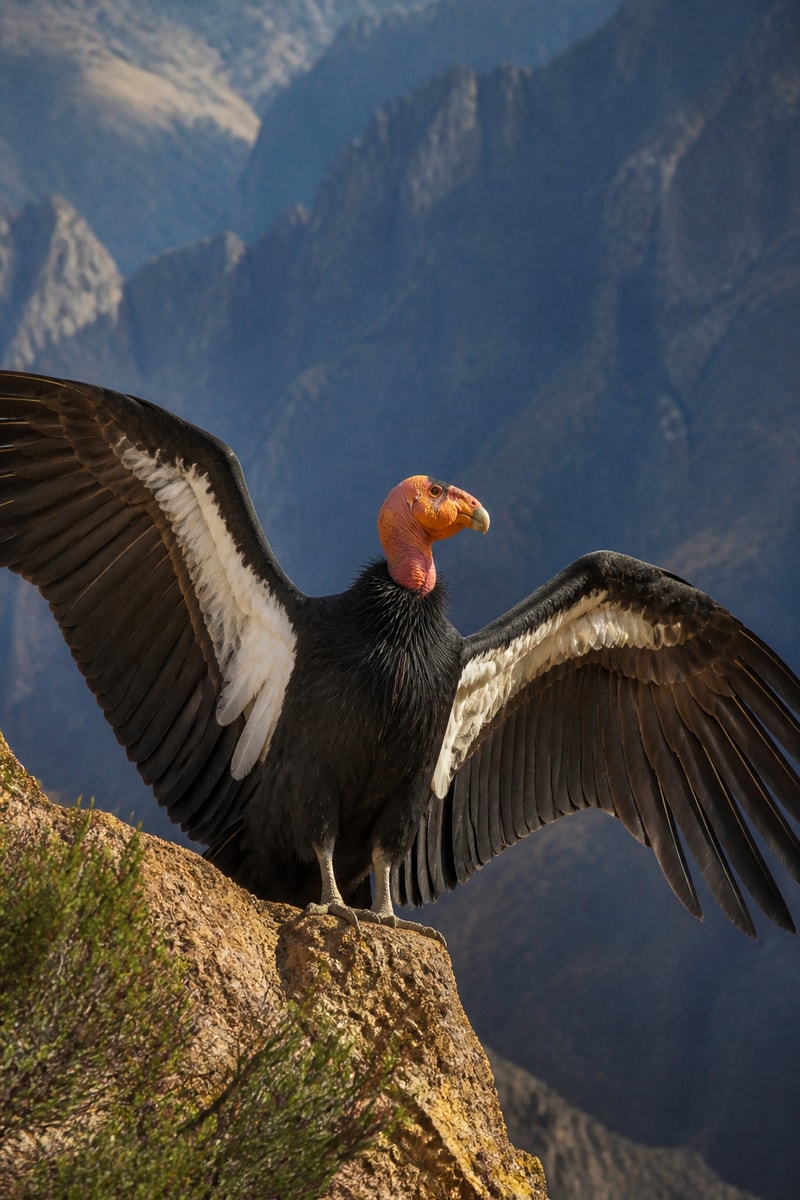
- California Condorlegendary • Canyons & Cliffs
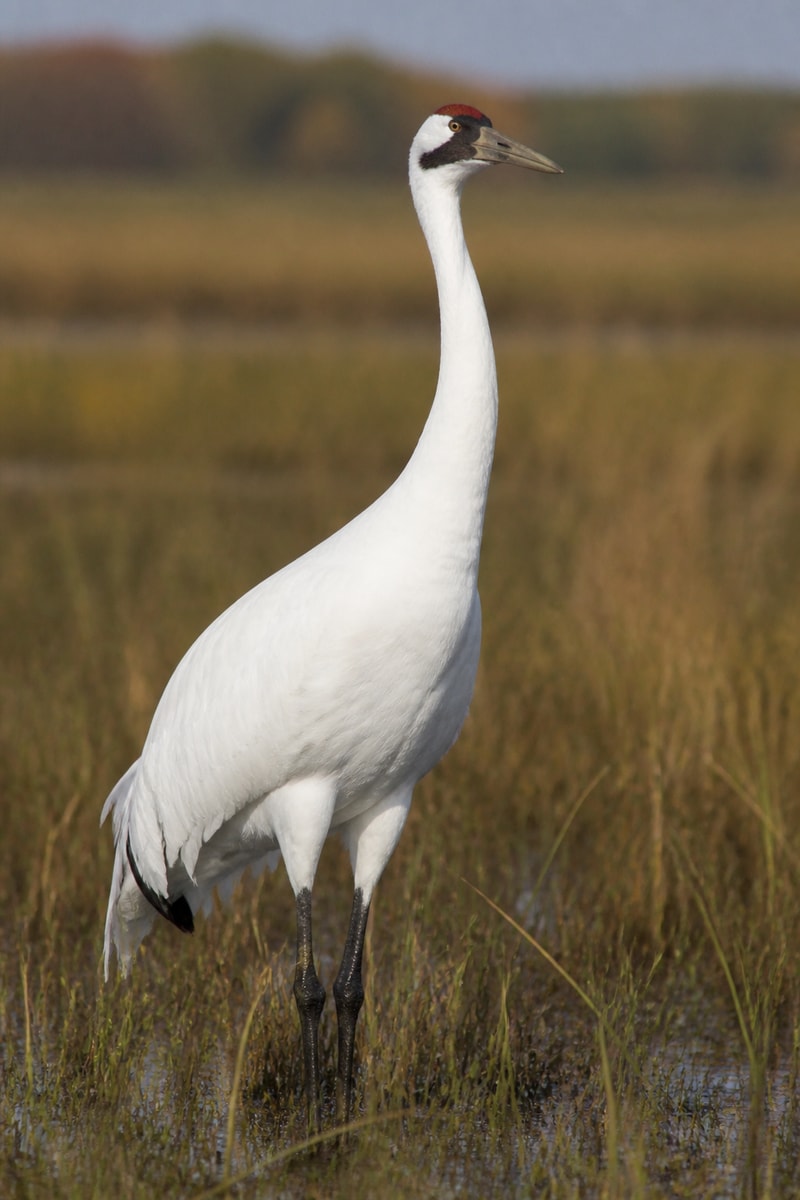
- Whooping Cranelegendary • North American Wetlands
Free on iOS
Catch the Blue Jay
Spot one in the wild, then scan it in Catch'Um to log your common discovery.