
Field guide · common
Black-tailed Prairie Dog
Town-building whistle of the plains — black-tipped tail, upright sentries, and keystone burrows.
Least Concern
Cynomys ludovicianus
Overview
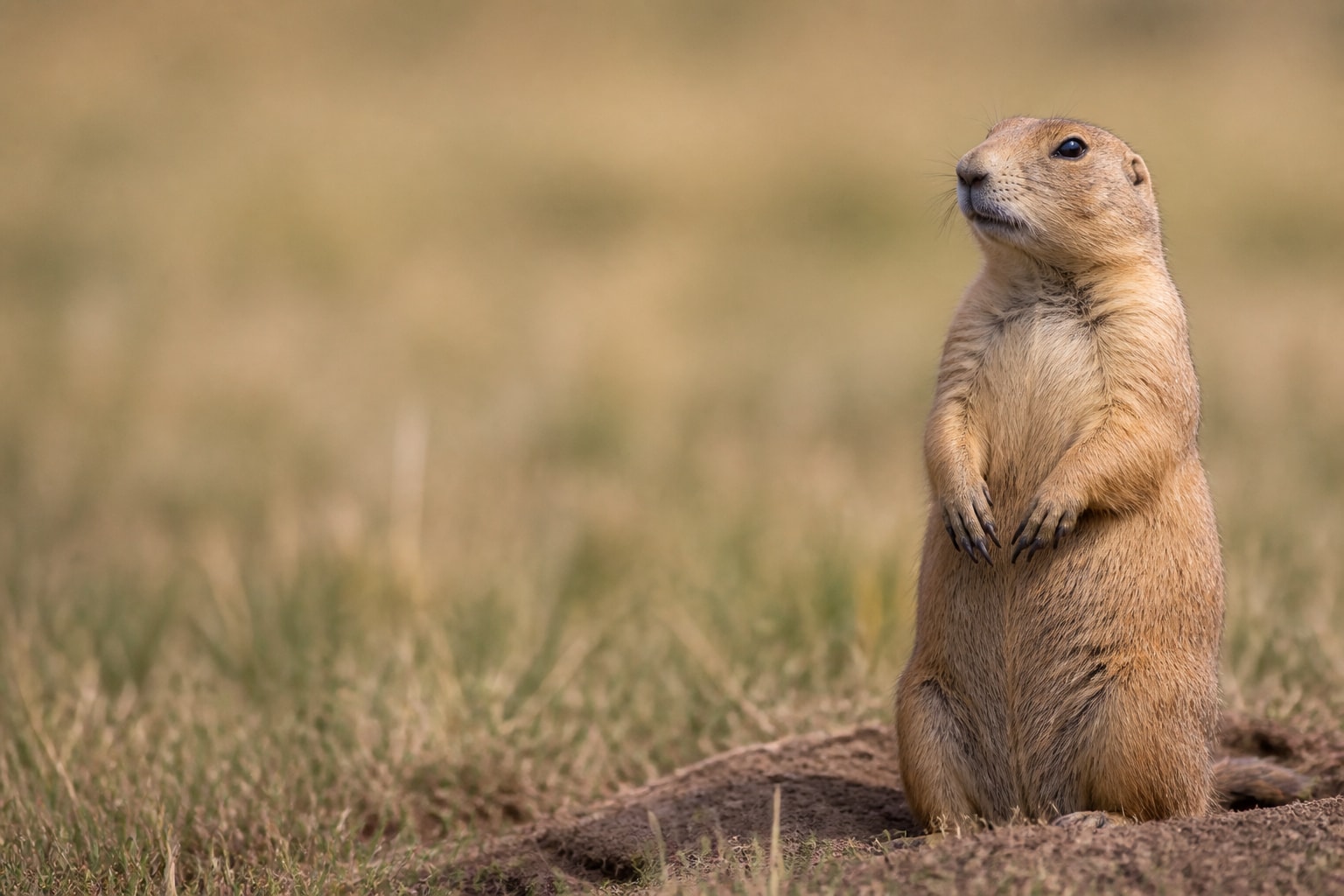
Black-tailed prairie dogs dig sprawling towns across North American grasslands, clipping vegetation and creating habitat for countless other species. Sentries stand upright and bark alarms when hawks or coyotes appear.
For United States collectors, this prairie dog is a classic plains common — social, noisy, and an ecosystem engineer in shortgrass country.
- Scientific nameCynomys ludovicianus
- Length35–40 cm including short tail
- Weight0.7–1.4 kg
- LifespanAround 3–5 years in the wild
- DietGrasses
- ConservationLeast Concern
- RegionGreat Plains Grassland
Where to see them
Habitat
- Shortgrass prairie
- Mixed-grass prairie
- Open plains
Short and mixed-grass prairie of the Great Plains with well-drained soils for extensive burrow systems.
Field notes
Field scale for the Black-tailed Prairie Dog: length around 35-40 cm including short tail; weight 0.7-1.4 kg. Typical lifespan: Around 3-5 years in the wild.
When you are scanning habitat, prioritise shortgrass prairie, mixed-grass prairie, and open plains. Those settings are where a clean look and a usable photo are most likely.
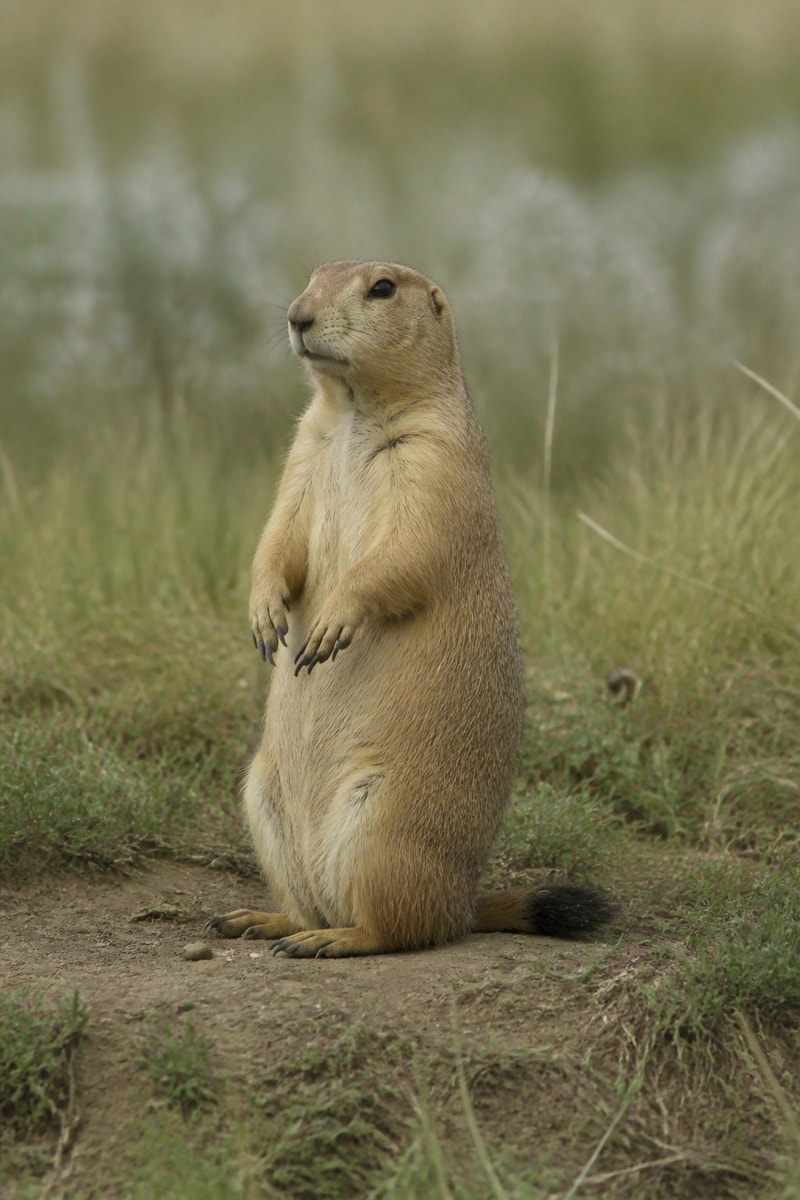
Quick ID anchor: Stocky tan ground squirrel with a short black-tipped tail and small ears. Confirm with behaviour and habitat before you log the discovery.
Diet
Grasses, forbs, roots, and seeds clipped from prairie vegetation.
Forage near burrows, staying alert for predators.
Behaviour
Highly social family groups within larger towns.
Sentry duty, grooming, and communal burrow maintenance structure daily life.
How to identify
Stocky tan ground squirrel with a short black-tipped tail and small ears.
Upright “picket” posture on mounds is the classic plains silhouette.
Interesting facts
- 01
Live in large colonial “towns.”
- 02
Black-tipped tail is a key field mark.
- 03
Keystone species — burrows shelter many animals.
- 04
Clip grass short around colonies for visibility.
- 05
Complex alarm calls warn of different threats.
- 06
Diurnal; bask and forage in daylight.
Conservation status
Black-tailed prairie dogs are Least Concern globally but occupy a fraction of historic range. Poisoning, plague, and habitat loss still shrink towns across the plains.
Sources: IUCN Red List
Related discoveries


Keep exploring
Related discoveries
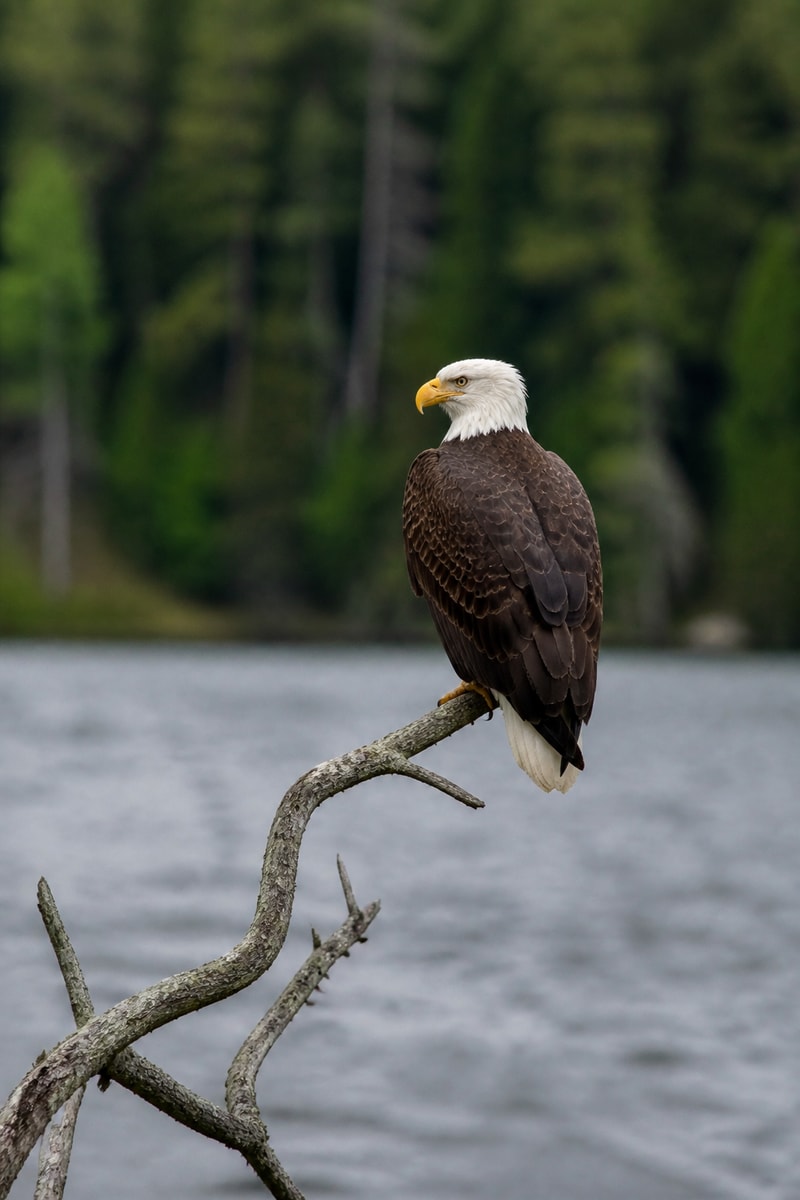
- Bald Eaglelegendary • Lakes & Coasts
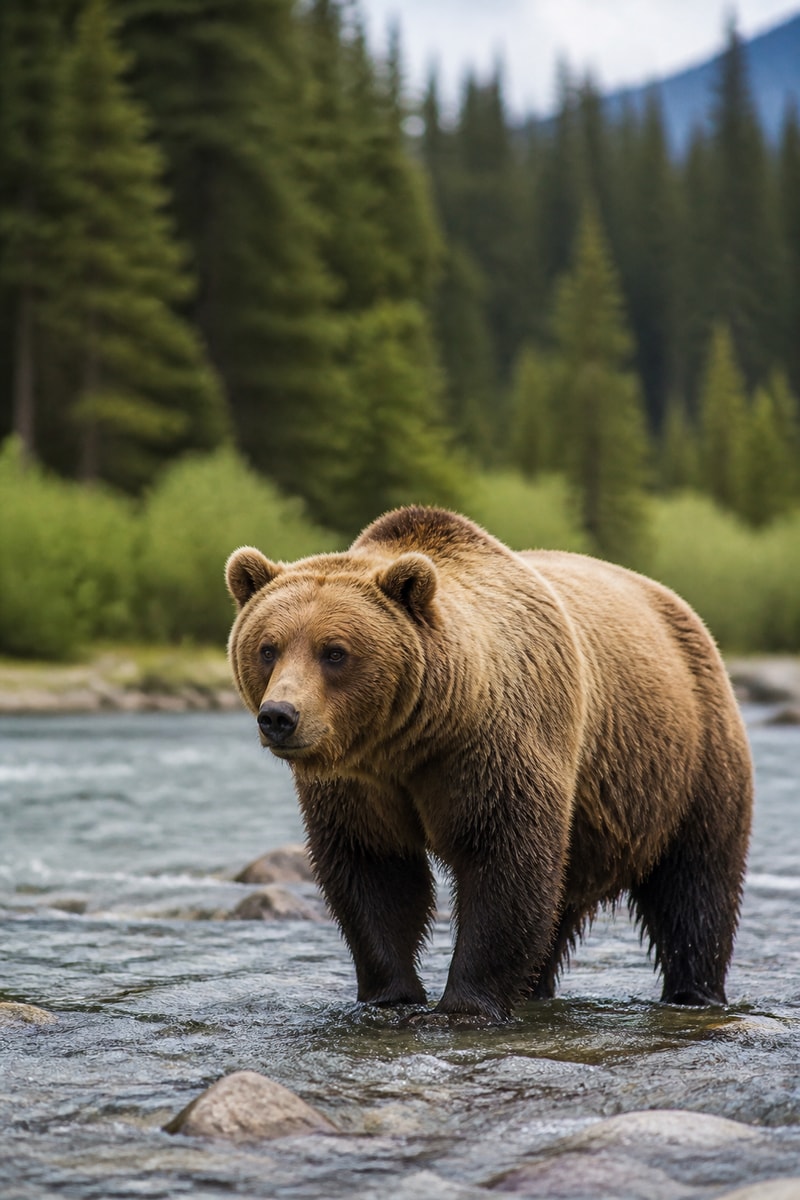
- Grizzly Bearlegendary • Mountains & Rivers
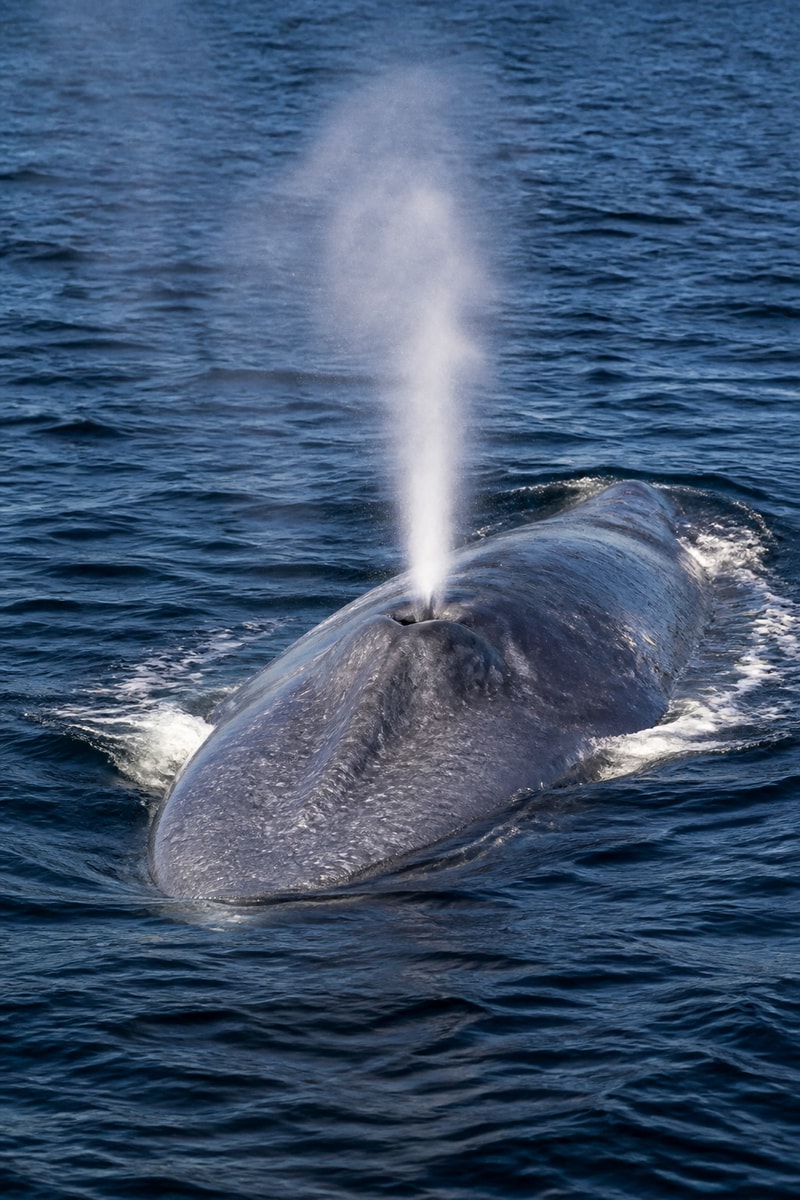
- Blue Whalelegendary • Open Ocean
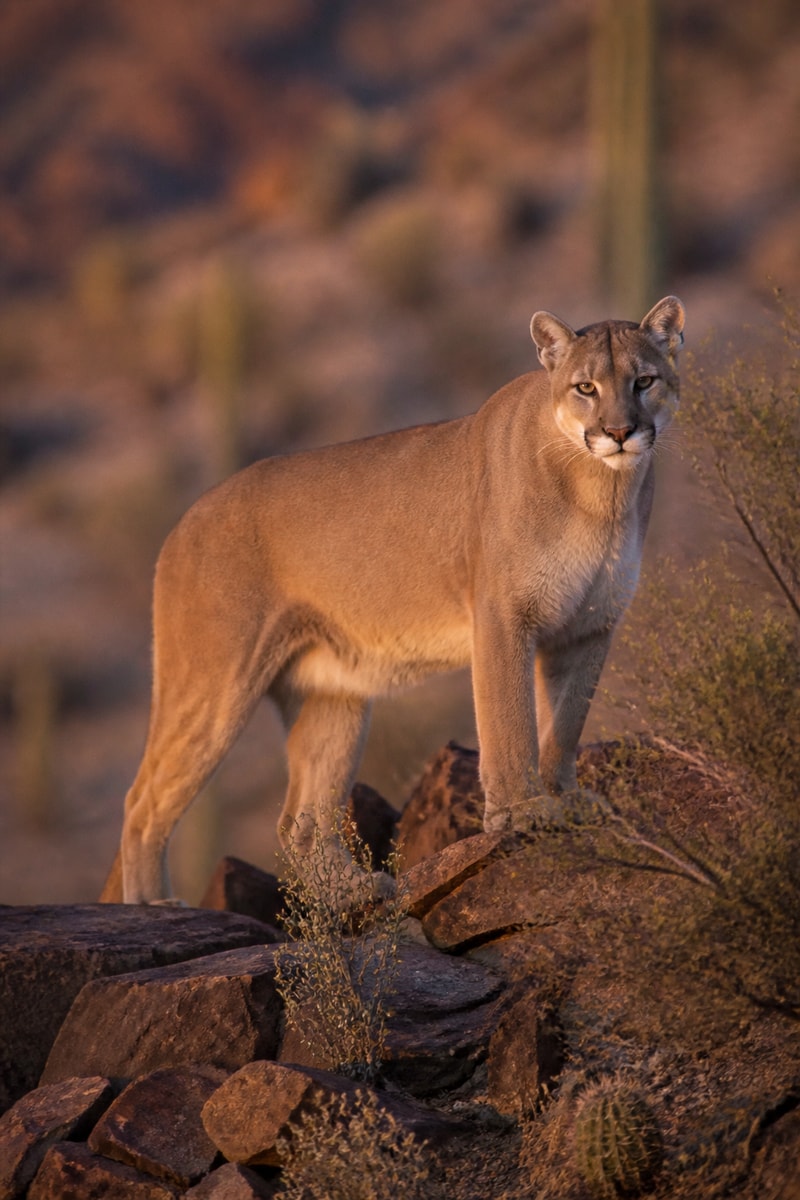
- Mountain Lionlegendary • Mountains & Desert
- Great White Sharklegendary • Coastal Ocean
- Orcalegendary • Coastal Ocean
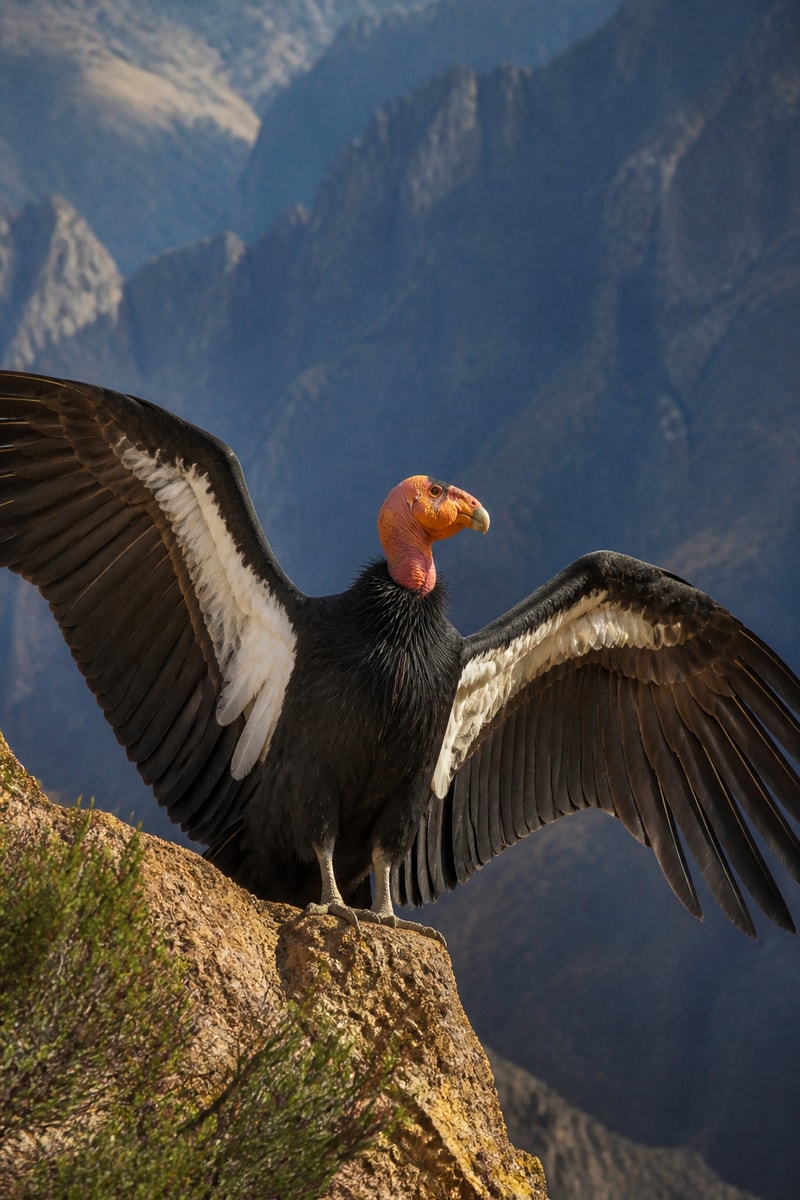
- California Condorlegendary • Canyons & Cliffs
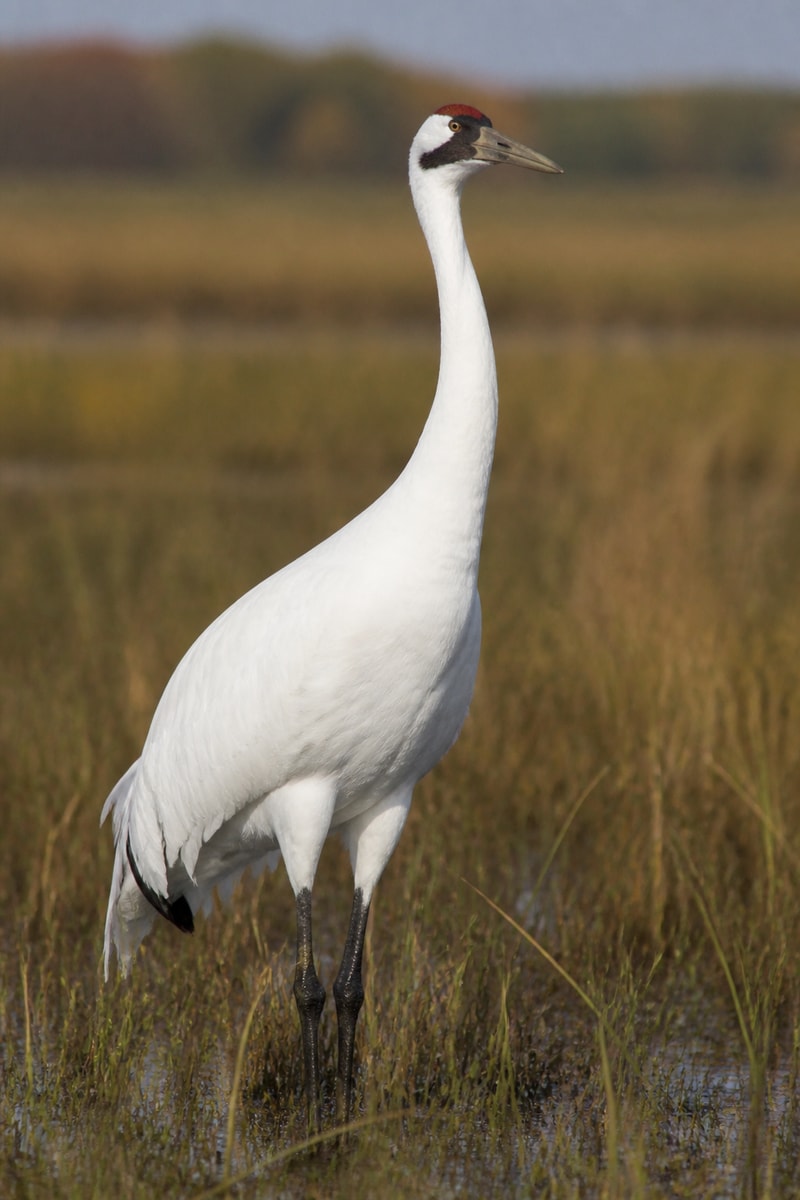
- Whooping Cranelegendary • North American Wetlands
Free on iOS
Catch the Black-tailed Prairie Dog
Spot one in the wild, then scan it in Catch'Um to log your common discovery.