
Field guide · common
Black-tailed Jackrabbit
Huge ears, black-tipped tail, desert sprint — the classic western jackrabbit.
Least Concern
Lepus californicus
Overview
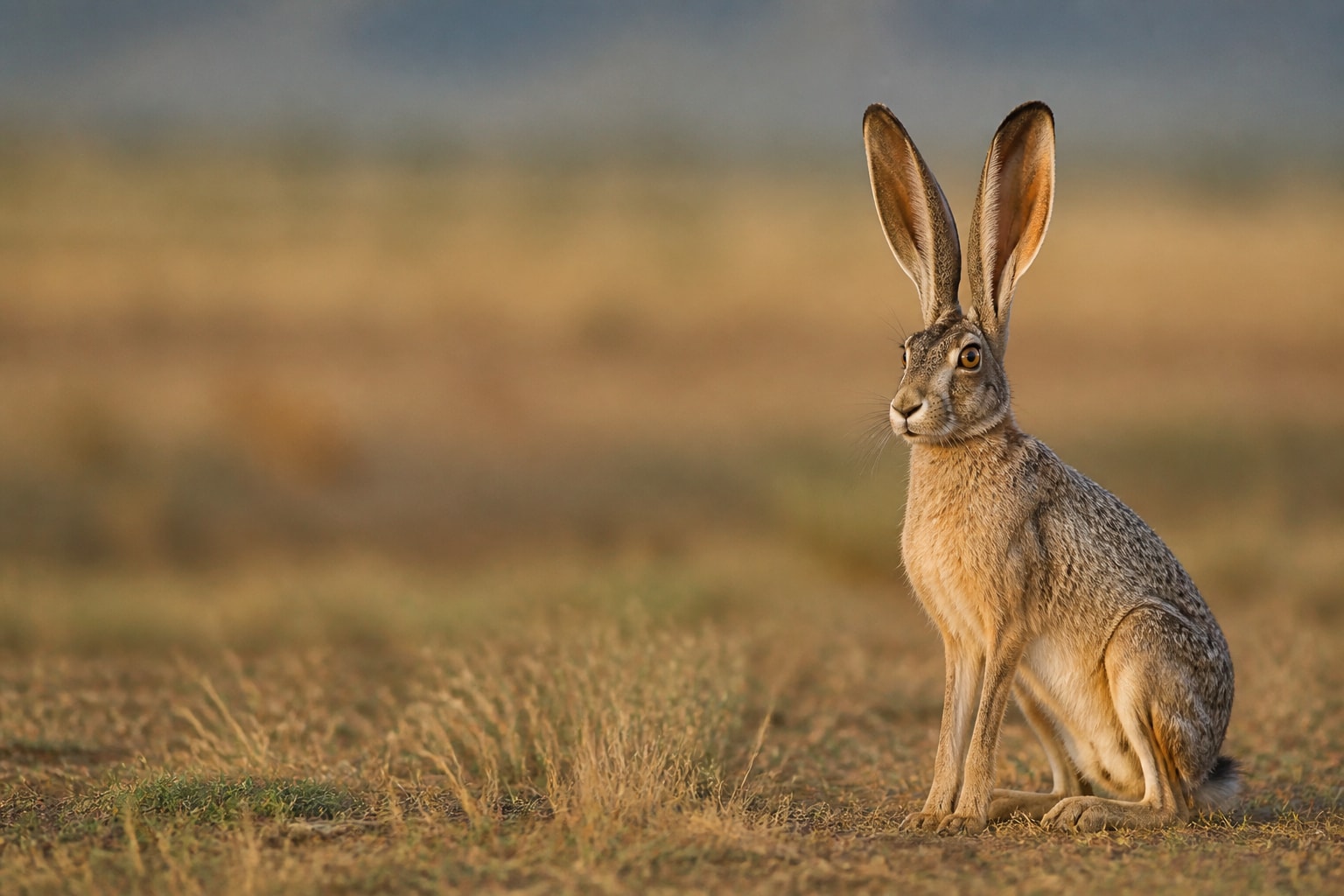
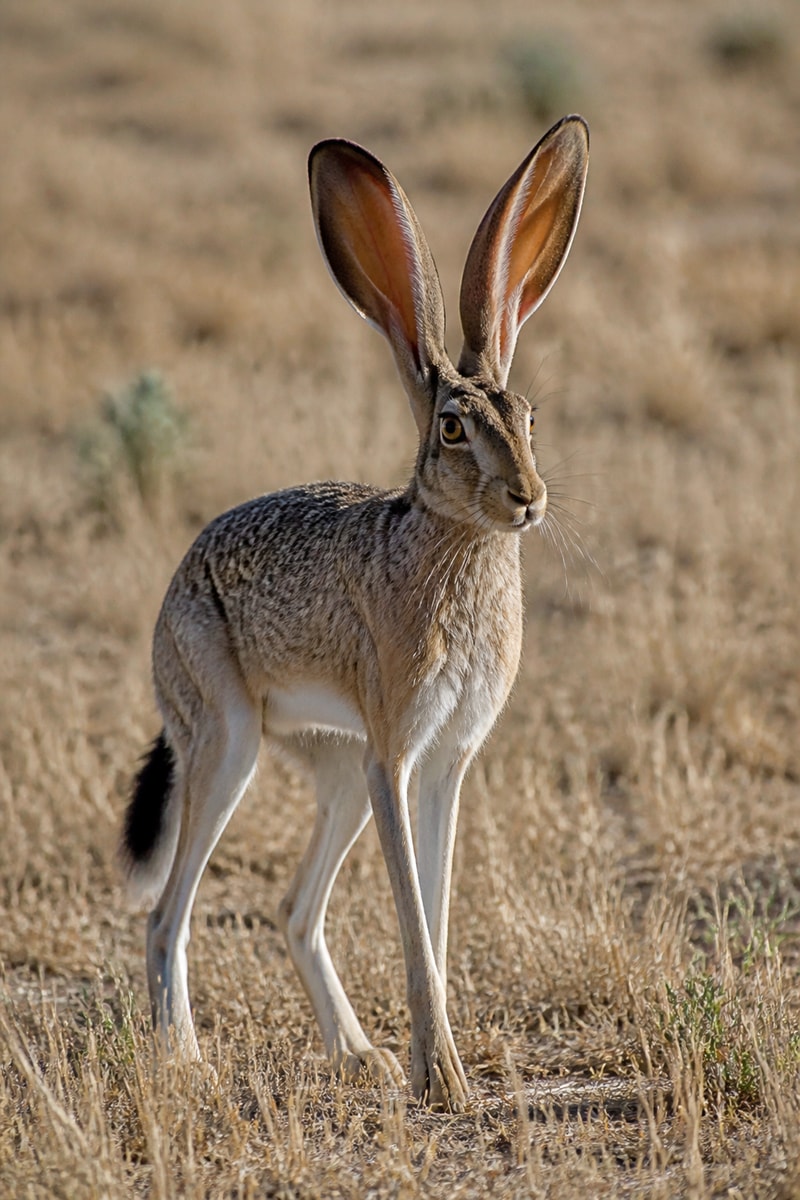
Black-tailed jackrabbits are large hares of the western United States, built for heat and speed. Enormous ears dump heat, a black dorsal tail tip flashes in flight, and bounding runs carry them across scrub, desert, and open rangeland.
For US collectors, this jackrabbit is a common western mammal — roadside dusk sightings, towering ears, and a signature hare of arid America.
- Scientific nameLepus californicus
- Length47–63 cm
- Weight1.5–3.5 kg
- LifespanAround 2–5 years in the wild
- DietGrasses
- ConservationLeast Concern
- RegionWestern US Deserts & Plains
Where to see them
Habitat
- Desert scrub
- Grassland
- Sagebrush steppe
- Open rangeland
Deserts, scrublands, grasslands, and open rangeland of the western United States and northern Mexico, resting in shallow scrapes by day and foraging at dusk.
Field notes
Field scale for the Black-tailed Jackrabbit: length around 47-63 cm; weight 1.5-3.5 kg. Typical lifespan: Around 2-5 years in the wild.
When you are scanning habitat, prioritise desert scrub, grassland, sagebrush steppe, and open rangeland. Those settings are where a clean look and a usable photo are most likely.
Quick ID anchor: Large hare with very long ears and long hind legs; grey-brown grizzled coat. Confirm with behaviour and habitat before you log the discovery.
Diet
Grasses, forbs, and shrubs including sagebrush and cacti pads when needed.
Mostly nocturnal and crepuscular browsers and grazers.
Behaviour
Rest in shallow forms by day; explode into long bounding runs when flushed.
Breed through much of the year in warm regions; several litters possible.
How to identify
Large hare with very long ears and long hind legs; grey-brown grizzled coat.
Black stripe on top of the tail and often black ear tips; white underside of tail.
Interesting facts
- 01
Hares, not rabbits — young are born fully furred with open eyes.
- 02
Black upper surface of the tail is the namesake field mark.
- 03
Huge ears radiate heat in hot deserts.
- 04
Powerful leaps help outrun coyotes and other predators.
- 05
Feed on grasses, forbs, and shrubs, especially at dusk.
- 06
Widespread across the American West and into Mexico.
Conservation status
Black-tailed jackrabbits are Least Concern and remain common across much of the West. Local numbers swing with drought, disease, and rangeland condition.
Sources: IUCN Red List
Related discoveries



Keep exploring
Related discoveries
- Bald Eaglelegendary • Lakes & Coasts
- Grizzly Bearlegendary • Mountains & Rivers
- Blue Whalelegendary • Open Ocean
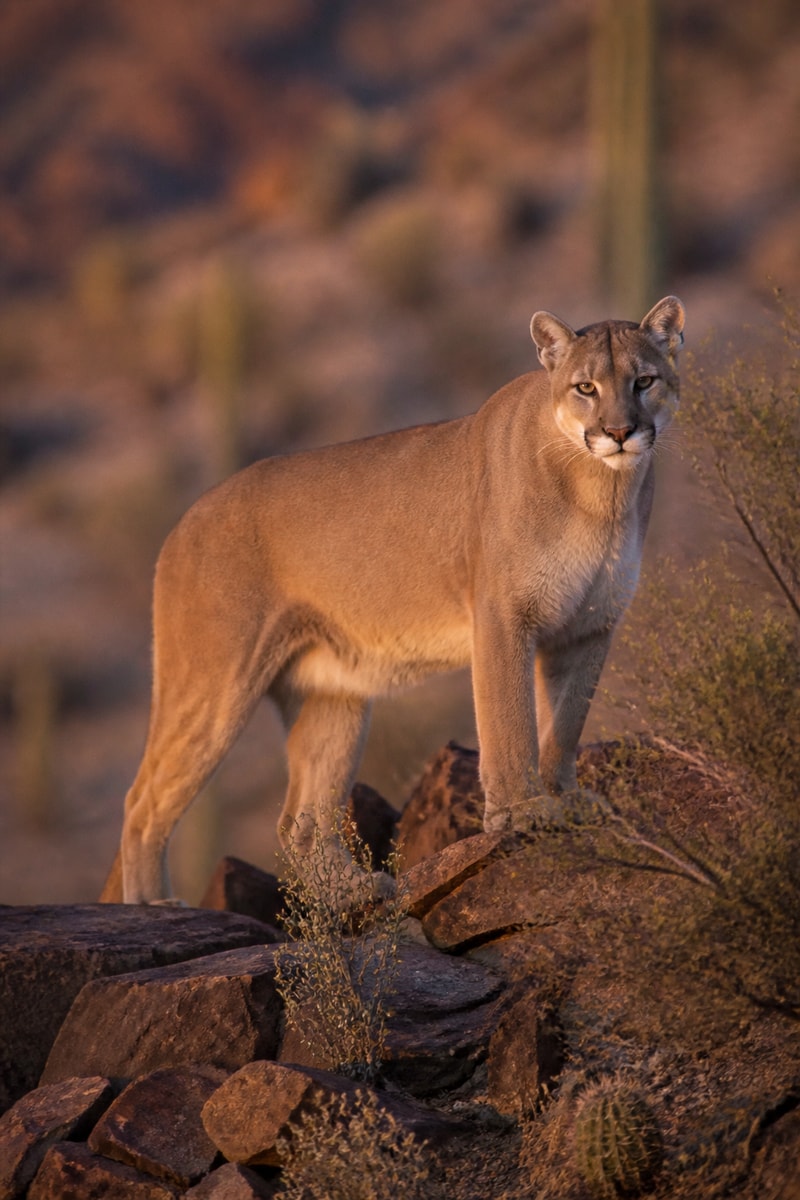
- Mountain Lionlegendary • Mountains & Desert
- Great White Sharklegendary • Coastal Ocean
- Orcalegendary • Coastal Ocean
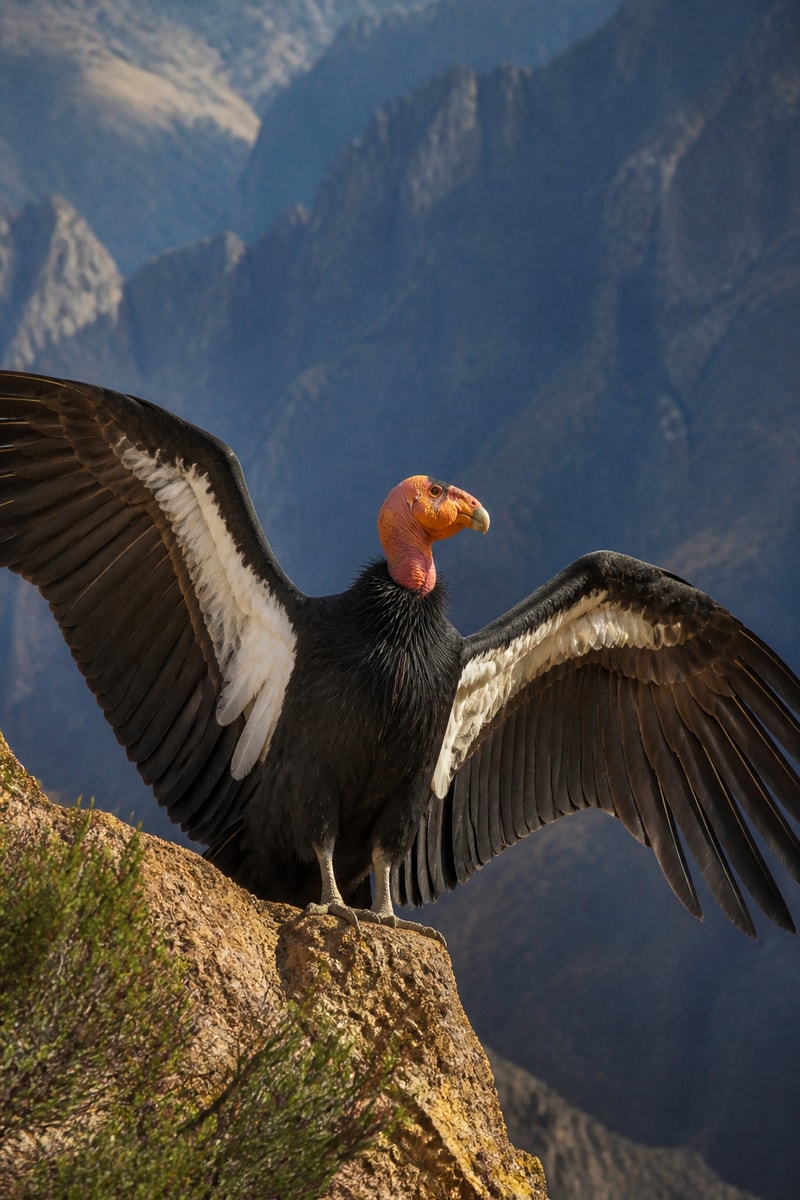
- California Condorlegendary • Canyons & Cliffs
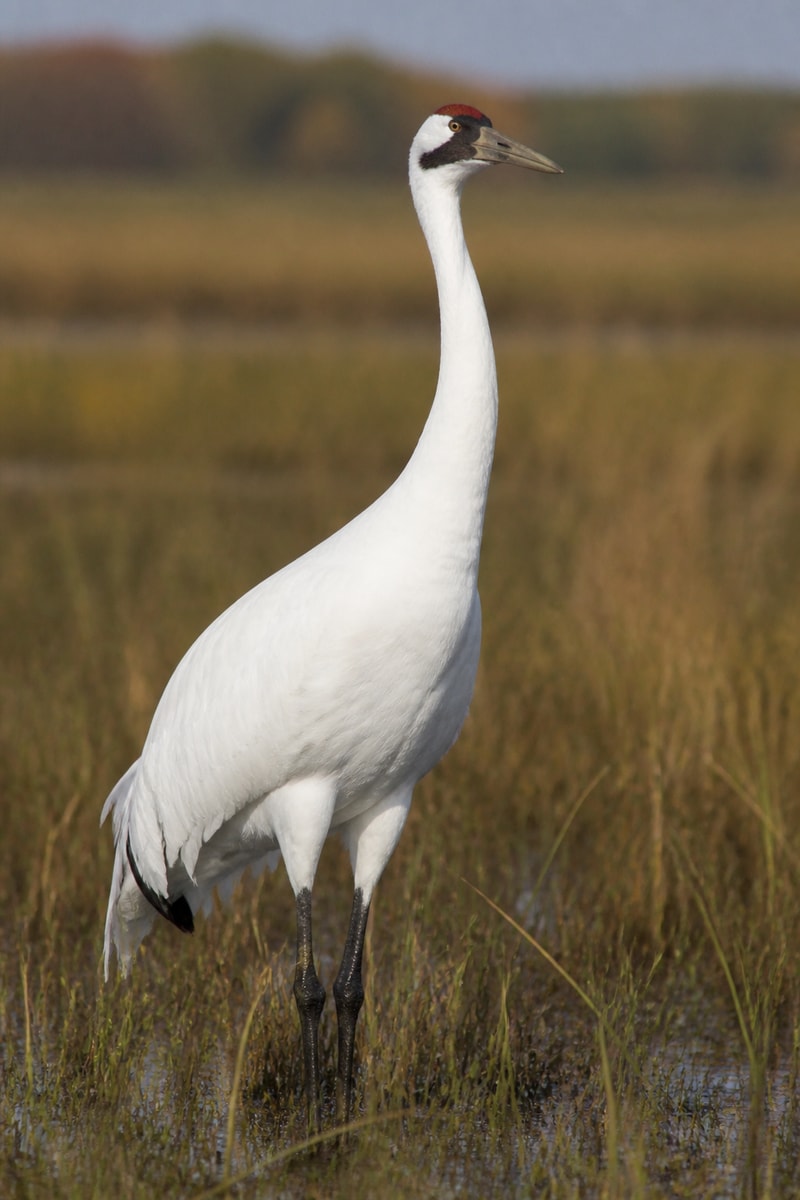
- Whooping Cranelegendary • North American Wetlands
Free on iOS
Catch the Black-tailed Jackrabbit
Spot one in the wild, then scan it in Catch'Um to log your common discovery.