
Field guide · common
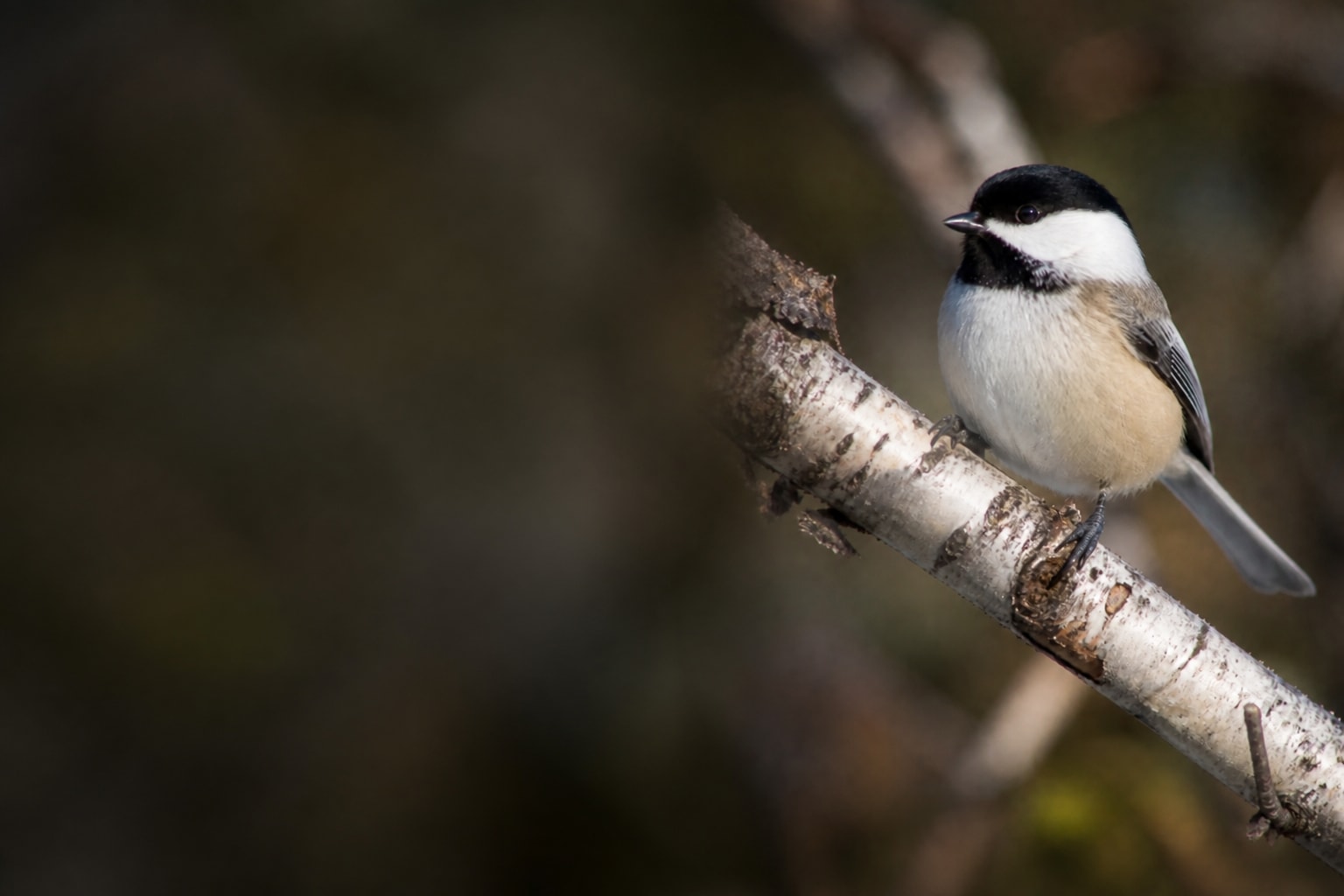
Black-capped Chickadee
The cheerful forest companion, a tiny acrobat with a black cap and a chick-a-dee-dee call that names the whole family of birds.
Least Concern
Poecile atricapillus
Overview
The black-capped chickadee is one of North America's best-loved birds: bold, curious, and easy to attract to backyard feeders. Its namesake call, chick-a-dee-dee-dee, varies in speed and repetition, with more dee notes signalling greater alarm.
Chickadees are remarkable for their memory. Each autumn they hide thousands of seeds in bark crevices and leaf litter across their territory, then recall most locations months later, a mental map that helps them survive harsh northern winters.
- Scientific namePoecile atricapillus
- Length12–15 cm
- Weight9–14 g
- Lifespan2–10 years in the wild
- DietInsects and spiders in…
- ConservationLeast Concern
- RegionWoodland & Feeders
Habitat
- Deciduous forest
- Mixed woodland
- Parks
- Gardens
Deciduous and mixed forests across the northern US and Canada hold black-capped chickadees year-round. They nest in tree cavities and visit sunflower-seed feeders, especially where woodland meets suburbia.
Countries found
Field notes
Field scale for the Black-capped Chickadee: length around 12-15 cm; weight 9-14 g. Typical lifespan: 2-10 years in the wild.
When you are scanning habitat, prioritise deciduous forest, mixed woodland, parks, and gardens. Those settings are where a clean look and a usable photo are most likely.
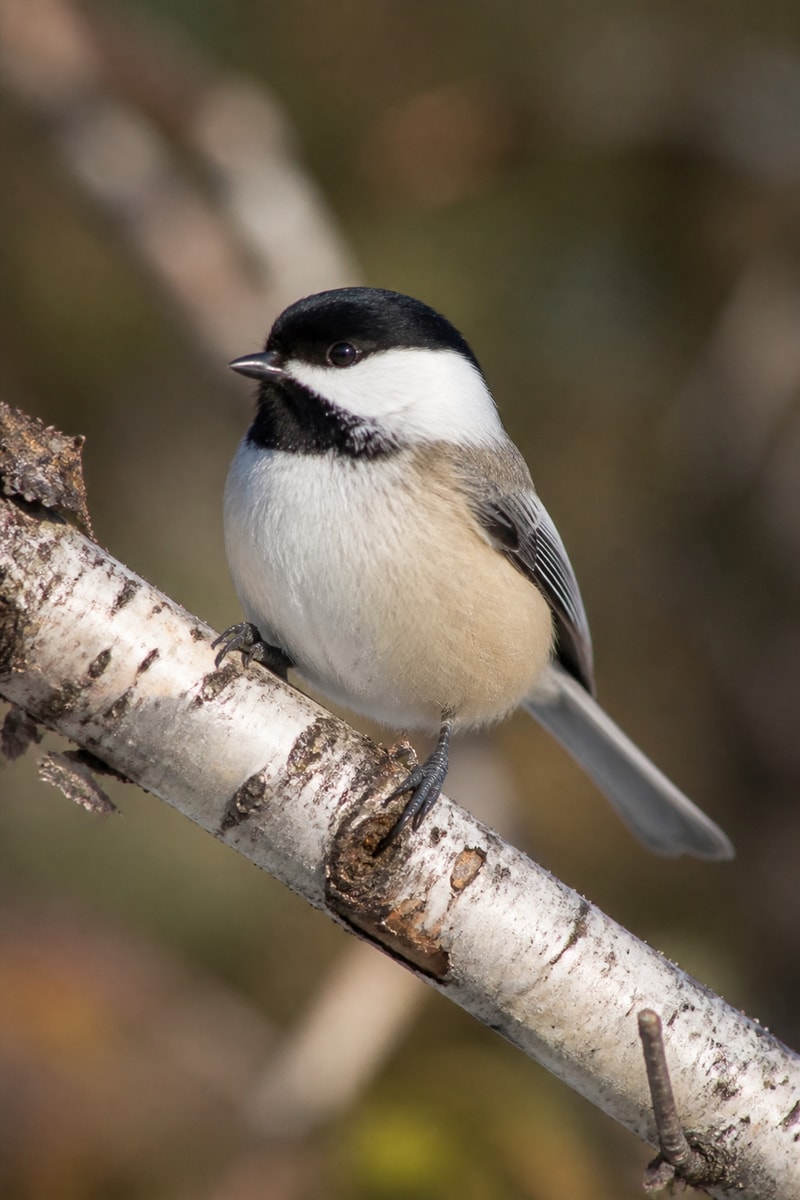
Quick ID anchor: Black cap and bib contrasting with bright white cheeks, grey back, and buffy flanks. Tiny and round-bodied; the clean black-and-white head is the clincher versus Carolina chickadee where ranges meet. Confirm with behaviour and habitat before you log the discovery.
Diet
Insects and spiders in summer; seeds and berries year-round, with frequent visits to feeders for sunflower and suet. Caches thousands of food items and relocates many of them later.
Behaviour
Active, acrobatic forager that often hangs upside-down on twigs. Forms mixed winter flocks and uses graded 'chick-a-dee' calls to signal threat level.
How to identify
Black cap and bib contrasting with bright white cheeks, grey back, and buffy flanks. Tiny and round-bodied; the clean black-and-white head is the clincher versus Carolina chickadee where ranges meet.
Interesting facts
- 01
Chickadees hide seeds in thousands of spots and remember most of them.
- 02
Extra dee notes in their alarm call mean a bigger predator is nearby.
- 03
They lower their body temperature on cold nights to save energy.
Conservation status
Black-capped chickadees are Least Concern with stable populations across a vast range. They adapt readily to backyard feeding and nest-box programmes.
Sources: IUCN Red List
Related discoveries




Keep exploring
Related discoveries
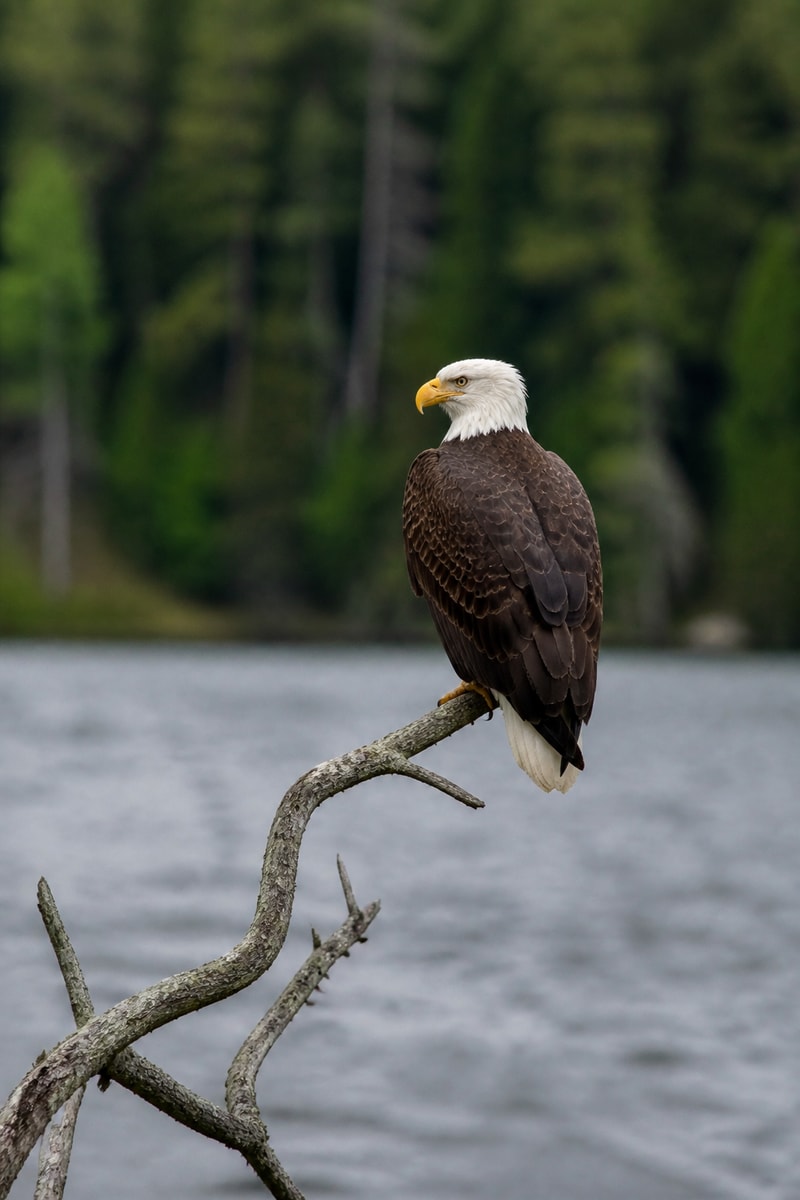
- Bald Eaglelegendary • Lakes & Coasts
- Grizzly Bearlegendary • Mountains & Rivers
- Blue Whalelegendary • Open Ocean
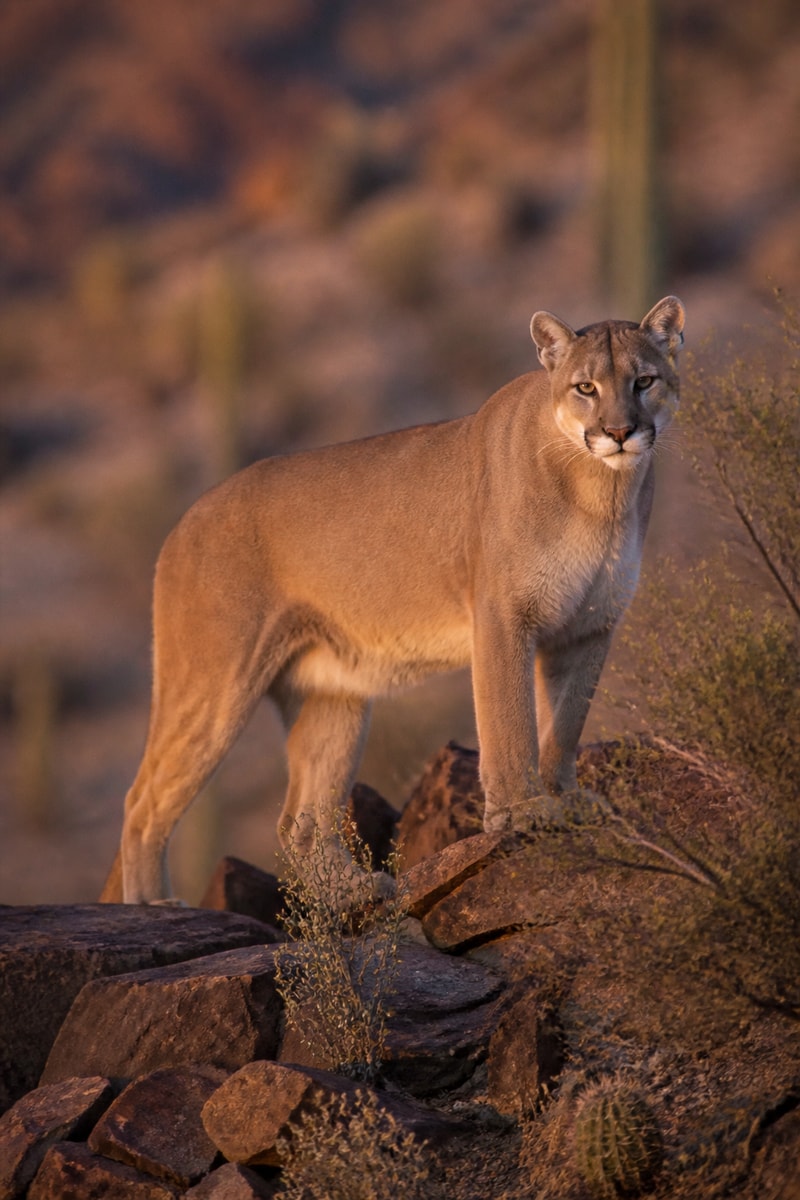
- Mountain Lionlegendary • Mountains & Desert
- Great White Sharklegendary • Coastal Ocean
- Orcalegendary • Coastal Ocean
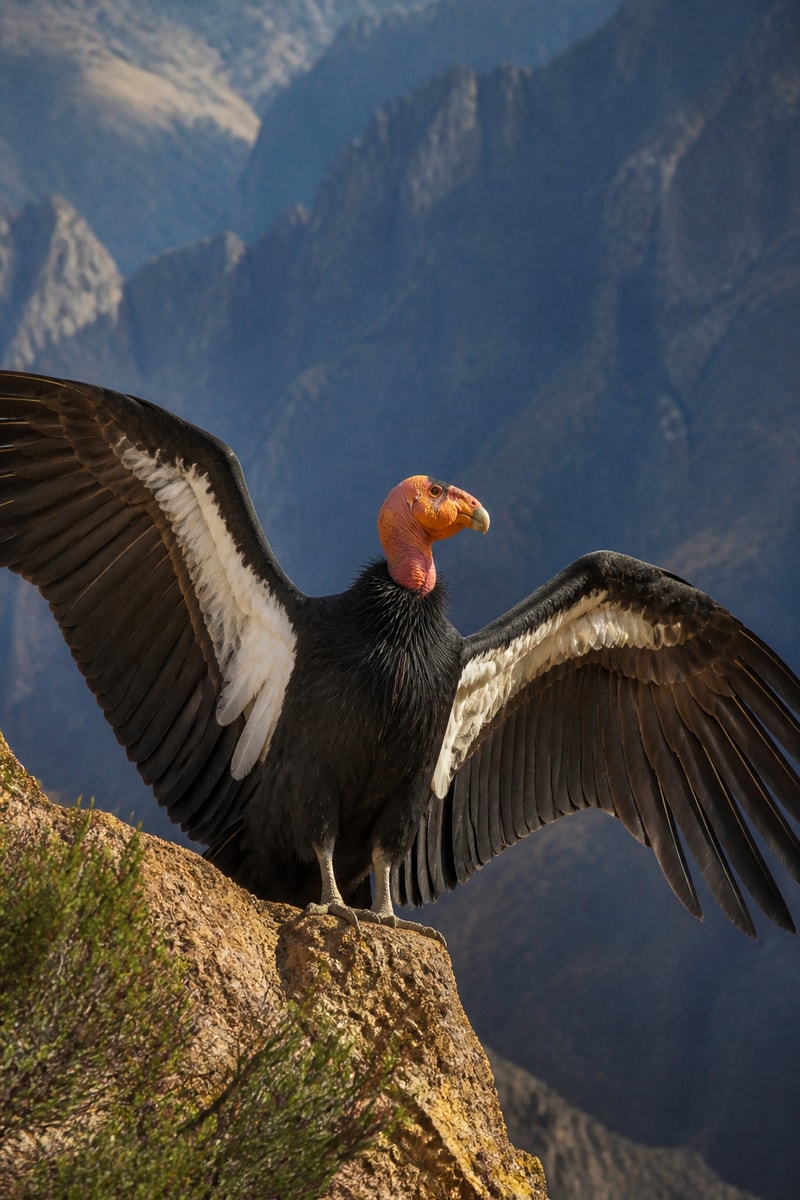
- California Condorlegendary • Canyons & Cliffs
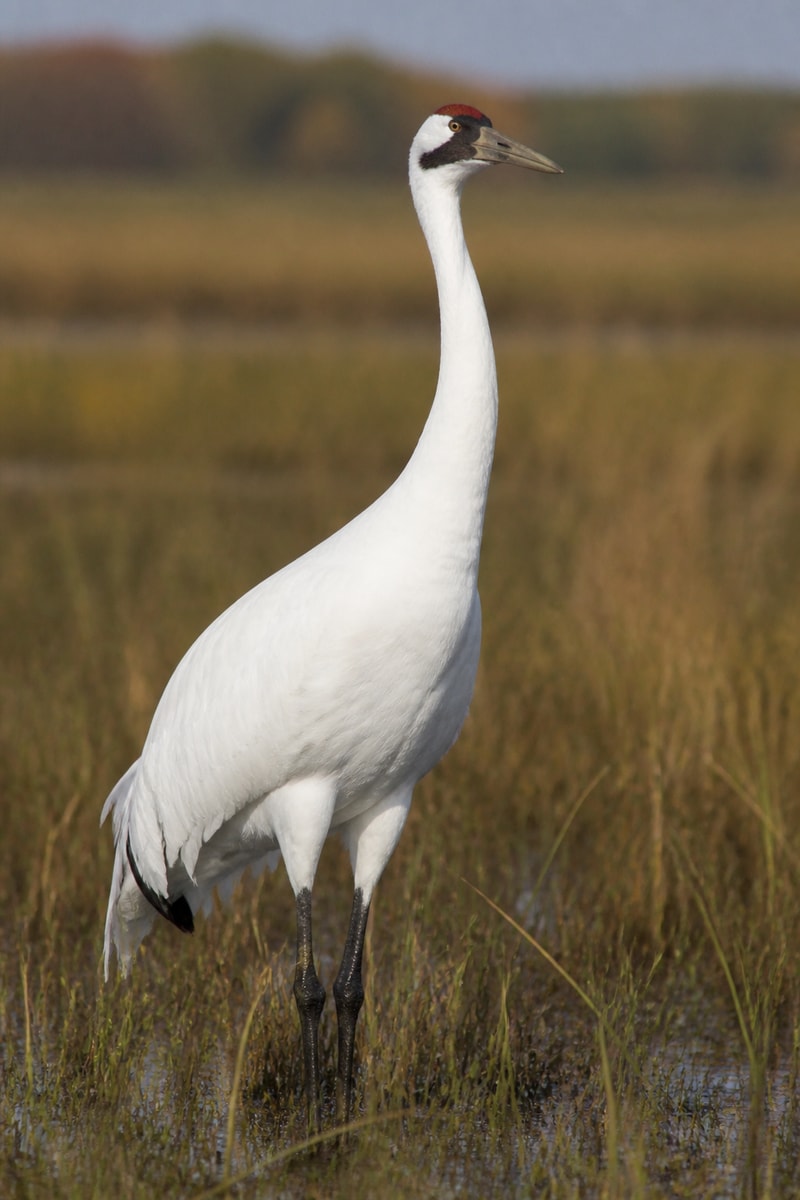
- Whooping Cranelegendary • North American Wetlands
Free on iOS
Catch the Black-capped Chickadee
Spot one in the wild, then scan it in Catch'Um to log your common discovery.