
Field guide · common
Bighorn Sheep
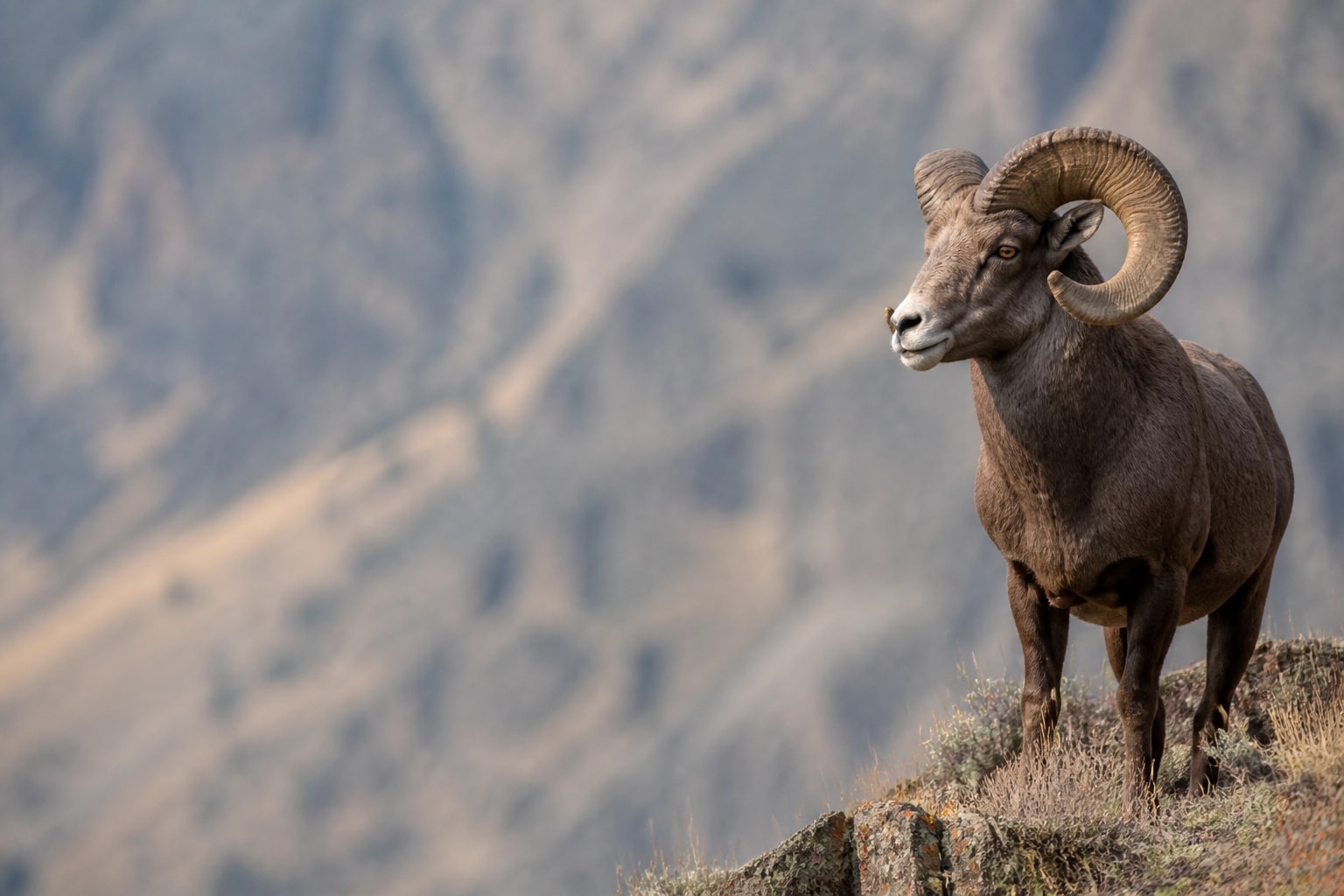
Clash of curled horns — North America's iconic cliff-edge sheep of the Rockies and deserts.
Least Concern
Ovis canadensis
Overview
Bighorn sheep are rugged mountain ungulates of western North America. Rams grow massive curling horns used in thunderous rutting clashes; ewes carry shorter, slender horns.
For United States and Canada collectors, a ram on a rocky skyline is a classic western wildlife card.
- Scientific nameOvis canadensis
- Length150–180 cm
- Height80–110 cm at shoulder
- WeightEwes ~50–90 kg; rams ~70–140 kg
- LifespanAround 10–15 years in the wild
- DietGraze grasses and browse…
- ConservationLeast Concern
- RegionWestern Mountains
Where to see them
Habitat
- Alpine slopes
- Desert mountains
- Rocky canyons
Steep mountains, canyons, and desert ranges of western North America with open escape terrain, mineral licks, and seasonal forage.
Field notes
Field scale for the Bighorn Sheep: length around 150-180 cm; height 80-110 cm at shoulder; weight Ewes ~50-90 kg; rams ~70-140 kg. Typical lifespan: Around 10-15 years in the wild.
When you are scanning habitat, prioritise alpine slopes, desert mountains, and rocky canyons. Those settings are where a clean look and a usable photo are most likely.
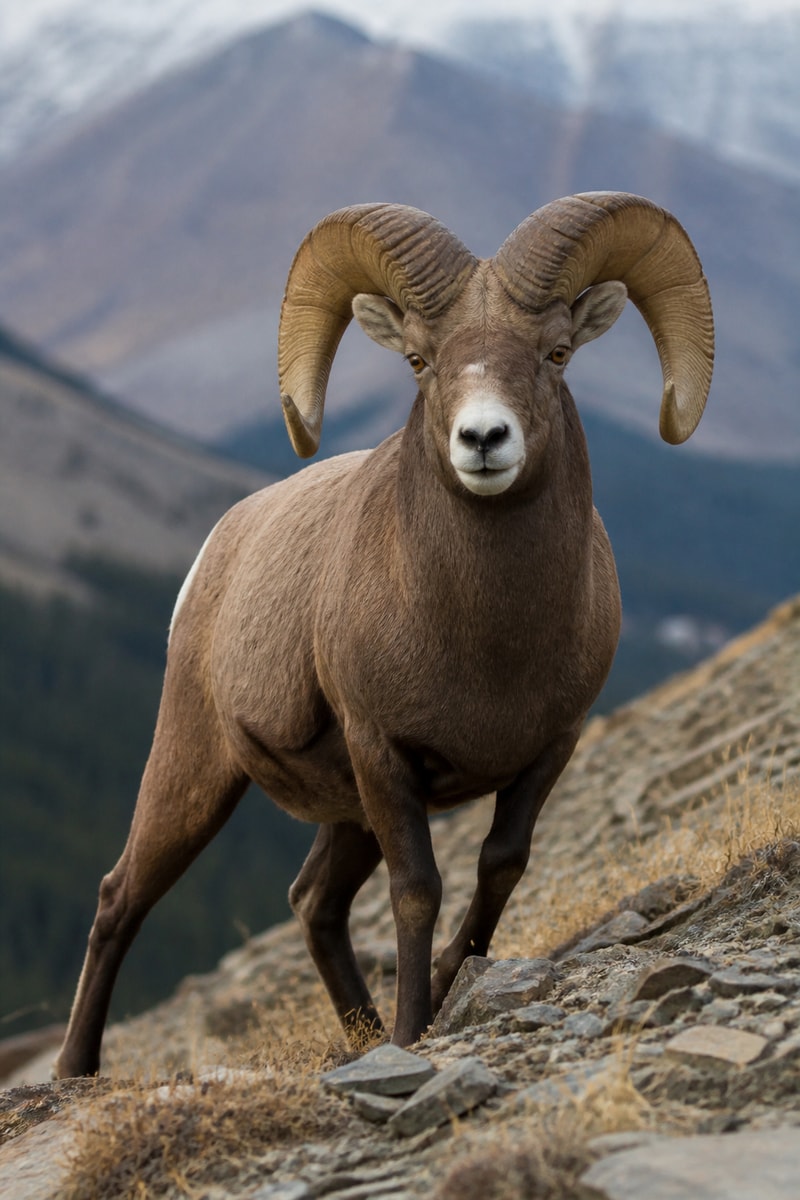
Quick ID anchor: Brown to grey-brown coat, white rump patch, and heavy curling horns on adult rams. Confirm with behaviour and habitat before you log the discovery.
Diet
Graze grasses and browse shrubs, forbs, and cactus depending on mountain or desert habitat.
Seek mineral licks and move seasonally between elevations.
Behaviour
Rams battle for breeding rights with spectacular horn clashes in autumn.
Ewes lead lambs on steep escape terrain; groups bed on open slopes with wide views.
How to identify
Brown to grey-brown coat, white rump patch, and heavy curling horns on adult rams.
Stocky build and split hooves adapted to rock; ewes have shorter spikes.
Interesting facts
- 01
Rams' horns can weigh more than the rest of the skeleton.
- 02
Head-butting clashes can be heard a kilometre away.
- 03
Excellent climbers on steep rocky slopes.
- 04
Ewes form nursery bands; rams gather in bachelor groups.
- 05
Desert and Rocky Mountain subspecies differ in size and horn curl.
- 06
Need mineral licks for sodium and other nutrients.
Conservation status
Bighorn sheep are Least Concern overall, but many herds struggle with pneumonia from domestic sheep, habitat loss, and isolation. Restored US and Canadian ranges still need disease management.
Sources: IUCN Red List





Keep exploring
Where it lives
Related discoveries
- Bald Eaglelegendary • Lakes & Coasts
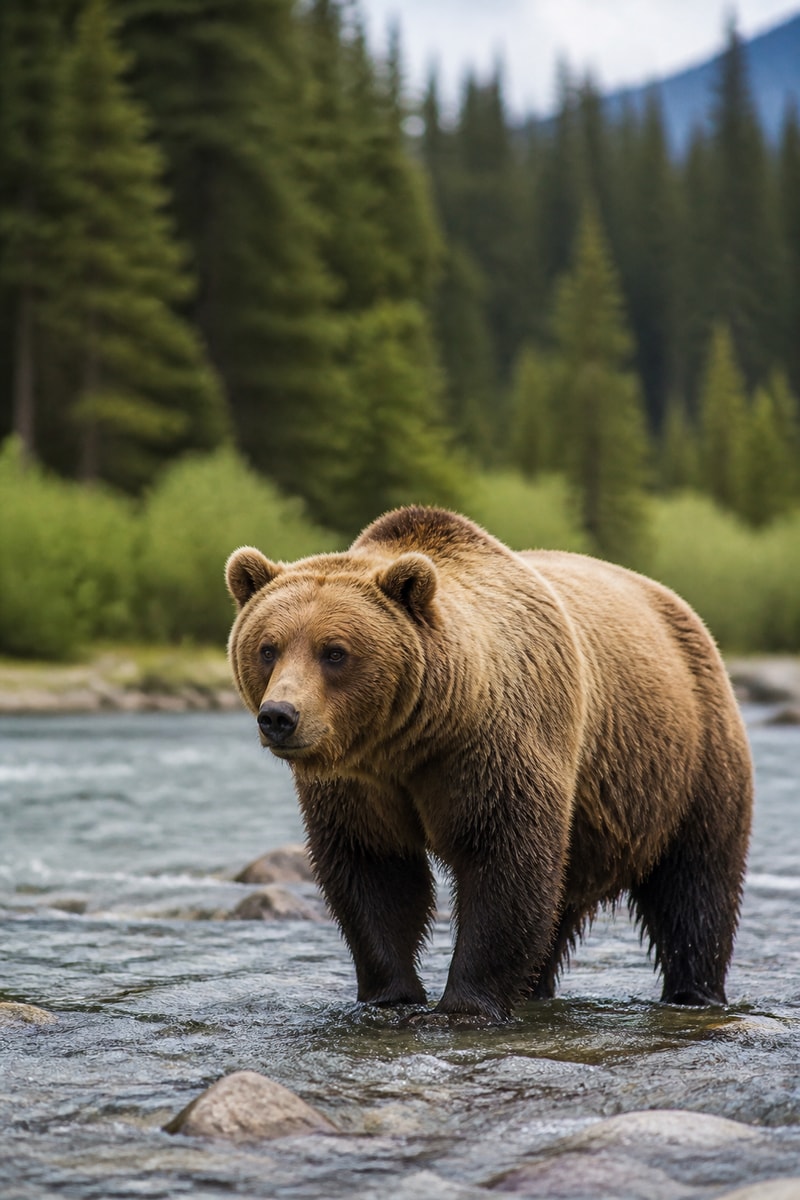
- Grizzly Bearlegendary • Mountains & Rivers
- Polar Bearlegendary • Arctic Ice
- Blue Whalelegendary • Open Ocean
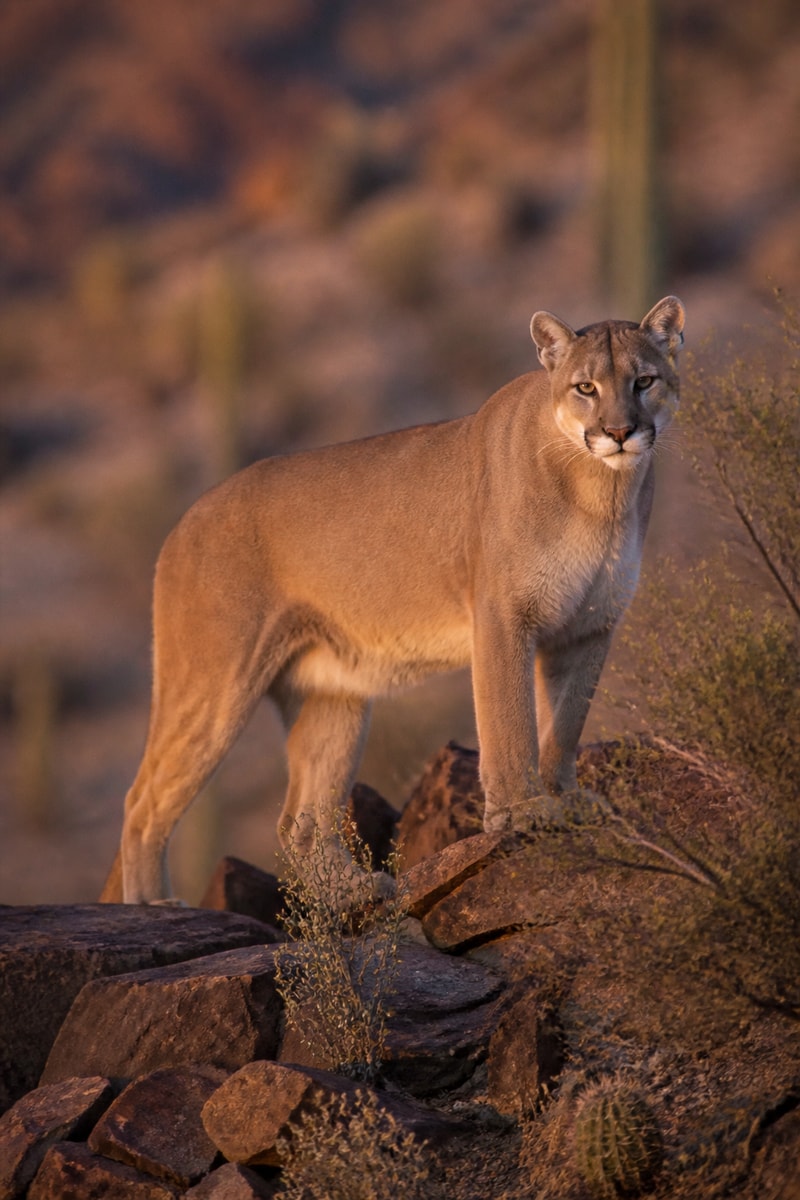
- Mountain Lionlegendary • Mountains & Desert
- Great White Sharklegendary • Coastal Ocean
- Orcalegendary • Coastal Ocean
- California Condorlegendary • Canyons & Cliffs
Free on iOS
Catch the Bighorn Sheep
Spot one in the wild, then scan it in Catch'Um to log your common discovery.