
Field guide · rare
Beluga Whale
The white whale of the north — vocal, smiley-faced, and built for life among ice.
Near Threatened
Delphinapterus leucas
Overview
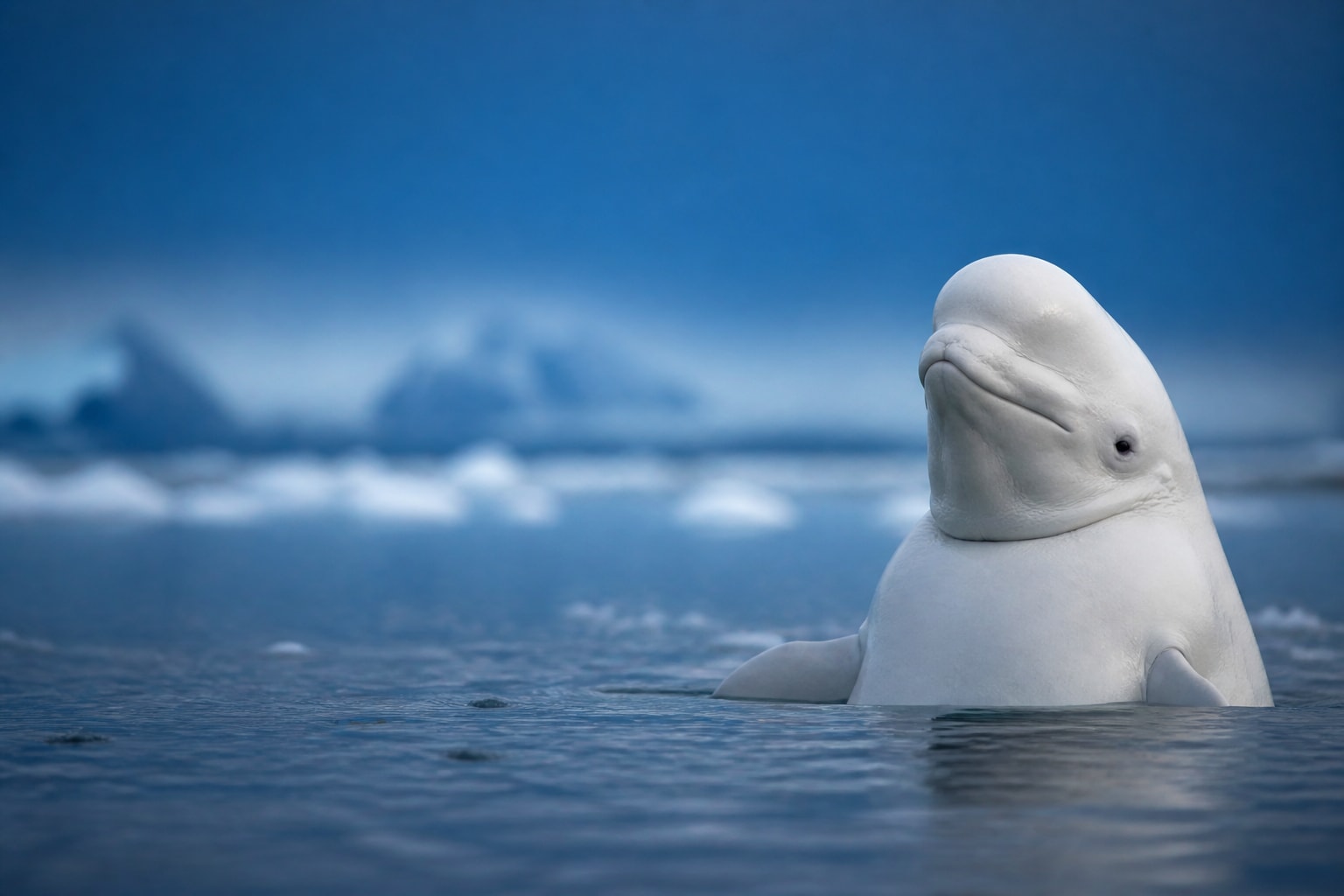
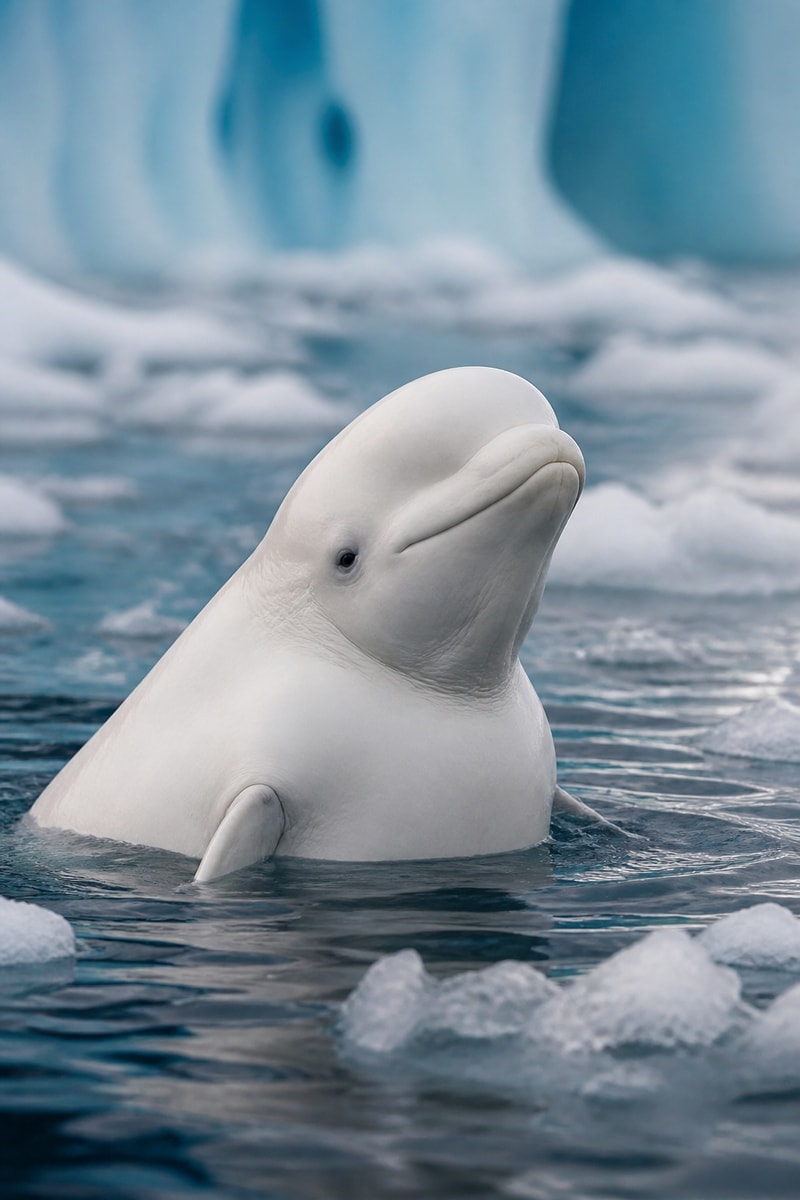
Beluga whales are small white Arctic whales with flexible necks and round melon foreheads that change shape as they vocalise. Often called 'sea canaries' for their rich repertoire of whistles and clicks, they are among the most expressive cetaceans.
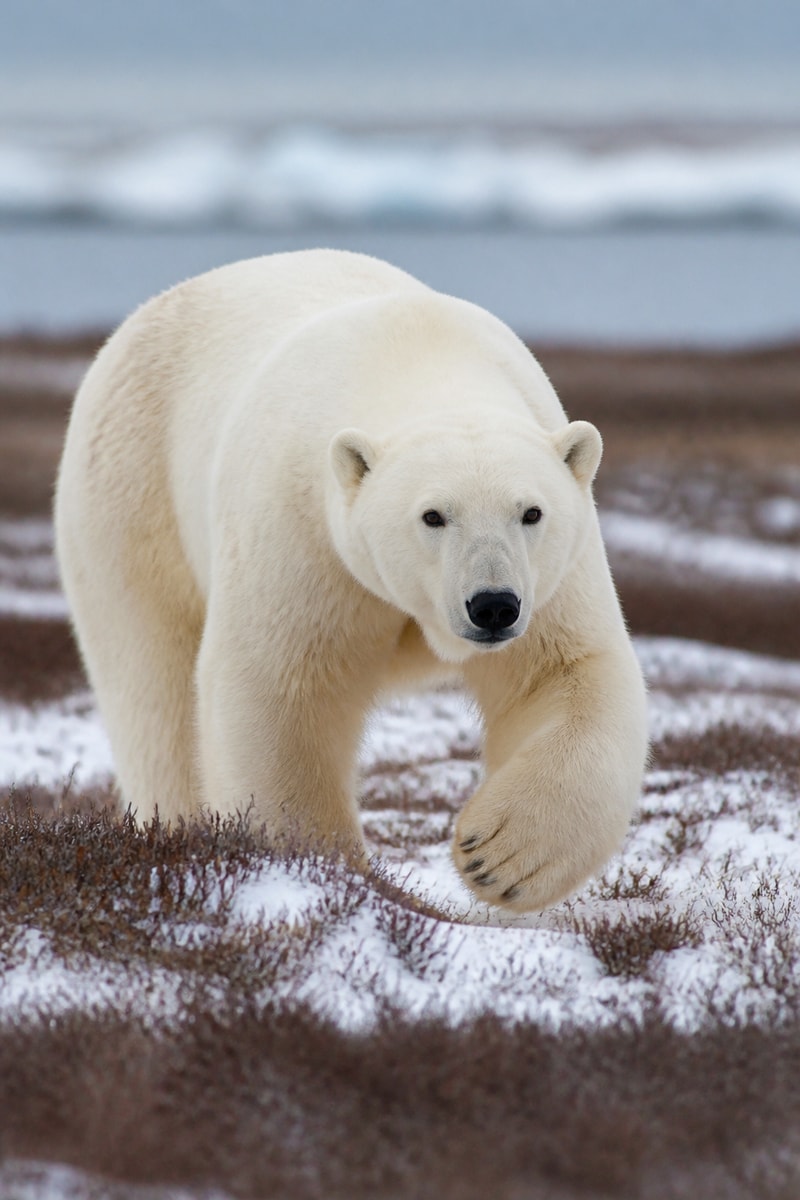
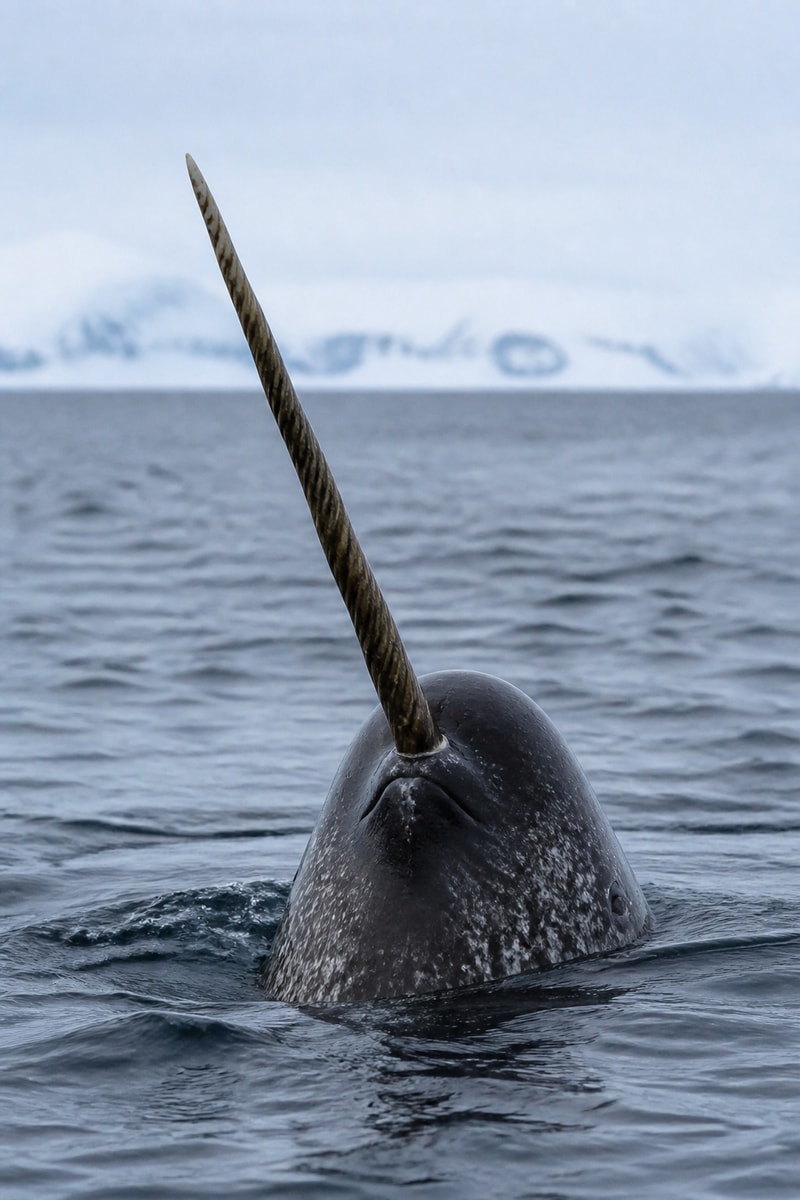
For Canada's Arctic set, belugas join narwhal and polar bear as an essential High North marine card.
- Scientific nameDelphinapterus leucas
- Length3–5.5 m
- Weight700–1,500 kg
- LifespanAround 40–60 years
- DietFish
- ConservationNear Threatened
- RegionArctic Ocean
Where to see them
Habitat
- Arctic seas
- Estuaries
- Ice edge
Belugas live in Arctic and subarctic waters, entering shallow estuaries and river mouths in summer and wintering in ice-edge seas. Hudson Bay, the St. Lawrence, and other Canadian waters host well-known populations.
Field notes
Field scale for the Beluga Whale: length around 3-5.5 m; weight 700-1,500 kg. Typical lifespan: Around 40-60 years.
When you are scanning habitat, prioritise arctic seas, estuaries, and ice edge. Those settings are where a clean look and a usable photo are most likely.
Quick ID anchor: Stocky all-white adult whale with a round melon head and no dorsal fin. Confirm with behaviour and habitat before you log the discovery.
Where to see one
Canada
In Canada, start at Churchill, Manitoba (Hudson Bay Coast). The polar bear capital of the world, where bears gather on the tundra each autumn waiting for Hudson Bay to freeze.
More context on this destination lives on the Canada expedition page.
Diet
Fish, squid, crabs, and other bottom and midwater prey taken with suction feeding.
Hunt cooperatively in some groups and use echolocation under ice.
Behaviour
Highly social and extremely vocal; gather in large summer herds in shallow bays.
Swim among ice floes and may surface in small polynyas to breathe.
How to identify
Stocky all-white adult whale with a round melon head and no dorsal fin.
Darker grey juveniles; flexible neck and smiling-looking mouthline.
Interesting facts
- 01
Adult belugas are white; calves are born grey and lighten with age.
- 02
They can flex their necks — unusual among whales — to look around.
- 03
Nicknamed 'sea canaries' for their wide range of calls.
- 04
The melon (forehead) changes shape during echolocation and social sounds.
- 05
They lack a dorsal fin, which helps move under ice.
- 06
Summer gatherings in warm estuaries are classic viewing spectacles.
Conservation status
Beluga conservation status varies by population; several stocks are depleted or Near Threatened due to past hunting, noise, pollution, and climate-driven habitat change. Protecting key estuaries remains critical.
Sources: IUCN Red List
Keep exploring
Where it lives
Free on iOS
Catch the Beluga Whale
Spot one in the wild, then scan it in Catch'Um to log your rare discovery.