
Field guide · common
Baltimore Oriole
Flame-orange hanging-nest weaver — spring colour in eastern American elms.
Least Concern
Icterus galbula
Overview
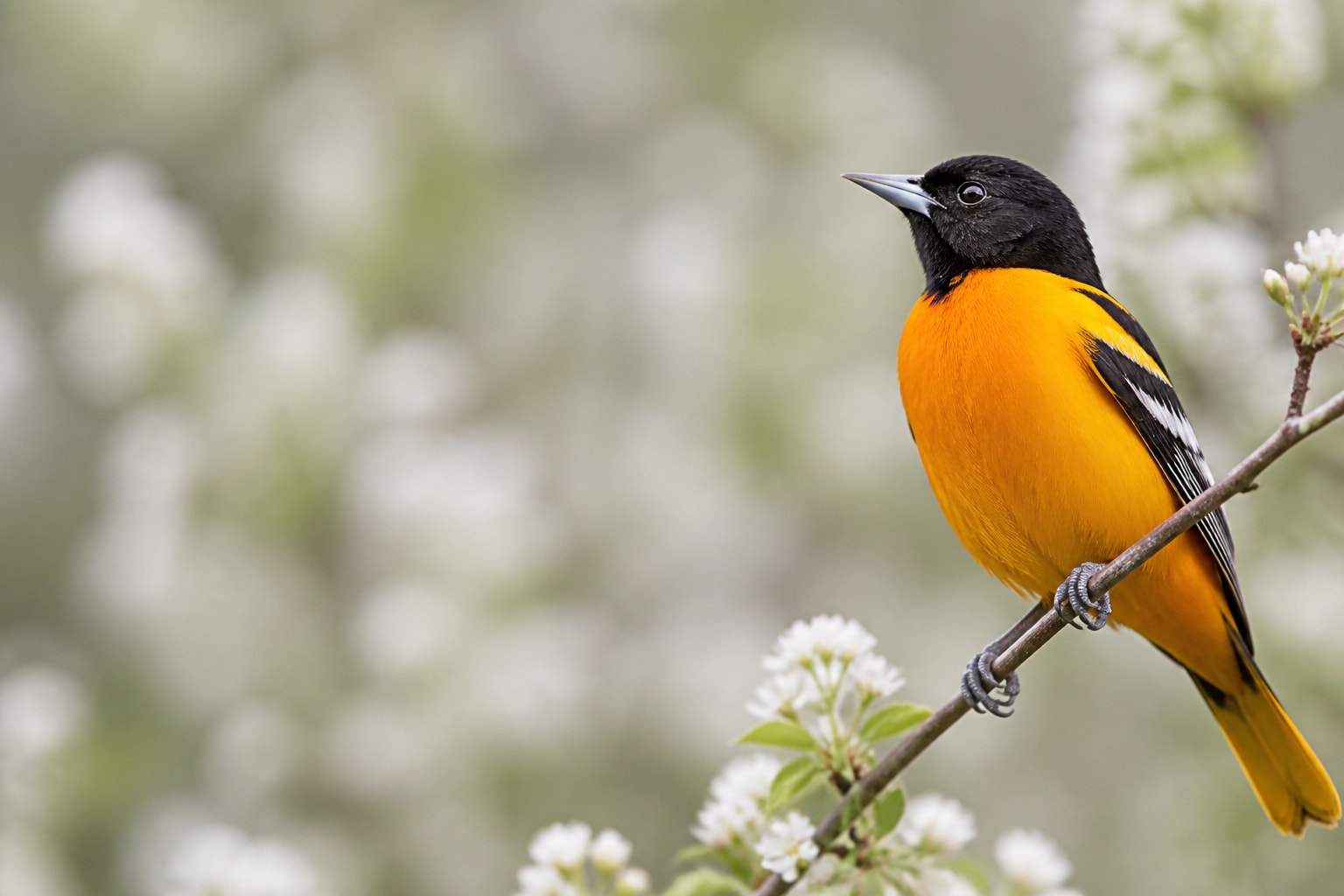
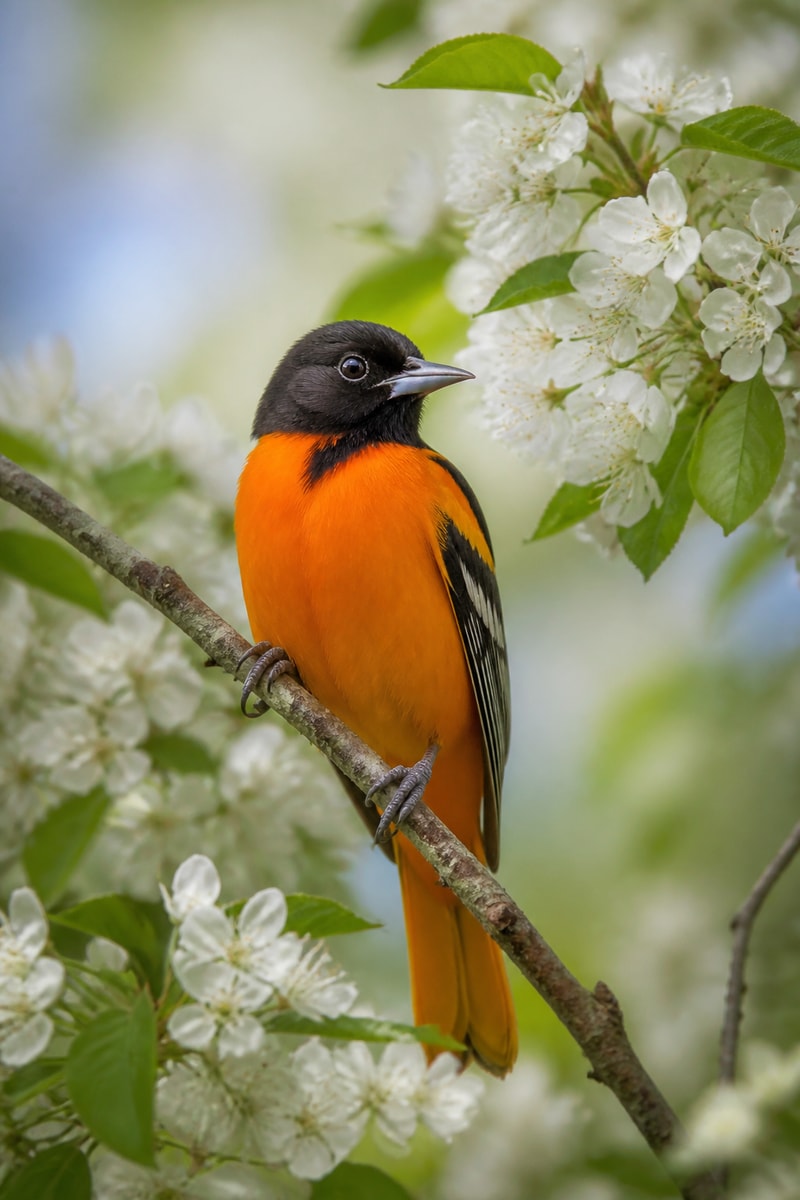
Baltimore orioles are brilliant orange-and-black icterids of eastern North America. Males glow like living embers in the canopy, and pairs weave hanging pouch nests from fibres high in tall trees, visiting orchards and nectar feeders on migration and in summer.
For US collectors, the Baltimore oriole is an eastern spring prize — orange flash, hanging nest, and a classic common songbird of parks and shade trees.
- Scientific nameIcterus galbula
- Length17–22 cm
- Weight30–40 g
- LifespanAround 5–10 years in the wild
- DietCaterpillars and other…
- ConservationLeast Concern
- RegionEastern US Canopy
Where to see them
Habitat
- Deciduous canopy
- River woodland
- Suburban shade trees
- Orchard edge
Open woodland, river edges, parks, and suburbs of the eastern United States with tall deciduous trees for nesting and insects or fruit for foraging.
Field notes
Field scale for the Baltimore Oriole: length around 17-22 cm; weight 30-40 g. Typical lifespan: Around 5-10 years in the wild.
When you are scanning habitat, prioritise deciduous canopy, river woodland, suburban shade trees, and orchard edge. Those settings are where a clean look and a usable photo are most likely.
Quick ID anchor: Male: brilliant orange body with black head, back, and wings. Confirm with behaviour and habitat before you log the discovery.
Diet
Caterpillars and other insects in summer; fruit and nectar especially on migration.
Readily take grape jelly, oranges, and sugar water at feeders.
Behaviour
Forage in the outer canopy; males sing rich whistled phrases.
Females weave deep hanging nests on slender outer branches.
How to identify
Male: brilliant orange body with black head, back, and wings.
Female: warmer yellow-orange with duskier wings; slender pointed bill.
Interesting facts
- 01
Males are fiery orange with a black head and back.
- 02
Weave distinctive hanging pouch nests from plant fibres.
- 03
Diet mixes insects, fruit, and nectar.
- 04
Often visit orange halves and nectar feeders in spring.
- 05
Named for the heraldic colours of Lord Baltimore.
- 06
Breed across the East and migrate to the Neotropics.
Conservation status
Baltimore orioles are Least Concern though some regional declines track forest and orchard change. Shade trees, riparian woods, and reduced pesticide use support nesting success.
Sources: IUCN Red List
Related discoveries


Keep exploring
Related discoveries
- Bald Eaglelegendary • Lakes & Coasts
- Grizzly Bearlegendary • Mountains & Rivers
- Blue Whalelegendary • Open Ocean
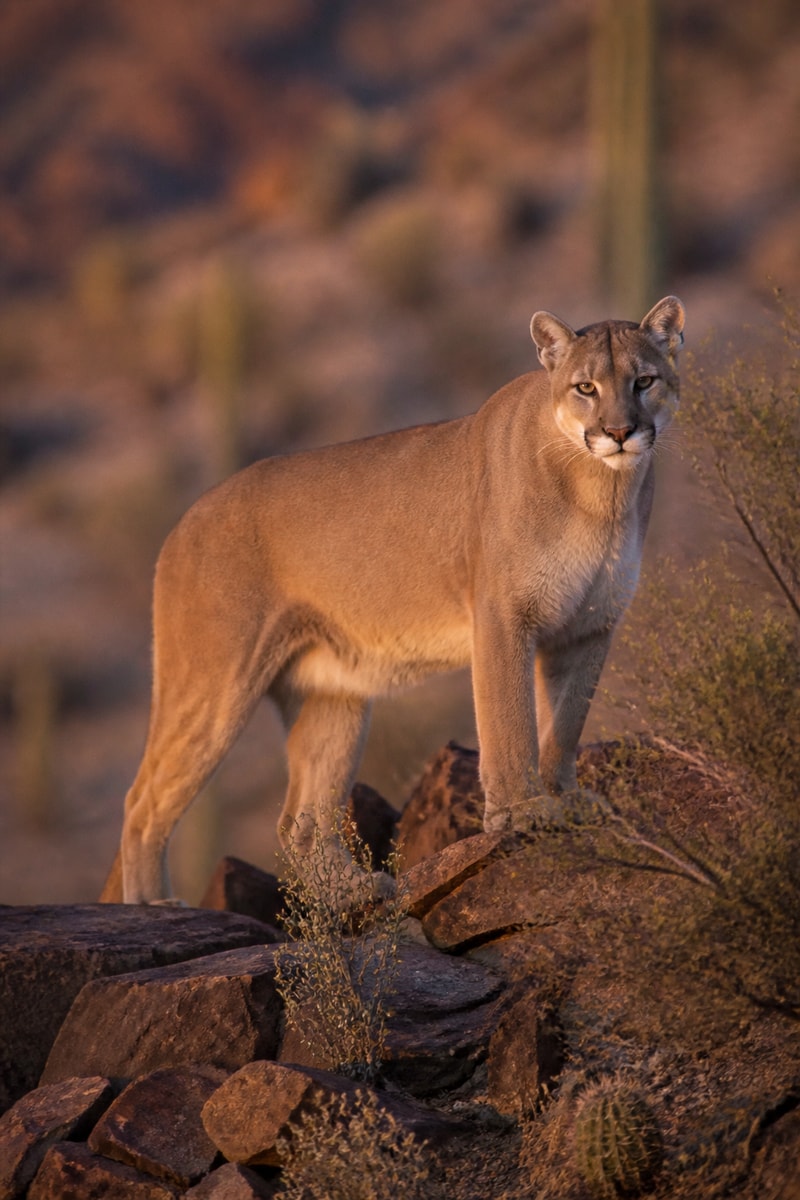
- Mountain Lionlegendary • Mountains & Desert
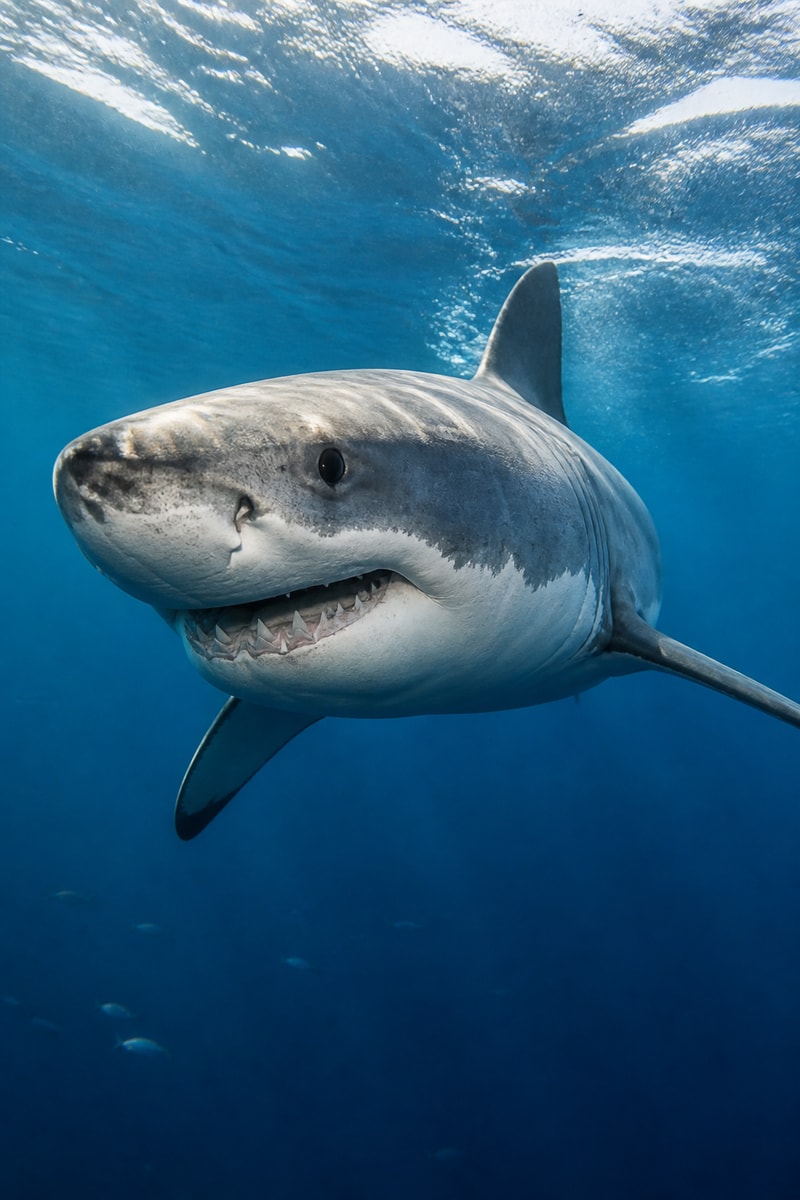
- Great White Sharklegendary • Coastal Ocean
- Orcalegendary • Coastal Ocean
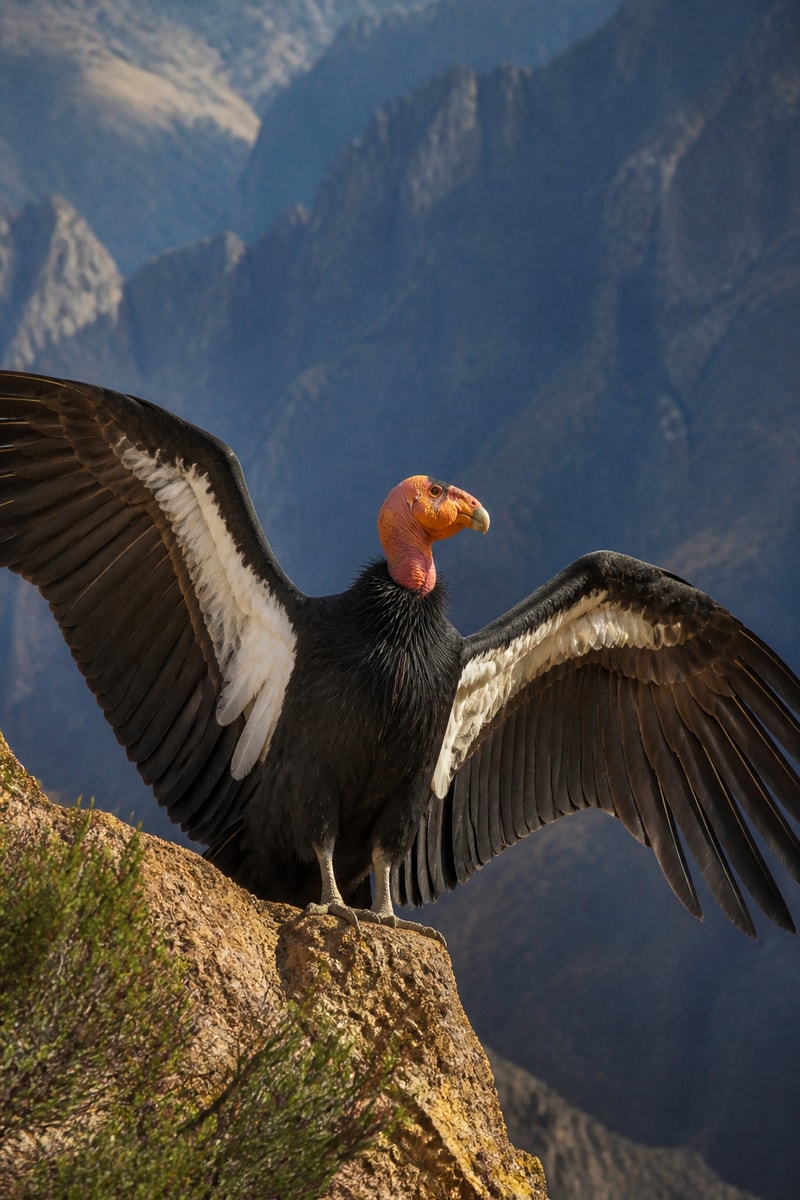
- California Condorlegendary • Canyons & Cliffs
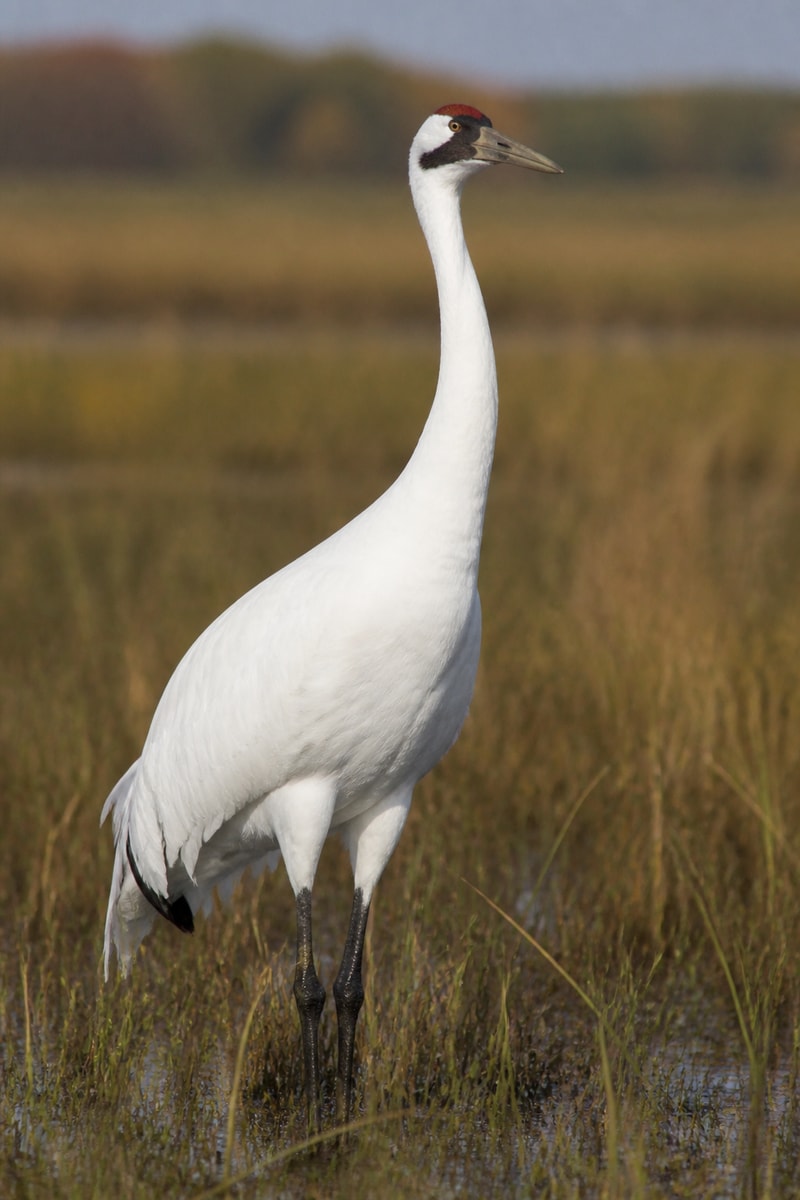
- Whooping Cranelegendary • North American Wetlands
Free on iOS
Catch the Baltimore Oriole
Spot one in the wild, then scan it in Catch'Um to log your common discovery.