
Field guide · common
Arctic Fox
The colour-changing survivor, a compact fox that turns white in winter and brown in summer across the far north.
Least Concern
Vulpes lagopus
Overview
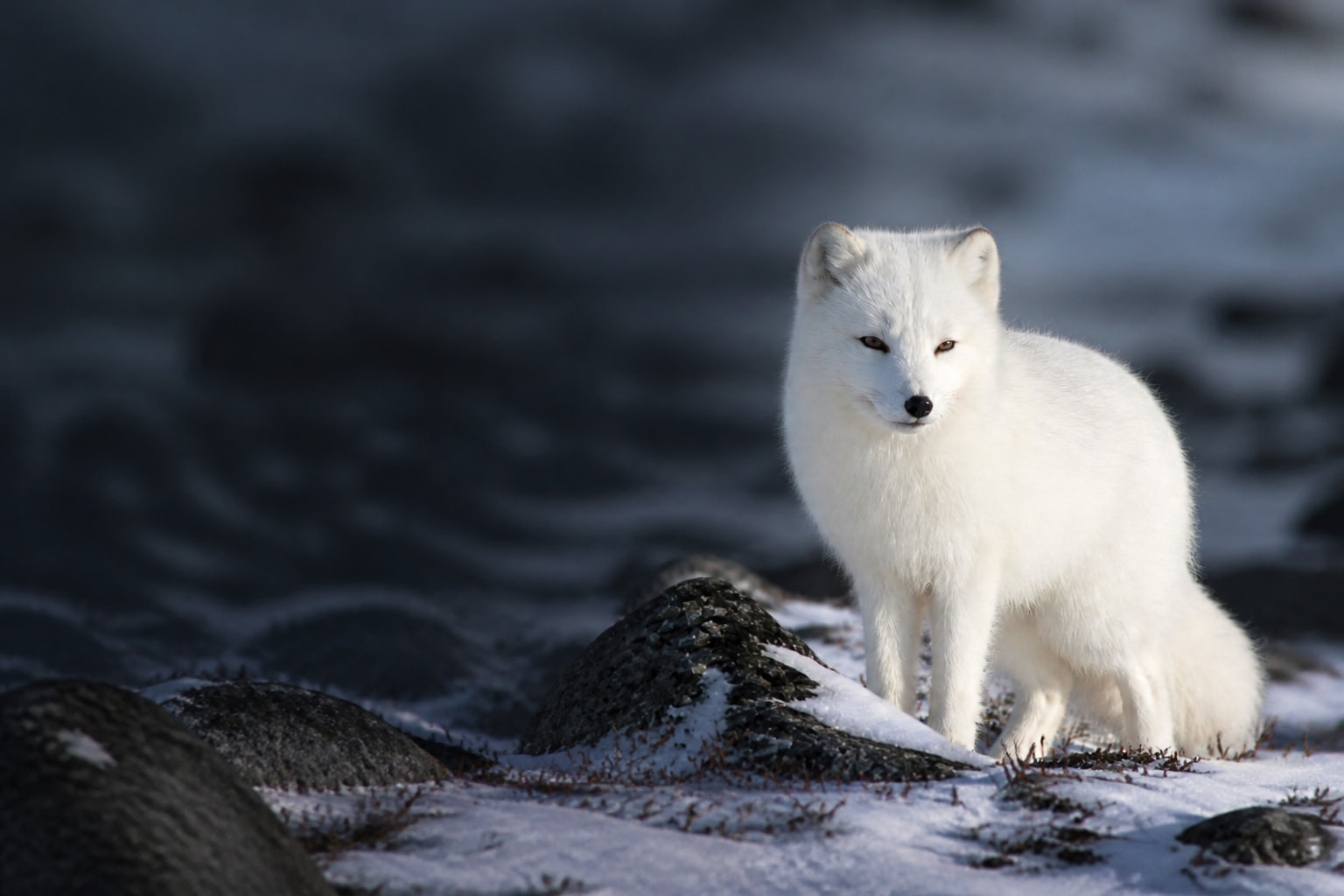
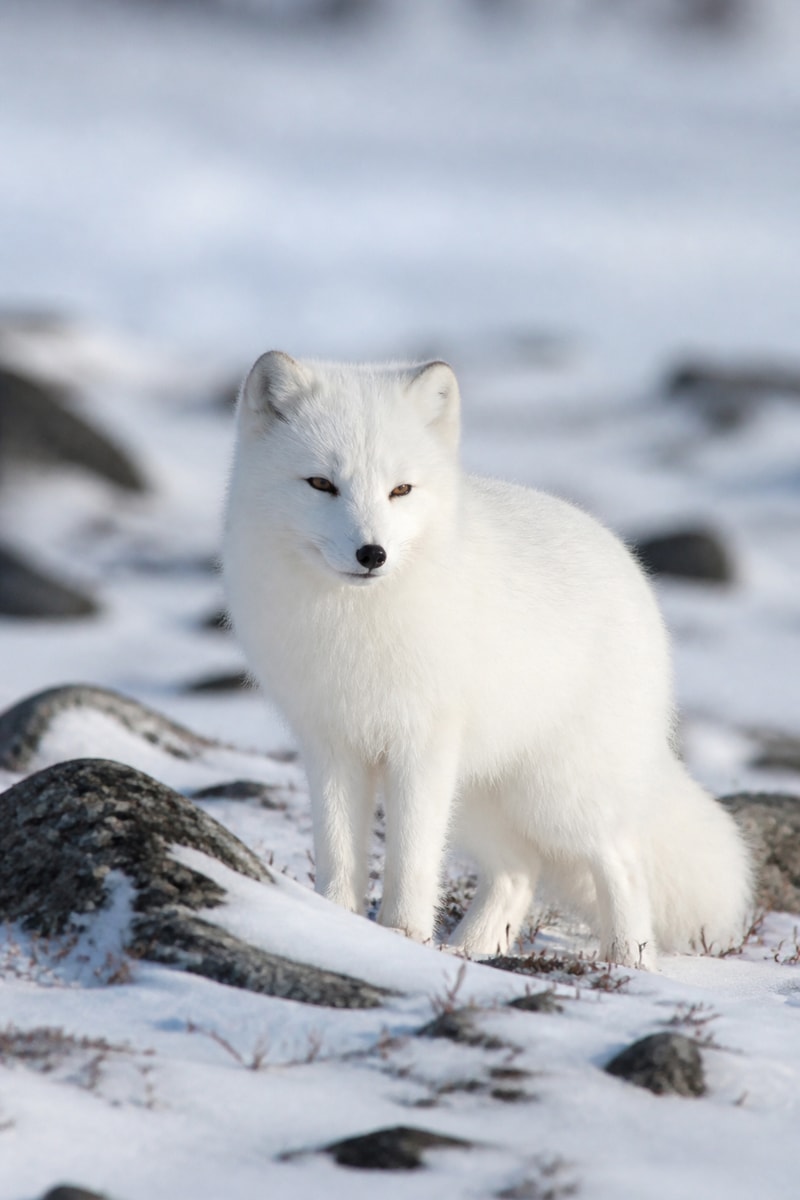
The Arctic fox is superbly adapted to the coldest places on Earth: the only canid native to Iceland, and a survivor of temperatures below minus 50°C. Its thick fur changes colour with the seasons: white in winter for snow camouflage, brown-grey in summer against tundra rock.
Arctic foxes follow polar bears to scavenge seal kills on the ice, cache surplus food in the tundra, and raise large litters of up to 14 pups in good lemming years. They are smaller than red foxes, with short ears and muzzle to conserve heat.
- Scientific nameVulpes lagopus
- Length46–68 cm body; tail 25–35 cm
- Weight2.5–9 kg
- LifespanAround 3–6 years in the wild
- DietHunts lemmings and other…
- ConservationLeast Concern
- RegionArctic Tundra
Habitat
- Arctic tundra
- Coastal ice
- Alpine tundra
Arctic tundra and coastal ice across Canada, Alaska, Greenland, Scandinavia, and Russia hold Arctic foxes. They den in eskers and riverbanks, and range widely following lemming cycles and carrion availability.
Countries found
Field notes
Field scale for the Arctic Fox: length around 46-68 cm body; tail 25-35 cm; weight 2.5-9 kg. Typical lifespan: Around 3-6 years in the wild.
When you are scanning habitat, prioritise arctic tundra, coastal ice, and alpine tundra. Those settings are where a clean look and a usable photo are most likely.
Quick ID anchor: Short muzzle, small rounded ears, and very thick fur; winter white or rare 'blue' morph. Confirm with behaviour and habitat before you log the discovery.
Where to see one
Canada
In Canada, start at Churchill, Manitoba (Hudson Bay Coast). The polar bear capital of the world, where bears gather on the tundra each autumn waiting for Hudson Bay to freeze.
More context on this destination lives on the Canada expedition page.
Diet
Hunts lemmings and other small mammals; also eats birds, eggs, carrion, and marine leftovers along coasts.
Caches surplus food in dens for lean seasons.
Behaviour
Compact, well-insulated canid that follows polar bear kills and ranges widely across tundra.
Coat turns white in winter and brown-grey in summer; dens are used for raising large litters.
How to identify
Short muzzle, small rounded ears, and very thick fur; winter white or rare 'blue' morph.
Smaller and fluffier than the red fox, with a shorter bushier tail.
Interesting facts
- 01
Arctic foxes change from brown in summer to white in winter for camouflage.
- 02
They can survive temperatures below minus 50°C.
- 03
Blue-phase Arctic foxes keep a charcoal coat year-round in some populations.
Conservation status
Arctic foxes are Least Concern globally but the Scandinavian population is Critically Endangered. Climate change and competition from expanding red foxes threaten southern Arctic populations.
Sources: IUCN Red List
Keep exploring
Where it lives
Related discoveries
- Bald Eaglelegendary • Lakes & Coasts
- Grizzly Bearlegendary • Mountains & Rivers
- Polar Bearlegendary • Arctic Ice
- Blue Whalelegendary • Open Ocean
- Mountain Lionlegendary • Mountains & Desert
- Great White Sharklegendary • Coastal Ocean
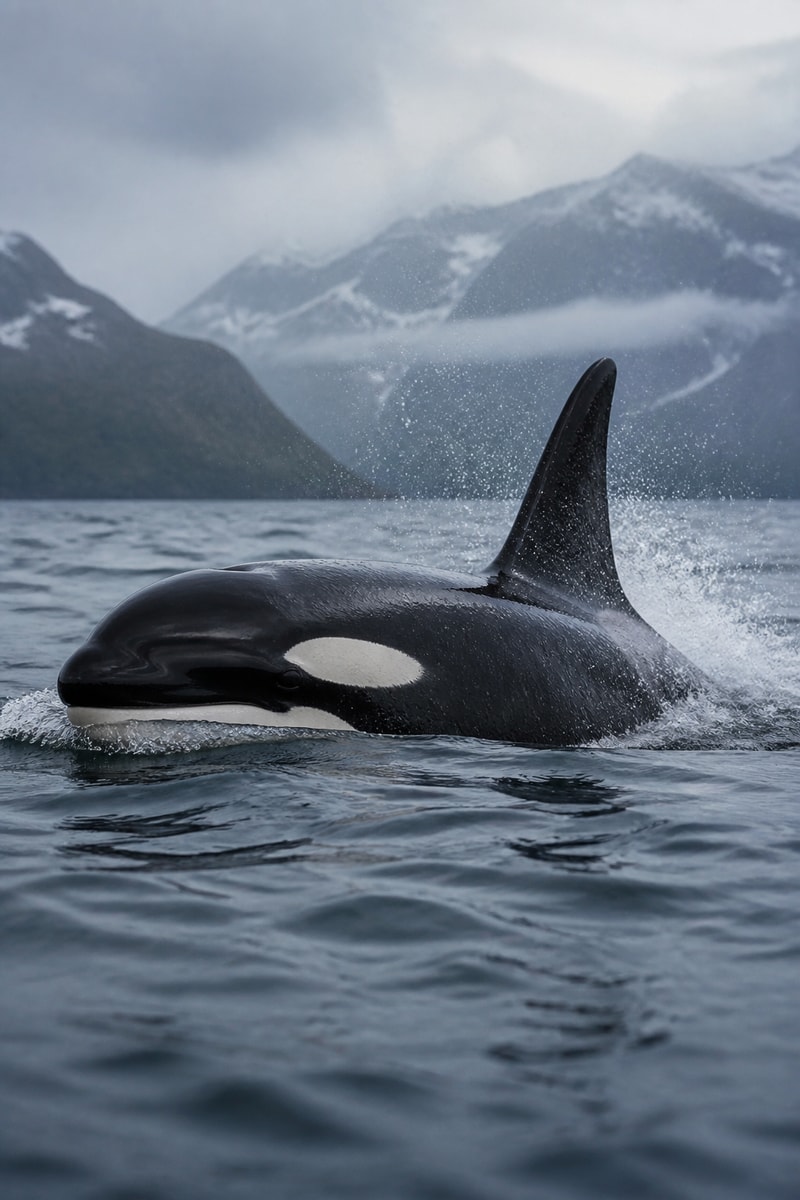
- Orcalegendary • Coastal Ocean
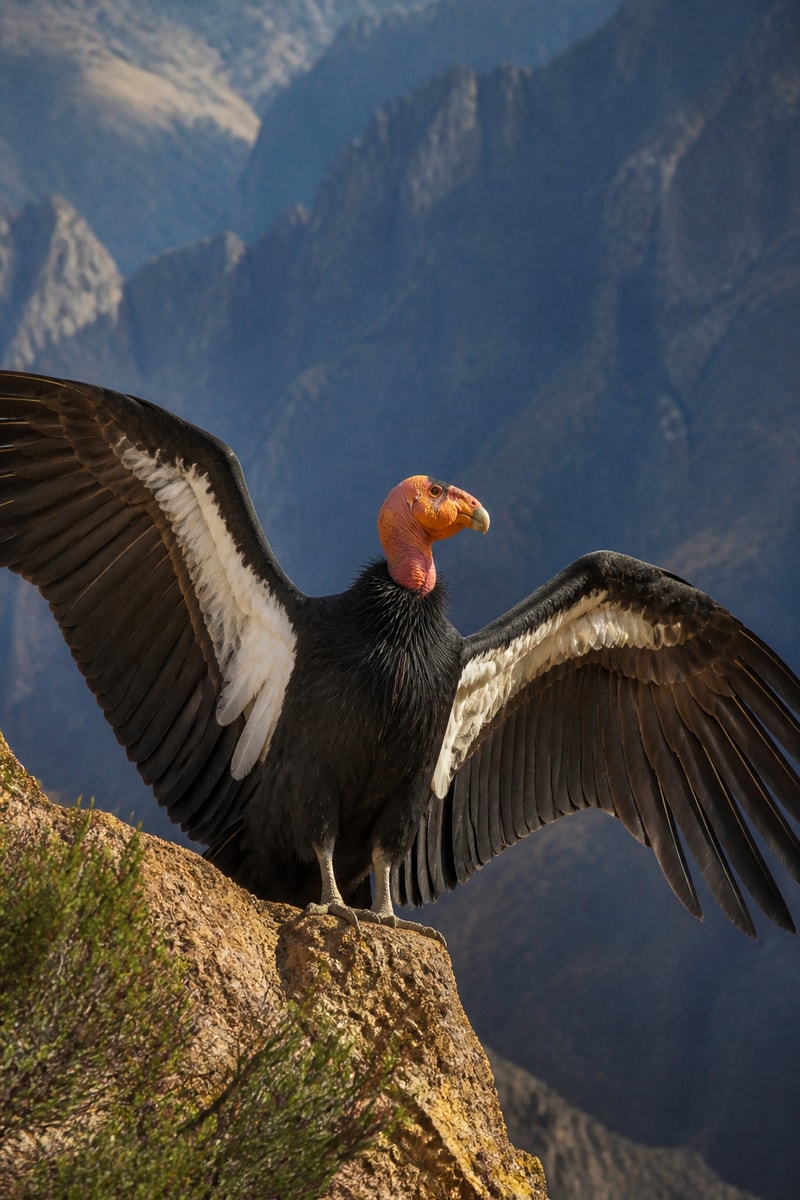
- California Condorlegendary • Canyons & Cliffs
Free on iOS
Catch the Arctic Fox
Spot one in the wild, then scan it in Catch'Um to log your common discovery.