
Field guide · common
American Robin
The lawn-hopper, a russet-breasted thrush that pulls worms from suburban grass and raises three broods a summer.
Least Concern
Turdus migratorius
Overview
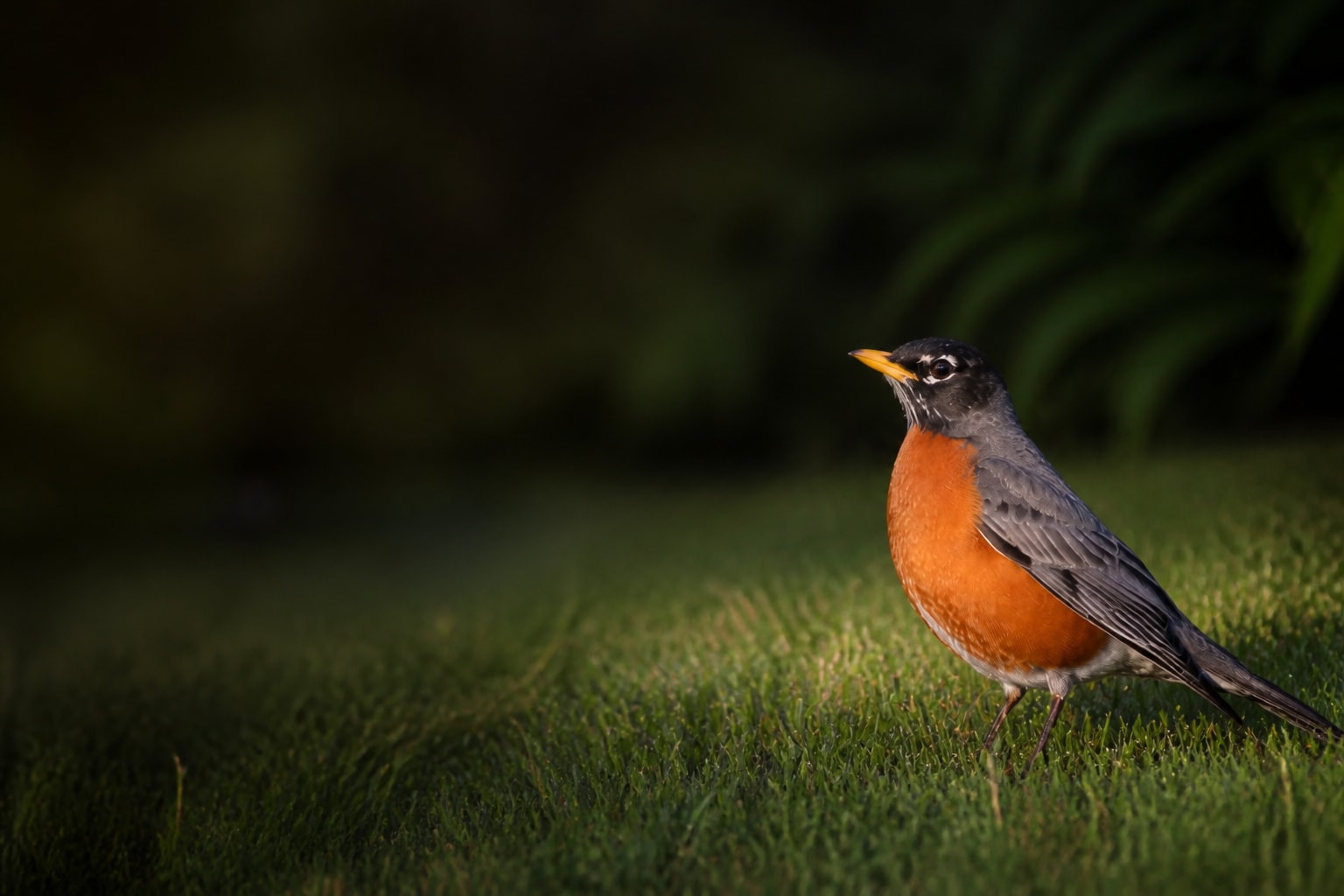
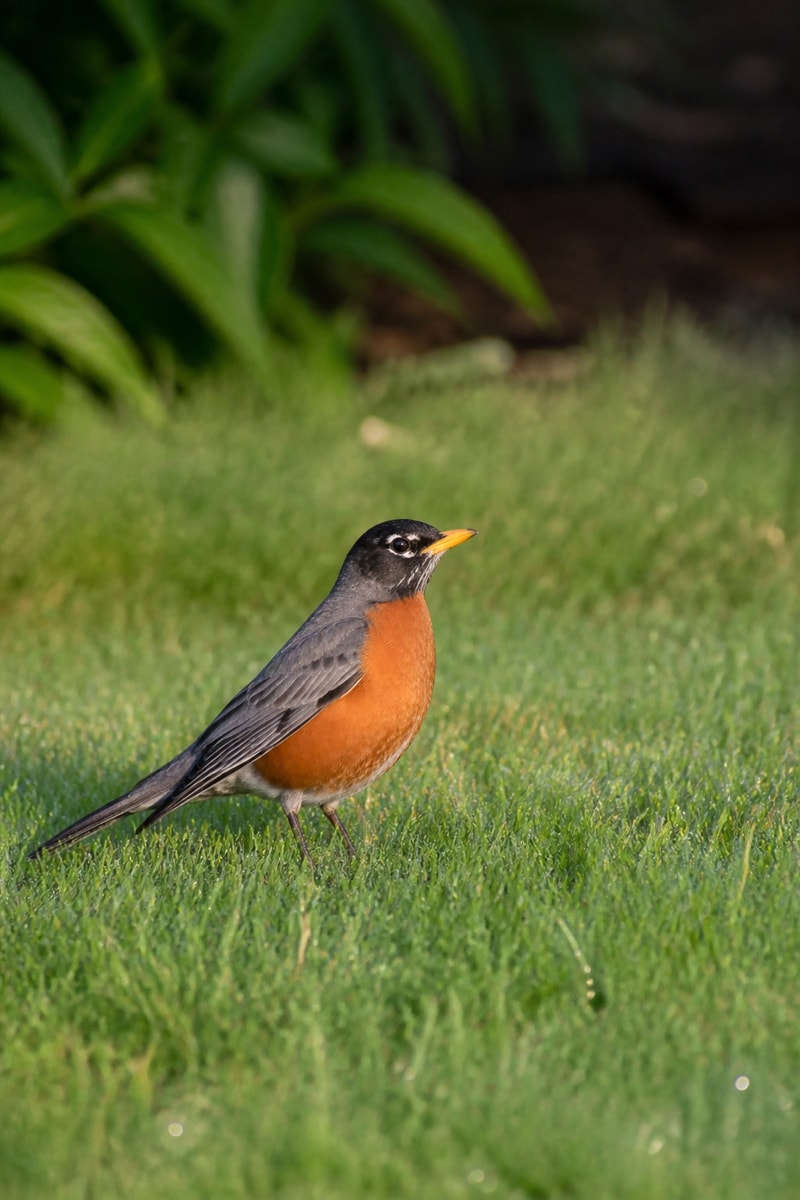
The American robin is not the same bird as Britain's robin. It's a thrush, larger, with a rusty orange breast and dark head. It's the bird that defines an American lawn: hopping across grass, pausing, cocking its head, pulling an earthworm from the soil.
Robins are everywhere in the US, parks, gardens, golf courses, campus quads. They're the first sign of spring in the north and a year-round presence in the south. Common, yes, but the quintessential American backyard discovery.
- Scientific nameTurdus migratorius
- Length23–28 cm
- Weight75–85 g
- Lifespan2–6 years in the wild typical; some reach 10+ years
- DietEarthworms and insects…
- ConservationLeast Concern
- RegionLawns & Parks
Habitat
- Lawns
- Woodland
- Parks
- Gardens
American robins breed across North America from Alaska to Mexico, in forests, suburbs, parks, and farmland. They nest in trees and on ledges, feed on lawns for earthworms, and switch to berries in autumn, often gathering in large flocks before migration.
Countries found
Field notes
Field scale for the American Robin: length around 23-28 cm; weight 75-85 g. Typical lifespan: 2-6 years in the wild typical; some reach 10+ years.
When you are scanning habitat, prioritise lawns, woodland, parks, and gardens. Those settings are where a clean look and a usable photo are most likely.
Quick ID anchor: Grey-brown upperparts, brick-orange breast, white eye-ring, and a dark head (darker in males). Juveniles have spotted breasts. Larger and more orange-breasted than many other thrushes. Confirm with behaviour and habitat before you log the discovery.
Where to see one
United States
In United States, strong options include Central Park, Suburban Park Systems, and Neighbourhood Streets. Urban ponds for mallards, pigeons on the paths, and sparrows in every shrub. A compact starter loop in Manhattan.
Open the United States spotting guide for every park note tied to the american robin.
Diet
Earthworms and insects on lawns in spring and summer; switch heavily to berries and fruit in autumn and winter.
Behaviour
Familiar thrush that runs and pauses on grass while hunting worms. Males sing a cheerful carol at dawn; large winter flocks roost in berry-rich woods and suburbs.
How to identify
Grey-brown upperparts, brick-orange breast, white eye-ring, and a dark head (darker in males). Juveniles have spotted breasts. Larger and more orange-breasted than many other thrushes.
Interesting facts
- 01
American robins can produce three broods in a single breeding season.
- 02
They are thrushes, related to blackbirds and bluebirds, not the European robin.
- 03
That head-cock while hunting helps them see earthworm movement through grass.
- 04
Robins are among the first birds to sing at dawn, a flutey, carolling song.
- 05
They can become drunk on fermented berries in autumn, wobbling on lawns.
- 06
The American robin is the state bird of Connecticut, Michigan, and Wisconsin.
Conservation status
American robins are Least Concern and one of the most abundant birds in North America. Populations are stable, though pesticide use on lawns can reduce worm prey locally.
Sources: IUCN Red List
Related discoveries

Keep exploring
Related discoveries
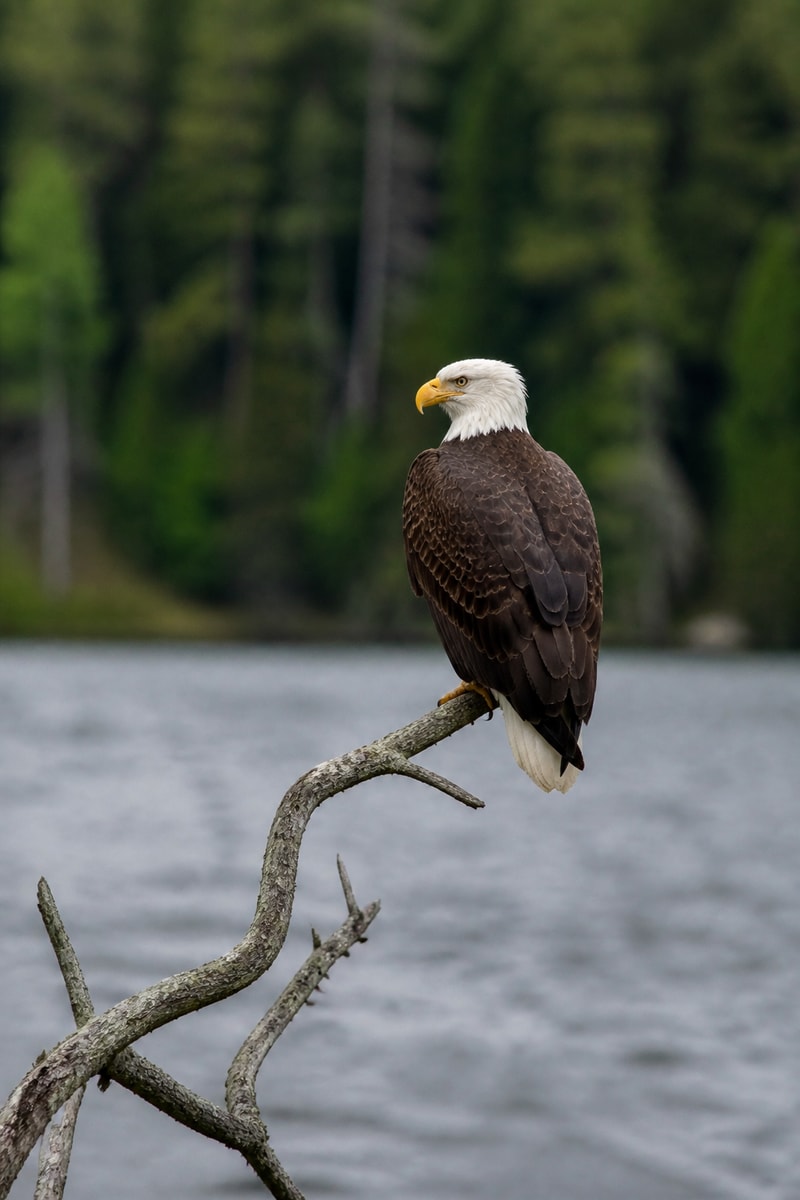
- Bald Eaglelegendary • Lakes & Coasts
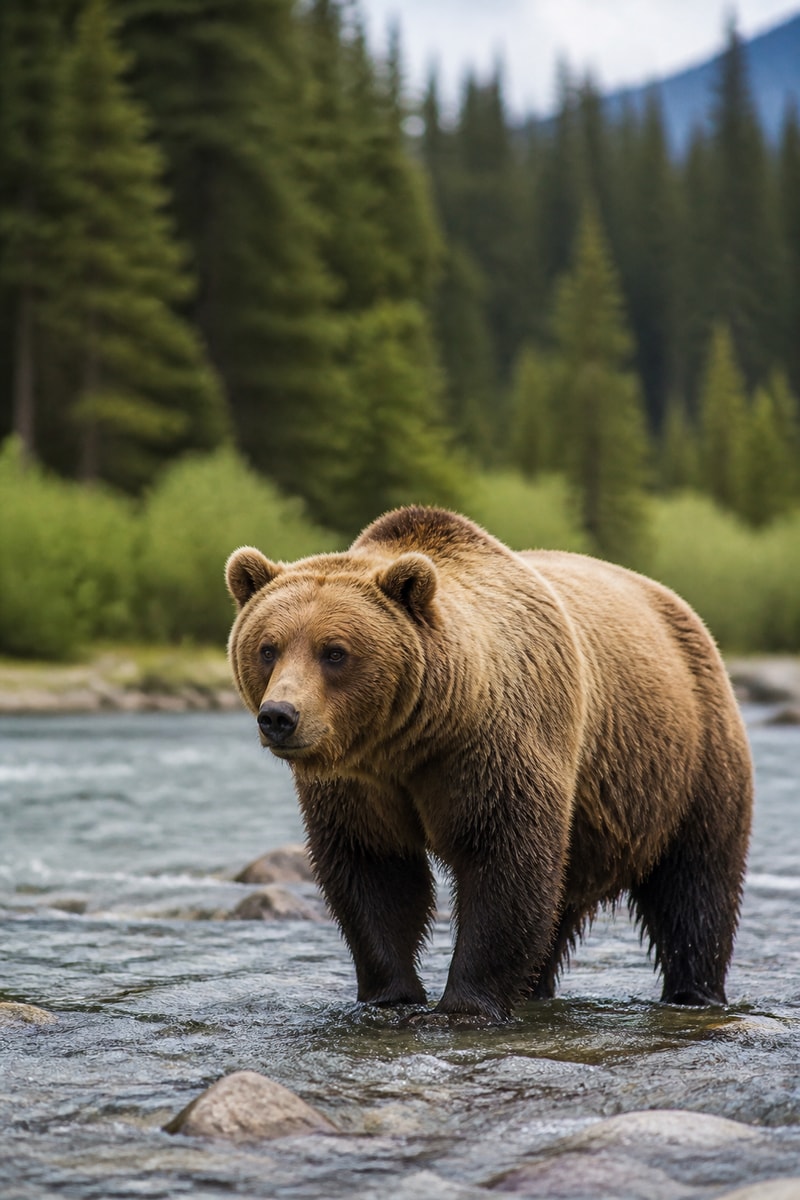
- Grizzly Bearlegendary • Mountains & Rivers
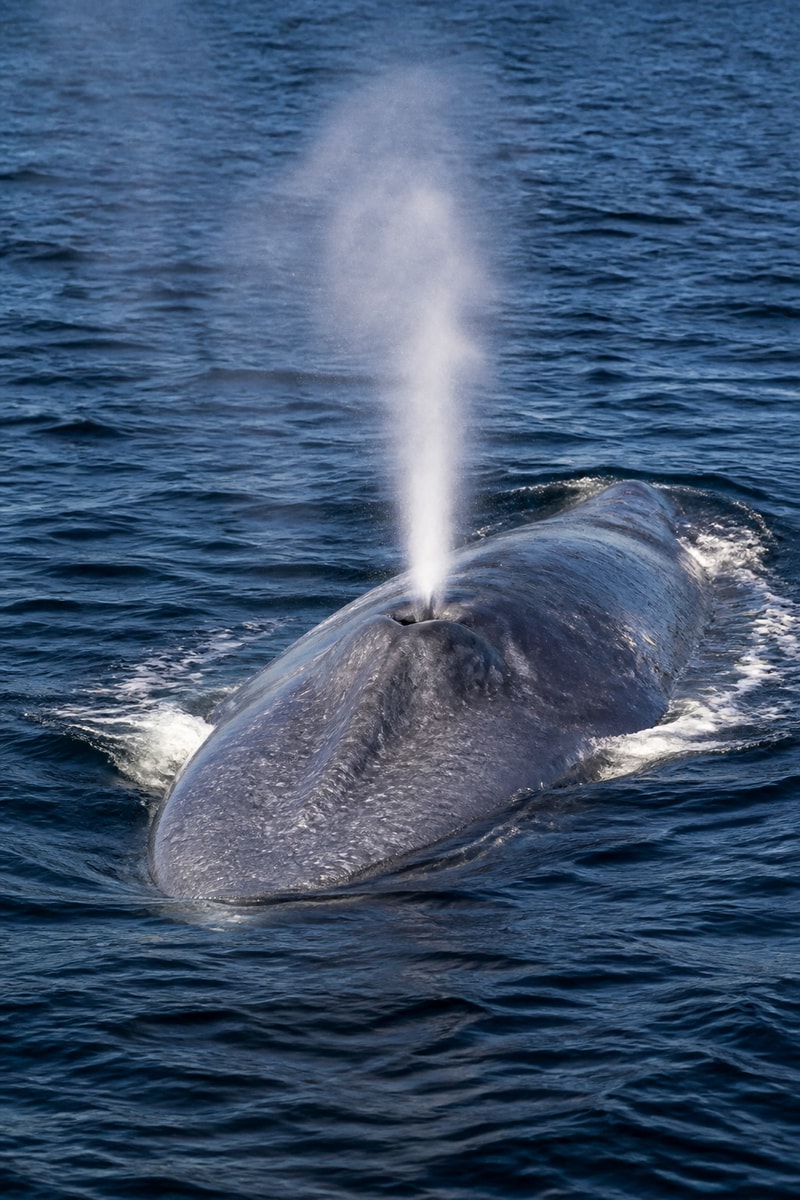
- Blue Whalelegendary • Open Ocean
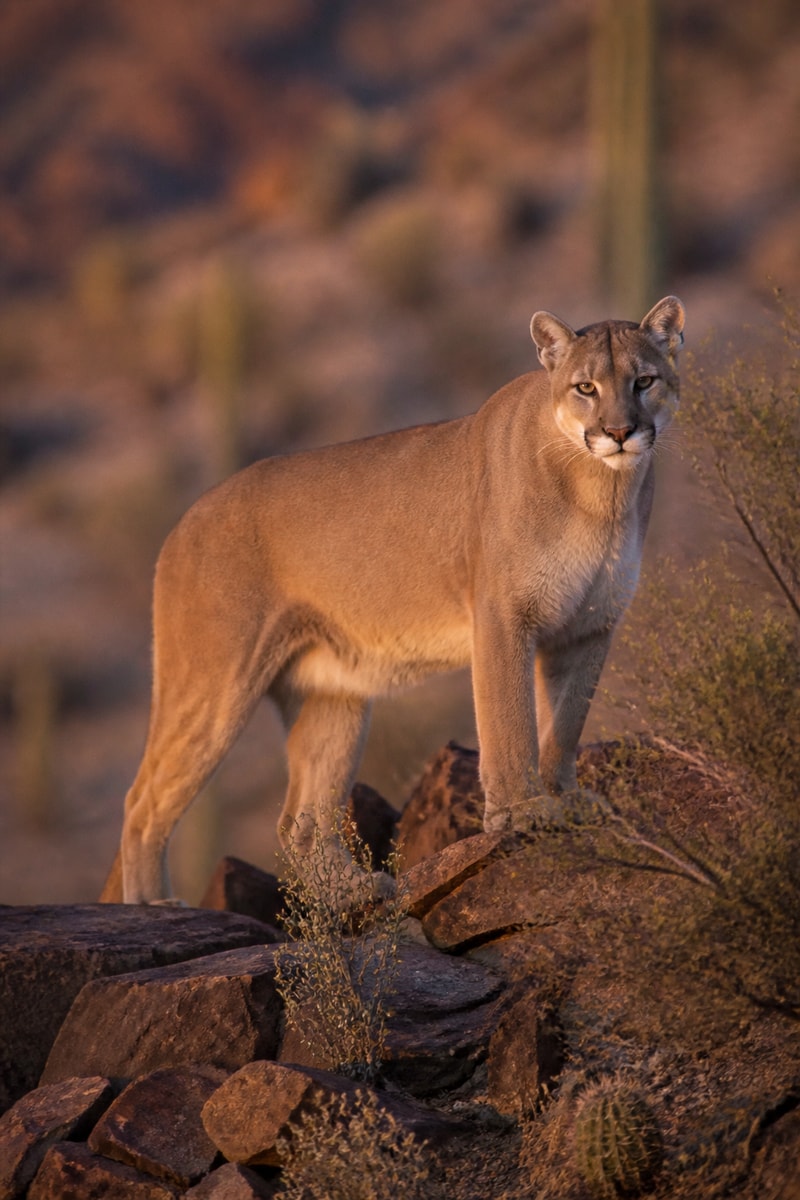
- Mountain Lionlegendary • Mountains & Desert
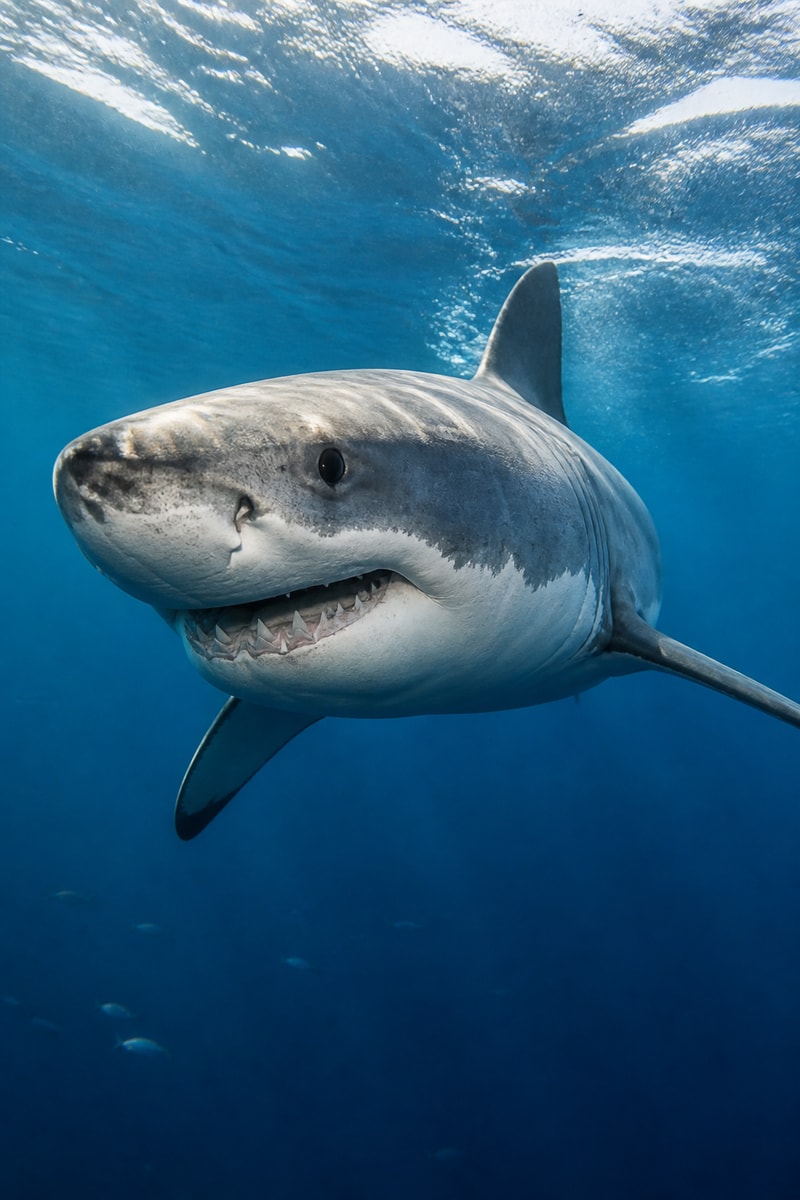
- Great White Sharklegendary • Coastal Ocean
- Orcalegendary • Coastal Ocean
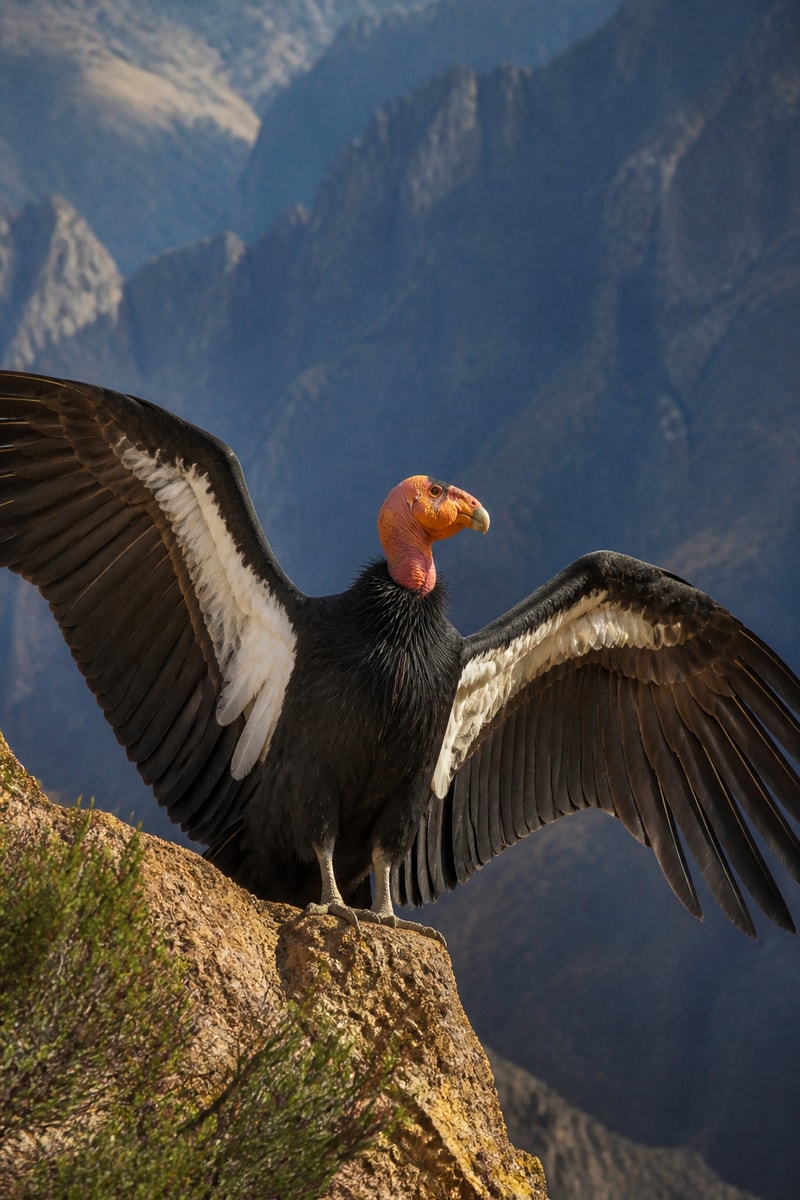
- California Condorlegendary • Canyons & Cliffs
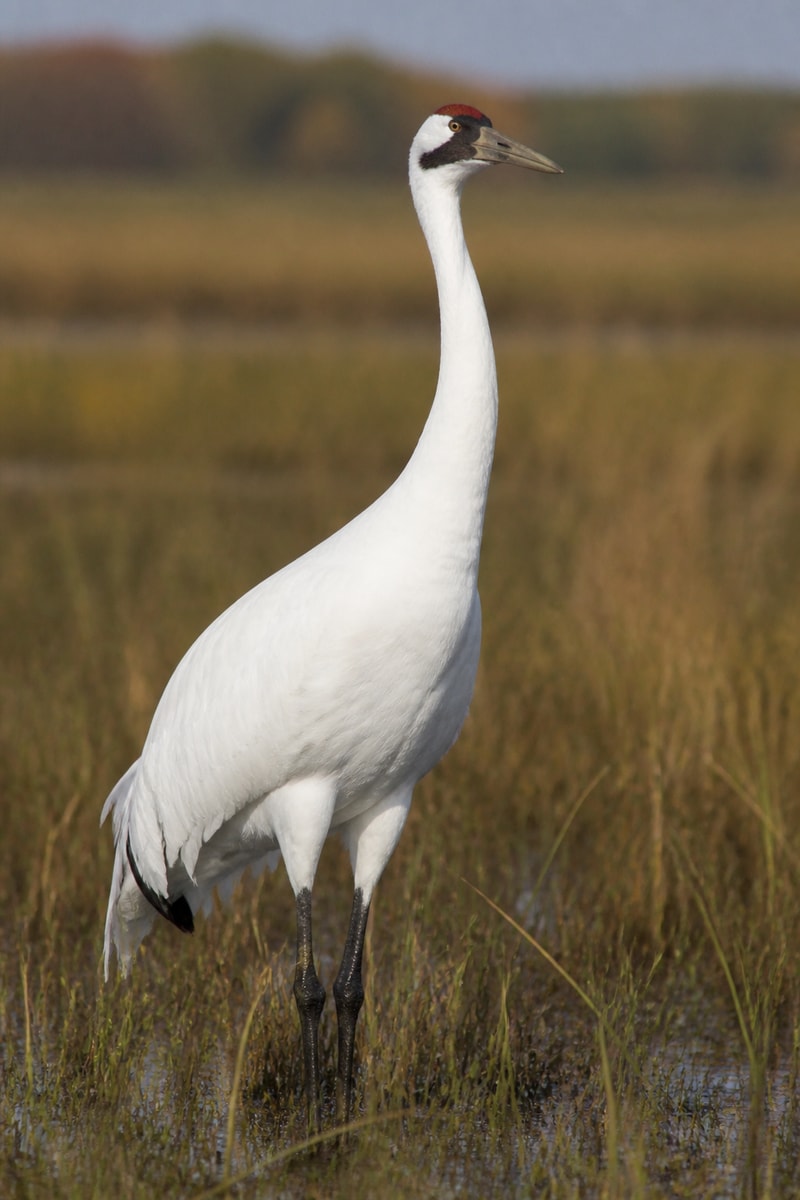
- Whooping Cranelegendary • North American Wetlands
Free on iOS
Catch the American Robin
Spot one in the wild, then scan it in Catch'Um to log your common discovery.