
Field guide · common
American Goldfinch
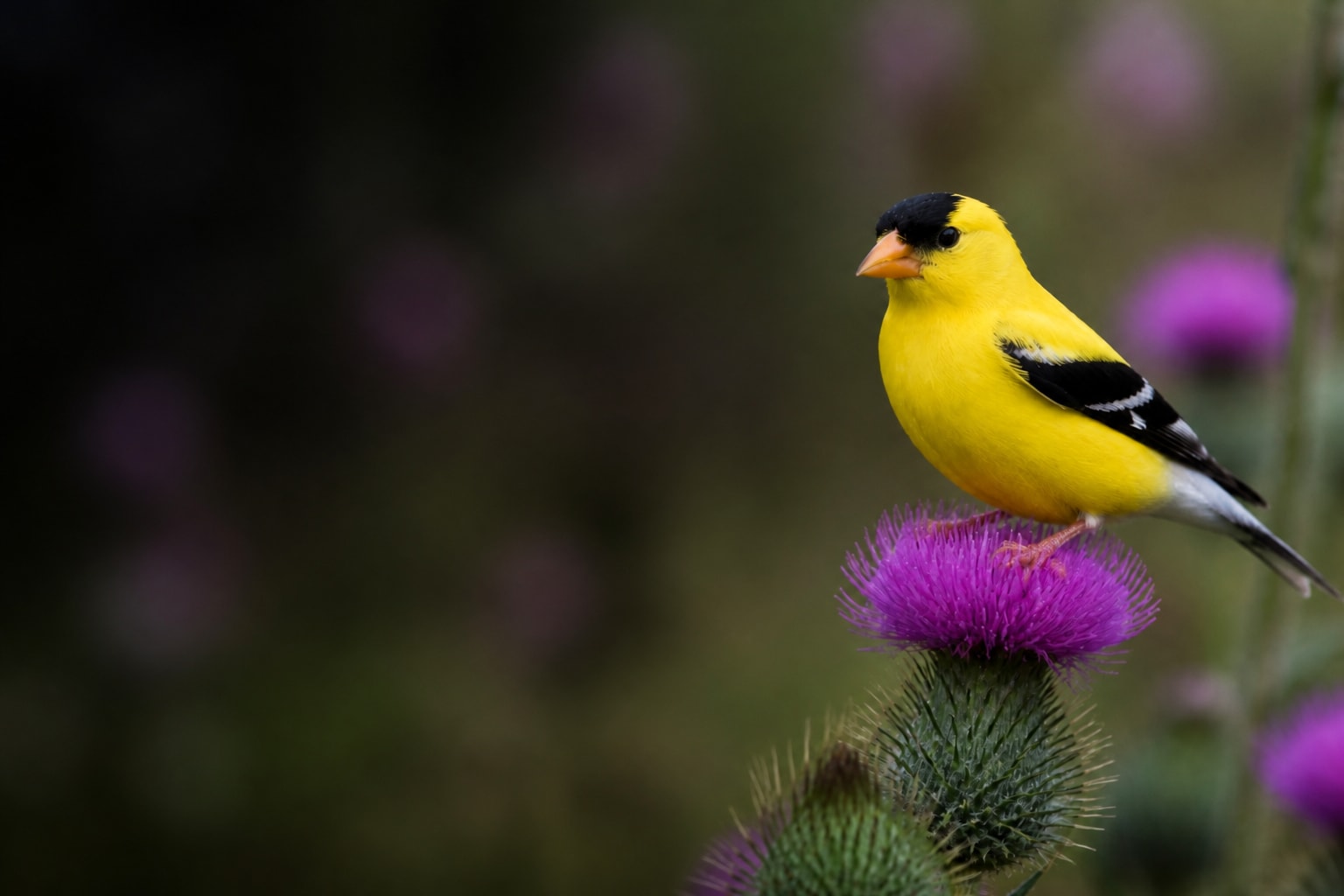
The sunshine finch, a bright yellow songbird that bounces through summer meadows and waits until thistles bloom to raise its young.
Least Concern
Spinus tristis
Overview
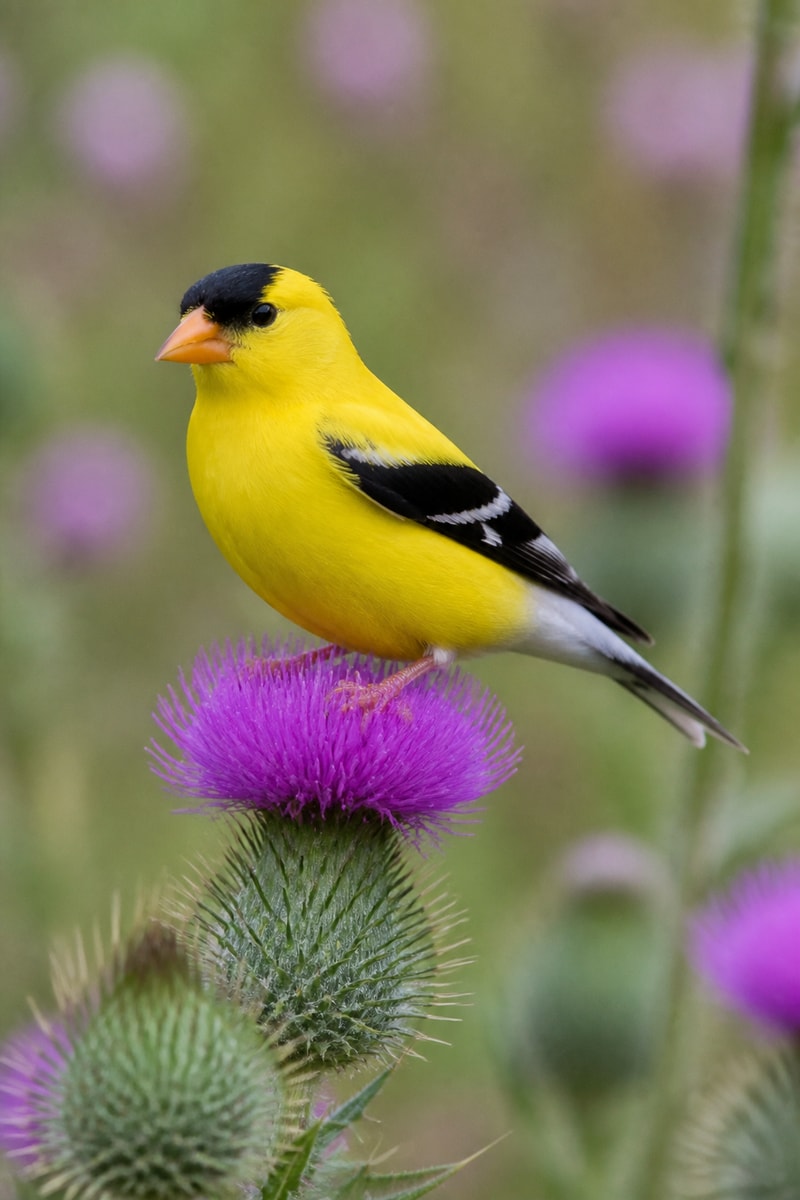
The American goldfinch is one of the last birds to nest each year, timing its breeding season to the peak of thistle and sunflower seed production in late summer. Breeding males glow lemon-yellow with a black cap and wings; in winter they molt into a quieter olive-brown.
Goldfinches have a bouncy, roller-coaster flight and a sweet wheezing song. They cling to seed heads, especially thistles and coneflowers, and visit nyjer feeders in steady, chattering flocks.
- Scientific nameSpinus tristis
- Length11–13 cm
- Weight11–20 g
- Lifespan3–6 years in the wild
- DietAlmost entirely seeds
- ConservationLeast Concern
- RegionMeadows & Gardens
Habitat
- Meadows
- Fields
- Gardens
- Open woodland
Weedy meadows, roadside verges, suburban gardens, and open woodland edges hold goldfinches across the northern and central US. They favour areas rich in composite flowers and weedy grasses that produce small oily seeds.
Countries found
Field notes
Field scale for the American Goldfinch: length around 11-13 cm; weight 11-20 g. Typical lifespan: 3-6 years in the wild.
When you are scanning habitat, prioritise meadows, fields, gardens, and open woodland. Those settings are where a clean look and a usable photo are most likely.
Quick ID anchor: Breeding males are brilliant yellow with a black forehead and black-and-white wings. Females and winter birds are duller olive-yellow; the conical finch bill and bouncing flight help in all seasons. Confirm with behaviour and habitat before you log the discovery.
Diet
Almost entirely seeds—especially thistle, sunflower, and other composites—with insects mainly for nestlings. Often clings to seed heads and visits thistle feeders.
Behaviour
Distinctive undulating flight and musical 'per-chick-o-ree' calls. Nests late in summer when thistle down is available; forms twittering flocks outside the breeding season.
How to identify
Breeding males are brilliant yellow with a black forehead and black-and-white wings. Females and winter birds are duller olive-yellow; the conical finch bill and bouncing flight help in all seasons.
Interesting facts
- 01
Goldfinches nest late in summer when thistle seeds are abundant.
- 02
They are strict vegetarians, one of the few finches that feeds its chicks entirely on seeds.
- 03
Their flight call sounds like po-ta-to-chip as they bounce across fields.
Conservation status
American goldfinches are Least Concern with stable populations. Backyard feeders and weedy garden patches provide excellent habitat in suburban areas.
Sources: IUCN Red List
Related discoveries

Keep exploring
Related discoveries
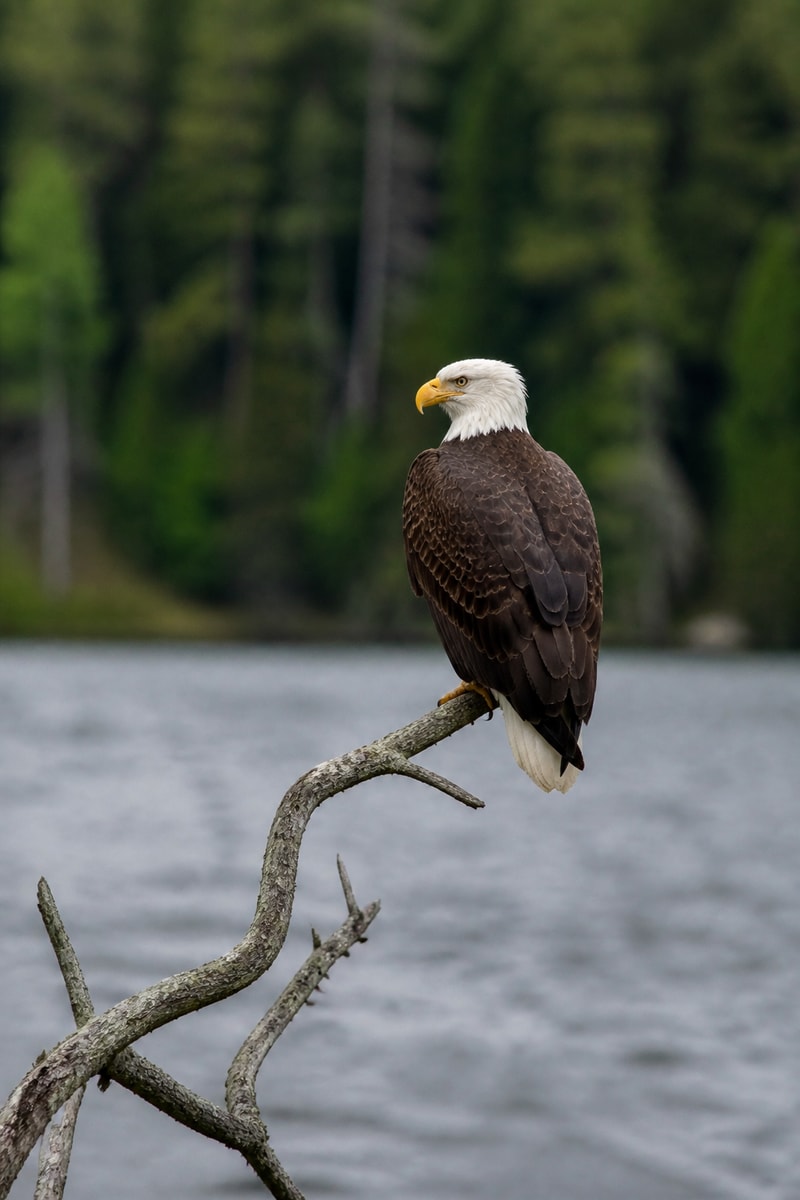
- Bald Eaglelegendary • Lakes & Coasts
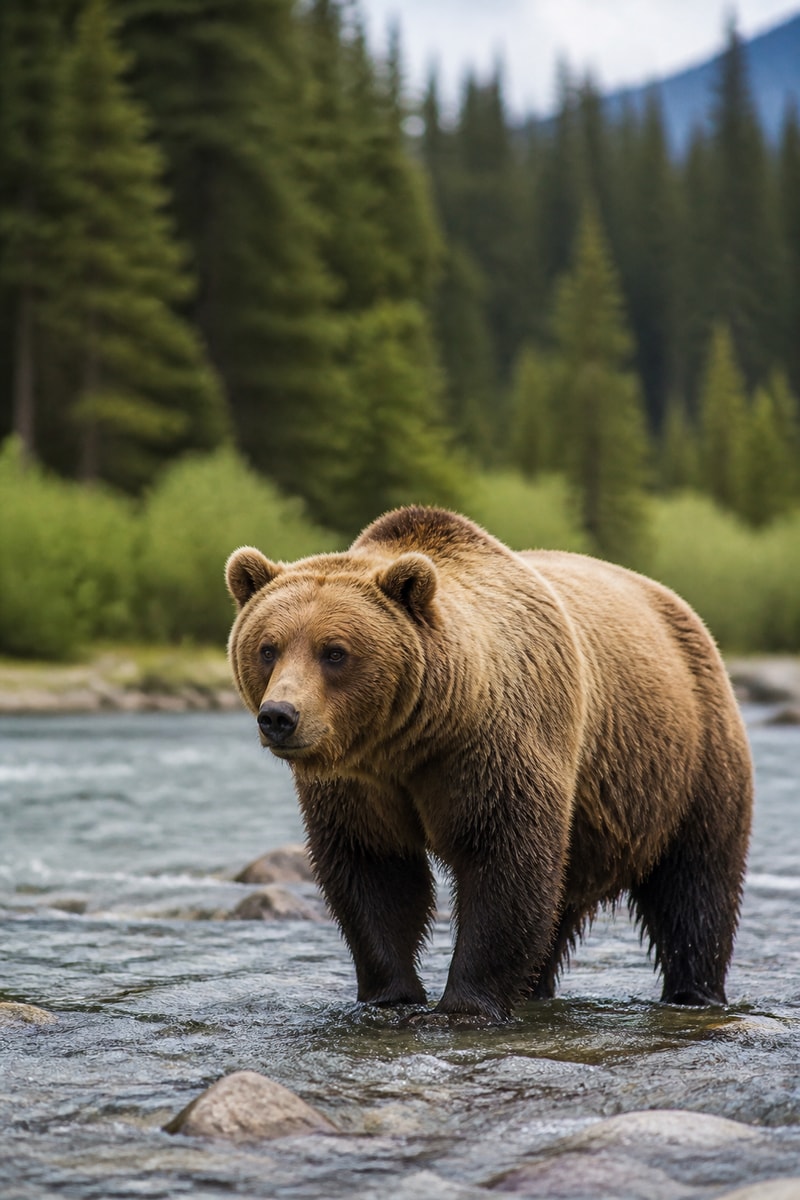
- Grizzly Bearlegendary • Mountains & Rivers
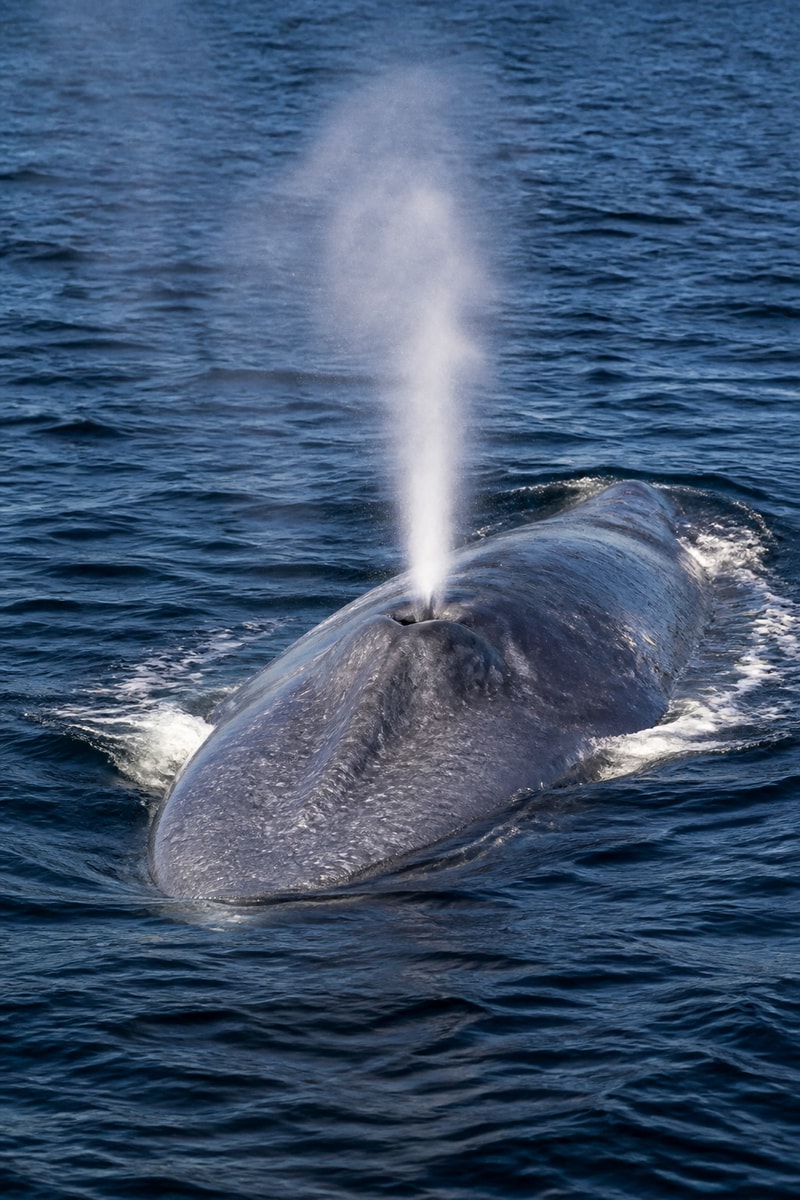
- Blue Whalelegendary • Open Ocean
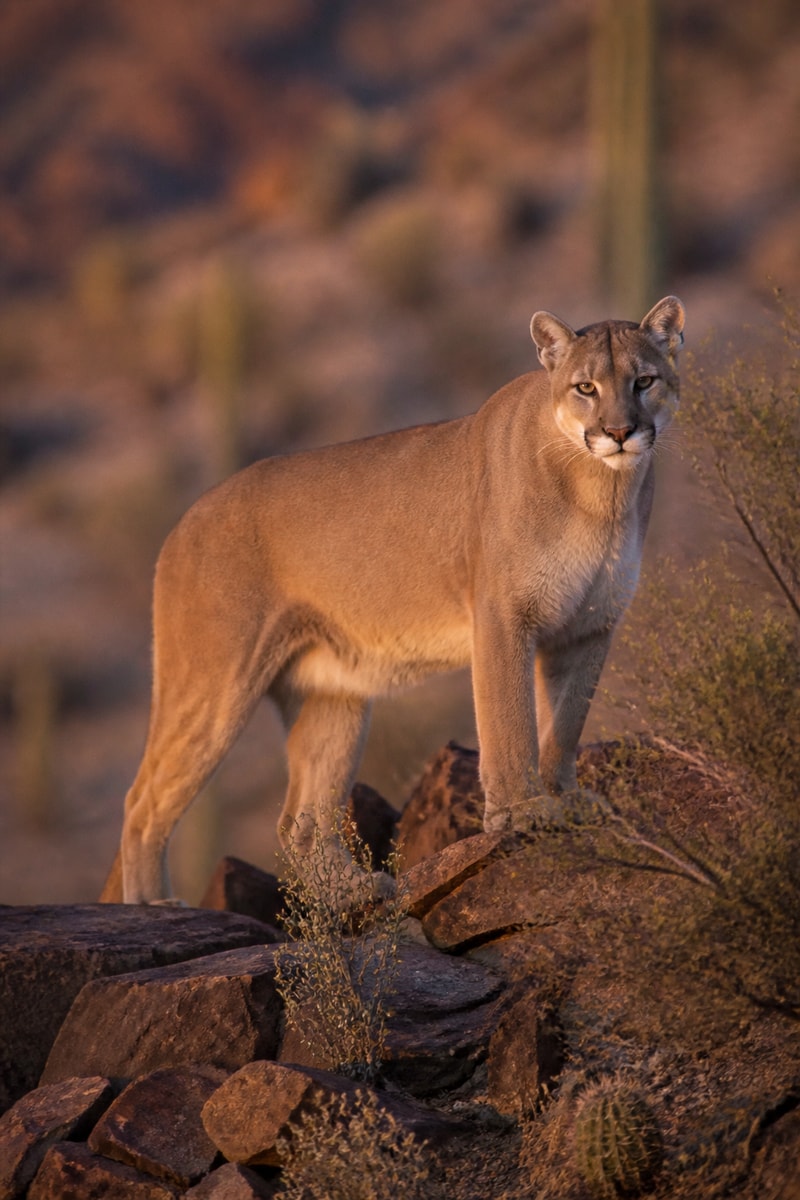
- Mountain Lionlegendary • Mountains & Desert
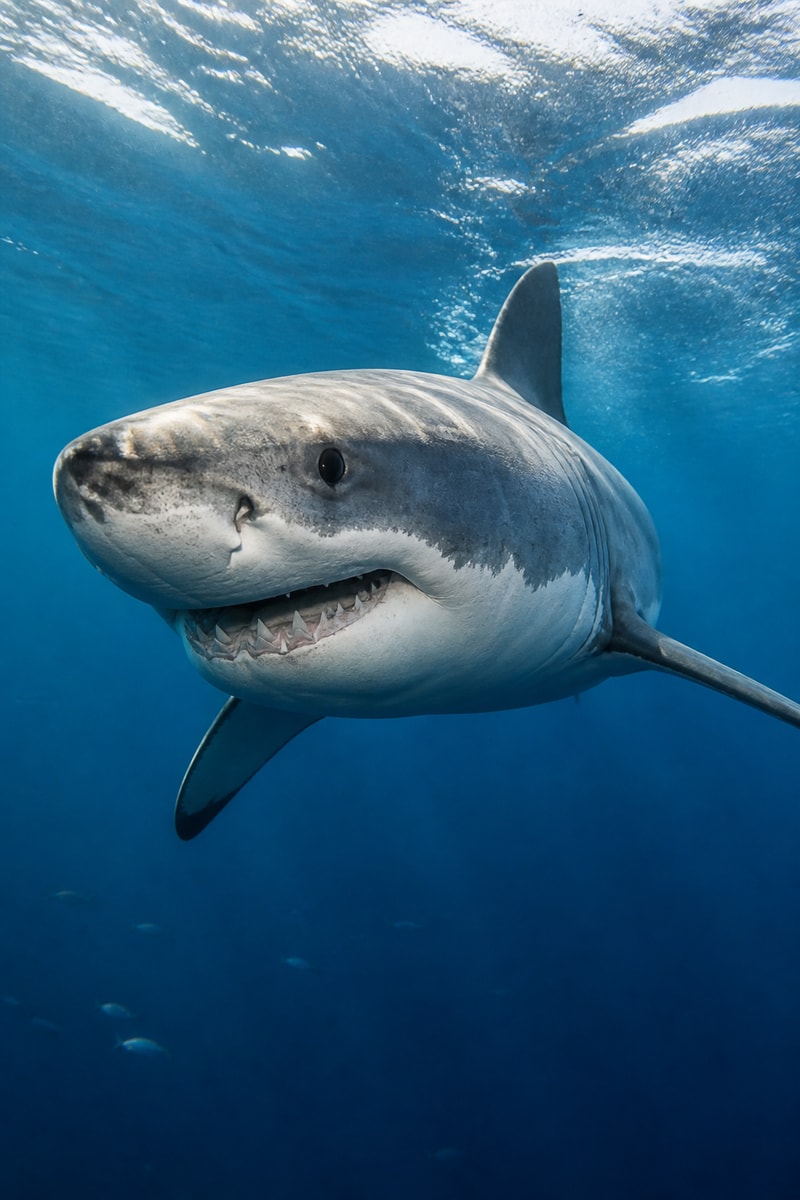
- Great White Sharklegendary • Coastal Ocean
- Orcalegendary • Coastal Ocean
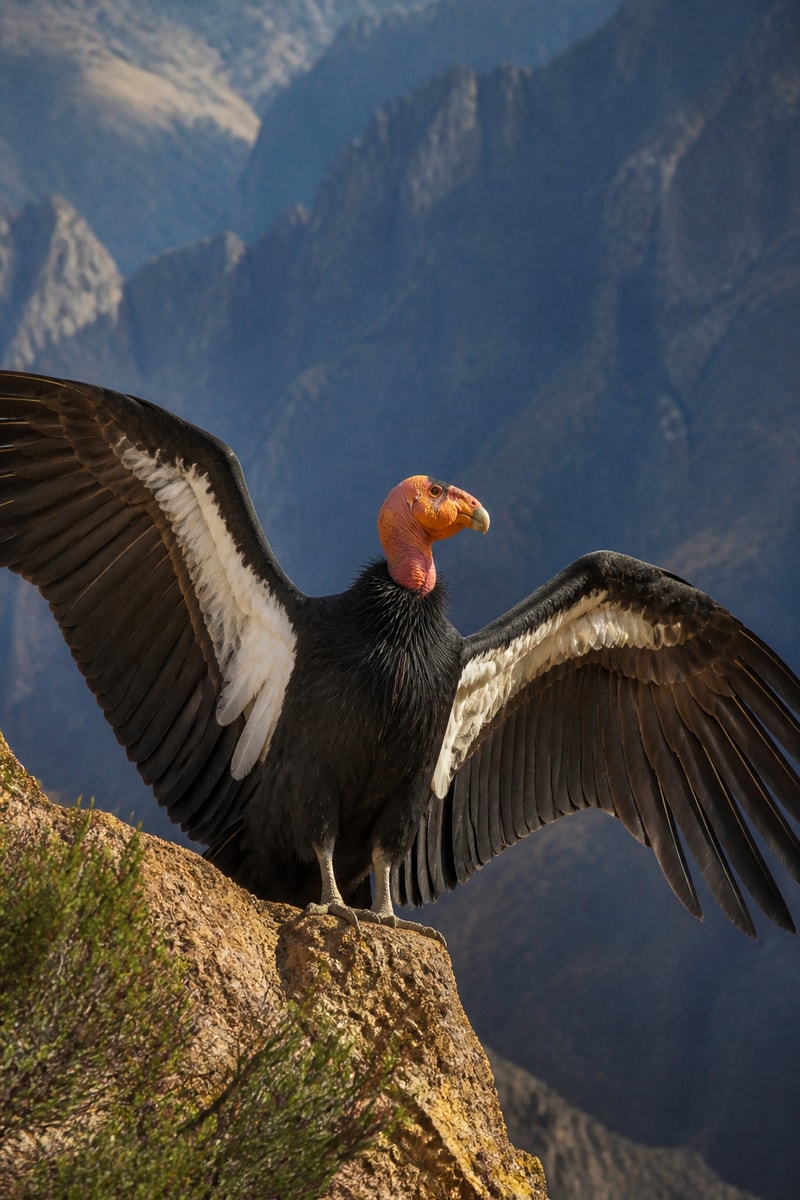
- California Condorlegendary • Canyons & Cliffs
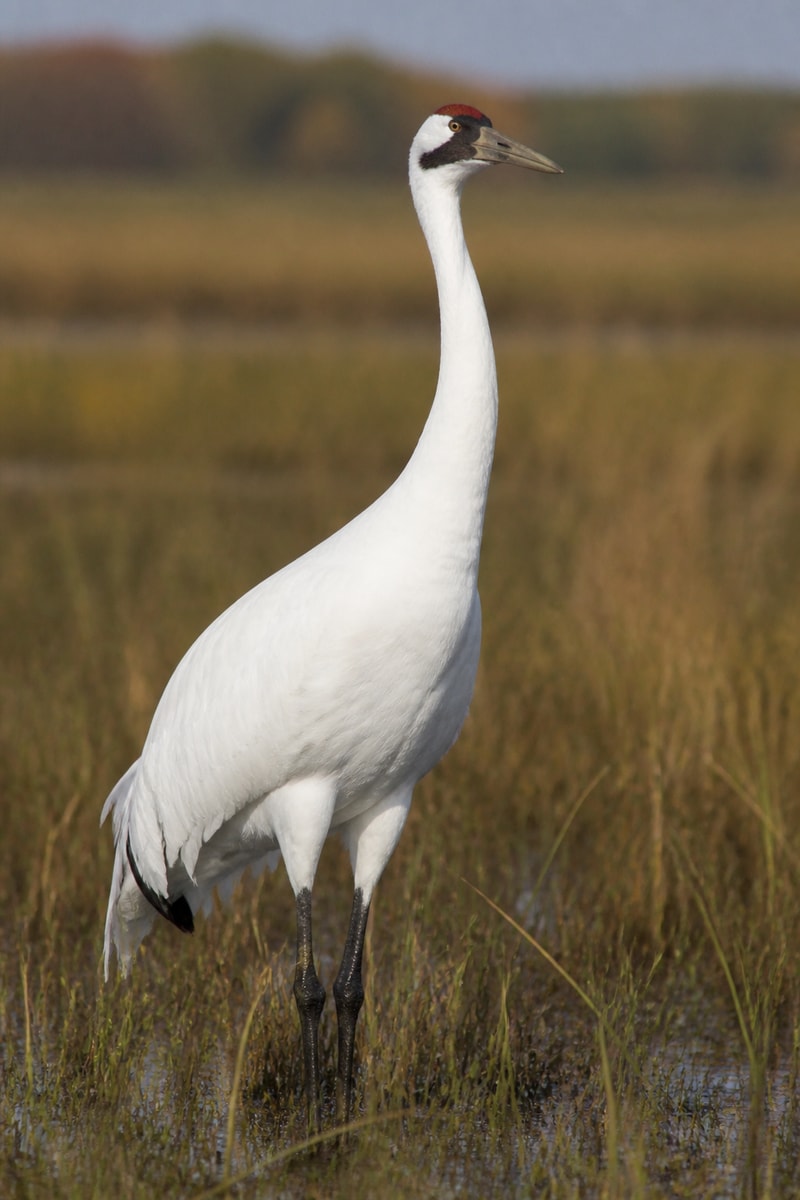
- Whooping Cranelegendary • North American Wetlands
Free on iOS
Catch the American Goldfinch
Spot one in the wild, then scan it in Catch'Um to log your common discovery.